


If you’ve been wondering what’s really happening in Clallam County—and why the same names keep showing up in police reports—tonight is your chance to hear directly from those responsible. This isn’t theory. It’s not policy language. It’s real cases, real patterns, and real consequences. And it’s happening in your community.
Tonight from 6:30 to 8:30 PM at the Fairview Grange Hall on Lake Farm Road, the Calico Cat Social Club is hosting a Public Safety Town Hall.
On the panel:
County Commissioner Mike French
Prosecutor Mark Nichols
Sheriff Brian King
Port Angeles Police Chief Brian Smith
They will be taking questions directly from the public.
Commissioner Randy Johnson is unable to attend due to family matters. Commissioner Mark Ozias declined to participate.
So if you want answers—this is who will be in the room.
And there are a lot of questions that need answering.
600 Miles Away… and Now Here
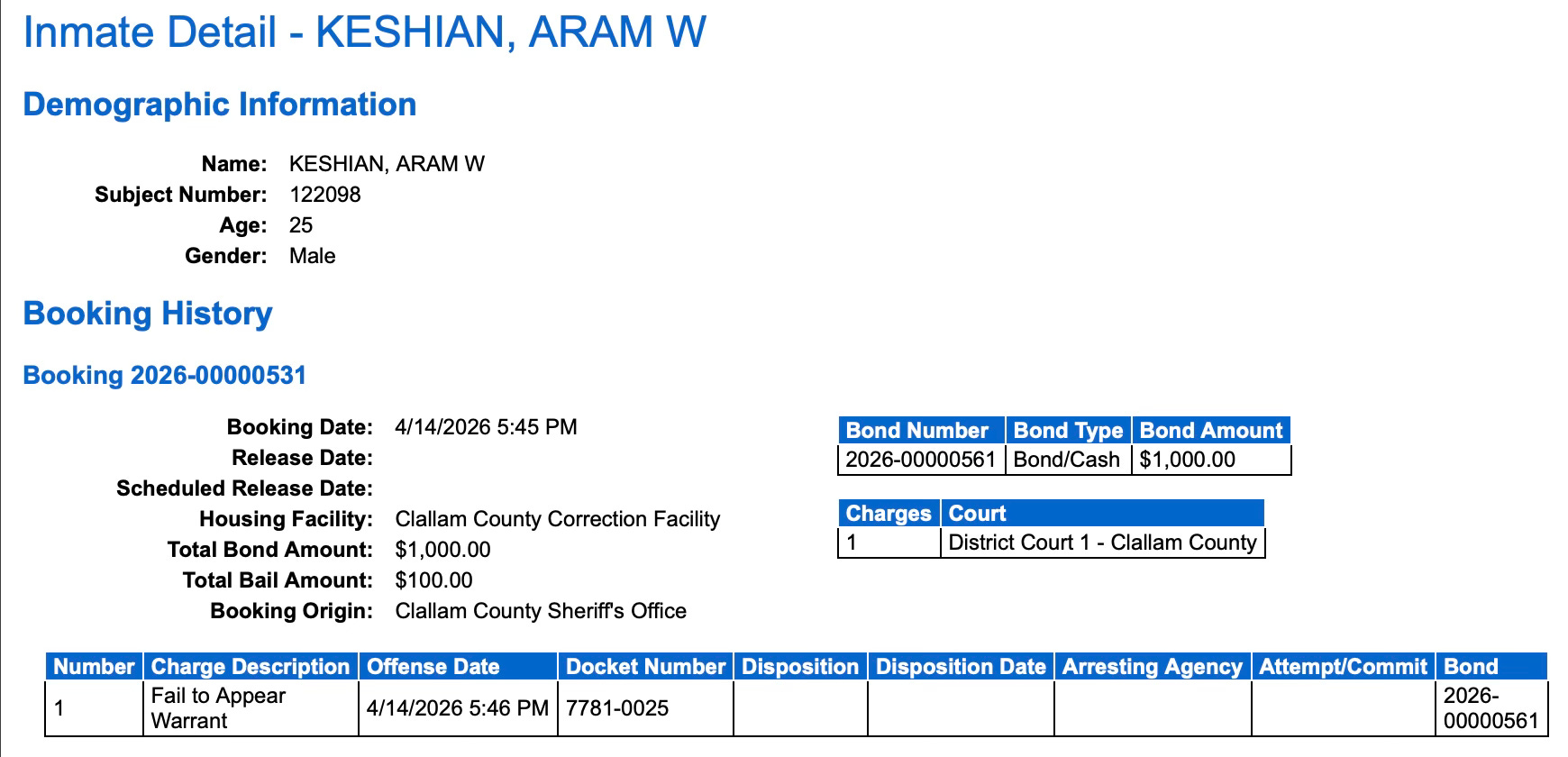
Aram Keshian, 25, was arrested this week on a failure to appear warrant.
Three years ago, he was in the Boise, Idaho area—over 600 miles away—dealing with charges for driving without privileges.
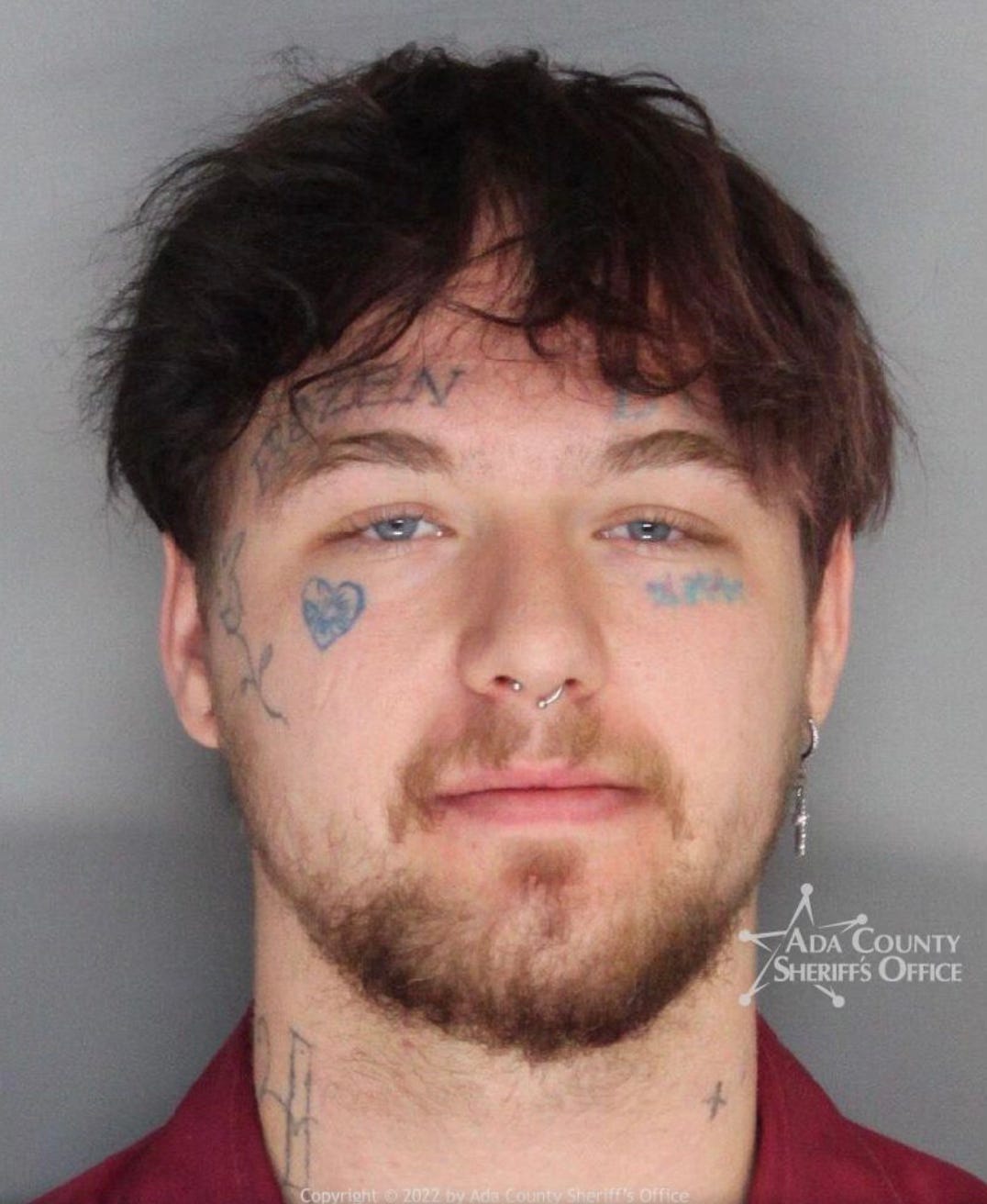
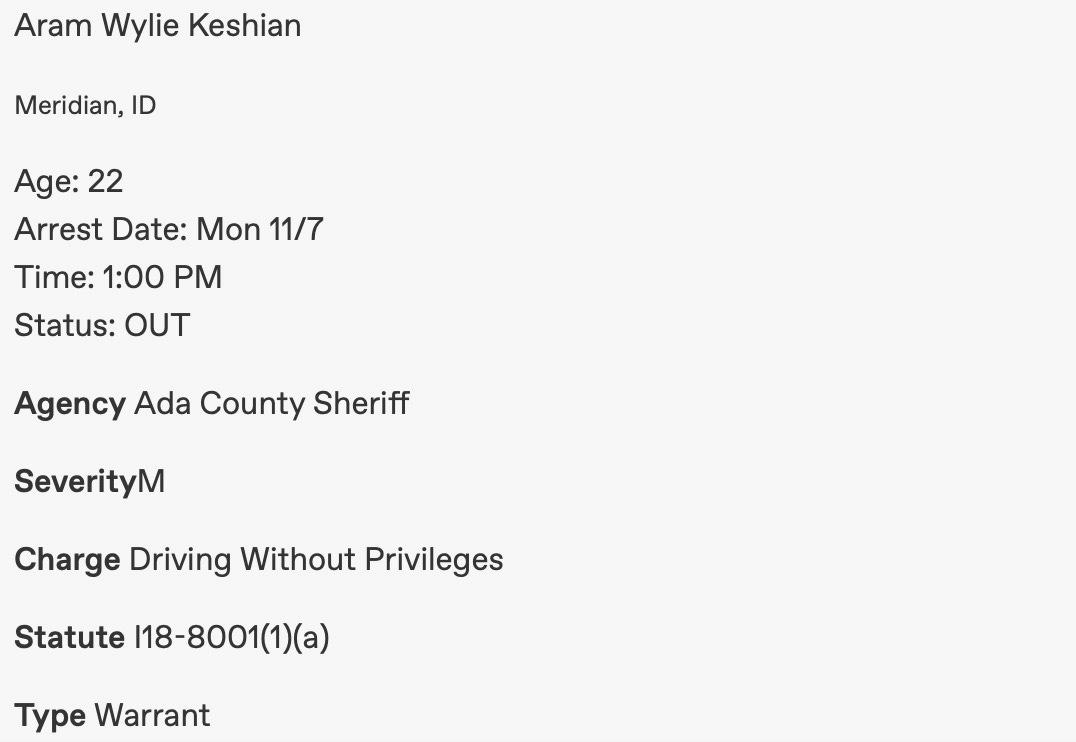
Now he’s here.
That raises a basic question:
Why Clallam County?
Why are individuals with criminal histories traveling across state lines and ending up in our system?
Is it policy?
Is it enforcement?
Is it incentives?
Because once they’re here, it’s not free—it’s on the taxpayer. Jail stays, medical care, food, services. The bill doesn’t follow them back to Idaho. It stays here.
A Known Offender, A Familiar Pattern
Joshua Mirka, 49, arrested again for failure to appear.
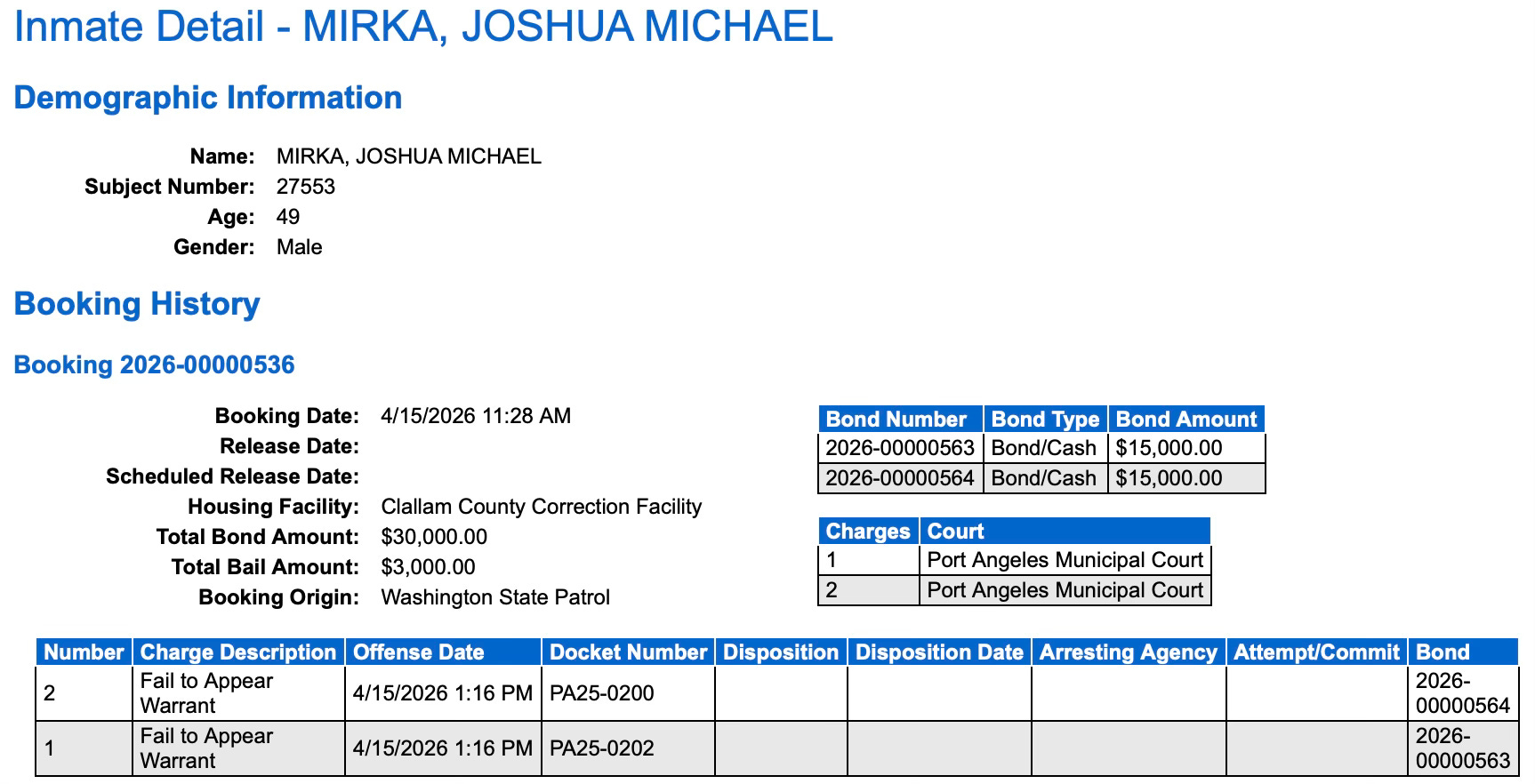
Mirka is not an unknown name. He is a registered sex offender, listed as transient out of Shelton, with a history that includes:
Indecent liberties
Third-degree rape
Retail theft
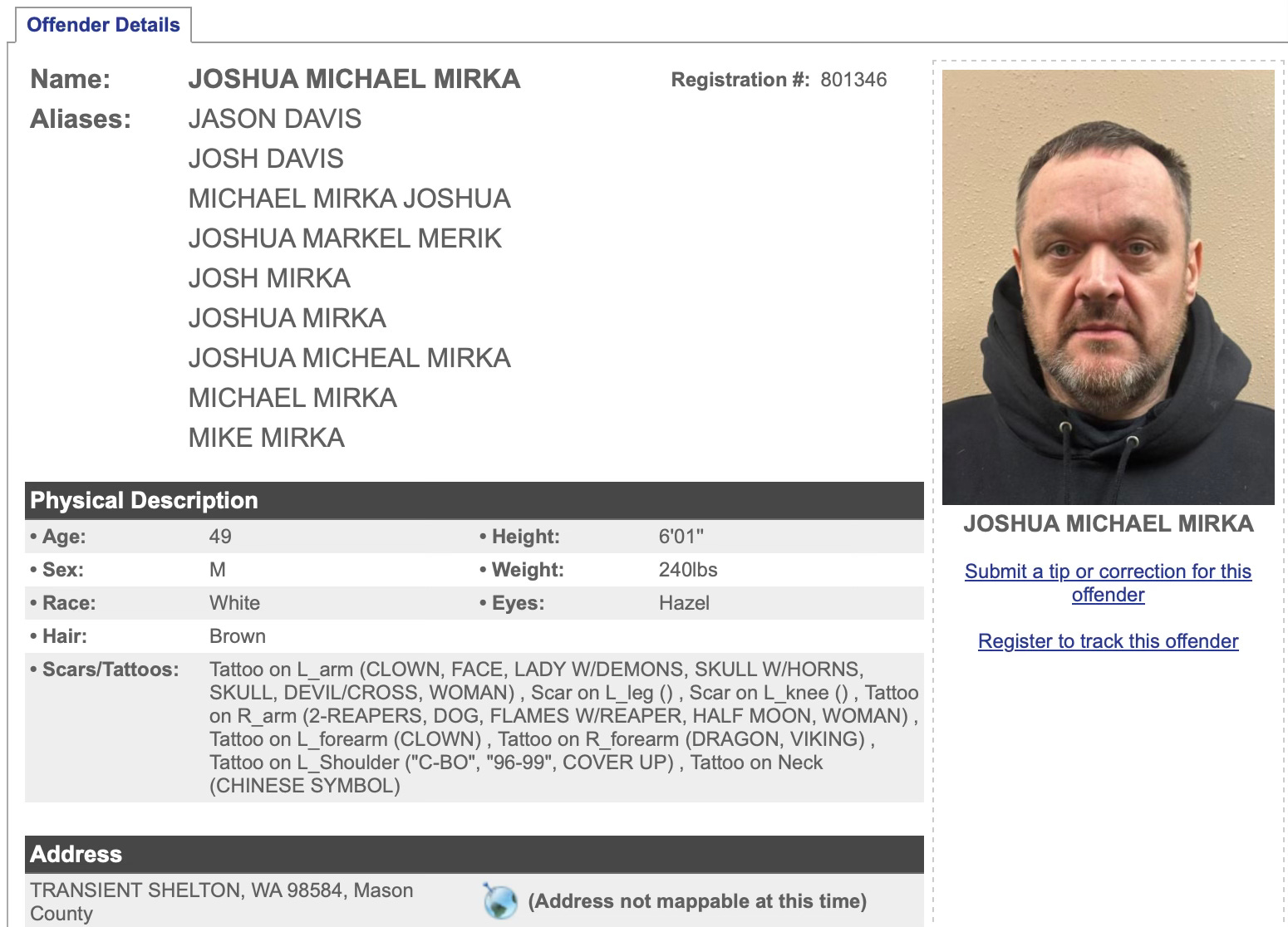
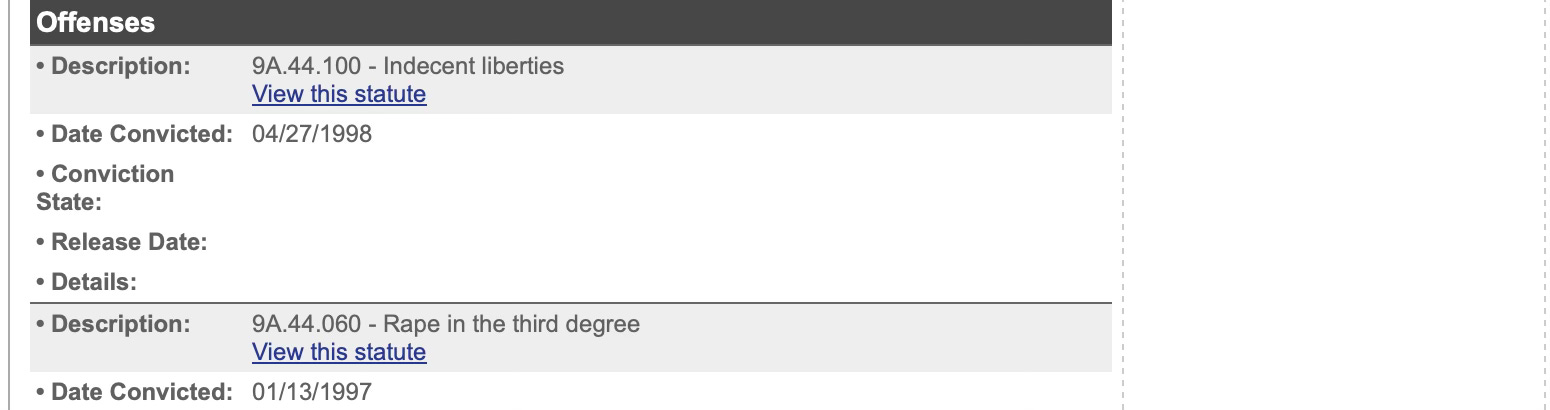

This isn’t new behavior—it’s a long pattern.
Back in 2017, he was involved in stealing vehicles across multiple states, ending up near the Mexican border. Law enforcement at the time even noted that jurisdictions outside Washington tend to be far more aggressive in prosecution and sentencing.

And yet, here he is again—back in the system.
At some point, the question becomes unavoidable:
Is this system interrupting behavior—or just documenting it?
The Revolving Door in Real Time
Macllin Heaward.
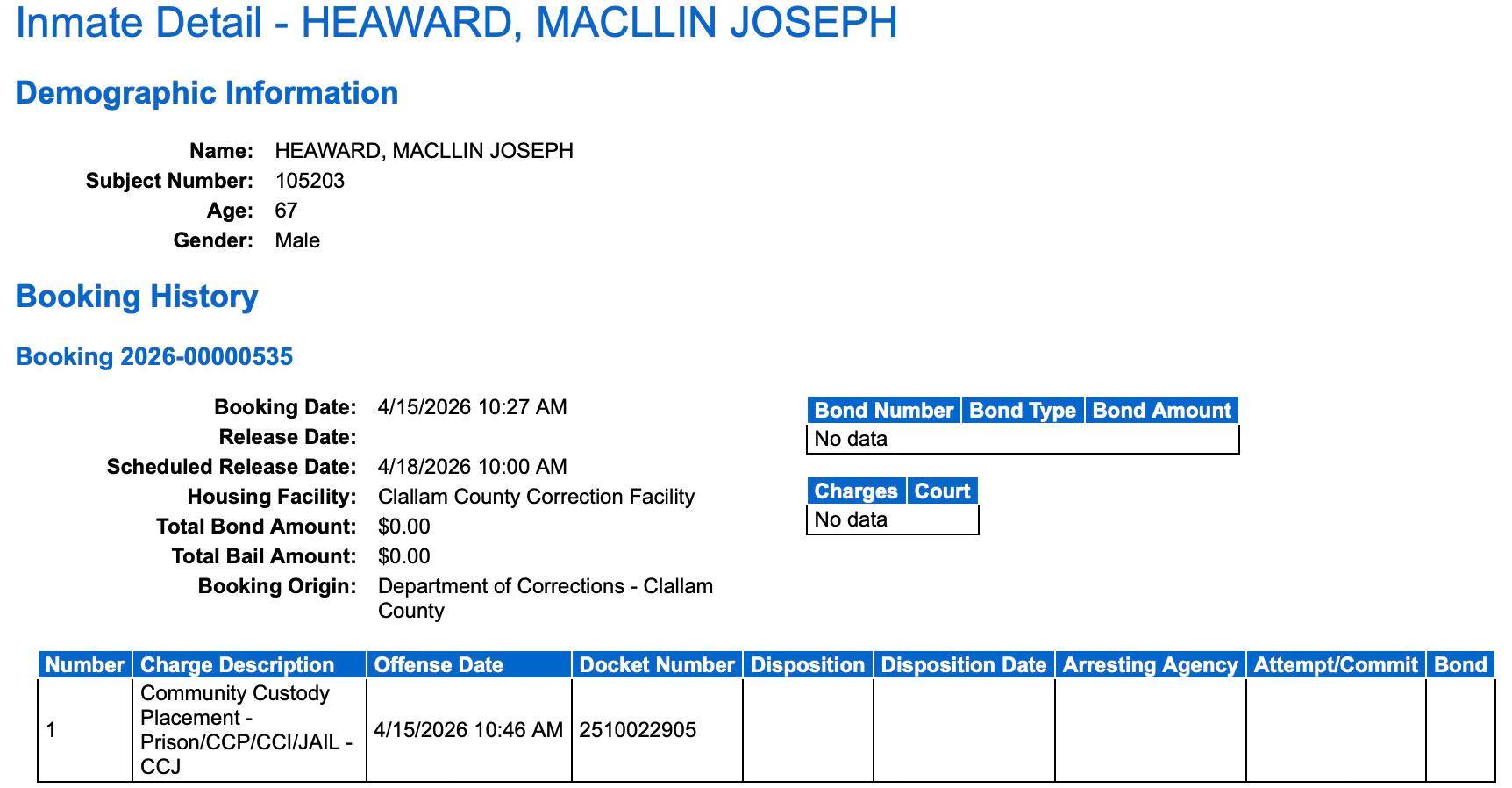
Arrested yesterday.
Also arrested twice last month.
This is the same individual who violently assaulted a Clallam Transit operator, caught on video.
An attack serious enough that community leaders were notified—but one that received minimal public attention from legacy media.
And now?
Back in the system. Again.
This is what people mean when they talk about a “cycle.” It’s not abstract. It’s not theoretical. It’s the same individuals, over and over.
Meanwhile, the buses and the Gateway Transit Center—used by working people, students, and families—are becoming less predictable, less safe.
So the question becomes:
Are we waiting for the next incident?
A Career Criminal Still Operating
Joshua Wilson, 43.
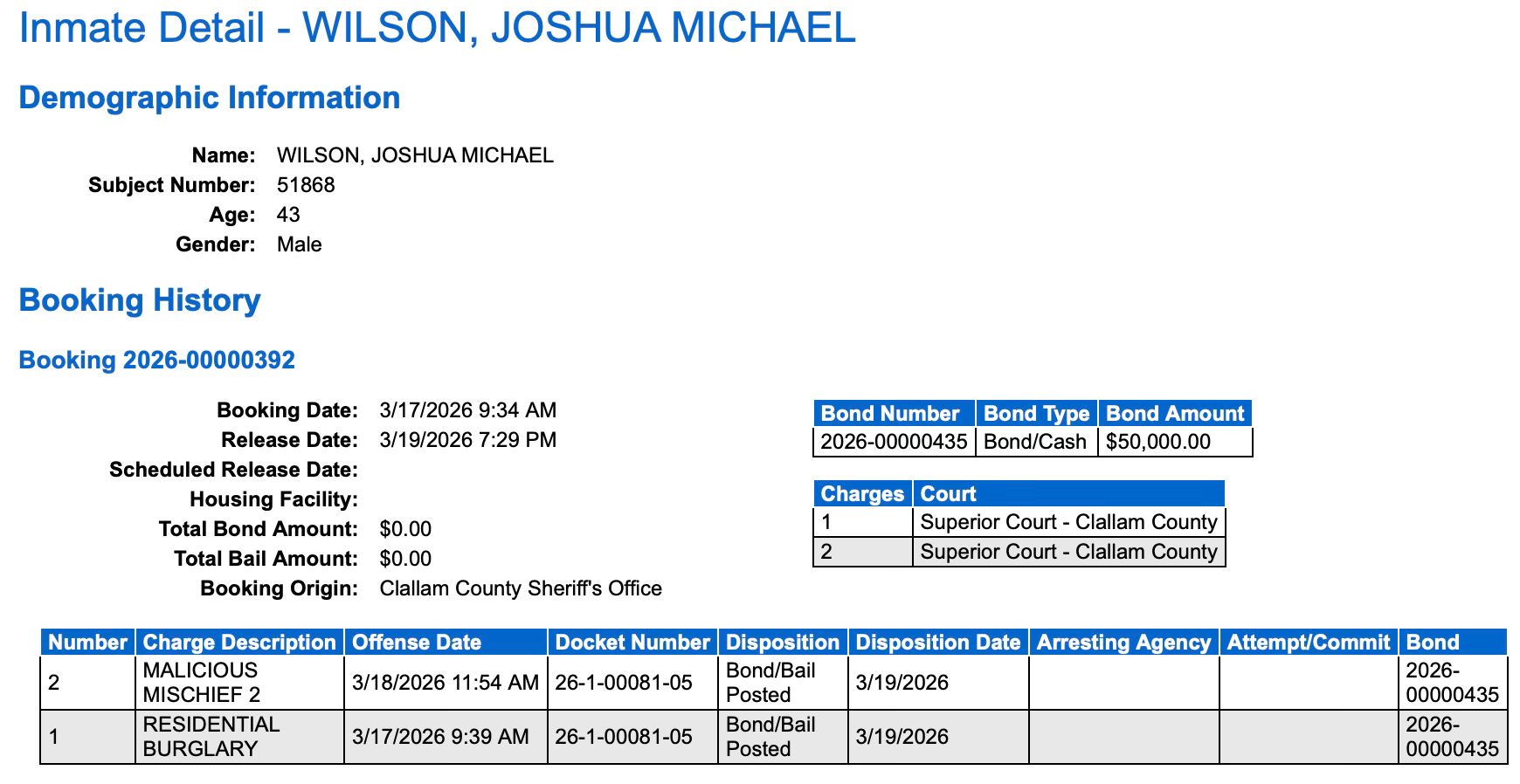
Recently arrested for burglary and malicious mischief after being caught inside a home.
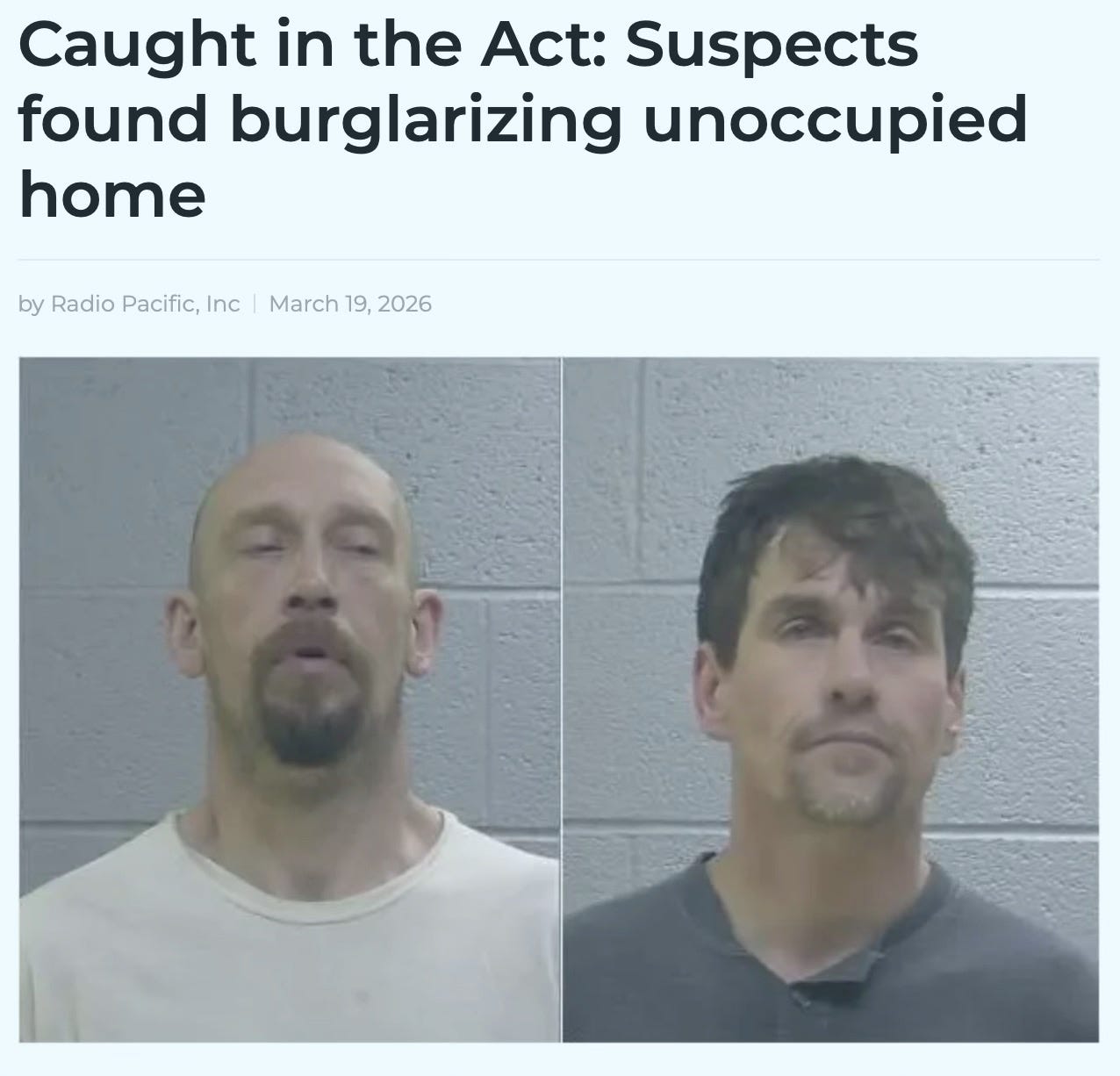
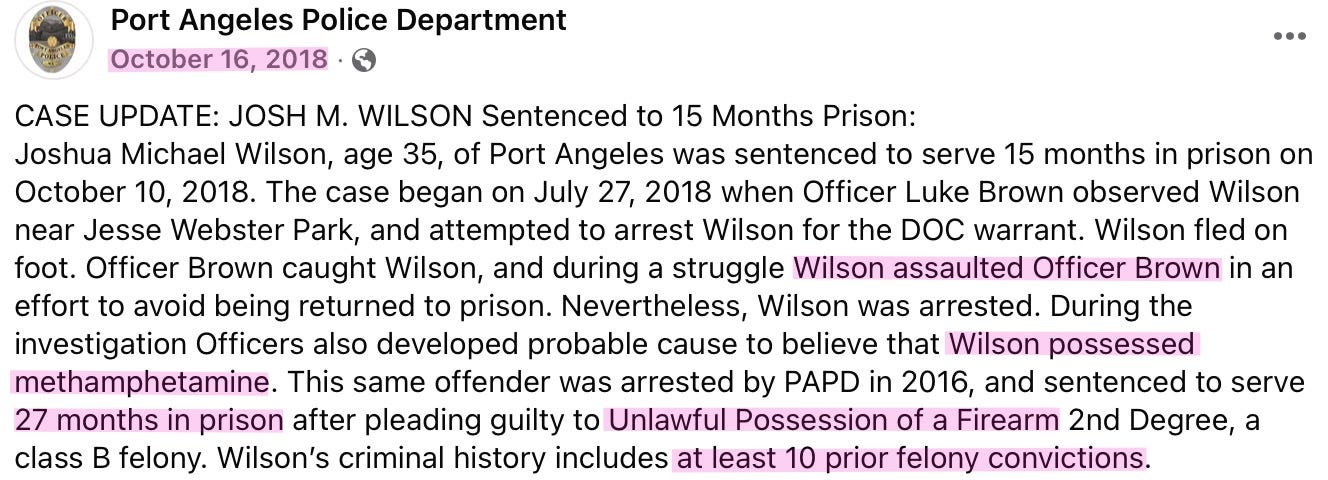
His record isn’t short—it stretches back years:
Firearm charges
Assaulting an officer
Meth-related offenses
More than ten felony convictions
Multiple prison sentences
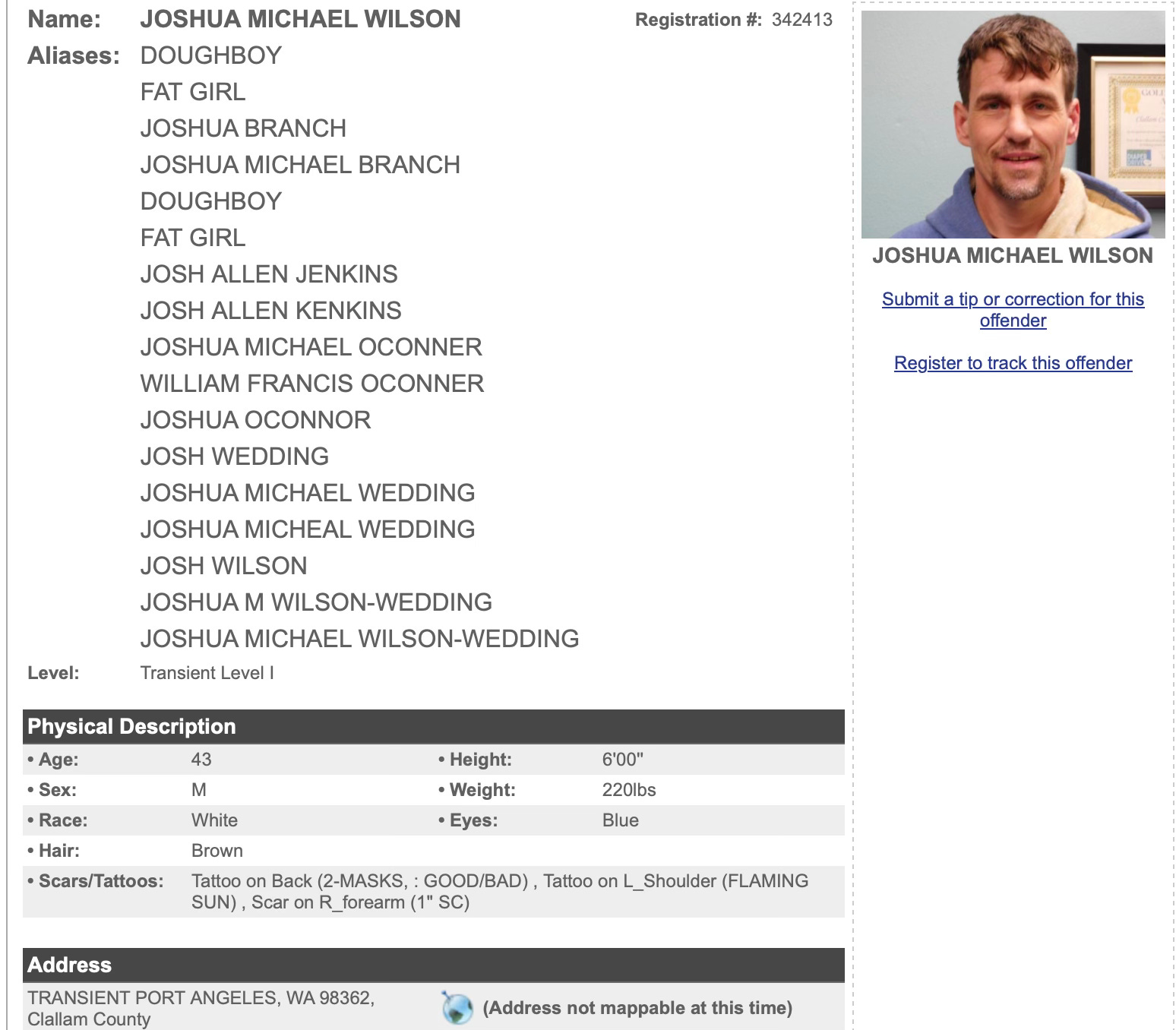
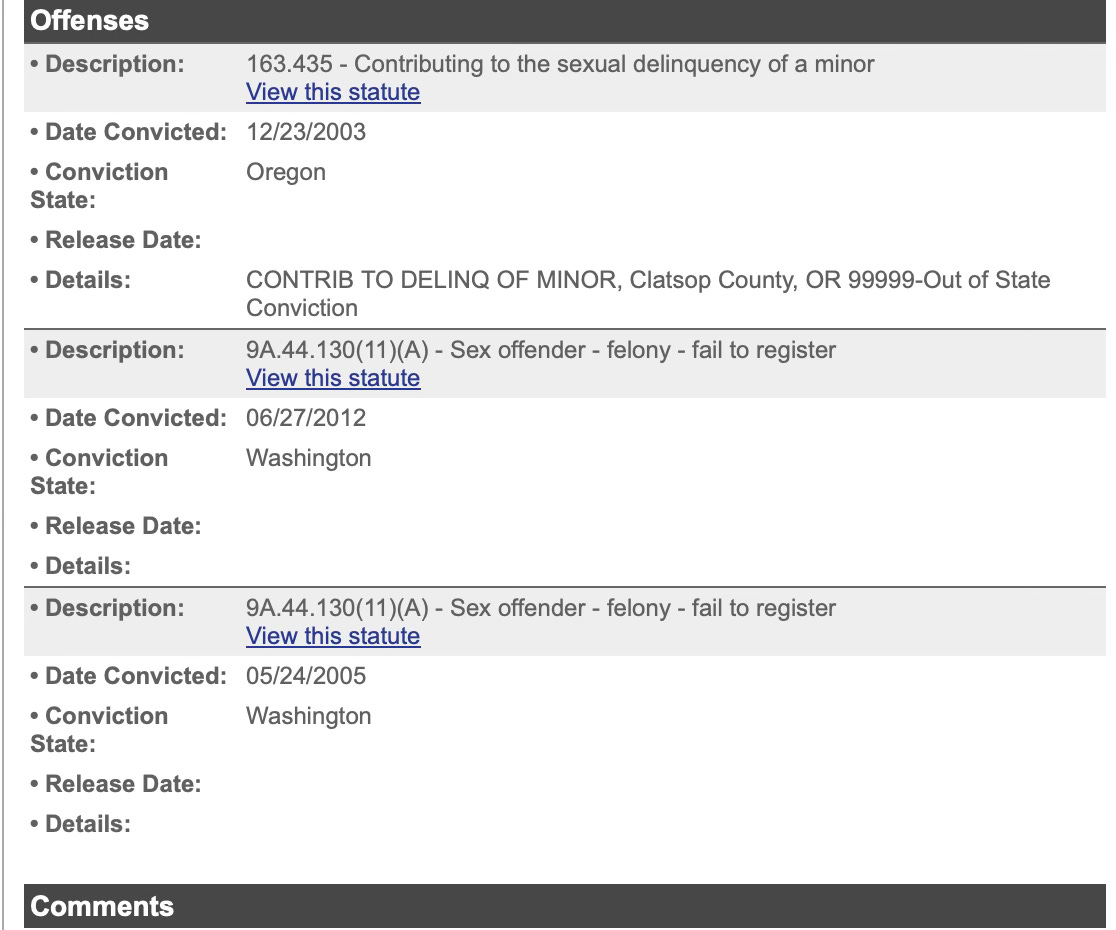
He is also a transient Level I sex offender, operating under multiple aliases.
And just days ago—another incident.
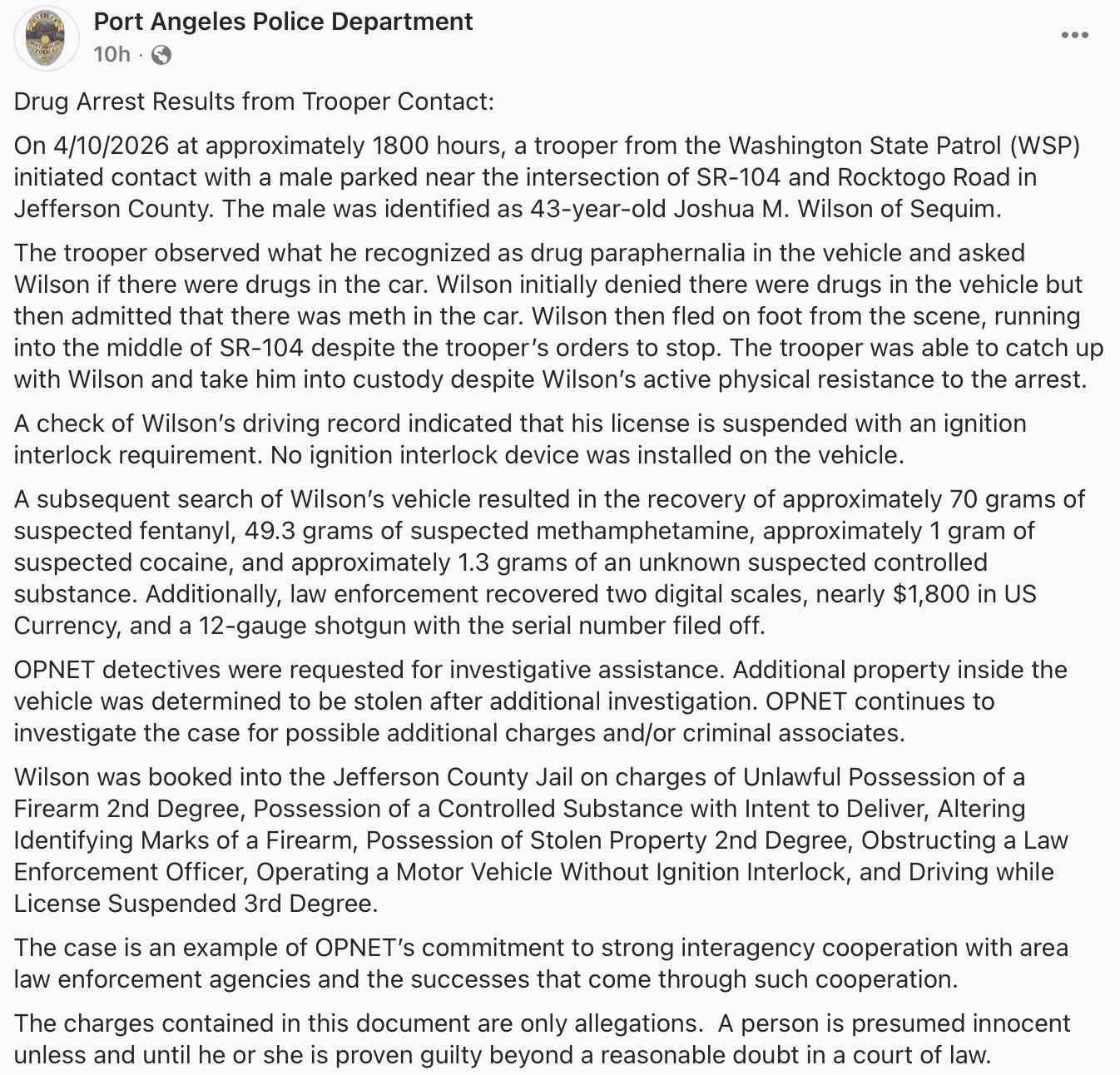

A Washington State Patrol stop turned into:
Attempted flight
Physical resistance
Discovery of 70 grams of fentanyl
Methamphetamine, cocaine, and other substances
Digital scales
Nearly $1,800 cash
A shotgun with the serial number filed off
Stolen property
Many of the items visible in the photo—glass pipes, foil, and other paraphernalia—are the same types of materials commonly distributed through the County’s Harm Reduction Health Center.
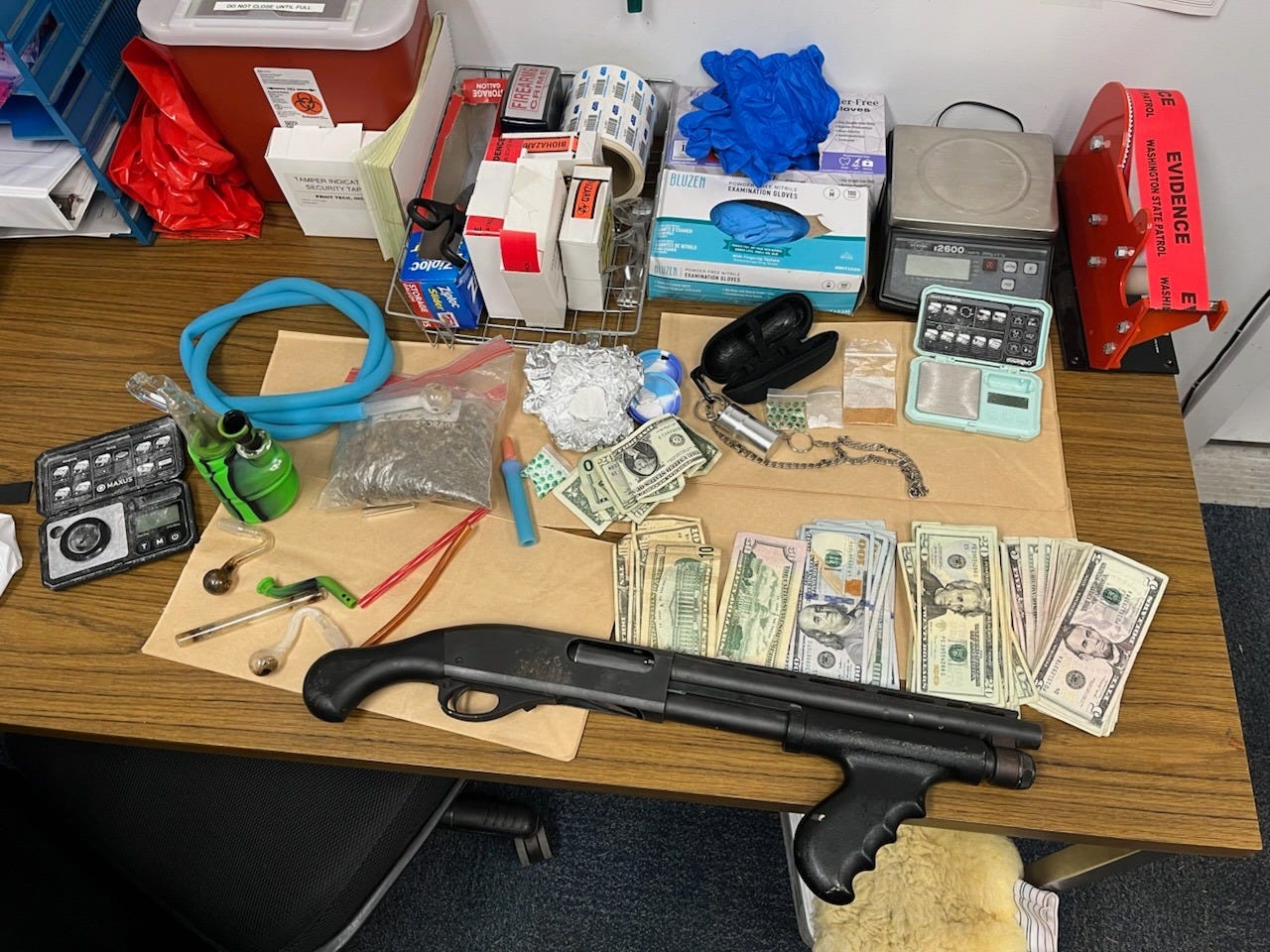
This is not low-level activity. This is distribution-level narcotics, stolen goods, and weapon violations.
And yet—this individual was still operating in the region.
At some point, it stops being about one person and starts being about what the system allows to continue.

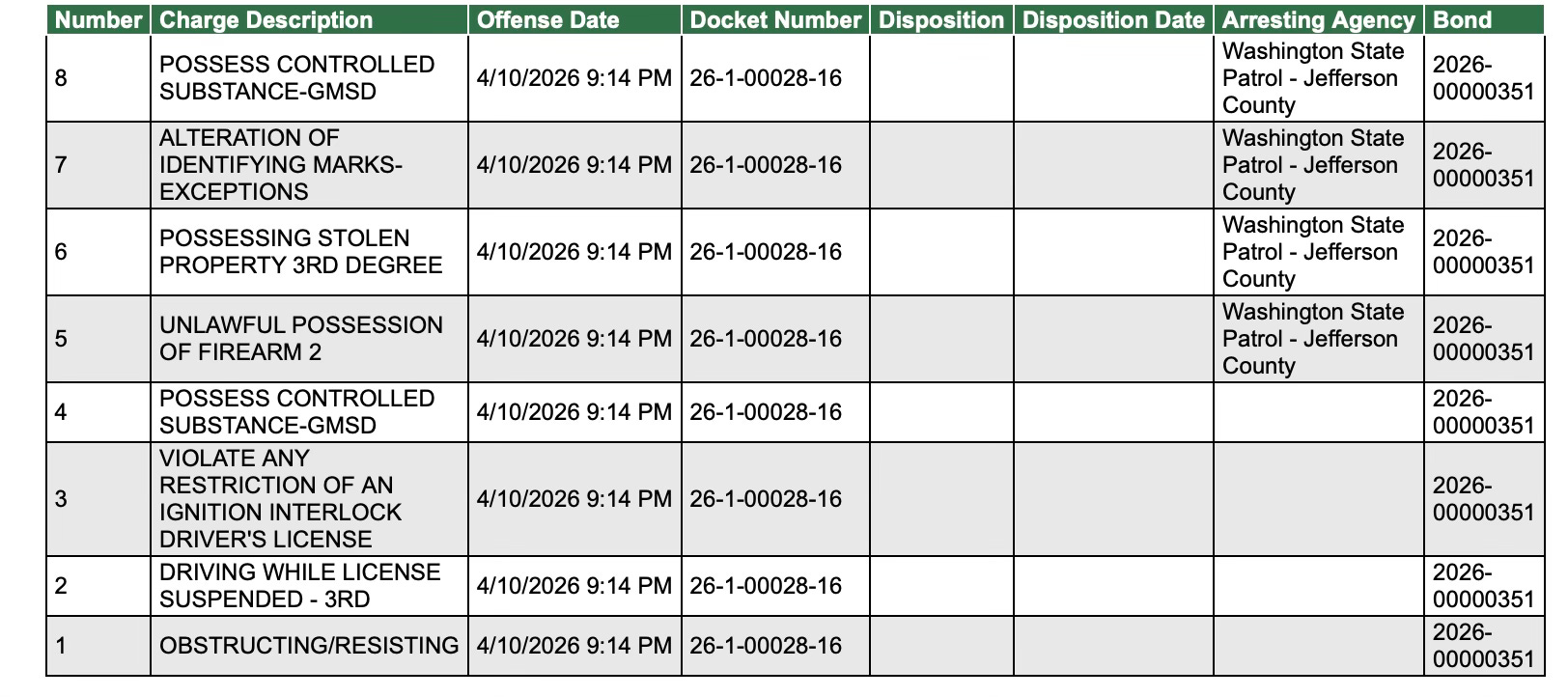
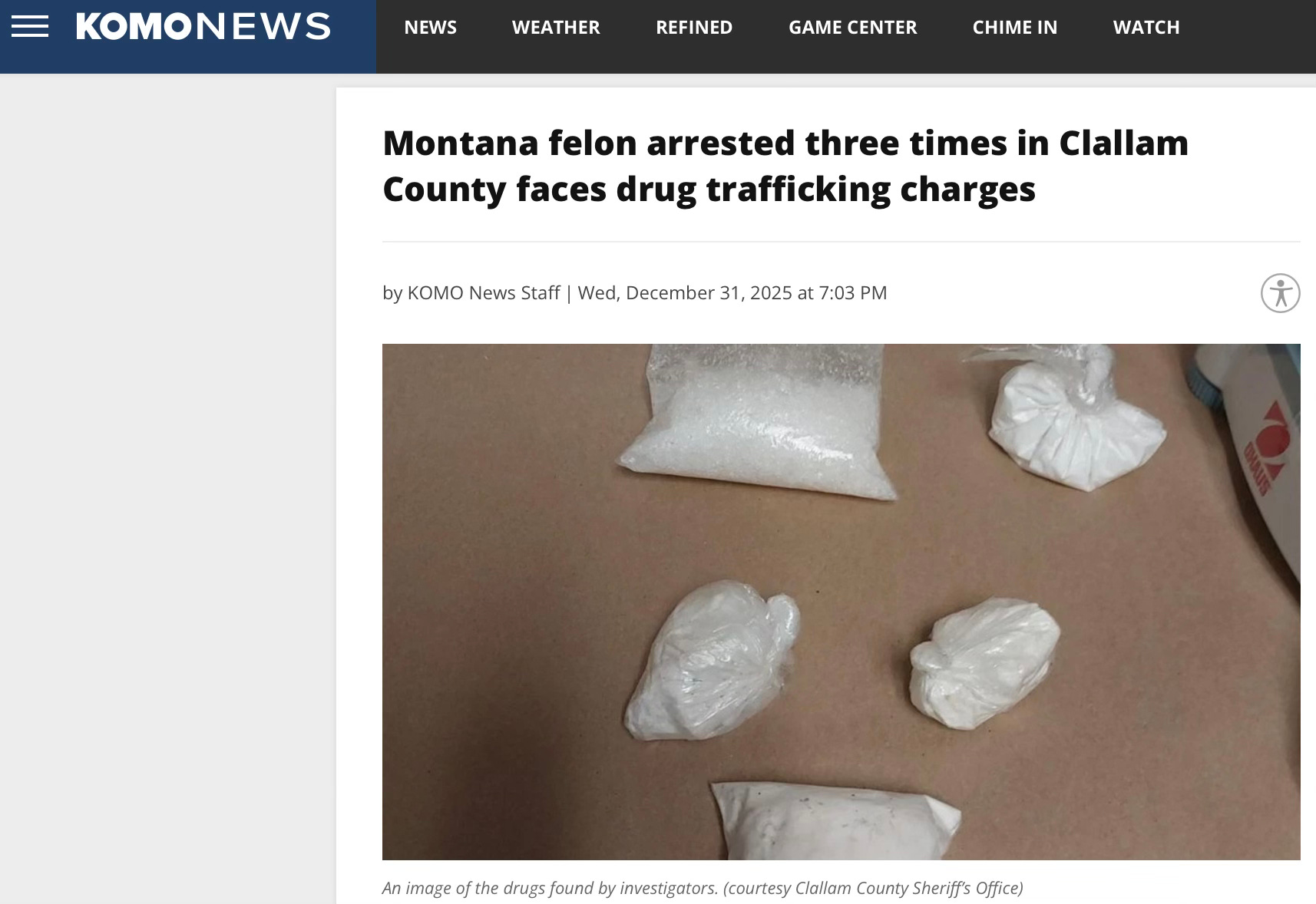
Three Arrests in One Month — Same Person
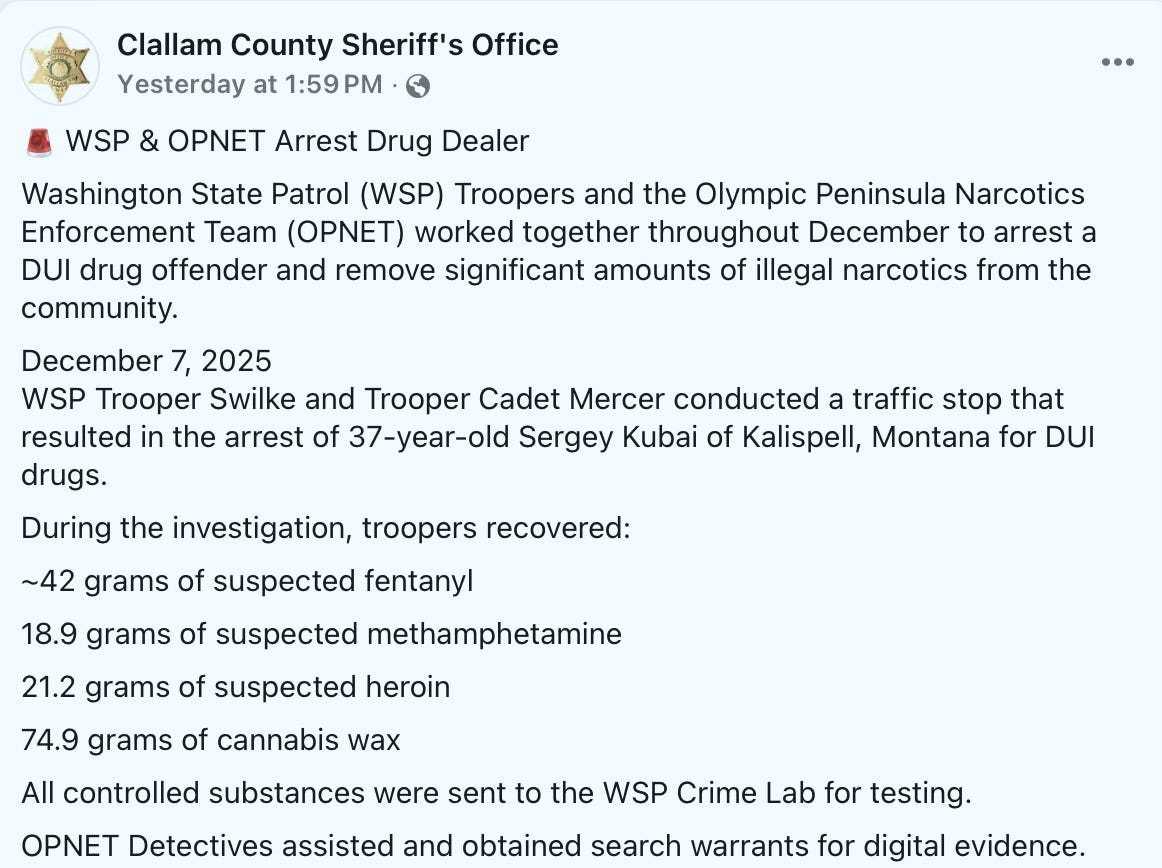
Three separate DUI-drug arrests in December.
Each time—more narcotics found.
Fentanyl. Meth. Heroin. Cocaine.
A stolen firearm.
Evidence consistent with trafficking.
Three arrests. Same behavior.
And the outcome?
A DOSA sentence—Drug Offender Sentencing Alternative. Reduced prison time in exchange for treatment.
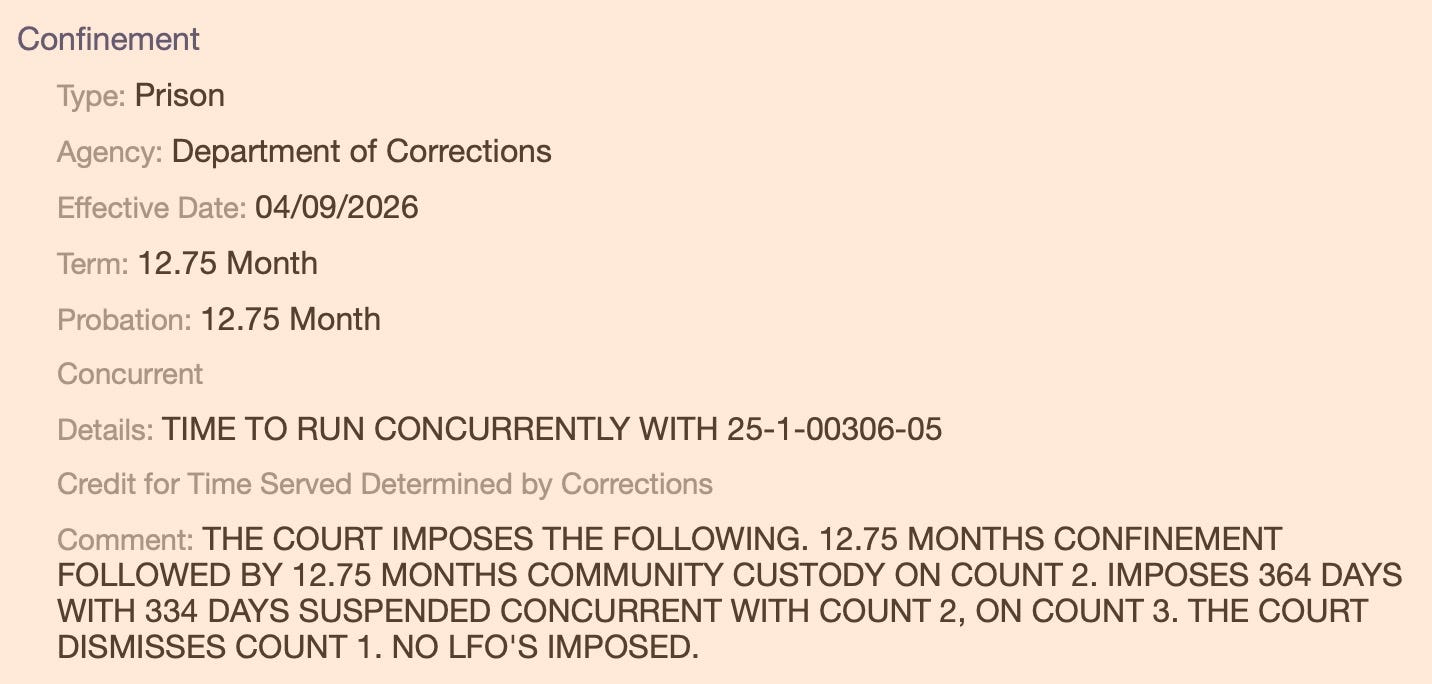
The theory behind DOSA is straightforward: address addiction, reduce recidivism.
But here’s the disconnect:
This wasn’t a one-time offender.
This was repeated, escalating behavior—including impaired driving on public roads.
So the question people are asking is simple:
At what point does “treatment-first” stop protecting the public?
Because three DUI-drug arrests in one month means these are the people sharing the road with families at highway speeds.
The Bigger Question
These aren’t isolated incidents.
They form a pattern:
Repeat offenders
Known histories
Out-of-area individuals entering the system
Arrest → release → reoffend
And while officials talk about models, strategies, and long-term solutions, residents are watching the same names come up again and again.
There’s a difference between understanding a problem…
…and allowing it to continue unchecked.
When Leadership Sends the Wrong Signal
You also have to look at the broader tone being set in this county.
A current county commissioner has stated that property destruction is “usually the only way we’ve ever seen actual change happen.”
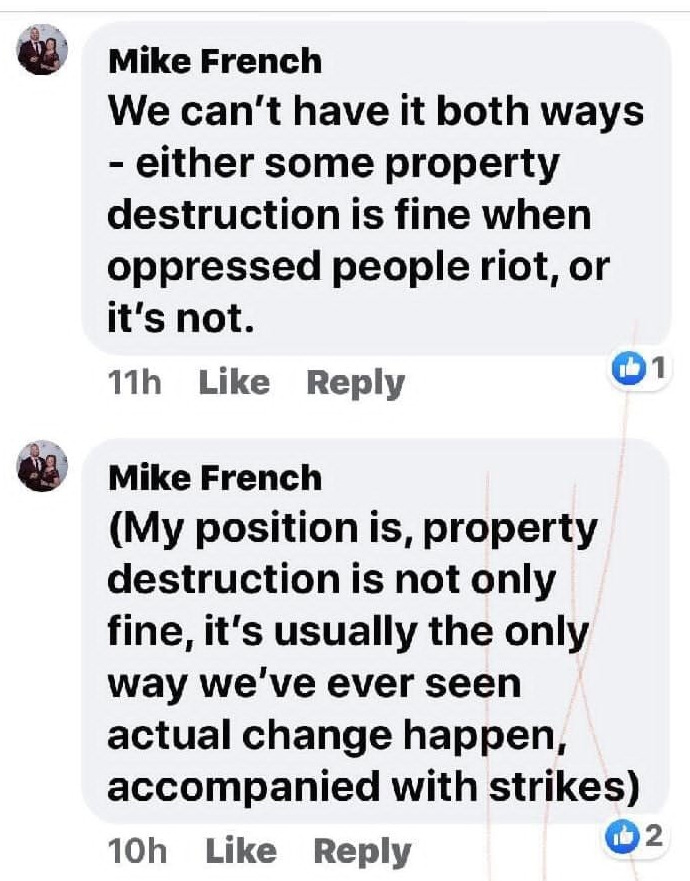
When leadership normalizes or excuses destruction as a pathway to change, what message does that send?
Because we’ve already seen what that looks like on the ground.
Eco-activist Tim Wheeler was filmed causing thousands of dollars in damage to public land—and walked away without meaningful consequences.
That’s not theory. That’s precedent.
So when residents see repeat offenders cycling through the system, when they see enforcement inconsistencies, and then hear elected officials downplay or even justify destructive behavior, it raises a bigger concern:
Are we reinforcing accountability—or eroding it?
Why Tonight Matters
Tonight is not a presentation.
It’s not a lecture.
It’s a chance to sit across from the people responsible for:
Charging decisions
Enforcement priorities
Policy direction
And ask them directly:
Is this working?
And if not—what changes need to be made?
Today’s Tidbit
Not everyone wants this conversation happening.
Indivisible Sequim, backed by the League of Women Voters, is encouraging members to attend, warning that discussions like this could lead to “cruelty” toward vulnerable populations.
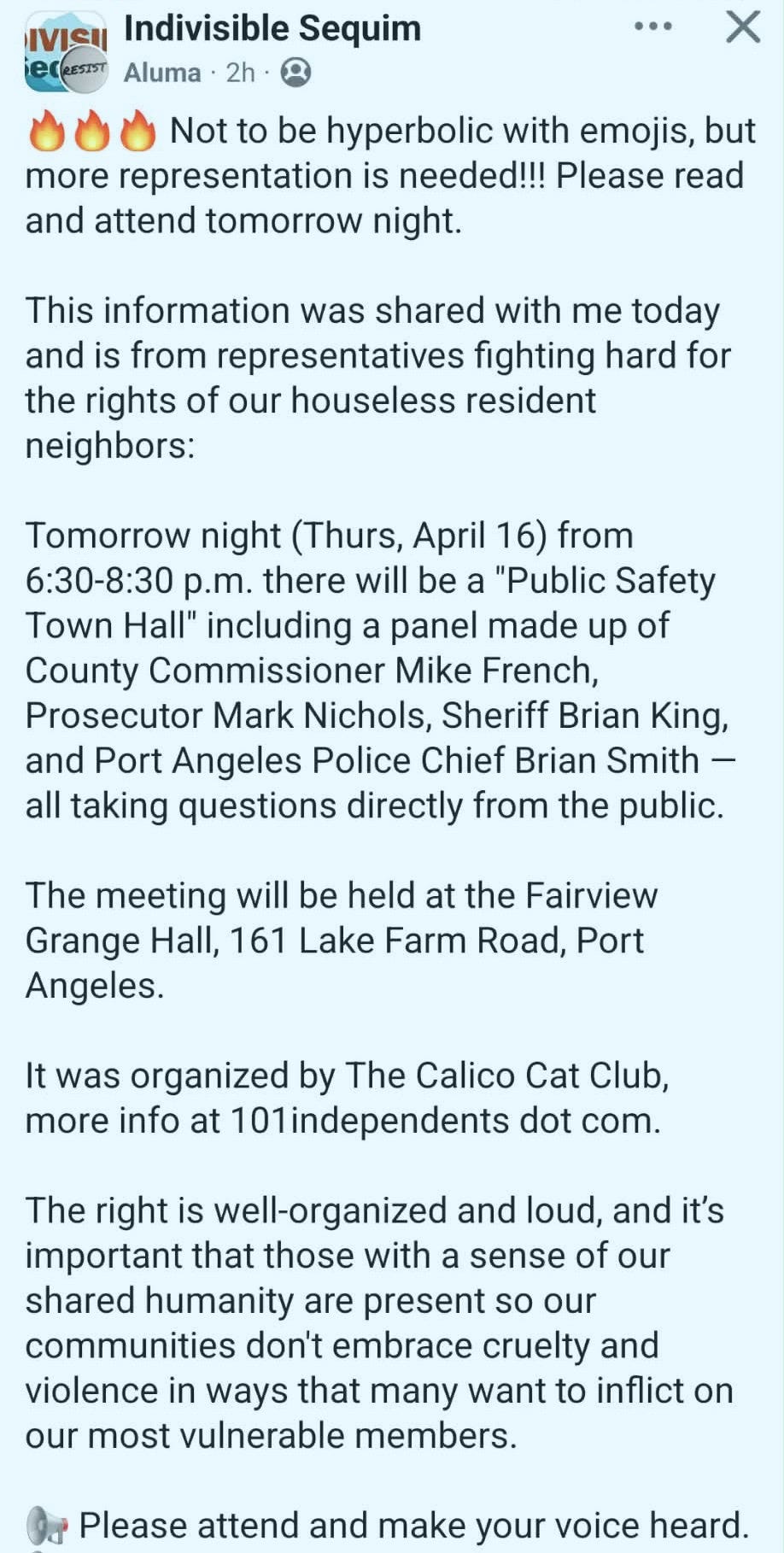
But that raises a serious question:
Who are the vulnerable?
The parent walking a child past tents and debris
The transit rider after a violent assault
The small business owner dealing with theft
The resident whose neighborhood is changing in ways they didn’t vote for
The children at the pool where transient sex offenders are allowed to shower
Public safety is not an attack on the vulnerable.
It is a basic expectation of government.
Trying to shut down that conversation—or reframe it as harmful—doesn’t solve anything.
It just avoids it.
This is Important
If you’ve read this far, you already know what’s at stake.
You can scroll past it.
You can talk about it online.
Or you can show up.
Tonight. 6:30 PM. Fairview Grange Hall.
Because the people making decisions will be there.
The only question is whether you will be too.


