


For eight months, Clallam County’s request for a simple conversation about taxes has been met with silence. But when the Jamestown Corporation wants something—letters of support, land transfers, legislative backing—the machinery of local government moves instantly. Emails show not just cooperation, but deference. And now, as the Commissioners prepare to discuss a response to the BIA—possibly for the first time in over a decade—the public is left with a fundamental question: who is really leading Clallam County?
The Double Standard, in Plain Sight
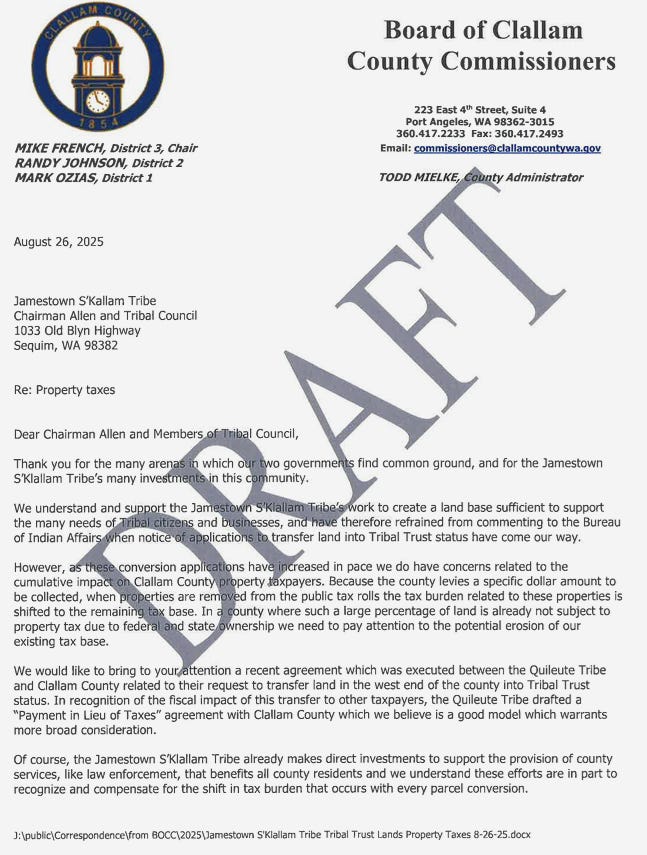
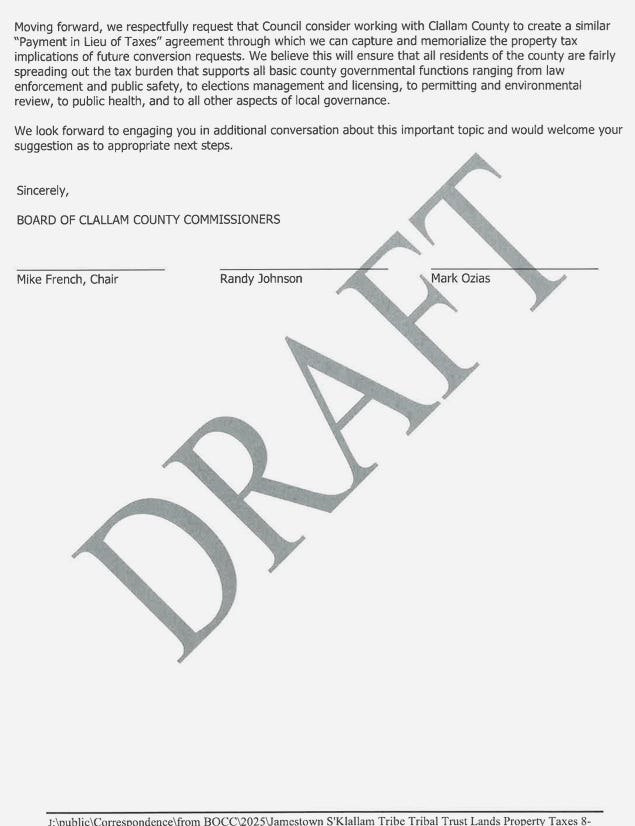
In August, the Clallam County Commissioners sent a letter to the Jamestown S’Klallam Tribe.
It wasn’t hostile. It wasn’t political. It wasn’t even demanding.
It simply asked for a conversation—specifically, whether the tribal corporation would consider contributing more toward property taxes and lodging taxes that fund county services.
Eight months later?
Nothing.
No response. No meeting. No acknowledgment.
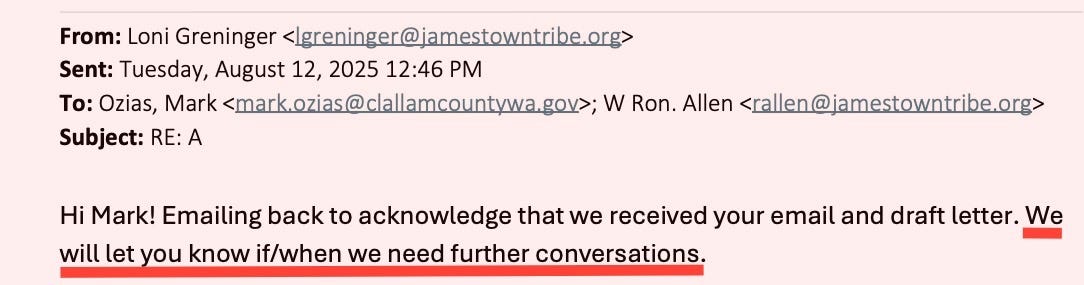
When the County followed up, the reply they received was as revealing as it was dismissive:
“We will let you know if/when we need further conversations.”
That wasn’t a partnership. That was a signal.
But When Jamestown Asks—Everything Moves
Contrast that silence with what happens when the Jamestown Corporation wants something from the County.
The difference is immediate—and documented.
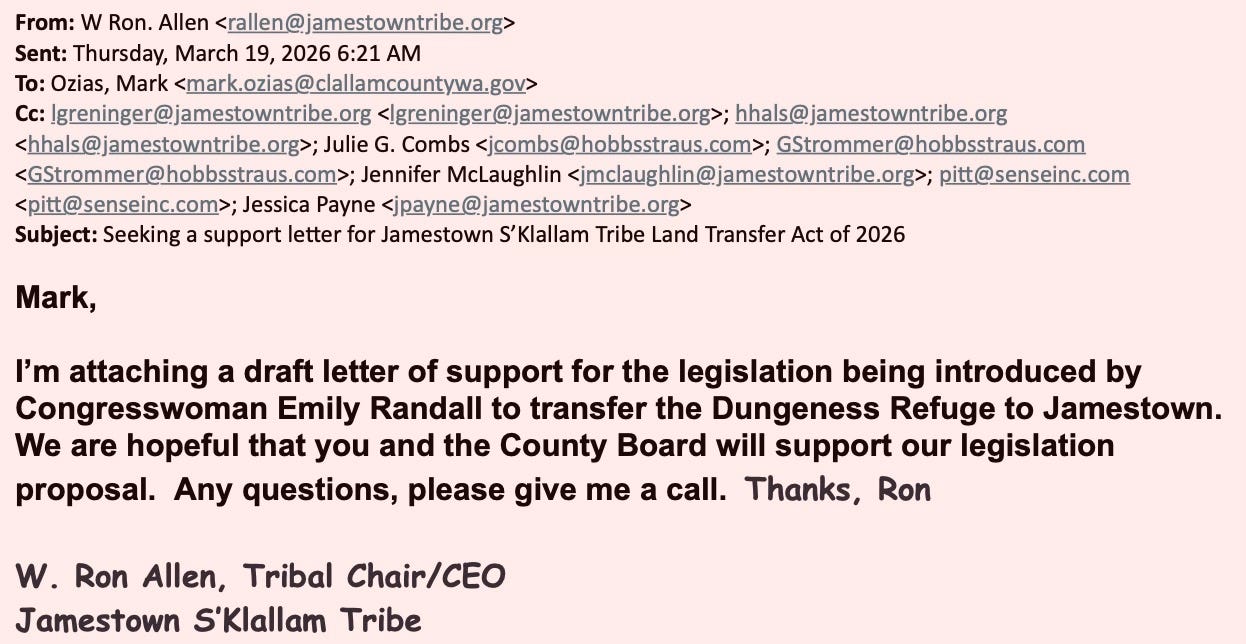
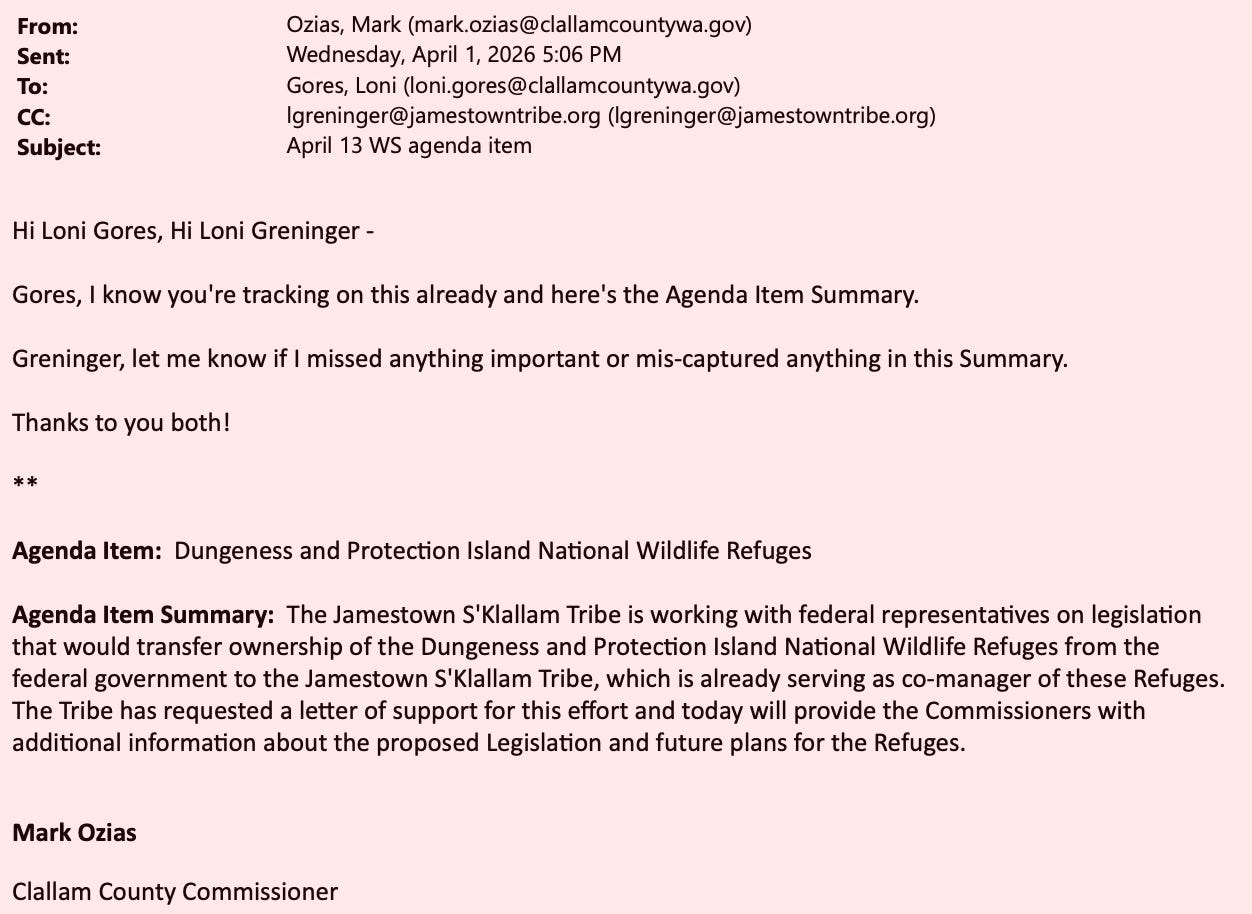
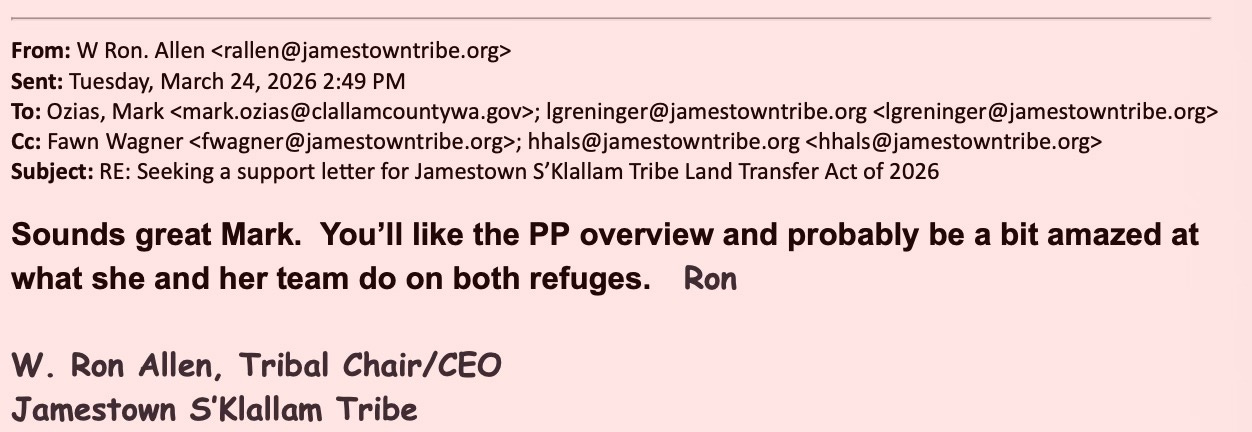
Internal emails show the Jamestown Corporation actively requesting a letter of support for federal legislation that would transfer the Dungeness and Protection Island National Wildlife Refuges into tribal trust.
Not just requesting.
Providing the letter.
Drafted. Structured. Ready for signature.
“I’m attaching a draft letter of support…”
From there, the process becomes almost automatic:
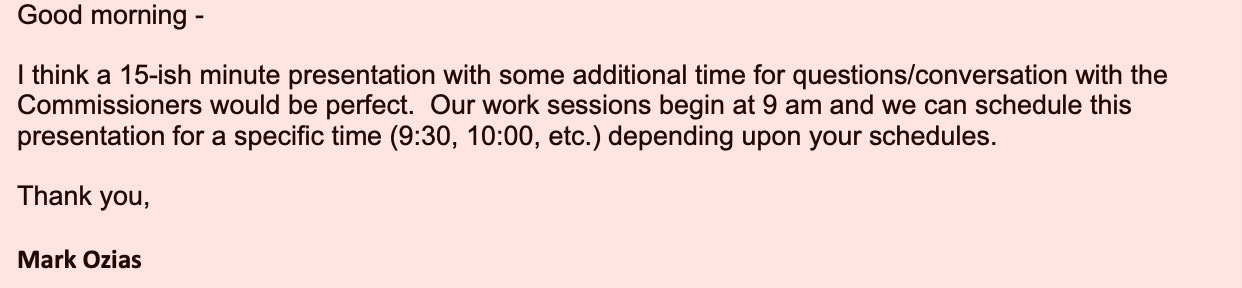
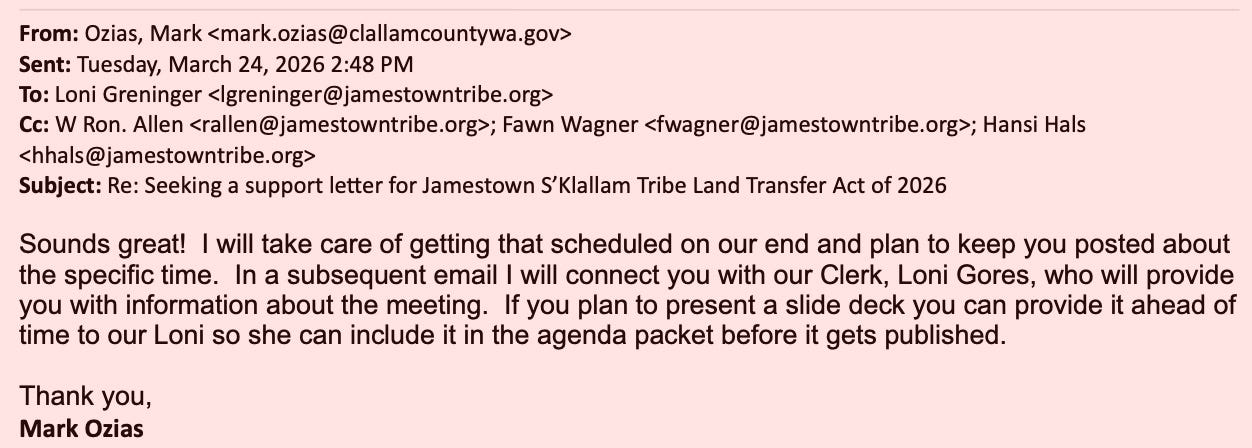
The County schedules a work session around Jamestown’s availability

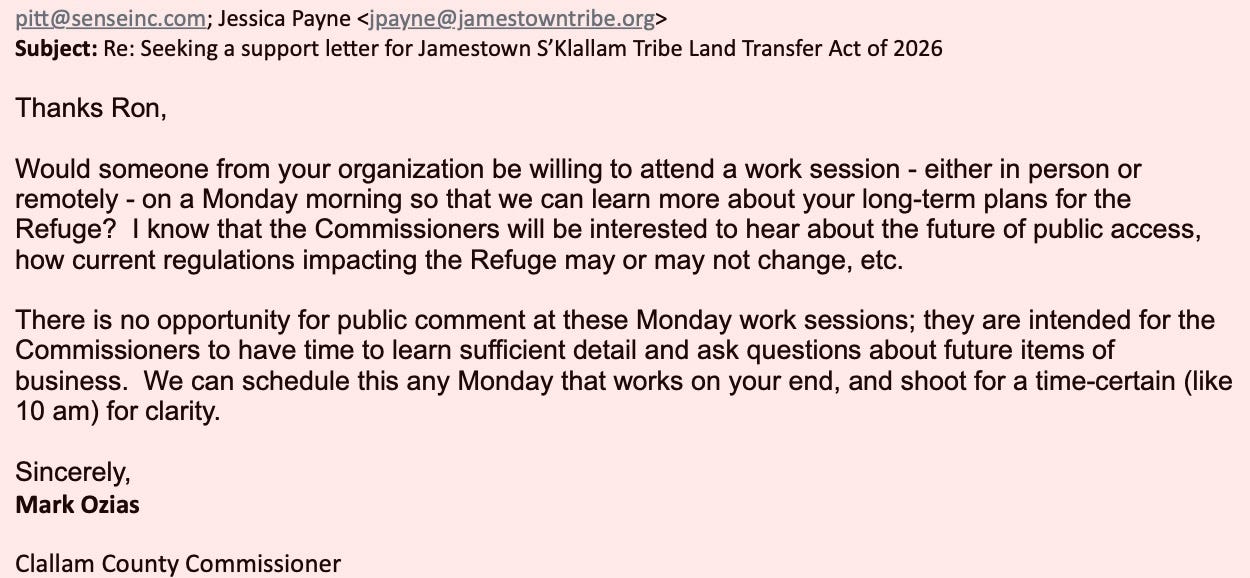
Then Jamestown coordinates the timing
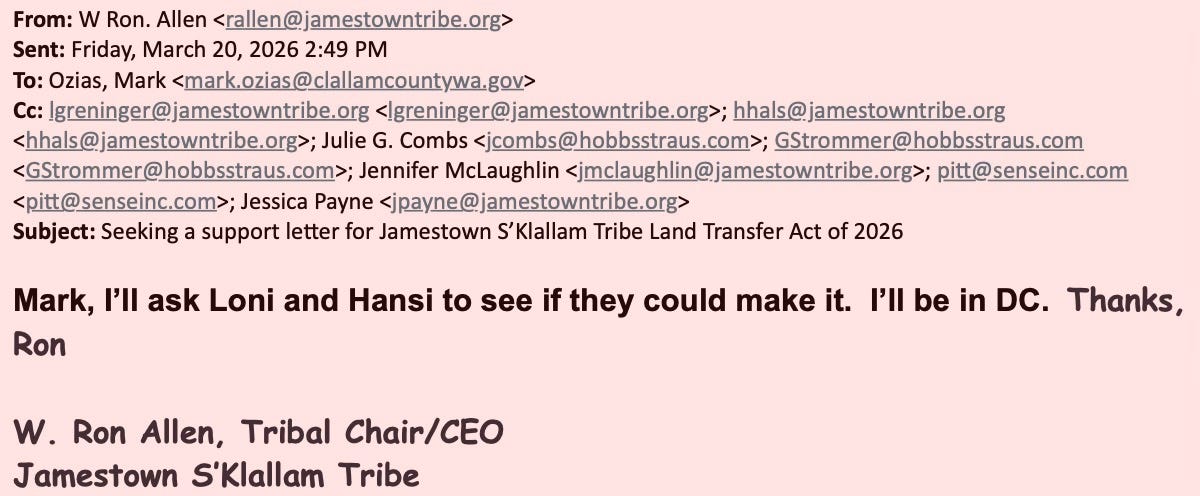
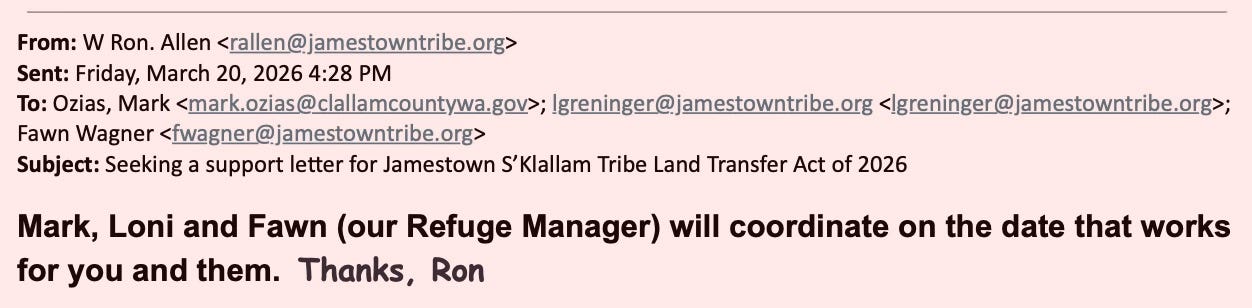
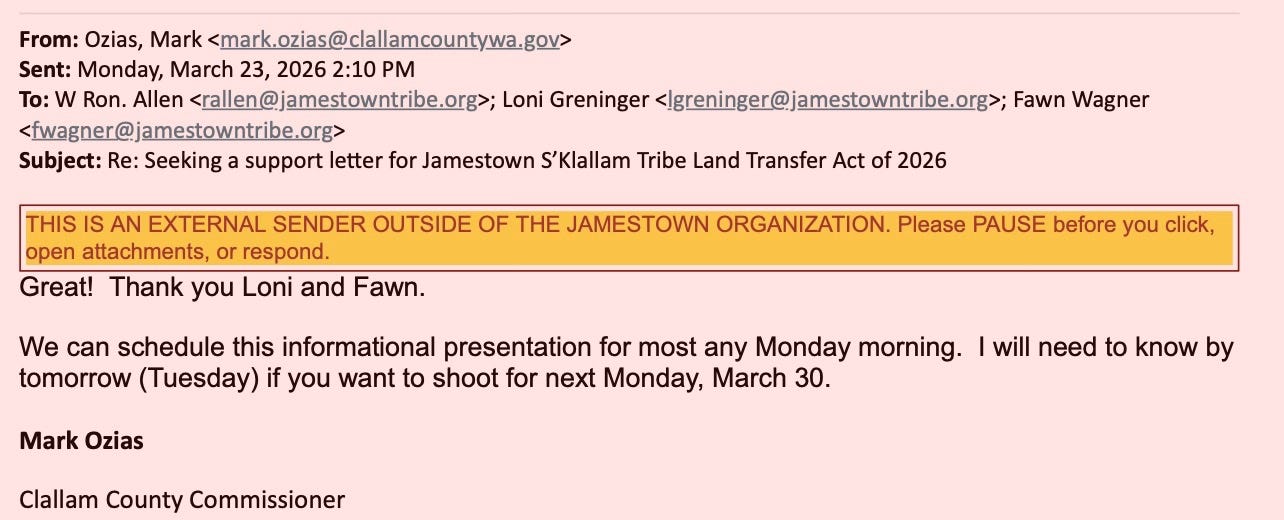
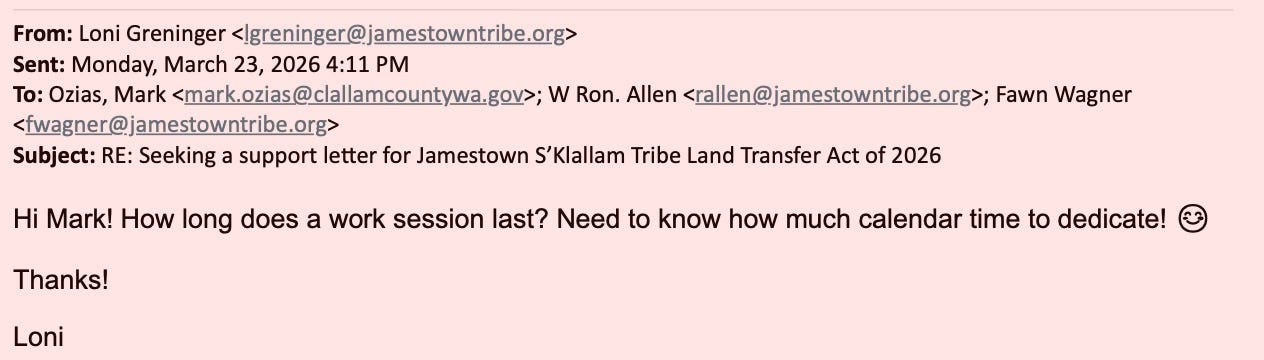
Presentations are arranged to “educate” commissioners
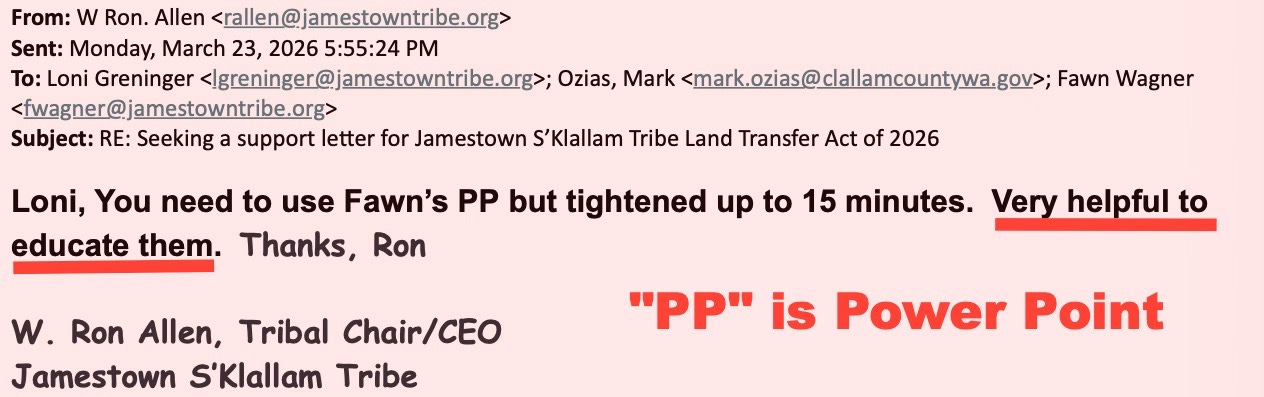
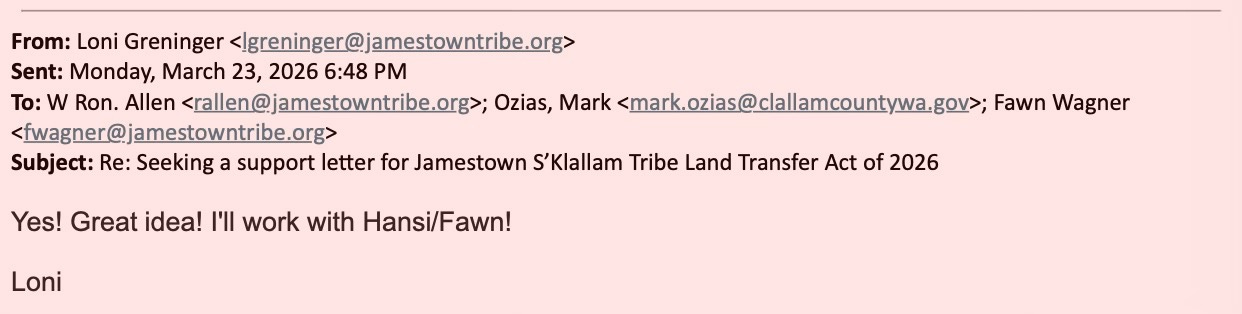
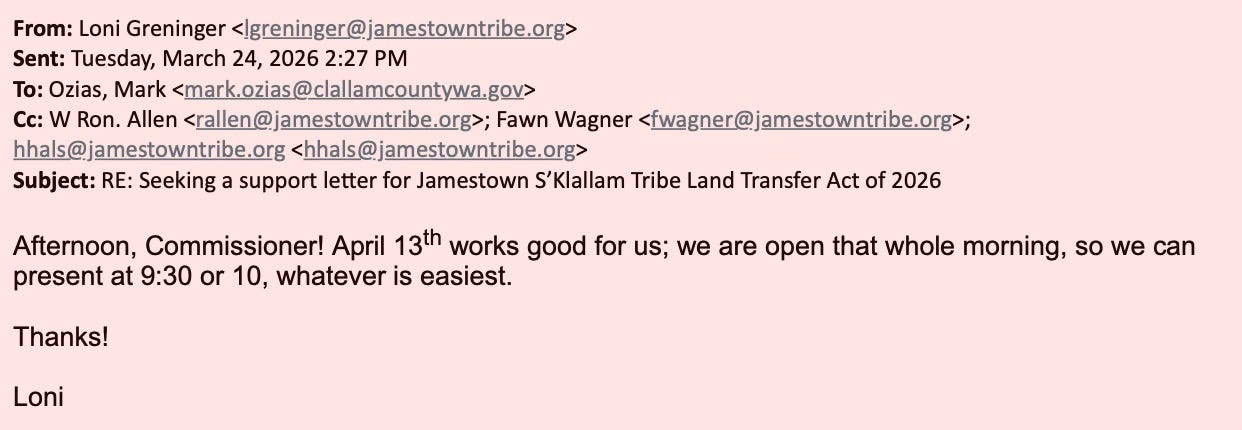
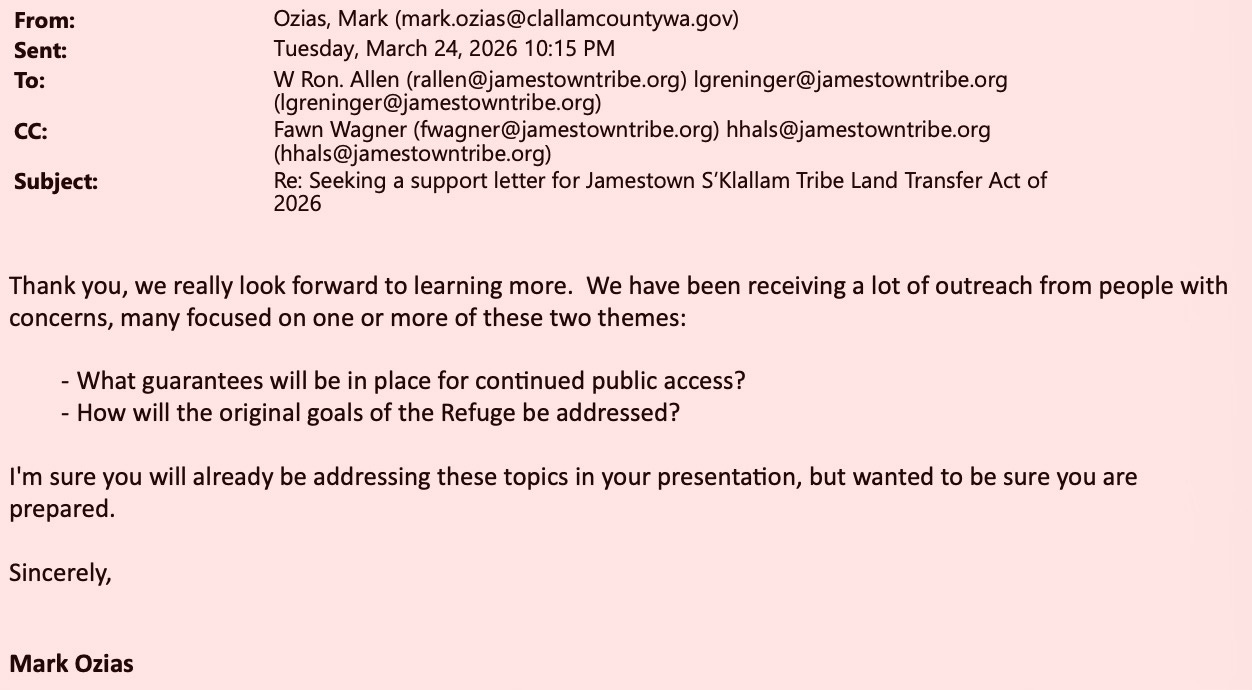
The draft letter—written externally—is positioned to go out under the Commissioners’ names
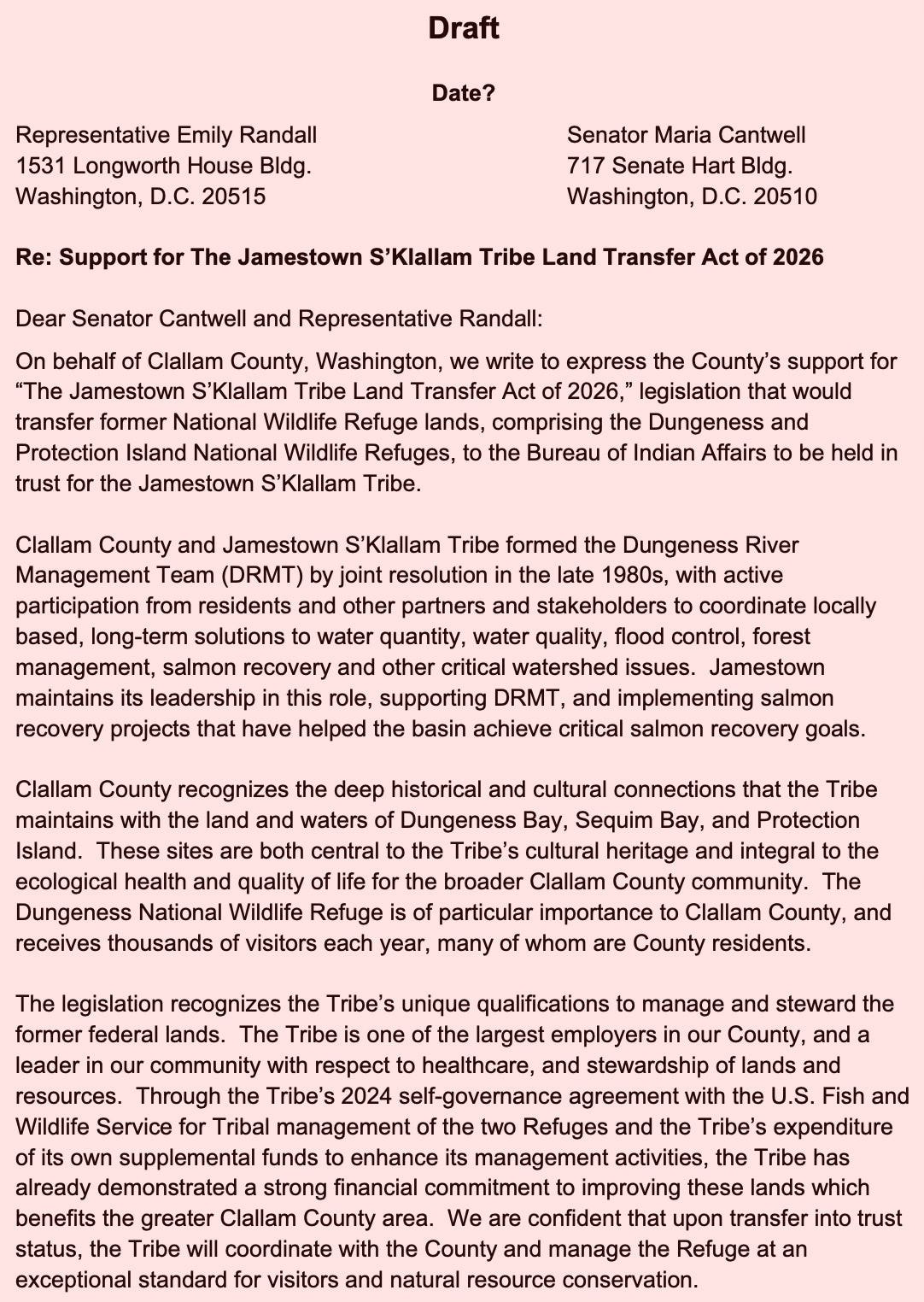
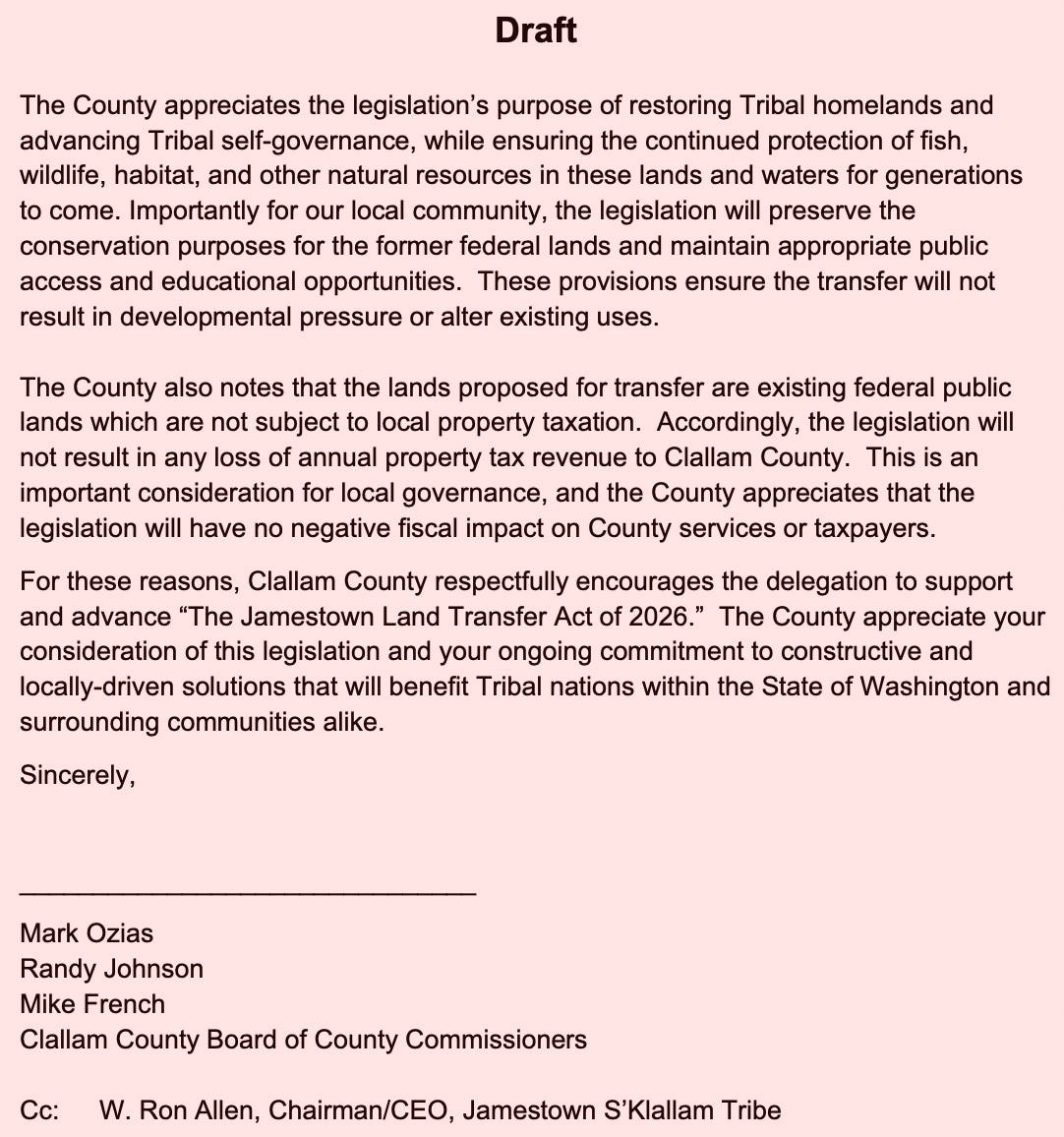
All before any meaningful public discussion.
Sequim Saw It First
This isn’t isolated.
The same playbook was used with the Sequim City Council.
As previously reported, a “letter of support” considered by Sequim wasn’t truly authored by the City—it was provided to them.
Officials didn’t write it.
But they’re considering adopting it.
And now, the same pattern is playing out at the County level.
Different jurisdiction. Same script.
Pushy When It Matters, Silent When It Doesn’t
The contrast is hard to ignore:
When the County asks for a conversation → silence
When the County follows up → deflection
When Jamestown wants support → immediate coordination
When legislation is involved → draft letters provided for signature
This isn’t just influence.
It’s asymmetry.
And it raises a deeper question about governance: is this a partnership—or a one-way expectation?
And What Happens When Citizens Speak Up?
There’s another layer to this dynamic—and it involves the public.
When engaged citizens raise concerns about land transfers, taxation, or the growing influence of the Jamestown Corporation, they aren’t met with meaningful dialogue. Too often, they’re dismissed—not just by tribal leadership, but by their own elected officials.
Jamestown Corporation CEO Ron Allen has characterized critics as “whiners and complainers” who need to be “set straight.”
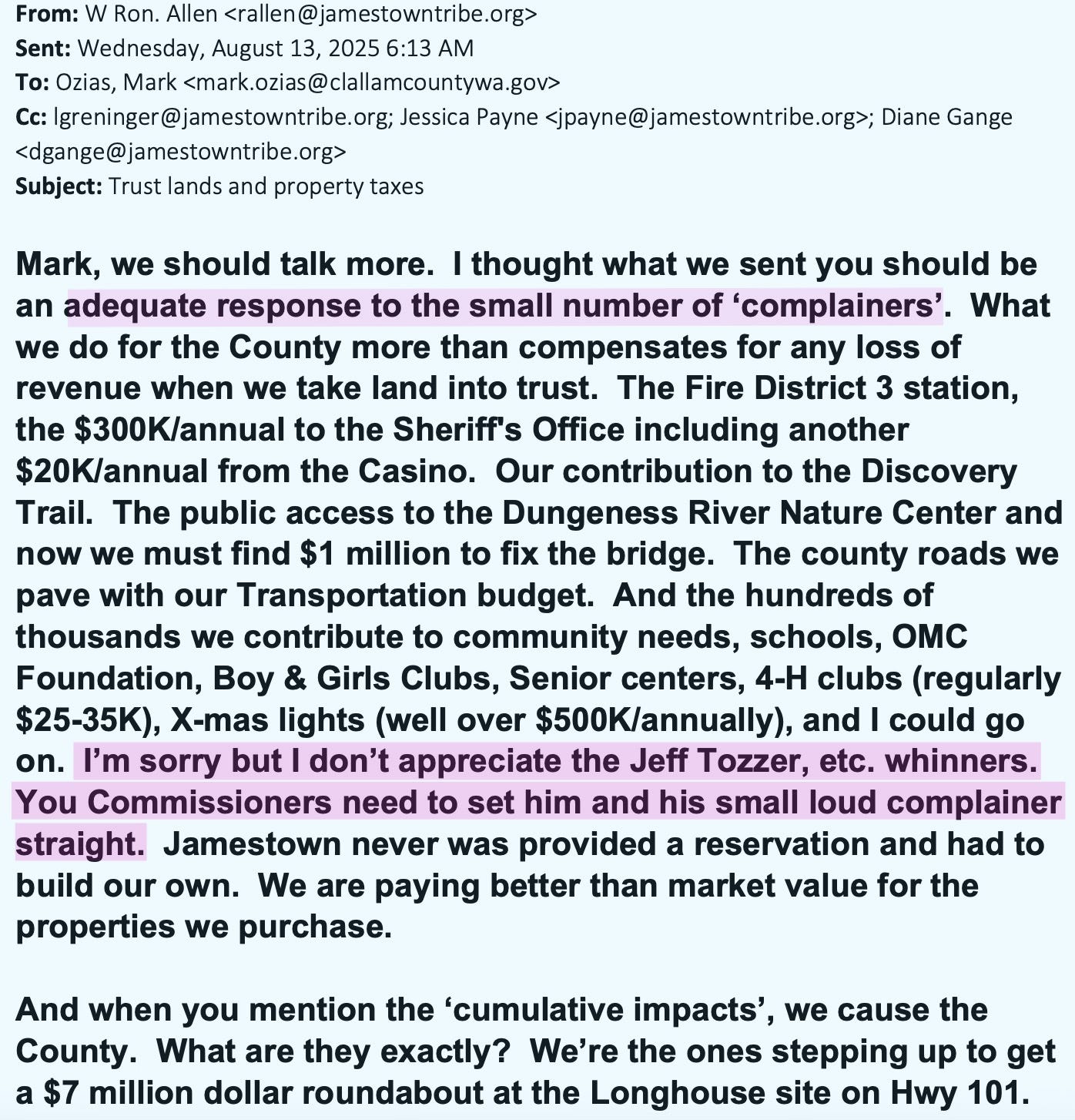
Think about that.
Residents asking legitimate questions about public land, tax fairness, and local governance—reduced to a label.
But it doesn’t stop there.
Many citizens who attempt to engage with the Clallam County Board of Commissioners are being dismissed, ignored, or even belittled during public meetings and correspondence. Questions go unanswered. Concerns are minimized. Participation is tolerated—but rarely respected.
At the same time:
The County’s own request for a conversation is ignored
Public concerns are acknowledged privately, but not acted on publicly
Letters of support move forward without meaningful public input
So where, exactly, is the space for the public?
Because it’s becoming increasingly clear:
If you’re an elected official aligned with Jamestown, your voice is elevated.
If you’re a citizen asking questions, your voice is diminished.
Weak Leadership Creates Strong Influence
There’s a common thread connecting the Clallam County Board of Commissioners and the Sequim City Council:
Weak leadership.
Because strong leadership asks questions.
Strong leadership negotiates.
Strong leadership doesn’t sign letters it didn’t write.
The Jamestown Corporation has proven effective at identifying and supporting candidates who align with their priorities:
Financial backing in key campaigns
Promotion of groups like the Sequim Good Governance League
Relationships that translate into access—and outcomes
That’s not accidental.
That’s strategy.
What Happens Next Matters
Today’s work session may be one of the most important in years.
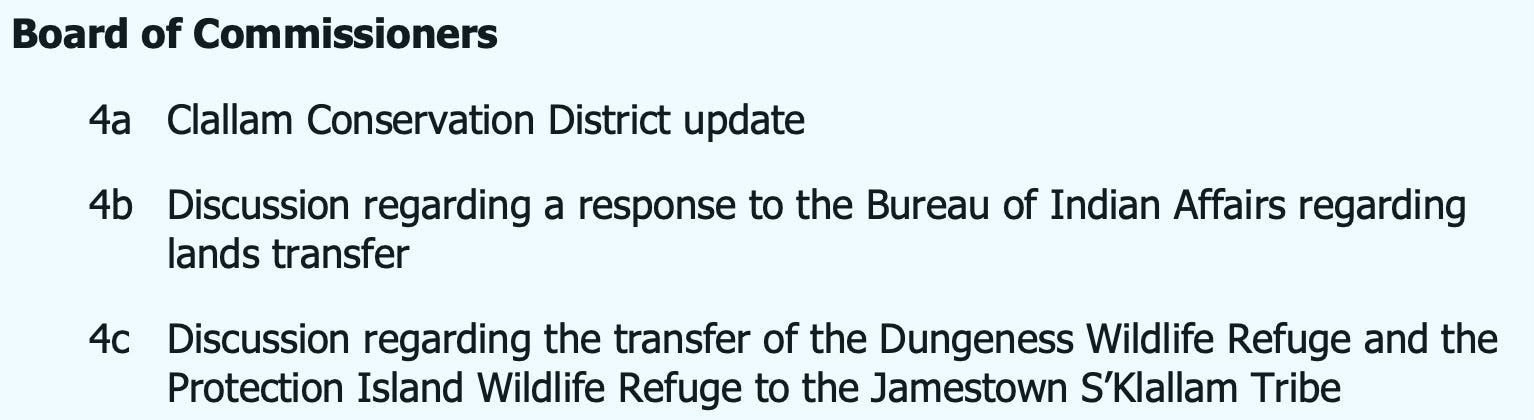
On the agenda:
Discussion of a response to the Bureau of Indian Affairs regarding land transfer
Discussion of transferring the Dungeness and Protection Island Wildlife Refuges
This could be the first time in over a decade that Clallam County formally responds to a federal trust land action.
The public can attend:
In person
But there’s a catch: No public comment.
Which means the only voices in the room will be the ones already at the table.
The Real Question
This isn’t about being “for” or “against” the Jameston Tribe or Corporation.
It’s about balance.
It’s about accountability.
It’s about whether Clallam County represents its residents—or defers to whoever asks most effectively.
Because right now, the pattern is clear:
When the County asks, it waits.
When the Jamestown Corporation asks, it acts.
And that’s not governance.
That’s compliance.
Today’s Tidbit
In yesterday’s article, County Commissioner candidate Jake Seegers highlighted a troubling detail: a voucher distributed through the County’s Harm Reduction Center that allows recipients to take a free shower at the Shore Aquatic Center.

At the same time, according to the Clallam County Sheriff’s Office sex offender registry, there are currently 27 registered sex offenders in Port Angeles—more than a third of them listed as transient.
The Shore Aquatic Center isn’t just another facility—it’s where families bring their children. It’s where kids use locker rooms, often out of direct sight of parents, with the expectation that the environment is safe.
Residents need to be aware of this when they drop off their grandkids at the pool—or when their kids head into a locker room, and they tell them they’ll meet them in a few minutes, trusting that nothing will go wrong.


