
A debate over tourism promotion funding exposed a growing frustration in Clallam County: local hotels and vacation rentals are required to collect lodging taxes that fund tourism campaigns, while one of the region’s largest hospitality empires benefits from those campaigns without paying into the system.
What Is LTAC?
Tourism promotion in Clallam County is funded largely through the Lodging Tax Advisory Committee, commonly known as LTAC. The program collects lodging taxes from hotels, motels, vacation rentals, and Airbnbs, then redistributes those dollars to festivals, events, marketing campaigns, and organizations designed to attract visitors to the Olympic Peninsula.
The theory is simple: bring in tourists, fill hotel rooms, boost shopping and restaurant traffic, and strengthen the local economy.
At the April 9 LTAC meeting, Commissioner Randy Johnson and committee members reviewed funding applications for 2026 tourism promotion efforts. Several organizations requested support.
Joyce Daze sought $5,000 to market its annual festival and draw out-of-town visitors. The Port Angeles Waterfront District requested $50,000 for tourism promotion efforts aimed at increasing regional visitation. The Sequim City Band also requested $5,000 to help host the Association of Concert Bands Regional Connections Event scheduled for July 24–25, 2026.
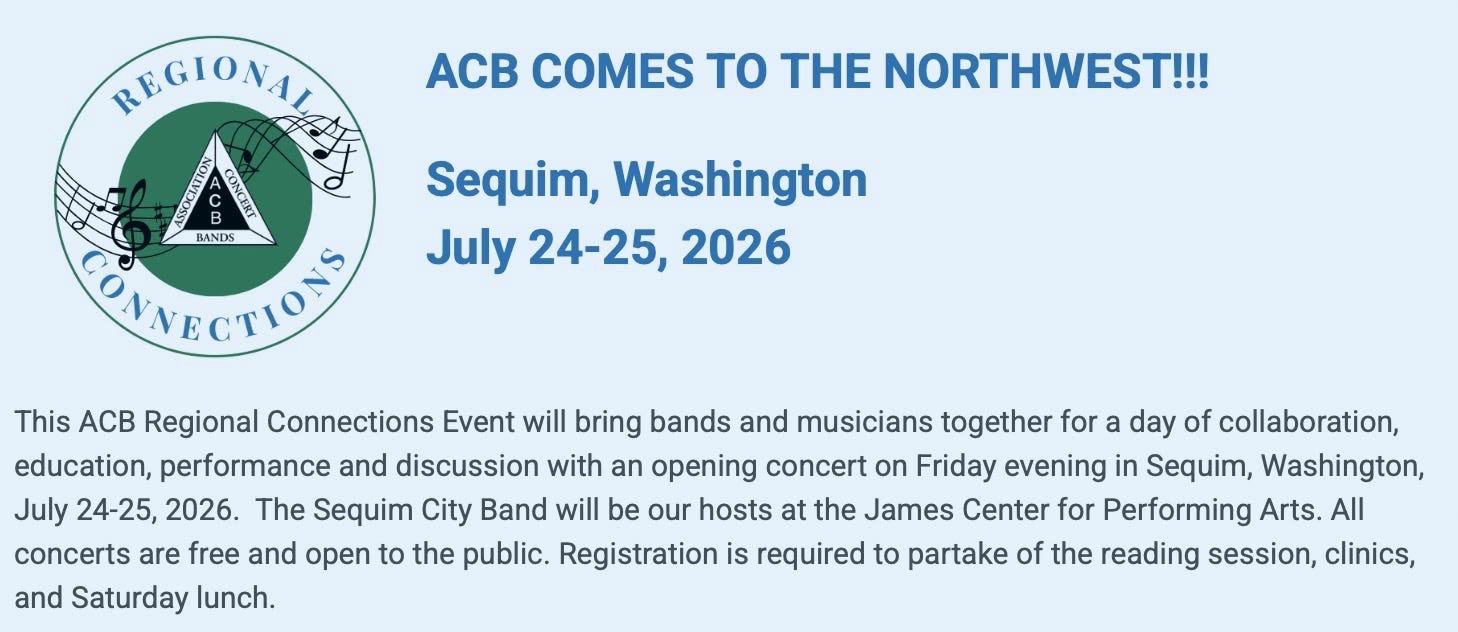
The event is expected to bring approximately 350 musicians and attendees from neighboring counties and other states for concerts, clinics, workshops, and performances hosted at the James Center for Performing Arts in Sequim. Organizers estimate roughly 100 hotel rooms will be rented during the conference.
On the surface, it sounds like exactly the type of economic activity LTAC was designed to encourage.
Until you look at where much of the event activity and lodging will occur.
Who Benefits From the Tourism Push?
A significant portion of the conference is expected to take place at the Jamestown Corporation-owned 7 Cedars Hotel and Resort in Blyn, with RV attendees expected to stay at the tribe’s Salish Trails RV Park.
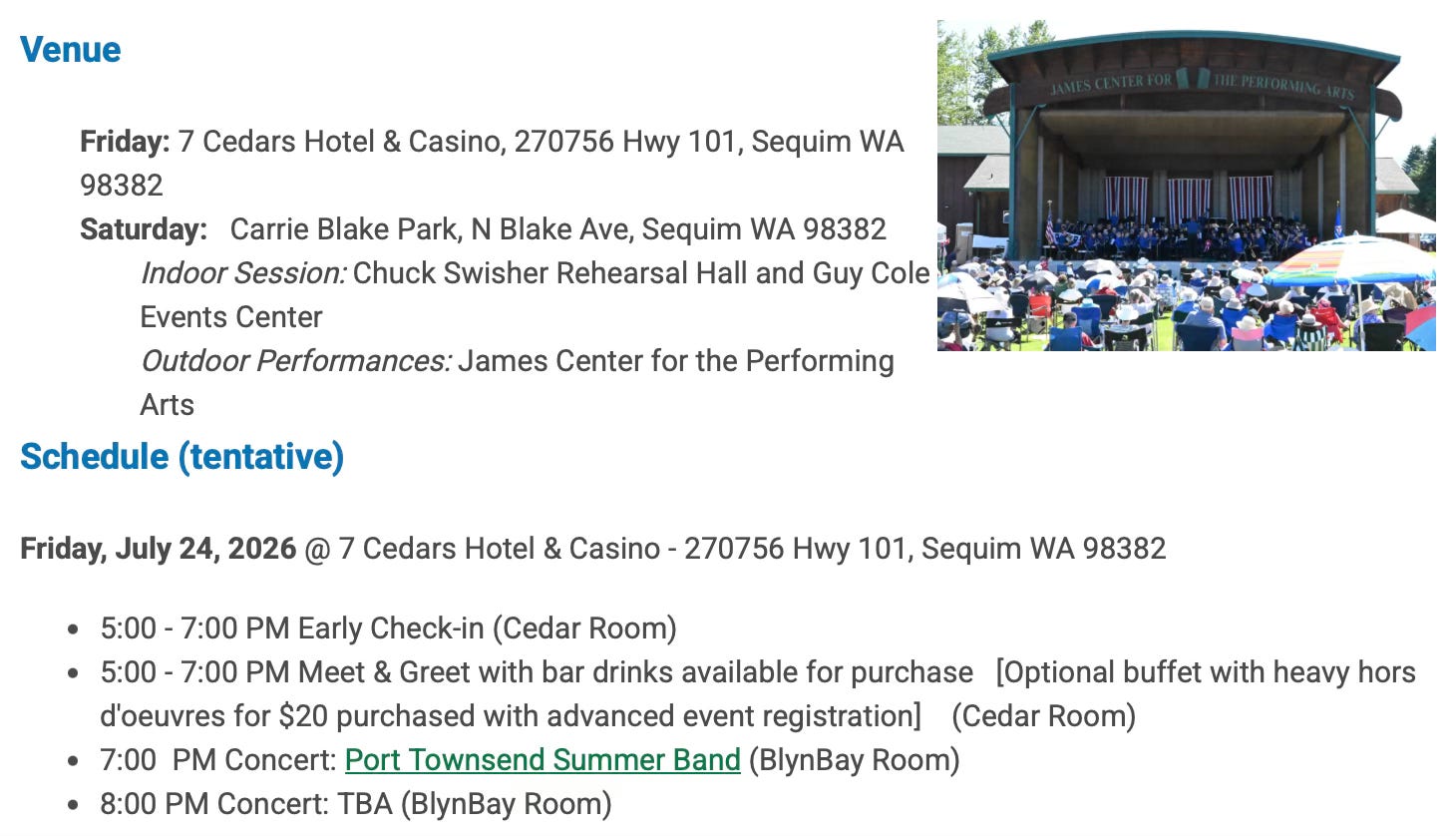

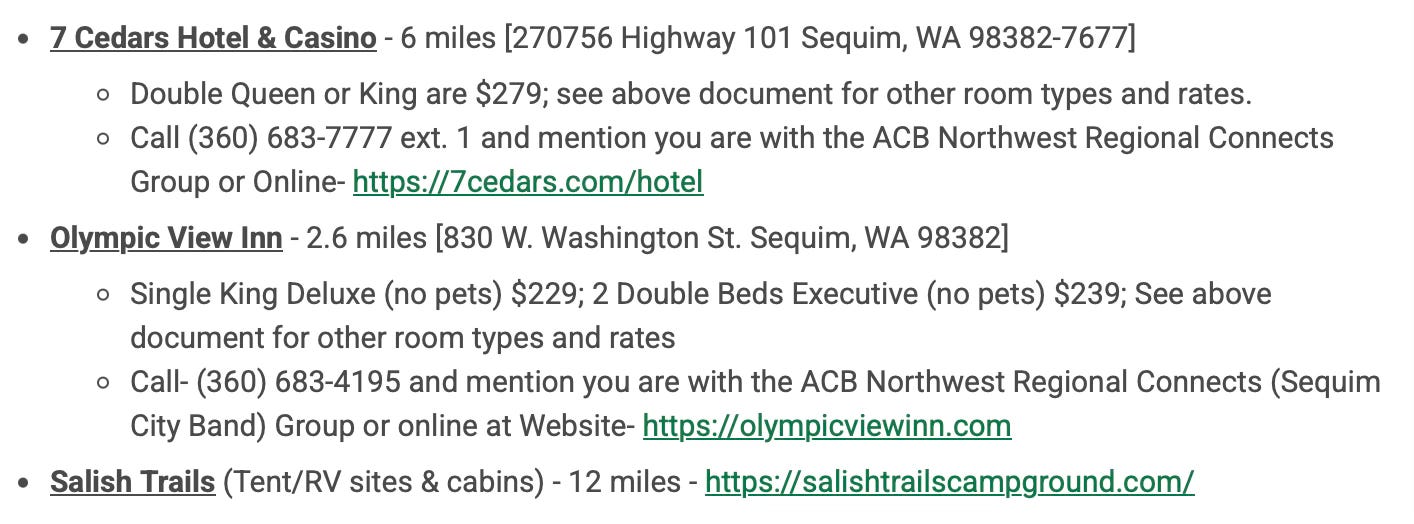
Organizers also noted arrangements with Olympic View Inn in Sequim, but the Jamestown Corporation properties are positioned to receive substantial benefit from the tourism campaign funded through county lodging taxes.
And that immediately raised a familiar question.
Commissioner Randy Johnson was the first to openly acknowledge the issue during the LTAC discussion.
“The one item… that this also highlights is the issue of a tribal hotel that doesn’t contribute to lodging tax,” Johnson said during the meeting. He added, “This gives me a reason to send another letter to the tribe.”
Johnson was referring to the August 2025 letter sent by the Clallam County Board of Commissioners to the Jamestown S’Klallam Tribe requesting a conversation about the tribe contributing property and lodging taxes.
That letter has since become a politically sensitive subject.
The “Fair Share” Debate
At a recent commissioner forum, a resident asked whether the commissioners planned to follow up on the request for the Jamestown Corporation to pay what the commenter described as its “fair share” of property and lodging taxes.
Johnson acknowledged he had not sent a follow-up letter. Commissioner Mark Ozias, attending remotely and unable to respond before boarding a flight to Maui, reportedly told the commissioners that he may have contacted someone informally about the issue.
Commissioner Mike French then stepped in to defend the county’s relationship with the tribe, explaining that Clallam County’s “sovereign neighbors” operate on different “time scales,” which he described as “often uncomfortable for us, but it is just how their governments work.”
French also criticized the phrase “fair share,” calling it disrespectful to tribal sovereignty.
“They are a sovereign nation,” French said. “That is not how that relationship works.”
While French objected to the wording of a resident’s question as disrespectful, he has previously used nearly identical language himself in other contexts.
A Different Standard?
In 2020, French posted publicly about illegal marijuana grow operations and black-market activity. In that post, he wrote:
“The least concern of all is that taxes don’t get paid — it’s still an issue, people should pay their fair share…”
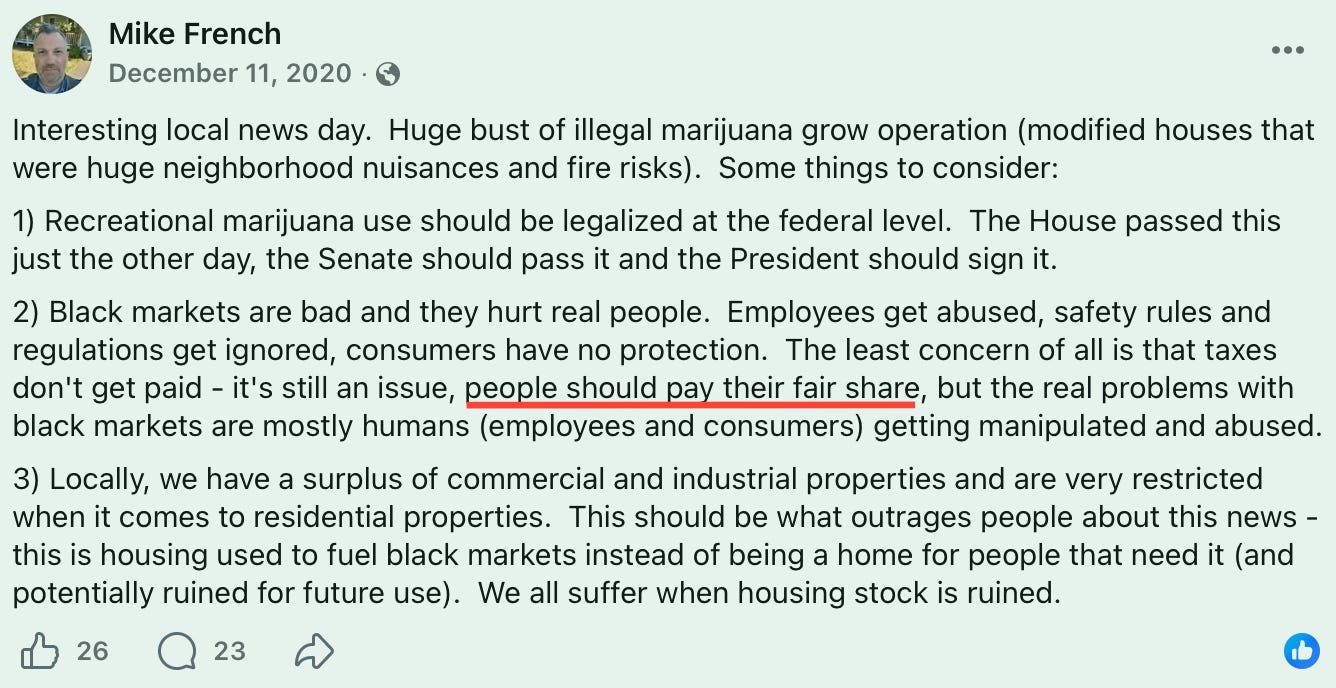
French’s earlier comments argued that tax avoidance harms communities and shifts burdens elsewhere. Why does that principle apply strongly to illegal cannabis operations but becomes inappropriate terminology when discussing tribal-owned hospitality businesses competing directly against tax-paying local hotels, inns, and vacation rentals?
The issue extends beyond philosophy.
Local lodging businesses throughout Clallam County are required to collect taxes that help fund tourism campaigns and marketing efforts. Those dollars are then used to attract visitors who may ultimately stay at tax-exempt tribal-owned lodging properties.
In effect, competitors are funding promotional campaigns that benefit businesses operating outside the same tax structure.
“Not My Job”
French later stated he would not personally pursue follow-up discussions because he is not the county liaison to the Jamestown Tribe.
That explanation frustrated some residents, particularly because all three commissioners signed the original August 2025 letter.
While commissioners campaign countywide and make decisions affecting taxpayers throughout Clallam County, responsibility suddenly narrows when politically sensitive issues involving tribal taxation arise.
Even more puzzling to some observers was the contradiction. If French believed it was inappropriate for him to follow up because he was not the liaison, why did he sign the original letter in the first place?
And if decisions made by the Jamestown Corporation impact the tax burden of residents throughout the county, every commissioner has an obligation to represent taxpayers on the issue — especially in a countywide elected office.
Ozias Suggests a Different Path
The conversation took another turn yesterday when Commissioner Ozias floated a different approach altogether.
Rather than focusing on lodging tax payments, Ozias suggested tribal governments could instead help meet tourism promotion goals through cultural participation — sharing tribal history, storytelling, educational events, and performances that would attract visitors to the region.
The concept resembled the type of cultural tourism often marketed in Hawaii — an idea Ozias appeared to bring back from the recent conference he attended in Maui.
Supporters may view the idea as collaborative and culturally enriching.
However, there is a different dynamic emerging: tribal enterprises remain exempt from lodging taxes while participating directly in tourism marketing efforts that could further increase business at tribal-owned hotels, RV parks, and vacation properties.
To opponents, it feels less like equal participation and more like a system where competitors pay into the tourism fund while exempt entities simultaneously benefit from both the marketing and the exemption itself.
First, the county loses the tax revenue, then tourism campaigns funded by competitors help drive business toward exempt properties, and finally the arrangement is celebrated as a partnership.
The Larger Question
For many residents and business owners, the core question remains unresolved:
Should businesses competing in the same tourism marketplace operate under fundamentally different financial obligations when public tourism dollars are involved?
Today’s Tidbit: PDN Returning to Balance?
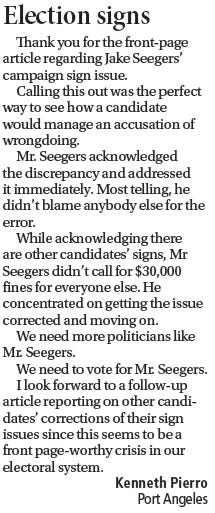
Two excellent letters to the editor from the Peninsula Daily News last weekend.