


What started as “co-stewardship” may be the final step in a much longer strategy. Documents—and now outside reporting—show the Jamestown Corporation has been laying the groundwork for years to control the Dungeness and Protection Island National Wildlife Refuges—raising serious questions about access, accountability, and what happens next.
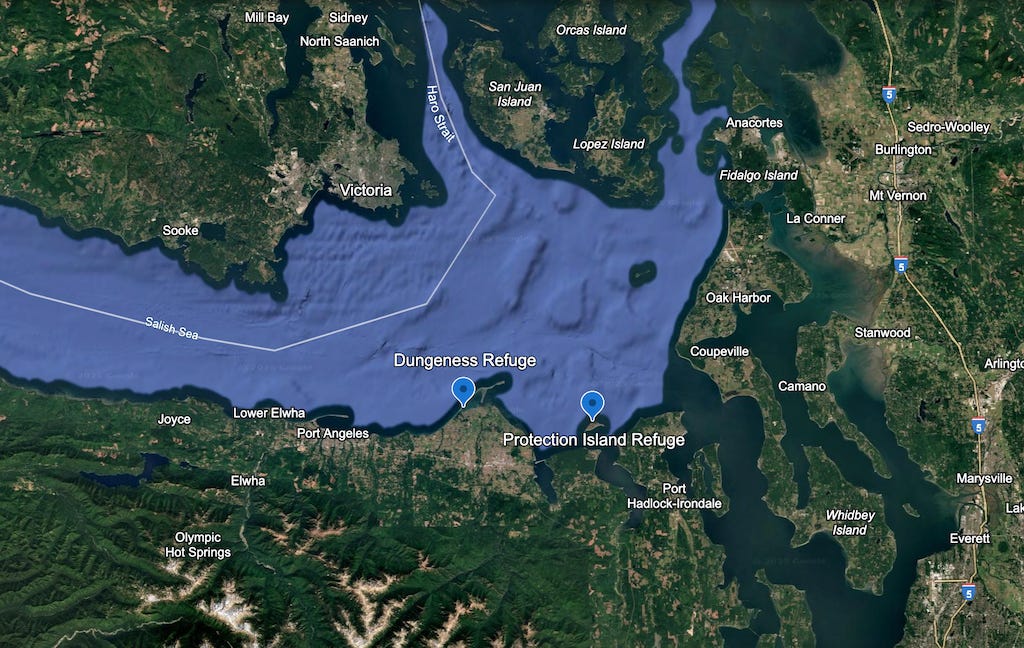
There’s a difference between stewardship and ownership—and right now, Clallam County residents are being asked to ignore that distinction.
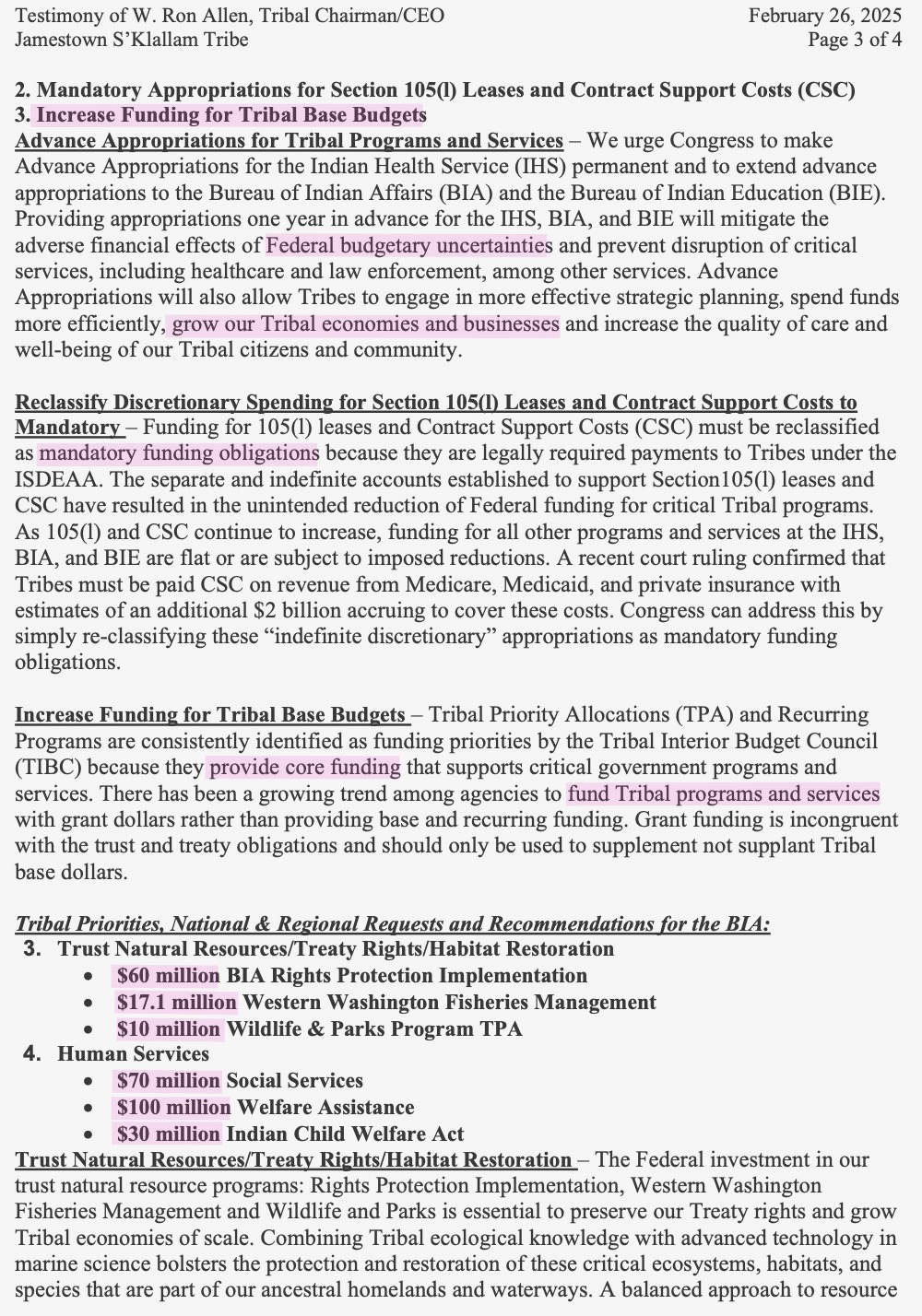
Buried in federal testimony submitted by Jamestown S’Klallam Tribe Chairman and CEO Ron Allen is confirmation of what many have suspected: his Corporation is not just participating in management of the Dungeness and Protection Island National Wildlife Refuges—it is actively investing in long-term control over them.
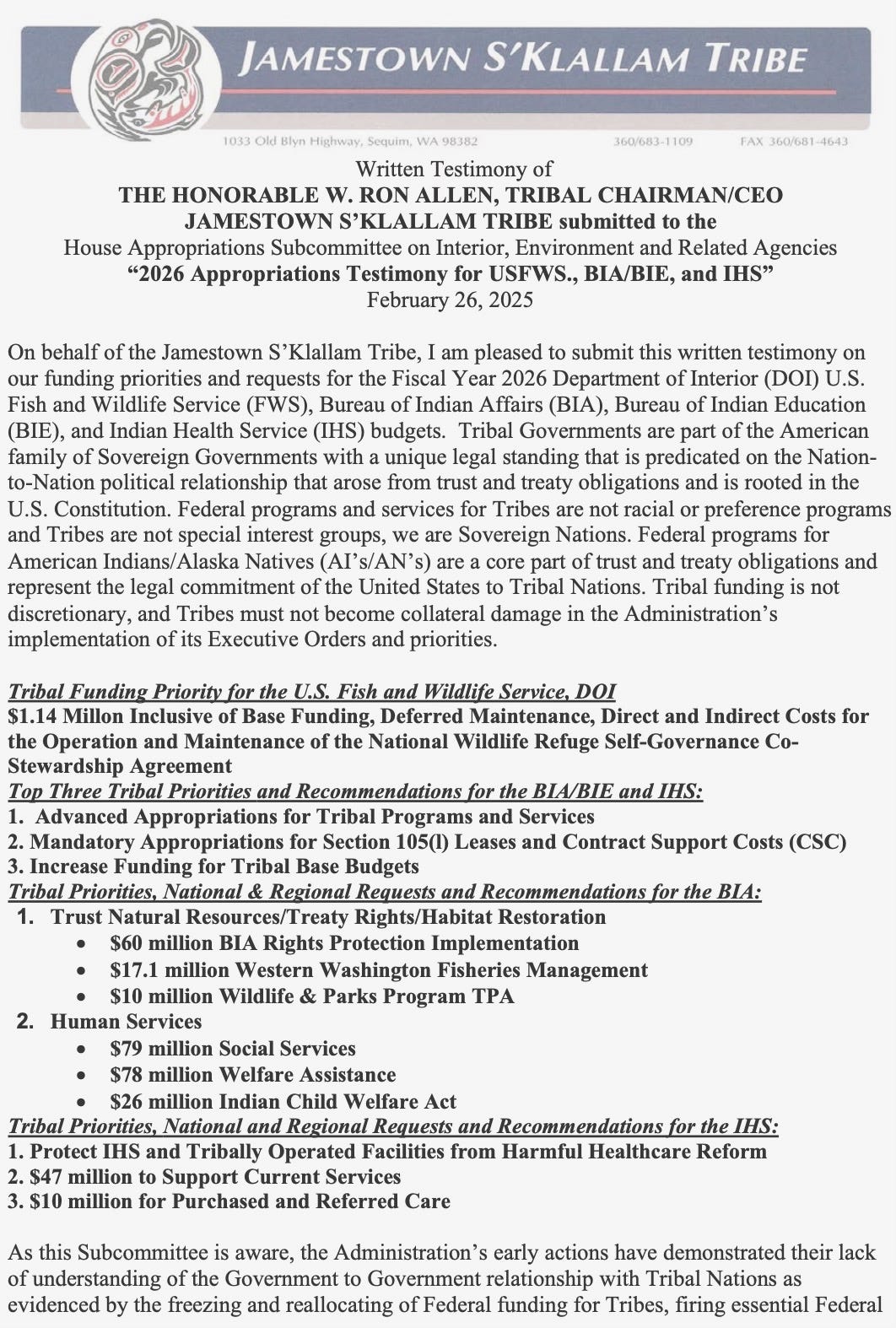
The document highlights a Self-Governance Co-Stewardship Agreement established in August 2024 between the Jamestown Corporation and the U.S. Fish and Wildlife Service. That agreement covers both refuges and comes with federal funding requests to support ongoing operations.
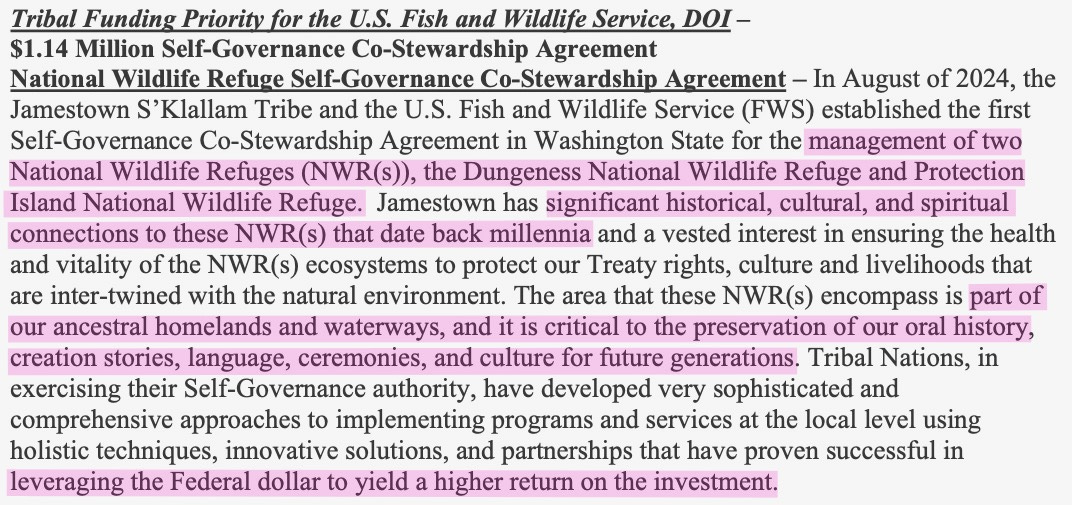
But here’s the part that should stop people in their tracks:
This isn’t a short-term partnership. It’s a foothold.
From “Co-Stewardship” to Control
The Jamestown Corporation’s testimony emphasizes “self-governance,” “autonomy,” and the expansion of tribal control over federally managed lands and programs.
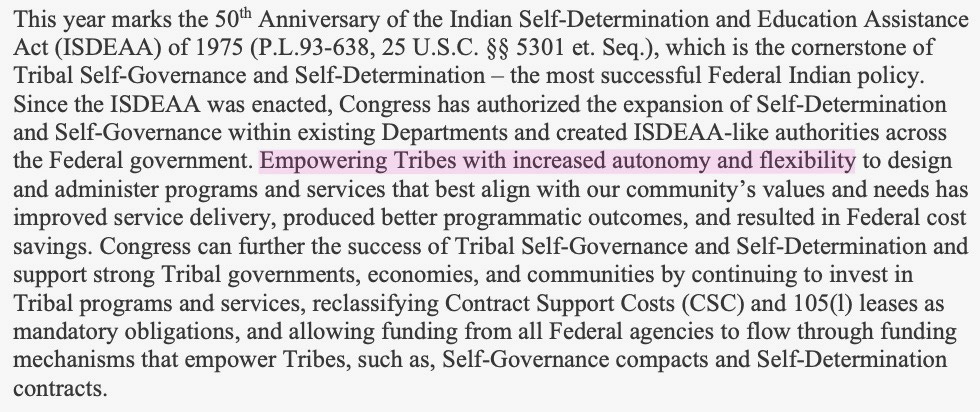
That language matters.
Because once you move from advisory input…
to co-management…
to self-governance…
…the next logical step is ownership.
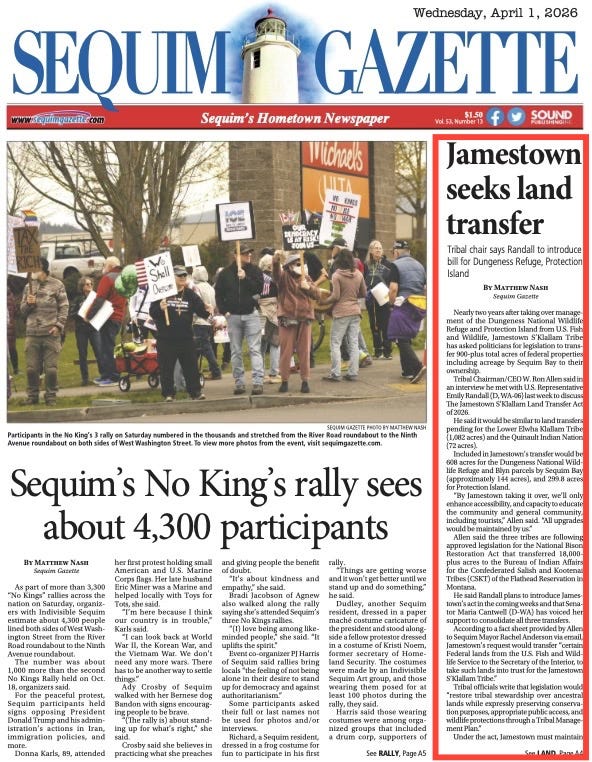
And outside reporting now confirms just how quickly that transition is happening.
The co-management agreement—signed in August 2024—was the first of its kind in Washington State, and it didn’t just give the Jamestown Corporation a seat at the table. It gave them operational control. In fact, the Jamestown Corporation is already leading day-to-day operations at both refuges, including interacting with visitors and managing site activity.
Less than two years after gaining operational control, the push is already underway for full ownership.
That’s not evolution. That’s acceleration.
A Federal Strategy Already in Motion
The same reporting makes something else clear: this isn’t just local.
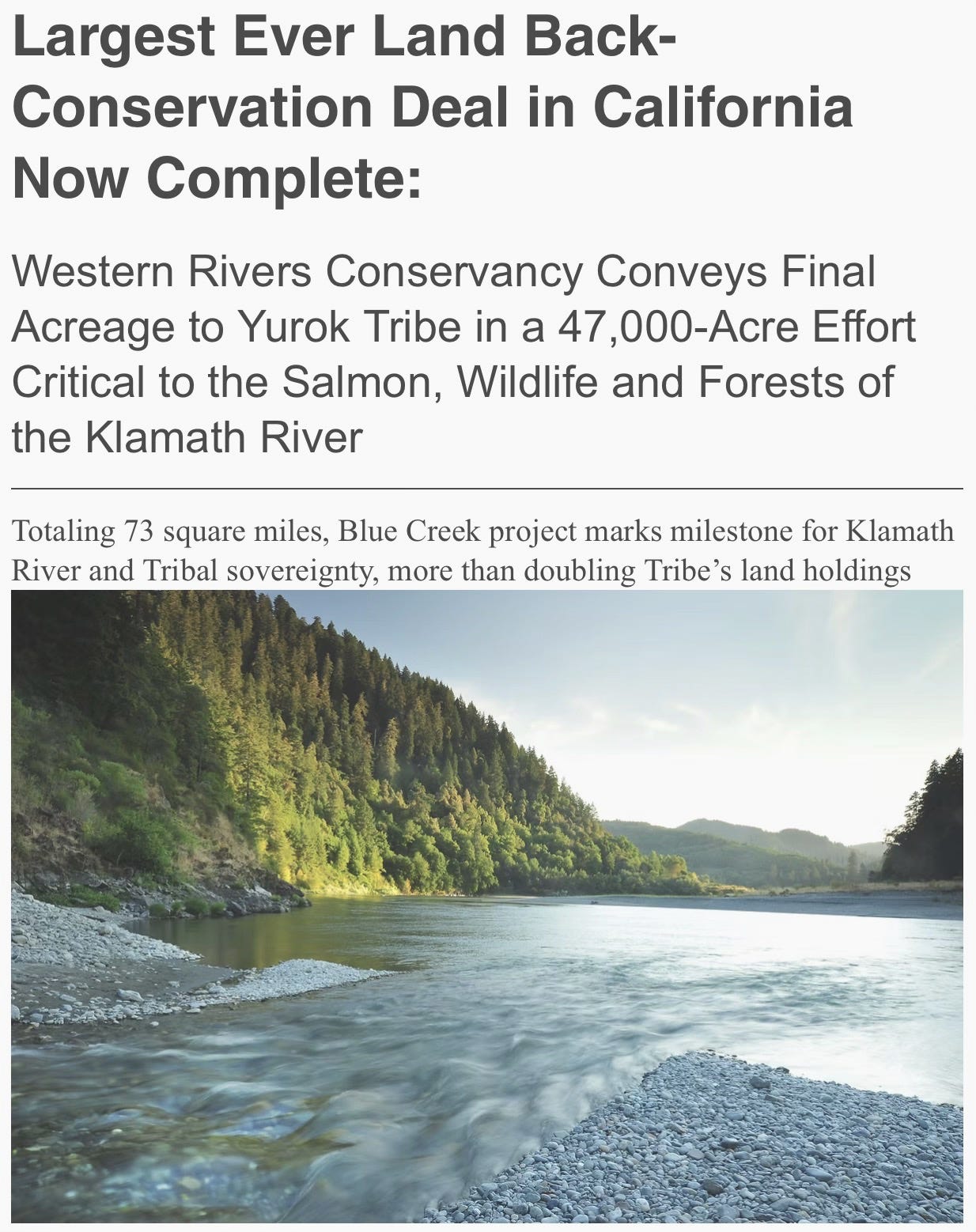
The co-management agreement was part of a broader federal push to either:
Transfer federal lands back to tribes
Or move toward co-management as a stepping stone
That context matters because it reframes what’s happening here.
This isn’t a one-off agreement.
It’s part of a national policy direction—one where co-management is often the middle step, not the end goal.
What Happens When It’s No Longer Public Land?
There’s something that often gets glossed over:
Tribal land is not public land.
Access is not guaranteed. Oversight is not the same. And legal recourse becomes significantly more limited due to tribal sovereign immunity, which generally shields tribes from lawsuits unless they waive that protection.
That’s not speculation—that’s established law—and it’s already playing out locally.
A federal lawsuit challenging the refuge agreement is currently underway, but notably, the Tribe itself is not named in the suit because of sovereign immunity protections.
So while some may picture continued public access, others are asking a more realistic question:
What happens when a sign goes up that reads:
“Welcome to OUR LAND — Tribal citizens only.”
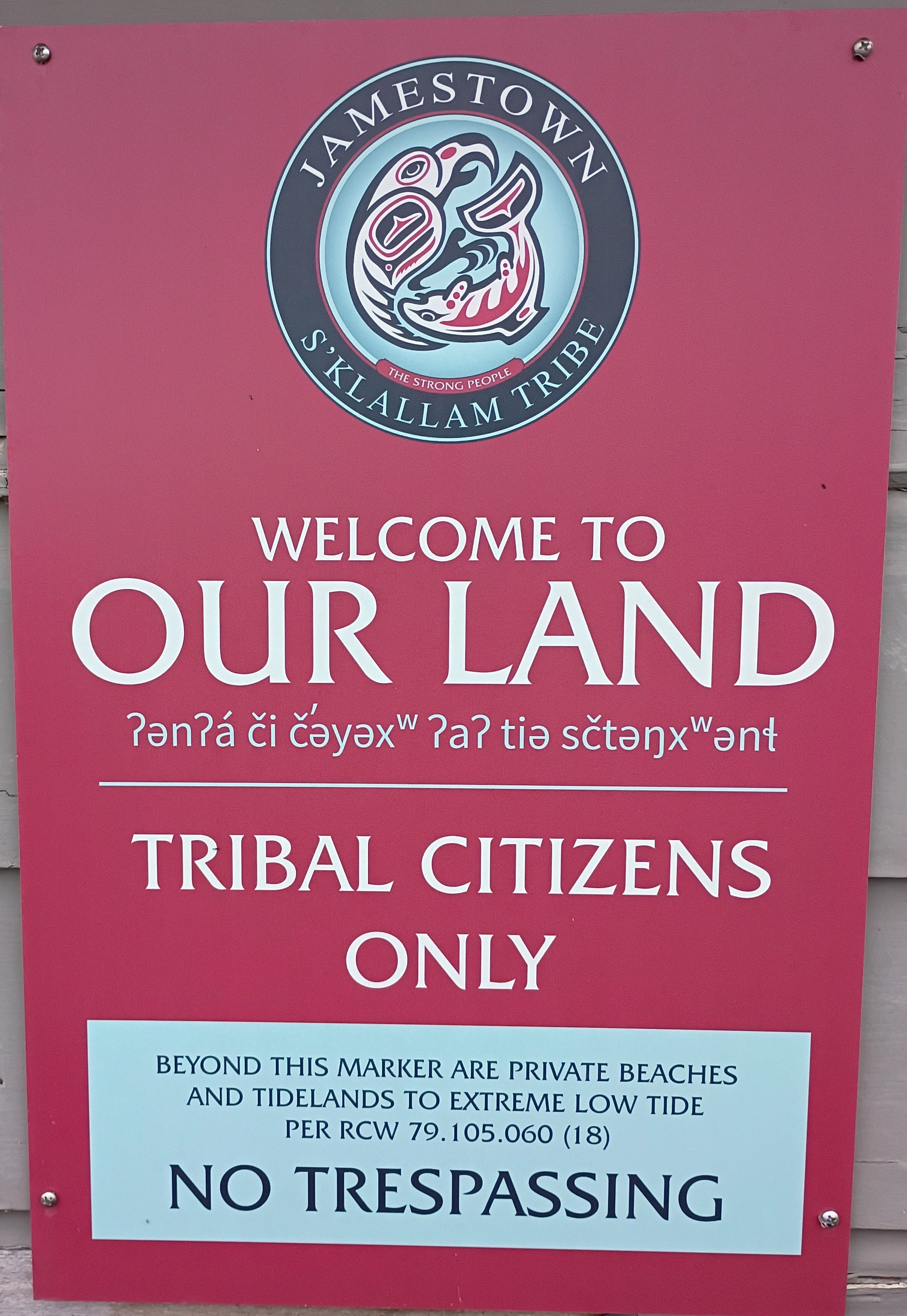
Because while non-tribal residents are welcome at revenue-generating properties—like the casino, gas station, golf course, or MAT clinic—there are already clear examples of tribal spaces that are restricted:
Private beaches
Tribal gyms
Community facilities
The distinction is simple:
If it generates revenue, access is open.
If it doesn’t, access is limited.
Now apply that model to a national wildlife refuge.
The Oyster Operation Waiting in the Wings
There’s another piece of this story that hasn’t gotten enough attention.
Plans have already been discussed to establish a commercial oyster harvesting operation using non-native species within the refuge boundaries—a proposal that has raised serious environmental concerns and triggered legal challenges.
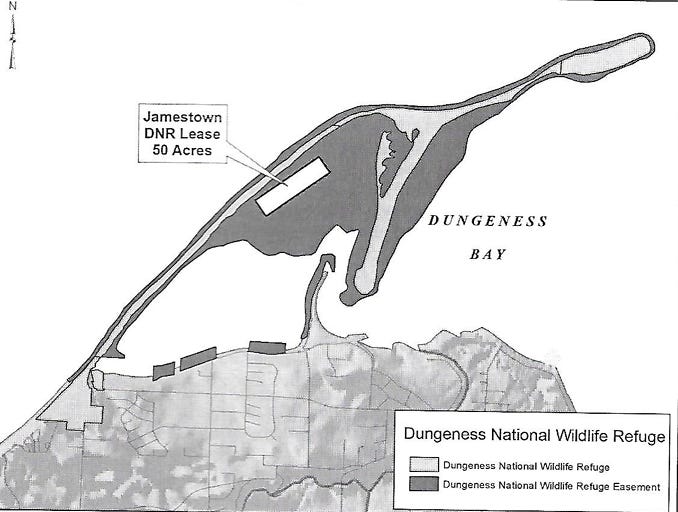
Environmental watchdogs have warned that converting refuge waters into a commercial shellfish operation could permanently alter the ecosystem, turning protected habitat into an industrial aquaculture site.

Right now, that effort is slowed—if not outright blocked—by lawsuits, permitting hurdles, and federal oversight.
But if ownership shifts?
Those barriers don’t just weaken—they disappear.
Control over permitting, environmental review, and enforcement becomes far more favorable to the entity that owns the land.
That’s not a theory. That’s how jurisdiction works.
A Strategic Timeline—And a Critical Deadline
The co-management agreement itself is not permanent.
It is set to be revisited after two years—this August.

So ask yourself:
Is the push for ownership happening now because of uncertainty about what happens next?
If the agreement is up for review…
If federal agencies reassess performance…
If public scrutiny increases…
Then locking in ownership before that happens would eliminate those risks entirely.
From Management to Legislative Transfer
And now we’re seeing the next phase play out in real time.
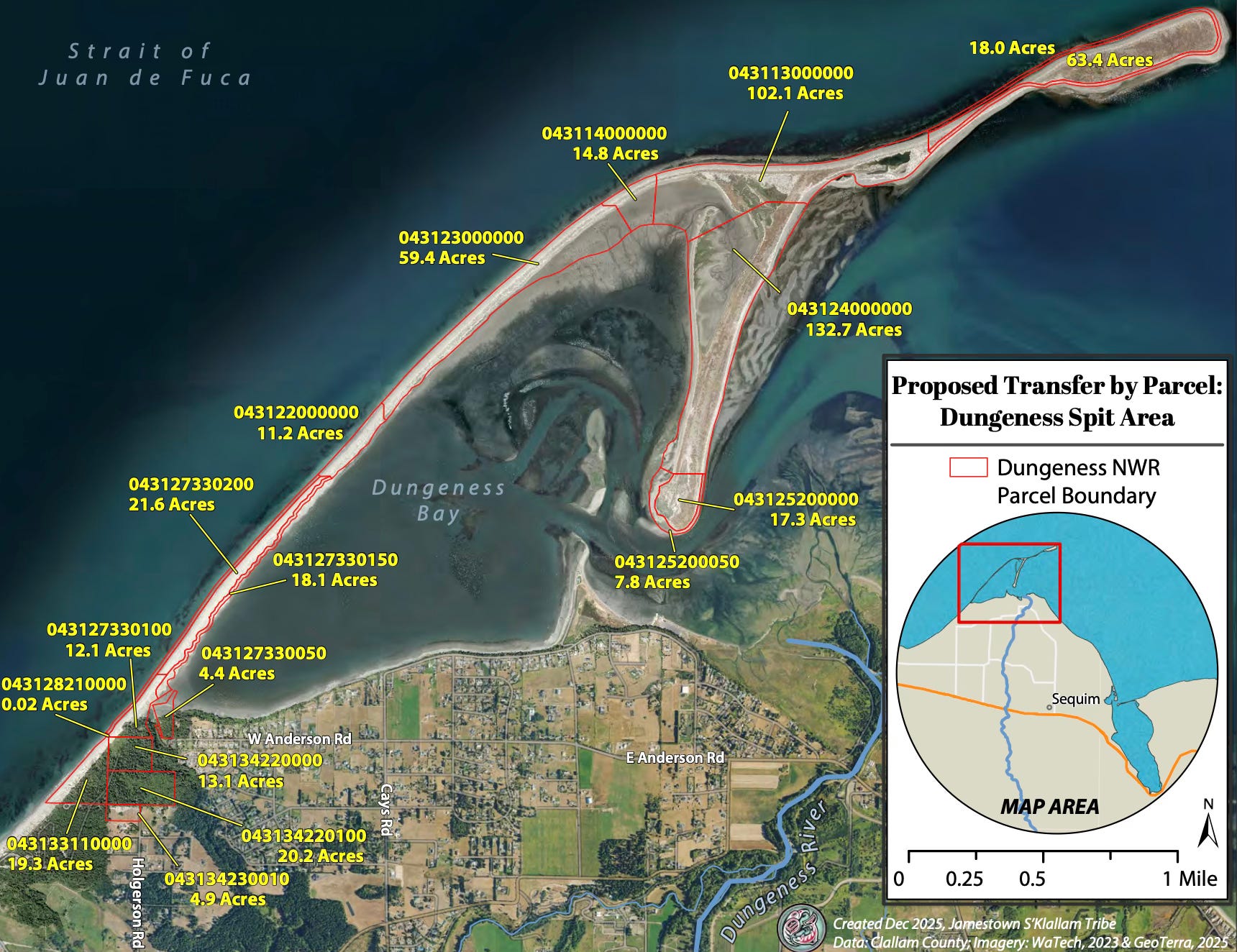
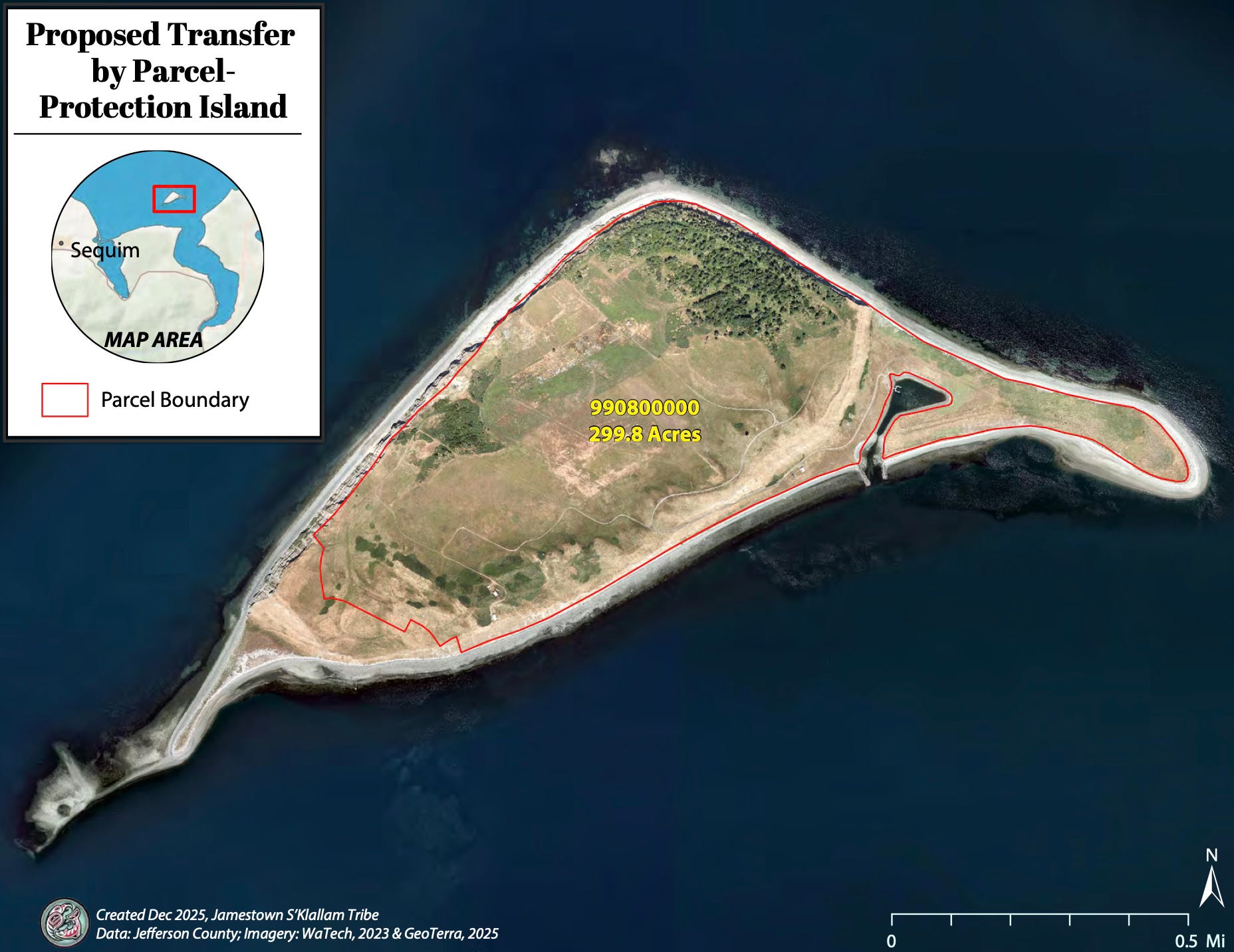
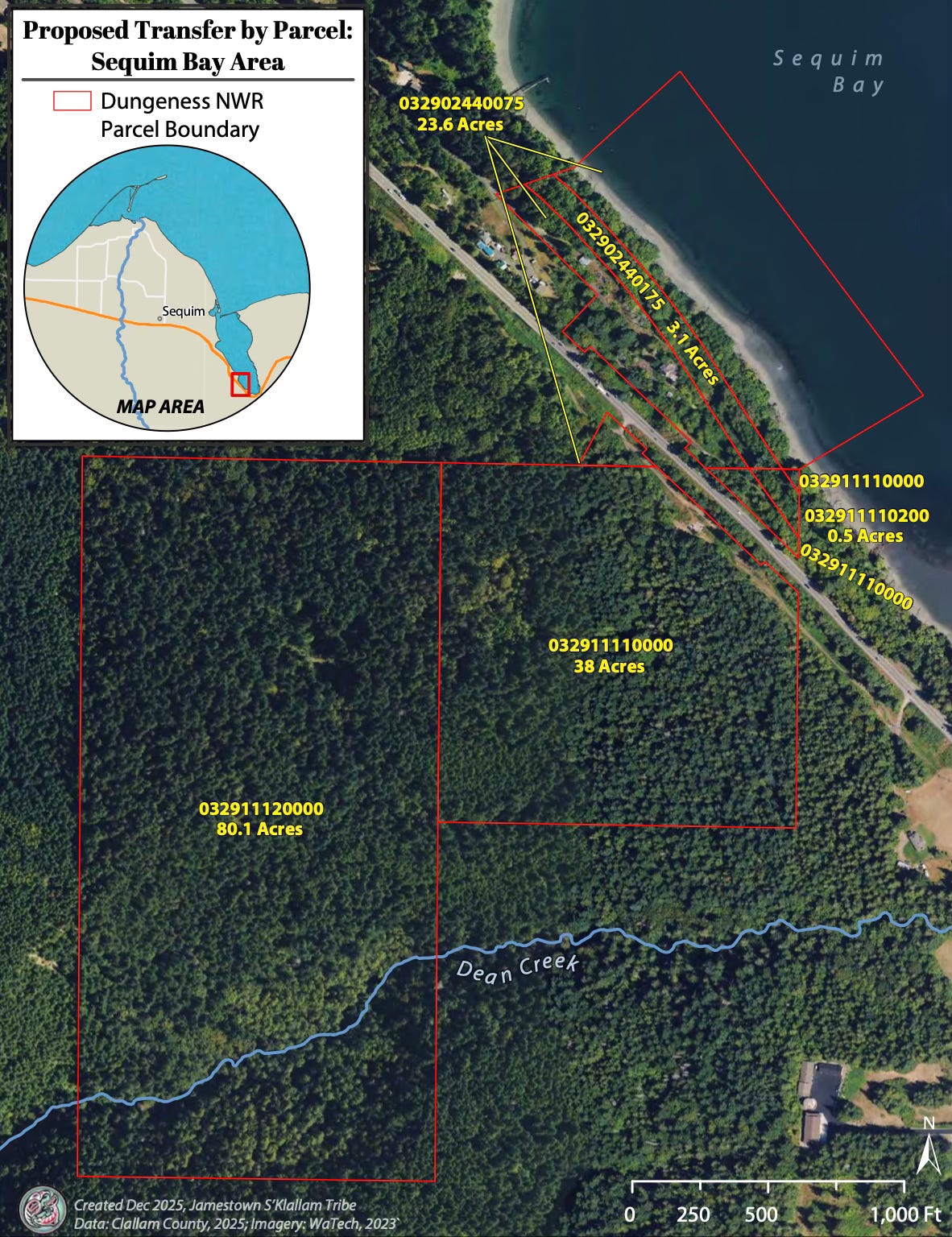
The Jamestown Corporation is actively seeking federal legislation to transfer over 900 acres of land—including both wildlife refuges—into tribal ownership.
That includes:
608 acres at Dungeness
Nearly 300 acres at Protection Island
Additional parcels near Sequim Bay
This isn’t hypothetical.
It’s already being discussed in Congress.
The “Underserved” Narrative vs. Economic Reality
In federal testimony, the Tribe emphasizes funding needs, service gaps, and the importance of federal investment.
But notably absent is any clear statement that the Tribe itself is economically distressed.
That omission stands out—especially when compared to the Tribe’s own land transfer materials, which focus not on hardship, but on expanding control, strengthening resource management, and creating economic opportunity.
This isn’t framed as a lifeline. It’s framed as a strategic expansion.
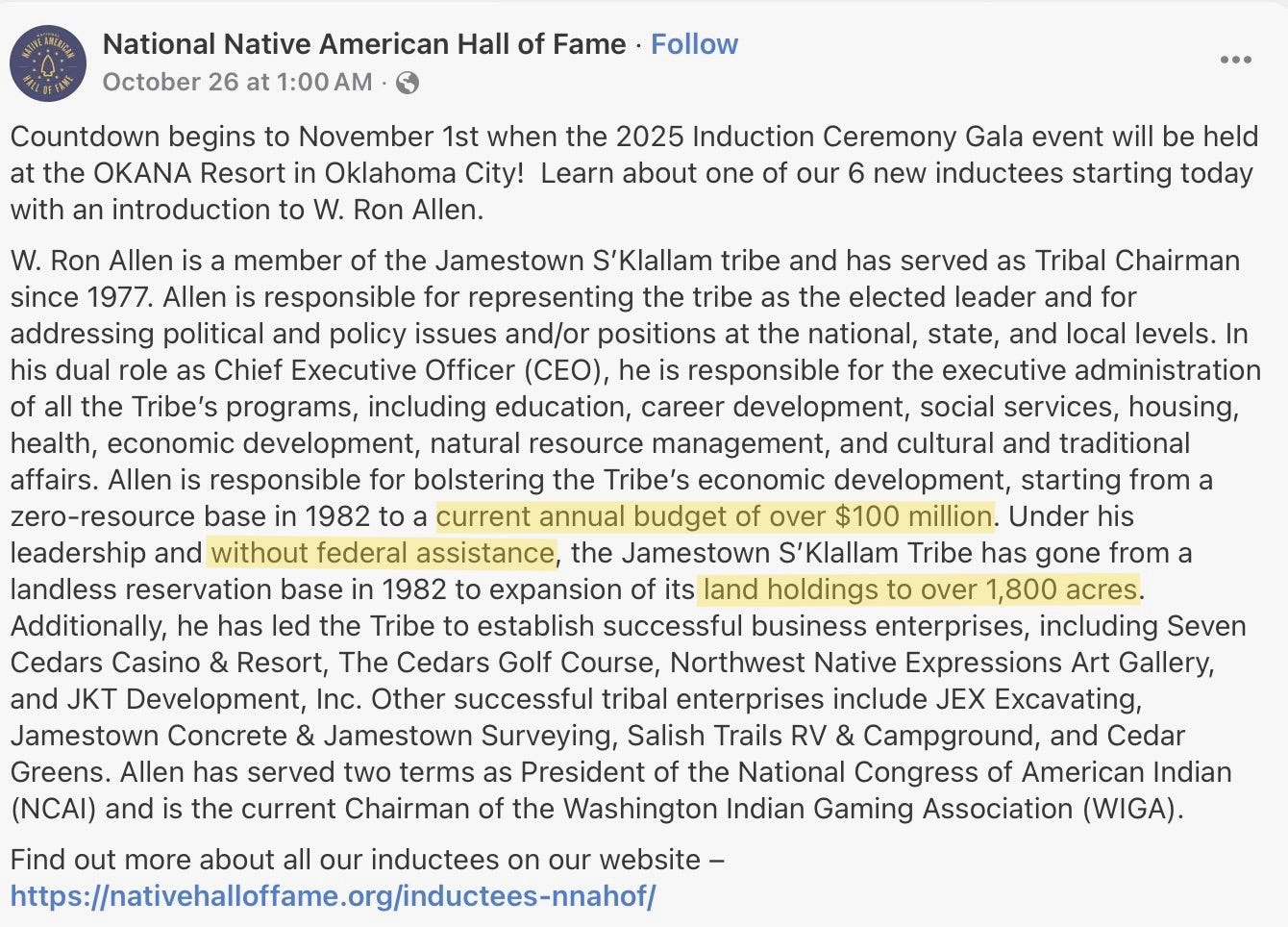
Because locally, Chairman Ron Allen has stated the Tribe has an annual budget of over $100 million, for just over 200 members.
So which is it?
A vulnerable, underserved community in need of federal expansion?
Or a financially established entity seeking to grow its land base, authority, and revenue potential?
That contradiction deserves more scrutiny than it’s getting.
The Federal Ask: More Control, More Funding, More Authority
The same testimony outlines a broad set of requests to Congress:
Expanded funding for tribal natural resource management
Increased control over fisheries and wildlife programs
Mandatory federal funding streams
Greater autonomy through self-governance structures
Individually, these may seem reasonable.
Taken together, they form a clear pattern:
Consolidation of authority. Expansion of control. Reduction of external oversight.
And now—potentially—ownership of federal land.
Who’s Really Writing the Letters?
Here’s where things take a turn locally.
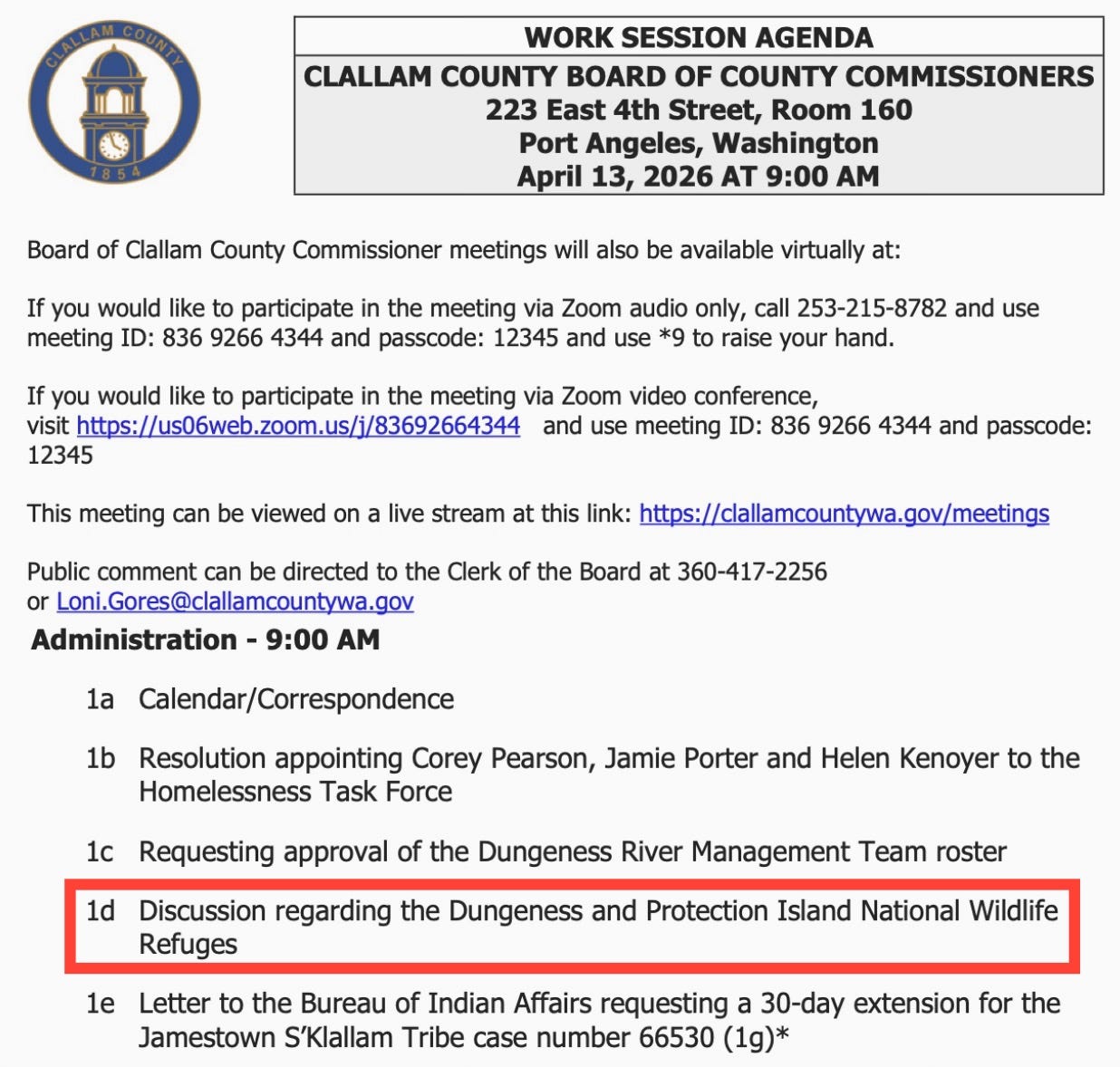
Today at 9:00 AM, Clallam County Commissioners will consider sending a letter supporting the transfer of these refuges to the Tribe.
Tonight at 6:00 PM, the Sequim City Council will consider supporting that same effort.
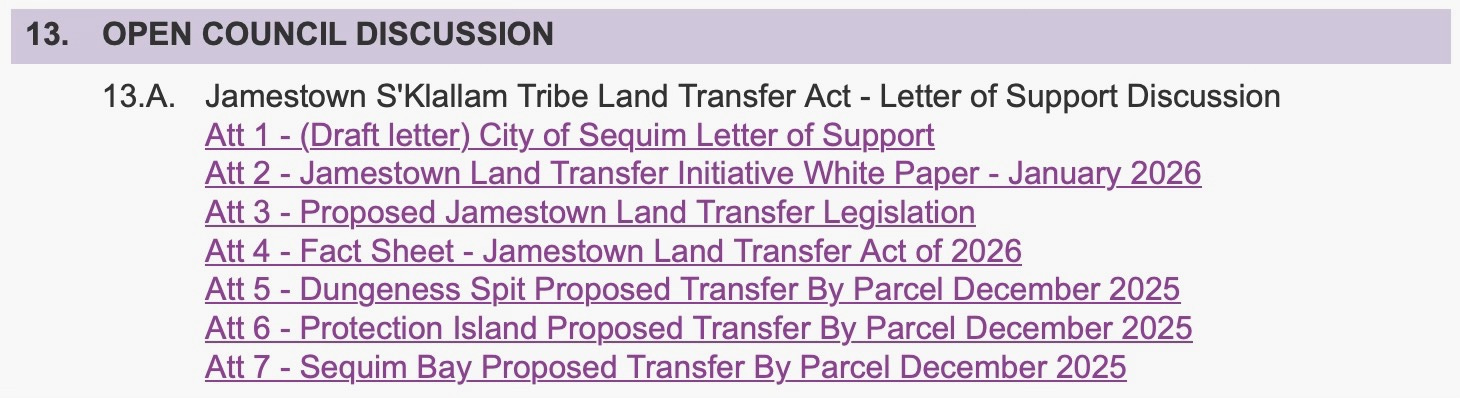
But the letter being presented as a “city” position was actually authored by Jamestown CEO Ron Allen.
This is local leadership:
A letter written by the Tribe…
Presented as coming from local governments…
Is being used to support transferring federal land to that same Tribe.
What Can Residents Do?
For those asking what recourse still exists, there are steps you can take.
Concerned resident Pepai Whipple recently reached out to State Representative Jim Walsh, who recommended that residents contact the current White House administration and the Department of the Interior to express opposition to the proposed transfer.
He also suggested reaching out directly to U.S. Representative Michael Baumgartner to make your position known.
At this stage, federal decision-makers will play a central role in determining whether this transfer moves forward—and constituent input still carries weight.
If this issue matters to you, now is the time to speak up.
Contact Congressman Baumgartner here.
Contact the Department of the Interior here.
Contact the White House here.
The Bigger Question
At what point does cooperation become capitulation?
Because this isn’t just about land.
It’s about:
Public access
Environmental oversight
Economic control
And whether local residents still have a voice in decisions that reshape their own community
The Jamestown Tribe didn’t arrive at this moment overnight.
Federal policy opened the door.
Co-management stepped through it.
Now ownership is knocking.
And now, in a matter of hours, local leaders may take the next step in making it permanent.
The question is whether anyone is willing to stop and ask:
Who does this really serve—and what do we lose if it happens?

Today’s Tidbit
They Took Down a Sign. They Didn’t Slow the Movement.
Six months in, with six more to go, County Commissioner candidate Jake Seegers’ campaign just hit a moment that says more than any speech ever could.
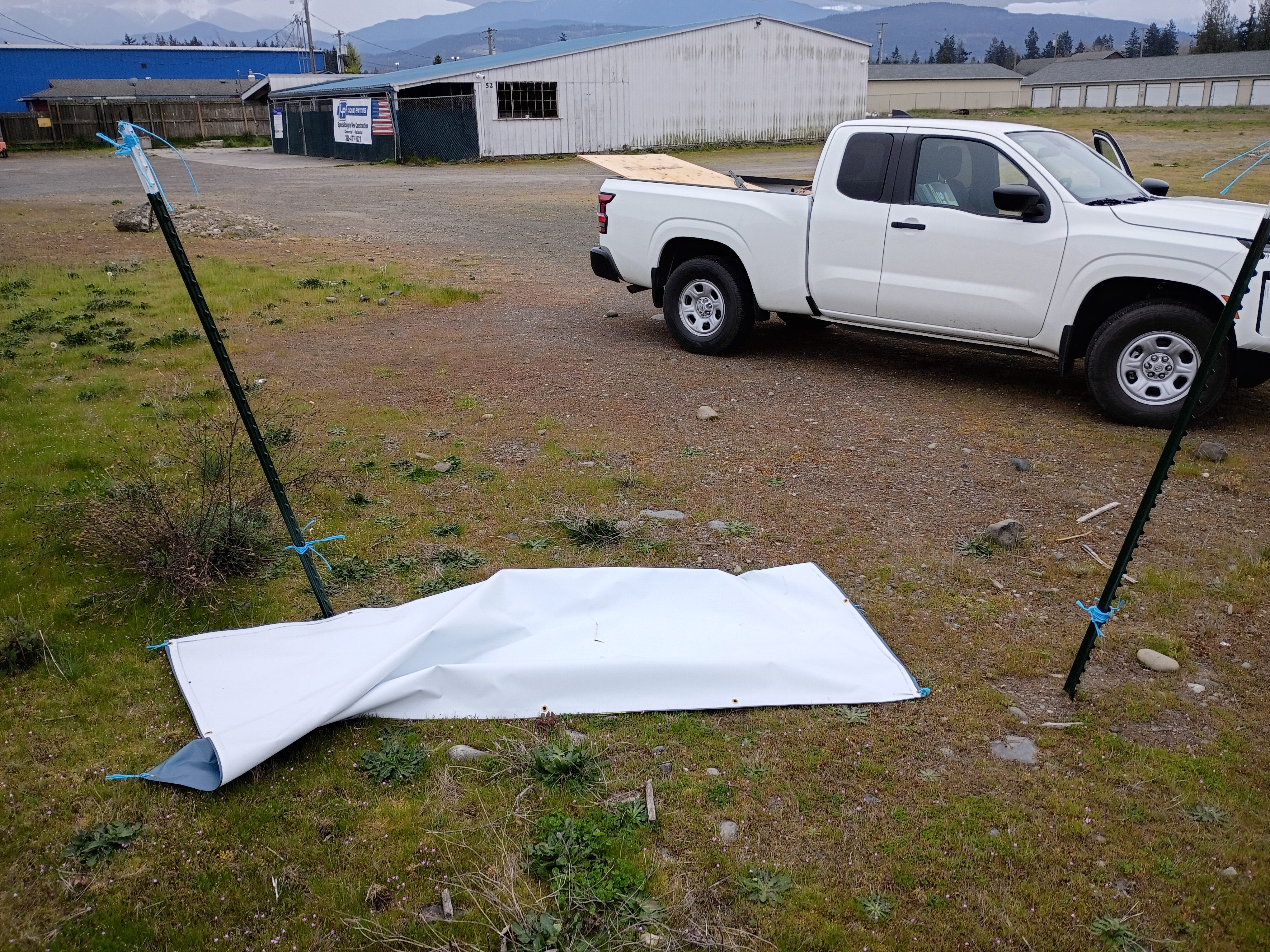
Late Friday night—or early Saturday morning—one of his most visible signs, near the Walmart roundabout in Sequim, was torn down and slashed. It sat on private property, placed there by supporters willing to stand behind the message—and the man.
That sign mattered. Not just because of where it stood, but because of what it represented.
It was paid for by everyday people. Folks who chipped in $10. Others who gave more. Local businesses investing in the idea that Clallam County can do better—with leadership grounded in transparency, accountability, and real results.
And when something like that gets destroyed, it raises a bigger question about the tone we’re setting in this community.
Especially when we have a sitting commissioner, Mike French, who has publicly suggested that property destruction can be justified—that sometimes it’s “the only way we’ve ever seen actual change happen.”
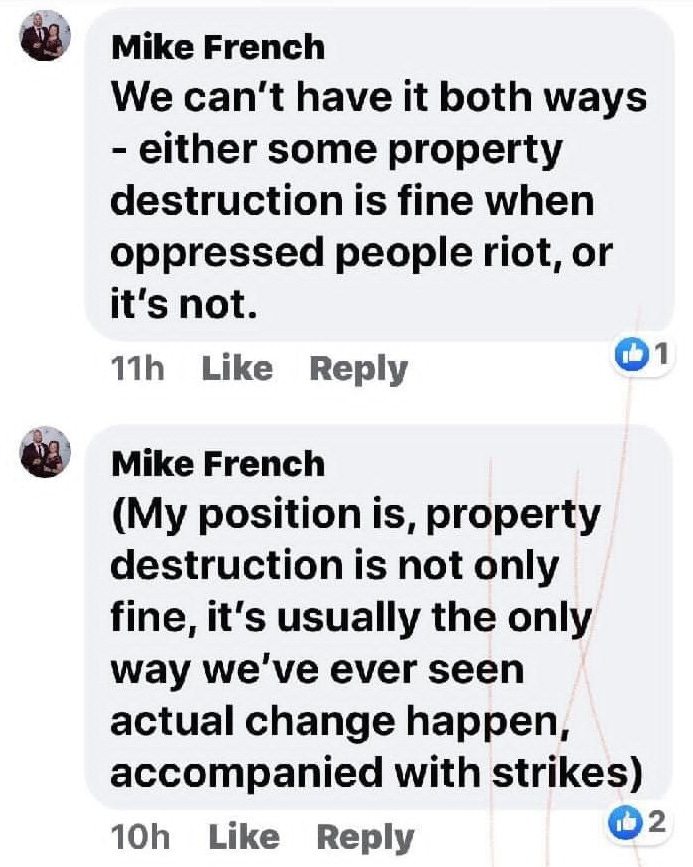
Think about that.
Because whether intended or not, that kind of rhetoric sets a tone. And when the tone shifts, behavior often follows.
But here’s the part that matters most:
Tearing down a sign doesn’t erase what’s behind it.
If anything, it reinforces it.
Jake isn’t backed by a political machine. He’s running as an independent—powered by people who want common sense back in local government. People who are tired of being ignored, tired of watching decisions get made without clear metrics, and tired of leadership that talks past them instead of to them.
That kind of campaign doesn’t get shaken by one act of vandalism.
It gets stronger.
So yes—expect more signs.
And maybe expect more pushback, too.
But also expect this:
For every sign that comes down, more will go up.
For every attempt to intimidate, more people will step forward.
Because Jake isn’t just running against an opponent—he’s running to change a culture. One that, for too long, has looked the other way when standards slip.
Clallam County deserves better than that.
Jake’s halfway there. And he’s just getting started.
If you’ve got a visible spot for a sign, now’s the time.
Email vote@jakeseegers.com.


