

For years, the Jamestown Tribe’s newsletter was public. Now it’s restricted—available only to Tribal citizens who request it. Why the sudden change? After reviewing the latest issue, the answer may be uncomfortable: a steady stream of taxpayer-funded projects, expanding benefits, and business activity that directly competes with local residents—all happening with limited public visibility.
There was a time when anyone in Clallam County could go online and read the Jamestown Tribe’s monthly newsletter. That’s no longer the case. Now, unless you’re a Tribal citizen, you’ll see a message saying the site is “under construction” and be told to call or email to request access.
Transparency, apparently, now comes with conditions.
That might not raise eyebrows—until you actually look at what’s inside.
Public Money, Private Upgrades
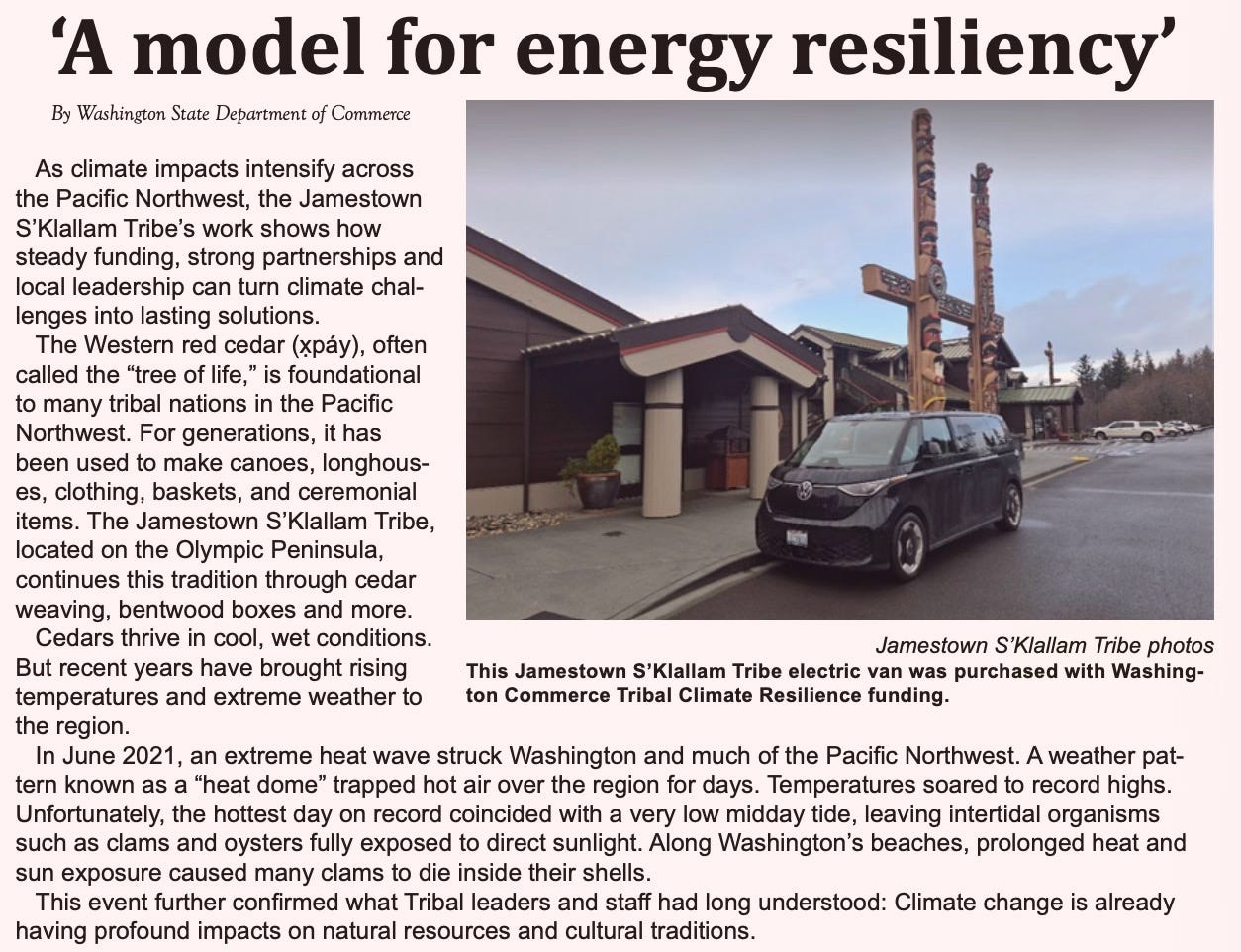
One of the centerpiece articles, authored by the Washington State Department of Commerce, reads less like oversight and more like promotion. It opens with a long detour into the symbolism of the western red cedar—climate impacts, cultural references—but never really connects those ideas to anything concrete.
Then it gets to the real point: money.
State and federal grants are being used to upgrade tribal-owned housing—new roofs, insulation, heat pumps, and water systems.
On the surface, that sounds reasonable. Until you look closer at what some of those “housing” units actually are.
At least six of these properties are not basic housing—they’re high-end vacation rentals located on the golf course and marketed through the Tribe’s own resort platform. These are income-generating assets, competing directly with local vacation rentals, hotels, and small landlords throughout Clallam County.

And unlike every other operator in that space, they don’t operate on a level playing field. These properties are not subject to local property taxes, and in many cases, avoid the same lodging taxes and regulatory burdens that everyone else is required to navigate.
So the equation becomes hard to ignore: public dollars are being used to upgrade revenue-generating vacation properties… that then compete against the very taxpayers who funded them.
That’s not just economic development—it’s government-funded competition.
The Grant Pipeline Never Stops
The newsletter makes one thing clear: grant funding is everywhere.
Nearly $900,000 for housing upgrades alone
Over $1.3 million for a solar microgrid project
Additional clean energy and infrastructure funding layered on top
And then there’s the bucket truck—purchased with Department of Energy grant funds.
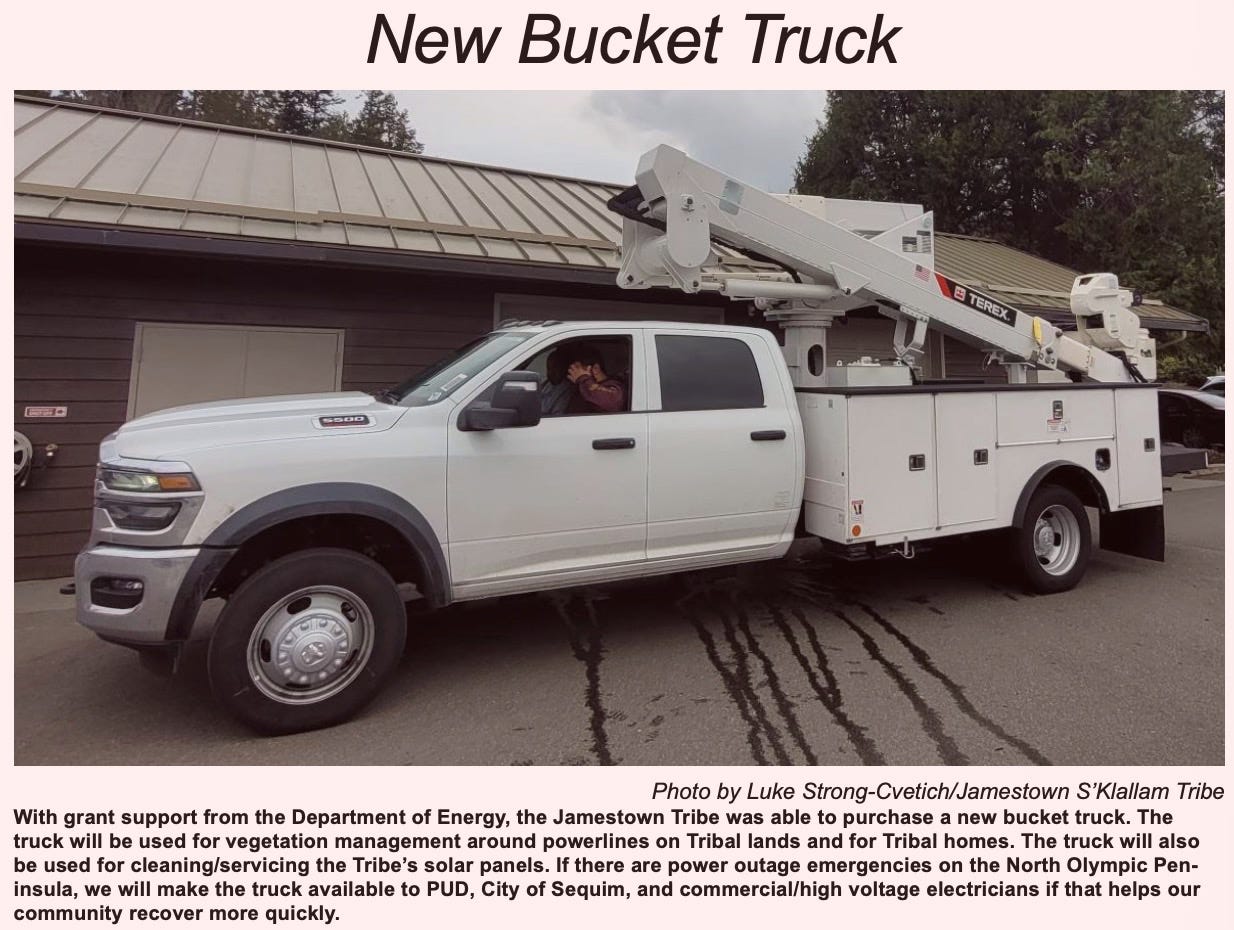
The justification? It will maintain tribal powerlines and infrastructure.
Fair question: what powerlines? And if it’s a regional asset, why is it owned exclusively by one entity?
The newsletter frames it as generosity—The Tribe will let others use it if needed. But the reality is simpler: state and federal dollars paid for it.
Your money.
Expanding Services for a Shrinking Population
The Tribe continues to expand social and community services—adding new case managers, clinical staff, and program administrators.
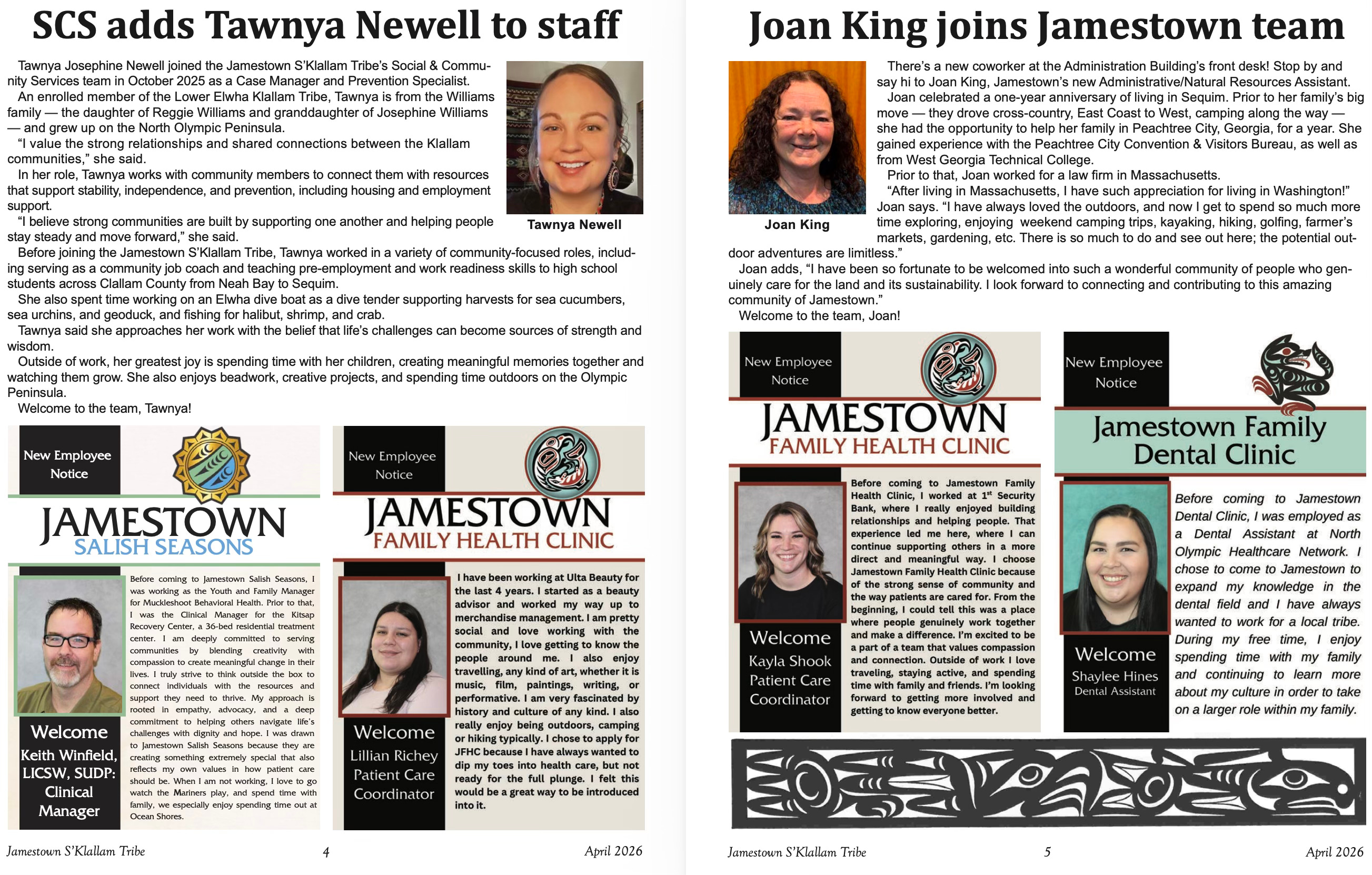
At the same time, the newsletter highlights ongoing elder services, food programs, and subsidized support systems available to Tribal citizens:
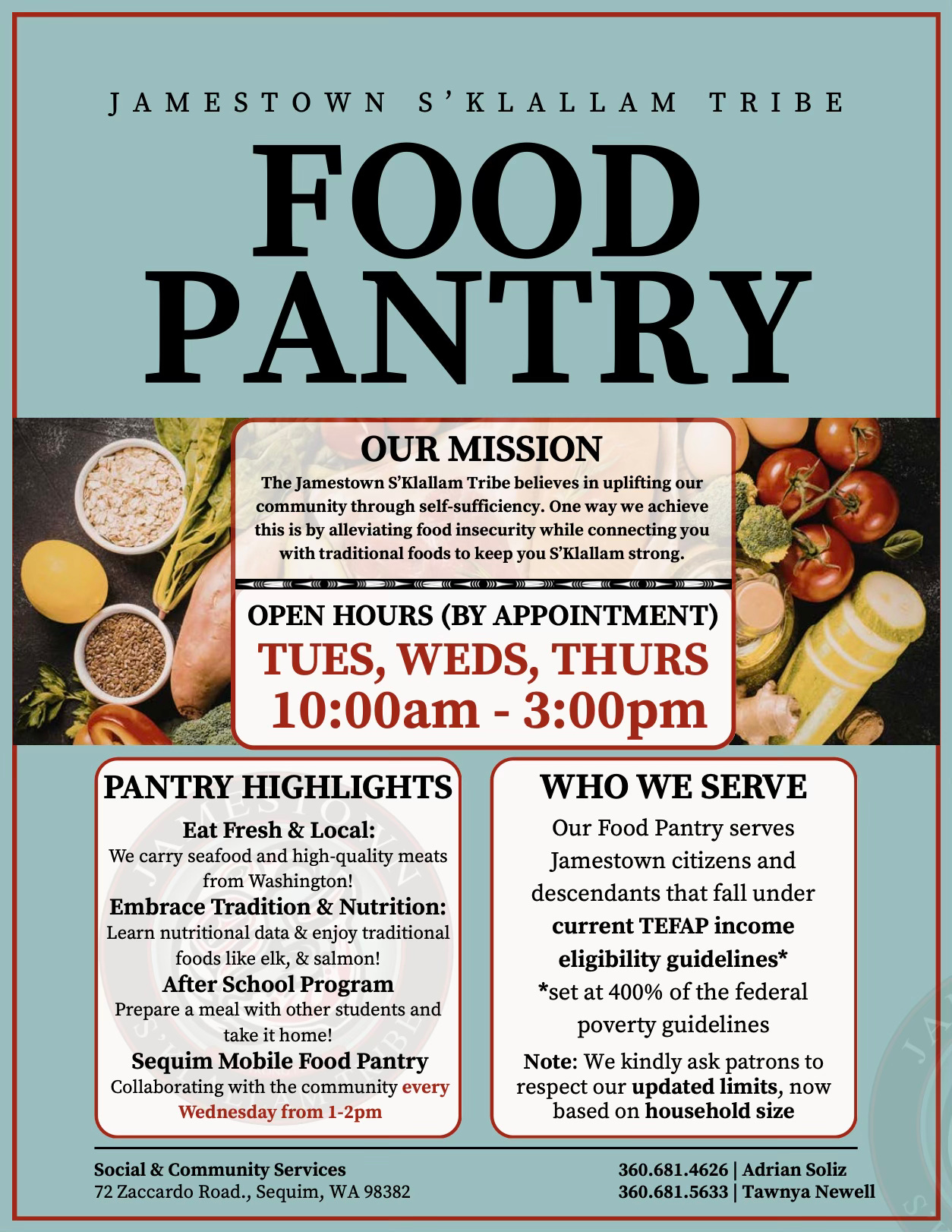
Food pantry access up to 400% of federal poverty levels
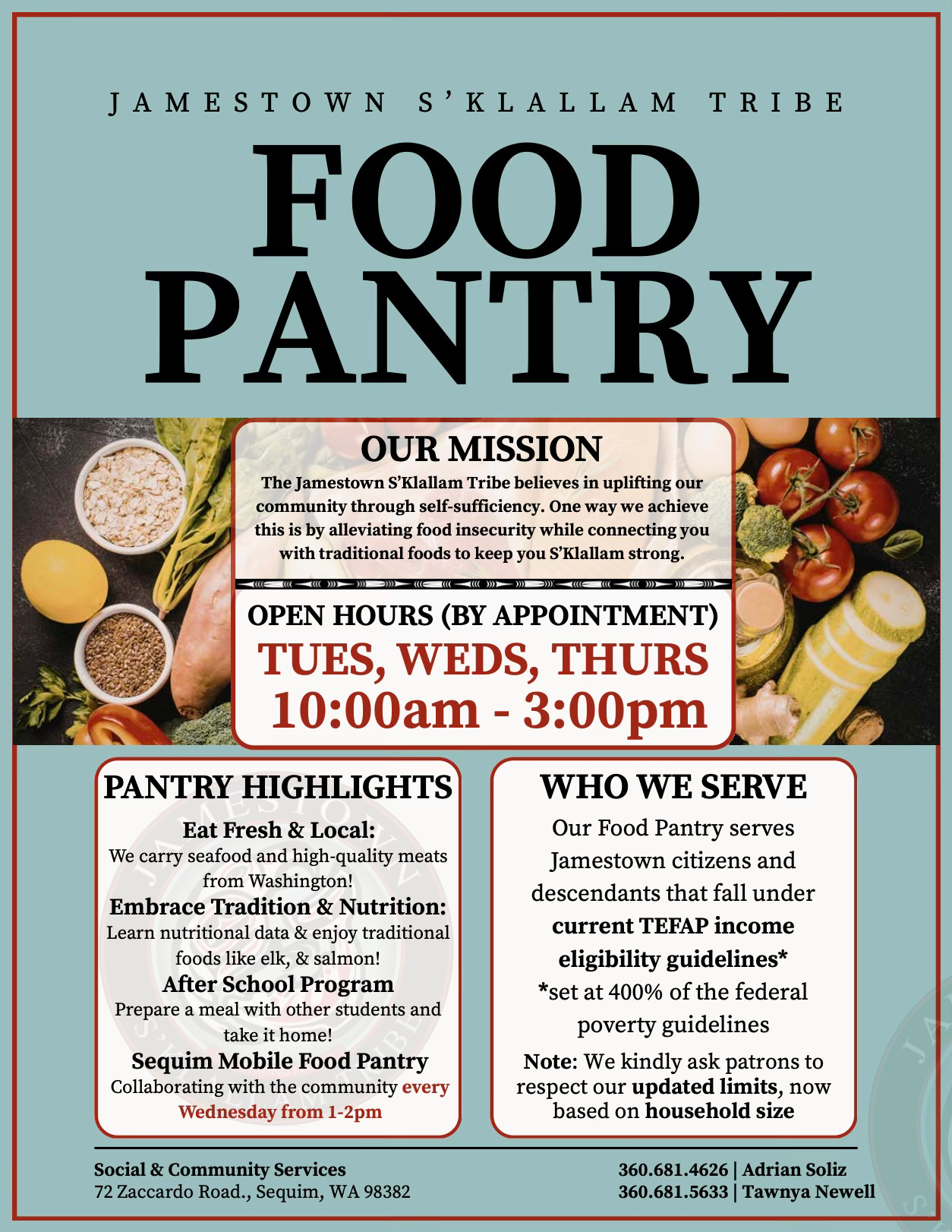
Elder meal delivery and events
Case management and employment assistance
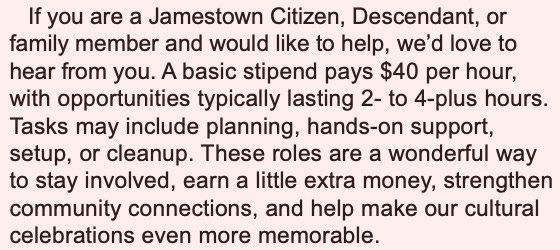
Cultural stipends ($40/hour for participation)
These are real benefits—substantial ones. But they exist alongside a broader county population that is struggling with housing, addiction, and access to basic services.
Two systems. One funded largely by the same taxpayers.
Treaty Rights, Subsidized Access
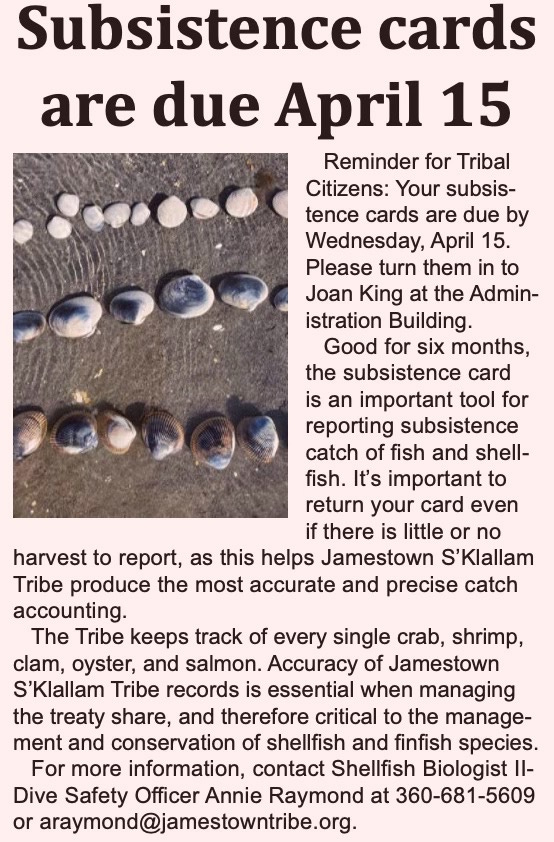
The newsletter also highlights subsistence cards and treaty-managed harvests—tracking every fish and shellfish taken to maintain allocation shares.
These are long-standing rights—but they come with infrastructure, staffing, and enforcement supported in part by public funding streams.
Again, the question isn’t whether these programs exist—it’s who pays for them, and who benefits.
Carefully Framed Messaging
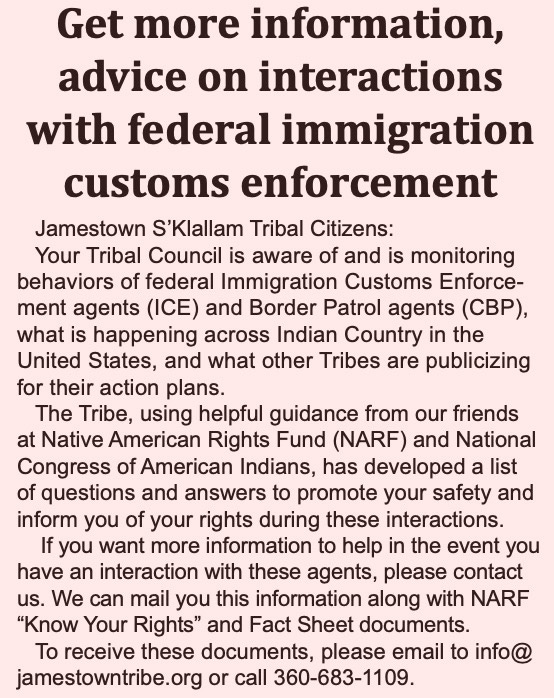
In a more subtle section, the Tribe advises citizens on how to interact with federal immigration authorities, offering guidance and “Know Your Rights” materials.
It’s framed as safety and awareness—but it also reflects a broader pattern: messaging that emphasizes external threats, internal cohesion, and reliance on tribal systems.
The Railroad Bridge Question
Then there’s the Railroad Bridge.
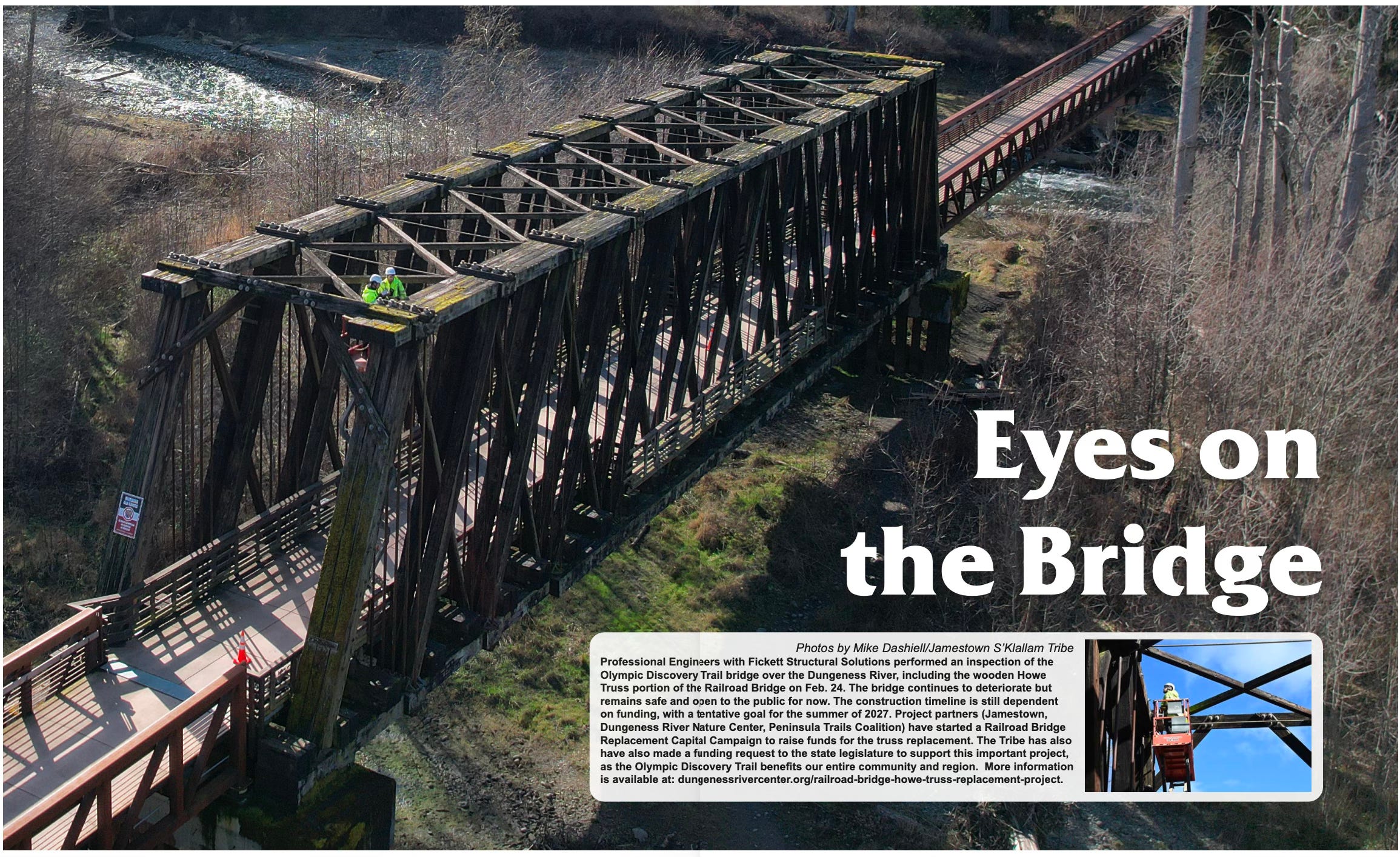
The Tribe owns it. The total cost to replace it is estimated at $3.1 million. Yet:
They’ve already received $2.55 million in state funding
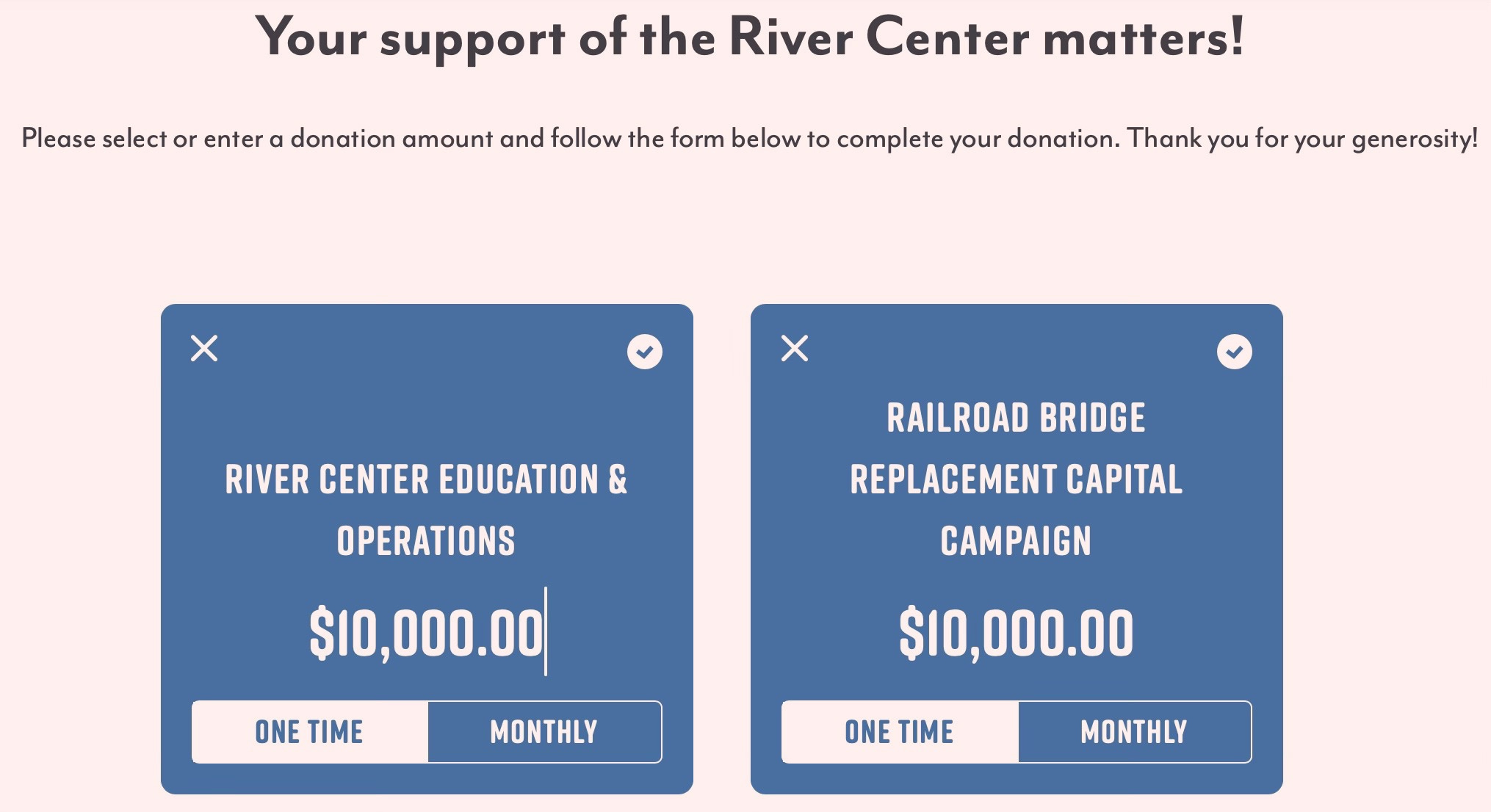
They’ve launched a capital campaign asking for donations
The shortfall is roughly half a million dollars — the same amount they spend on Christmas lights each year
This is from an organization that routinely generates over $100 million in revenue annually.
At some point, it’s fair to ask:
Why is the public always expected to fill the gap?
Why Hide the Newsletter?
Taken individually, each of these items can be explained away.
Together, they tell a different story:
Public funding flowing into privately controlled assets
Business activity competing with local residents
Expanding benefits unavailable to the general public
Continued reliance on grants and subsidies
And now, reduced public visibility into it all
Which brings us back to the original question:
If this is all above board… why make the newsletter harder to access?
Download the April Jamestown Tribal Newsletter here:

Today’s Tidbit: “None of the White Man’s Business?”
One item in Saturday’s Social Media article sparked a lively comment thread—and it’s worth a closer look.
A comment claimed that what the Jamestown Tribe does is “none of the white man’s business.”
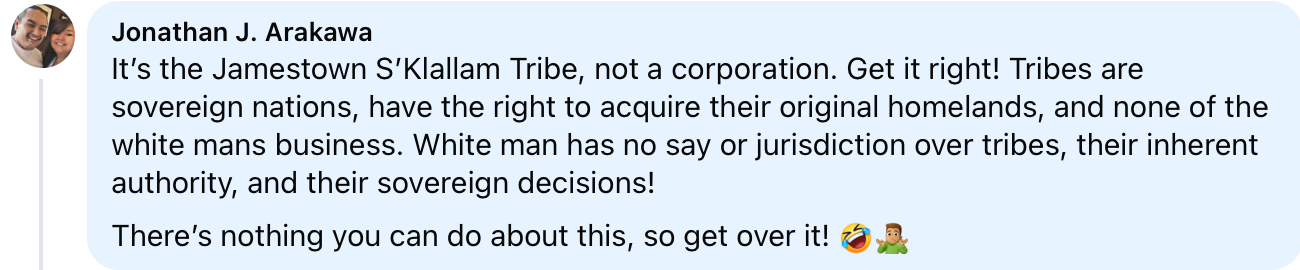
It wasn’t anonymous.
It was posted by Jonathan Arakawa—a youth leader who is already working within local schools, helping shape curriculum and student understanding of tribal sovereignty, civic engagement, and governance. According to his own organization, he has presented to hundreds of middle school students and helped train school staff in these areas.

That’s what makes this notable.
This isn’t some fringe opinion—it’s coming from someone actively involved in educating the next generation, under the banner of “unity” and “social wellness.”
And yet, the message here is exclusionary.
You can’t promote civic engagement on one hand, while telling part of the public that local issues are none of their business on the other.
Especially when those same issues involve public funding, public policy, and economic activity that impacts the entire community.


