

The consequences of retail theft are showing up right here at home. From security gates at local grocery stores to growing public disorder, rising costs, and shifting community norms, this week’s Social Media Saturday roundup captures a county grappling with the real-world effects of policy, priorities, and public pressure.
Washington State now ranks #1 in the nation for retail theft impact. That statistic isn’t abstract—it’s visible.
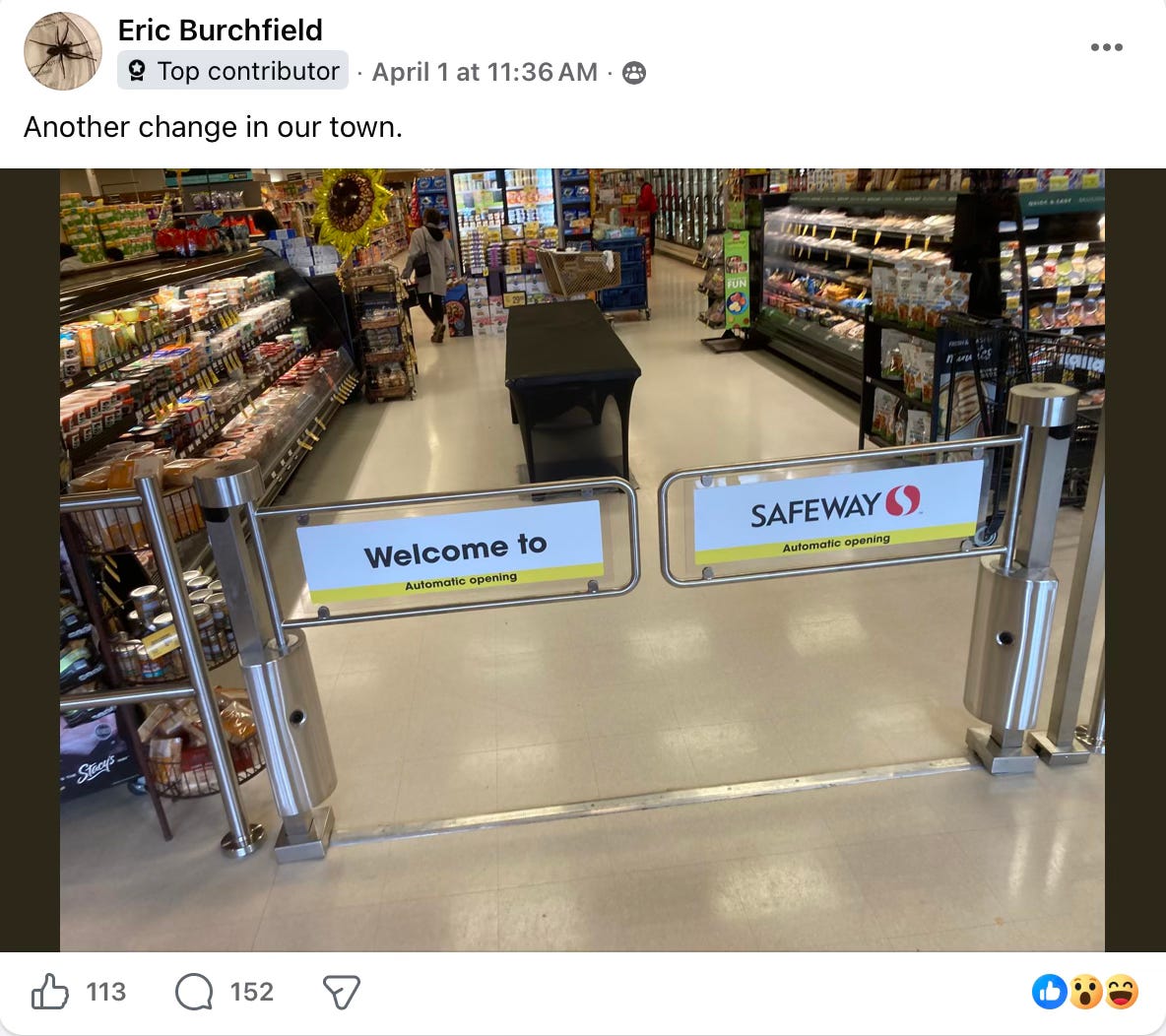
At the Safeway across from the Clallam County Courthouse, just steps from Port Angeles City Hall, anti-theft gates have been installed. According to one Facebook commenter, the gates “scream and lock” if you attempt to exit without going through checkout. They’re one-way—meaning if you forget something, you’re walking the long way around.

This isn’t unique to Port Angeles. Similar systems have already been deployed in other states, with retailers citing reduced theft and improved traffic flow.


But nothing is free.
The cost of installing gates, hiring security, and mitigating theft doesn’t disappear—it gets passed on to customers. And that burden lands squarely on residents already struggling in a region with limited economic opportunity, in a state consistently ranked among the highest in cost of living (Washington just hit fifth in the nation).
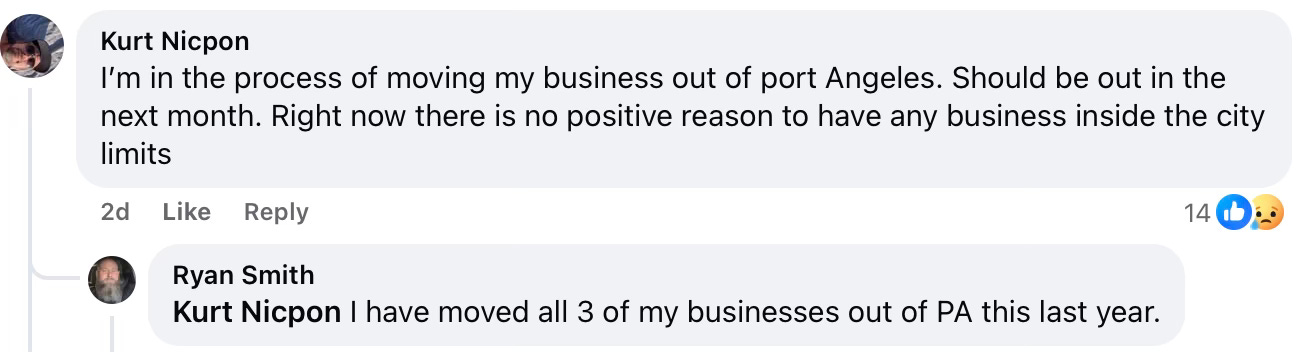
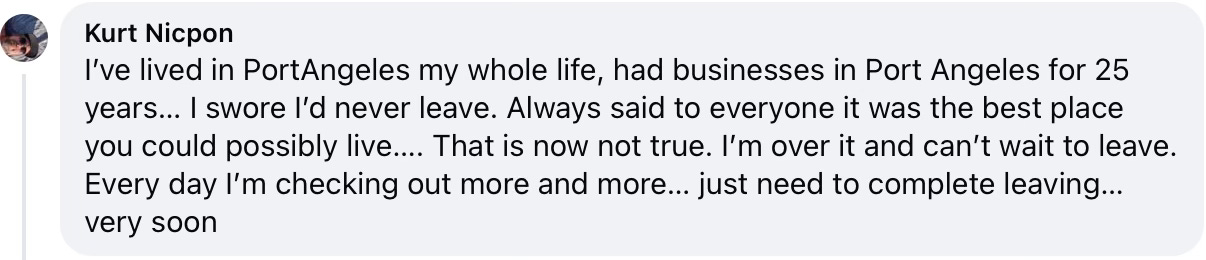
Meanwhile, the “No Kings III” protests—backed locally by the League of Women Voters—have wrapped up, but not without controversy.
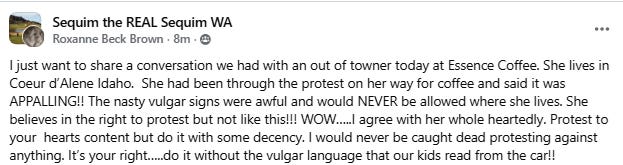
One local resident reported that an out-of-town visitor described the demonstrations as “appalling,” citing vulgar signage and a lack of basic decency.
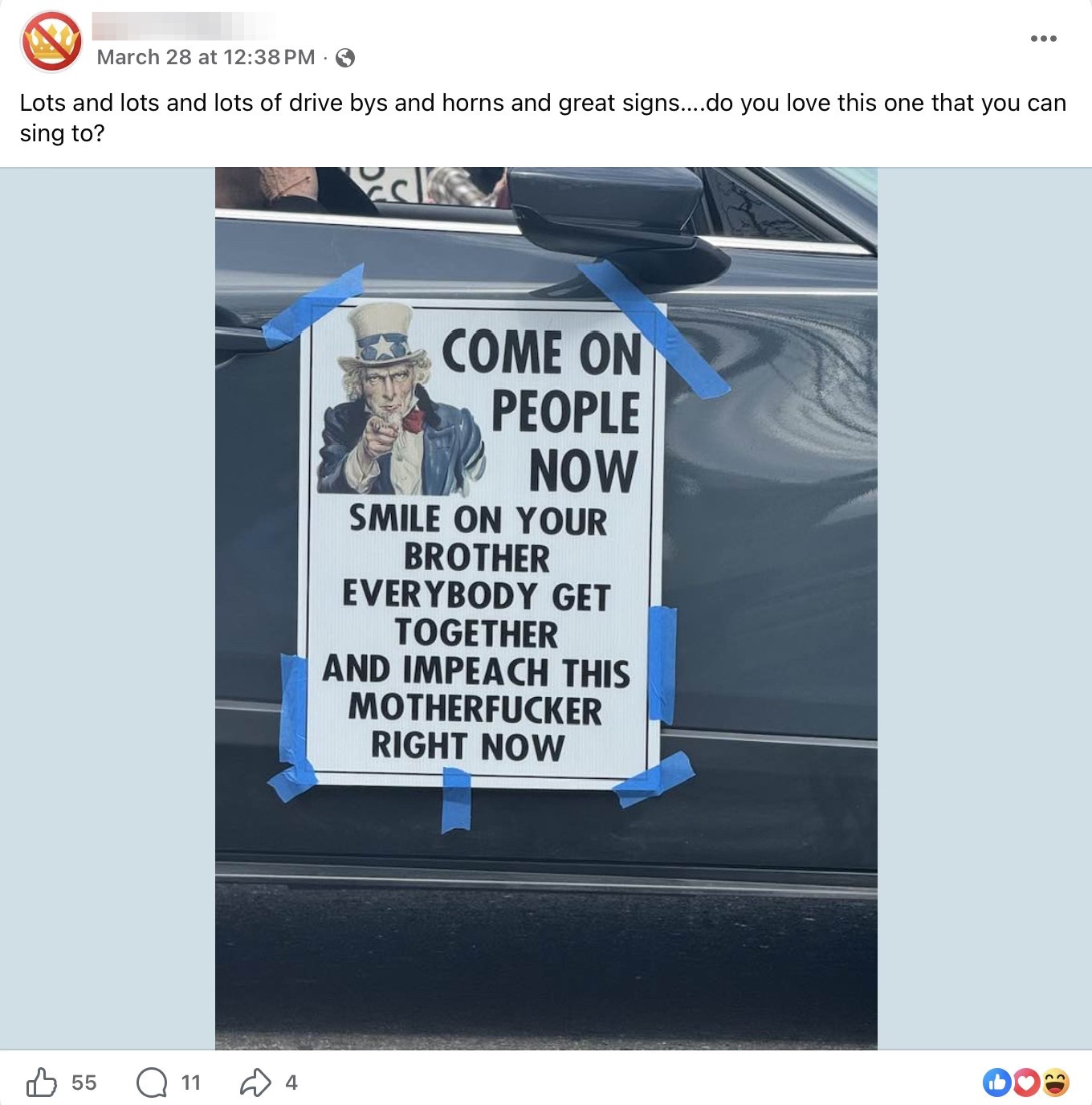
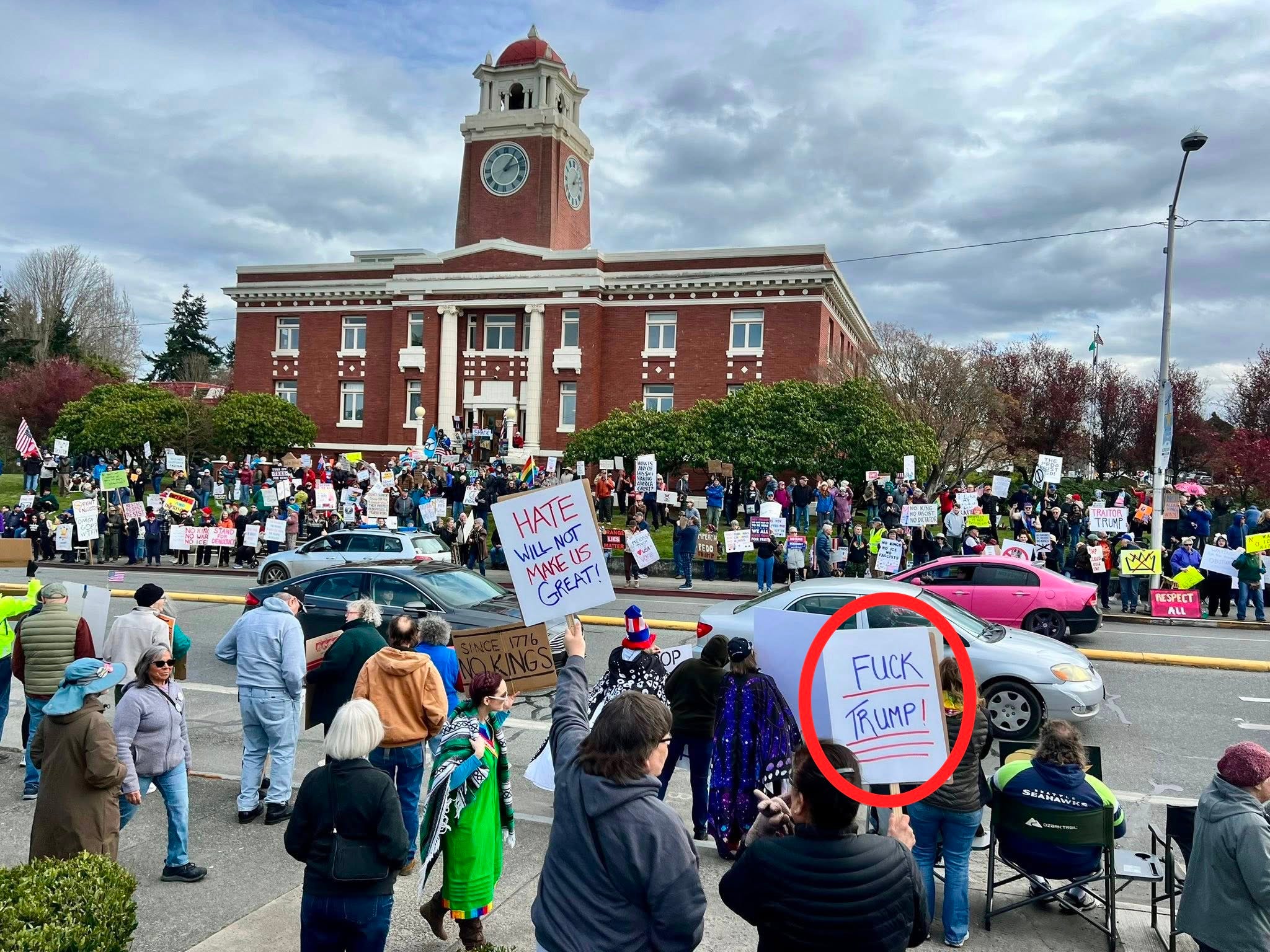
What’s notable is the contrast.
Just a year ago, Indivisible Sequim presented itself as a courteous, respectful, grassroots movement focused on racial justice and climate issues. Today, critics point to profanity-laced messaging, public shaming of residents for reading CC Watchdog, and organized boycotts of local businesses.
A shift in tone—and perhaps in mission.
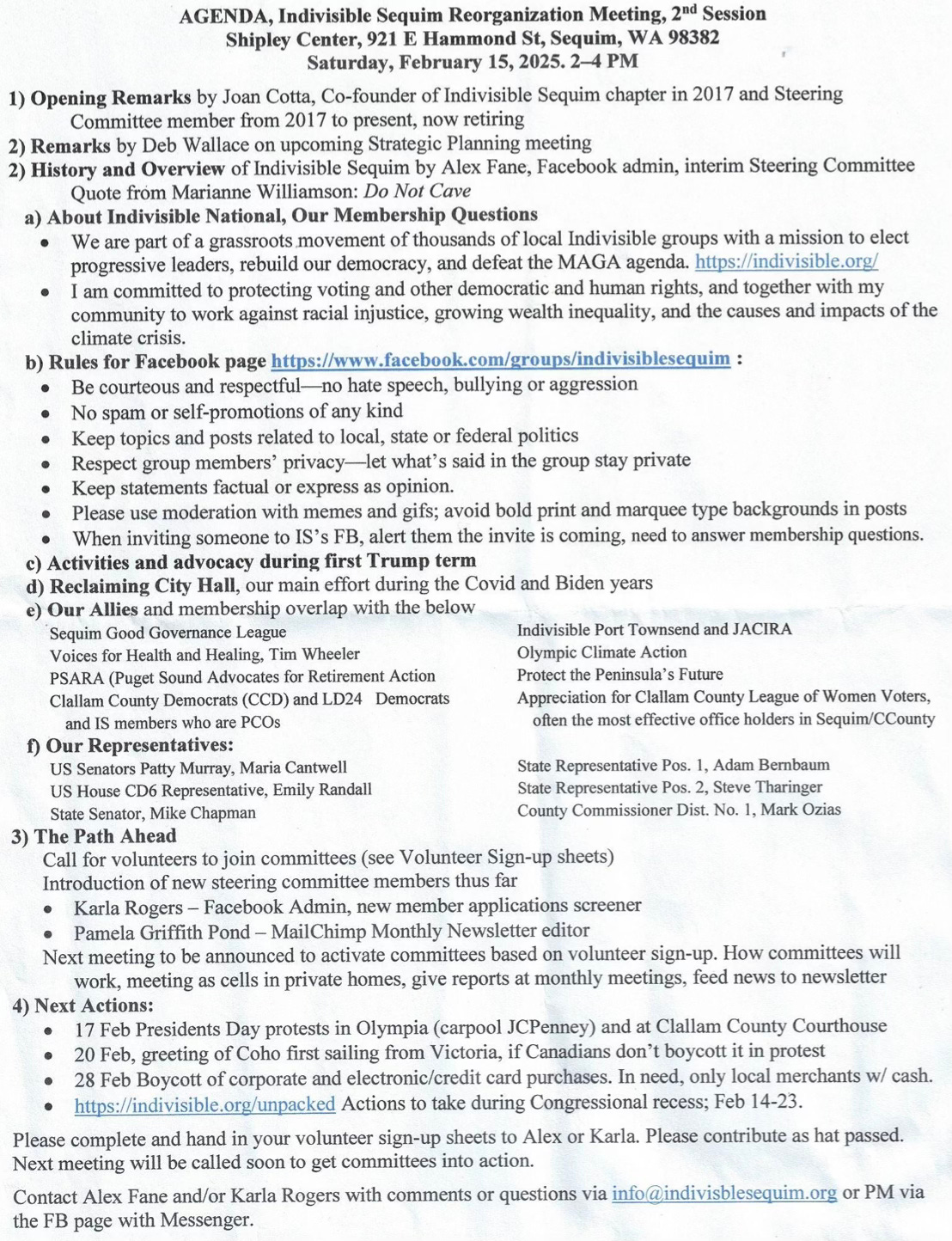
Out in the county’s natural areas, another kind of degradation is being documented.
Photos circulating online show illegal dumping and drug-related waste along access roads to the Upper Dungeness—routes used by hikers heading to destinations like Tubal Cain, Royal Basin, and Boulder Shelter.

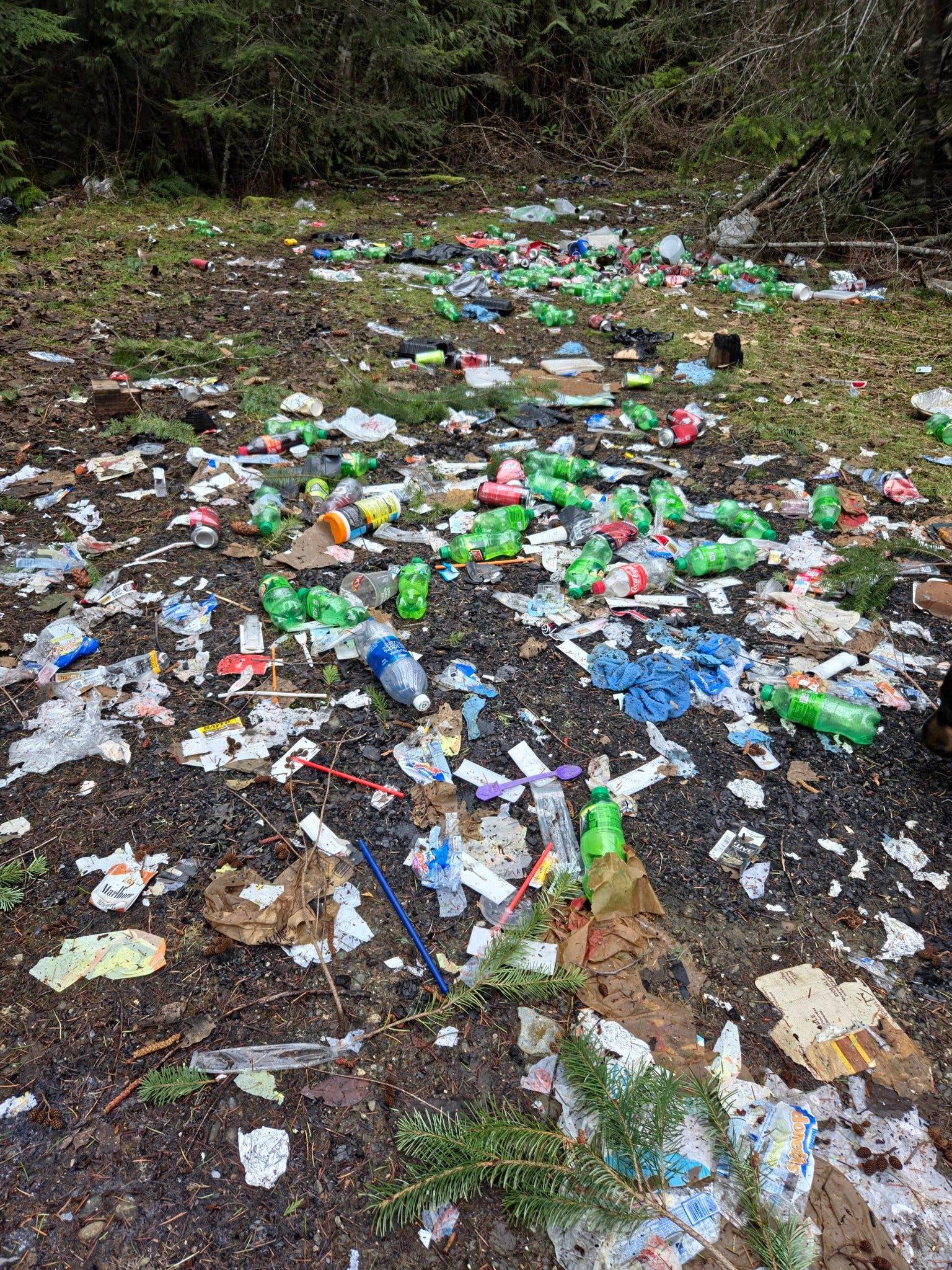
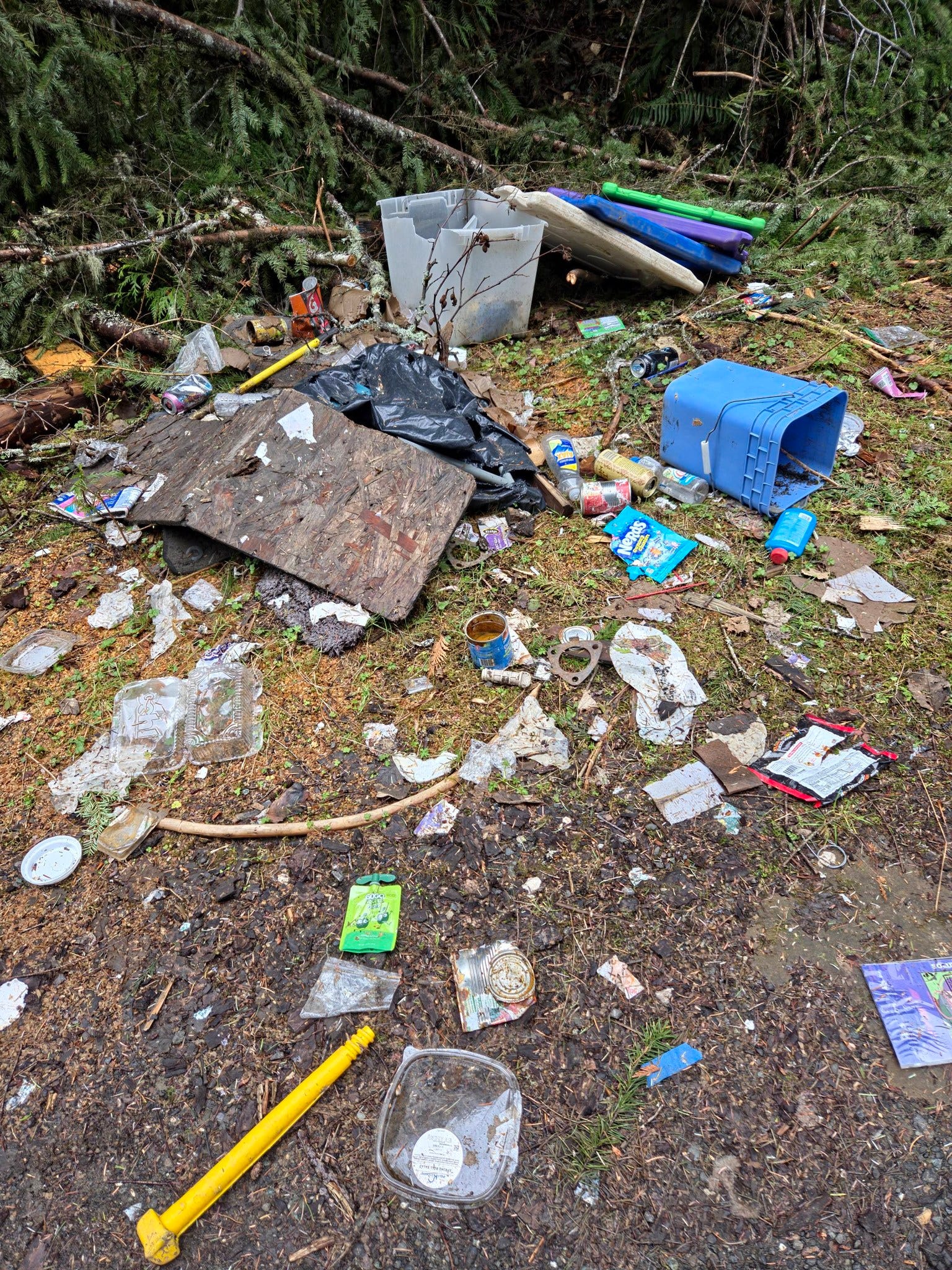
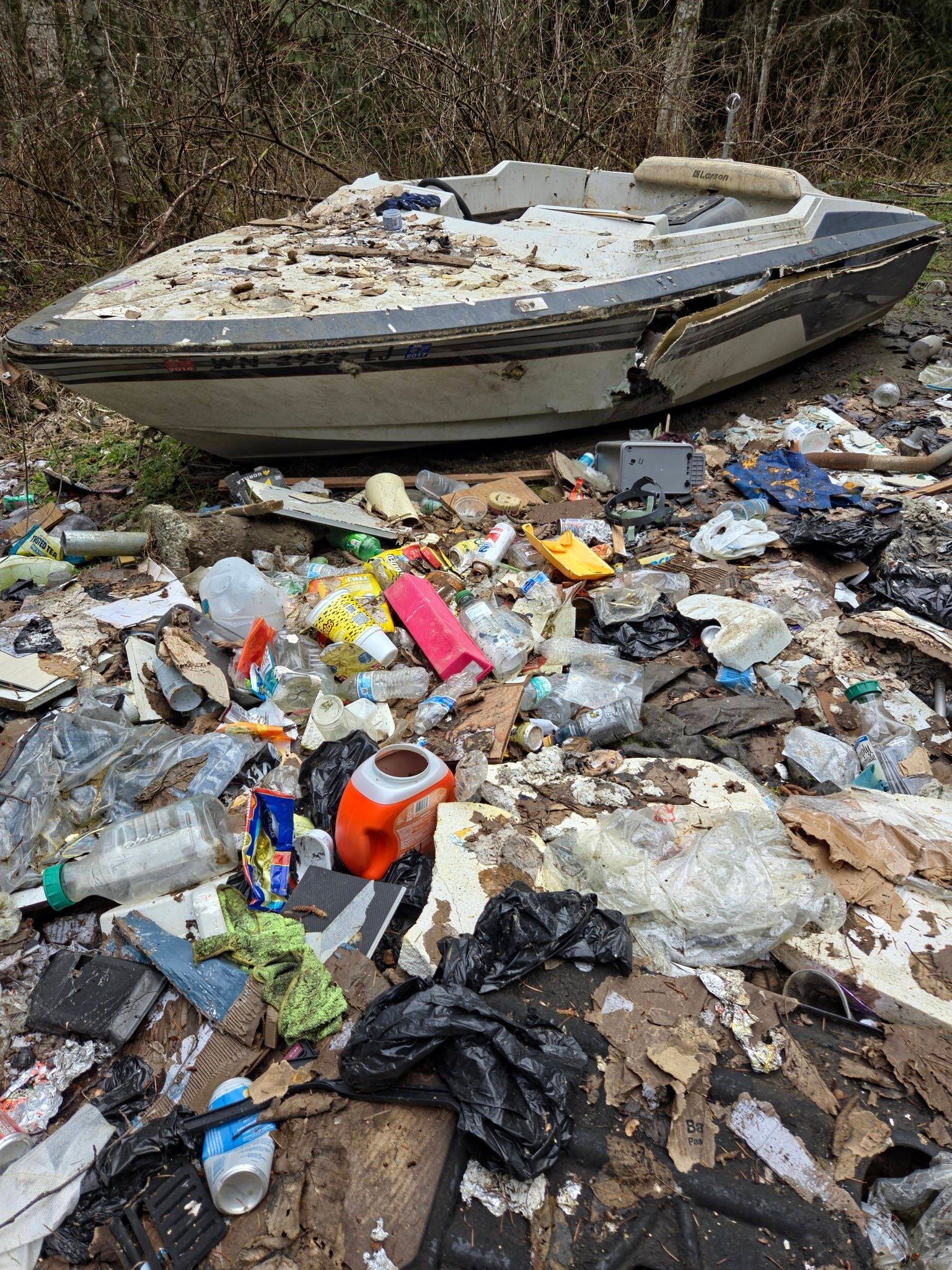
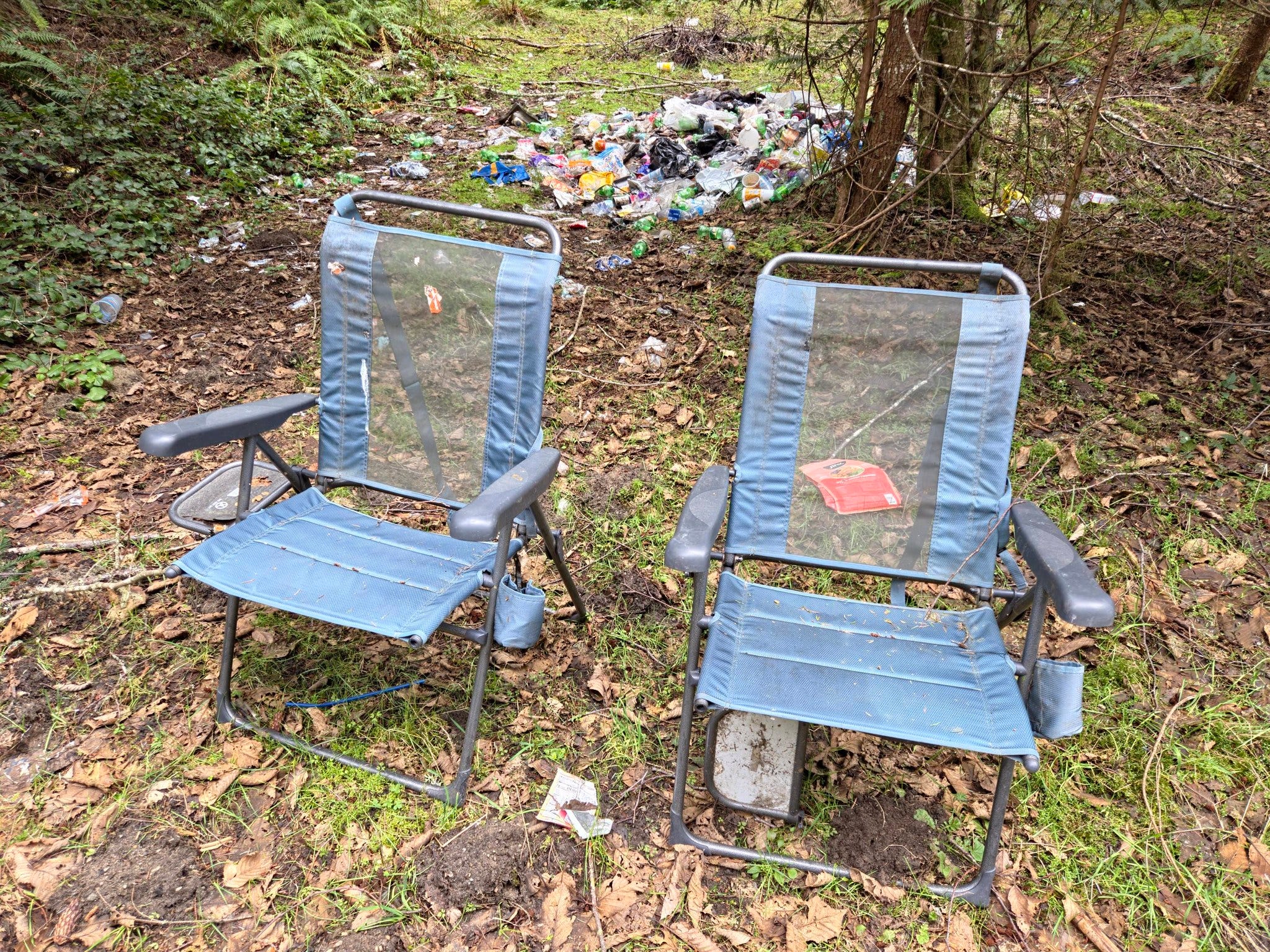
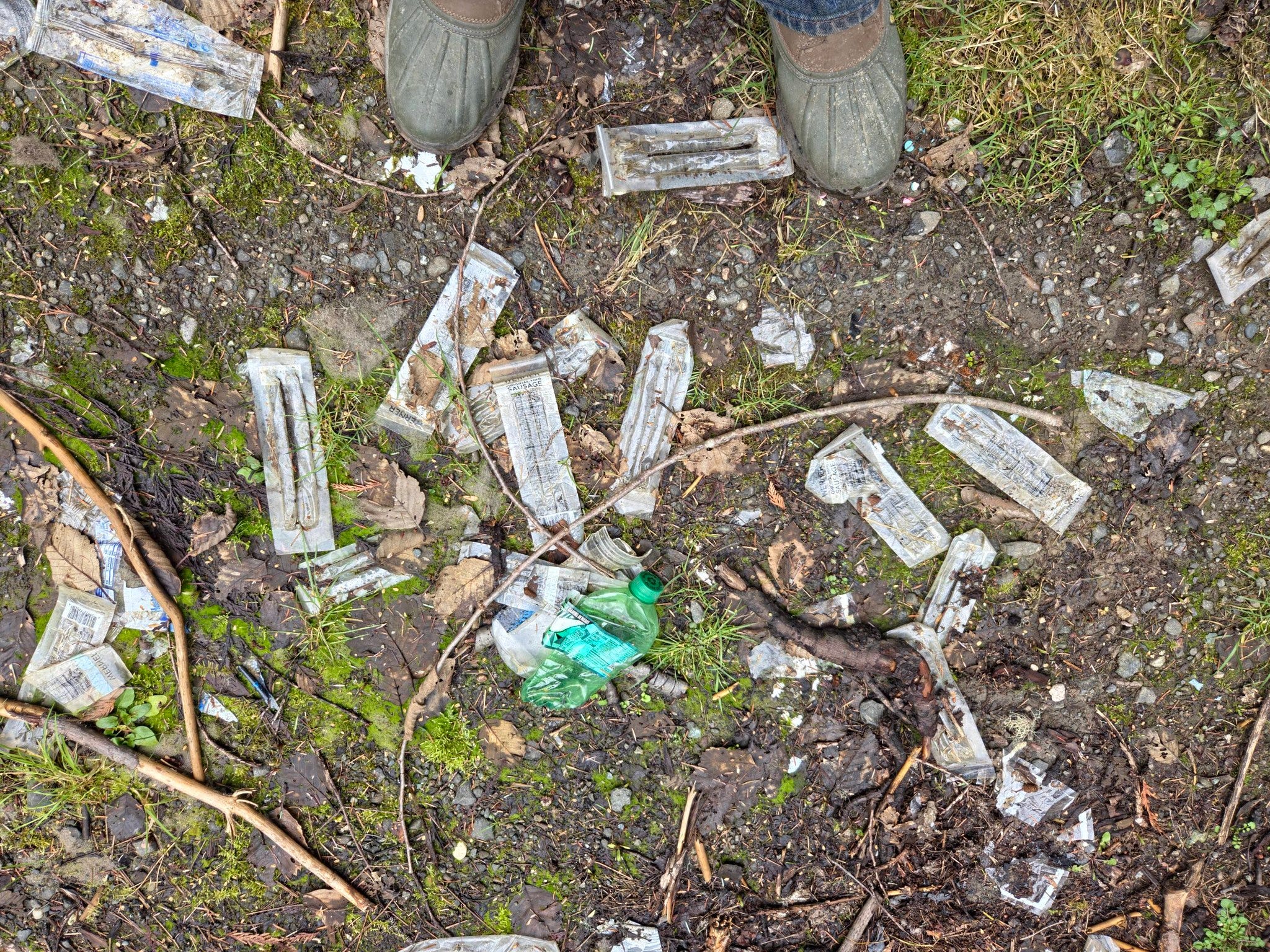
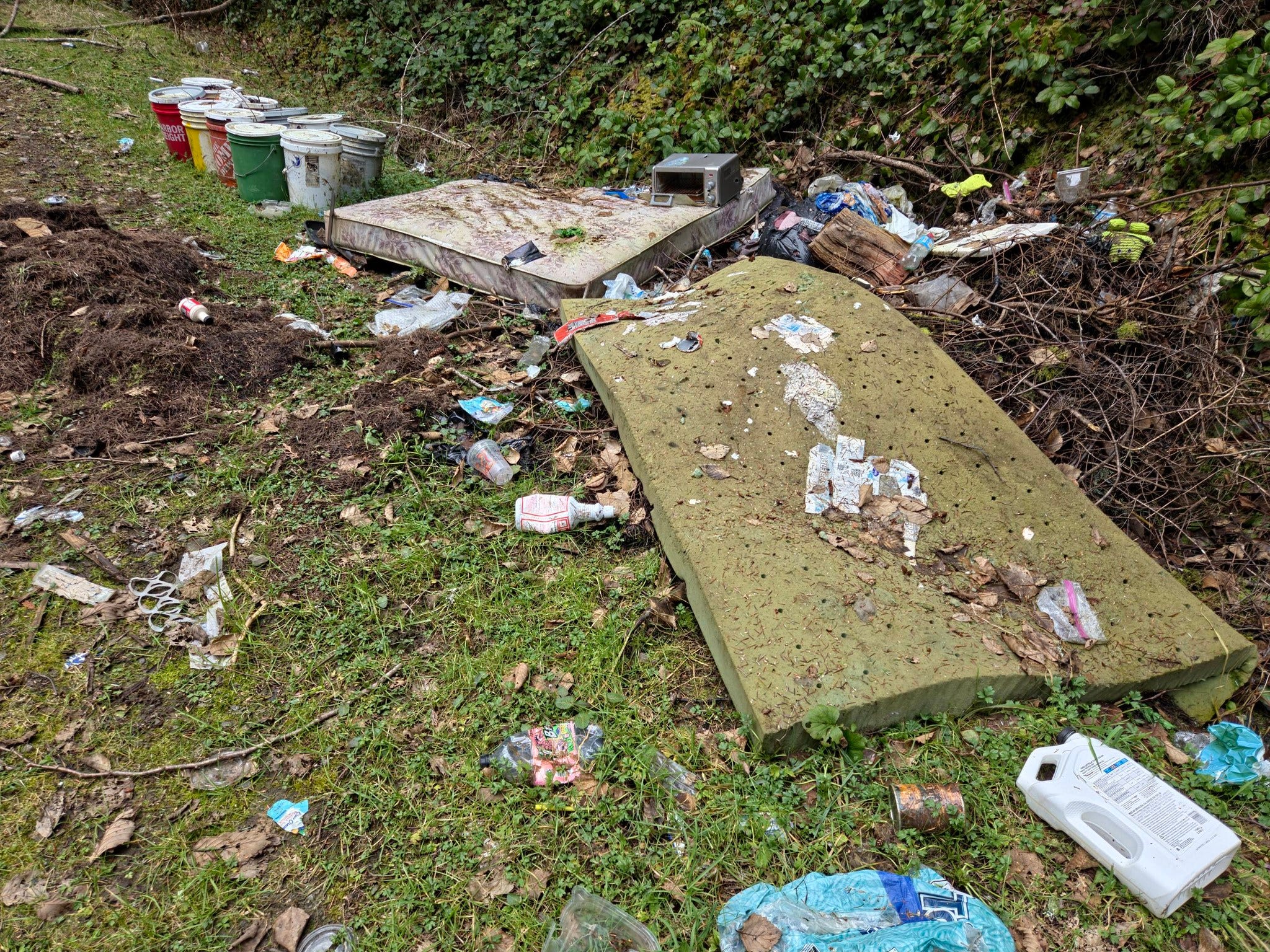
These aren’t remote, unused spaces. They’re some of the peninsula’s most valued outdoor areas.
The Olympic Peninsula Humane Society also weighed in this week following the county’s termination of its contract with the County.
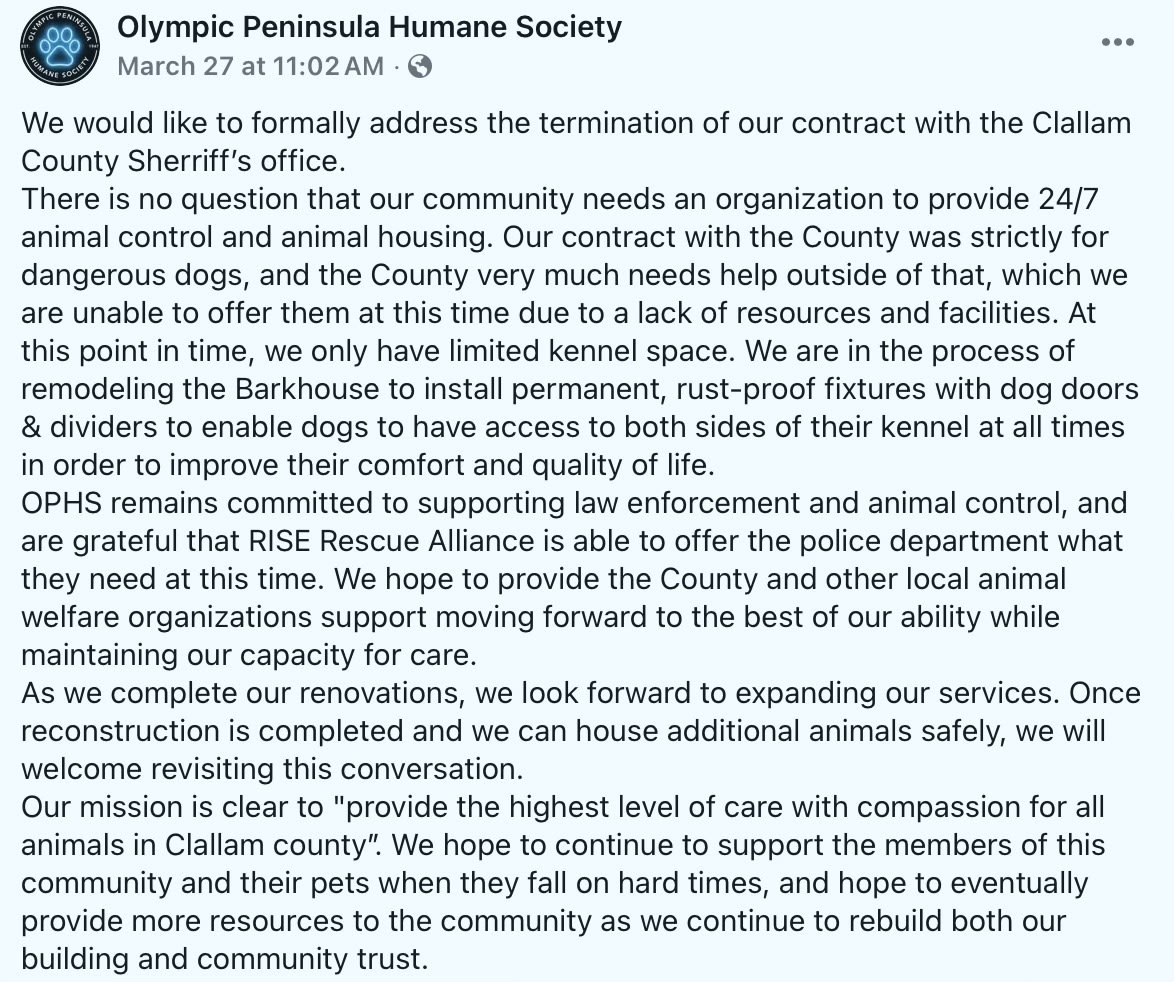
OPHS cited a lack of “resources and facilities” and noted ongoing remodeling at the Bark House. That raises a fair question: why weren’t these issues addressed during the facility’s extended closure in 2024–2025?
Compounding concerns, the organization still has not released meeting minutes or financial statements to the public but the organization says it is working to rebuild community trust.
On the environmental front, Taylor Shellfish Farms reminded followers that the only oyster native to the West Coast is the Olympia oyster.
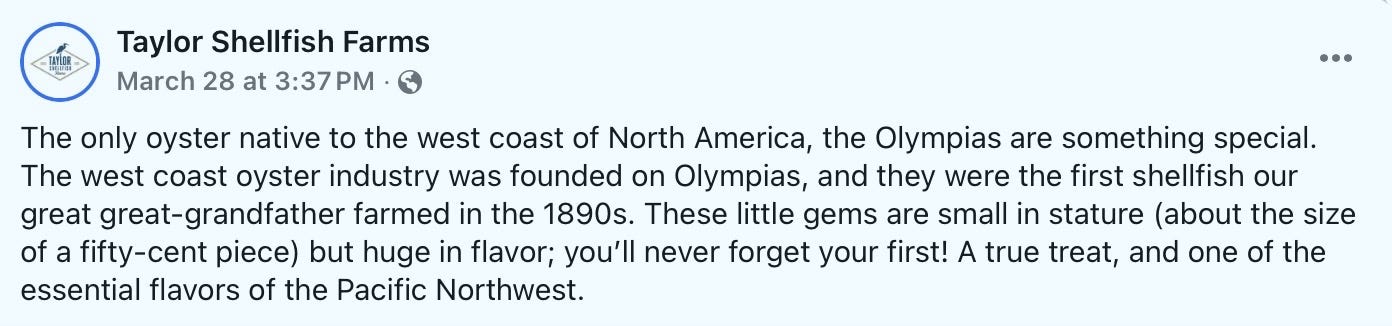

The widely farmed Pacific oyster—larger and more commercially viable—is native to Asia.
That distinction matters.
It’s the Pacific oyster that the Jamestown Corporation has proposed introducing as part of a 50-acre commercial operation within the Dungeness National Wildlife Refuge—land currently held in the public trust, but targeted for transfer.
Closer to home, concerns about public safety continue to surface.
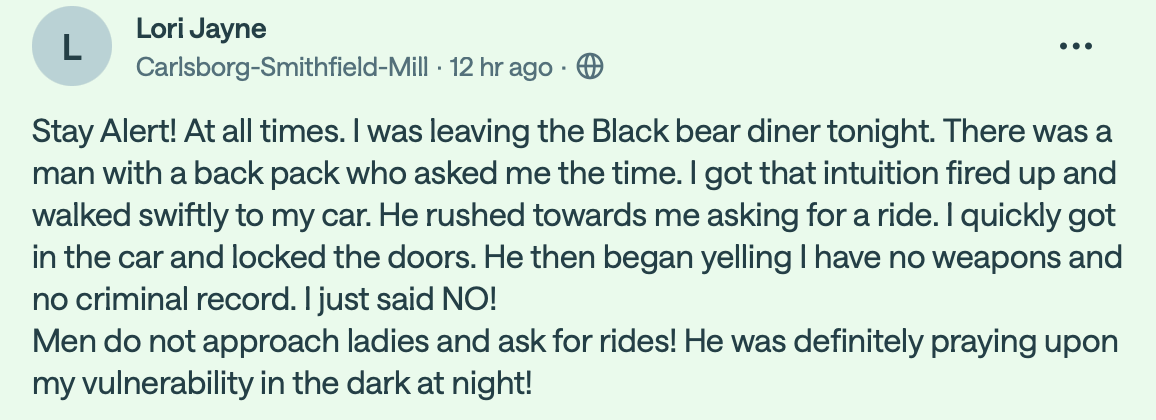
One Sequim resident reported being approached and asked for a ride while leaving Black Bear Diner, describing the interaction as unsettling and predatory.
Sequim is changing.
In response to repeated accusations of “racism,” CC Watchdog clarified its terminology months ago. However, there remains understandable confusion.
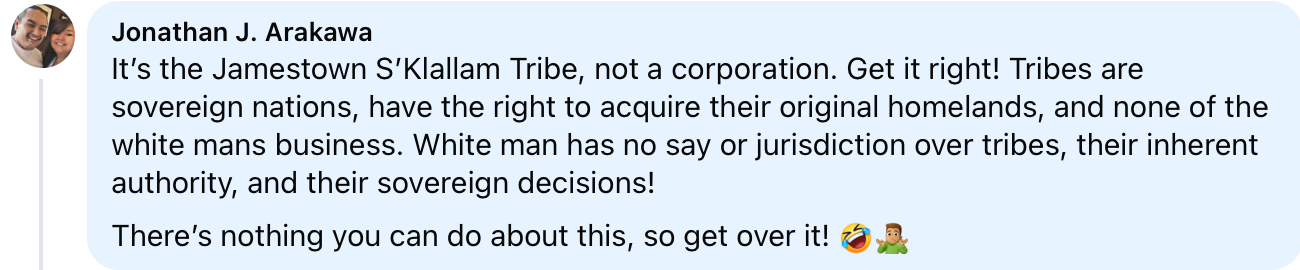
There is a distinction between the Jamestown Tribe—representing culture, ancestry, and governance—and the Jamestown Corporation, a business entity generating significant revenue and benefiting from structural tax advantages.
The clarification by CC Watchdog aims to separate criticism of policy and economics from issues of identity.
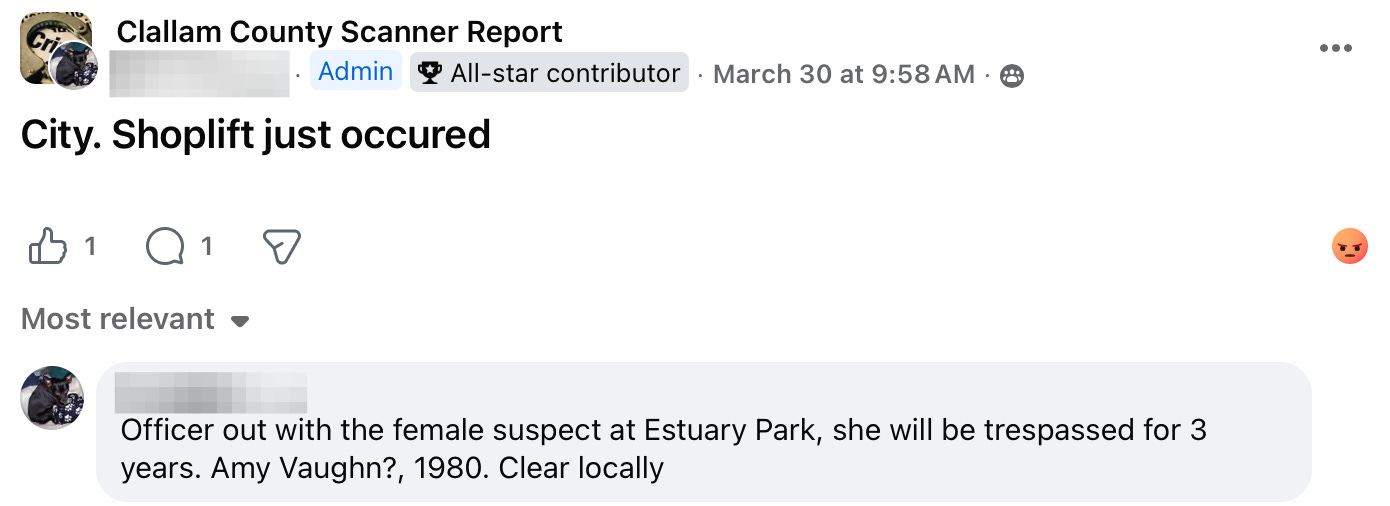
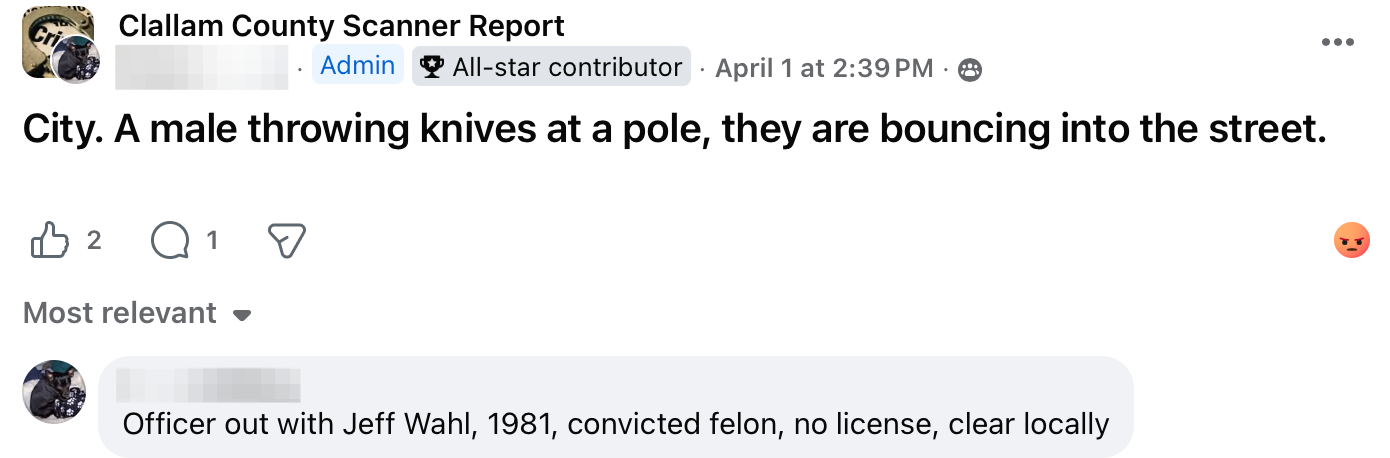
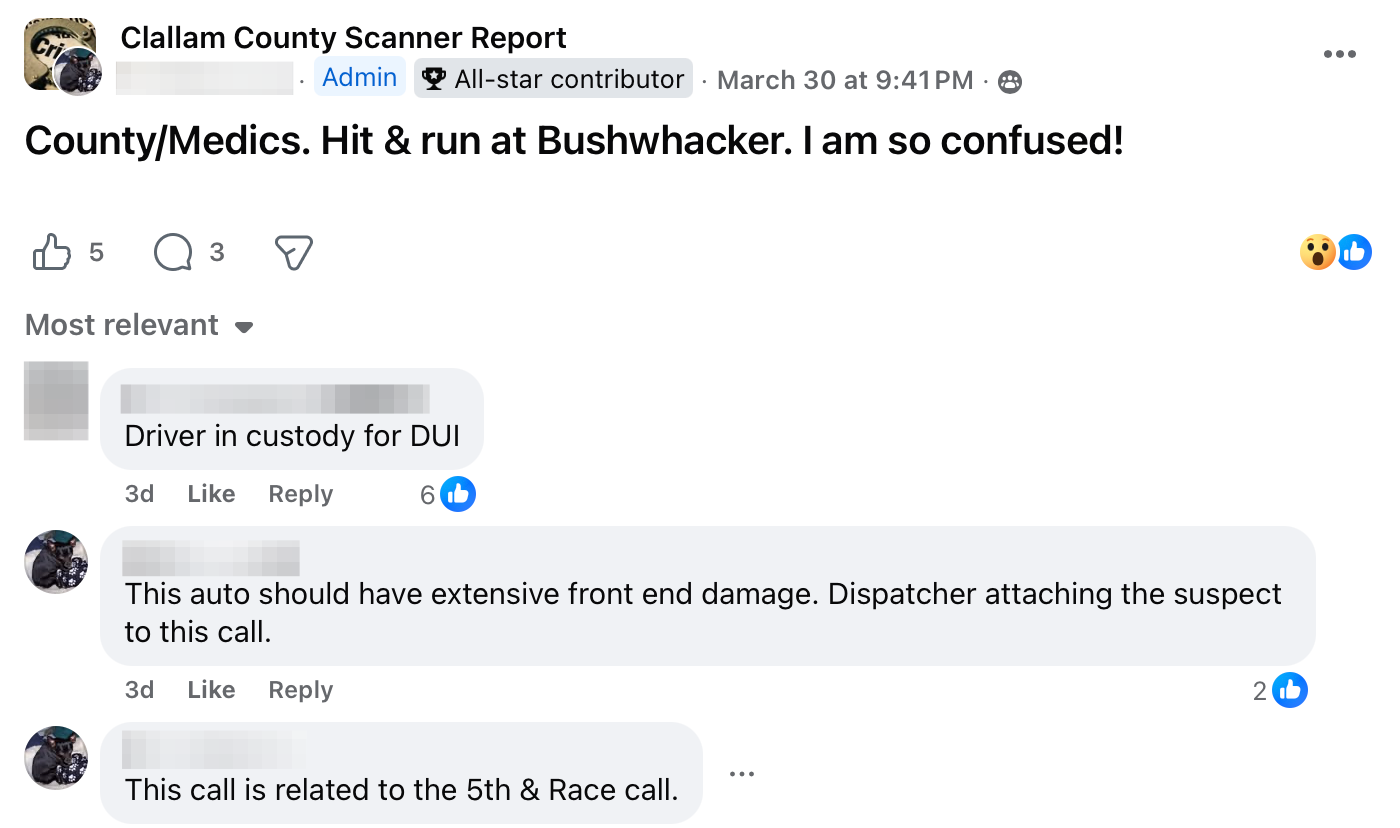
And finally, this week’s scanner traffic tells a familiar story:
Slumped and unresponsive individuals in public spaces
Shoplifting incidents
An erratic driver reportedly smoking from a glass pipe
Out-of-area warrants
A report of someone throwing knives
A hit-and-run











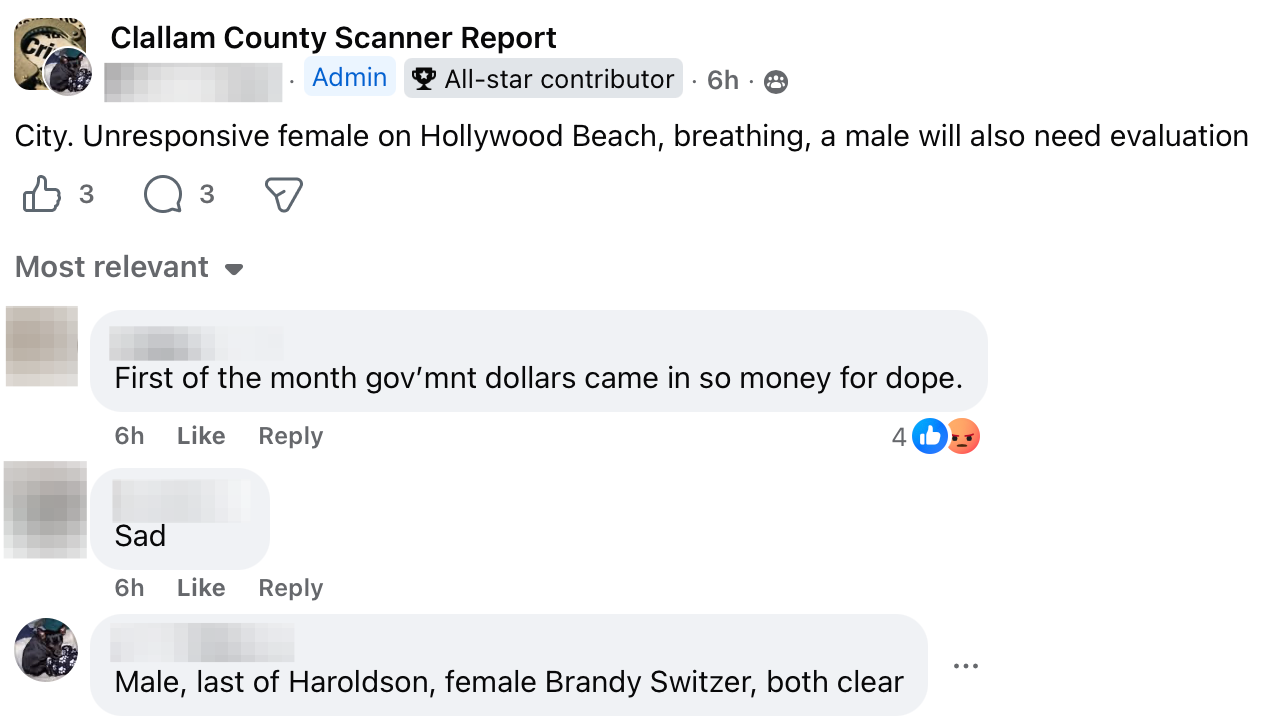
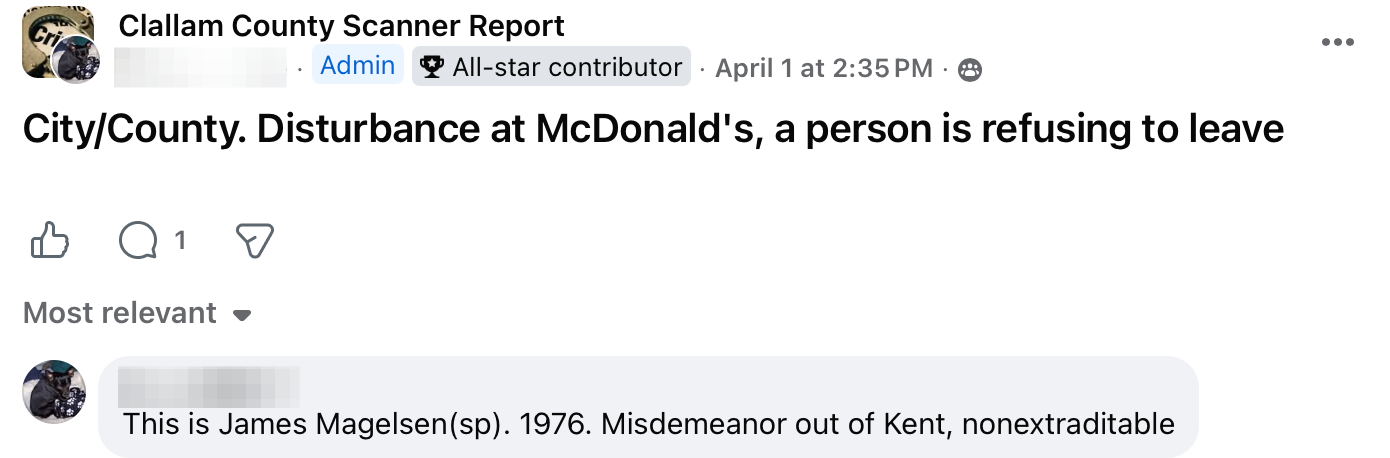
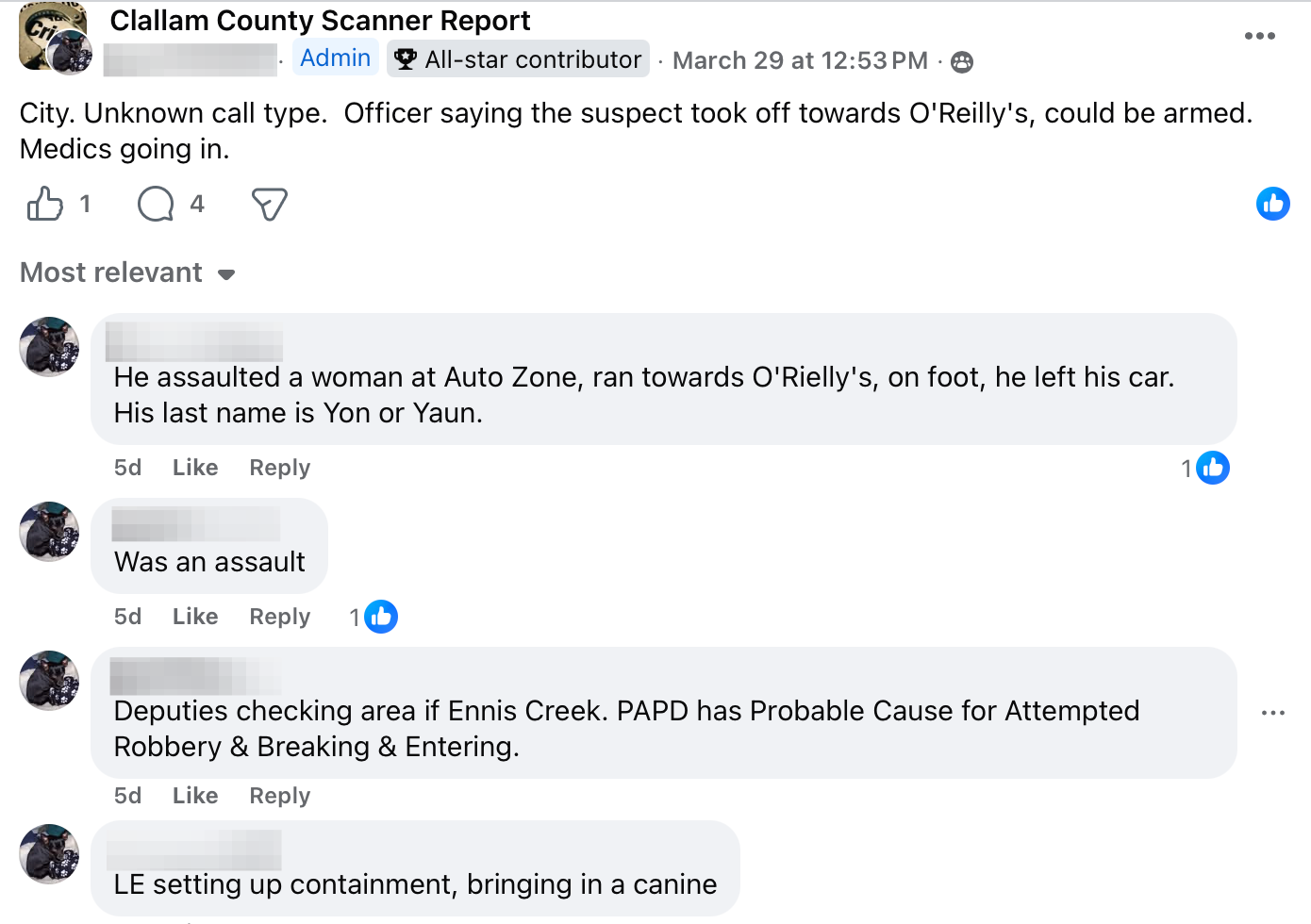
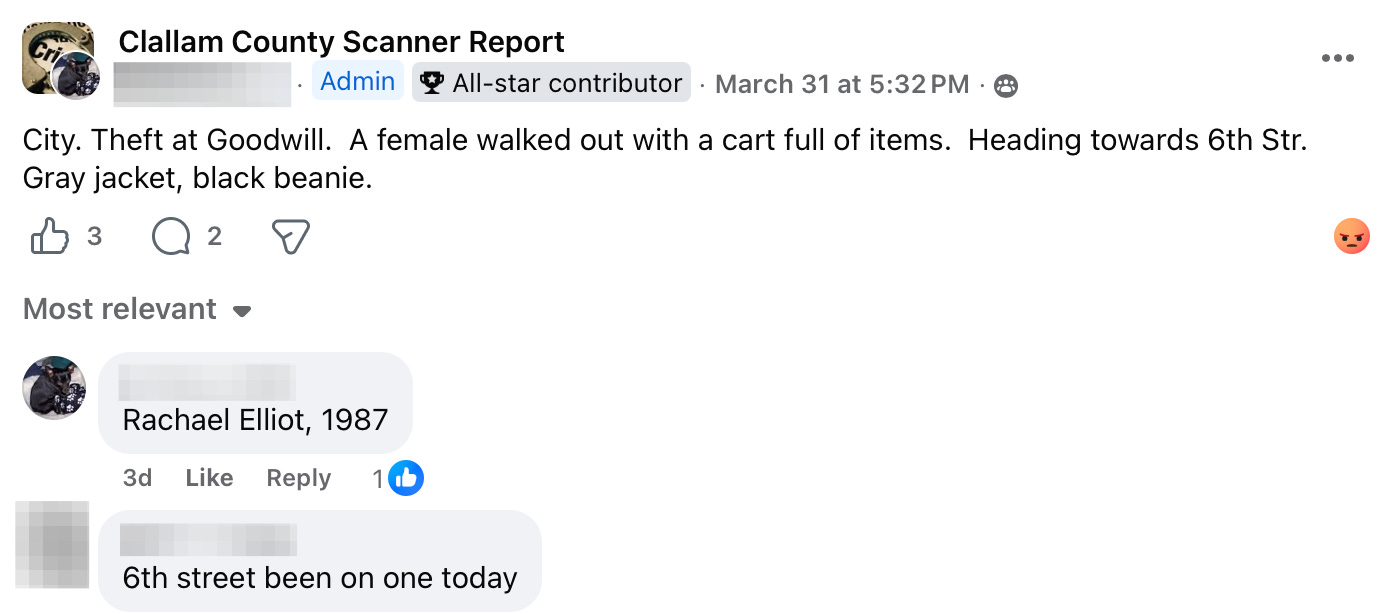
The commissioners did not reply to yesterday's question about answering letters from the BIA and whether they'll commit to answering future letters. Here is today's email:
Commissioners,
The Safeway directly across from your offices—literally in the shadow of our courthouse, the county’s symbol of law and justice—has now installed anti-theft gates that alarm and lock if customers attempt to exit without paying.
After years of your leadership—11, 10, and 3 years—how do you explain the fact that such visible, costly anti-theft measures are now necessary steps away from the seat of county government, and what specific actions have you taken (or failed to take) that led to this outcome?
If you claim to be great "stewards" of the land and ecosystem, why import a possibly invasive species rather than nurture the native species? Profit over stewardship? Stewardship, the careful and responsible management of something entrusted to one's care, such as natural resources, or finances.
https://naturalhistory.si.edu/education/teaching-resources/life-science/invasive-species