
The North Olympic Library System is asking voters to approve a significant tax increase—but critics say the modern library looks very different from the one taxpayers think they’re funding. From shifting priorities to declining usage, here are the key facts worth considering before you cast your ballot.
A Changing Institution
For generations, libraries have been seen as quiet, neutral places—focused on books, learning, and access to information. The North Olympic Library System (NOLS), serving Clallam County, has long been part of that tradition.
But today’s library is evolving.
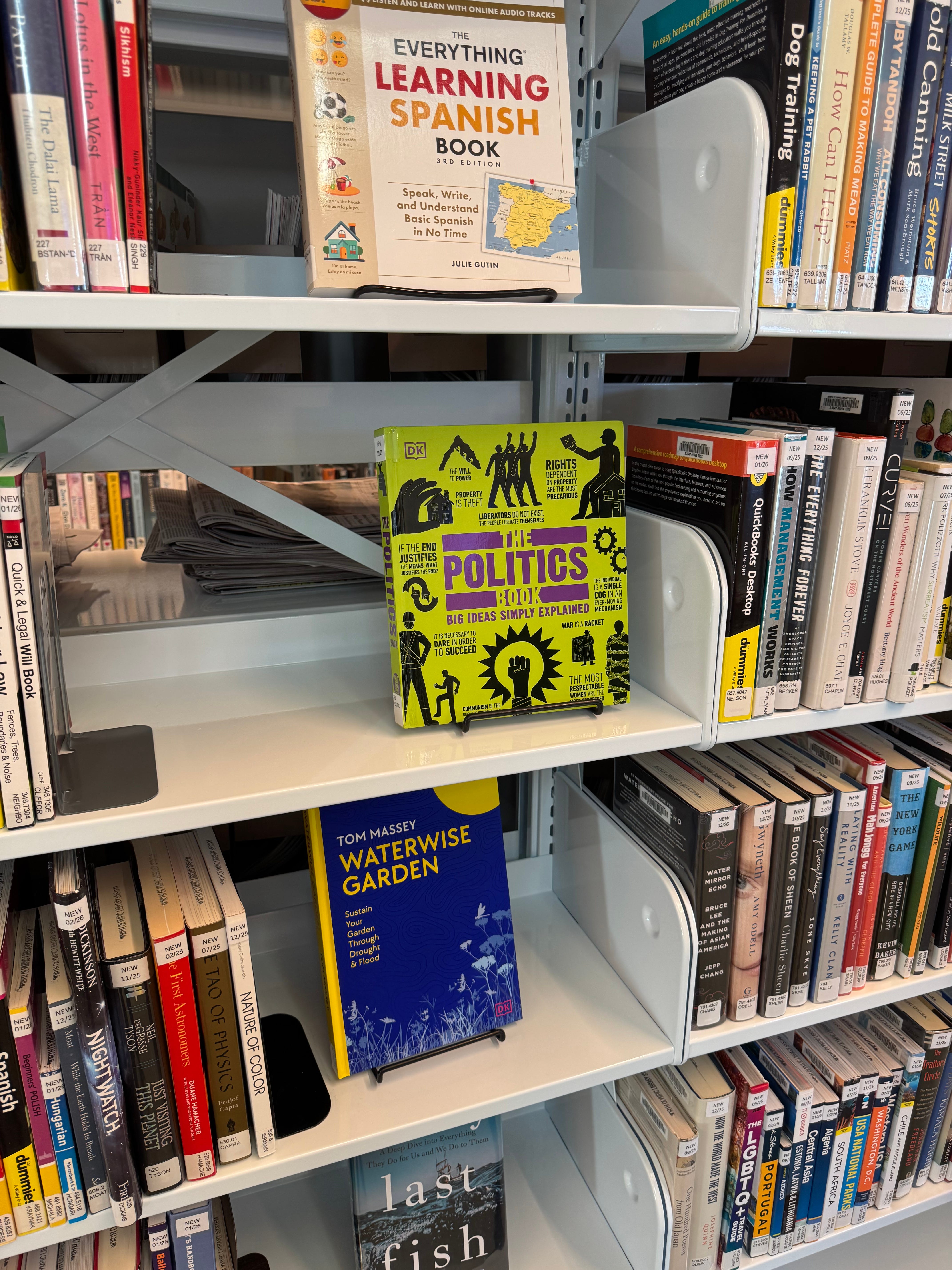
Walk into the newly opened Sequim branch, and one of the first things you might see is a prominently displayed nonfiction title like “The Politics Book: Big Ideas Explained Simply.”
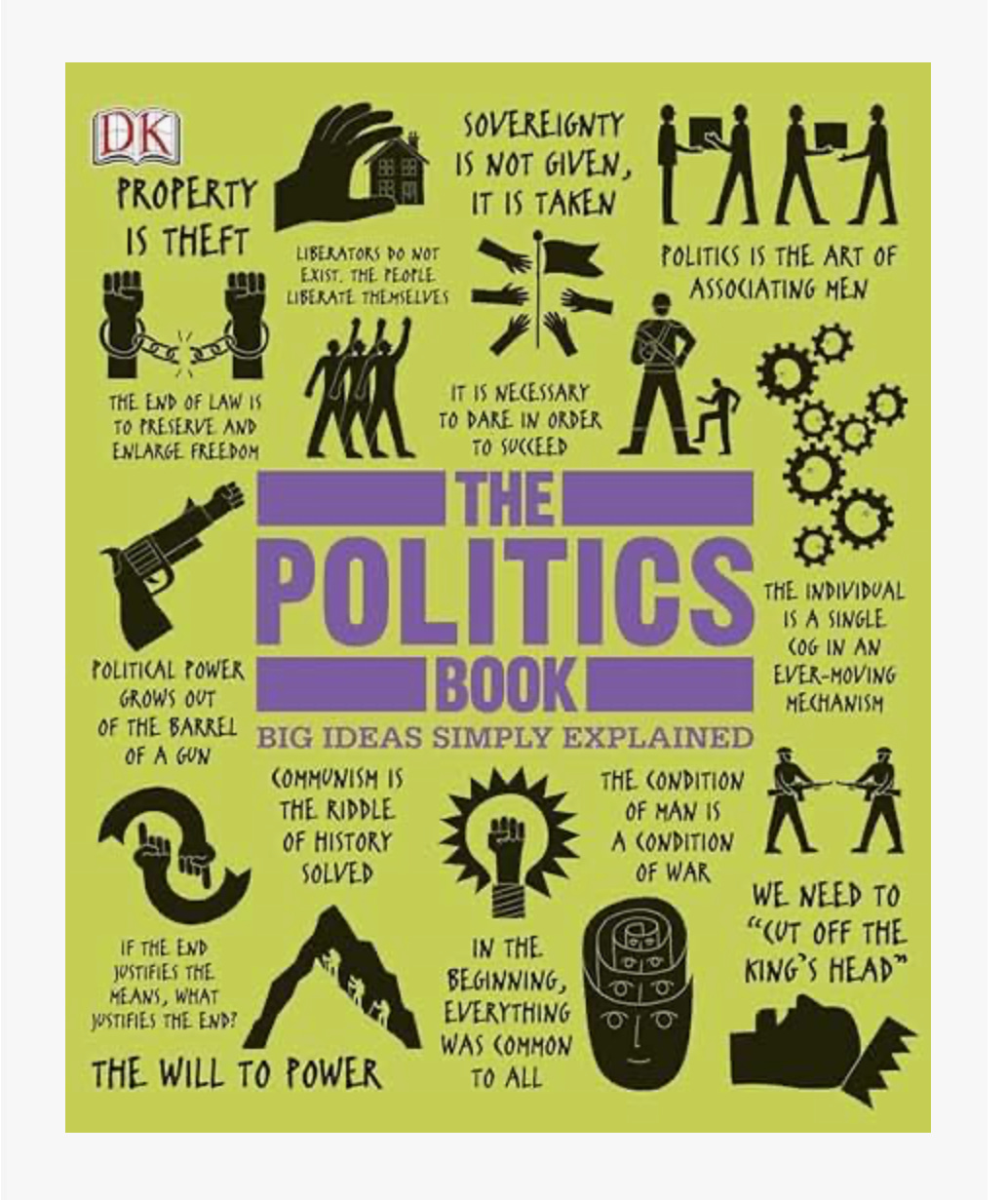
Its cover features provocative historical slogans such as “Property is theft” and “We need to cut off the king’s head”—a signal, some argue, of a broader shift in tone and priorities.
At the same time, NOLS is asking voters to approve a levy increase. Before making that decision, here are ten key points to consider before voting.
1. The Library’s Role Is Expanding Beyond Books
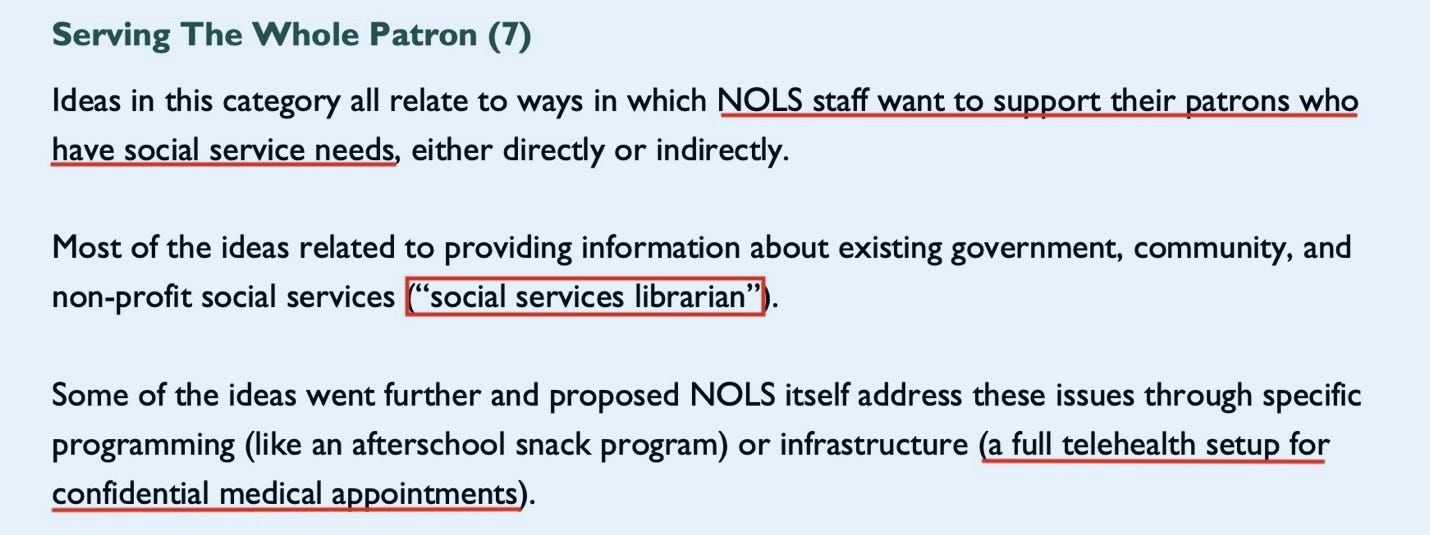
NOLS has increasingly positioned itself as more than a traditional library—exploring roles in social services, community outreach, and public health support.
2. Discussions Around Social Service Functions
There have been conversations and initiatives tied to providing resources such as food access, harm-reduction tools, and broader community assistance—raising questions about whether this aligns with core library functions.

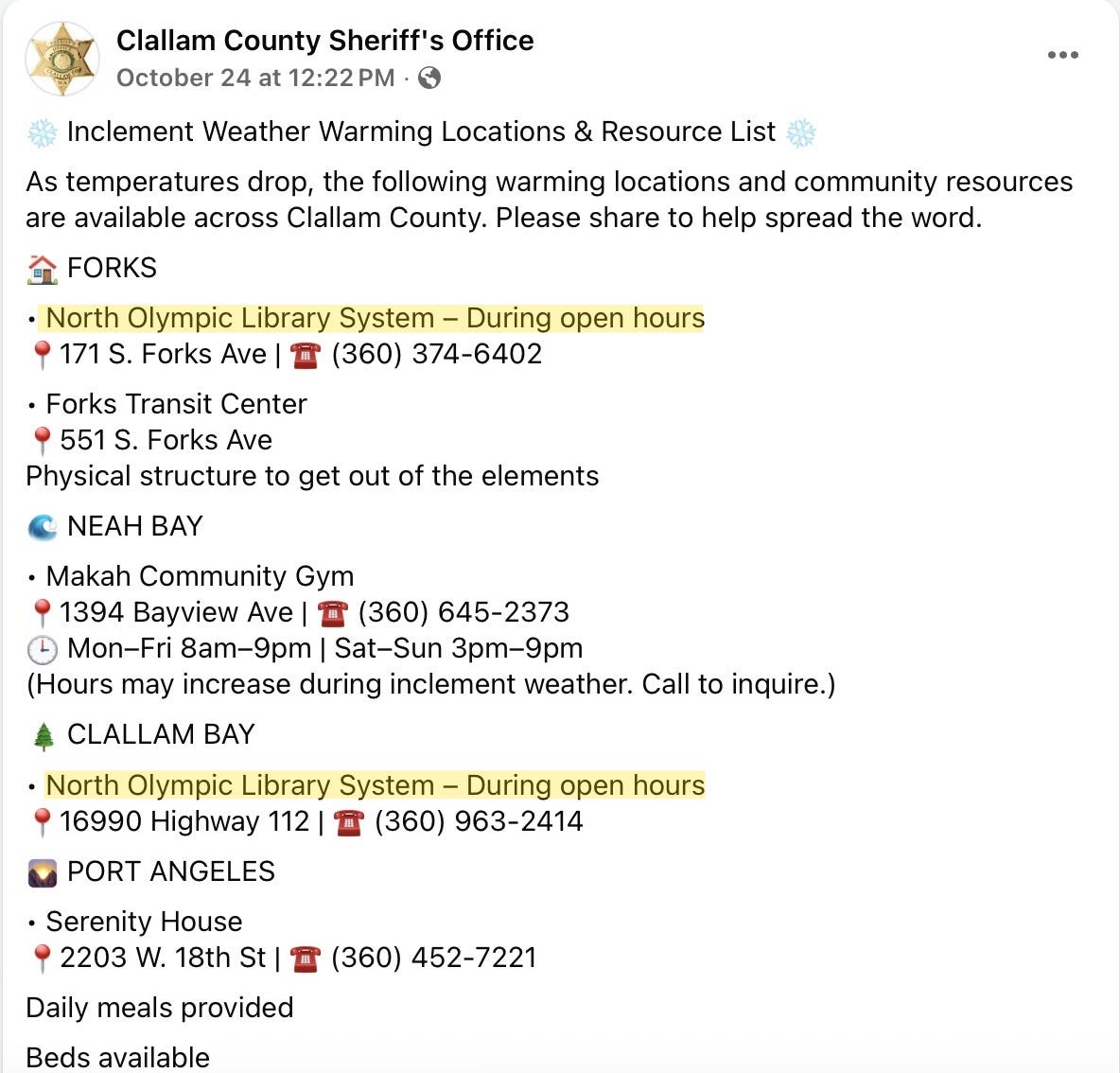
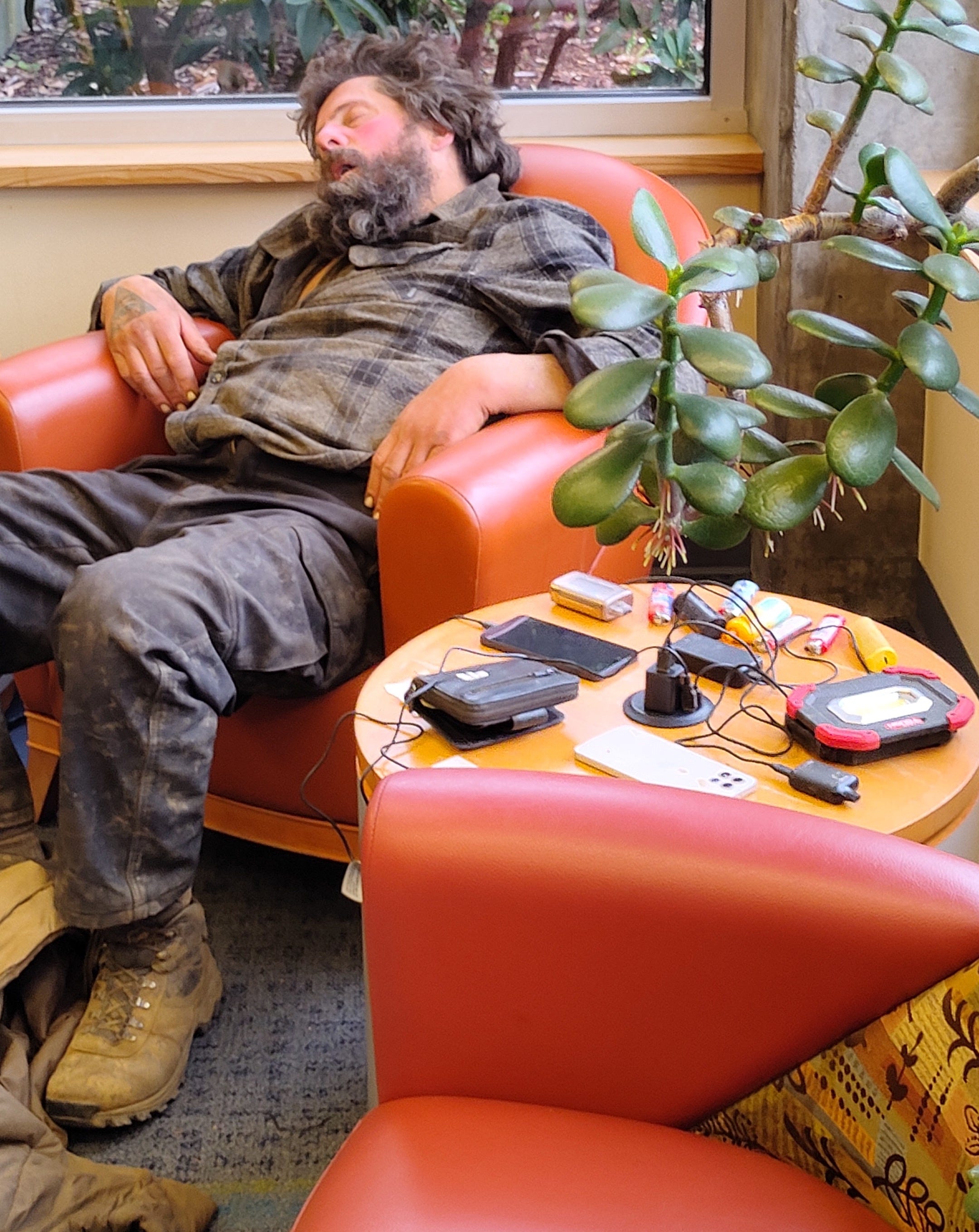
3. Use as a Warming or Day Shelter Space
NOLS facilities are sometimes promoted as daytime refuge spaces, particularly during extreme weather—something critics view as mission drift.
4. Programming Reflects Broader Social Themes
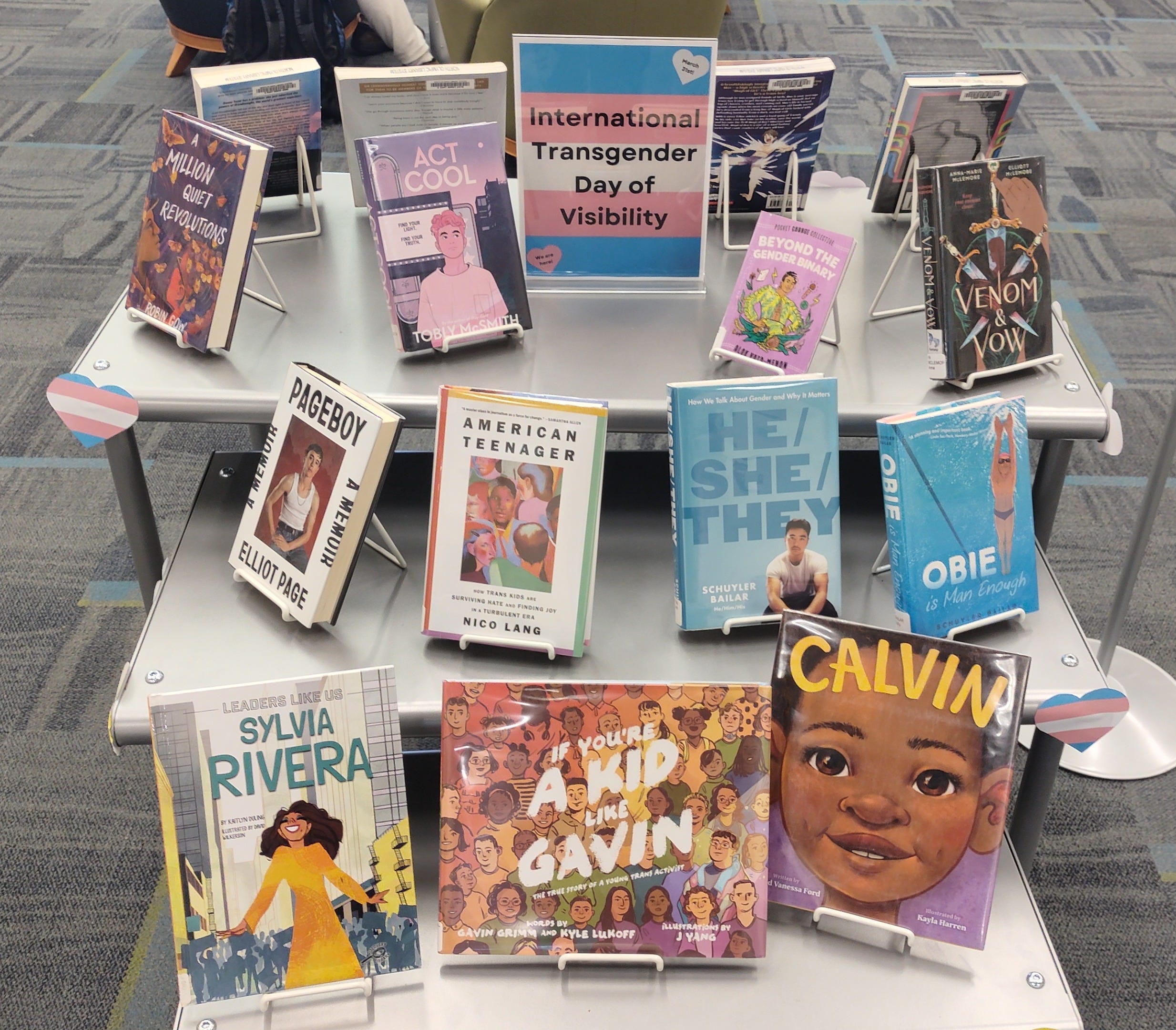
Book displays, events, and programming have included topics tied to activism, equity, and social justice—prompting debate over whether the library is taking on a more advocacy-oriented role.

5. Partnerships with Civic Organizations
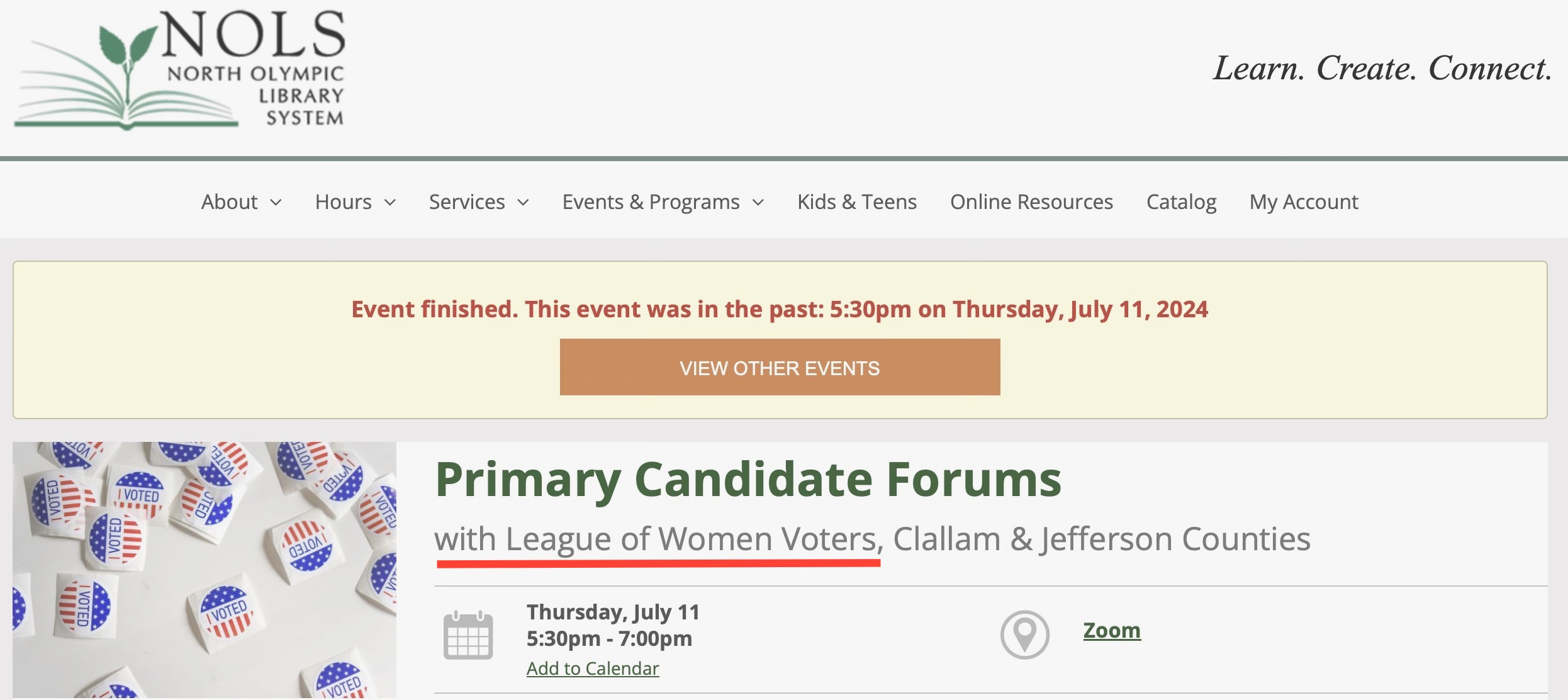
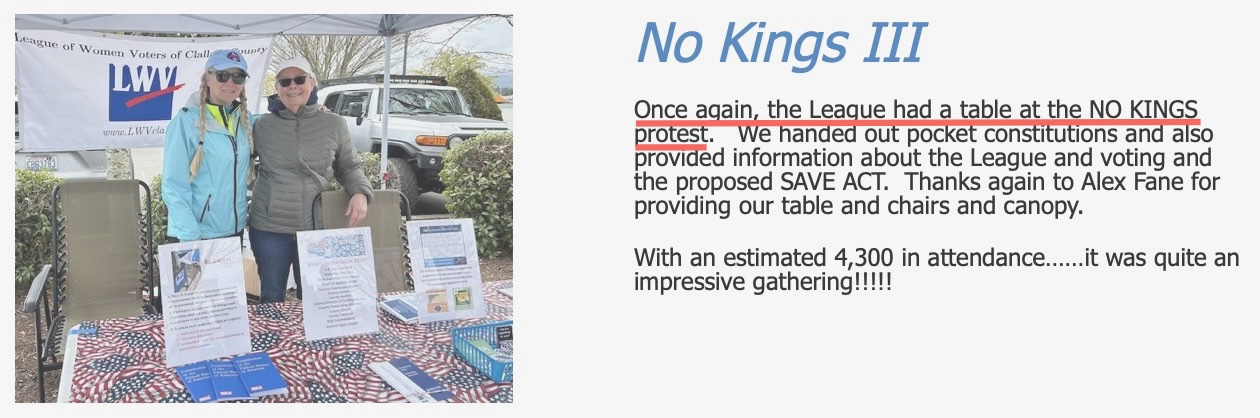
NOLS regularly partners with groups such as the partisan League of Women Voters for forums, workshops, and civic engagement events—raising questions for some about balance in public-facing programming.
6. Internal Priorities: Staffing and Work Structure
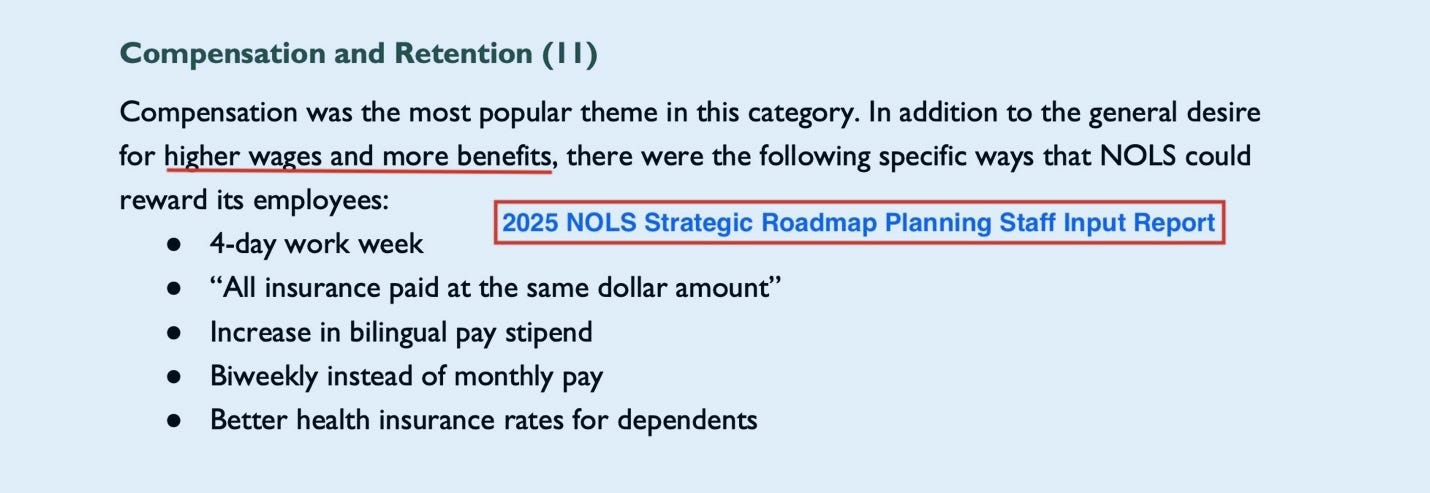
Library planning documents and discussions have included goals around expanded employee benefits and exploring alternative work structures, including shorter workweeks.
7. Investment in Training and Consulting
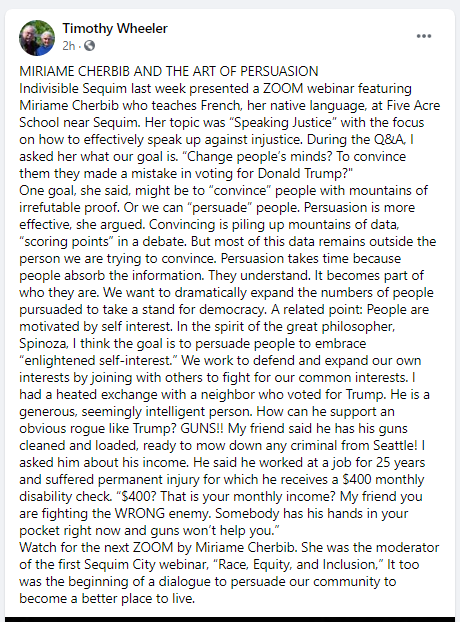
Over $50,000 in funding has been directed toward training and consulting, including DEI-focused programming and outside facilitators, such as Miriam Cherbib, who once recommended, “Do not have words that are too triggering… even the word ‘conversation’ can be dividing.”
8. Usage Trends and Metrics
Reports and analyses have pointed to declines in traditional usage metrics (such as physical circulation). Despite rising costs and staffing, nearly every measure of library use has declined since 2018:
Active cardholders decreased 23%
Library visits sunk 31.7%
Circulation dropped 20.6%
Program attendance declined 19.2%
Computer use plummeted 51%
Website visits fell 24.5% (despite digital expansion)

9. Budget Growth vs. Core Services
The library’s spending priorities have gradually shifted away from core services and toward programming and administration—and the numbers reflect a system that’s grown significantly in recent years.

NOLS’ operating budget has increased from $4.5 million in 2018 to a projected $7.3 million in 2026, a 62% jump.
Much of that growth is driven by personnel costs. Salaries and benefits have risen 53% over that same period, outpacing the Seattle–Bellevue Consumer Price Index, which climbed 34.5%. As a result, staffing now accounts for roughly 71% of the library’s operating expenses, up from 67% in 2018.
10. The Size of the Levy Increase
The proposed levy represents a substantial increase in taxpayer funding—transforming this from a routine renewal into a broader decision about the future direction and scope of the North Olympic Library System. And it comes at a time when many residents are already feeling the strain of rising costs, making affordability a central concern in a county still facing economic challenges.
At its core, this vote is about more than funding a library—it’s about defining what a library should be.
Is it primarily a place for books, literacy, and quiet study?
Or is it evolving into a broader community hub with expanded social and civic roles?
With the April 28th special election approaching, voters will decide on Proposition 1, which would raise the levy rate by roughly 60%, from $0.28 to $0.45 per $1,000 of assessed value. Few would dispute the importance of libraries—but many are asking deeper questions about management, priorities, and whether the current direction aligns with community expectations.
Concerns outlined in the official “Against” statement point to issues such as financial oversight, transparency in material selection, collection policies, and shifting budget priorities. To help inform that discussion, Dr. Sarah has provided a short, fact-based video summarizing publicly available information, including audit findings, vendor relationships, and policy language.
This isn’t about opposing libraries. It’s about examining how a publicly funded institution—one that relies on taxpayers for nearly 90% of its operating budget—is operating, and whether it reflects the accountability, transparency, and community alignment residents expect.
Ultimately, the decision rests with voters:
What role should the library play?
What priorities should it reflect?
And what level of funding—and oversight—does that vision require?
Those are the questions on the ballot.
Today’s Tidbit: Public Health Week
Clallam County Health and Human Services is marking “Public Health Week” with a colorful display outside its 3rd Street offices in Port Angeles.
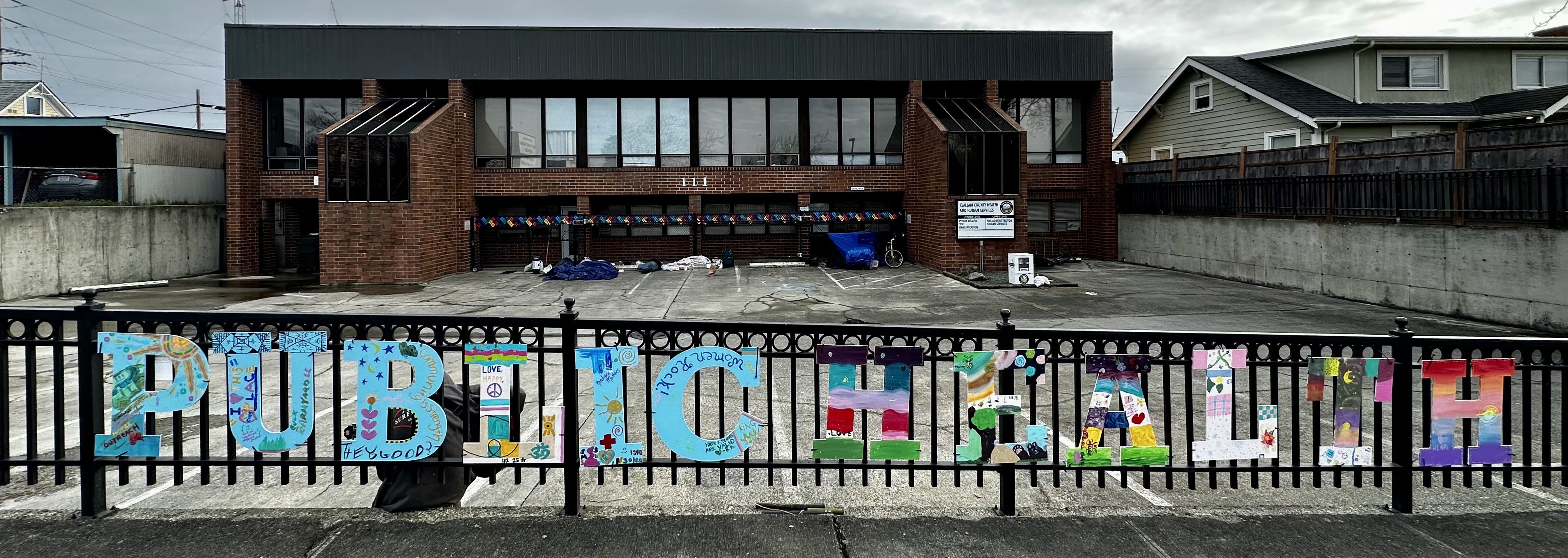
But step back and take in the full scene.
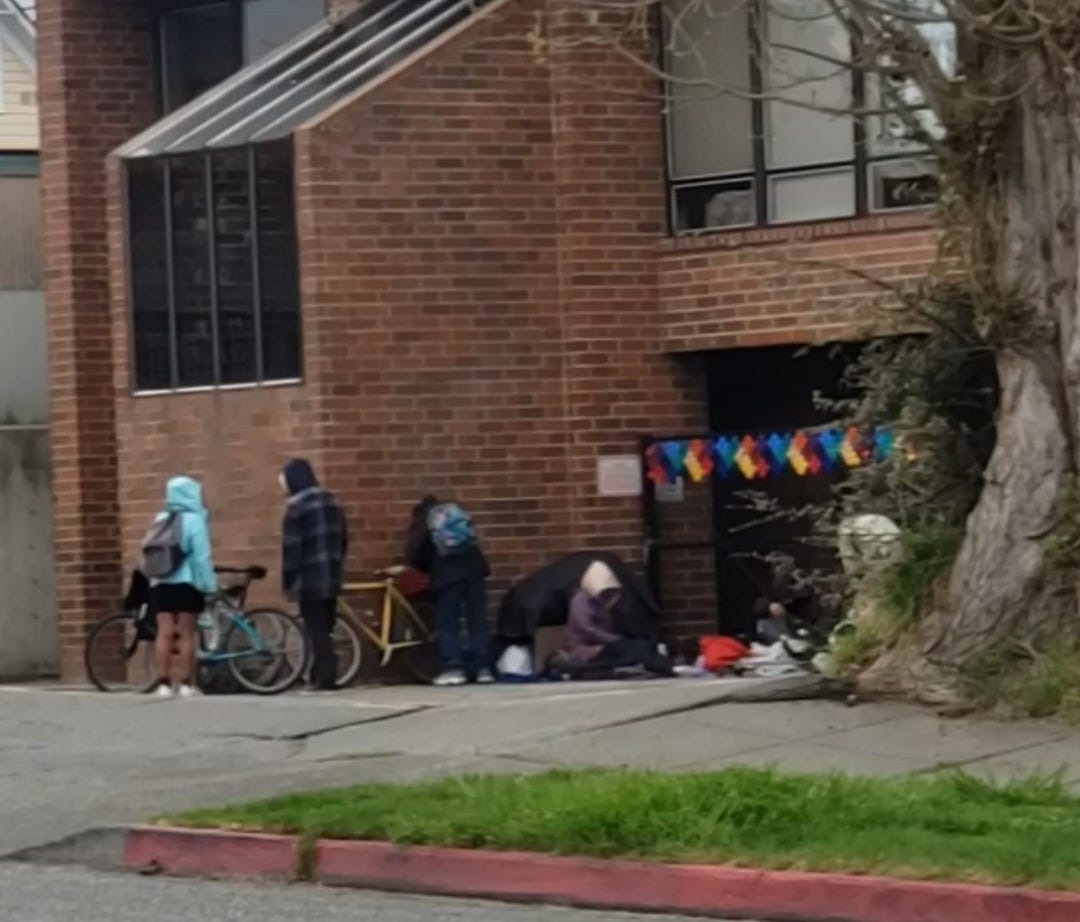
Just beyond the sign, the parking lot is lined with tents, with people stretched out on the pavement. In a nearby alcove—next to a Narcan dispenser—individuals appear to be actively using drugs.
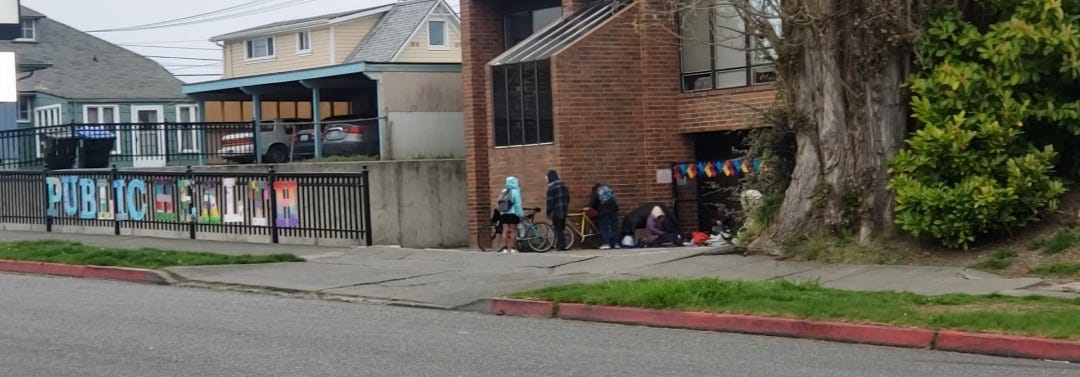
The contrast is hard to ignore: a celebration of public health on one side, and visible, ongoing addiction on the other. For many residents, it raises a difficult question—are current policies actually improving conditions, or simply managing them in plain sight?