


As state and local spending has surged beyond inflation, Clallam County’s housing crisis has only deepened. In Clallam Bay and Sekiu, residents are pleading for solutions while government proposals promise years of delay, more regulation, and millions in new costs. This Sundays With Seegers contrasts top-down approaches with community-led solutions that are already delivering results — faster, cheaper, and with real local participation — and asks whether government expansion is solving the problem or standing in the way.

Government Doesn’t Have an Answer
At the state, county, and city levels, officials increasingly assume that expanding government programs is the primary way to address community challenges.
This belief system almost always leads to more taxation and regulation — burdens that now threaten the livelihoods of Clallam County residents.
State and local governments have outspent inflation for years — expanding taxes and grant-dependent programs while promising to increase affordability, improve public safety, combat the drug epidemic, and end homelessness. The promised outcomes remain elusive.
According to the Washington State Auditor’s FIT Tool, since 2018, Clallam County has outspent inflation (as measured by the Bellevue CPI) by 24%, while increasing its reliance on grant funding by 126%. State grant funding alone grew by nearly 250% over the same period.

As federal grant funding declines, Washington officials have largely chosen to maintain existing spending levels rather than scale back programs. Clallam County’s commissioners are no exception. In 2025 alone, they:
Approved a $5 parcel fee to generate $2 million for the Clallam Conservation District (CCD), based on misleading financial claims, without voter approval, and despite substantial public opposition. The CCD has produced no measurable improvements in water quality, food affordability, or access.
Backfilled $100,000 in lost federal funding for harm-reduction drug supplies while open drug use and environmental contamination continue to spread.
Approved $25,000 for Health & Human Services to “study” the efficacy of harm reduction and justify future funding.
Refused to cut $13,000 in funding for the Master Gardeners to dispel public concerns over the county’s Noxious Weeds chemical spraying program, despite objections from the county engineer.
When funding dries up, officials simply extract more from taxpayers. CCD Supervisor Maggie Bockart insists “the 1%” should pay — but county commissioners ultimately chose to place the increasing tax burden on average property owners instead.
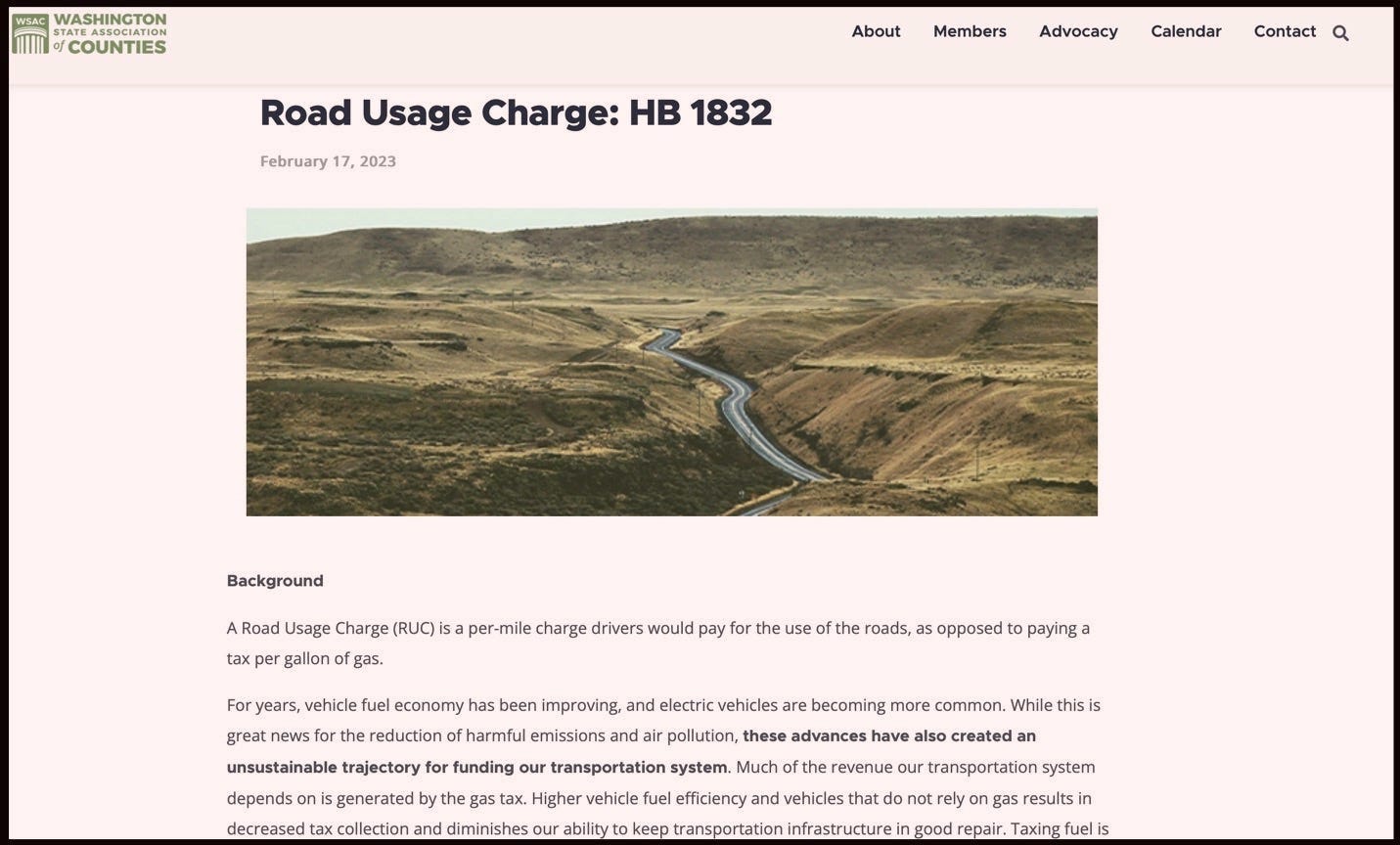
Meanwhile, elected leaders embrace Washington’s most regressive policies and promote new ones: the Climate Commitment Act and the WSAC-proposed pay-per-mile tax, both of which disproportionately burden lower-income households by driving up energy, transportation, and consumer costs.
Where government often falters under costly, ill-conceived programs, community-led efforts repeatedly deliver results. Local initiatives are nimble, supported by voluntary contributions, and motivated by pride in visible outcomes. When government displaces community problem-solving, citizens lose not just effectiveness, but ownership, dignity, and a sense of connection.
That contrast was on full display at the December 11 Clallam Bay–Sekiu Advisory Committee meeting.
The Community Issue
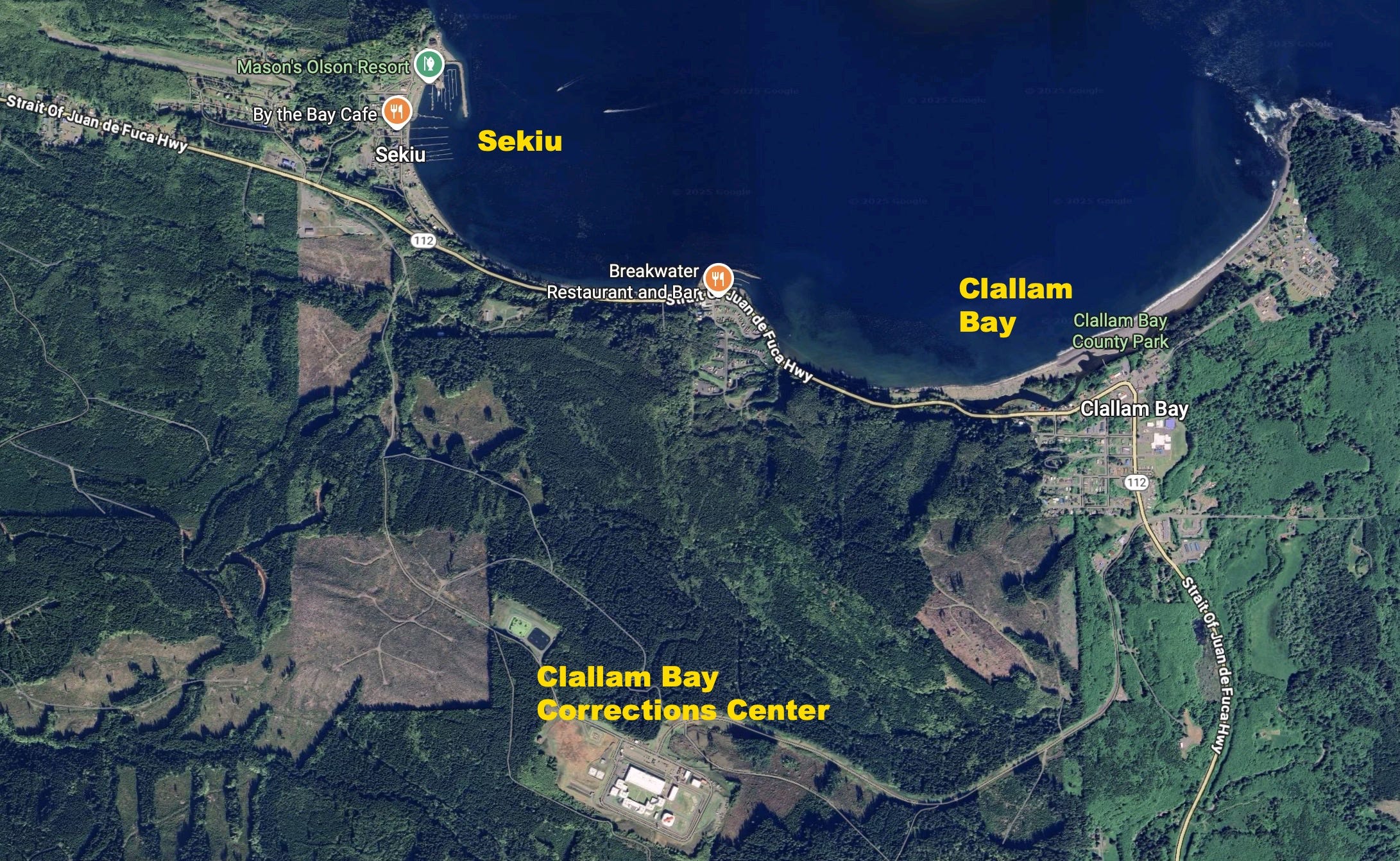
Thirty-seven miles west of Port Angeles, the village of Sekiu has a year-round population of about 25 residents. One local joked that, “There are more lights in Sekiu than people.”
Three miles east of Sekiu is Clallam Bay, with a population of 400.
Two miles south stands Clallam County’s second largest employer: Clallam Bay Corrections Center (CBCC) – a prison with a 900-inmate capacity employing 386 staff – nearly matching Clallam Bay’s population.
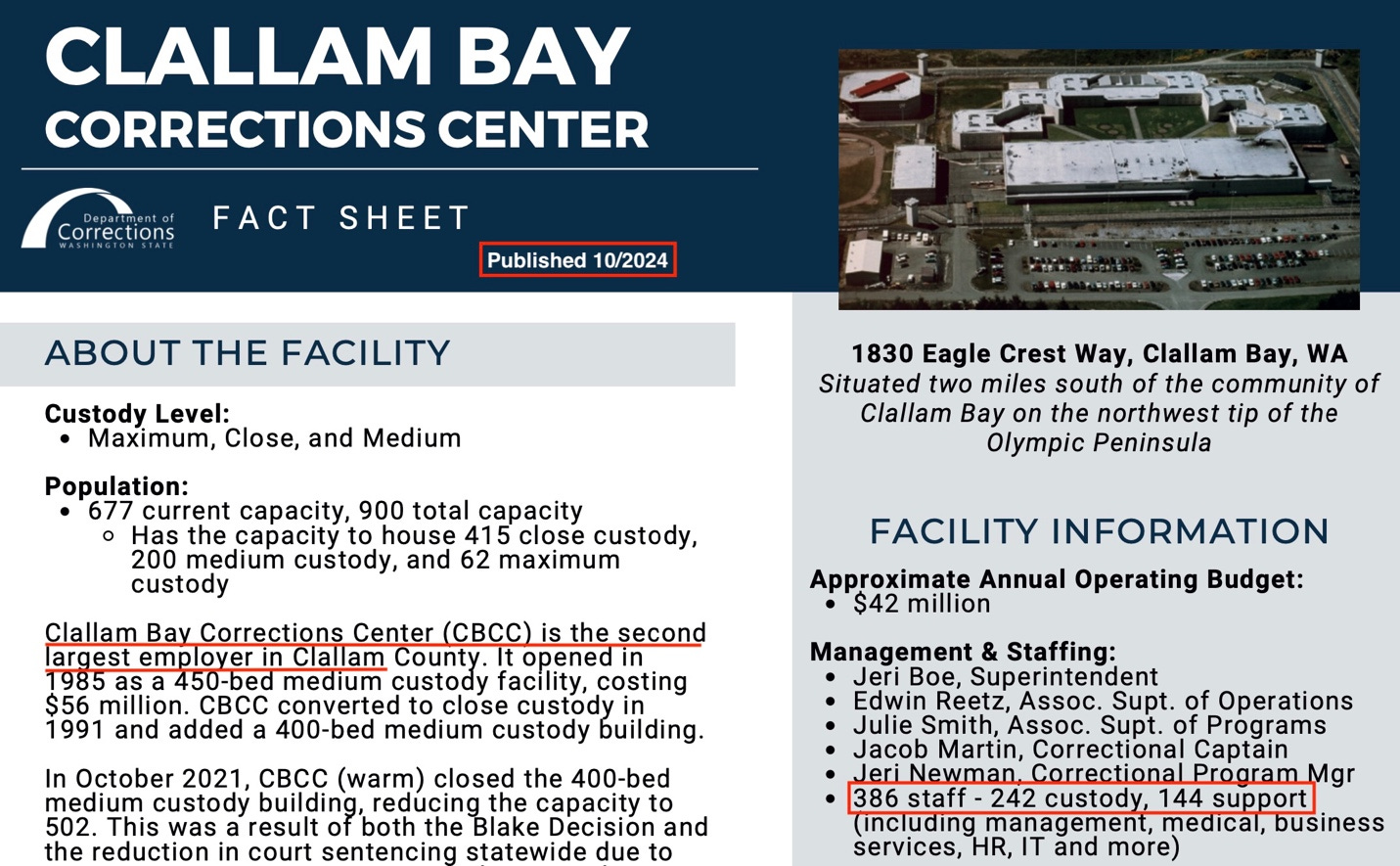
Once supported by significant forestry investments from companies like Rayonier and Crown Zellerbach, the area’s economy collapsed in the 1980s.
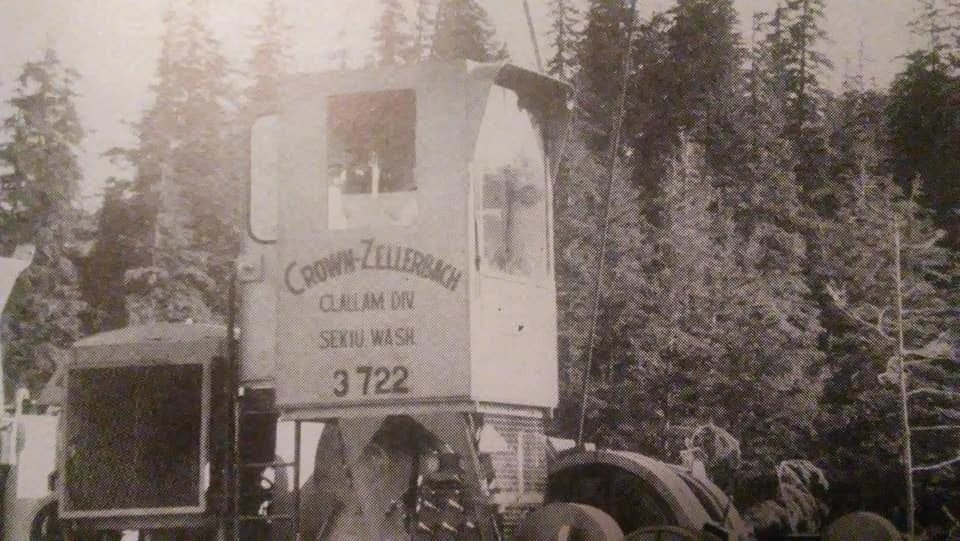
Housing stock shifted to seasonal use and short-term rentals. Although CBCC has been a major employer since construction was completed in 1986, most of its employees cannot live nearby because there is no available housing. Instead, they commute from Forks and Port Angeles. This issue has gone unaddressed for decades.
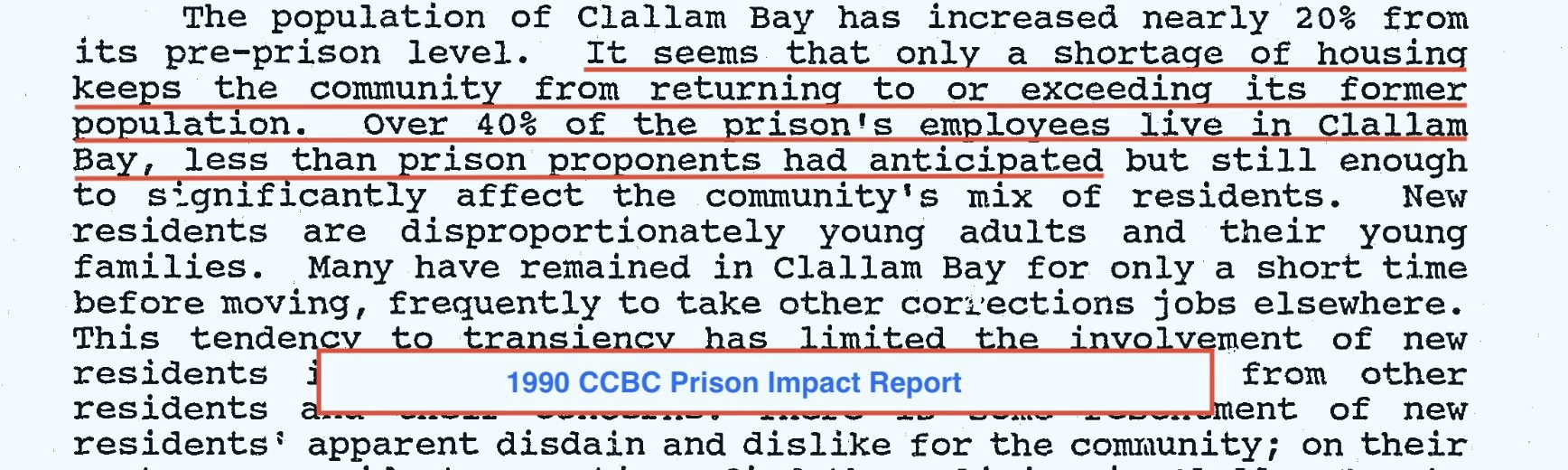
The full-time population of Clallam Bay/Sekiu has never fully recovered since the exit of Crown Zellerbach in the early 1980’s. The community has become increasingly reliant on seasonal tourism, and much of the housing stock is owned and used for that purpose: personal vacation homes or Airbnb rentals.
Residents and local businesses are struggling to survive.
Local businesses cannot hire staff because there is no place for them to live.
Clallam Bay School enrollment and attendance have plummeted, and the school is on the brink of a serious restructuring that would significantly compromise local education.
Out-of-town contractors refuse jobs without substantial pay premiums, travel, and transport.
At the December 11 Clallam Bay–Sekiu Advisory Committee meeting, one resident gave voice to a community at its breaking point, pleading with local leaders for meaningful help:
“What form do we need to fill out and who [do we need to talk to]? To the people with the money – let’s fund housing…you’ve got the money, let’s make it happen!”
Forks faces the same problem. Olympic Corrections has lost recent recruits solely because there is no housing.
The Government Fix
Commissioner Mike French offered a slate of government solutions:
Set up a meeting with Clallam’s legislative delegation to discuss the possibility of appropriating state land for the prison to build housing for its employees.
Meeting with Representative Adam Burnbaum to discuss the possibility of state funding for affordable housing.
Clallam County’s 0.1% affordable housing sales tax could possibly work with the Housing Solutions Committee to find a contractor and manager to build housing, as it has with Peninsula Behavioral Health’s 36-unit low-barrier Northview apartments in Port Angeles.
Homes with large past-due sewer bills could be purchased by the county and offered for rent to sewer district employees
Potentially a couple of properties owned by the county that could be sold.
Each option, however, would take years to implement, add layers of bureaucracy, and require millions in new funding — money the state and county are unlikely to have without raising taxes.
Commissioner French acknowledged the core obstacle plainly:
“What was possible 20 years ago is very expensive now. The state has basically said, ‘we want you to be building really resilient, really low cost to maintain and low cost for utilities. We want that kind of house.’ And that has raised the initial cost very high, and it’s tough on rural low-income areas.”
The Packwood Paradigm
Commissioner French’s most aggressive proposal involved increased regulation and limits on short-term rentals (STRs).
He urged attendees to contact Department of Community Development Director Bruce Emery if they supported placing a cap on STRs:
“If people do have thoughts on short-term-rental regulation, it’s not enough to just talk about it here in this meeting. You’ve got to send emails to Bruce Emery. He’s the guy in charge of that. I think it could be unique to a specific geography. We don’t necessarily have to have a county-wide rule — we could have a rule just for this urban growth area to try to create community. That’s something I’ve seen other communities do.”
Earlier this year, south of Olympia, Lewis County officials advanced similar proposals, introducing code changes aimed at restricting short-term rentals in an effort to steer properties toward long-term rental markets.
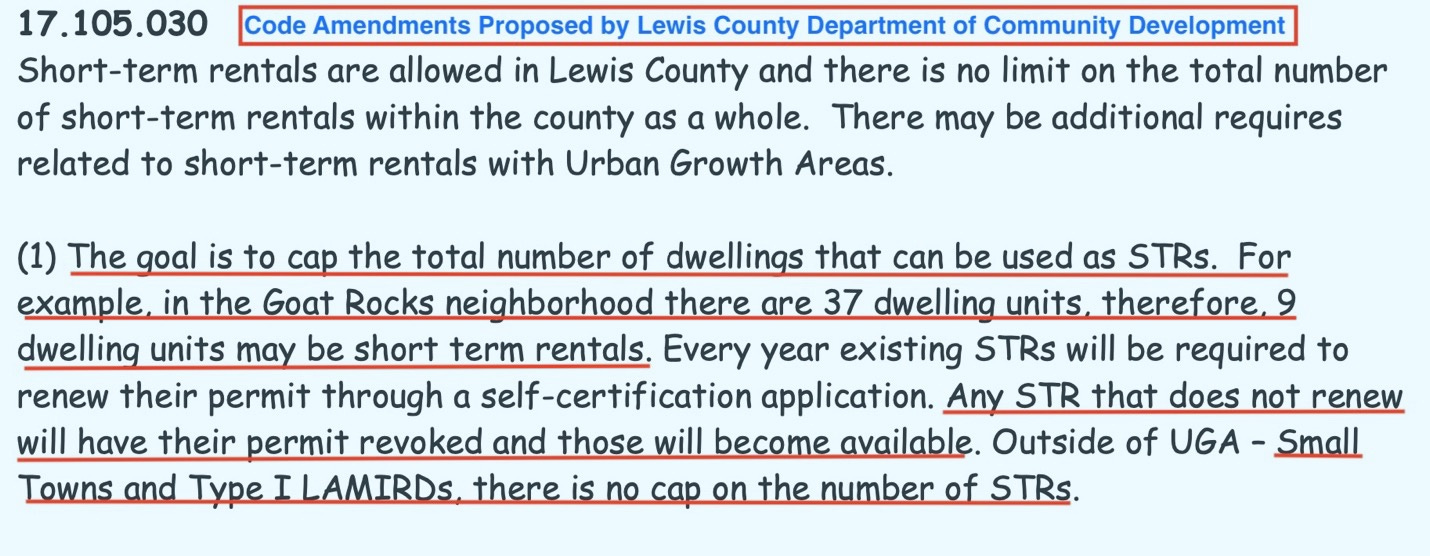
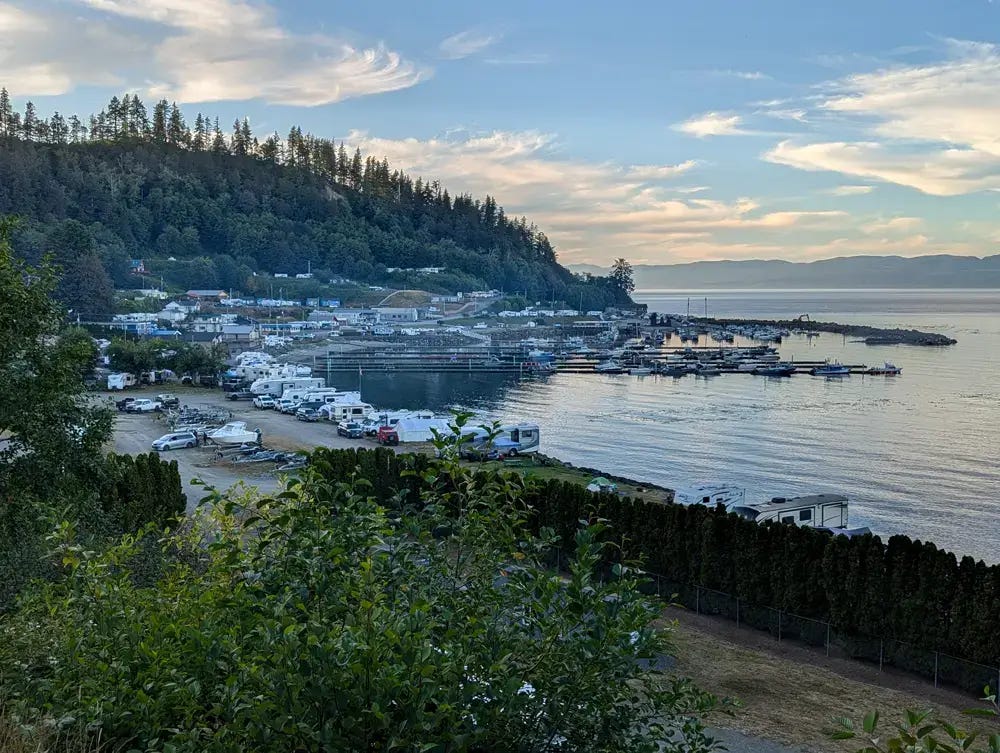
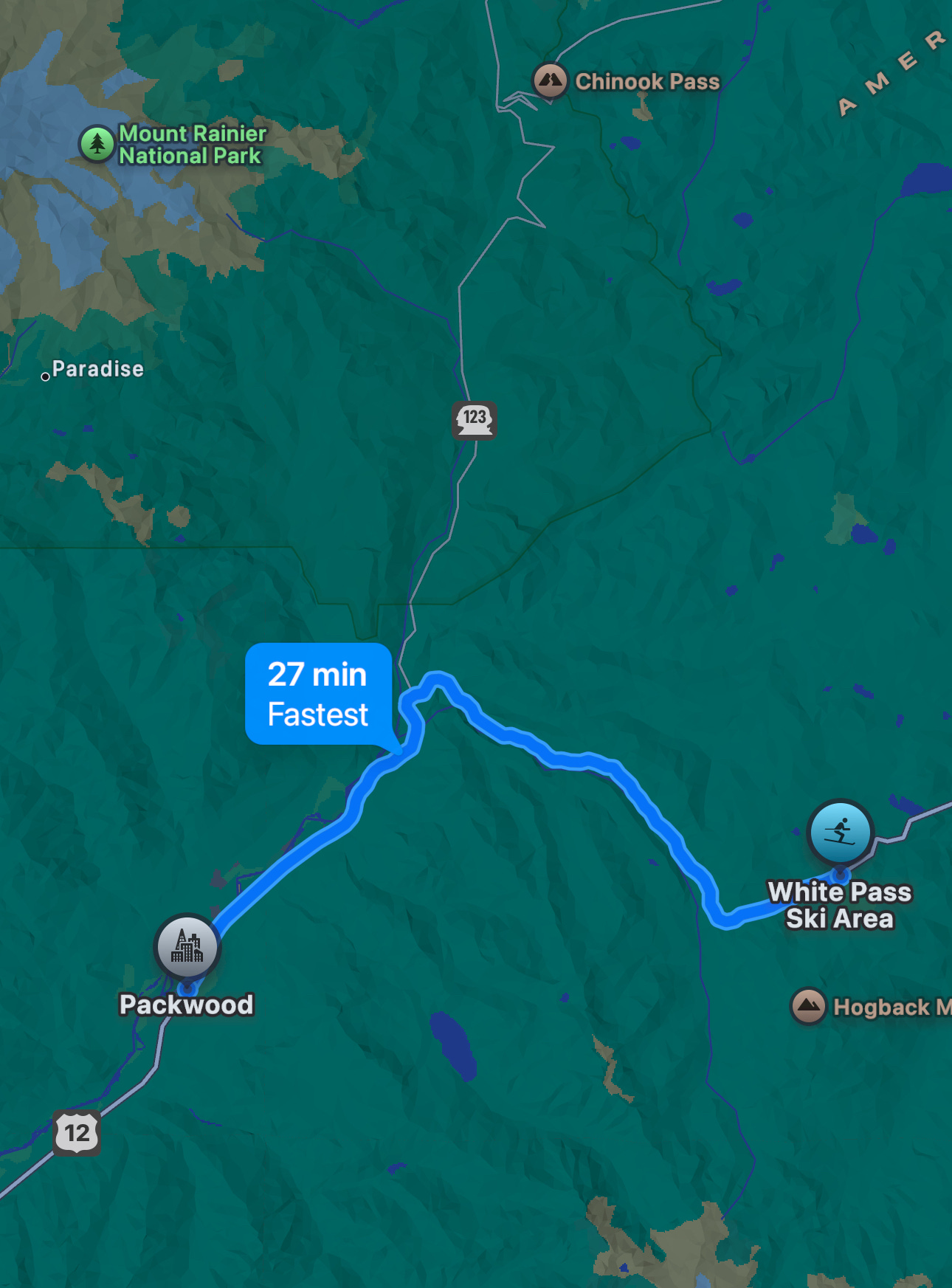
The town of Packwood, a gateway community to Mount Rainier National Park and White Pass Ski Area, closely mirrors Clallam Bay and Sekiu in this respect — with a high concentration of vacation homes and STRs.
“They’re taking some innovative approaches, and they’re going to see how it goes,” said Commissioner French.
Lewis County’s Planning Department proposed the following approaches:
A cap limiting STRs to 25% of a designated Urban Growth Area or small town (like Packwood).
Requiring STR permits that must be renewed annually for a fee.
Increasing tax assessments on STRs.
A 180-day annual limit on STR occupancy.
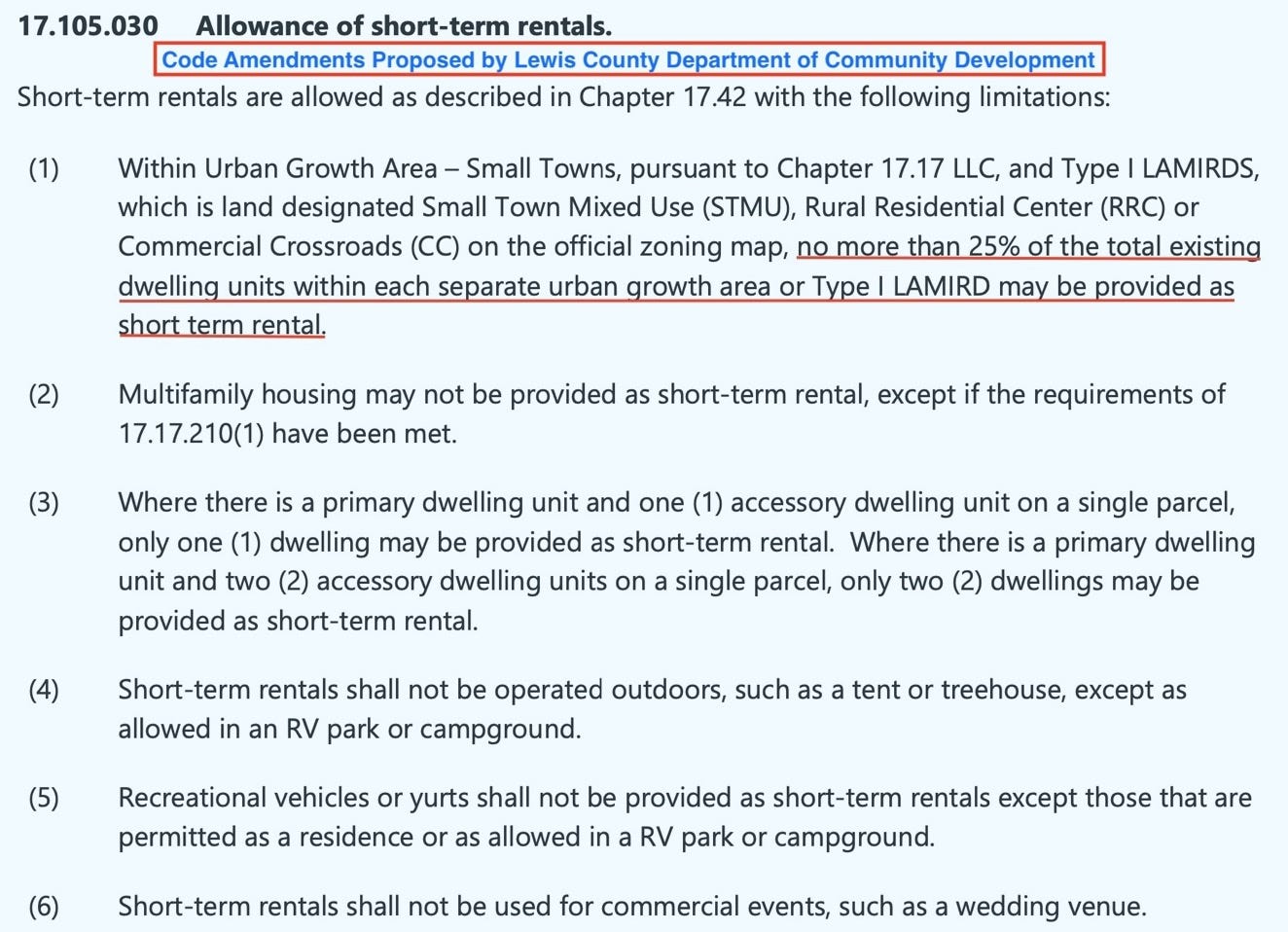
These proposed standards would significantly undermine property rights in the county’s most rural and economically vulnerable communities.
Public opposition to these proposals was strong.
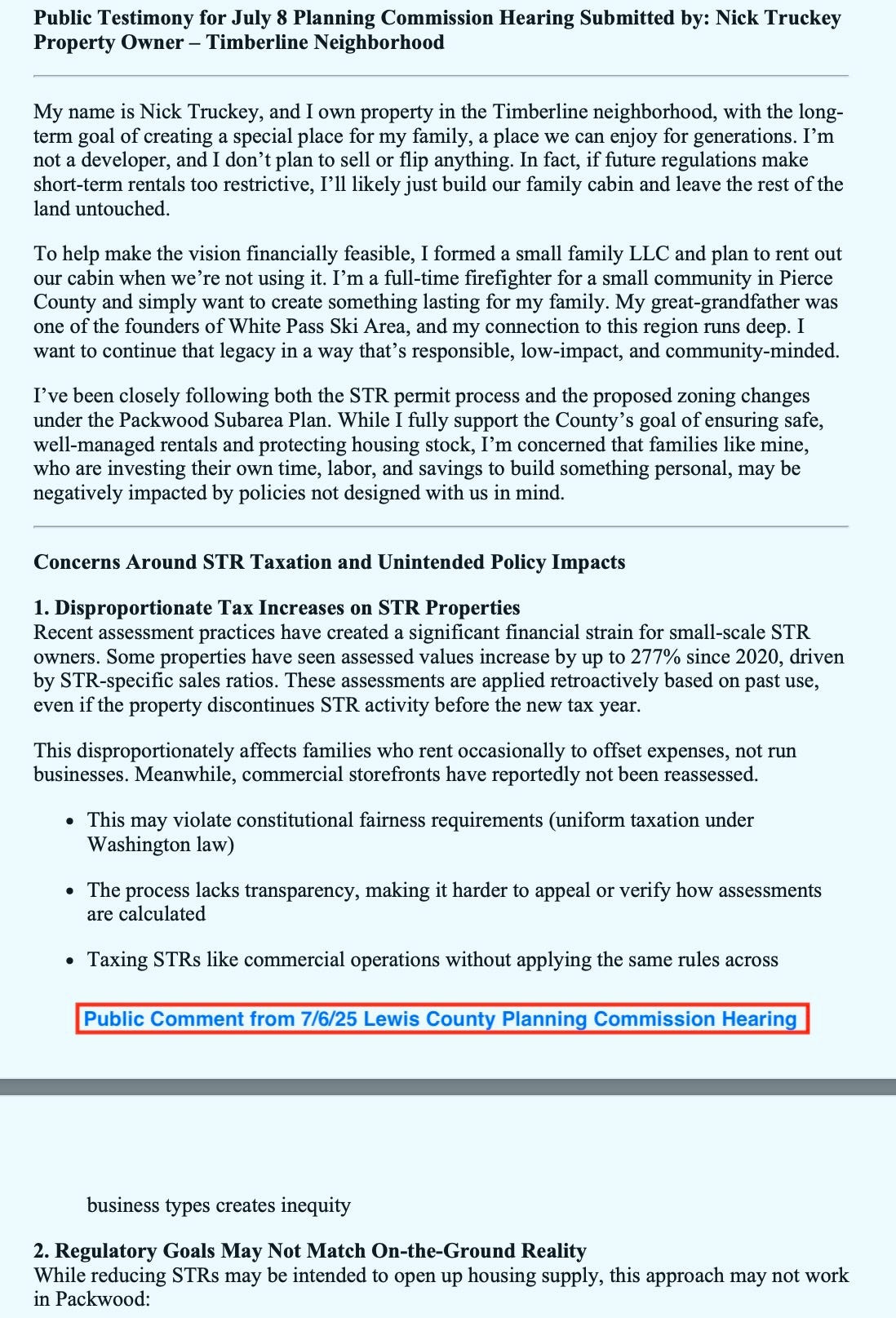
Fortunately for rural property owners in Lewis County, it appears that the 25% cap and 180-day limit were removed from the final code revision.
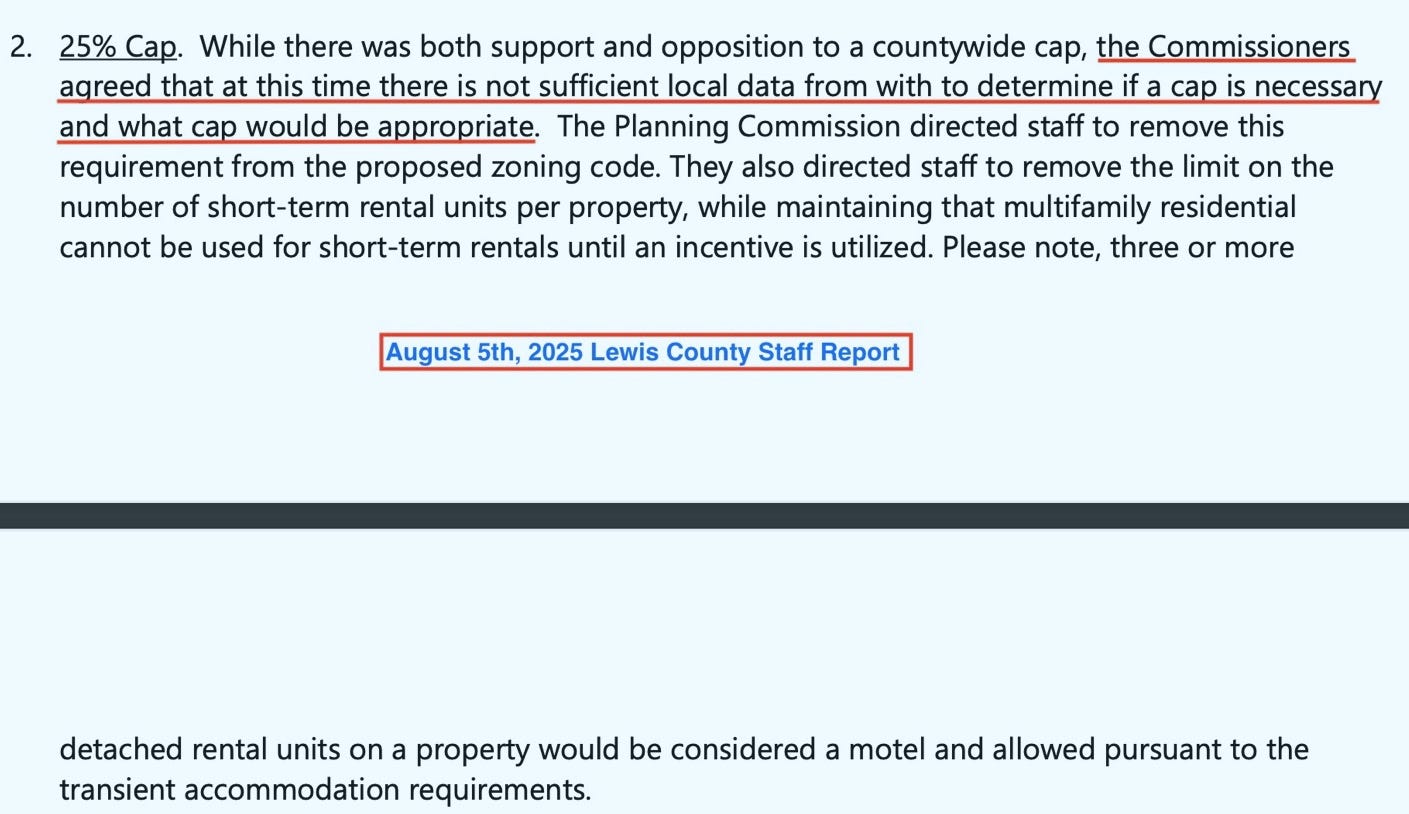
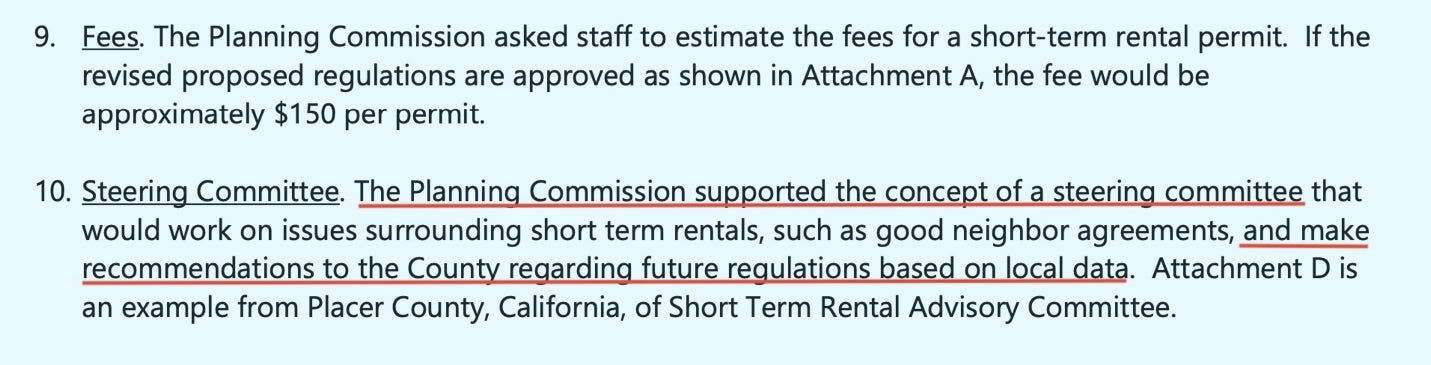
County officials acknowledged that there is currently insufficient local data to justify a cap on short-term rentals, yet still supported forming a steering committee to develop future regulations once local data is collected.
The Community Way
Community solutions to local problems—such as housing availability—often provide a more efficient and effective alternative to government intervention because community members are directly involved.
Volunteers and donors are driven by the personal satisfaction that comes from strengthening their community in tangible ways — caring for neighbors, supporting friends, and putting their talents and resources to meaningful use. When government attempts to substitute for this process, the results are often less effective, and citizens lose the shared effort that genuinely binds a community together.
A local example is 4PA, a Port Angeles nonprofit focused on trash cleanup and transitional shelter for the unhoused. Since its inception in 2021, 4PA has removed 350,000 pounds of trash and over 30,000 syringes from local forests and fish habitats.

The organization is preparing to open and occupy its third high-barrier (sober) tiny home — at a fraction of the cost of comparable government- and NGO-funded models.
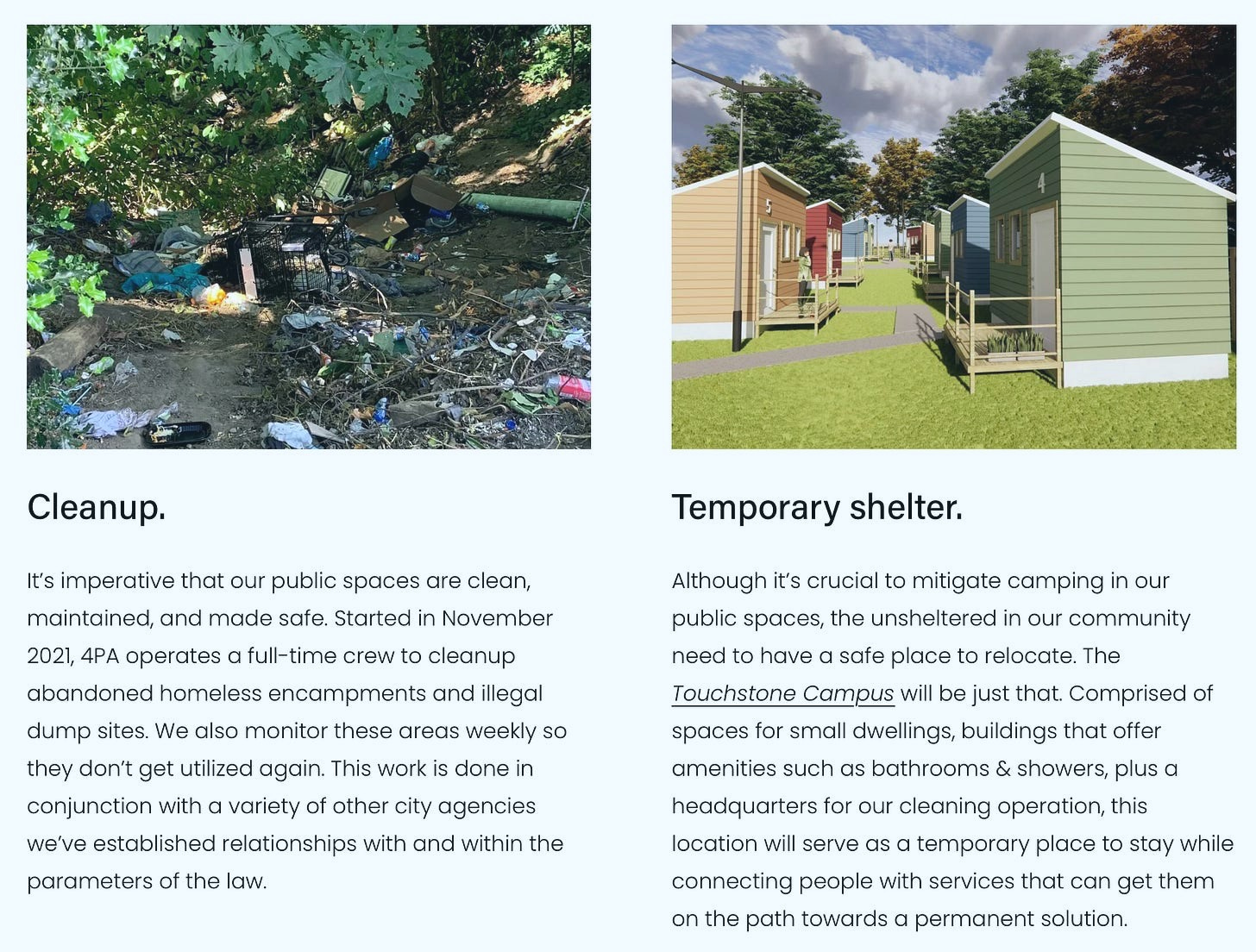
Each year, locals fuel 4PA’s success with more than 1,100 volunteer hours, and private donations are approaching $400,000 annually. When given the opportunity to participate in real solutions that lift neighbors and strengthen the community, Clallam citizens consistently respond with extraordinary generosity. That spirit is one of this county's defining strengths.
Compare this with Clallam Conservation District (CCD) – an agency forcibly funded by the county commissioners via a $5 parcel fee. Although the CCD also participates in riparian restoration, 1,032 citizens signed a petition and provided hours of public comment in opposition to a $5 fee that was financially minuscule.
In 2024, CCD collected only $25 in voluntary donations.
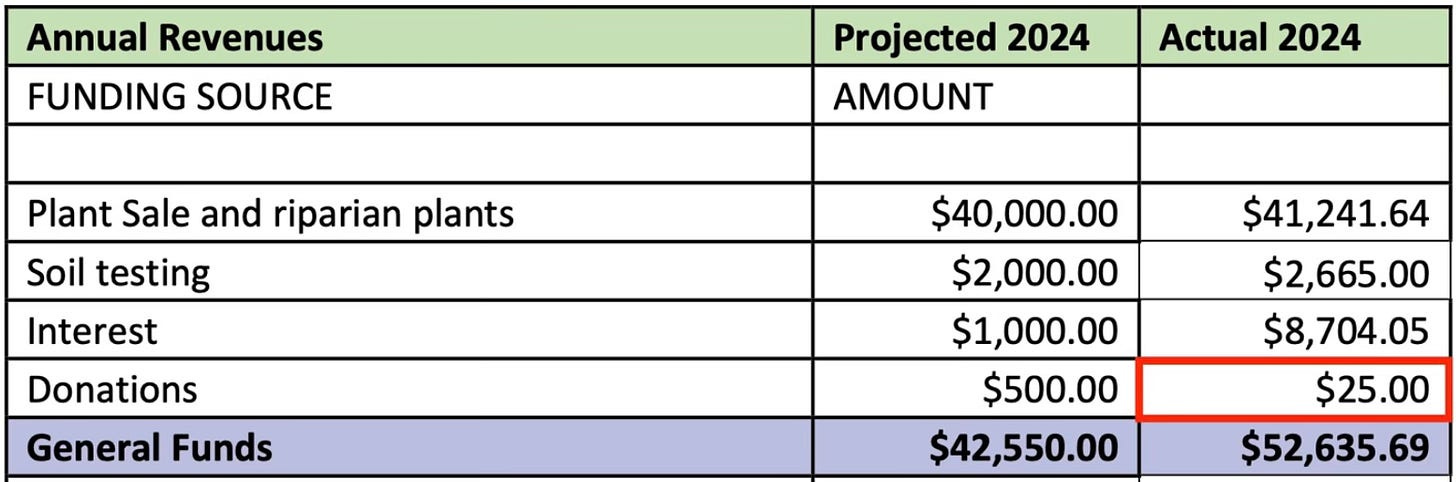
This is what happens when participation is replaced with compulsion: citizens disengage, both personally and financially.
Government’s role should be to deliver essential services and create the conditions for community-led solutions to thrive.
Empowering Change
While Lewis County leaders appear headed toward caps on short-term rentals, expanded regulation, and higher commercial tax assessments, these punitive approaches are unlikely to succeed. Vacation homes may change hands, but those who can afford them are generally less sensitive to financial pressure and increasingly reluctant to offer long-term rentals in a state where lease laws strongly favor tenants over landlords.
Recognizing that the only truly affordable housing stock in Clallam County is existing housing, there is a better path forward — one built on voluntary community participation, not draconian regulation or punitive taxation.
When people are given meaningful choices and real incentives, they engage. They invest. They care about the outcome. That is how durable community solutions are built.
Instead of penalizing homeowners, Clallam County has an opportunity to empower them to help solve the housing shortage in rural communities. Here’s how:
1. Invite participation through outreach.
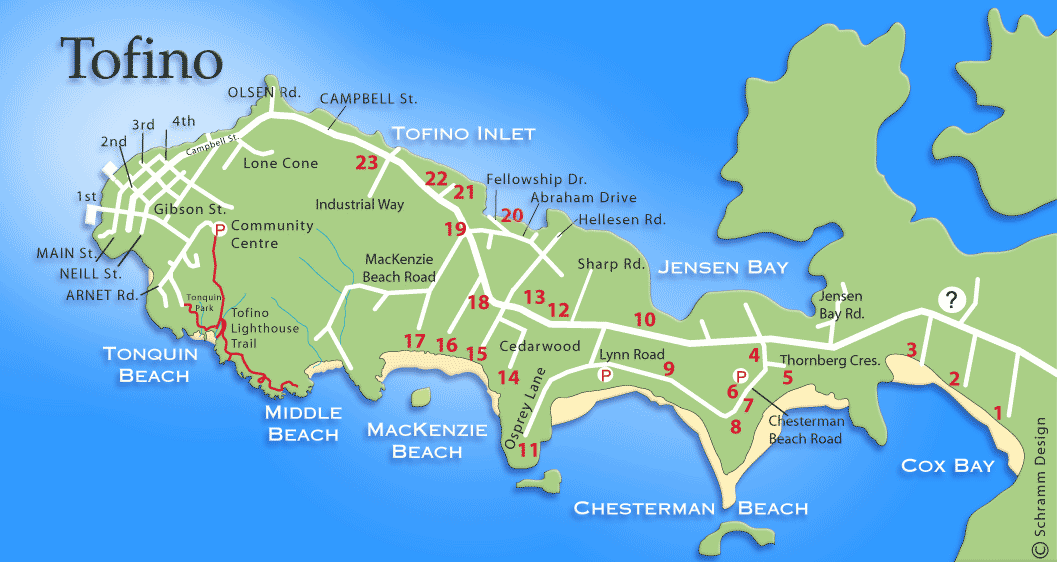
Send letters to owners of vacant homes, vacation homes, and STRs outlining the urgent need for long-term rentals and inviting them to participate in a shared vision for the community. With increased housing availability, maybe Sekiu could become the next Tofino — a small community on Vancouver Island in British Columbia that has become one of the most successful small-town tourism models on the Pacific Coast.
Property owners should be invited to help build this future vision for Sekiu and Clallam Bay: communities revitalized by stable residents, expanded local services, thriving small businesses, growing tourism, and rising property values.
2. Create meaningful financial incentives.
Use existing grants, the county’s 0.1% affordable housing sales tax, donations, and nonprofit financing to support long-term leasing.
For example, a $500 monthly incentive could support 20 rental units for three years — for the same cost as a single unit at Peninsula Behavioral Health’s Northview complex, currently under construction.
3. Offer voluntary deed-restriction programs.
Provide financial incentives for property owners who permanently restrict their deeds to prohibit short-term rentals and require long-term occupancy. This approach would cost the county a fraction of the cost of new construction, deliver immediate rental supply, and encourage voluntary participation.
4. Reform property tax structures.
Provide homestead-style tax incentives for owner-occupants and long-term local rentals. Property owners who live in their homes or lease their properties to local residents could be rewarded with reduced property tax rates.
5. Expand housing supply.
Preserve flexibility in land use and housing types to encourage more units to come online.
On January 20th at 10:00 a.m., commissioners will continue deliberating code changes involving RVs, Accessory Dwelling Units, and Vacation Rentals. The public and commissioners should urge Department of Community Development Director Bruce Emery to allow:
More than one vacation rental per parcel, and
Two occupied RVs per parcel, without requiring a conditional use permit.
Preserving property-owner flexibility and maintaining incentives to add housing — regardless of classification — increases overall supply. And when supply rises while demand remains constant, both short-term and long-term rental prices become more affordable.
Similar efforts in other communities have found success and delivered results far faster than government regulation and intervention.
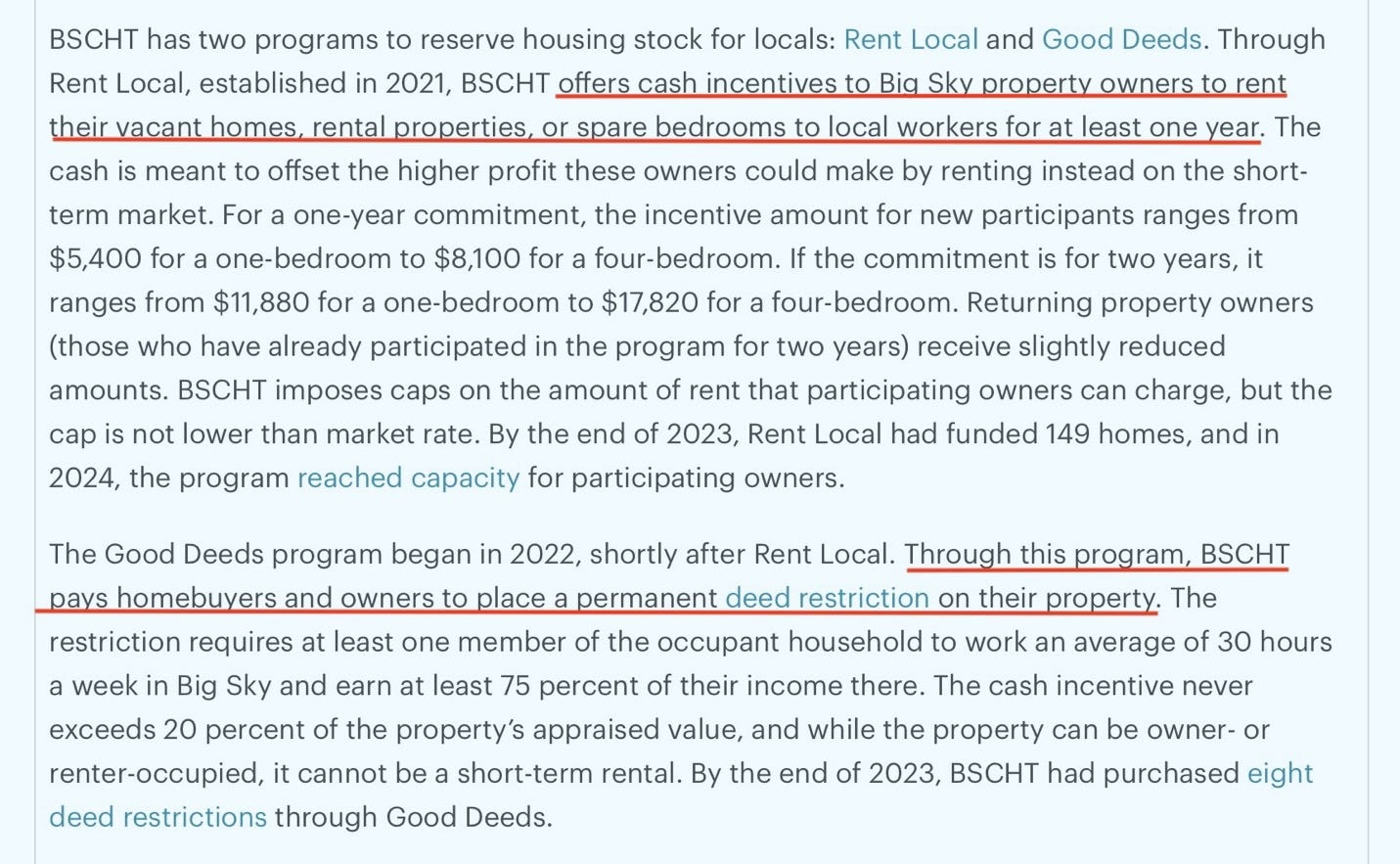
In Big Sky, Montana, programs like “Rent Local” and “Good Deeds” use incentives and voluntary deed restrictions to grow long-term rental stock.
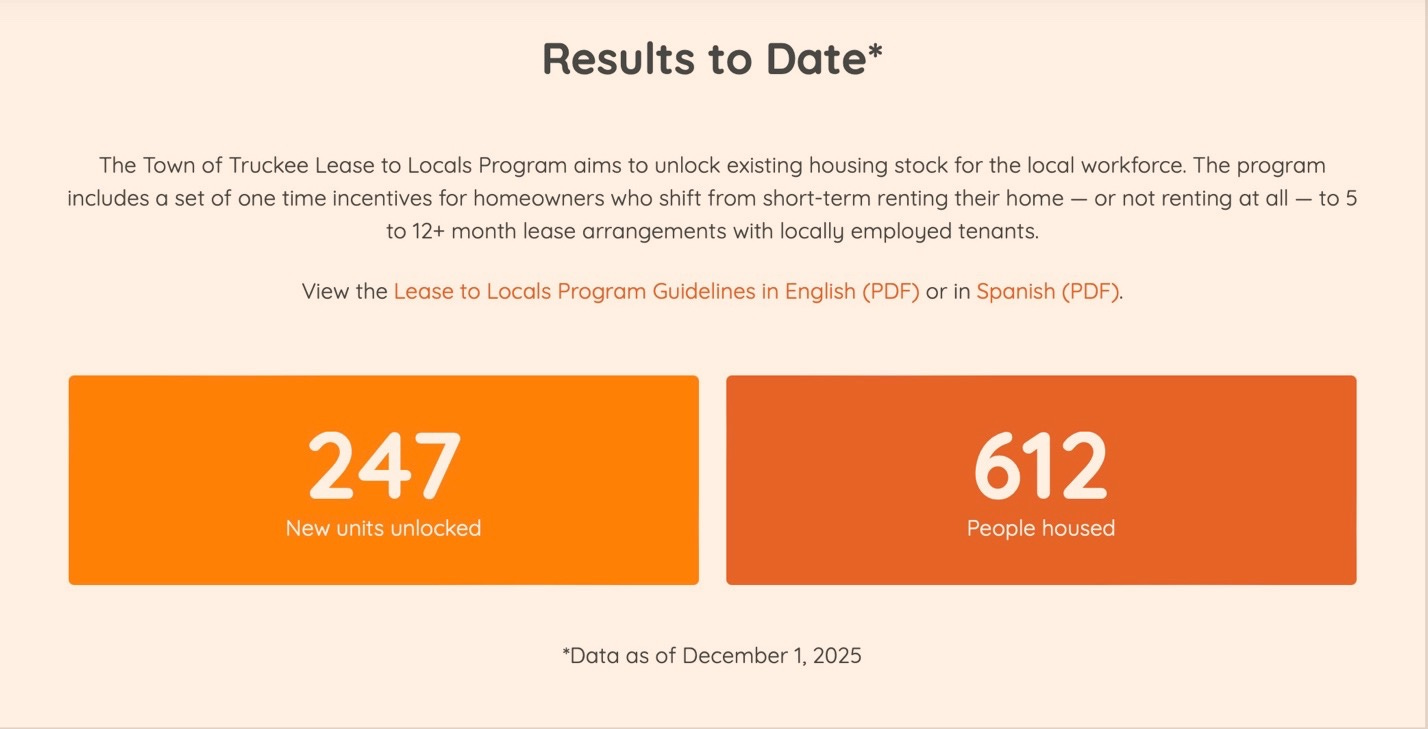
Truckee, California–based Placemate provides services to counties and municipalities implementing “rent-to-local” programs, with clients in California, Nevada, and Massachusetts.
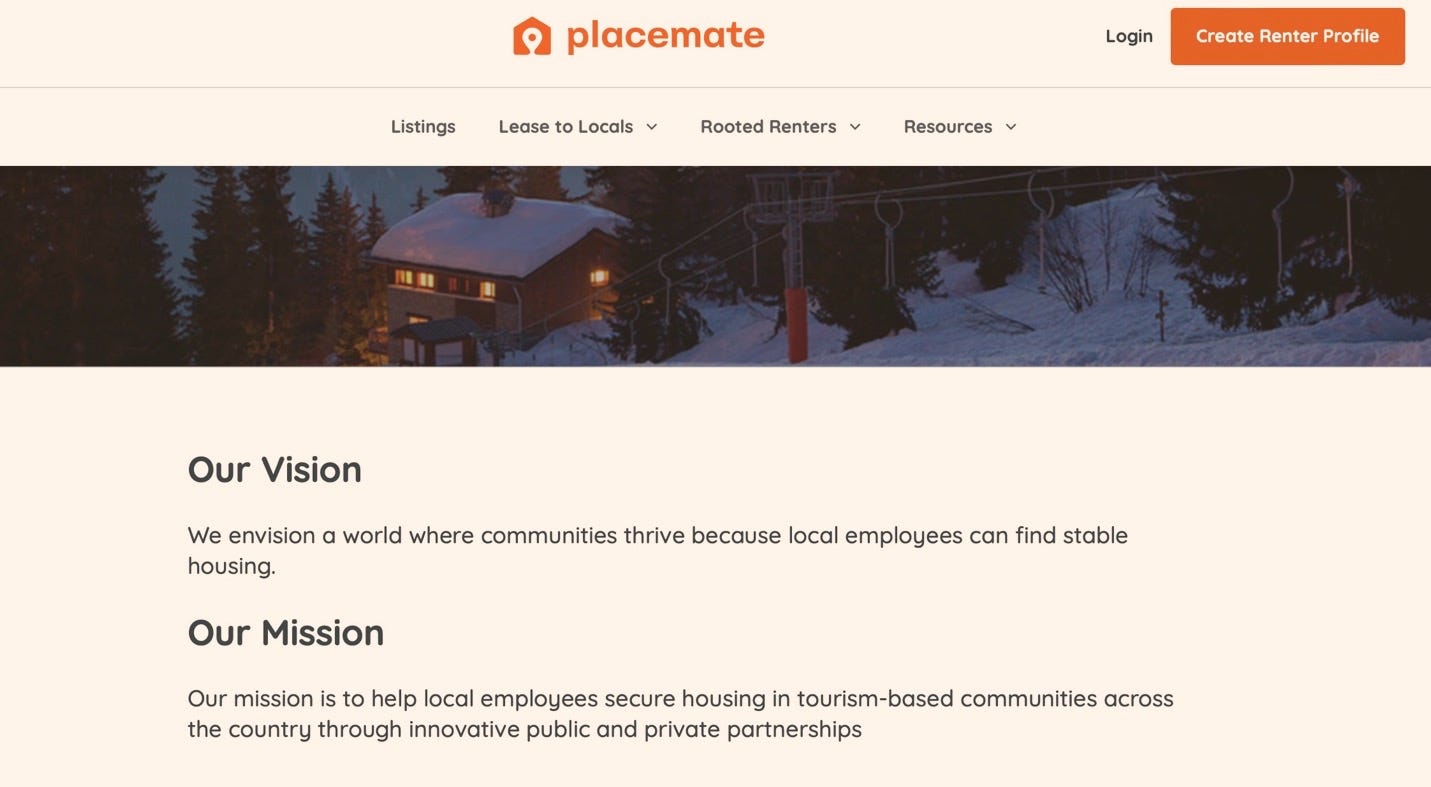
To date, in its hometown of Truckee (population 17,000), Placemate has helped bring 247 rental units to market.
Communities function best when citizens band together to solve local problems. Government should facilitate that effort — not attempt to replace it.
What can you do?
Write the commissioners and Director Emery to share how you believe the proposed RV/ADU/Vacation Rental ordinances should be modified to protect—and expand—property rights. Let them know where you stand on STR limits and any further restrictions on property rights. Written public comment must be submitted before the January 20th Board of Commissioners meeting to be considered.
Attend the January 20th commissioner board meeting at 10 AM and submit public comment before the commissioners continue to deliberate on RV/ADU/Vacation Rental ordinances.
Let the commissioners know that you favor community solutions over government regulation.
All 3 commissioners can be reached by writing the Clerk of the Board at Loni.Gores@clallamcountywa.gov. The DCD Director can be reached by emailing Bruce.Emery@clallamcountywa.gov.
Last week, Jake Seegers asked readers who is most responsible for the financial mismanagement in Clallam County. Of 134 votes:
81% said the Commissioners
8% said the Finance Team
7% said the Administrator
3% said the Voters
1% said “There is no mismanagement”
Editor’s Note: CC Watchdog editor Jeff Tozzer also serves as campaign manager for Jake Seegers during his run for Clallam County Commissioner, District 3. Learn more at www.JakeSeegers.com.


