
The library says it’s broke—but the receipts tell a different story. While warning of cuts and asking voters for millions more, NOLS has already spent over $50,000 on DEI consultants, curated “community conversations,” and ideological programming that raises a bigger question: are taxpayers funding services—or a transformation?
The North Olympic Library System wants voters to believe it’s facing a financial cliff.
Without a $3 million levy lid lift, they warn, services will be cut, hours reduced, and reserves exhausted. The situation, they say, is unsustainable.
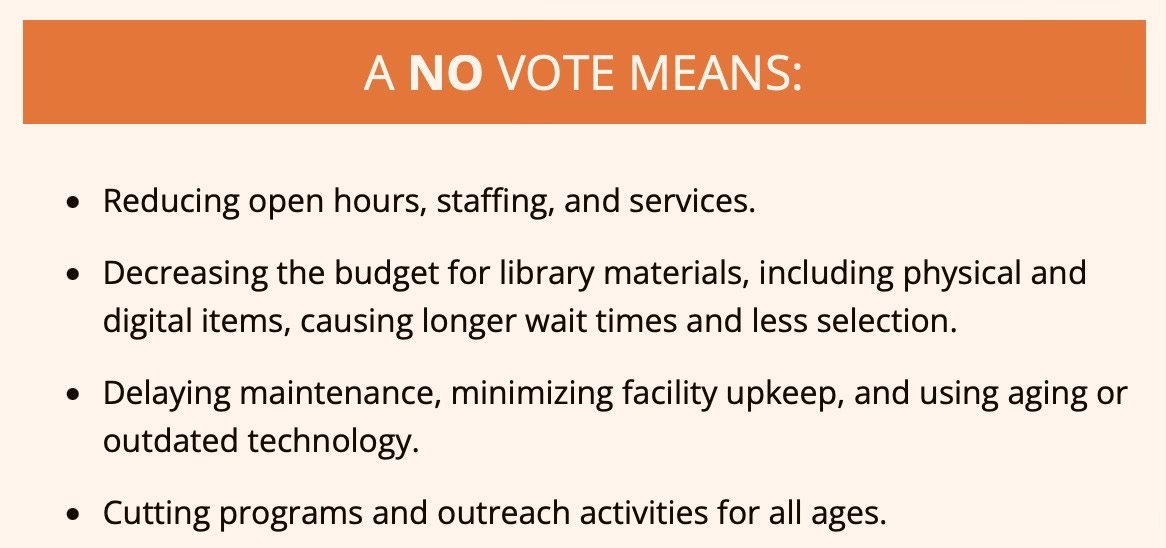
But before taxpayers agree to send more money, there’s a basic question that hasn’t been answered:
What exactly have they been spending money on—and what did it produce?
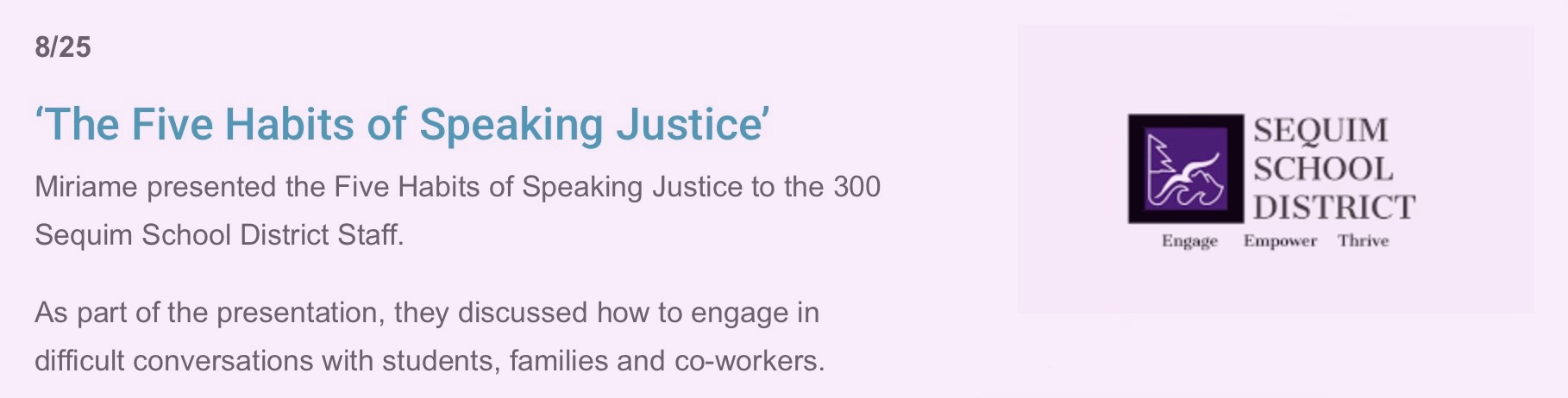
Because over the past two years, NOLS has quietly paid more than $50,000 to a DEI consulting operation called Speaking Justice, run by Miriame Cherbib.
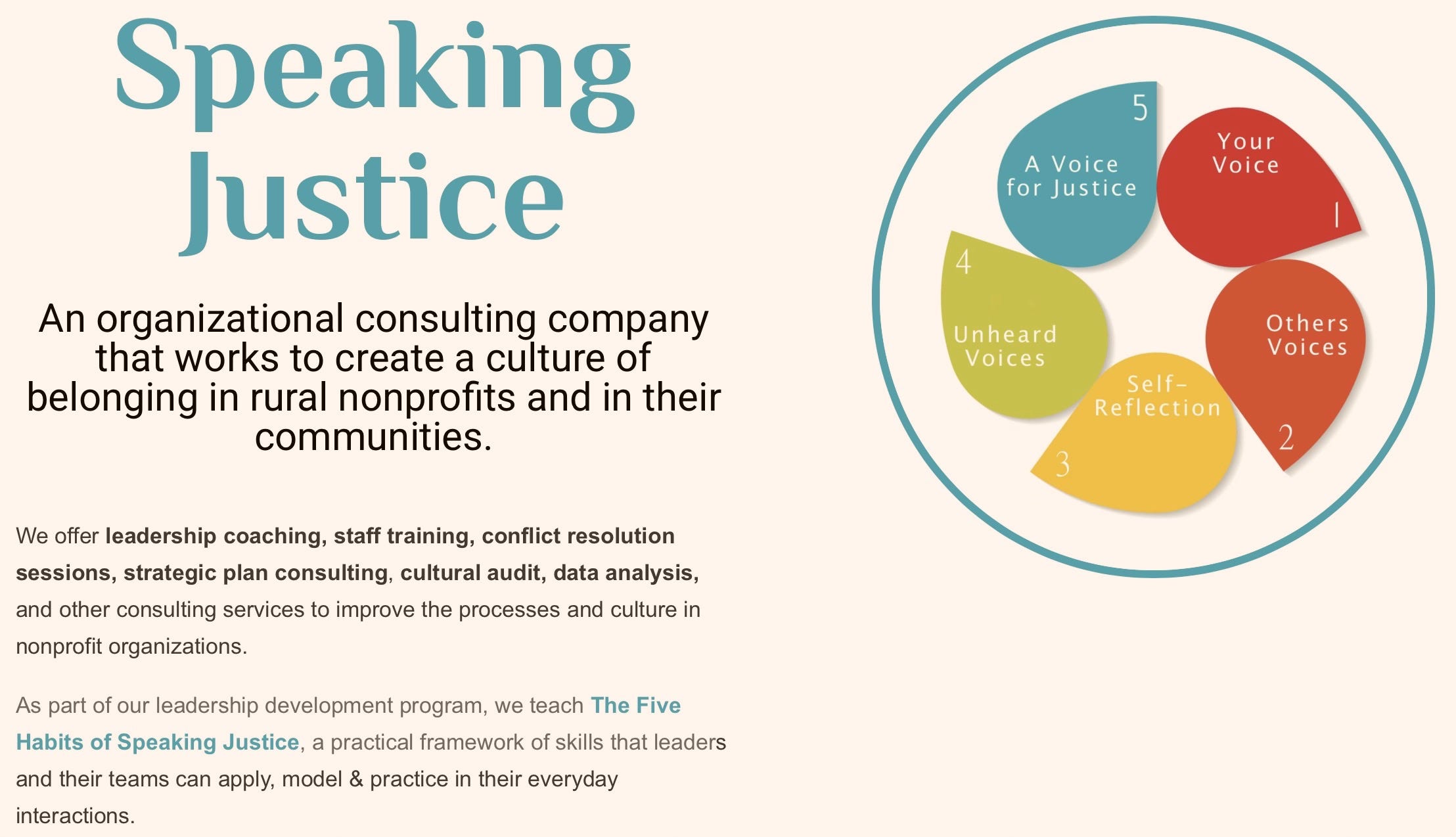
This wasn’t a one-off training. It helped shape the library’s 2026–2030 strategic roadmap—the same institution now asking taxpayers for millions more.
And if you want to understand what that money bought, you don’t have to guess. The blueprint was already tested right here in Sequim.
Before the Library, There Was the City
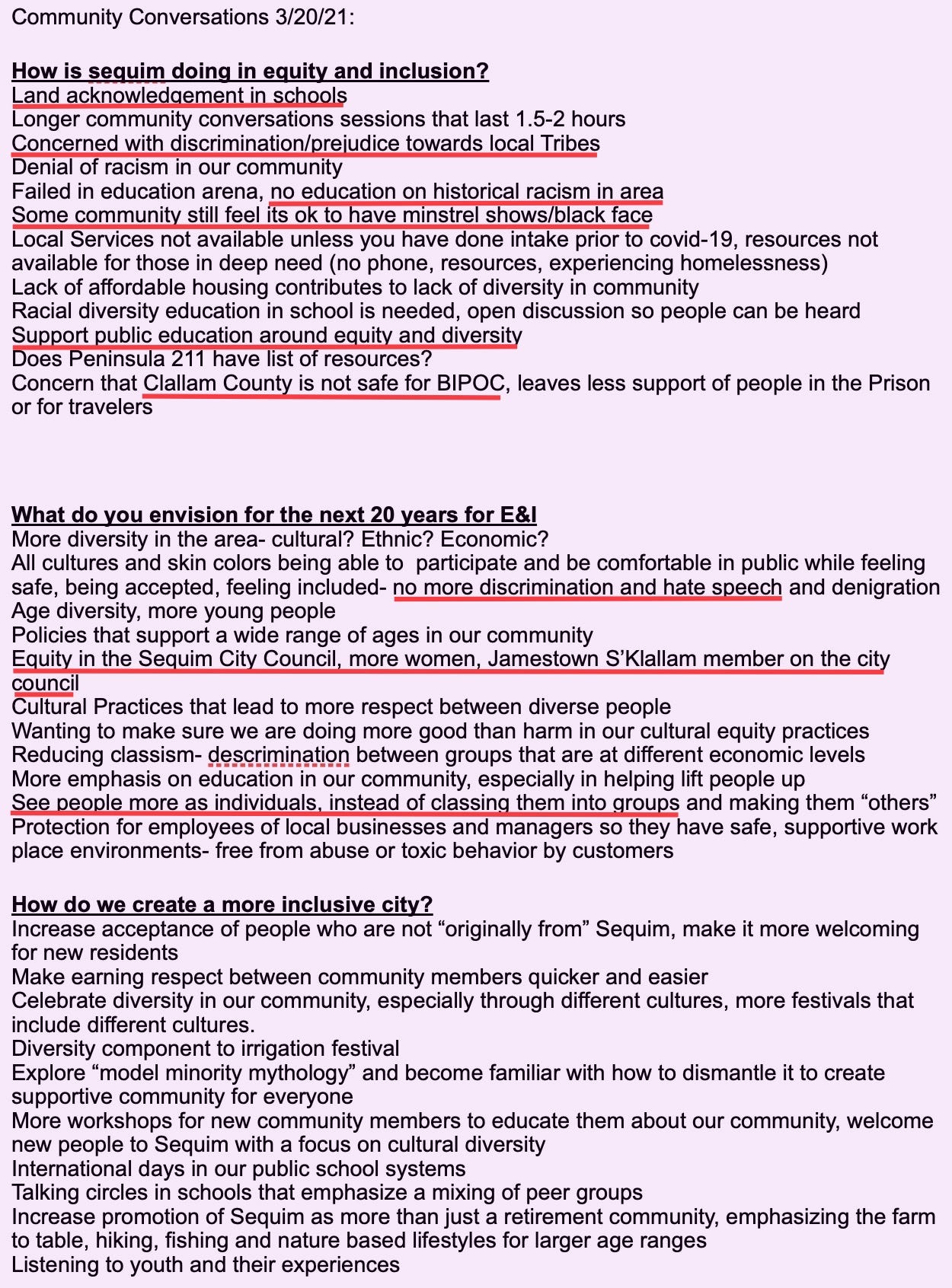
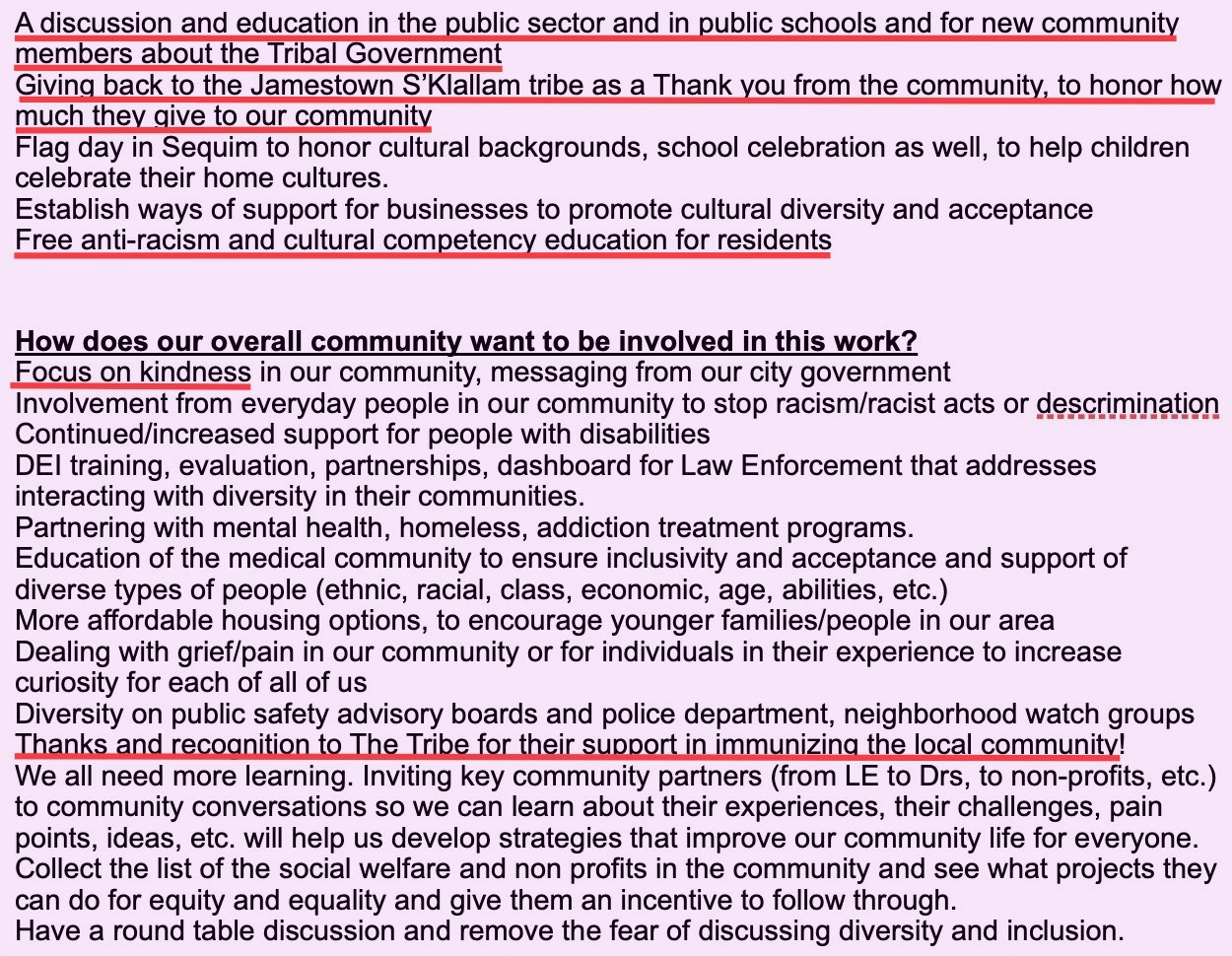
Back in 2021, Sequim launched a series of “Community Conversations on Race, Equity and Inclusion.” On paper, these were open forums meant to gather community input.
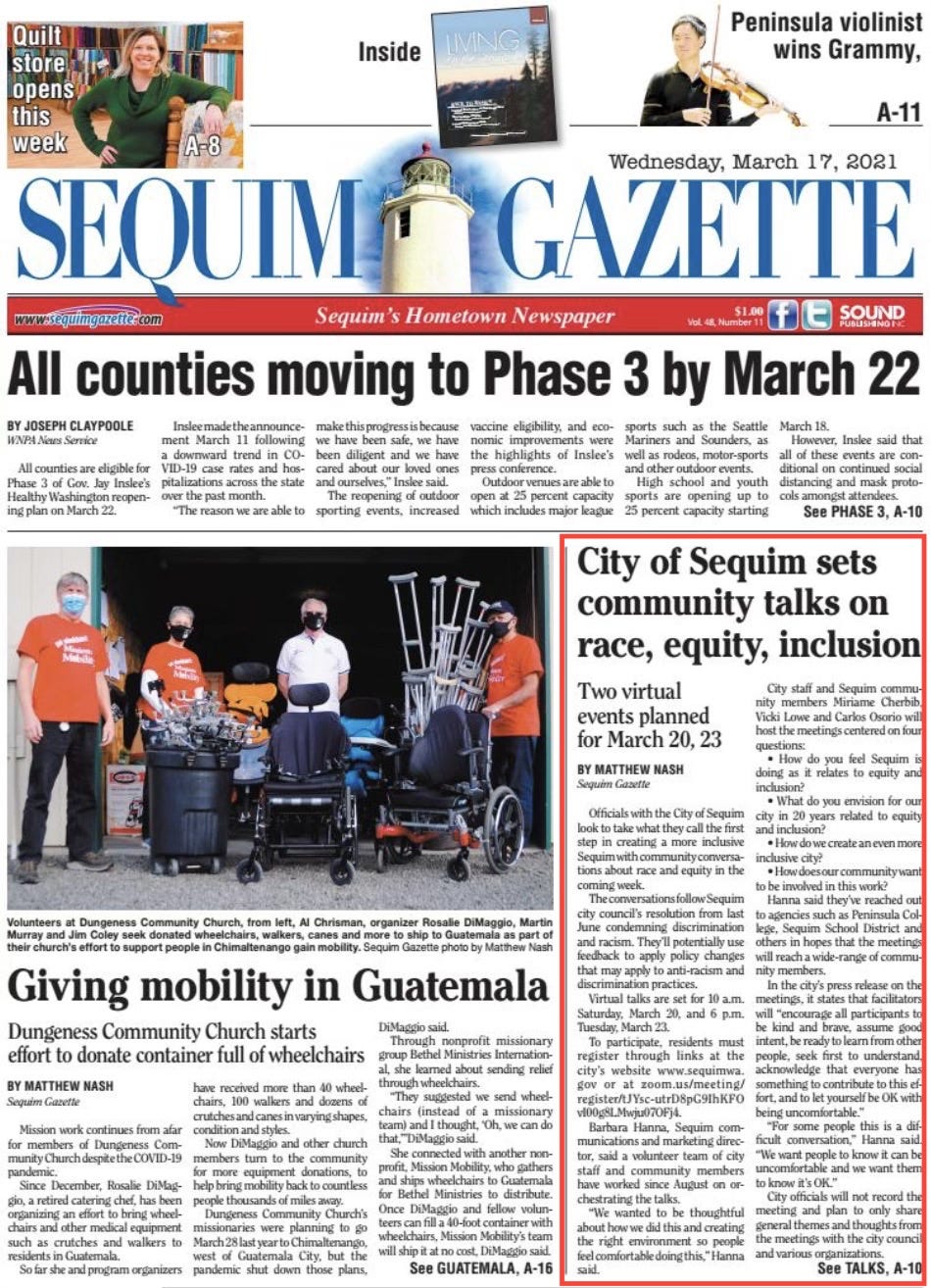
In reality, they were carefully designed, tightly managed exercises—facilitated by Cherbib and a small network of local activists.
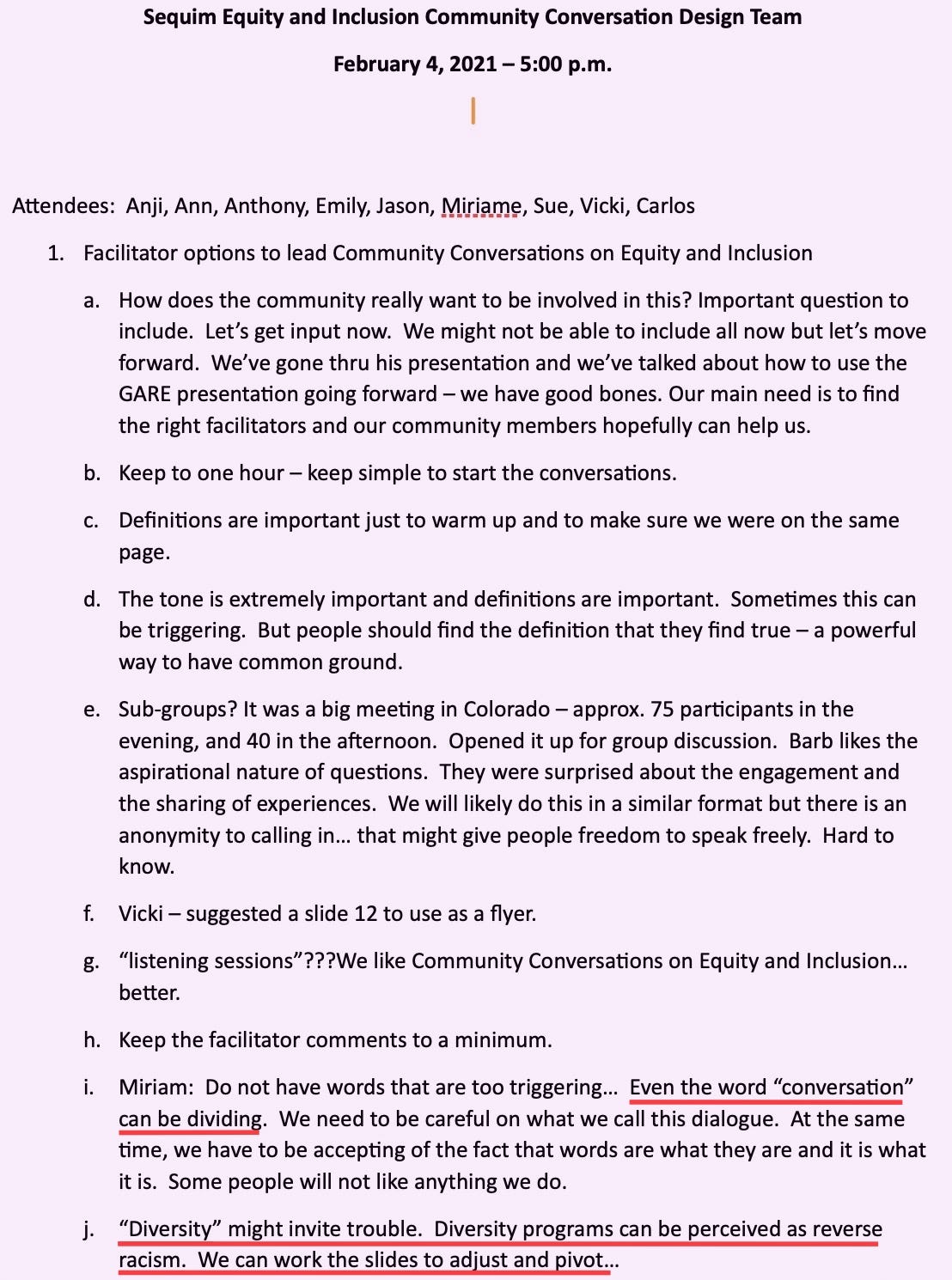
Internal planning documents show the goal wasn’t just conversation—it was control of tone, language, and outcome.
At one point, organizers warned that even basic words might be too dangerous:
“Do not have words that are too triggering… even the word ‘conversation’ can be dividing.”
They worried that using the word “diversity” itself could backfire:
“Diversity might invite trouble… perceived as reverse racism.”
So the solution?
Adjust the language. Pivot the message.
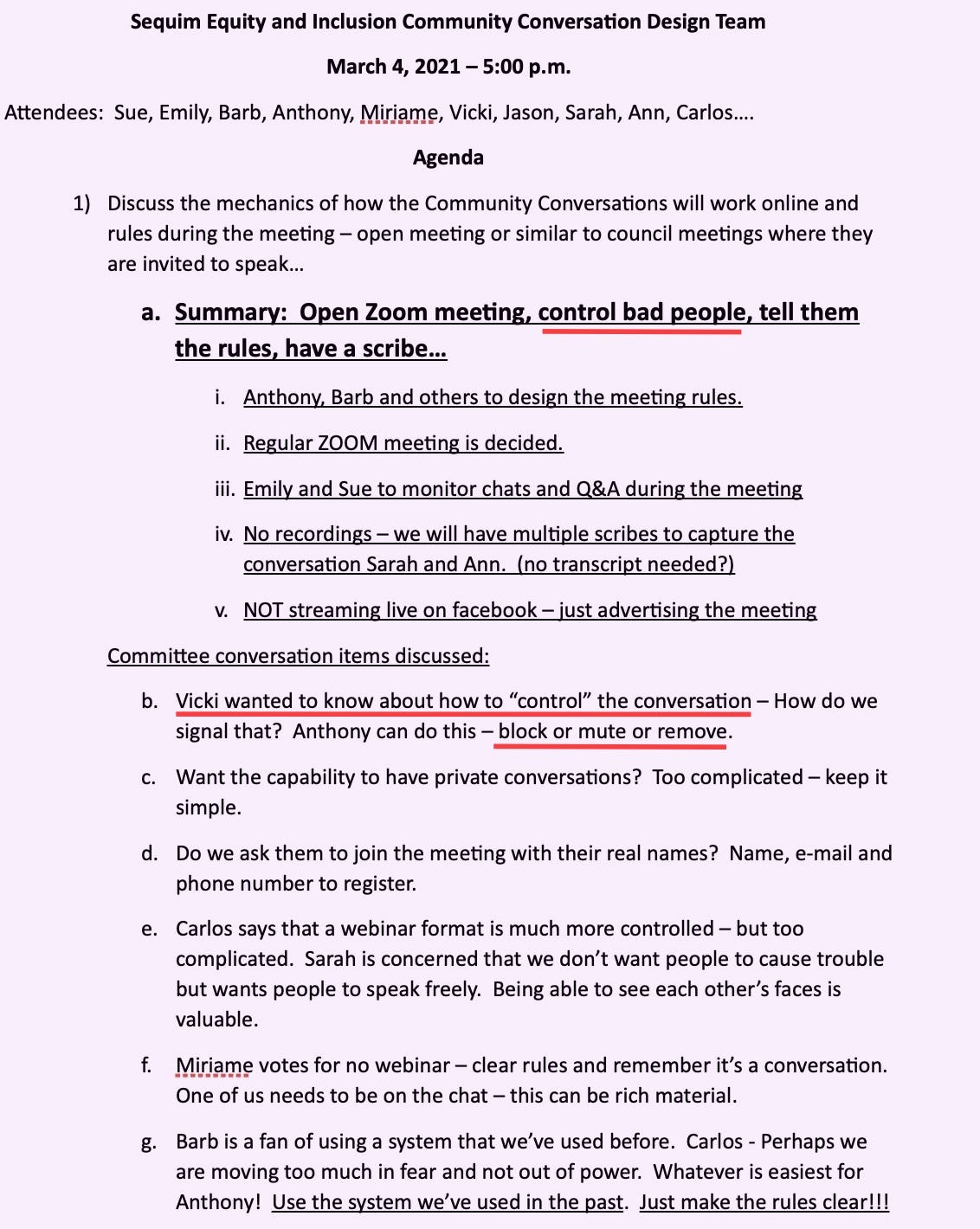
No Recordings. No Transcripts. No Problem.
If this was truly about open dialogue, you might expect transparency.
Instead, organizers made a very deliberate choice:
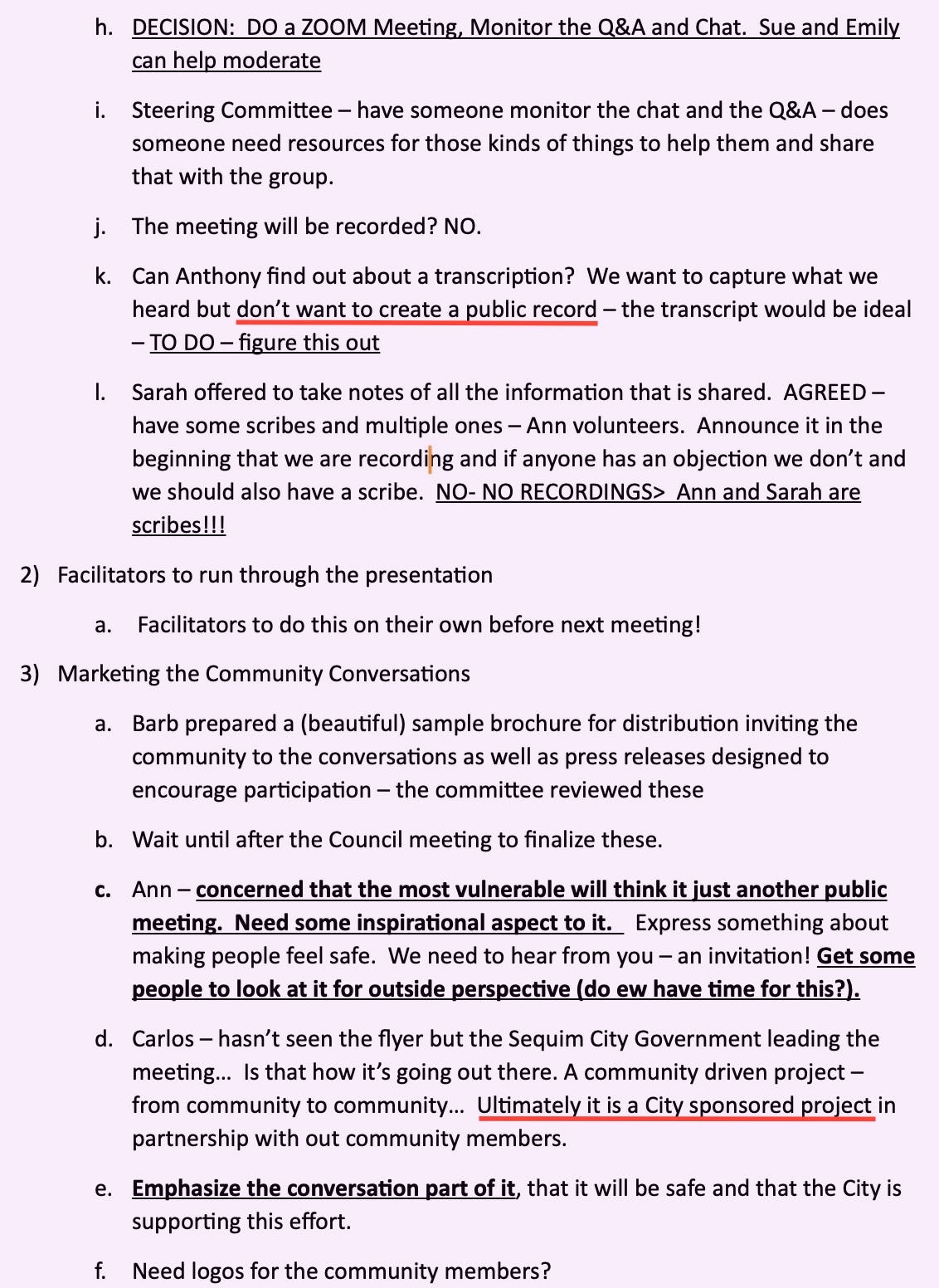
“We want to capture what we heard but don’t want to create a public record.”
No recordings.
No transcripts.
Just curated “themes.”
And if someone stepped out of line?
Discussion included how to “control” the conversation—participants could be “block[ed] or mute[d] or remove[d].”
This wasn’t just a conversation.
It was a managed environment.
What People Were Actually Saying
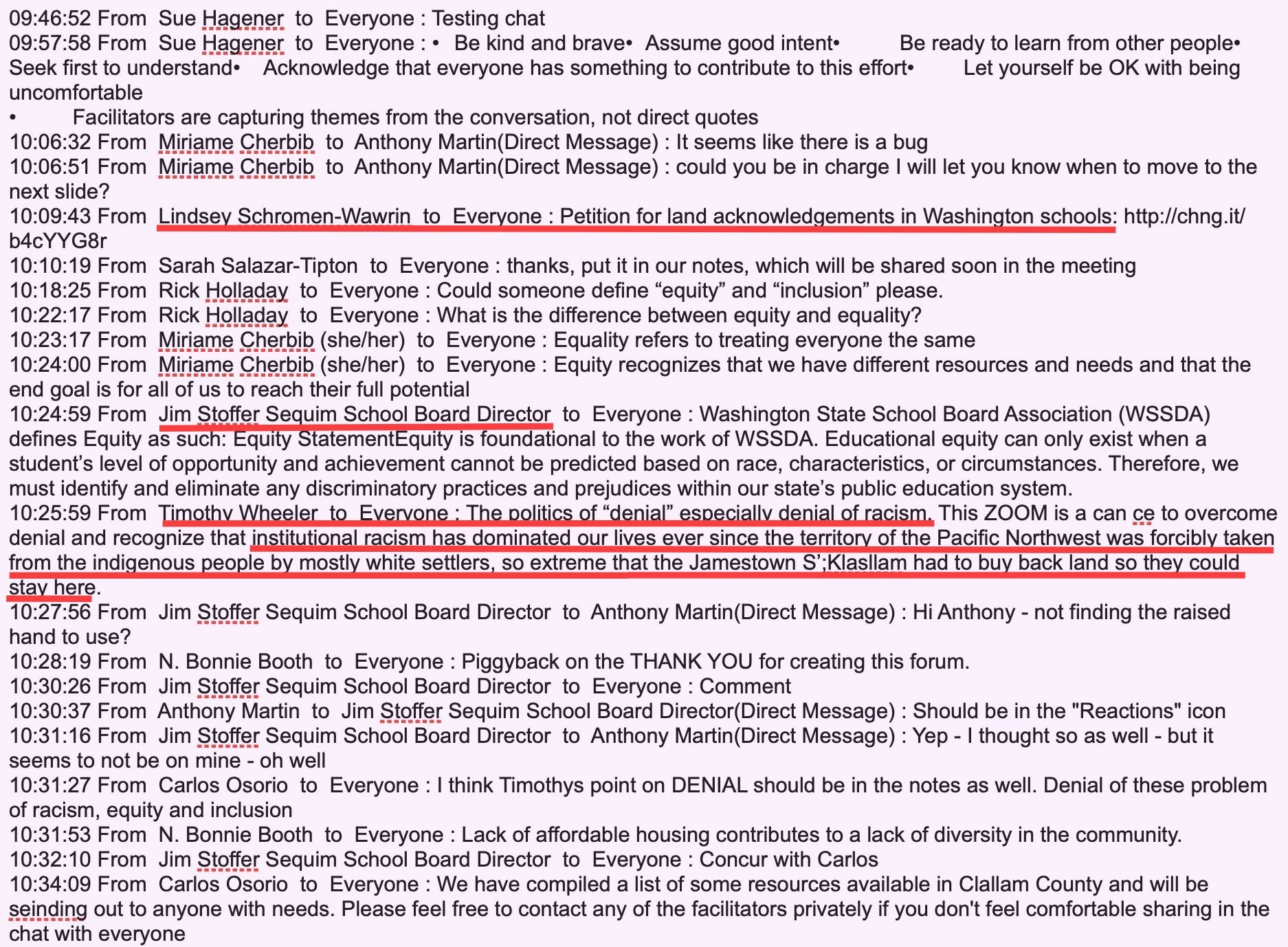
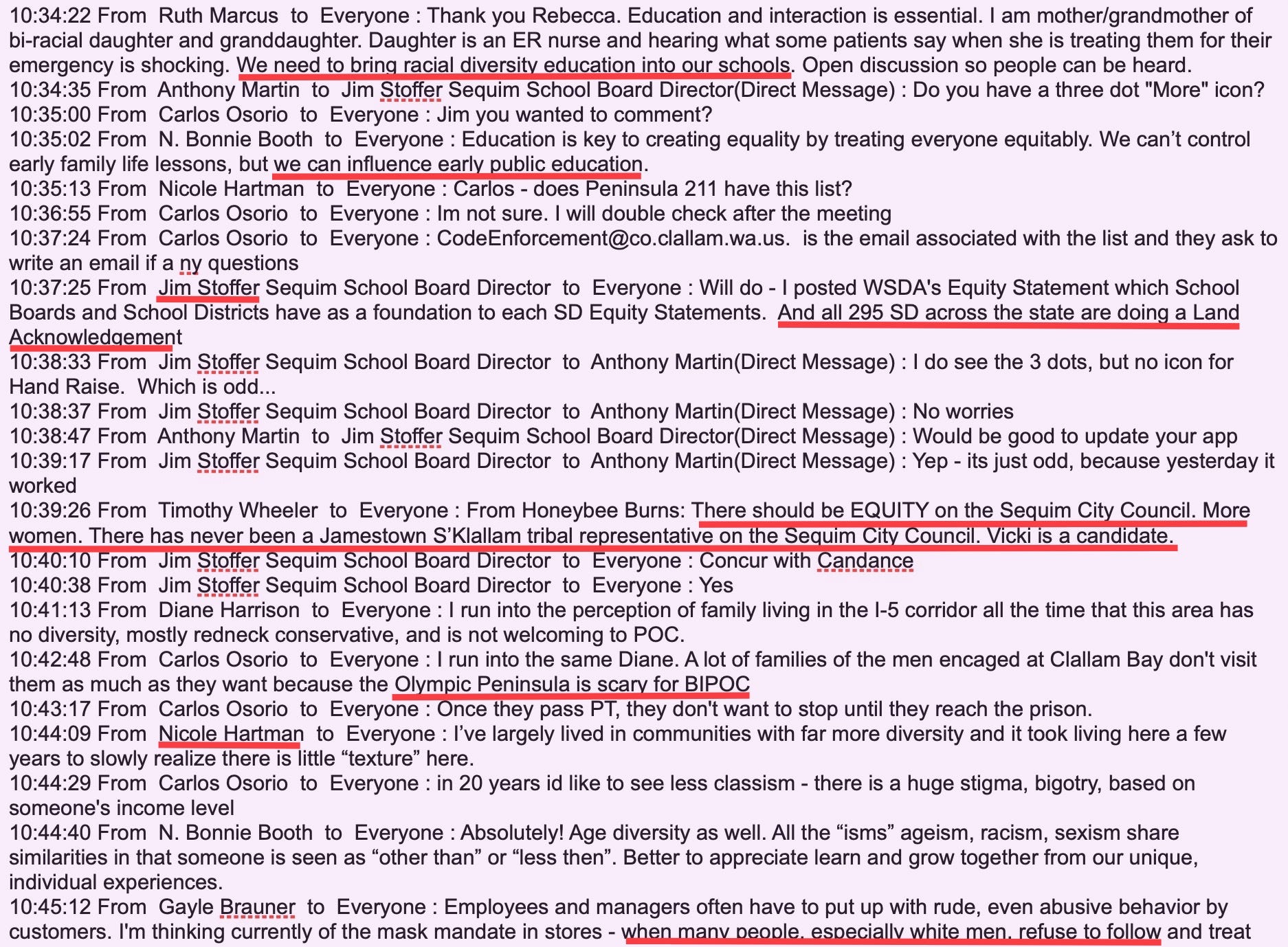
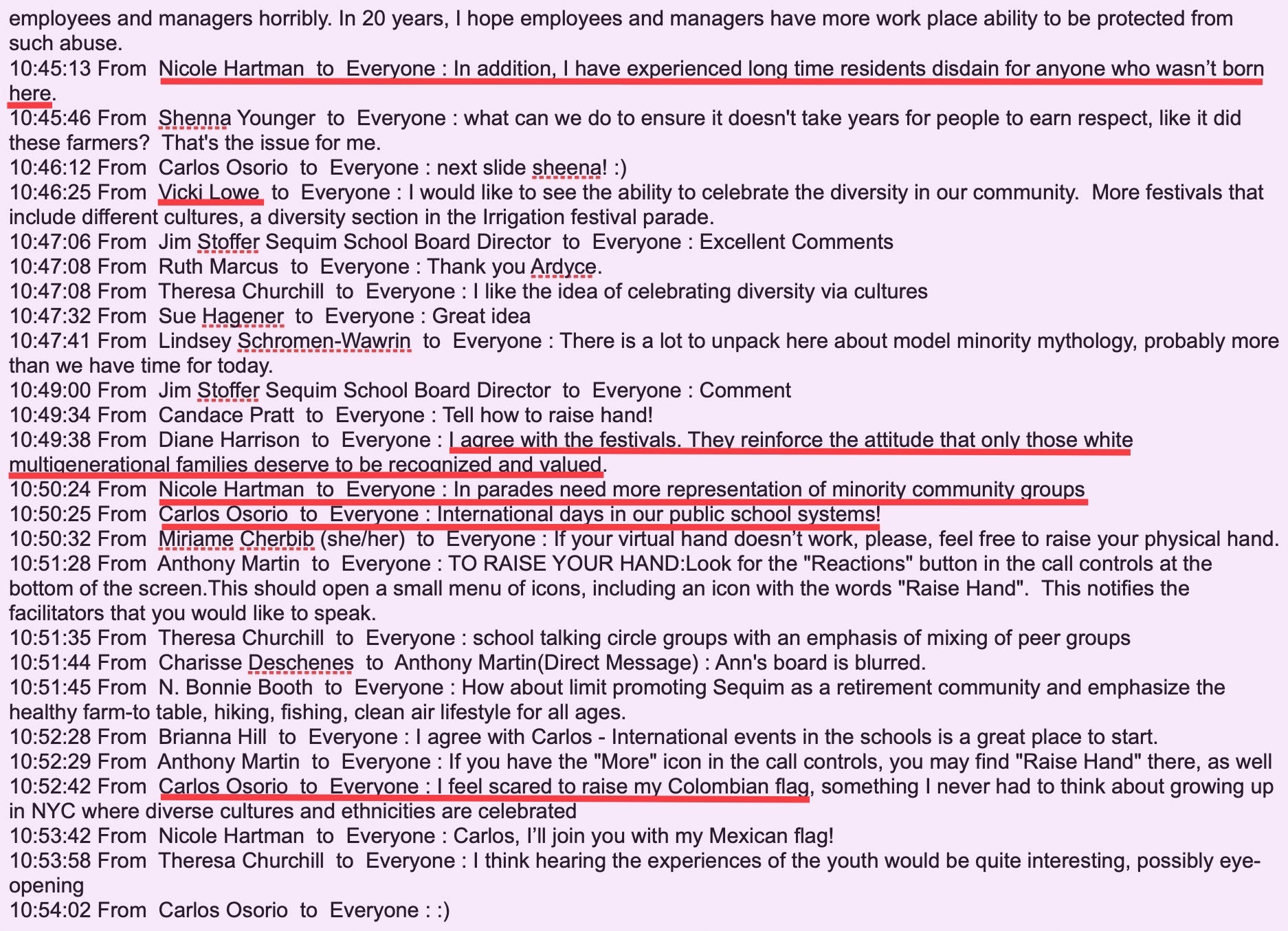
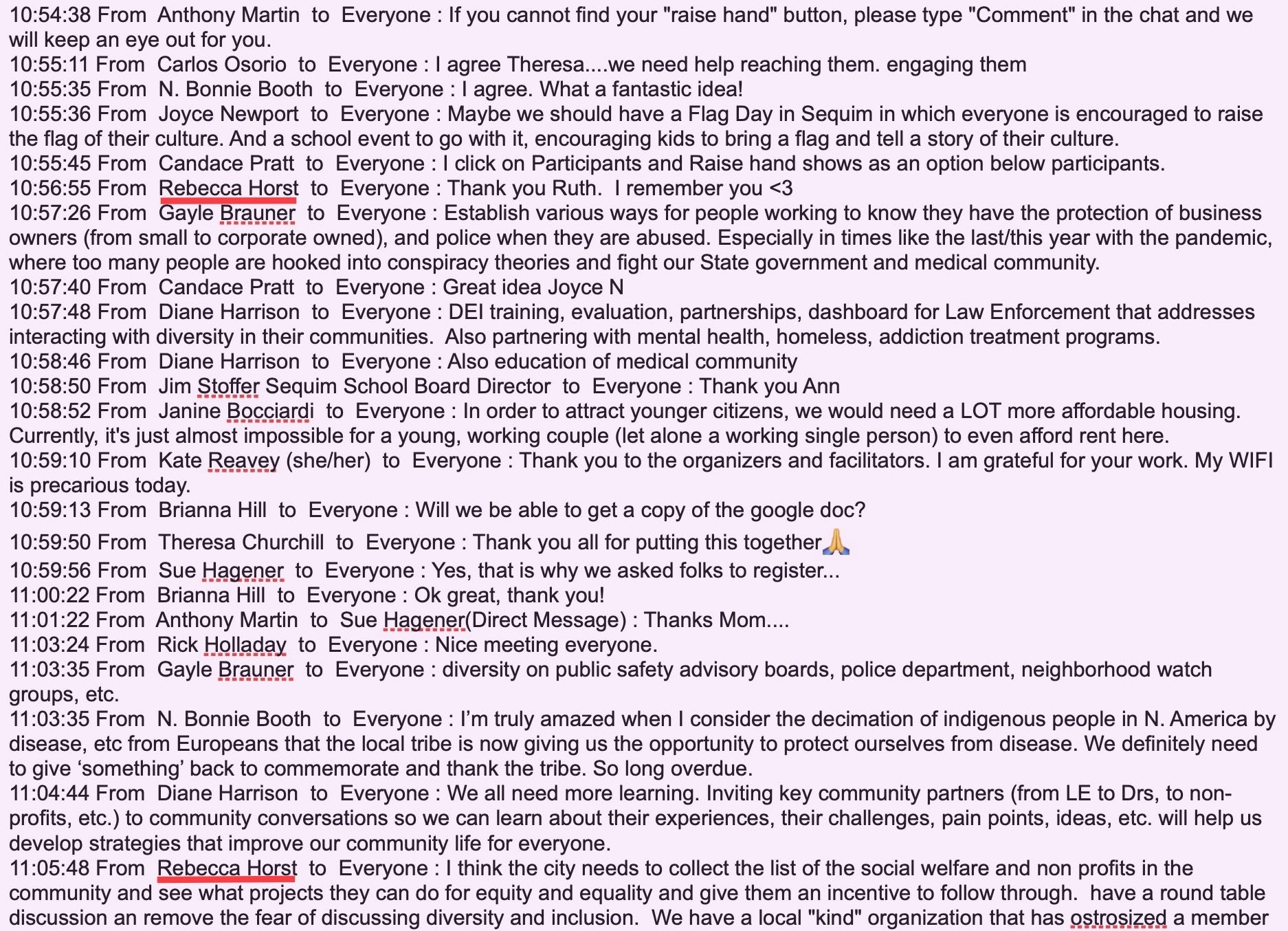
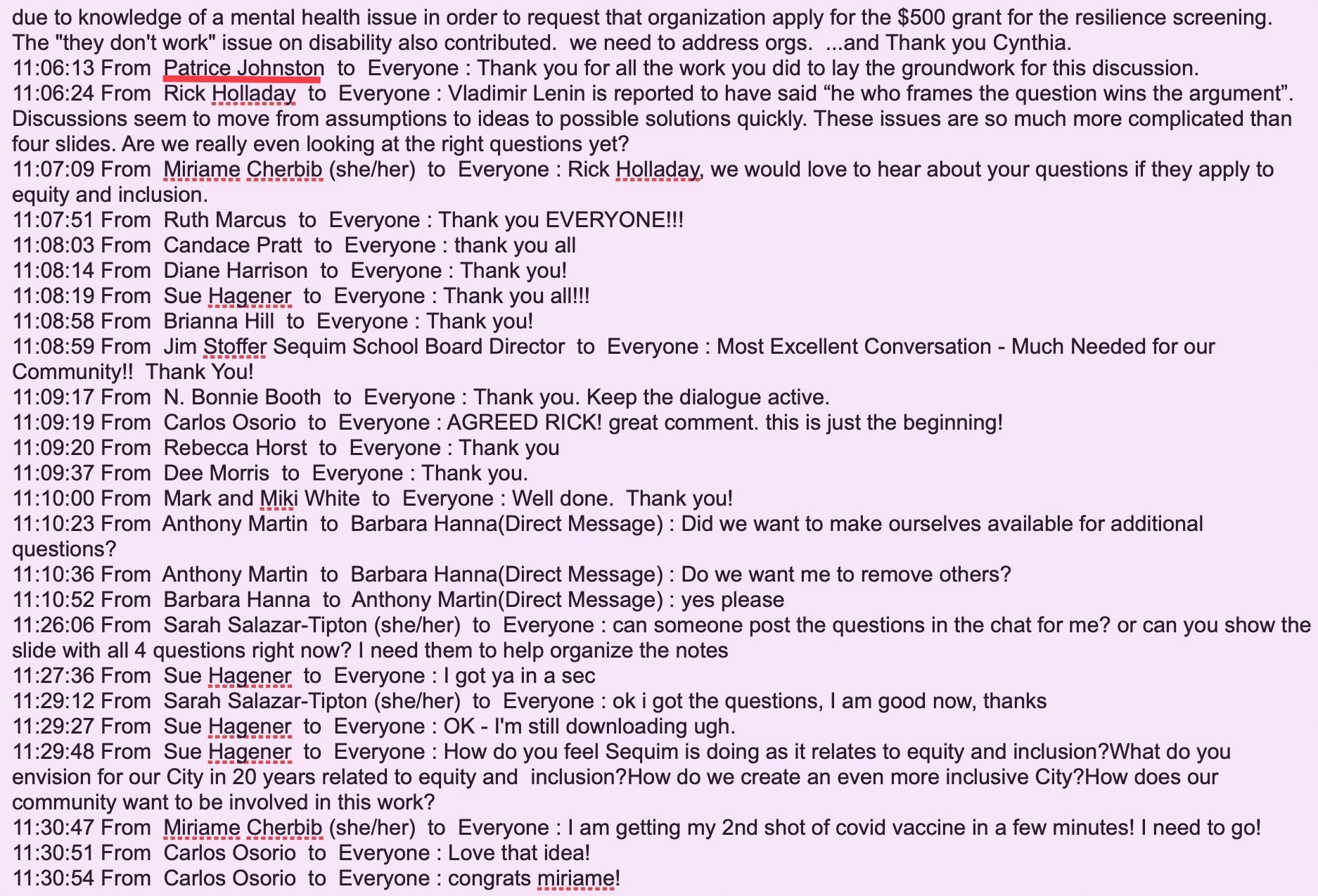
When you look at the raw chat logs and summaries, the tone becomes clear—and it’s not subtle.
Participants described Sequim in stark, sweeping terms:
“Institutional racism has dominated our lives ever since the territory… was forcibly taken…” — Timothy Wheeler
Others painted the region as unwelcoming, even unsafe:
The Olympic Peninsula is “scary for BIPOC.” — Carlos Osorio
Sequim is seen as “mostly redneck conservative, and not welcoming.”
Even cultural life came under scrutiny:
Local traditions “reinforce the attitude that only those white multigenerational families deserve to be recognized.”
And policy ideas followed quickly behind:
Calls for racial representation on city council
Expansion of DEI oversight in public institutions
Anti-racism education in schools and community programs
Government-supported “cultural competency” training
At one point, the conversation turned toward giving back to the Jamestown S’Klallam Tribe:
“We definitely need to give ‘something’ back… so long overdue.”
A Familiar Cast of Characters
These weren’t random residents.
The same names appear again and again:
Jim Stoffer (Sequim School Board member who resigned amidst scandal)
Patrice Johnston (LWV activist and current Sequim School Board member)
Becky Horst (local activist and Nextdoor contributor)
Lindsey Schromen-Wawrin (eco-activist and former Port Angeles City Councilmember)
Tim Wheeler (self-described communist activist)
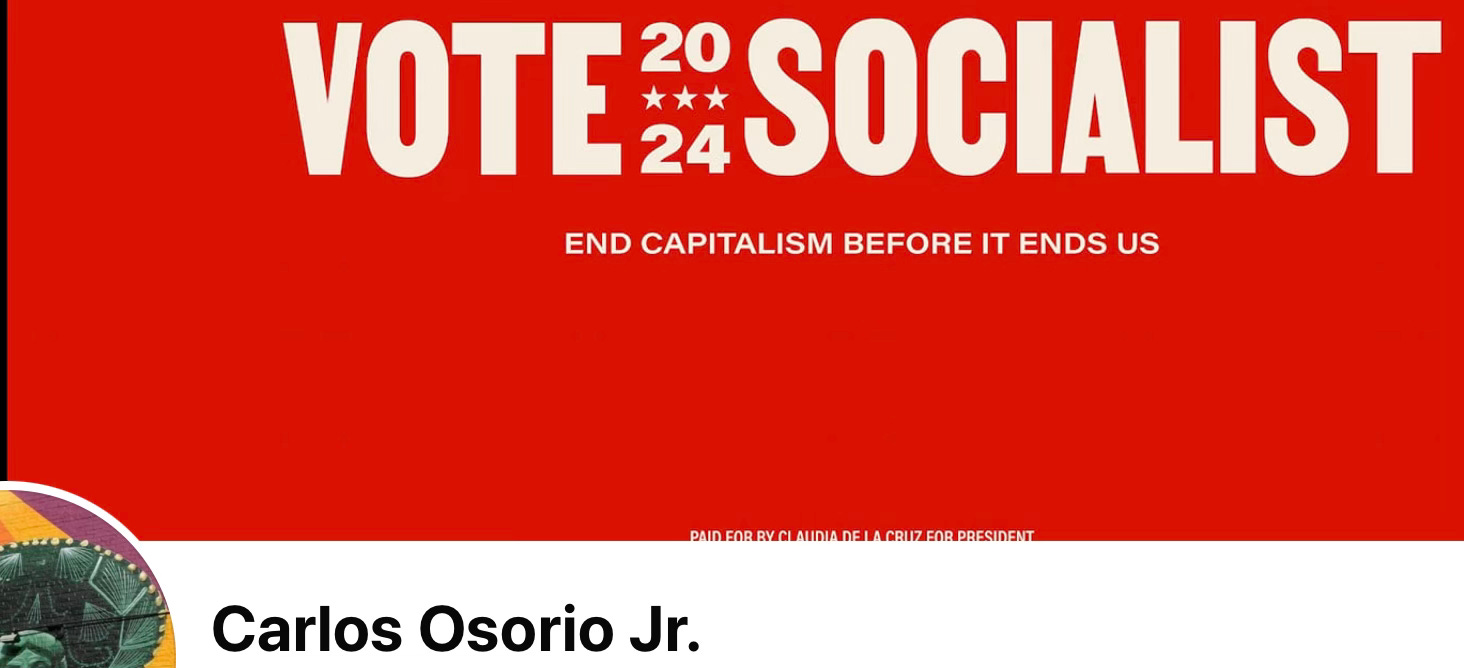
Carlos Osorio (socialist organizer of the forum)
This wasn’t a cross-section of the community.
It was a network of politically engaged participants shaping the direction of public policy conversations.
From Classroom to City Hall to Library Policy
The throughline becomes hard to ignore.
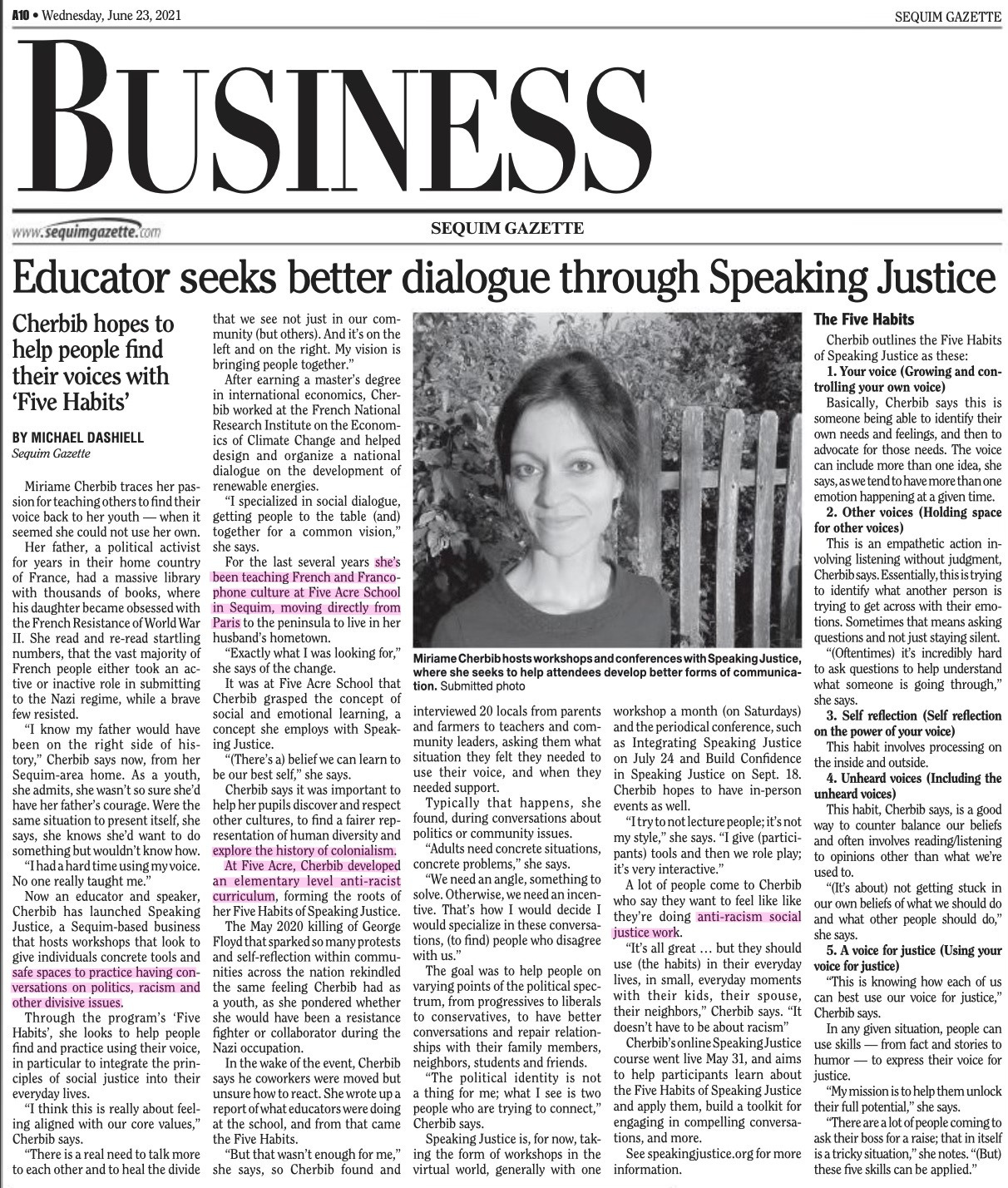
Cherbib:
Developed anti-racist curriculum at Five Acre School
Led city-wide equity discussions
Now consults on library strategy and culture
This isn’t isolated work.
It’s a progression:
Education → Civic engagement → Public policy → Taxpayer-funded institutions
And now, it’s embedded in the very system asking for more money.
Meanwhile, Back at the Library
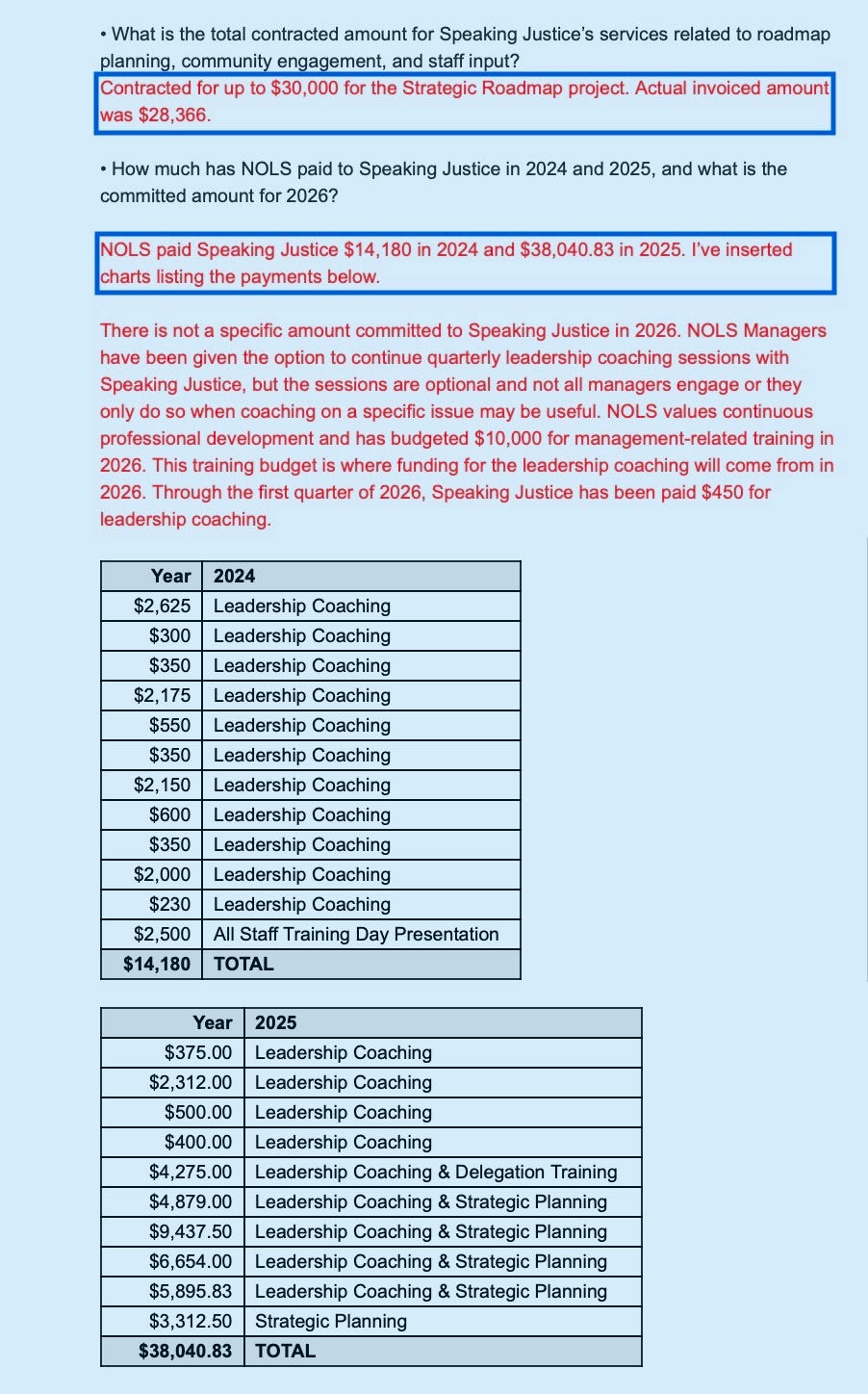
While all of this was unfolding, NOLS:
Spent tens of thousands on DEI consulting
Developed long-term “culture change” strategies
Adopted a formal land acknowledgment
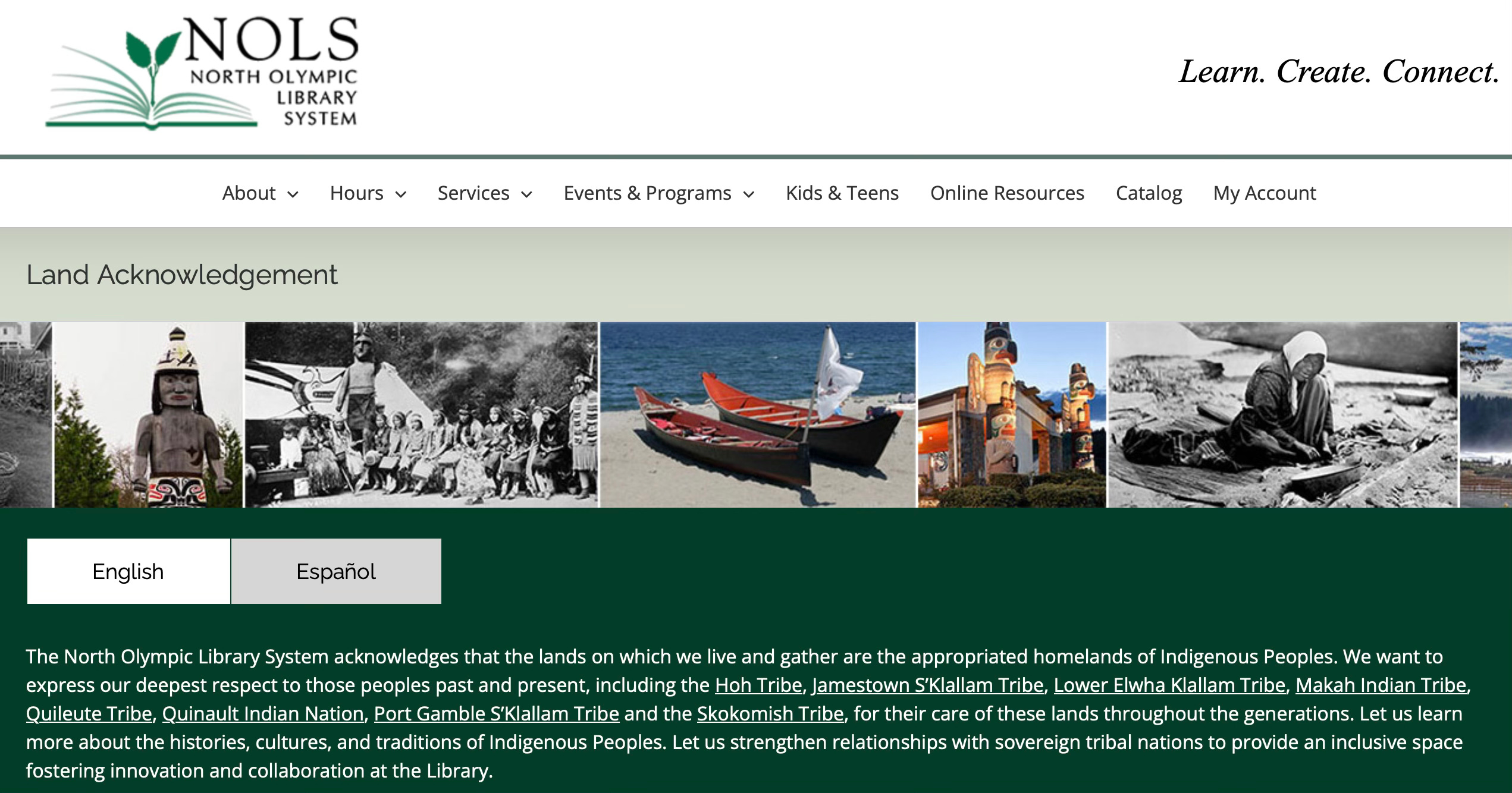
“The North Olympic Library System acknowledges that the lands… are the appropriated homelands of Indigenous Peoples…”
Curiously:
It’s published in English and Spanish
But not in S’Klallam
So What Are Taxpayers Being Asked to Fund?
That’s the real issue.
Not whether conversations about equity should exist—but whether this is the best use of limited public funds, especially while claiming financial distress.
Because the same organization saying:
“We’re running out of money”
“We need $3 million more”
…has already invested heavily in a very specific ideological framework—one that includes:
Managed conversations
Controlled narratives
Selective documentation
And policy recommendations rooted in activist perspectives
The Bottom Line
Before voters approve a $3 million tax increase, they deserve clarity.
Not slogans.
Not warnings.
Not curated summaries.
Just a simple, direct answer:
Did this spending serve the public—or reshape the institution?
Today’s Tidbit
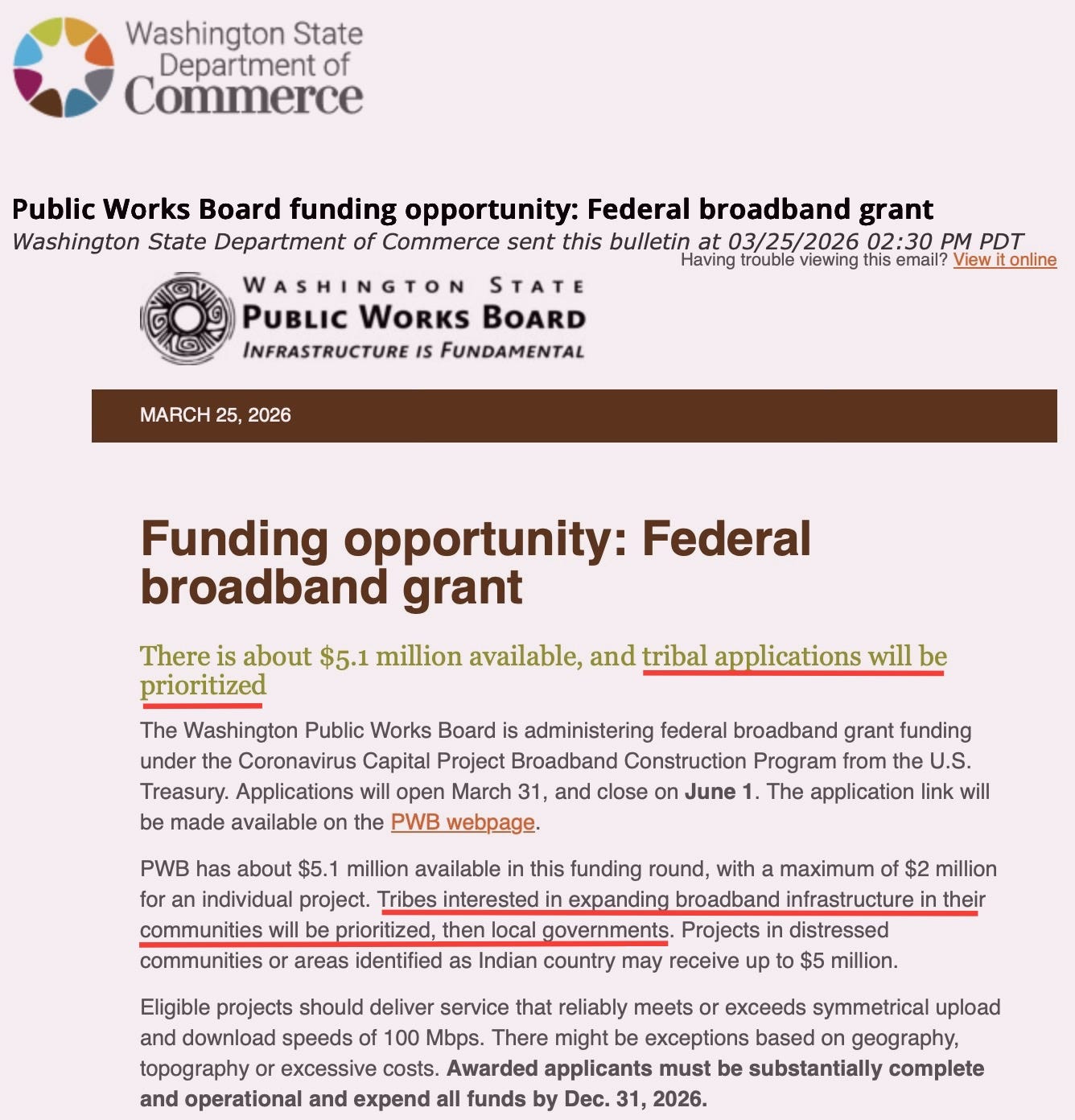
The Washington State Department of Commerce recently highlighted a funding opportunity through the Washington State Public Works Board—backed by taxpayer dollars—that will distribute $5.1 million for broadband expansion.
For rural counties like Clallam County, where reliable internet access is still limited in many areas, that kind of investment could be significant.
But there’s an important detail in how the funding is structured:
Applications are prioritized, with Tribal governments eligible first, followed by local governments and other applicants.