


A vandalized roadside sign, a former state representative’s truck struck by gunfire, and public comments minimizing property destruction all point to the same unsettling trend: in Clallam County, political disagreement is increasingly crossing the line into damaged property, intimidation, and shrinking tolerance for opposing views.
A sign on Highway 101 — and what it represented
Members of the local chapter of the John Birch Society placed a sign along U.S. Route 101 just east of Blyn. The message was simple and unmistakable: encourage the United States to withdraw from the United Nations.
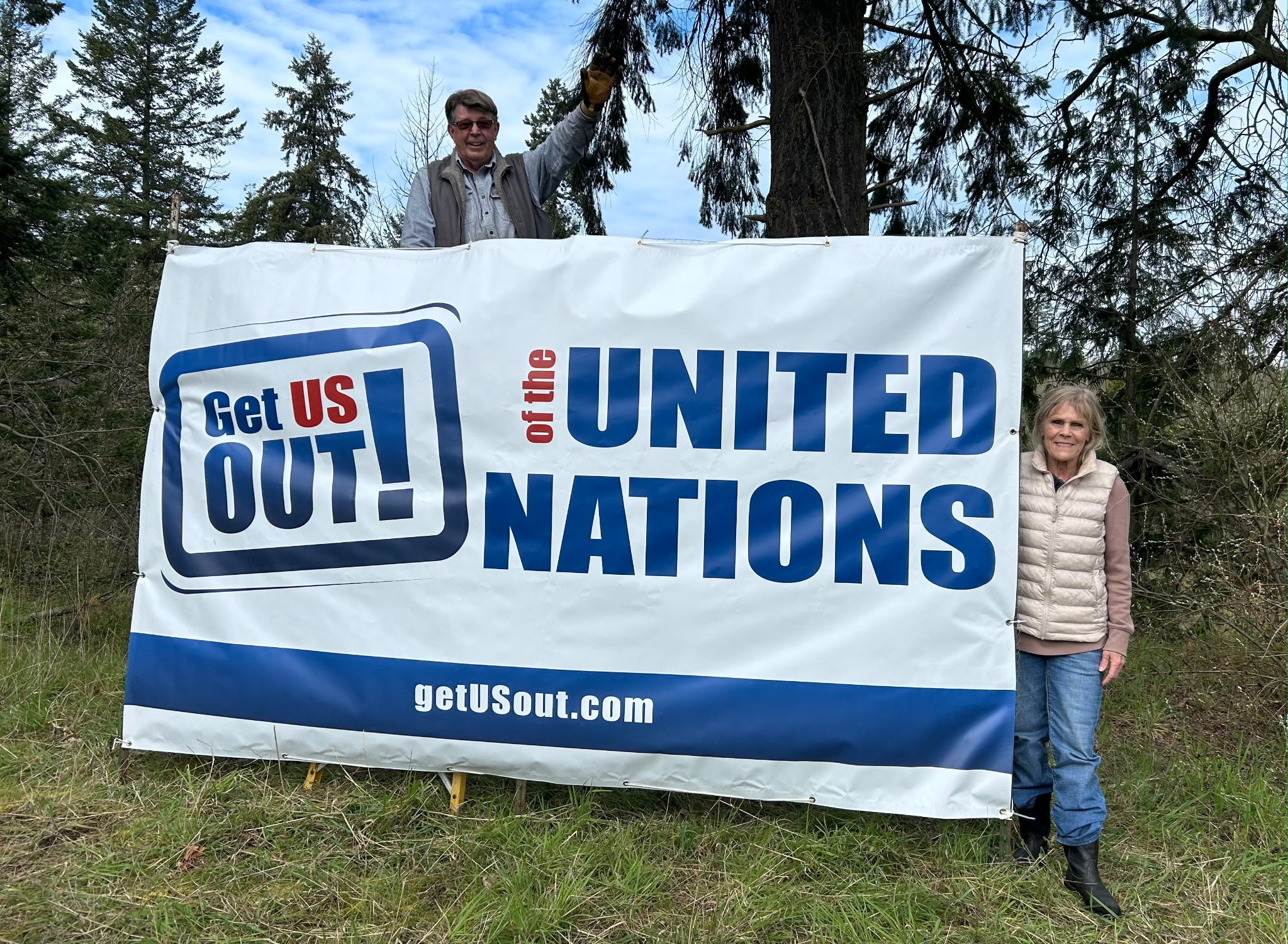
The sign was highly visible to drivers. Whether residents agreed with it or strongly opposed it, the sign reflected a long-standing political position held by the John Birch Society.
In brief, the organization argues that U.S. membership in the United Nations threatens national sovereignty. It views the UN Charter as a framework for expanding international governance, criticizes policies such as Agenda 21/2030 and international arms agreements, and contends that the UN could evolve toward a form of centralized global authority. Those are the organization’s views — controversial to many, but undeniably part of the political debate.
The sign was destroyed
Last month, the sign was not merely slashed — The entire center section was cut out and removed.

This was not a rebuttal, a counter-sign, or a public argument. It was the destruction of someone else’s property.
The sign was located on private property, not public land. In a free society, people have the right to express political opinions — even unpopular opinions. Others have the right to disagree, criticize, protest, or argue against those opinions. They do not have the right to destroy private property because they dislike the message.
A former legislator reports gunfire damage
Jim Buck represented Washington’s 24th Legislative District from 1995 to 2007. Though retired from elected office, he has continued writing about timber harvests and the impact of forest-management disputes on local taxing districts.
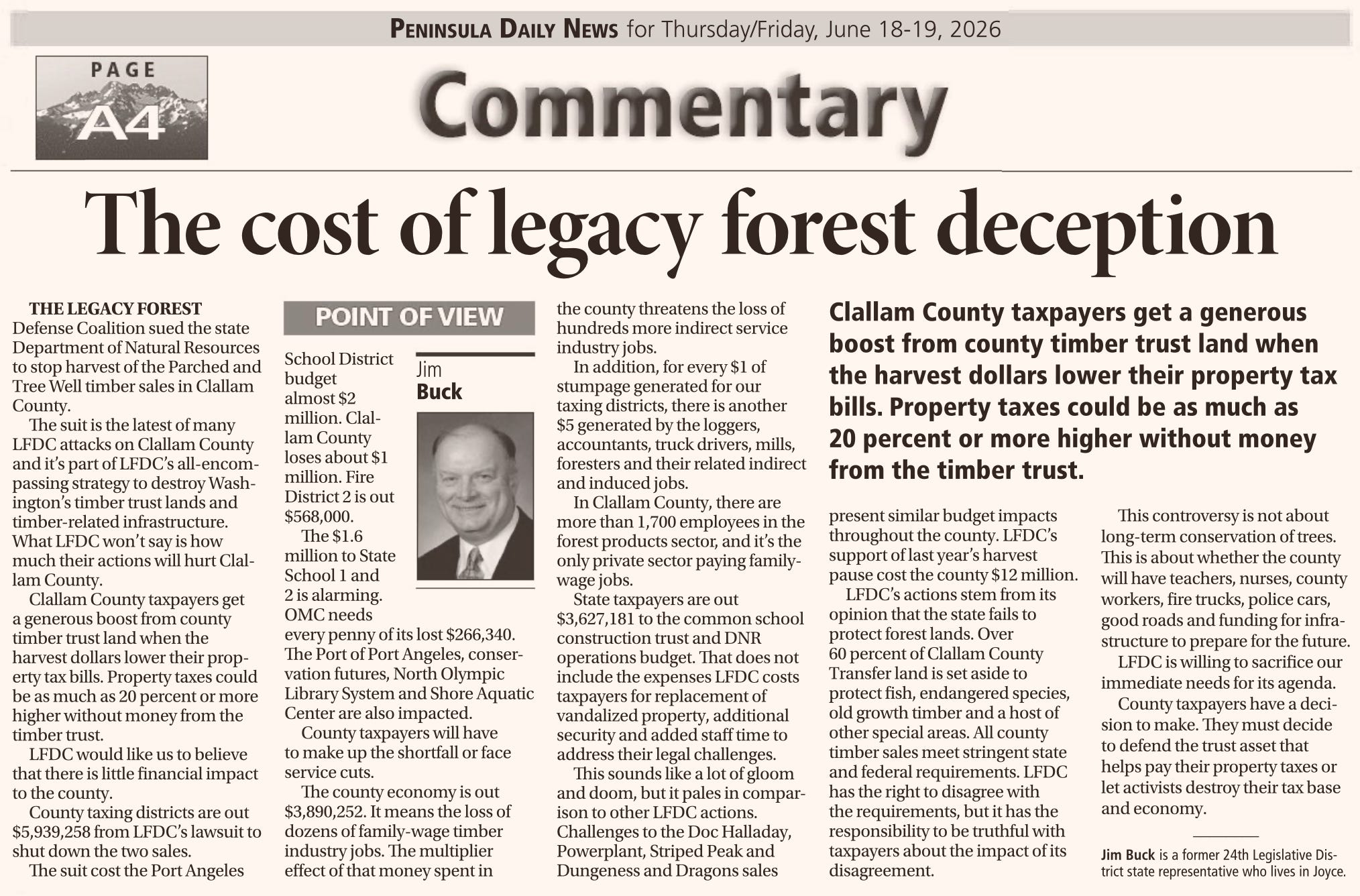
In a recent email, Buck described visiting timber sale areas near Monroe Road and Colville Road while researching the issue. During that visit, he reported that his vehicle was struck by gunfire.
“The bullet smashed a pickup canopy window on the passenger side, passed through the truck and smashed the driver-side window on exit. It missed Donna by 6 feet.”
Hello,
I have been working on providing you with authoritative source documentation explaining the impact Legacy Forest Defense Council actions are having on Clallam County taxing districts and taxpayers. My work involves extensive research. It also involves visits to timber sales to get “the lay of the land.” On Friday, July 10, I visited the Bakers Dozen sale on Monroe Road and than looked at the general layout of the Power Plant sale on Colville Road.
During the visit to Colville Road my vehicle was struck by gunfire. The bullet smashed a pickup canopy window on the passenger side, passed through the truck and smashed the driver-side window on exit. It missed Donna by 6 feet. We did not hear the shot but did recall a crunching sound that turned out to be the breaking safety glass. Pictures are attached.
Picture 1 shows the view from the passenger side of the truck. Picture 2 shows what is left of the round bullet hole. Magnification of the picture shows a sawtooth effect on the outside of the glass called spalling. It is the splatter formed on impact as the bullet ejects some material outward before it penetrates the glass.
I filed a police report with the sheriff. I’ll get the broken glass cleaned up and replaced. I’ll continue to present you with authoritative information about Legacy Forest interference with your county trust assets and tax base. I expect all of you to repudiate this violence and DEMAND a civil discourse on the issues we face.
Finally, if you have any information about this incident, contact the sheriff.
Jim Buck


Buck said he filed a report with the sheriff and asked anyone with information to contact law enforcement.
There is an important distinction here: no one should assume motive or assign blame without evidence. But the incident, as described, is far more serious than ordinary political disagreement. A damaged sign is troubling; a vehicle struck by gunfire is alarming.
When destruction becomes easier to excuse
These incidents raise a broader question about the political climate in Clallam County.
Before taking office as county commissioner, Mike French wrote publicly on Facebook:
“My position is, property destruction is not only fine, it’s usually the only way we’ve ever seen actual change happen…”
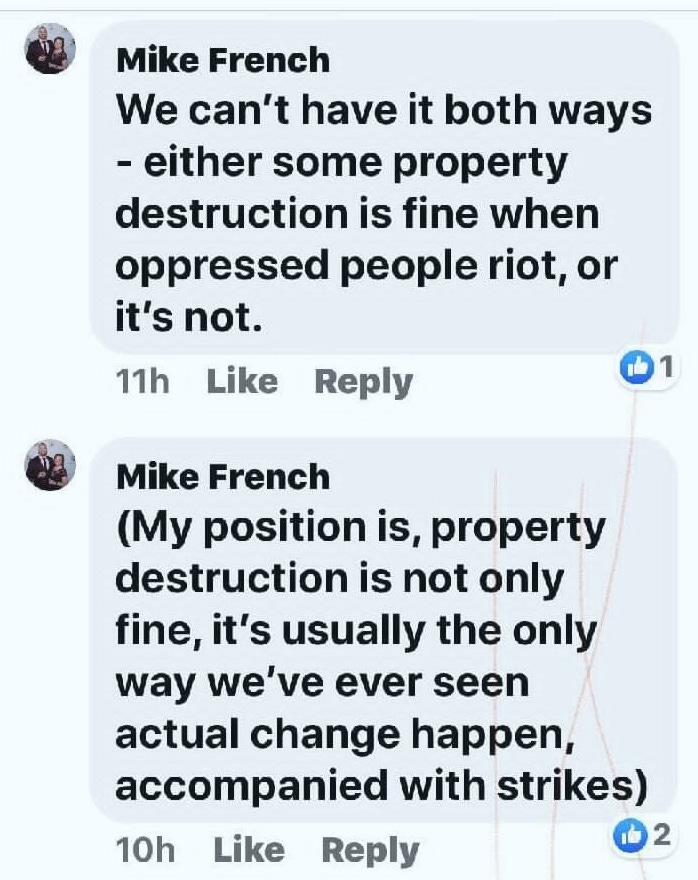
After the comment resurfaced, French later explained that he was referring to historical protest movements, including the Boston Tea Party. He argued that some property destruction during periods of political unrest may be understandable or forgivable, and that human life should always be valued above property.
I believe it was a Facebook conversation from 4-5 years back, and the point I was making was that throughout American history some amount of property destruction has been acceptable (and if not acceptable, understandable or forgivable) during periods of political unrest/protest. The Boston Tea Party is of course the quintessential example - a moment of protest that we celebrate as a country that was in reality wanton property destruction. Our country was built on the premise that the people should be able to protest their rulers, and I do not believe that property destruction categorically discredits a political protest - obviously there’s a line somewhere between a protest and a riot, but in the moment that’s sometimes a hard line to draw. It’s much easier in hindsight.
My secondary point was about the difference between harm to humans and harm to property - we should always value human life above property (not to say that we shouldn’t value property or protect property rights, just that human life is innately more valuable).
Mike French
Clallam County Commissioner
That clarification is worth noting. But it is also worth noting that he did not retract the underlying premise: that property destruction can, in some circumstances, be an acceptable or understandable part of political protest.
Reasonable people can debate history. They can debate where the line is between protest and riot. What is harder to debate is the effect of normalizing destruction in present-day civic life. Once people begin to believe that damaging property is a legitimate form of political expression, the line tends to move.
The smaller acts matter too
Not every example involves gunfire or major vandalism. But the smaller acts contribute to the same atmosphere.
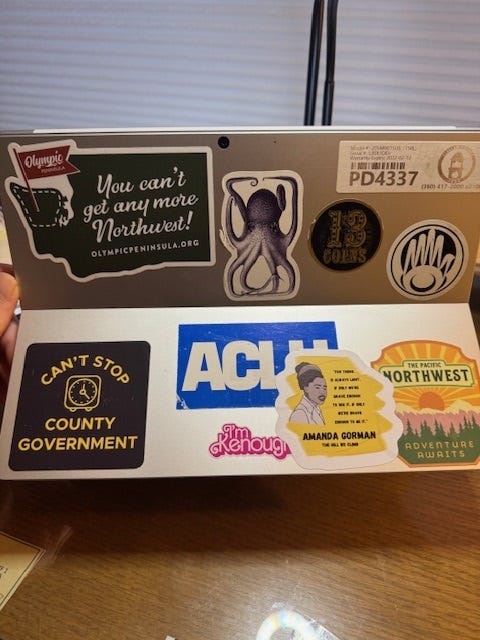
County commissioners have placed stickers on government-owned laptops. Commissioner French has described it as “fun,” and Commissioner Mark Ozias has defended it as free speech. Yet those laptops are public property purchased by taxpayers. Eventually, someone else must remove the stickers.
Stickers reading “Jeff Tozzer hasn’t worked a day in his life” continue to appear around Sequim and Port Angeles. The phrase itself does not bother me. What bothers me is that business owners, city employees, and private citizens are left to scrape them off walls, windows, and other property.
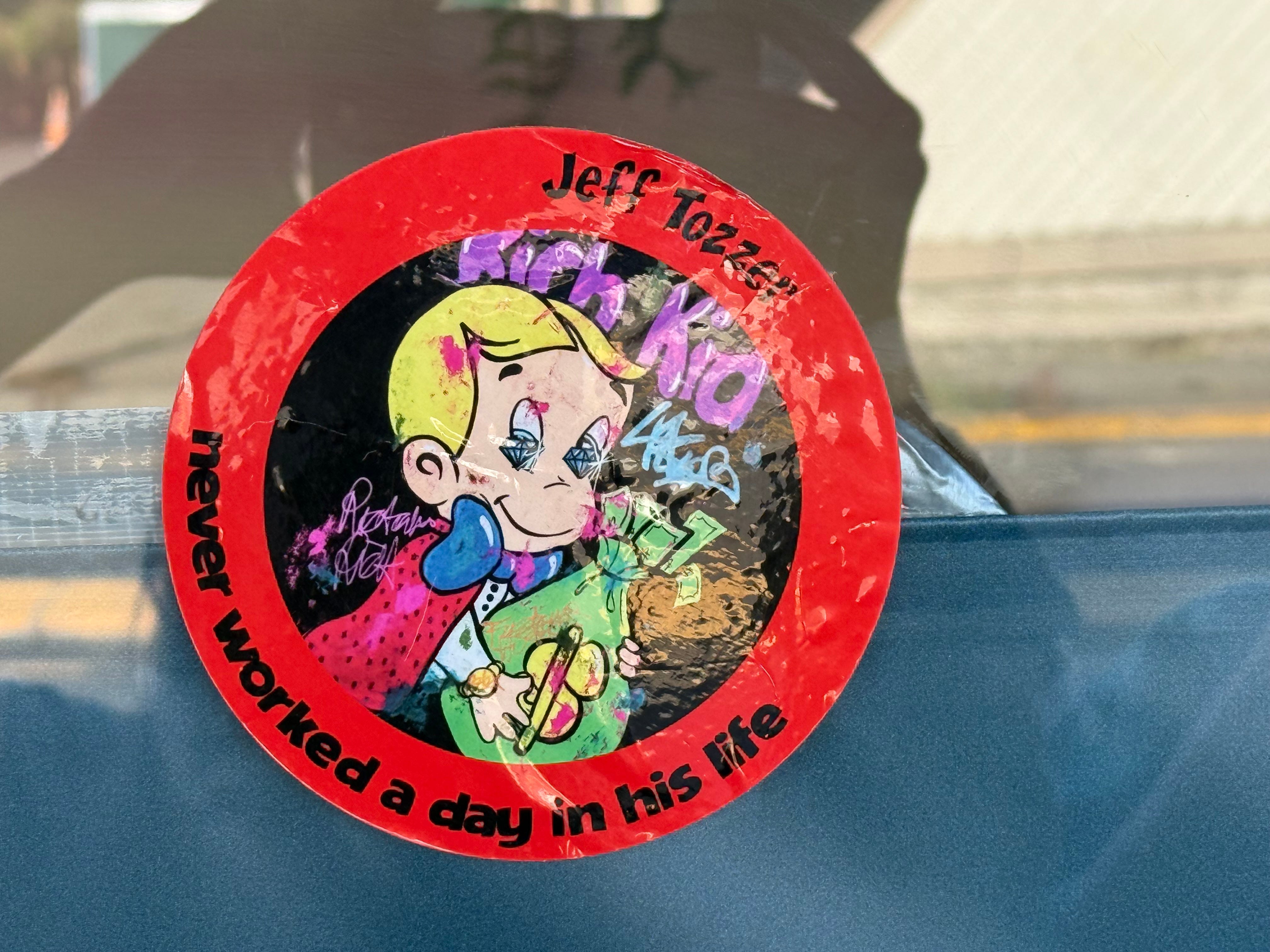
According to statements from Indivisible, which is backed by the League of Women Voters, more stickers are coming.
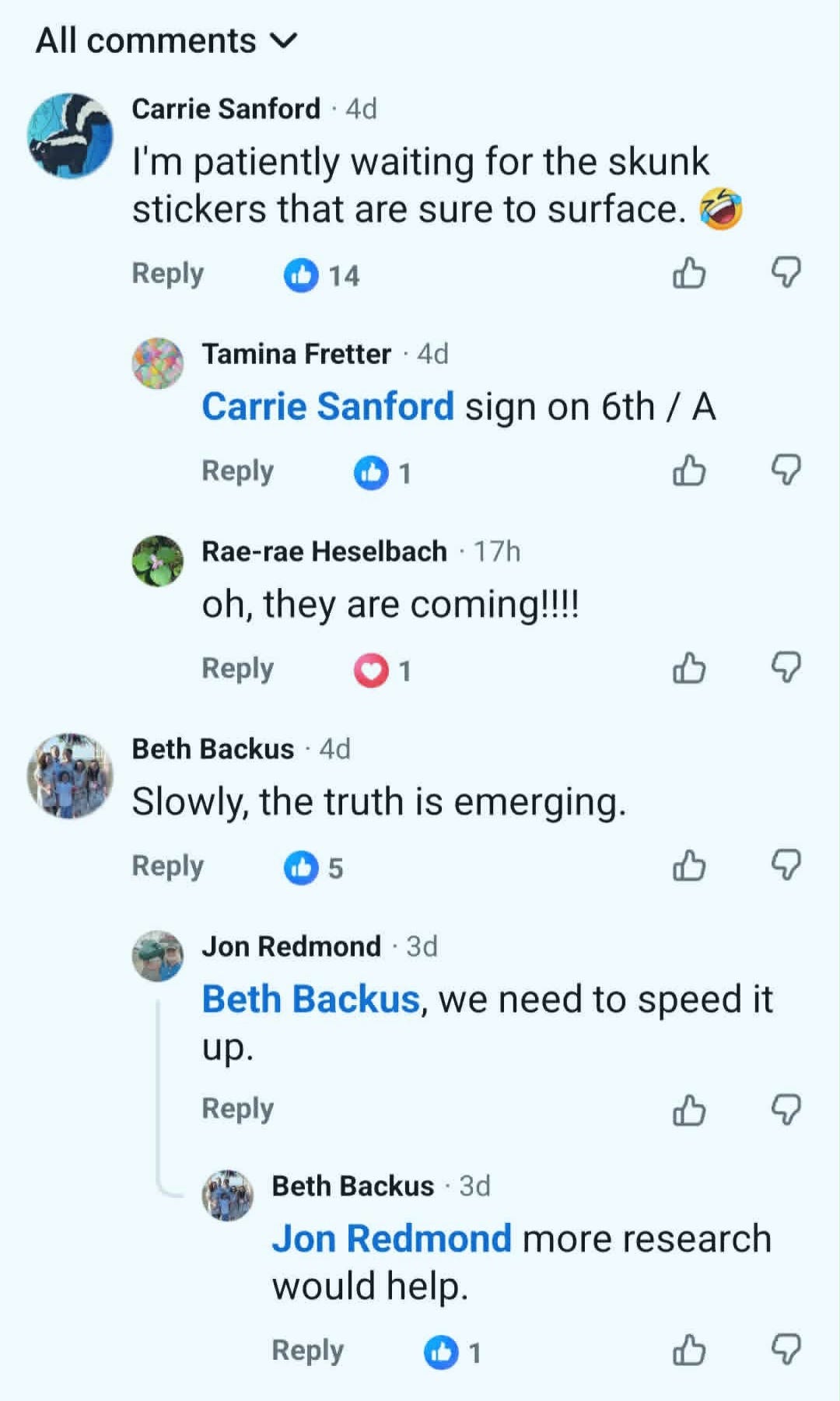
Again, the issue is not disagreement. The issue is shifting the burden of cleanup onto other people.
A pattern without consequences
This county has also seen highly publicized acts of vandalism on public land. Members of a group known as “The Troublemakers” were filmed by the Seattle Times causing thousands of dollars in damage. Yet key individuals associated with that group have remained in leadership and community-facing roles.
Tim Wheeler and Lisa Dekker remain in leadership positions within the Democratic Party. Keith Dekker was recently featured on community radio with the Master Gardeners program.
The message this sends — whether intended or not — is that property destruction may not carry meaningful social or civic consequences if it is connected to the “right” cause.
A county that can still choose civility
It is perfectly acceptable for residents to disagree about the United Nations, timber harvests, environmental activism, county policy, elections, or any other public issue.
Healthy disagreement is not a problem. In fact, it is one of the strengths of a free society.
What is not healthy is a culture in which opposing views are met with vandalism, intimidation, or applause for property destruction. A democracy depends on the ability to argue without destroying, protest without threatening, and disagree without treating opponents as enemies.
Clallam County feels less tolerant than it did a few years ago. The temperature does seem to be rising. And when property destruction is excused, minimized, or celebrated in the name of societal change, the people who pay the price are often ordinary residents — business owners, taxpayers, volunteers, and neighbors.
We do not need everyone to agree. We do need everyone to accept that political disagreement ends where destruction begins.
Today’s Tidbit: OMC Board Meets In Sequim Tonight
If you’re a Sequim resident who has wanted to follow what’s happening at Olympic Medical Center but don’t want to drive to Port Angeles, tonight is your opportunity.
The Olympic Medical Center Board of Commissioners is holding its twice-monthly meeting in Sequim from 6:00–7:00 p.m. at the Medical Services Building, 2nd Floor Conference Room, 840 N. 5th Ave.
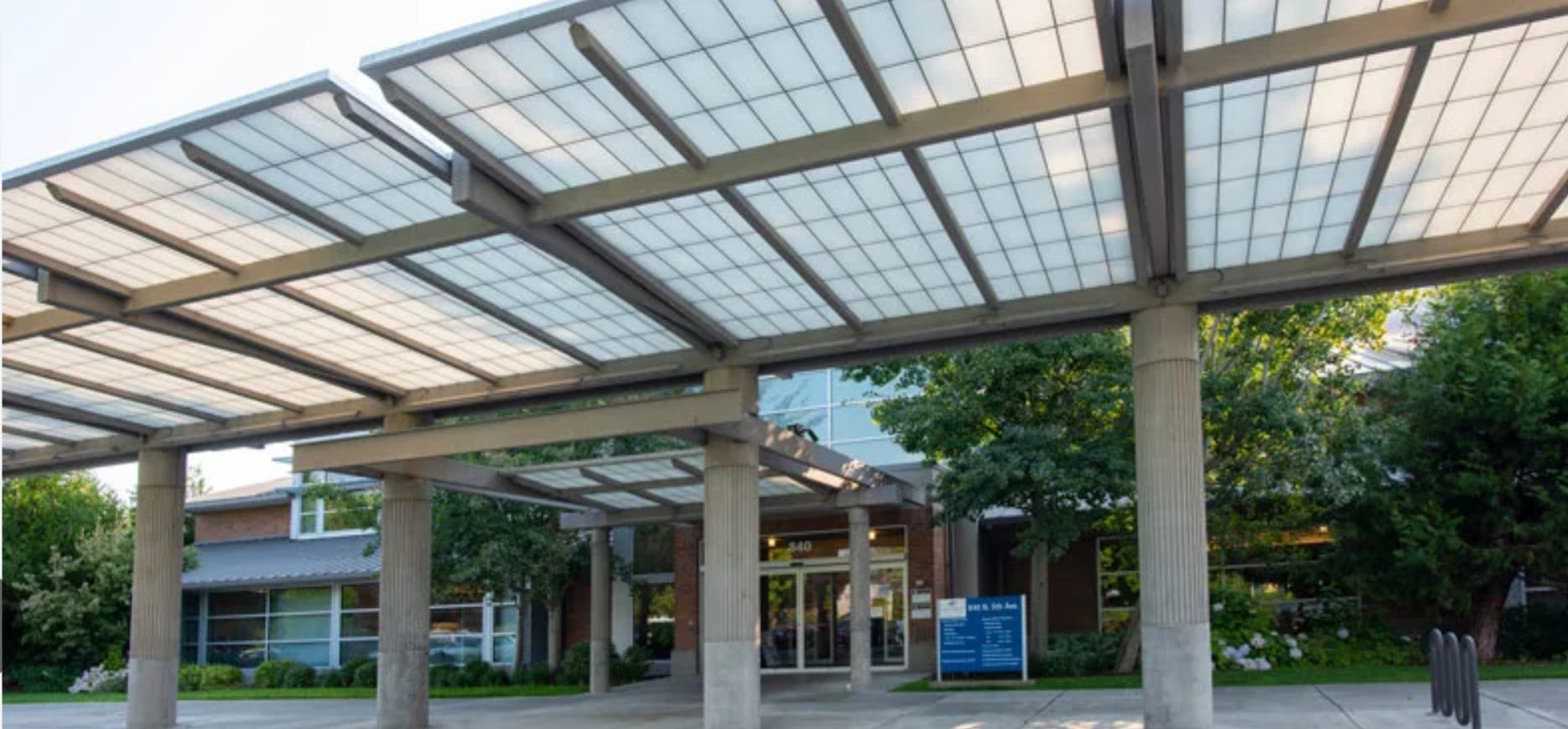
OMC—our publicly owned hospital and Clallam County’s largest employer—continues to navigate a pivotal period as it searches for a permanent CEO. If you care about local healthcare, public accountability, or the future of one of the county’s most important institutions, this is a meeting worth attending.
Agenda and meeting details are available here.


