

A candidate is threatened. A local advocate has her home targeted. Behind it all is a pattern: an activist network, publicly funded nonprofits, and a system that resists scrutiny while ignoring the people footing the bill.
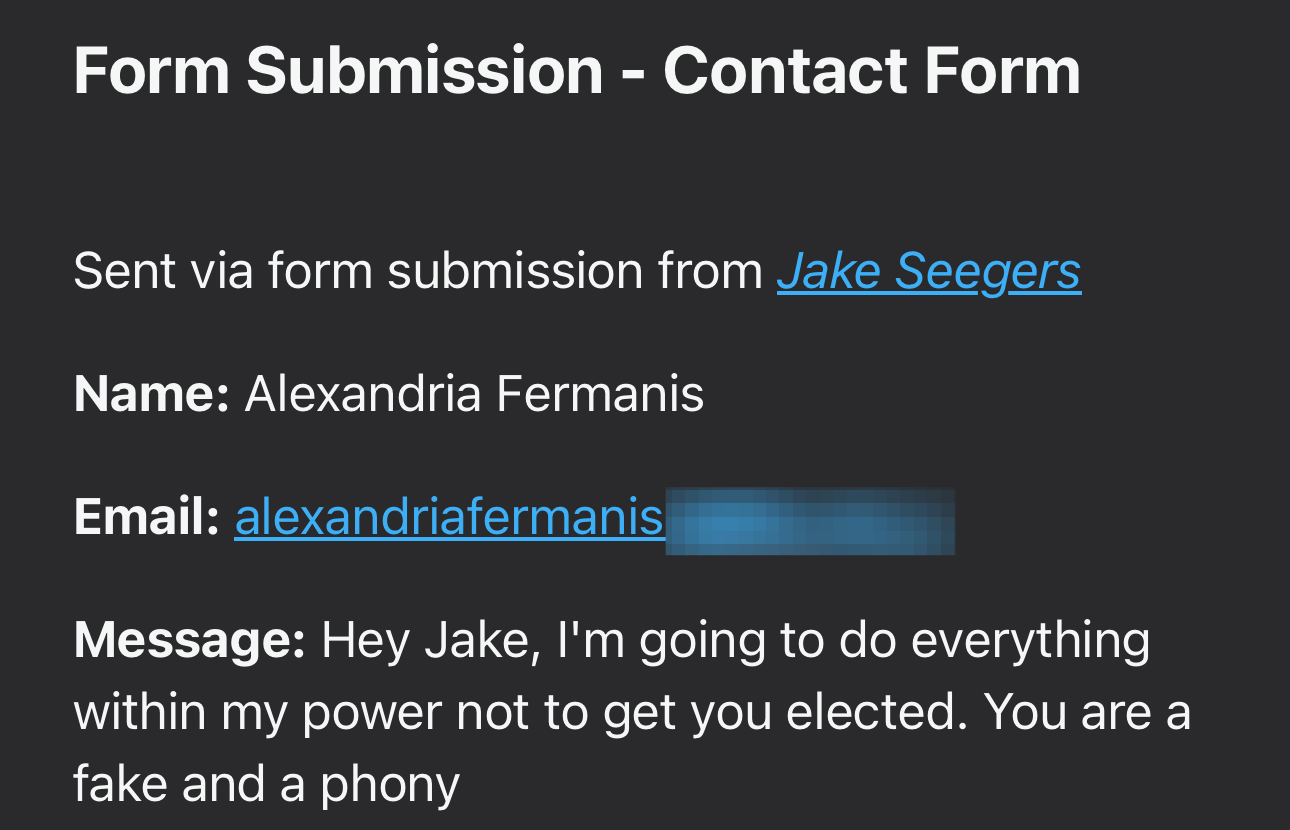
County Commissioner candidate Jake Seegers received a message through his campaign website this week:
“I’m going to do everything within my power not to get you elected.”
The sender was Alexandria Fermanis.
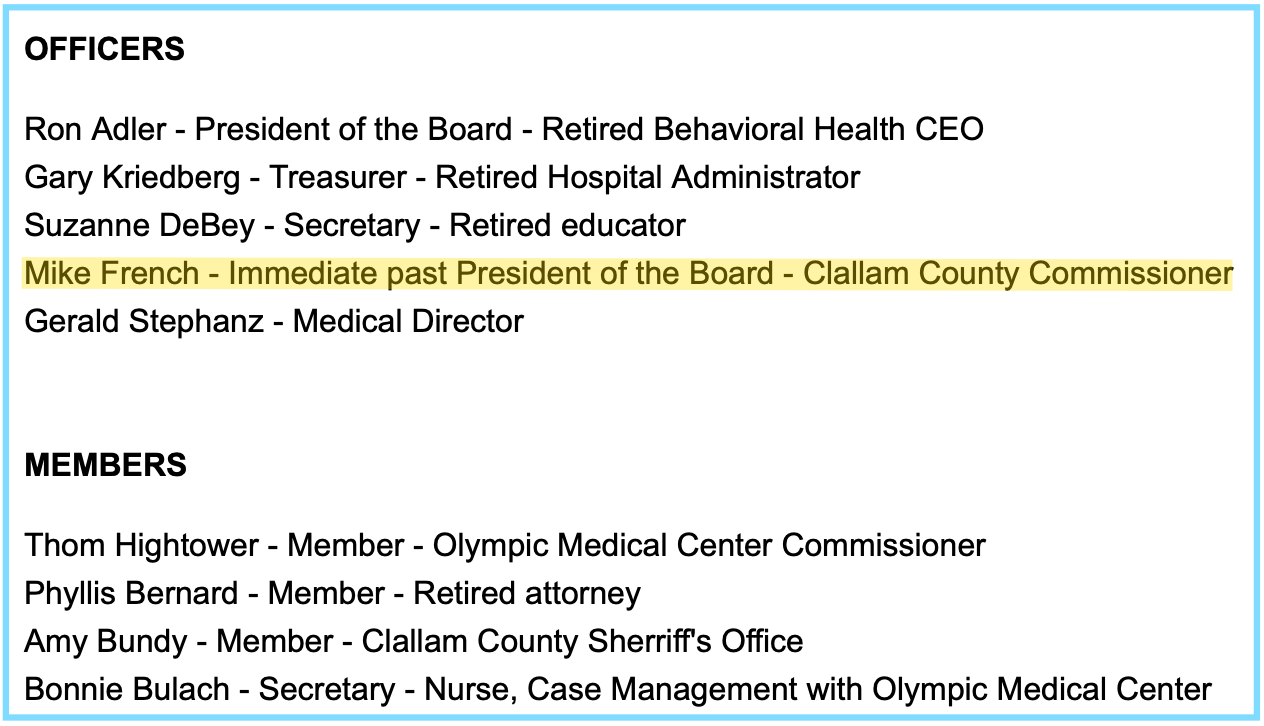
This isn’t just another political message. Fermanis previously worked at Peninsula Behavioral Health (PBH). Now, Fermanis is employed at Olympic Peninsula Community Clinic (OPCC)—an organization intertwined with local leadership. Commissioner Mike French serves as OPCC’s immediate past president.
This is the same Fermanis who publicly mocked the shooting of a political figure.

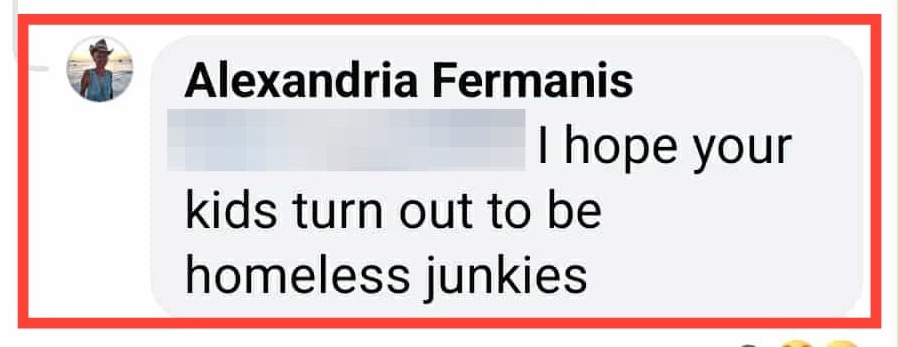
And who, in another post, wrote to someone online: “I hope your kids turn out to be homeless junkies.”
Now she’s part of a system tasked with helping people struggling with addiction.
That contradiction isn’t abstract. It goes directly to the question of judgment, professionalism, and who is being empowered in publicly funded roles.

When Speaking Up Comes With a Cost
What’s happening to Jake isn’t isolated.
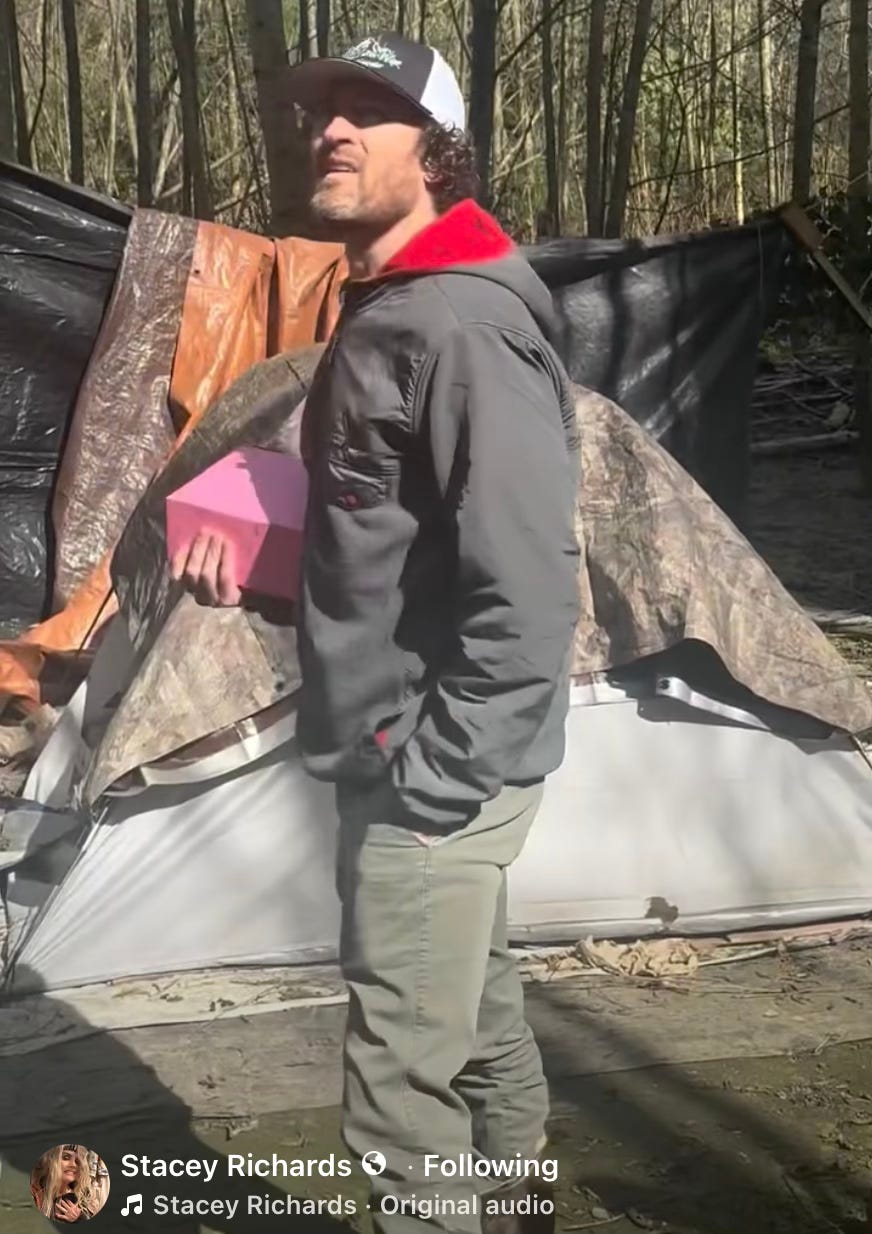
Stacey Richards—a local advocate documenting environmental damage and conditions around places like Tumwater Creek—recently received a message that crossed a clear line.
A Facebook user sent her a photo of her home, marked with a location pin:
“This you?”
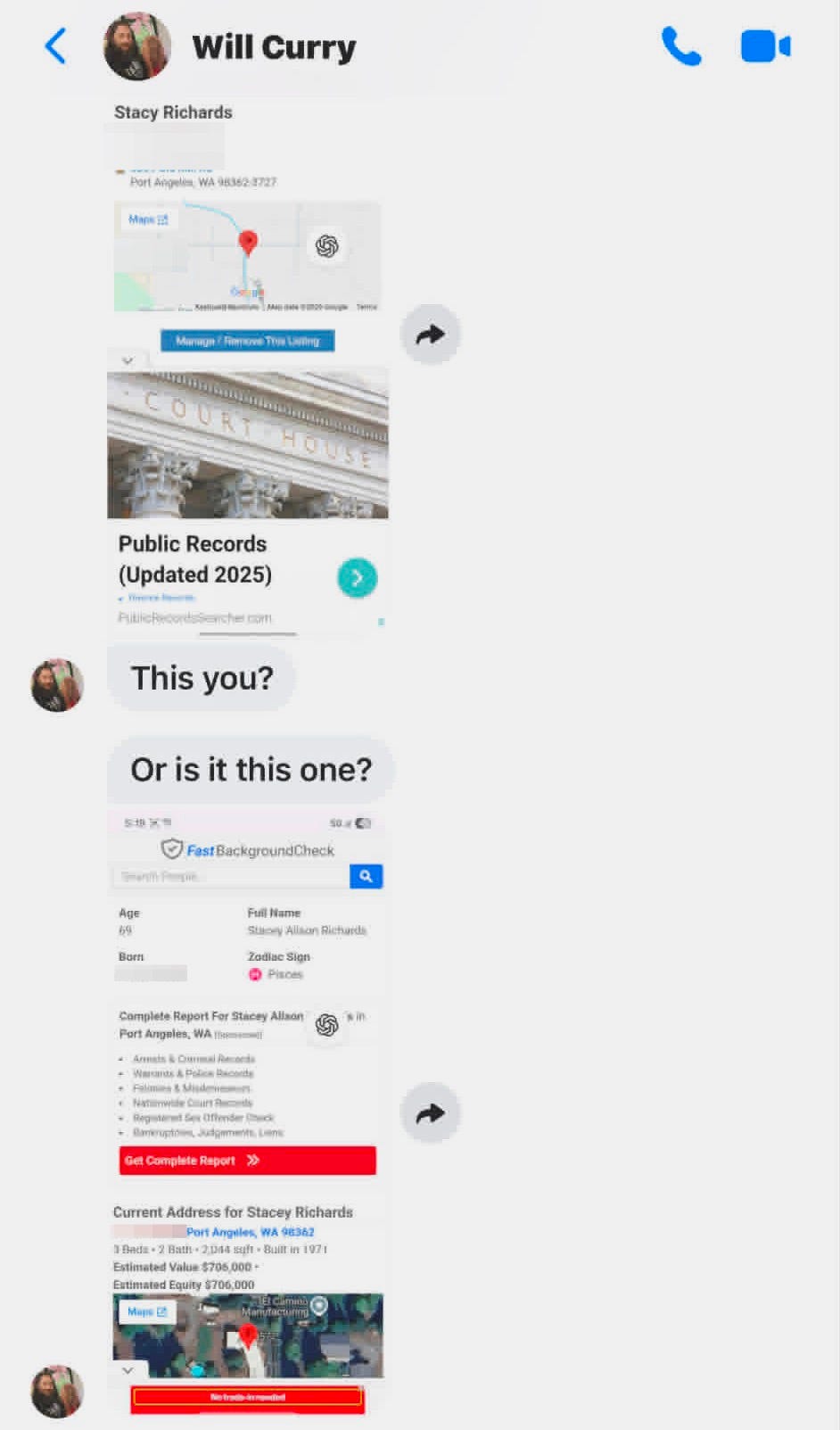
When she pushed back, the message escalated:
“So you won’t mind if I post this everywhere you’ve been posting all your hateful crap?”
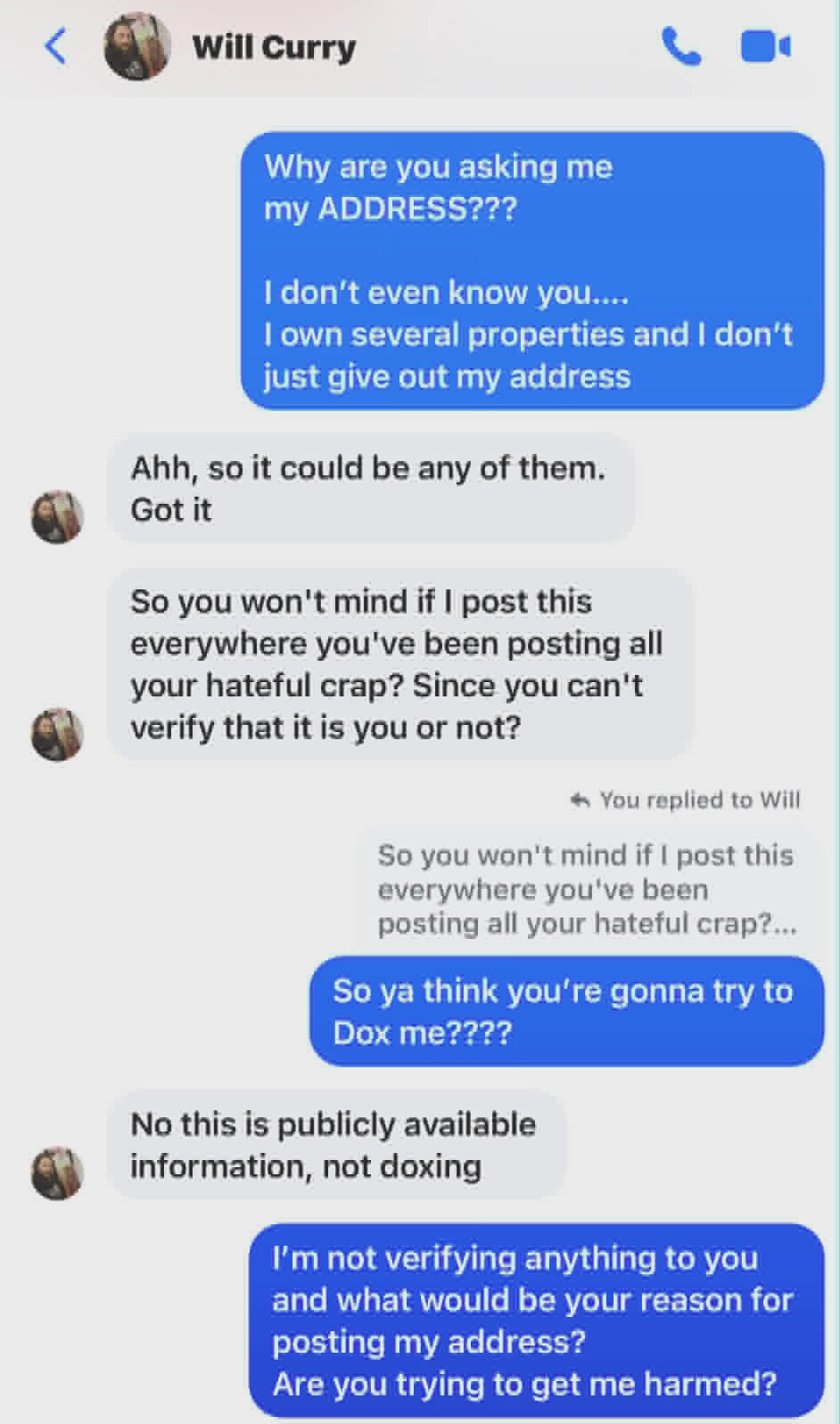
That’s not civic engagement. That’s intimidation.
The Network Behind the Pressure
Fermanis isn’t operating in a vacuum. She’s part of what many residents increasingly recognize as an “activist class”—a small but influential group that shows up, speaks loudly, and maintains access to decision-makers.
This is the same circle that has:
Publicly celebrated or excused destructive behavior
Delivered stolen Department of Natural Resources markers to Olympia and posed for photos
Faced no visible consequences for actions that would draw penalties for others
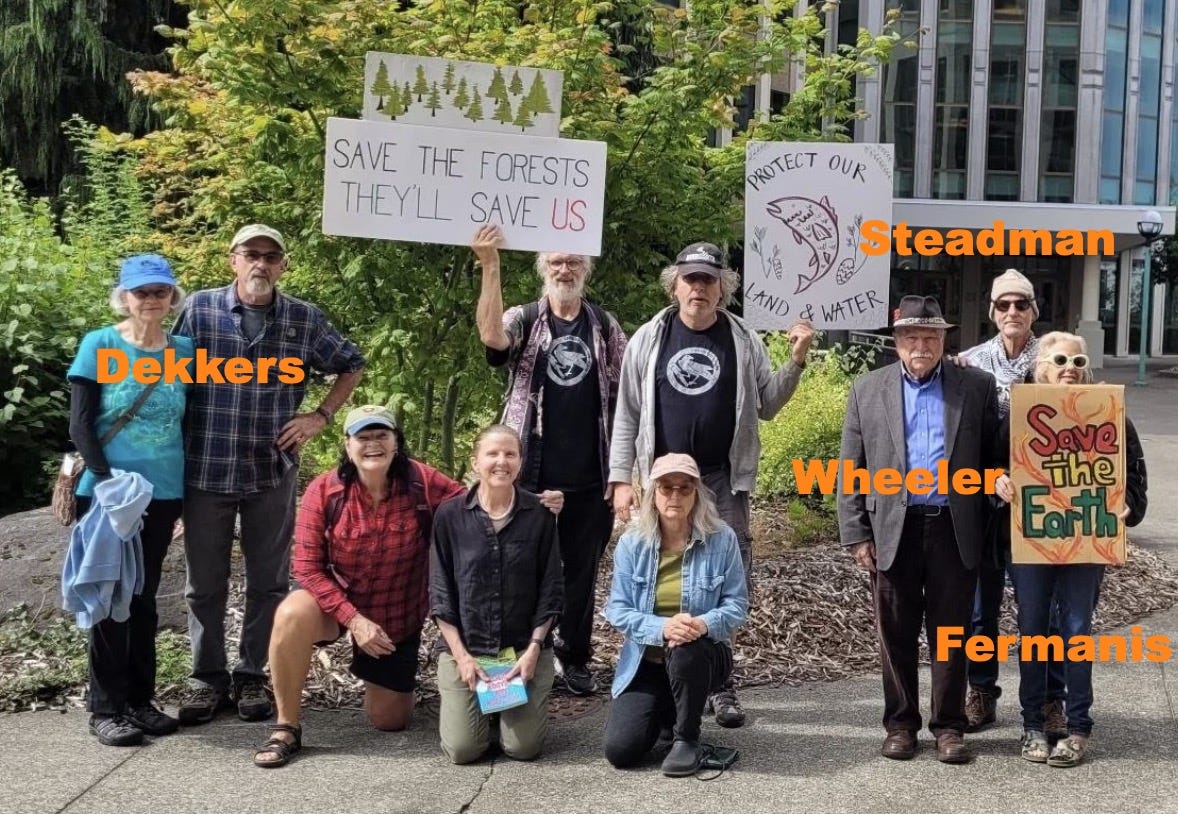
And yet, they continue to be heard.
They continue to be platformed.
They continue to influence the conversation.
Public Money, Private Standards
At the center of this is funding.
Clallam County commissioners are writing the checks—millions of dollars flowing into NGOs like Peninsula Behavioral Health and OPCC.
Within those organizations are numerous six-figure salaries, funded directly or indirectly by taxpayers.
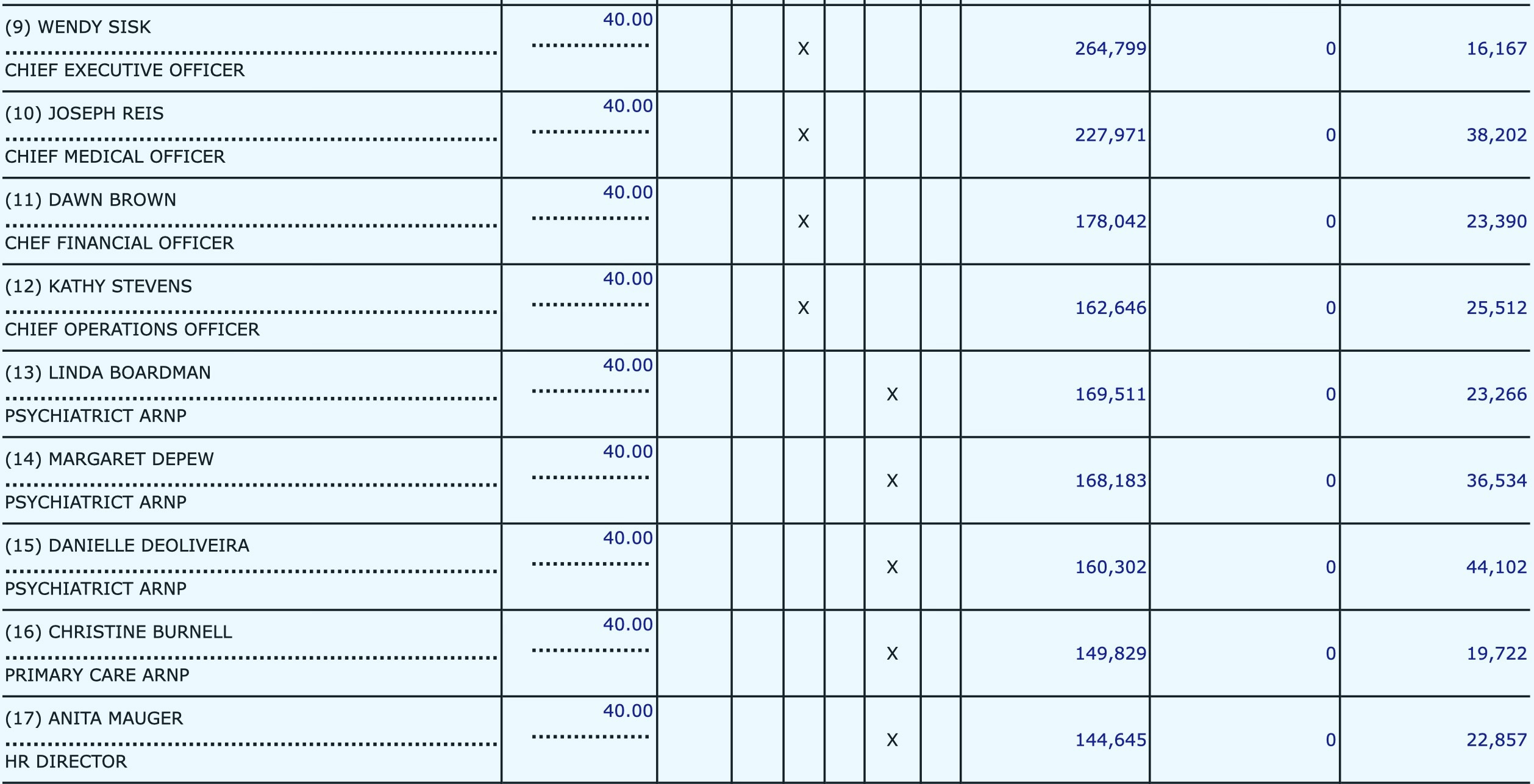
And yet:
Where are the measurable outcomes?
Where are the performance benchmarks?
Where is the accountability tied to funding?
Instead, what the public sees is a system where money continues to flow, oversight remains limited, and leadership often deflects when questioned.
This isn’t just a funding issue. It’s a governance issue.
A System That Pushes Back
Clallam County is now in its 16th year of a “10-year plan” to end homelessness.
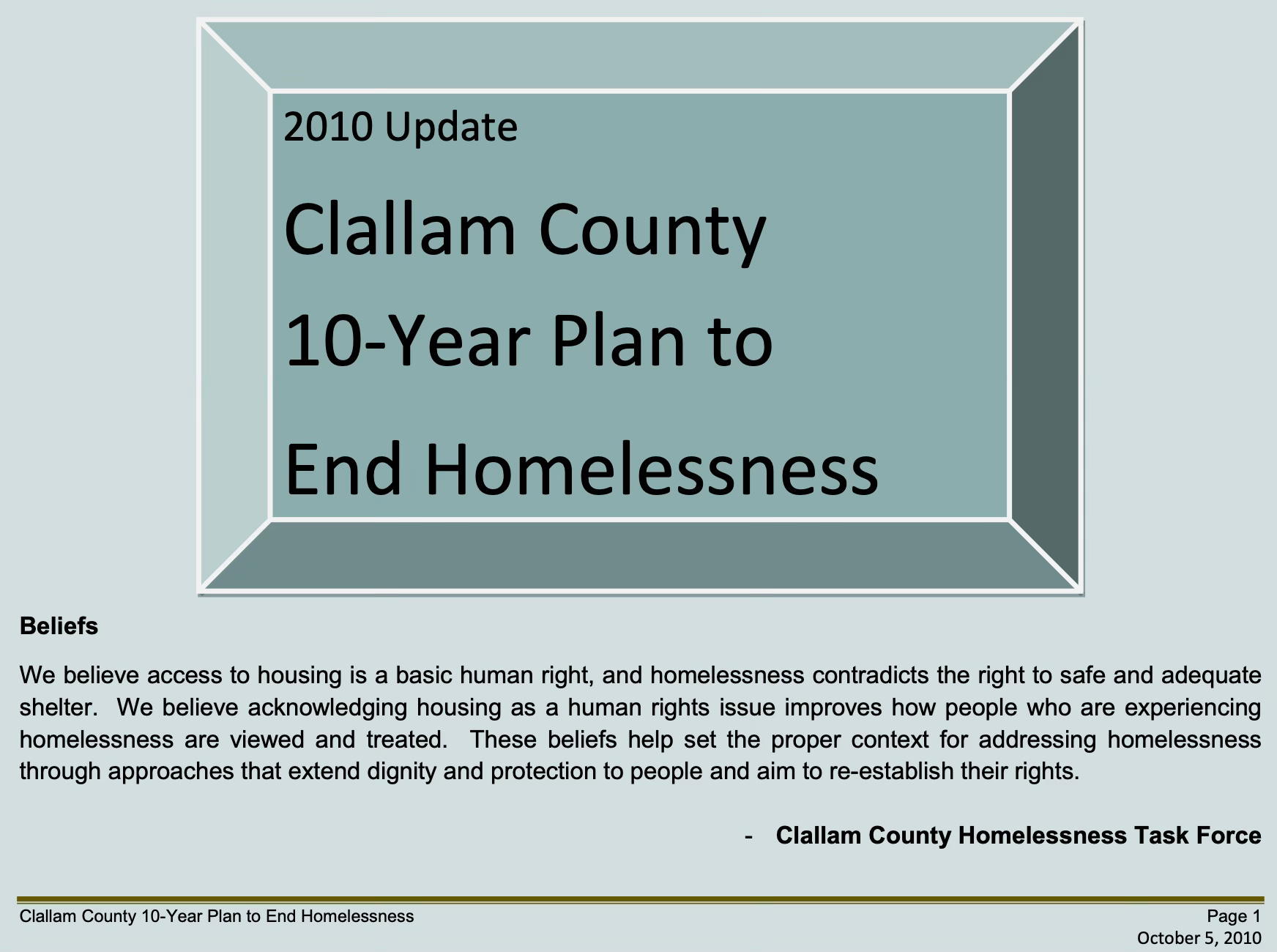
Spending has increased. Outcomes have worsened.
As more residents begin documenting conditions and asking why, the response hasn’t been transparency.
It’s been resistance.
And increasingly, intimidation.
What Jake and Stacey Represent
Jake Seegers and Stacey Richards are not backed by institutions.
They’re not part of the network.
They’re asking questions, documenting what they see, and pushing for answers.
That should be welcomed in a functioning system.
Instead, it’s making them targets.
Because what they represent isn’t just criticism—it’s accountability.
And accountability threatens a structure where:
Public dollars flow with limited scrutiny
Activists gain influence without consequence
Leadership avoids hard questions
The Reality
This is the network your county is funding.
A network where someone who once wrote “I hope your kids turn out to be homeless junkies” can hold roles tied to addiction outreach.
A network where activists can cross legal and ethical lines and face little consequence.
A network where those asking questions are met not with answers—but with pressure.
The Question That Matters
This isn’t just about one candidate or one advocate.
It’s about what happens when speaking up comes with a cost.
When intimidation replaces dialogue.
When public funding continues without public accountability.
So the real question is:
If this is how the system responds to scrutiny, who benefits from keeping it this way?
Today’s Tidbit: Free? Not Even Close.
Drive into Sequim from the west and you’ll see the sign: “From storytime to job training: All free at your Library.”

It sounds nice. It feels right.
It’s also not true.
There is nothing “free” about the North Olympic Library System. It is funded overwhelmingly by taxpayers—nearly 90% of its operating budget comes directly from the public. And now, voters are being asked to approve another $3 million annual increase, pushing total collections to roughly $7.8 million per year—a 63% jump.
We’re talking about four library branches serving Clallam County—yet the operating budget alone is now approaching what the county spends on policing. Add in millions more in recent capital spending, and you’re looking at a system that continues to grow while demand for services wanes.
This isn’t about whether libraries matter. It’s about honesty.
Calling it “free” shifts the burden out of sight—onto property owners already dealing with rising costs, repeated levy requests, and a county that keeps coming back to the well.
Every time.
Every year.
So when you see that sign, understand what it really means:
You’re paying for it. Your neighbors are paying for it. And now they’re asking you to pay even more.
Ballots are out.
Make sure yours is in the mail or a dropbox.


