


A recent letter to the editor by League of Women Voters activist Ann Soule blames oil companies, the President, Congress, the Supreme Court, and nearly everyone else for high gasoline prices. What her letter never mentions is Washington State's own role in creating some of the highest fuel costs in America. The omissions raise an uncomfortable question: when activists support policies that directly increase fuel costs, can they fairly complain about the consequences those same policies create?
Many Clallam County residents recognize the name Ann Soule. She serves on the County’s Marine Resources Committee, which recommended to the commissioners that flooding in the Three Crabs area should be dealt with by “retreat or removal” of the homes and road.

Through the League of Women Voters, she has pushed for the creation of a county Water Steward position.
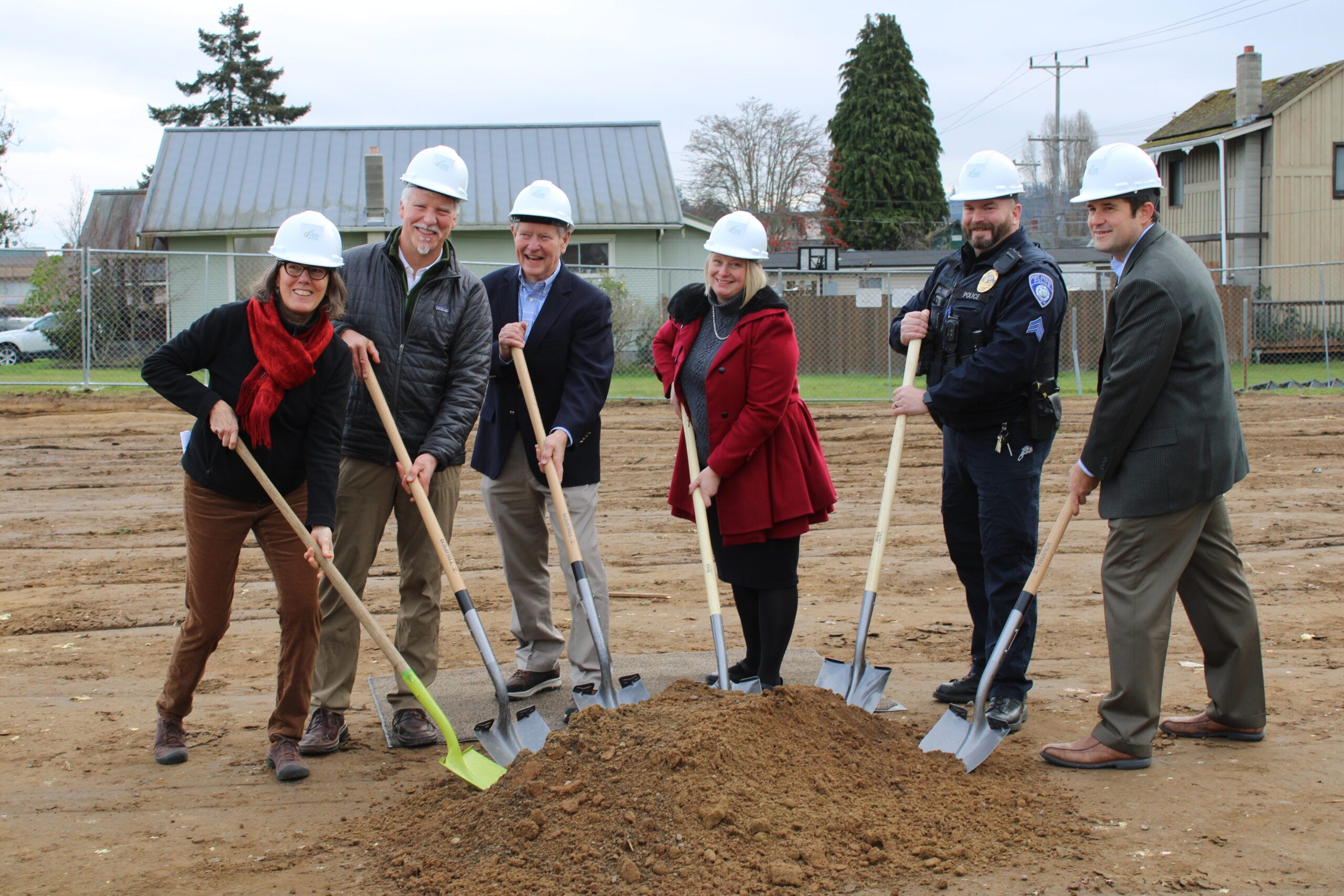
She has participated in Peninsula Behavioral Health initiatives, including turning the first shovelful of dirt at the NGO’s North View low-barrier, luxury, permanent housing complex — a publicly funded project that offers harbor views, rooftop terraces, a dog-washing station, and other amenities, with an average price of $350,000 per unit.
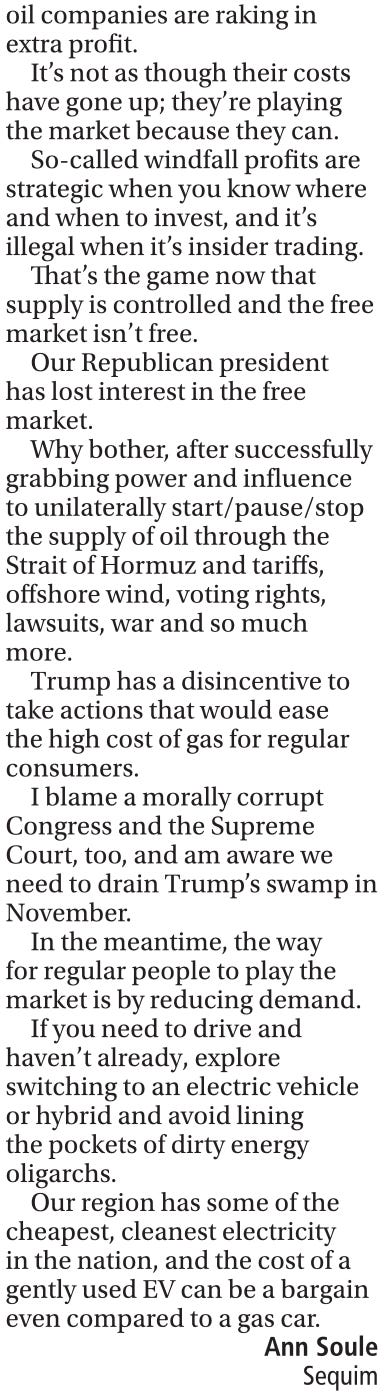
Recently, Soule authored a Peninsula Daily News letter titled “Oil Repercussions,” arguing that oil companies are reaping excessive profits while consumers struggle under high gasoline prices. In her view, political corruption, insider trading, corporate greed, and Republican leadership deserve much of the blame. What was missing from her analysis, however, was perhaps the single largest state-level factor affecting fuel prices in Washington: Washington State government itself.

The Missing Piece of the Story
Washington routinely ranks among the most expensive states in America for gasoline. At the time of this writing, only California has higher average fuel prices. Neighboring Idaho is more than a dollar per gallon cheaper.
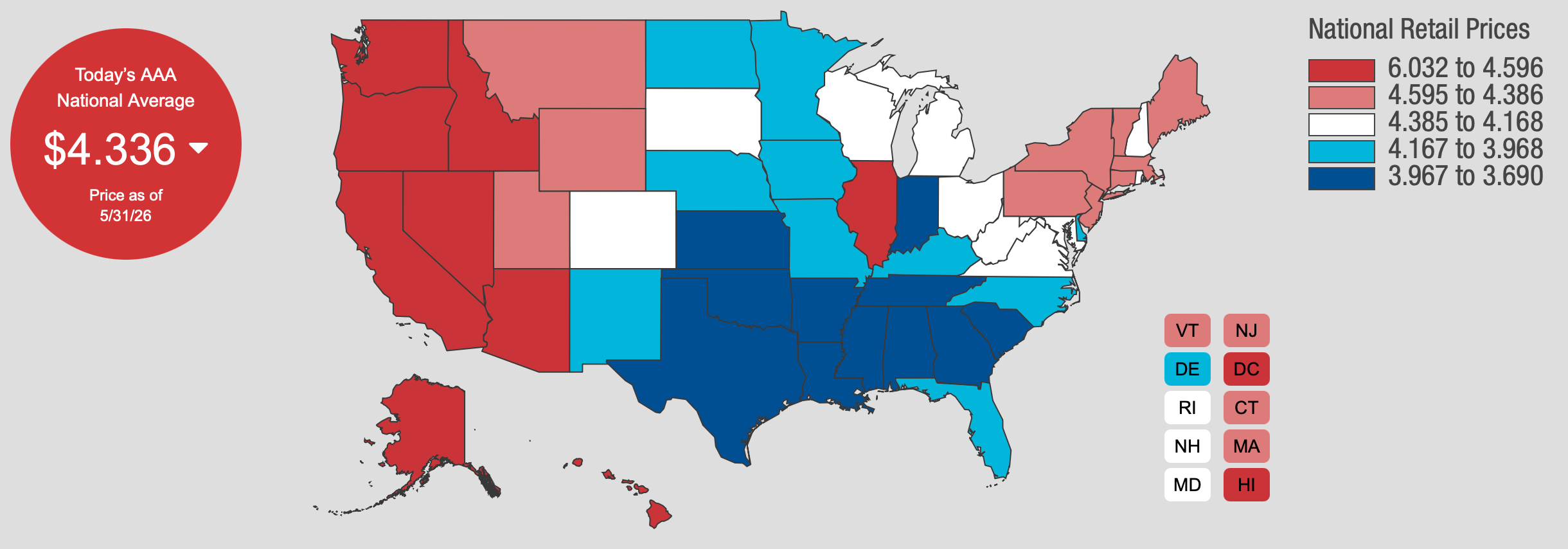
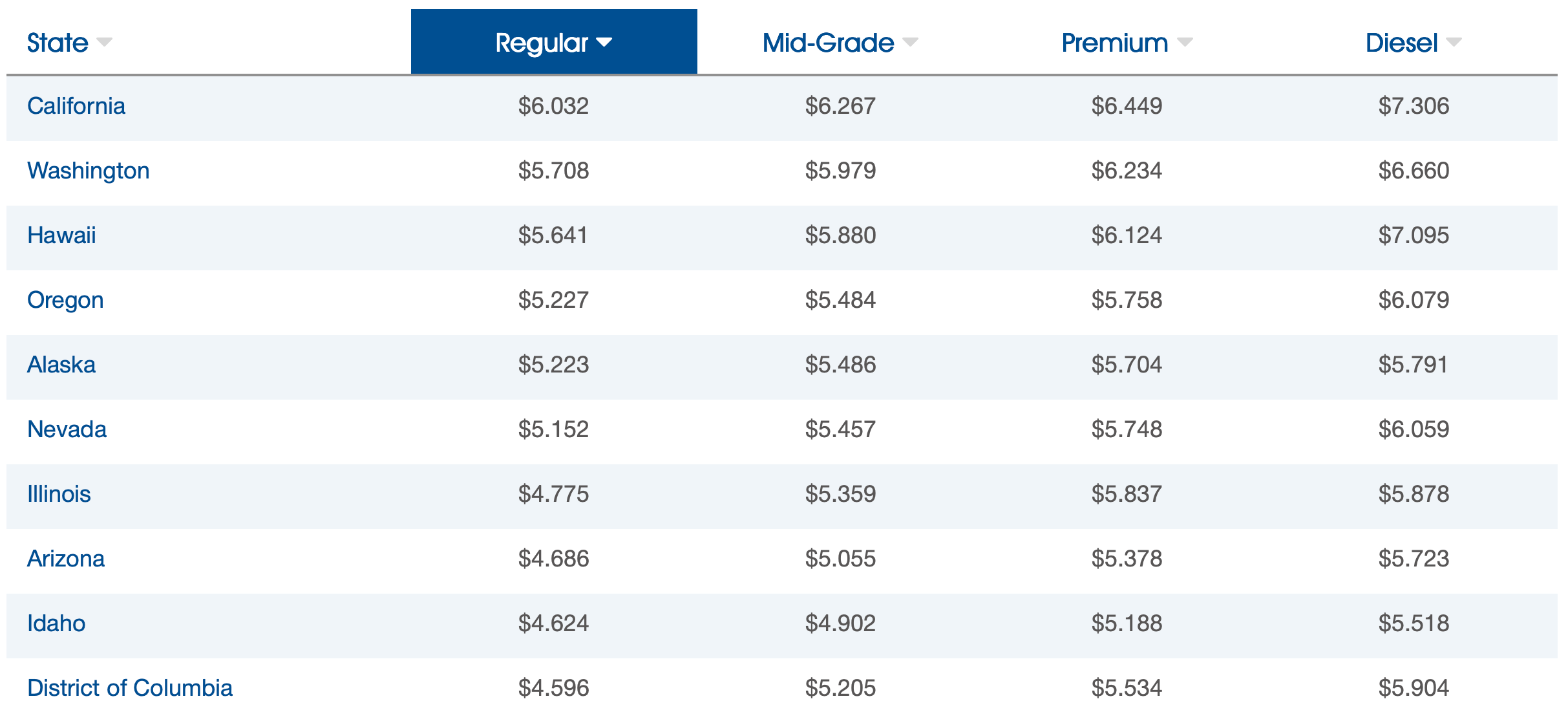
If corporate greed alone explained the difference, one would expect similar prices throughout the region. Instead, Washington has spent years layering taxes, regulations, and climate policies onto the cost of fuel.
The most significant of those policies is the Climate Commitment Act. The CCA established a cap-and-invest carbon auction system that requires fuel suppliers to purchase emissions allowances before bringing fuel to market. Those costs are then passed through the supply chain and ultimately to consumers.
“It’s not as though their costs have gone up; they’re playing the market because they can.” — Ann Soule
Whether someone supports or opposes the Climate Commitment Act, the basic economics are not controversial. The program increases the cost of fuel distribution in Washington.
A Return on Investment
What costs working families more money at the pump can simultaneously become additional revenue elsewhere.
State Senator Marko Liias, who represents the 21st Legislative District in Snohomish County—not the Olympic Peninsula—was one of the leading advocates for the transportation package that increased Washington’s gas tax by six cents per gallon last year. Campaign finance records show that the Jamestown Tribe made the maximum allowable contribution to Liias’ campaign in 2023.

At first glance, it raises an obvious question: why would a tribe on the Olympic Peninsula financially support a legislator from the Seattle-area suburbs?
One possible answer is that policy matters more than geography.
For most Washington residents, the six-cent gas tax increase means higher costs every time they fill their tank. But the impact extends far beyond gasoline. Because nearly everything on the Olympic Peninsula arrives by truck, fuel taxes become a hidden cost embedded in groceries, baby formula, building supplies, farm products, restaurant deliveries, and countless other necessities. Families pay the tax directly at the pump and indirectly through higher prices on everyday goods.
For some tribal fuel retailers, however, the equation looks different.
Under existing fuel-tax compacts, tribal gas stations can retain 75 percent of the state gas tax collected on fuel sales. That means a six-cent gas tax increase translates into roughly 4.5 cents per gallon in additional retained revenue for qualifying tribal stations.
If a high-volume station such as Jamestown’s Longhouse Market sells 400,000 gallons of fuel per month—a figure that is not unreasonable for a major highway fuel stop—that increase could generate approximately $18,000 in additional monthly revenue, or more than $216,000 per year.
Viewed through that lens, a $2,400 campaign contribution begins to look less like political generosity and more like a remarkably good investment.

The Tax Activists Support
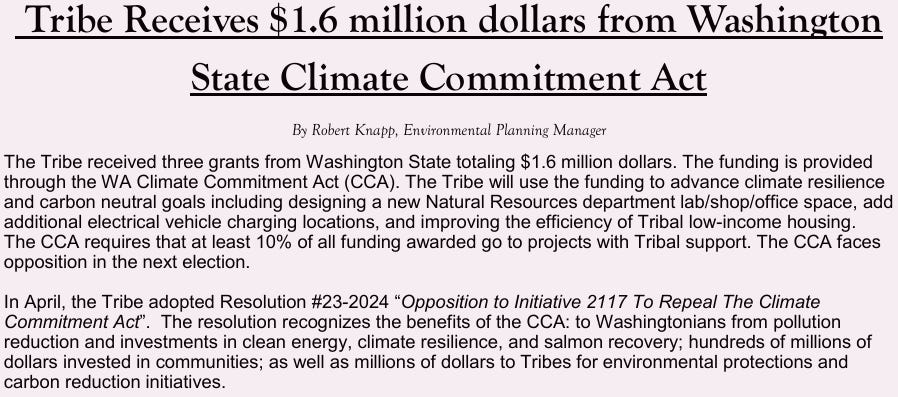
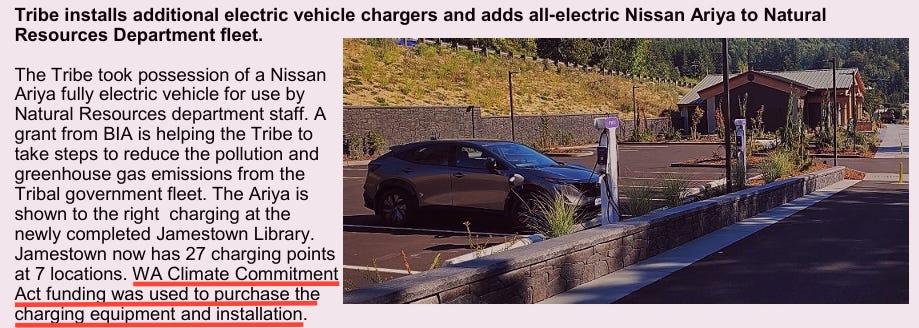
A repeal effort targeting the Climate Commitment Act reached Washington voters. Among those campaigning to preserve the program was Clallam County Commissioner Mark Ozias. That support was hardly surprising. The Climate Commitment Act generates billions of dollars that flow to government agencies, environmental programs, nonprofits, and tribal governments, including projects involving the Jamestown Corporation, Ozias’ top campaign contributor.


The Water App Nobody Talks About
One example of a CCA beneficiary is the League of Women Voters’ Future of Water Committee, which helped develop a digital app allowing users to monitor Dungeness River flow conditions.
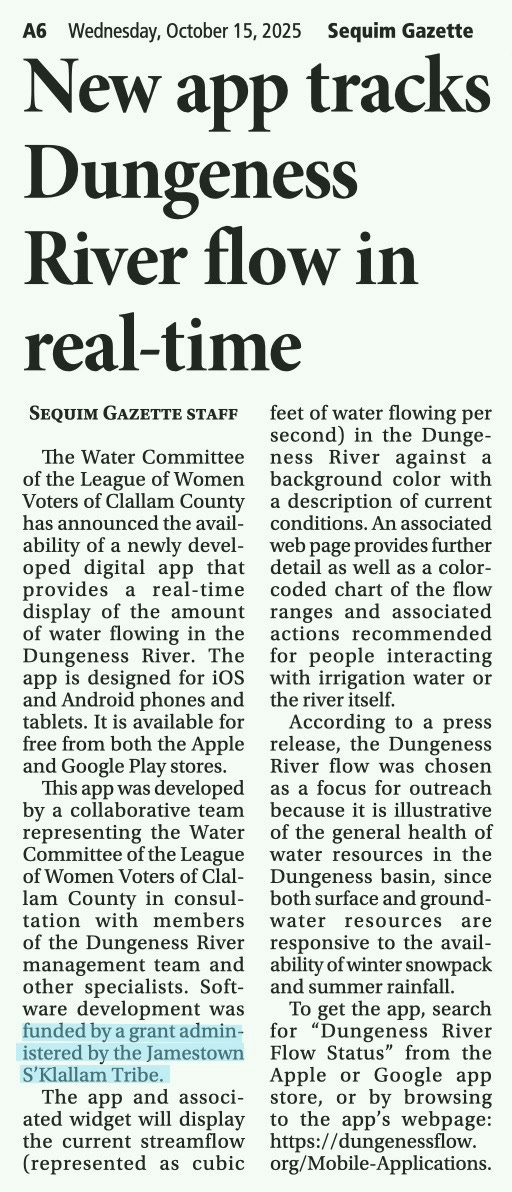
The project was presented as a community education tool and, on its face, appears civic-minded and useful. What received far less attention was where the funding originated.
According to publicly reported information, software development was financed through a grant administered by the Jamestown S’Klallam Tribe using money that ultimately came from Washington’s Climate Commitment Act funding stream.
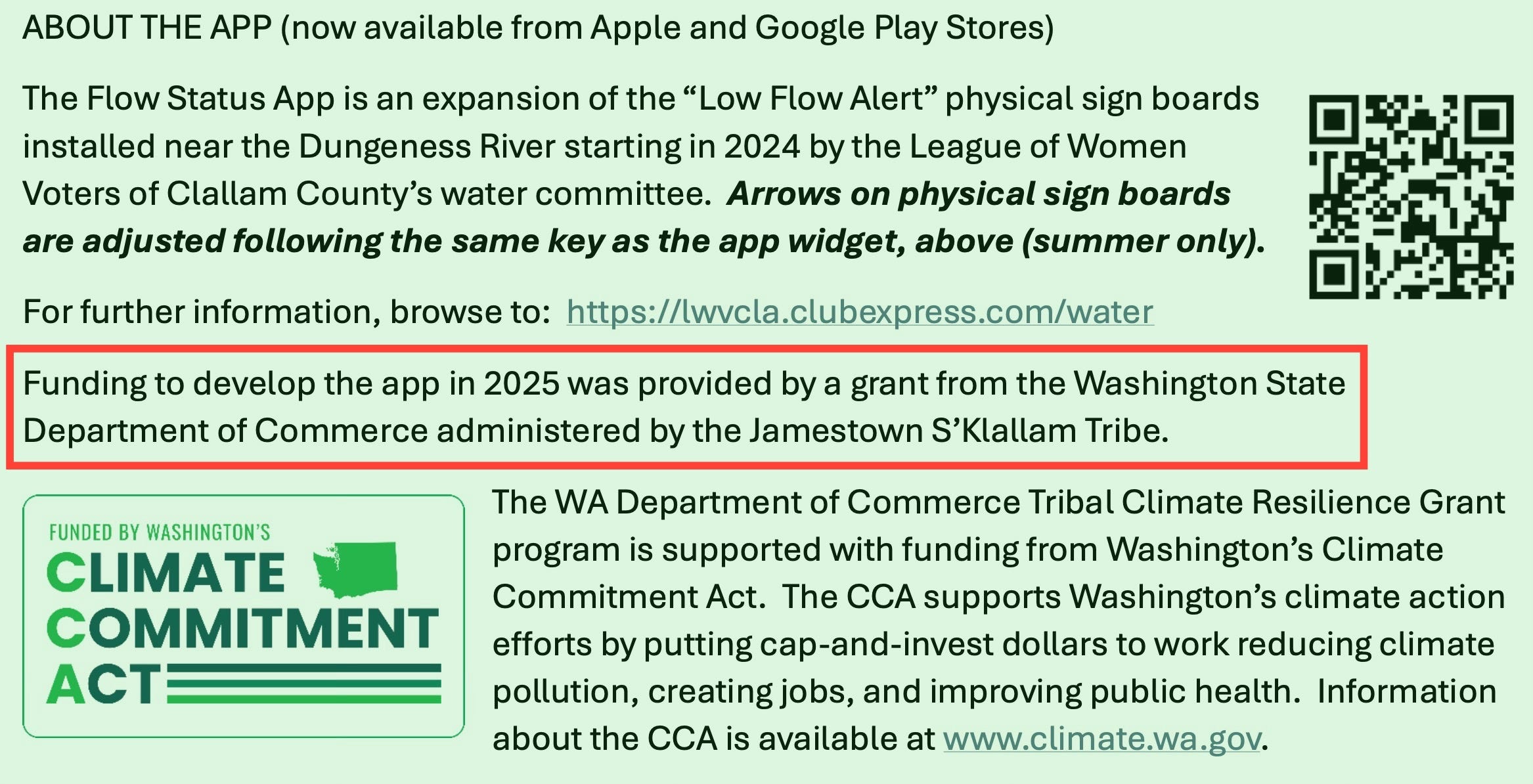
That means a project promoted by Soule and her colleagues was funded, at least indirectly, through revenues generated by the same climate policies contributing to Washington’s unusually high fuel prices.
Just Buy an EV?
Perhaps the most striking portion of Soule’s letter comes near the end, where she offers a solution to rising fuel prices: buy an electric vehicle or hybrid.
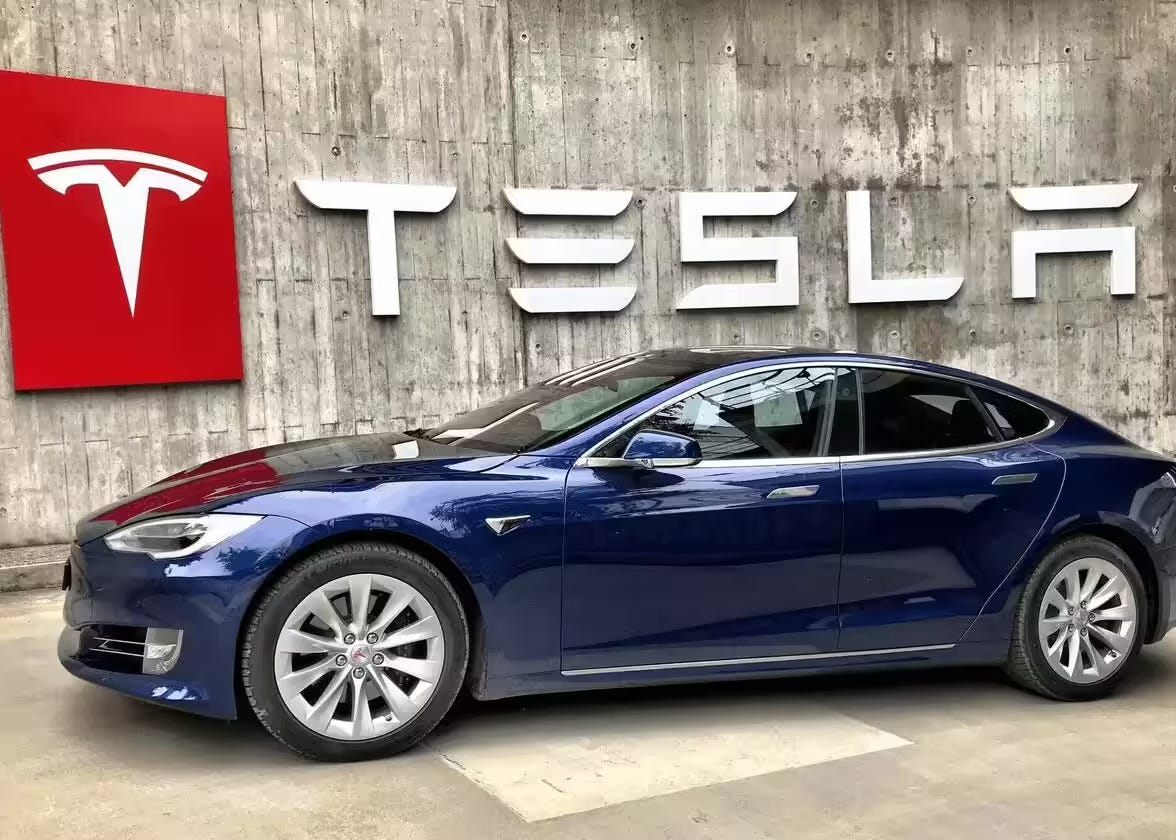
That recommendation may sound reasonable from the perspective of environmental activists, but for many Clallam County families, it reflects a disconnect from economic reality.
Median household income in the county hovers around $60,000 per year. Families are already struggling with housing costs, insurance increases, utility bills, inflation, and grocery prices.
Telling those families that the answer to expensive gasoline is purchasing a $40,000 vehicle is a bit like telling someone worried about food prices to buy a second refrigerator and start shopping in bulk.
Even used electric vehicles can cost tens of thousands of dollars. Many households simply do not have that kind of money available.
Selective Outrage
None of this means global events do not affect fuel prices. They do. Wars matter. Supply disruptions matter. International instability matters.
But acknowledging those realities does not require ignoring state policies that also increase costs.
What makes Soule’s letter noteworthy is not that she criticizes oil companies. Many people do. What stands out is the selective nature of the criticism.
When oil companies make money, she sees profiteering. When government-backed climate programs increase costs but fund projects supported by the “nonpartisan” League of Women Voters, those costs disappear from the conversation. When working families struggle with higher energy expenses, the solution becomes buying a different car. When policies supported by environmental activists create financial burdens for residents, responsibility is assigned elsewhere.
If gasoline prices are too high, every contributing factor should be on the table, including Washington’s carbon auctions, fuel taxes, regulatory costs, and the sovereign, governmental, and political interests that benefit from them. Ann Soule’s letter points toward oil companies, politicians in Washington D.C., and events happening thousands of miles away. It says very little about the policies, taxes, and beneficiaries much closer to home.
If we’re going to follow the money, the trail shouldn’t end when it becomes politically inconvenient.
Today’s Tidbit: Emily Randall
If you’d like to see how Congresswoman Emily Randall’s town hall in Chimacum went last week, the entire event was recorded and posted on YouTube.
5:30 — How can young people help?
9:25 — Transfer of National Wildlife Refuges to Jamestown Tribe #1.
16:50 — Transfer of National Wildlife Refuges #2.
19:20 — Can you help with kidnappings by ICE?
26:05 — How do we restore the Voting Rights Act?
31:00 — Lethal removal of seals and sea lions.
34:45 — Also, the lethal removal of marine mammals.
38:15 — Infectious diseases.
43:20 — Artificial Intelligence.
47:50 — Nationalizing Artificial Intelligence.
49:40 — Military Industrial Complex.
Here is the Port Angeles Food Bank van mentioned in the podcast:
The real estate video also mentioned in the podcast:


