
“No incidents.” That was one of the key arguments used to defend the William Shore Aquatic Center’s free shower program which distributes vouchers to active drug users at the Harm Reduction Center. Yet nearly 80 police reports obtained through a public records request tell a different story. The records reveal years of calls for service at and around the facility while board members continued to assure the public there was nothing to be concerned about. The reports only became public because an engaged citizen requested them and did the work that elected officials did not.
When the William Shore Aquatic Center Board voted to continue the free shower voucher program, one of the primary justifications offered by board members was that there had been no incidents associated with the program.
The public record tells a different story.
A review of nearly 80 Port Angeles Police Department reports obtained through a public records request documents a steady stream of calls involving drug paraphernalia, suspected narcotics use, threats against staff, transient activity, assaults, welfare checks, suspicious persons, harassment complaints, and other public safety issues occurring at or around the William Shore Aquatic Center.
The reports span January 2024 through April 2026.
The board that oversees the pool consists of Clallam County Commissioners Mike French and Randy Johnson, Port Angeles City Councilmembers Mark Hodgson and LaTrisha Suggs, and community member Greg Shield.
Perhaps most troubling is that this information was not disclosed by the board, pool management, or local government officials. The reports only became public because an engaged community member took the time to submit a public records request and review the files.
Once again, it was left to the public to do the homework.
“No Incidents”
The argument that there have been “no incidents” has become increasingly difficult to reconcile with the documented police activity.
The reports do not paint a picture of a facility overwhelmed by violent crime. Serious assaults remain relatively uncommon.
What they do show is something different.
The William Shore Aquatic Center has increasingly become a location where law enforcement responds to social disorder, drug activity, transient behavior, mental health concerns, family disputes, and public safety issues that have little to do with swimming, recreation, fitness, or water safety.
In other words, many of the calls have nothing to do with the pool’s intended mission.

Drug Activity at the Pool
Several reports involved suspected narcotics use or drug paraphernalia.
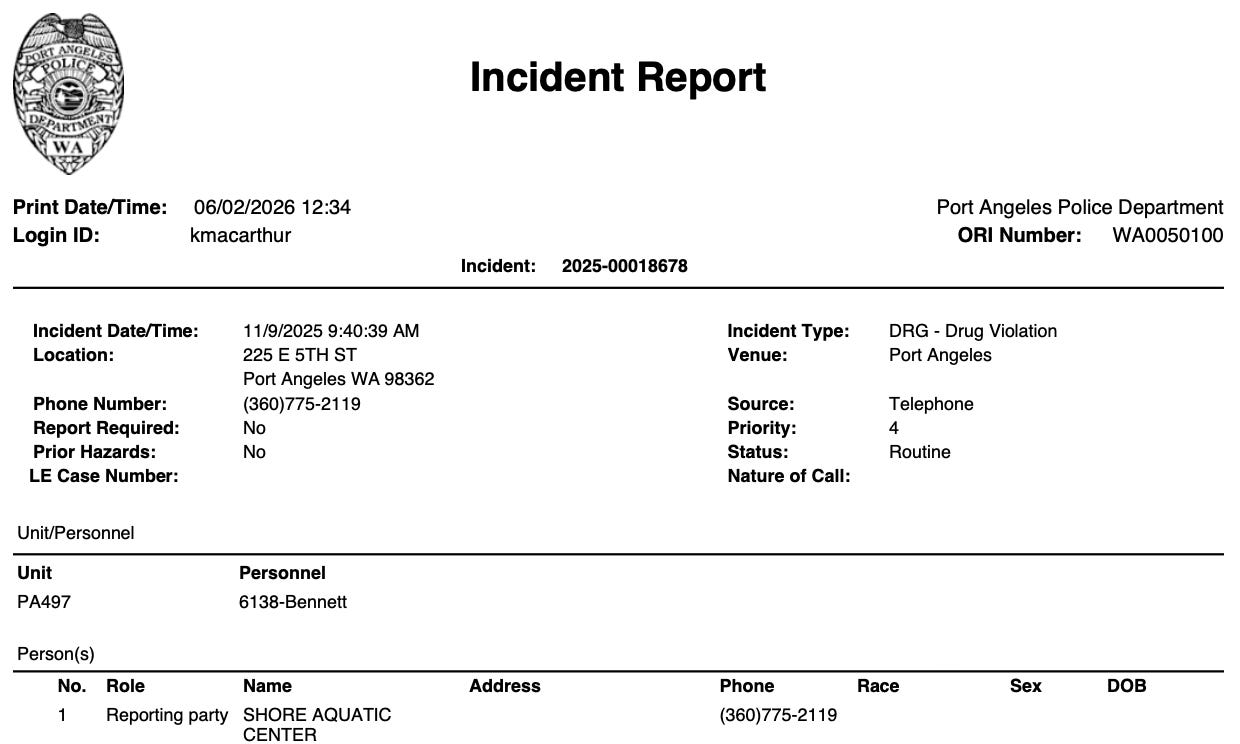
In November 2025, pool staff reported that someone had been using drugs on the property. According to the report, foil paraphernalia was left on the front steps, and the individual vomited near the building before leaving.

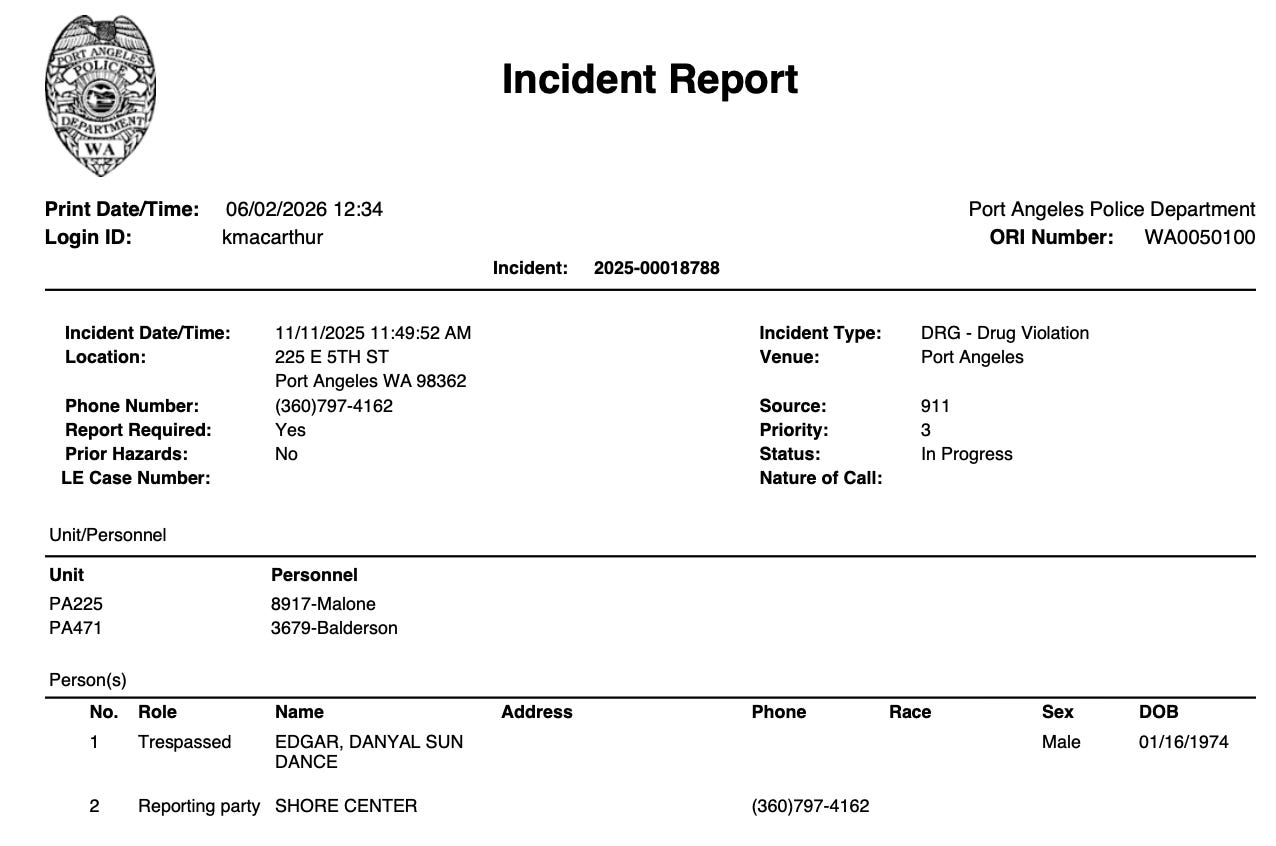
Just two days later, staff reported a man allegedly using narcotics in a restroom. Officers located the individual in the men’s locker room. He was ultimately trespassed from the facility for three years.

In March 2026, police responded after two syringes, a rubber tie-off, and suspected heroin paraphernalia were discovered near the pool parking area. Officers disposed of the needles.
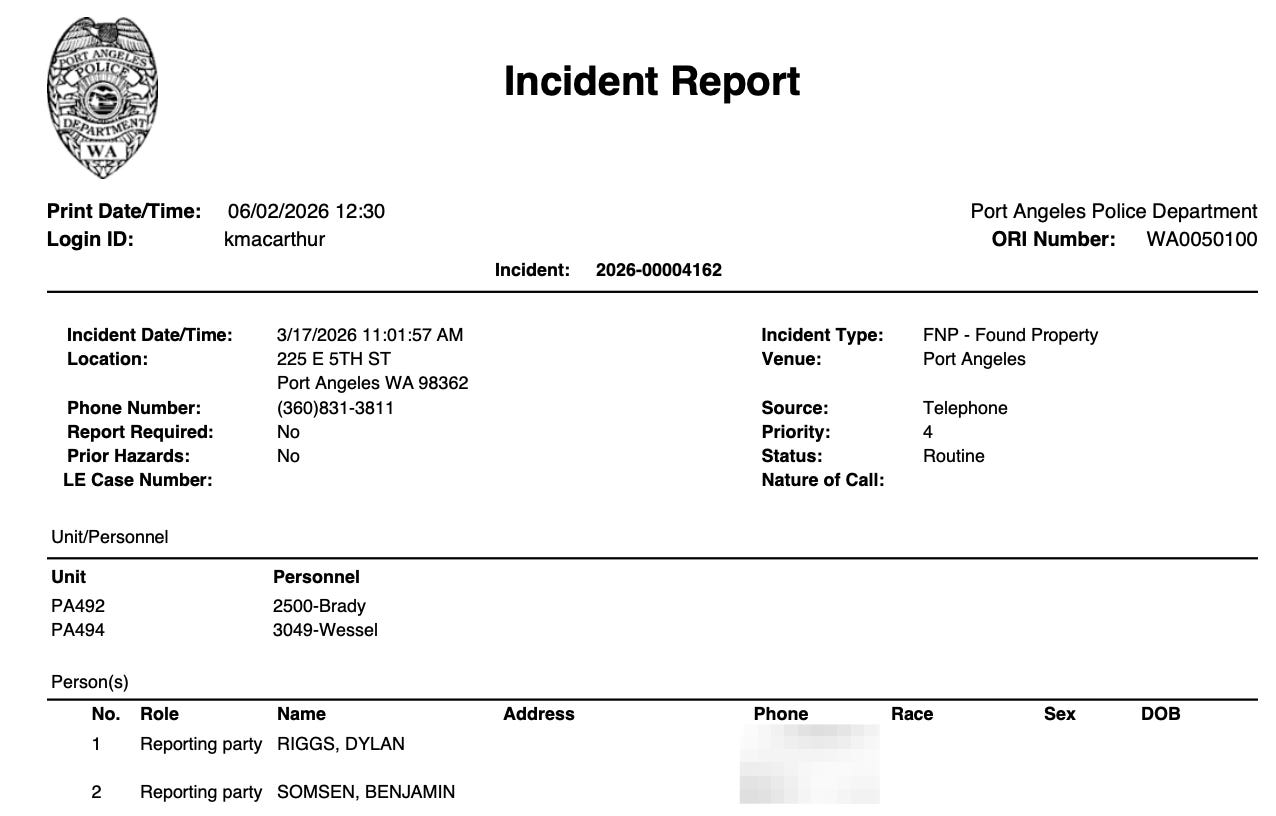
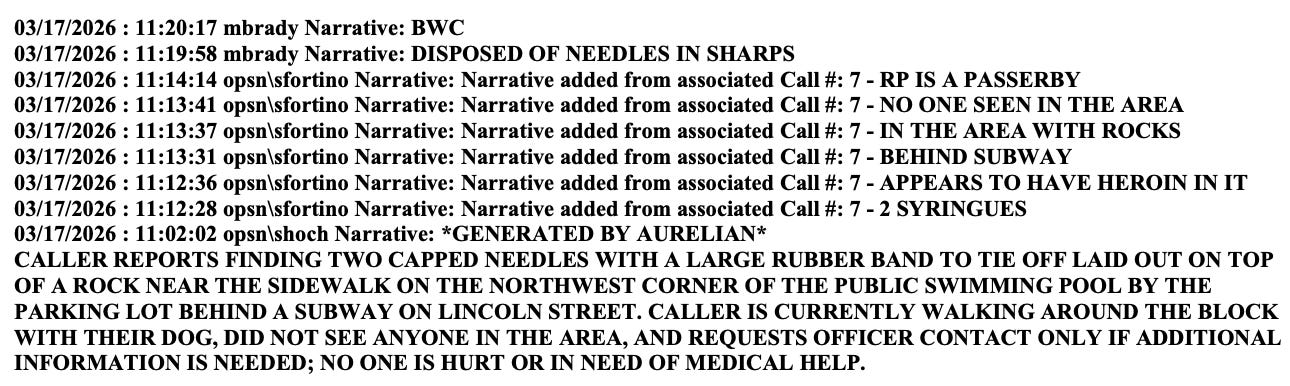
Regardless of one’s opinion about harm reduction programs, these are not the types of incidents most residents expect to encounter at a taxpayer-funded family aquatic center.
Threats Against Staff
The records also document incidents involving threats and intimidation.
In October 2024, a pool employee reported that a man followed her and threatened coworkers. According to the dispatch notes, the man allegedly stated he was going to “take their arms off.”
The employee retreated inside the building while waiting for police.
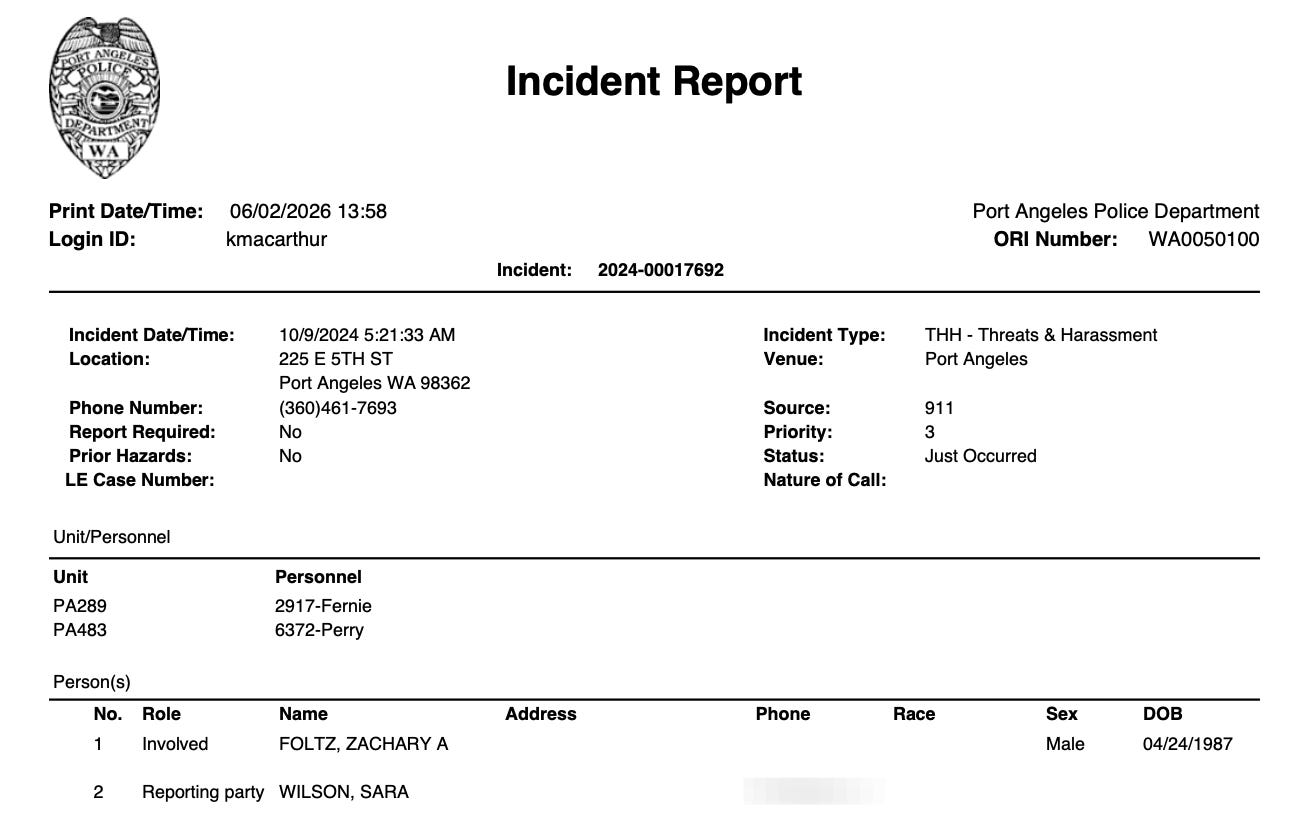
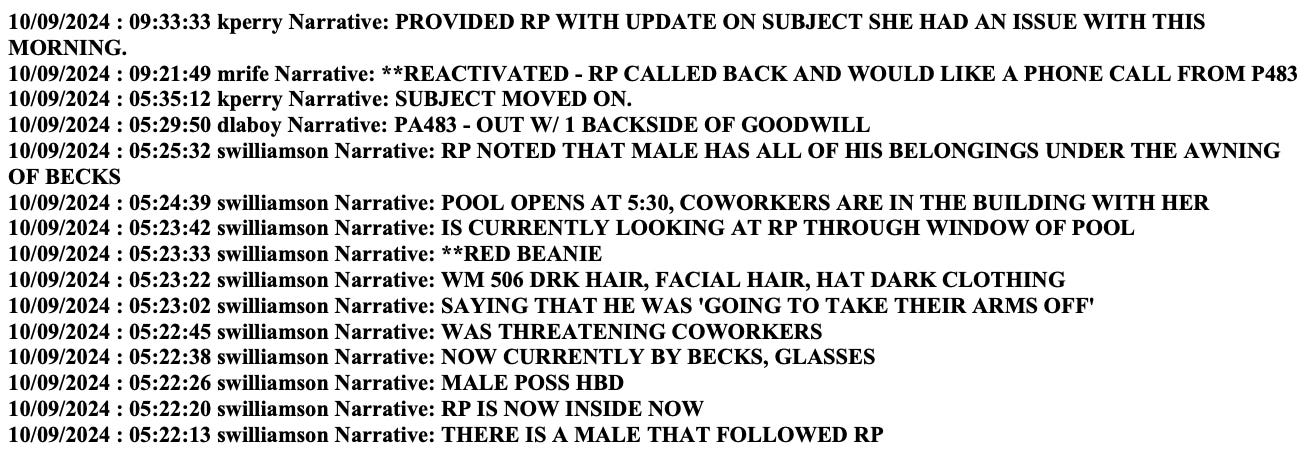
Another report involved an employee who did not feel safe leaving work because homeless individuals had been camping outside the facility for several hours. Police were called to move the individuals along before the employee left.
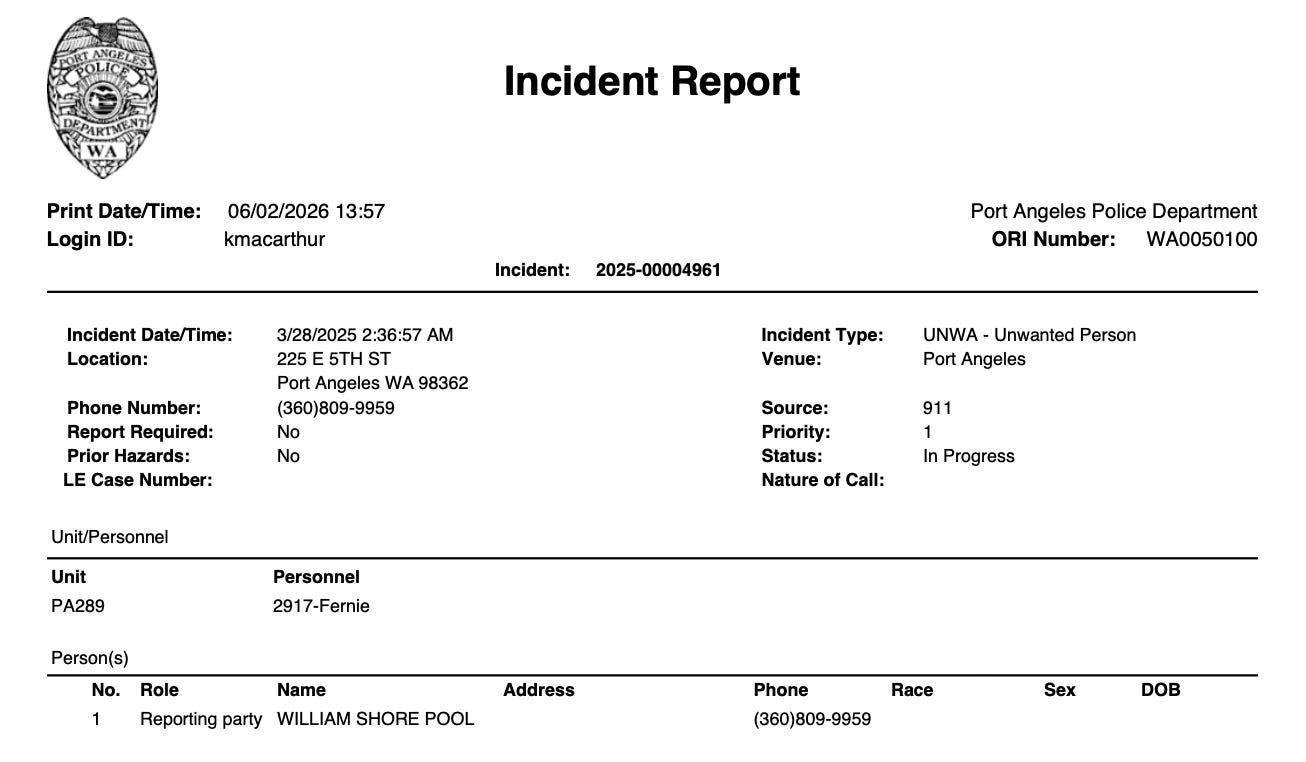
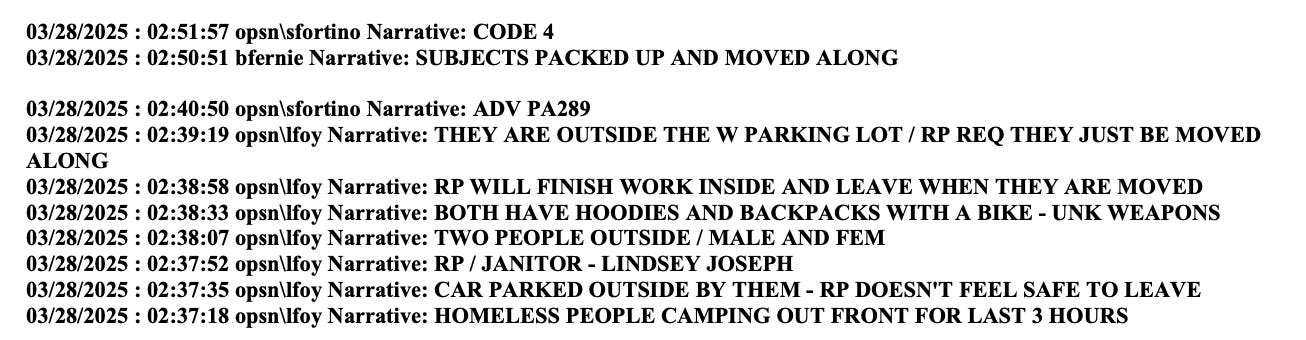
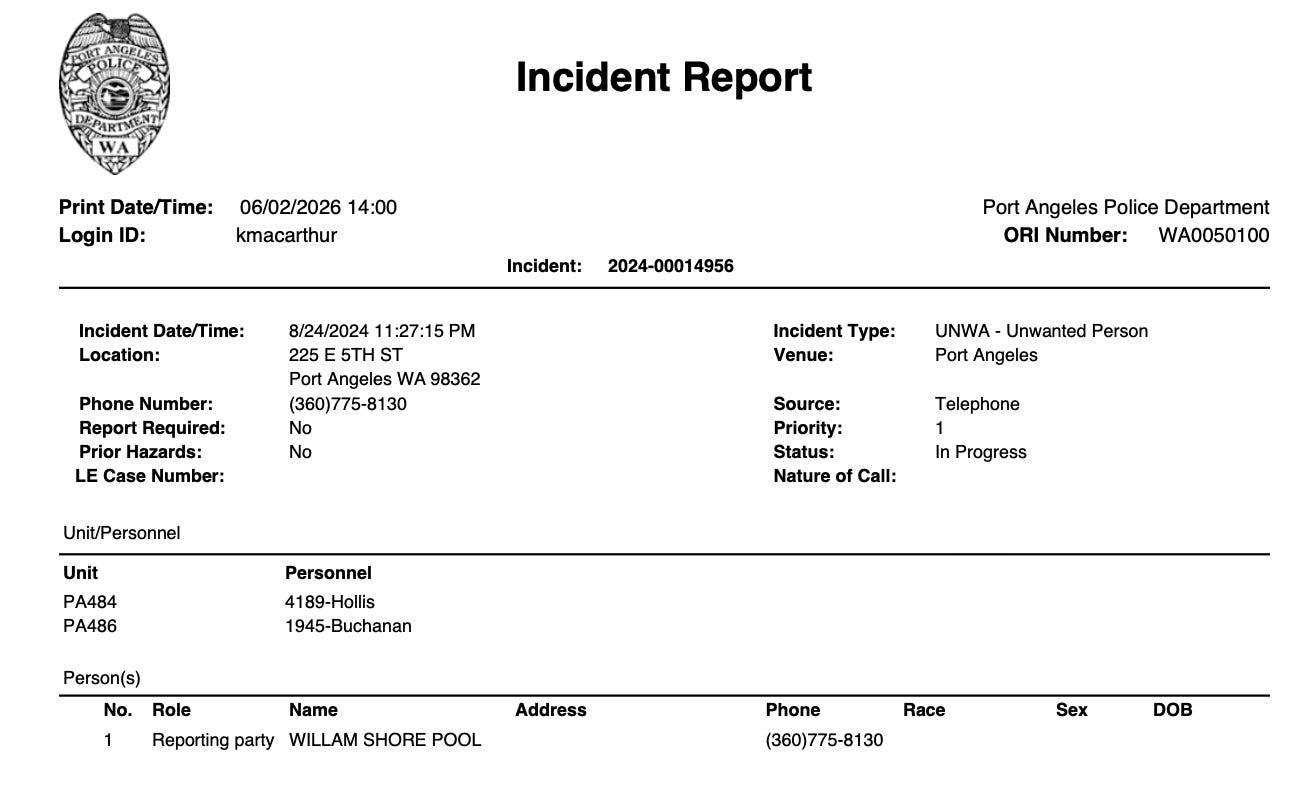
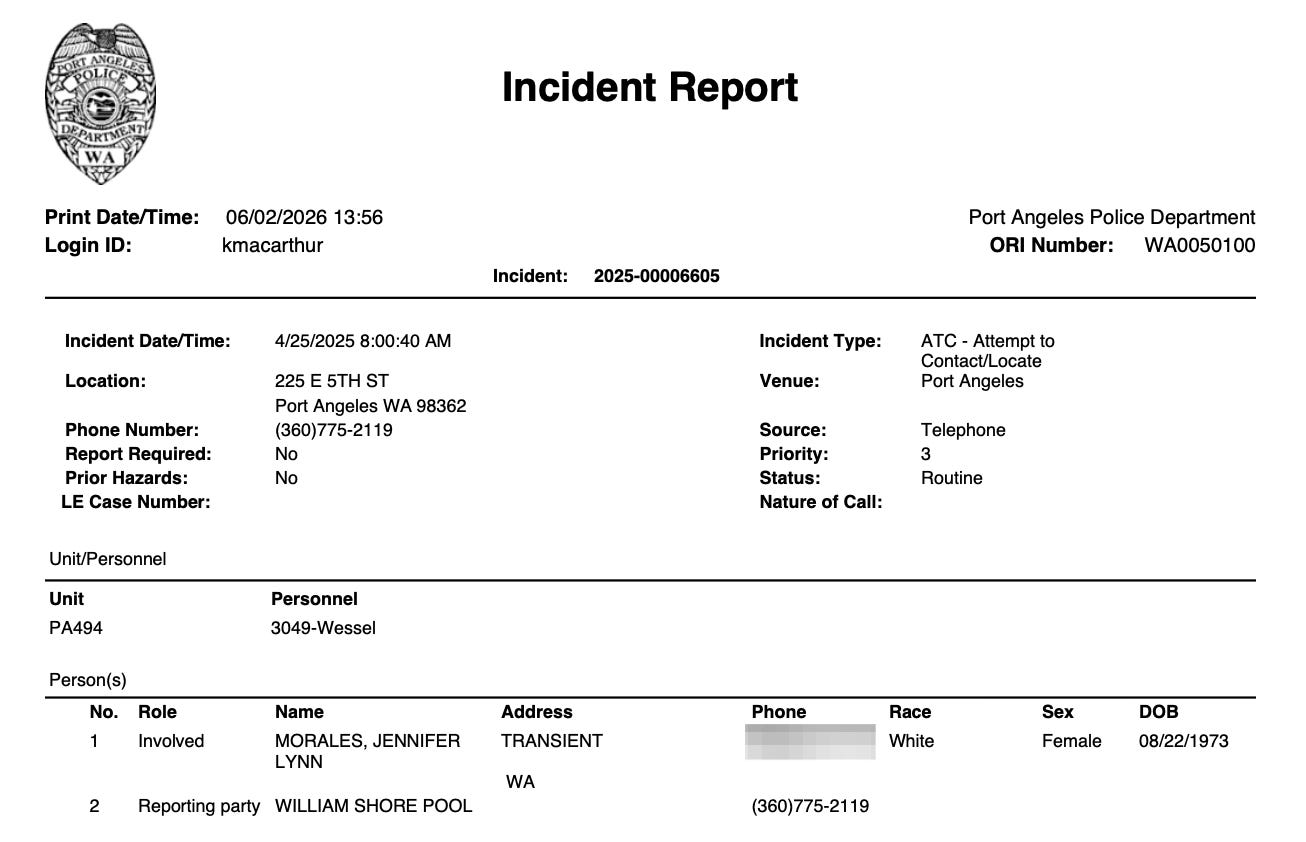
Several reports document staff requesting assistance because individuals were refusing to leave the property, sleeping near entrances, charging phones from building outlets, or lingering around the facility after hours.
Transient Activity and Public Disorder
The most common theme throughout the reports involved unwanted persons, transient activity, and welfare checks.
Police responded to reports of people sleeping on the property, camping near entrances, charging phones from the building, loitering outside doors, and occupying areas of the facility after being asked to leave.

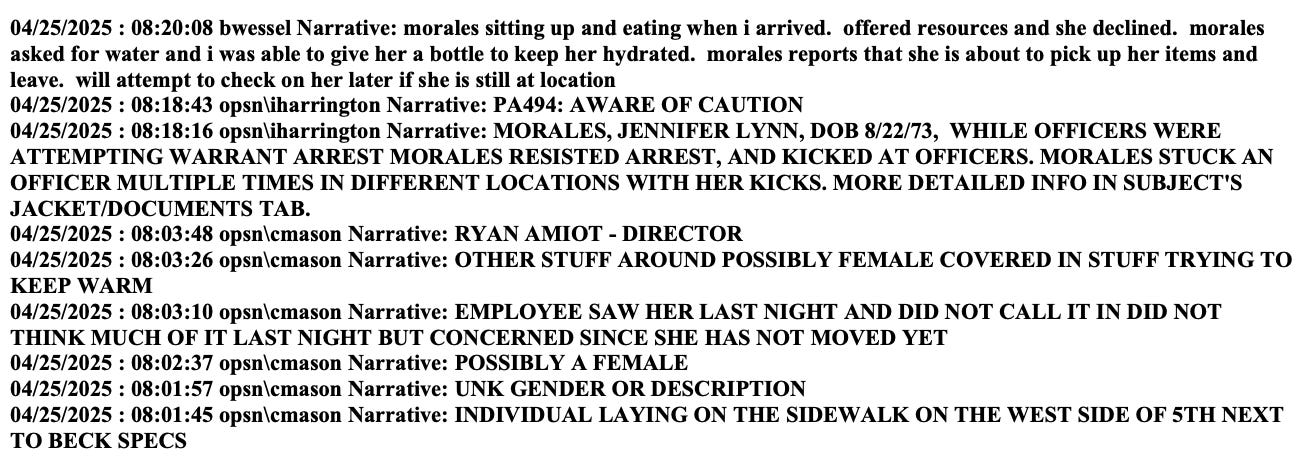
One report involved an aggressive woman lying on a sidewalk under blankets.
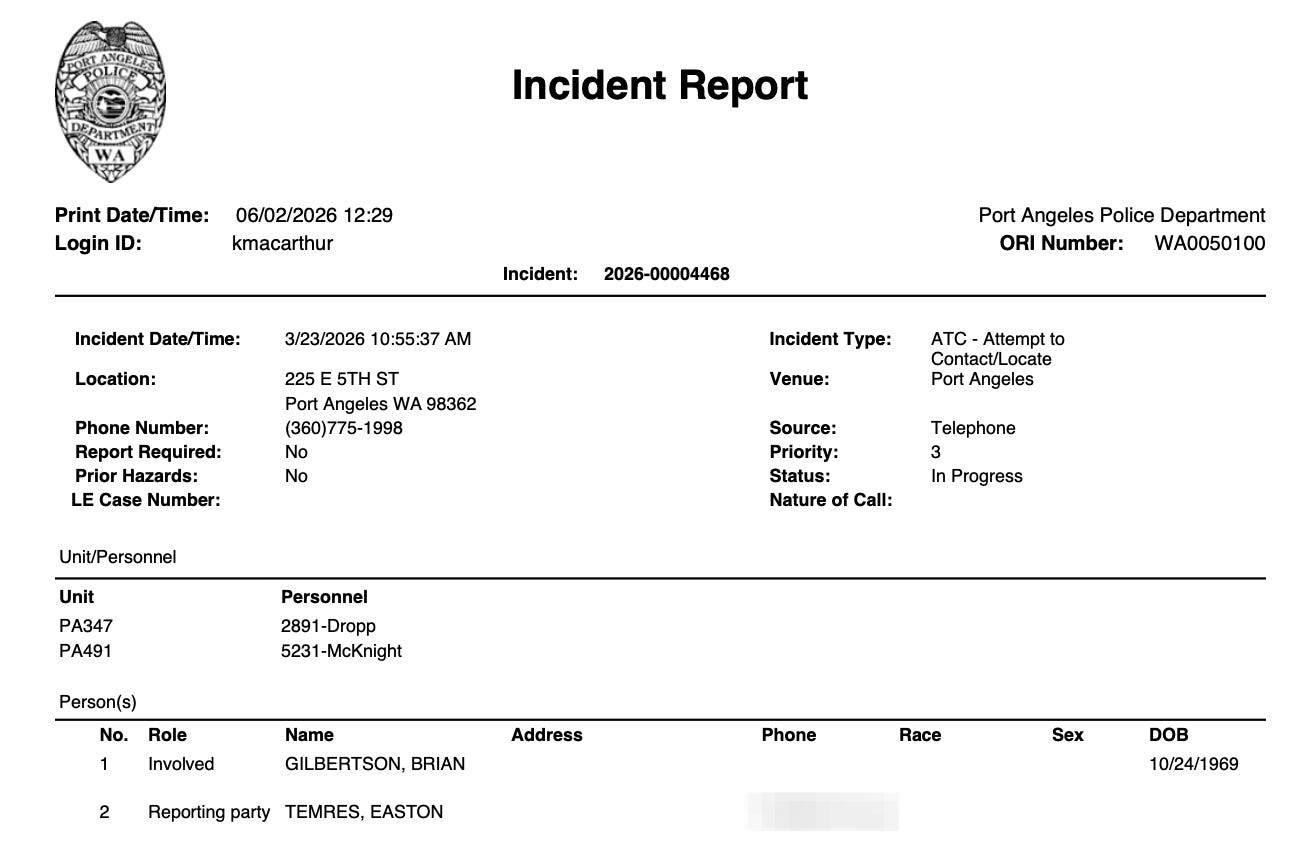
Another involved a man passed out partially in the roadway near the pool.

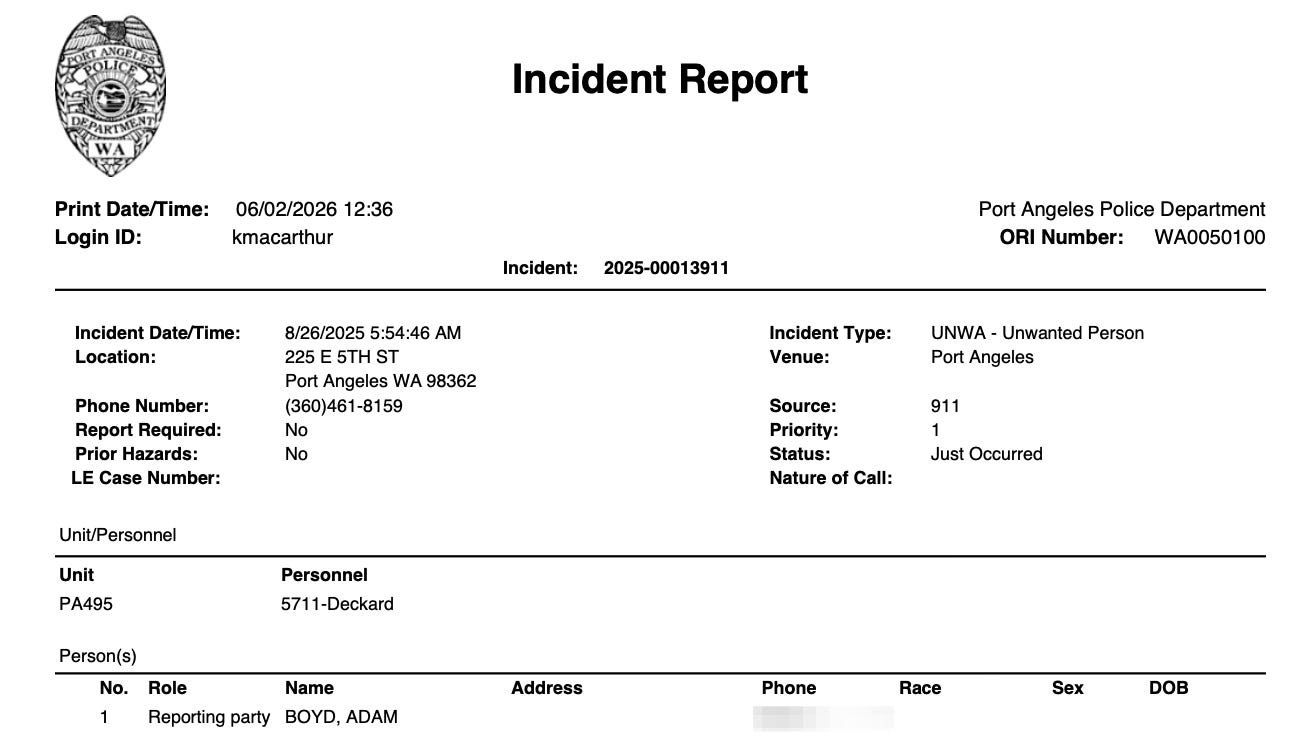
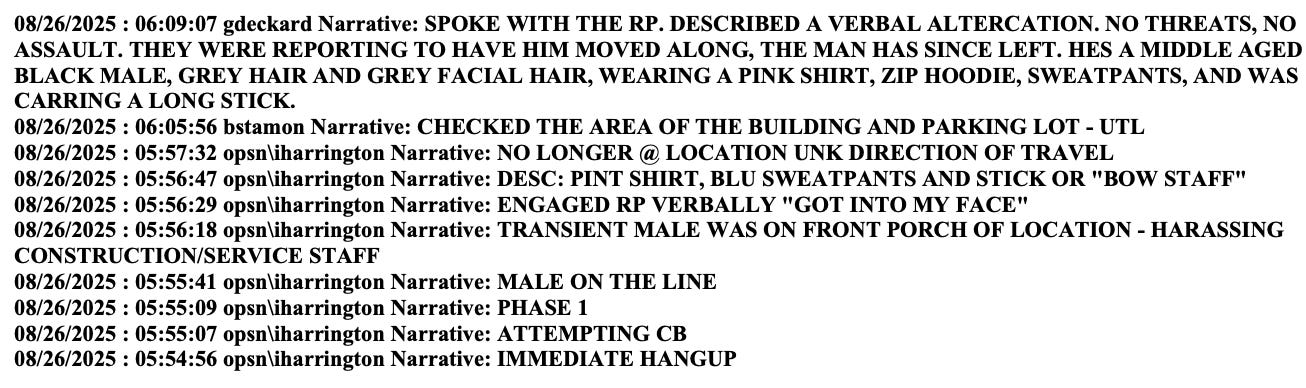
In August 2025, staff reported a transient male harassing workers near the building and getting into an employee’s face before leaving the area.
Repeatedly, police were called not because of swimming-related issues, but because pool staff were being forced to address social problems occurring on or around the property.
Mike French Says He Didn’t Know
Adding another layer to the controversy is a statement made by Commissioner Mike French.
During discussion of the voucher program, French stated that he was unaware the program even existed until he recently saw it discussed on social media.
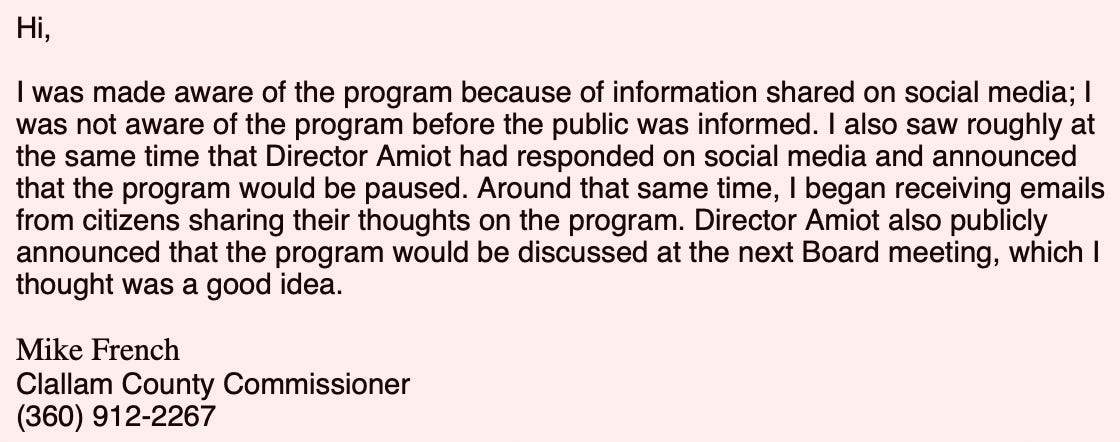
That raises an obvious question.
How could a county commissioner be unaware of a program being administered through county government? One of the agencies distributing shower vouchers is Clallam County Health and Human Services through the Harm Reduction Health Center.
French serves as a County Commissioner and sits on the board that ultimately voted to continue the program.
Residents may reasonably wonder whether board members fully understood the program before deciding to continue it.
Not the Staff’s Fault
None of these reports should be interpreted as criticism of pool employees. Lifeguards, clerks, janitors, and managers do not establish public policy.
The reports show staff repeatedly doing what taxpayers would expect them to do: calling police when confronted with threats, drug activity, welfare concerns, trespassing, suspicious behavior, or public safety issues. They are dealing with the reality placed in front of them.
Responsibility for the policies governing the voucher program rests with the board members who voted to continue it and the elected officials whose departments are involved in distributing the vouchers.

The Public Deserves an Honest Conversation
Reasonable people can disagree about shower vouchers. Some view them as an important public health tool. Others believe they are incompatible with a family-oriented aquatic facility. What should not be in dispute is the public’s right to have that discussion using accurate information. The police reports demonstrate that incidents have occurred.

As a community, we have an obligation to fiercely protect the safety of our families and children. Using our public pool as a hygiene-access center and distributing vouchers through the Harm Reduction Health Center undermines that responsibility. The William Shore Aquatic Center should be a place where children learn to swim, families gather, seniors exercise, and athletes train—not a facility increasingly associated with drug paraphernalia, transient activity, and repeated law enforcement responses.

Compassion for those struggling with addiction and homelessness, and protection of our children, are not competing priorities. A healthy community should be capable of doing both. Fortunately, Port Angeles already has multiple organizations providing shower and hygiene services. The Salvation Army offers showers five days per week, Serenity House provides hygiene access, and TAFY offers shower services during afternoon and evening hours. Public transit, paid for with Climate Commitment Act funding but free for riders, is available throughout the area to help individuals reach these locations.
If additional hygiene capacity is needed, the solution should be to work with existing providers and local nonprofits to expand those services where they already belong. Taxpayer-funded aquatic facilities should remain focused on their intended mission: swimming, recreation, fitness, water safety, and providing a safe environment for the families who fund and use them.
What Happens Next?
The next William Shore Aquatic Center Board meeting is scheduled for June 23 and is open to the public. Public comment is allowed, and the board has the authority to review, modify, or discontinue policies related to the voucher program.
Residents who wish to share their views can contact board members directly:
Mike French – Mike.French@clallamcountywa.gov
Randy Johnson – Randy.Johnson@clallamcountywa.gov
Mark Hodgson – mhodgson@cityofpa.us
LaTrisha Suggs – losuggs@cityofpa.us
Greg Shield – gshield6@icloud.com
Additional meeting information can be found here.
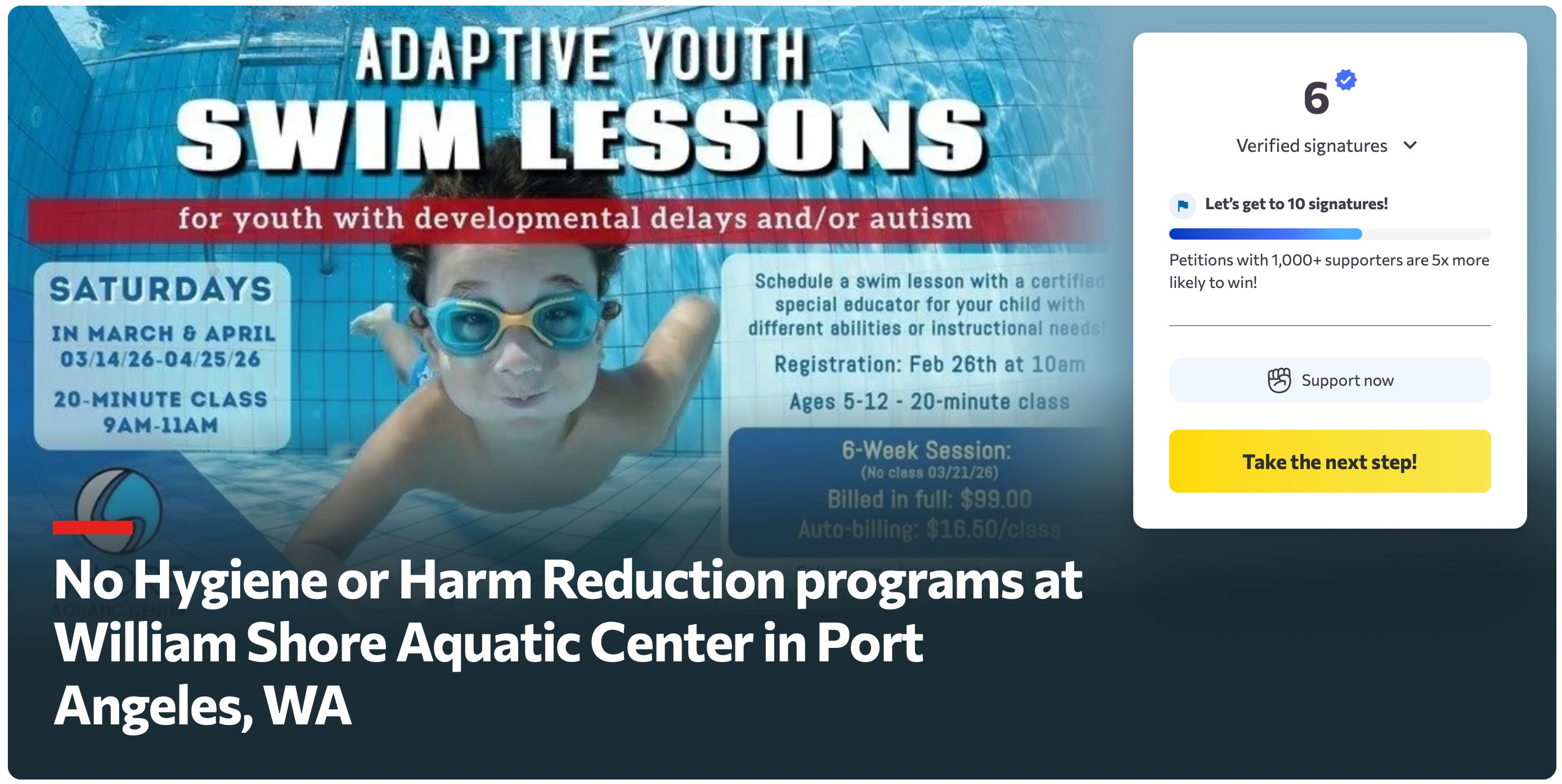
Residents who support ending the voucher program can also sign the petition calling on the board to reject hygiene-center and shower-voucher programs at the aquatic center.
For many residents, the question is no longer whether incidents have occurred. The question is why it took a citizen with a public records request to find out about them.





Today’s Tidbit: Fraud Becoming Too Common
This story out of Springdale, north of Spokane, is a reminder that fraud is rarely discovered because government officials are actively looking for it. More often, it is uncovered after years of weak oversight, missing controls, and a culture where people stop asking questions. In Springdale, auditors found that officials failed to review bank statements, questionable transactions went unchallenged, and trust replaced verification. The result was nearly $58,000 in confirmed misappropriated funds and more than $656,000 in questionable spending.
Closer to home, residents remember last year when the Washington State Auditor also found fraud at the William Shore Aquatic Center. In that case, public funds were misappropriated, and auditors concluded the pool district lacked adequate internal controls to prevent or detect the misconduct. It happened under the watch of elected leaders like Mike French and Randy Johnson, whose job was to provide oversight.
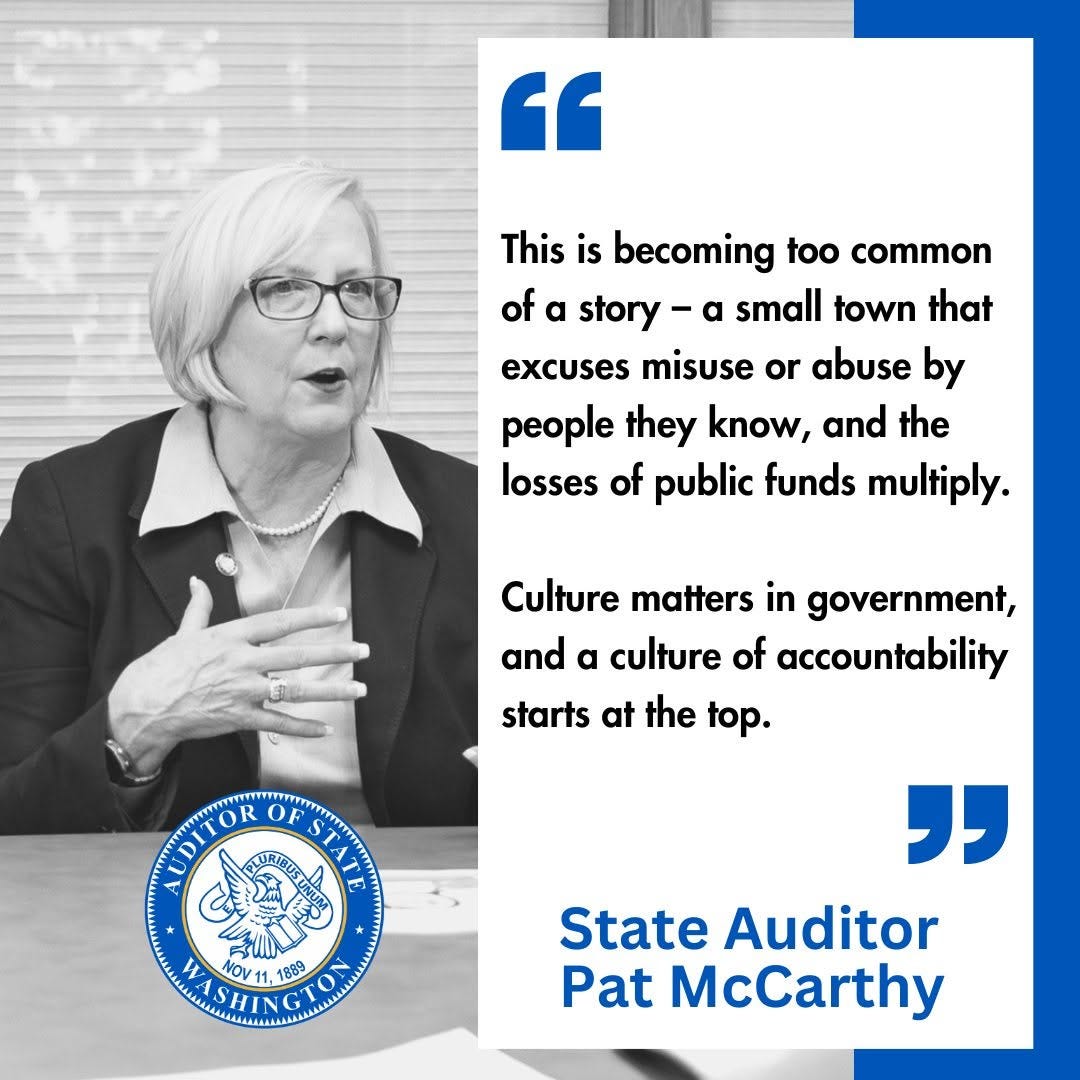
The lesson is not that every local government is corrupt. The lesson is that accountability matters. As State Auditor Pat McCarthy put it, “Trust is not an internal control.” Whether it’s a town hall, a pool district, a county department, or a nonprofit receiving public funds, taxpayers should never be discouraged from asking questions. If anything, stories like Springdale suggest there may be far more problems hiding in plain sight than most people realize.