


Washington spends more per student than the national average, yet many students continue to struggle in reading, writing, and math. At the same time, the state has spent more than a decade expanding mandatory tribal sovereignty curriculum and encouraging schools to integrate activist-oriented civic lessons. Should schools spend more time on academic fundamentals before asking students to become activists?
The United States spends more money on K-12 education than any country in the world. Washington spends even more than the national average.
According to the U.S. Census Bureau, Washington spent approximately $18,564 per student in current educational expenditures during fiscal year 2024. Total revenue exceeded $21,800 per student, with Washington ranking sixth nationally in state funding per pupil.
Those numbers naturally raise an important question.
If we’re spending nearly $19,000 on every child every year, why are so many students leaving school without mastering reading, writing, and mathematics?

That question becomes even more relevant when looking at what schools are choosing to emphasize.
For more than a decade, Washington has required schools to teach the John McCoy (lulilaš) Since Time Immemorial: Tribal Sovereignty in Washington State curriculum or other tribally developed materials.
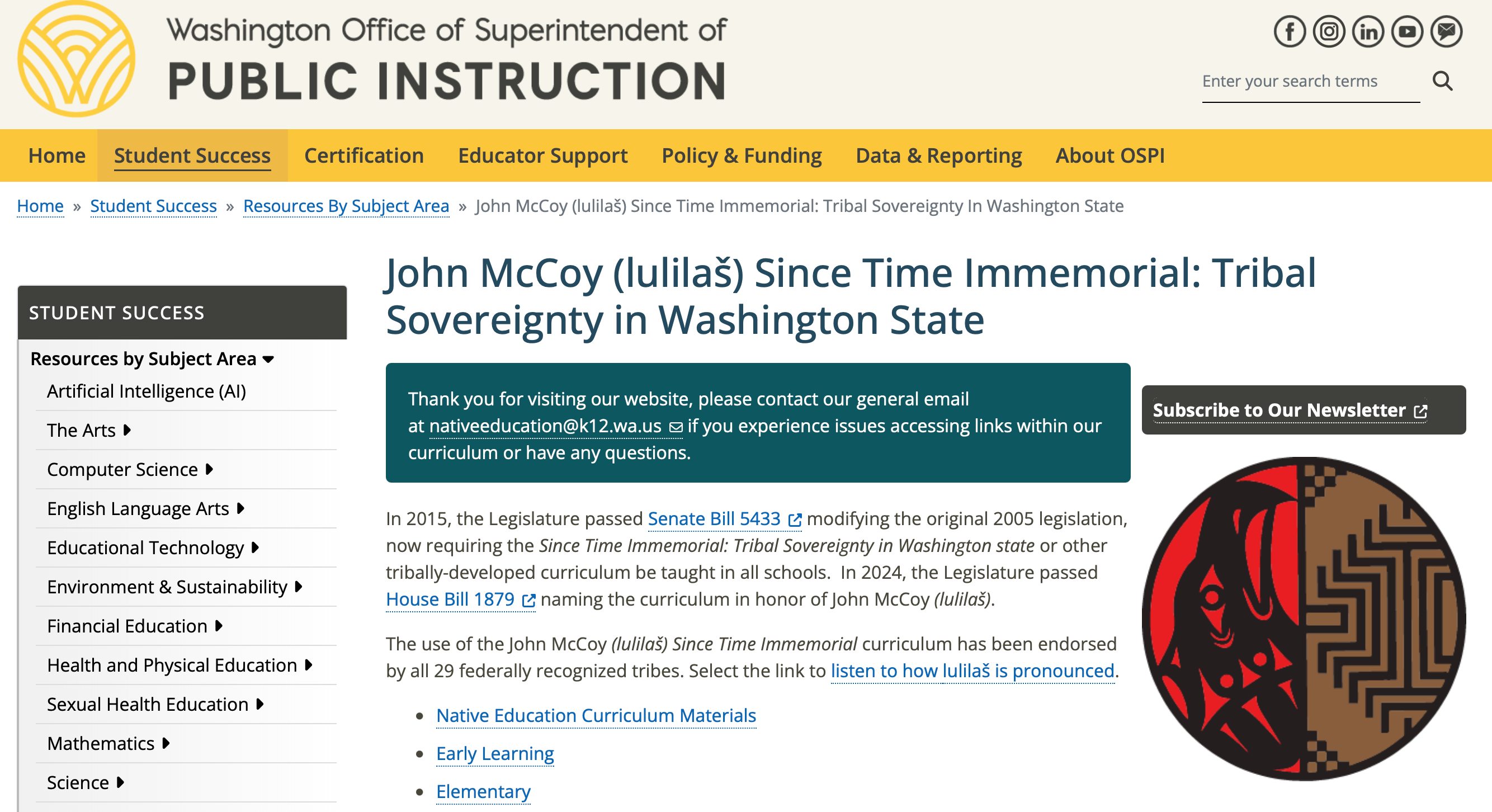
Originally authorized by the Legislature in 2005, expanded in 2015 through Senate Bill 5433, and renamed in 2024, the curriculum is now woven throughout Washington classrooms from elementary school through high school.
The curriculum is extensive.
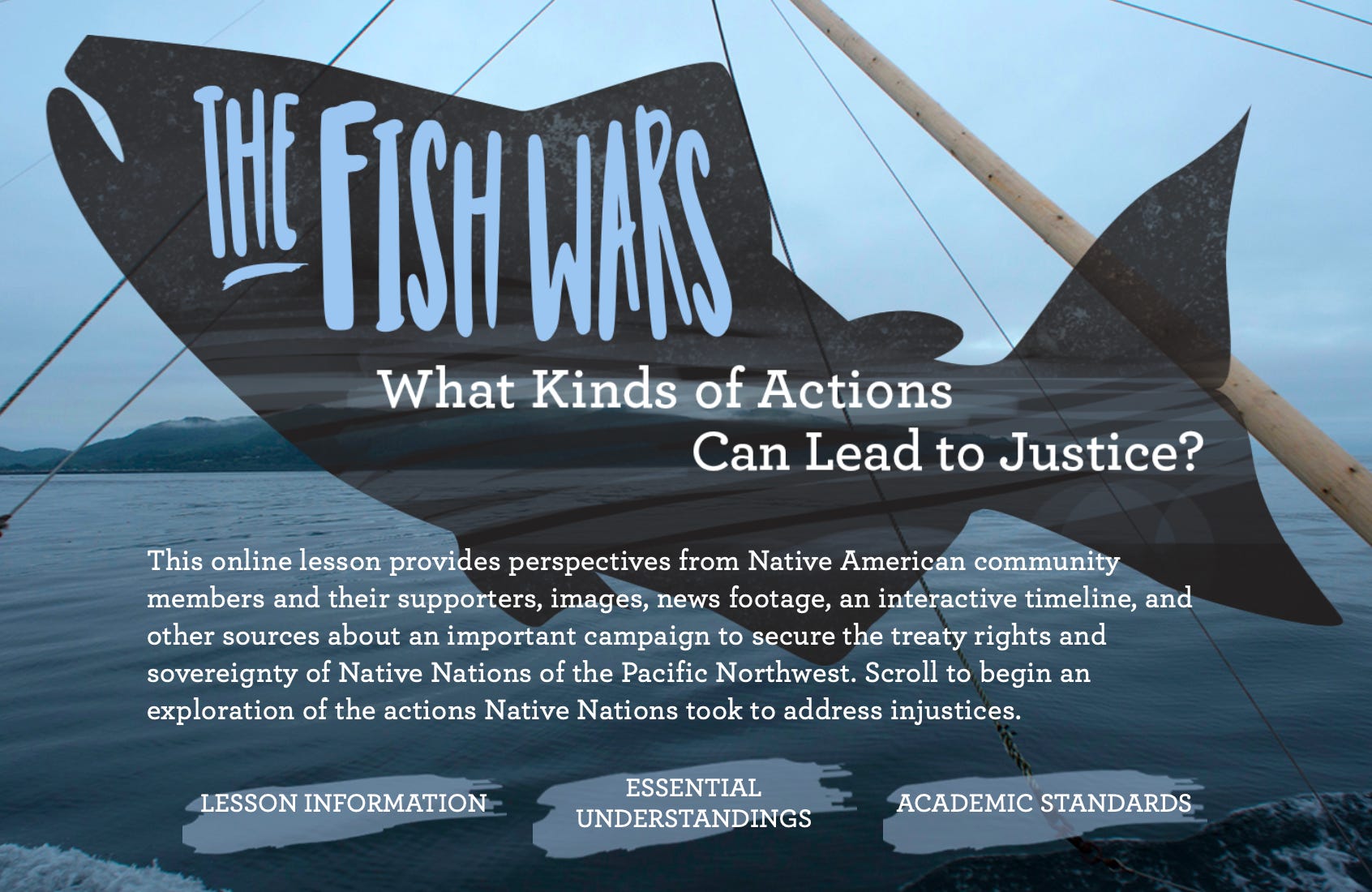
[Click here to watch “The Fish Wars: Four Simple Truths.”]
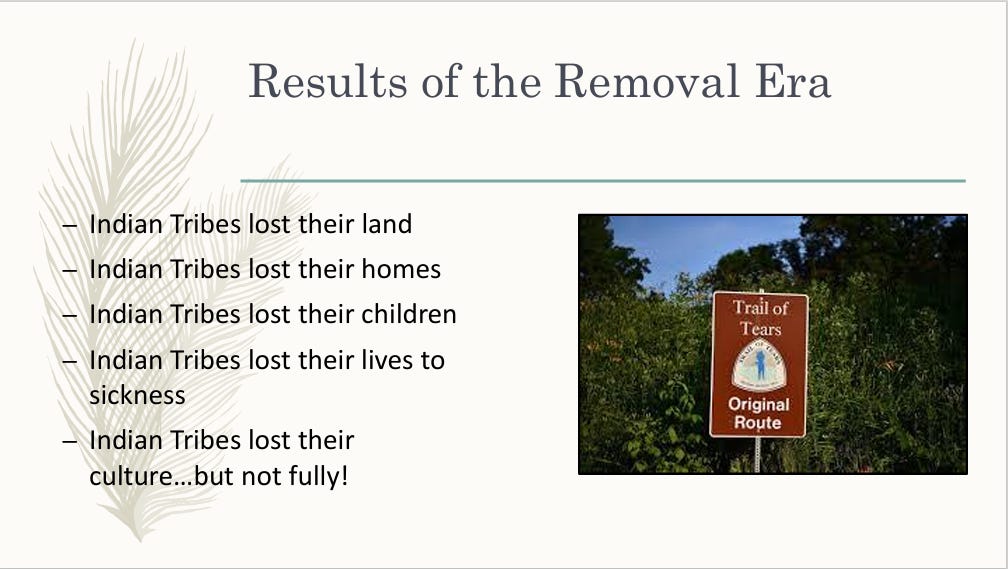
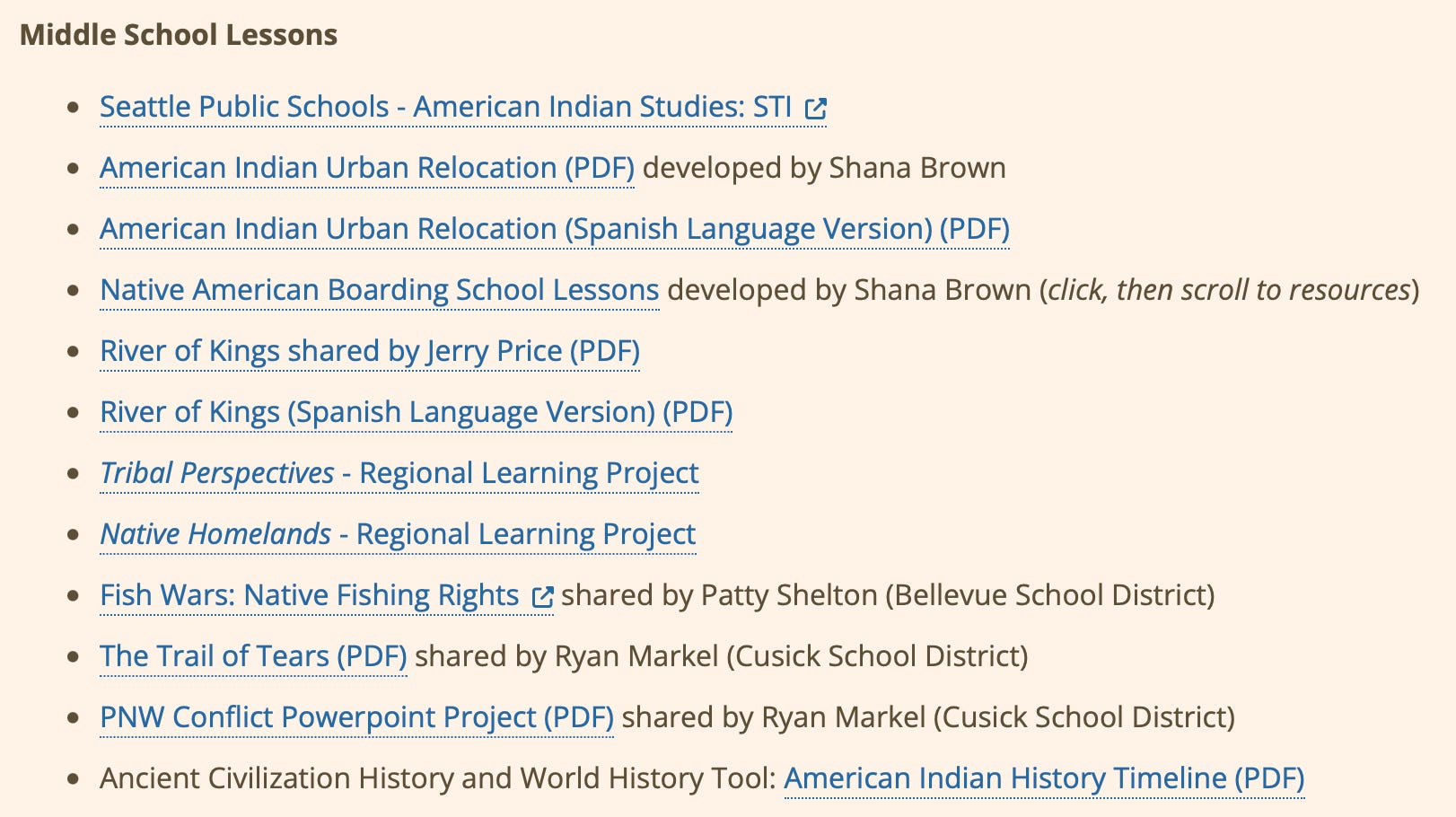
Students study tribal sovereignty, treaty rights, boarding schools, Native homelands, the Boldt Decision, environmental stewardship, and contemporary tribal government. Teachers attend statewide trainings, districts are encouraged to partner directly with local tribes, and ready-made lesson plans are available across virtually every grade level.
The Office of Superintendent of Public Instruction describes the curriculum as an integrated approach that can be incorporated throughout the school year rather than taught as a single unit.
Locally, Sequim School District has embraced that partnership. Every school board agenda begins with a land acknowledgment recognizing the ancestral homeland of the S’Klallam people and noting that the district consults with the Jamestown S’Klallam Tribe on programs affecting Native students.

The district also works with the Tribe to implement Since Time Immemorial curriculum.
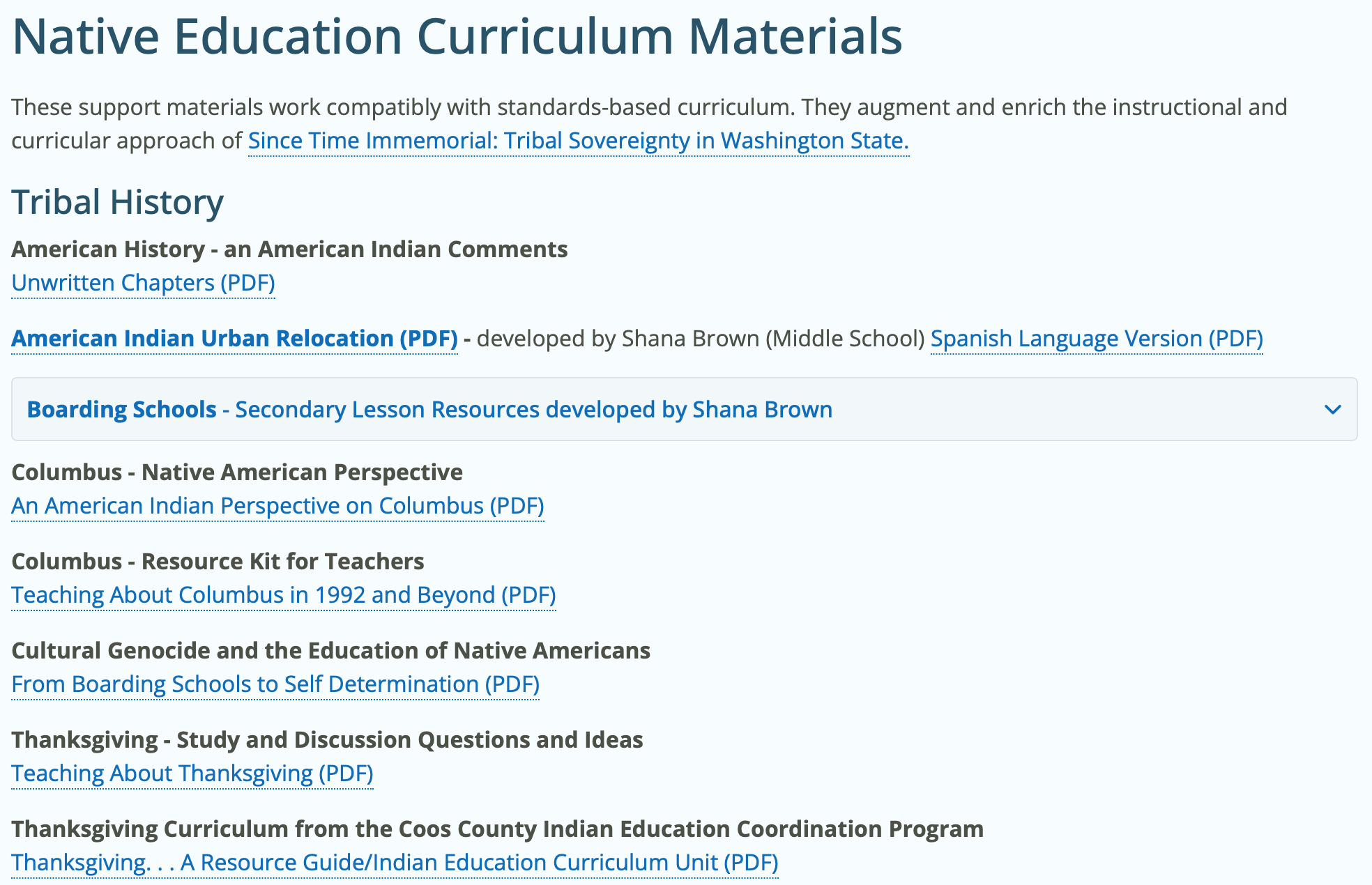
Meanwhile, the League of Women Voters of Washington has promoted The State We’re In: Washington, a civics textbook for elementary students that includes lessons on tribal government, treaties, climate change, environmental stewardship, and civic activism.

The League’s Clallam County chapter describes itself as an “activist, grassroots organization,” and has publicly celebrated helping Crescent fourth graders work through portions of that curriculum during visits to the Elwha Klallam Museum.


None of this means tribal history should not be taught. It absolutely should. Washington’s tribal history is Washington’s history. The concern is whether schools have begun emphasizing indoctrination at the expense of academic outcomes.
Look through the state training materials and lesson catalogs, and you’ll find substantial attention devoted to tribal sovereignty, treaty rights, Native identity, environmental justice, boarding schools, and contemporary social issues.
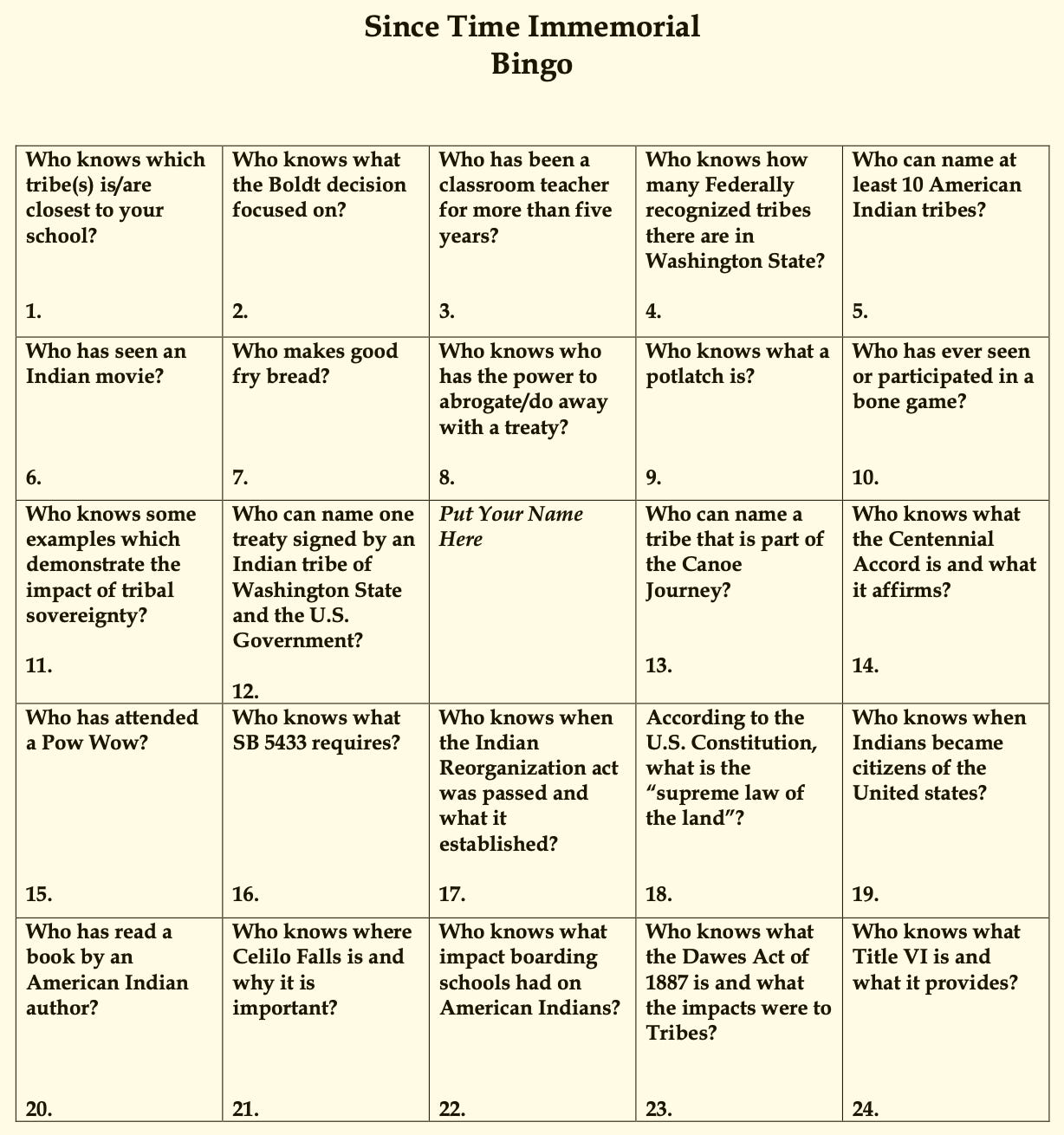
Training activities even include “Since Time Immemorial Bingo,” where educators answer questions such as:
Which tribe is closest to your school?
What did the Boldt Decision establish?
What impact did boarding schools have?
What is the Centennial Accord?
Who has attended a Pow Wow?
Who can name ten federally recognized tribes?
Those may be worthwhile subjects within Washington history. But parents might reasonably ask another question.
How many classrooms devote that same level of enthusiasm to teaching students who the Allied Powers were during World War II? The capital of Indonesia? Chile’s primary exports? How to diagram a sentence? The difference between an independent clause and a dependent clause? Long division without a calculator?
Those are the kinds of skills students carry with them for life. Yet academic performance continues to leave many families concerned.
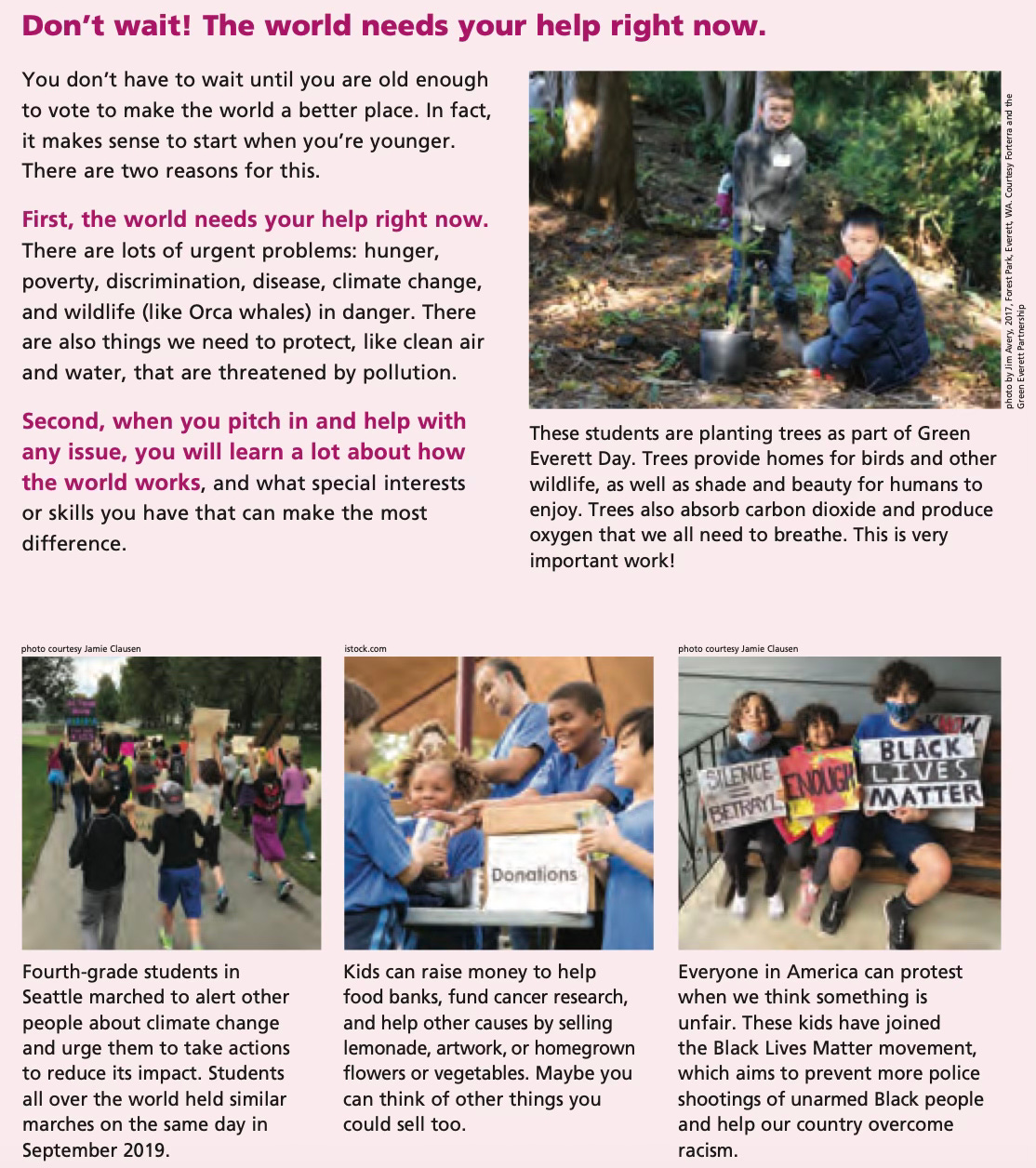
Whether one looks at state assessments, college readiness, graduation rates, or remediation, Washington schools are still struggling to ensure every student masters the fundamentals. Cape Flattery School District’s own performance data shows significant room for improvement in English language arts, mathematics, attendance, and graduation.

That doesn’t prove tribal curriculum caused those outcomes. But it does raise legitimate questions about priorities. When instructional time is finite, every hour devoted to one subject is an hour unavailable for another. Parents and taxpayers therefore have every right to ask whether schools are striking the right balance.
Education should first teach students how to read critically, write clearly, solve mathematical problems, understand science, and evaluate competing ideas. History should present the complexity rather than morality. Civics should explain institutions before encouraging activism.
Students deserve to learn about Washington’s tribes. They also deserve an education that leaves them fully prepared to succeed in college, careers, and adult life.
Washington taxpayers are already investing nearly $19,000 per student every year. The question isn’t whether we spend enough. It’s whether we’re spending enough time teaching the fundamentals that every graduate will need.
Today’s Tidbit: A Fascinating Glimpse Into History
A 1932 Olympic Tribune article reported that, following the 1926 settlement with the Clallam Indians, “the Indians relieved the government of all further responsibility for the care of their indigents” and “became citizens and subject to the care and supervision of the county.”
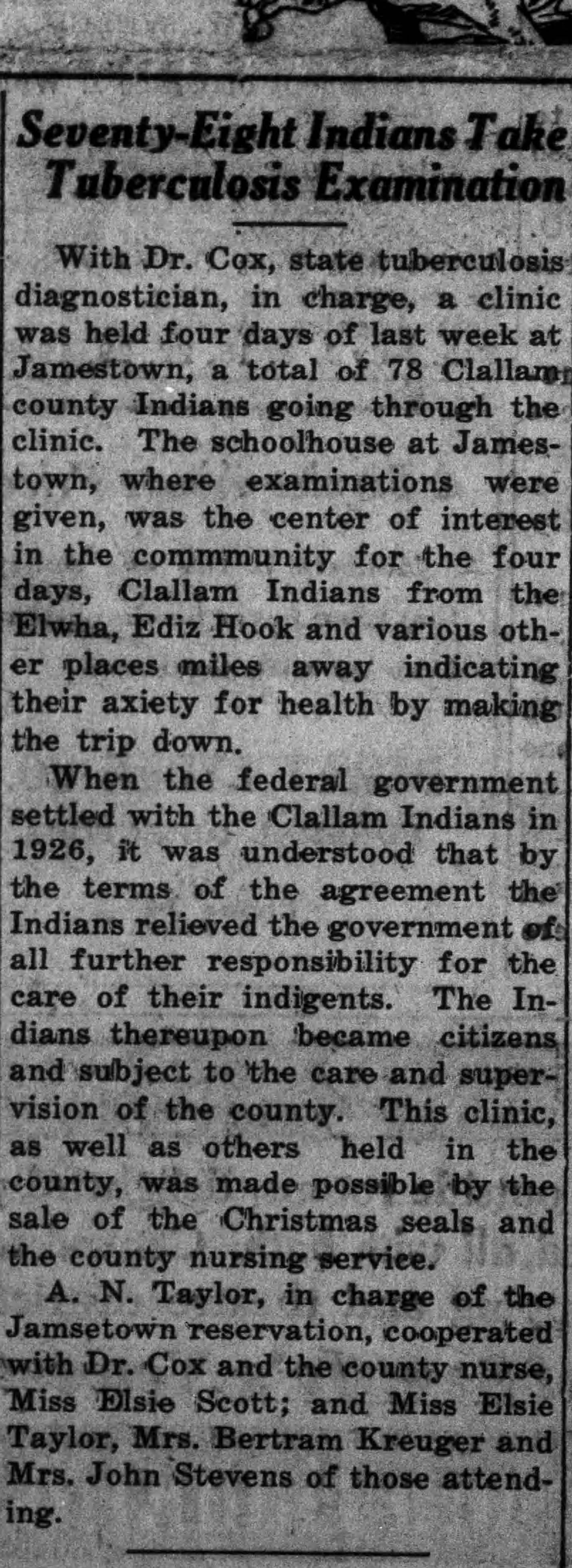
If that was the understanding at the time, what changed?
Today, many argue the federal government has an ongoing trust responsibility that extends well beyond what this article describes. Whether the newspaper accurately reflected the legal agreement or simply the prevailing understanding, it’s a reminder that history is often more complicated than the narratives we’re told today.


