

Land acknowledgements are showing up across Clallam County—from schools to nonprofits and now to county advisory boards. Supporters say they’re about respect. Critics call them empty gestures. But as the practice takes hold locally, a more practical question is surfacing: what do these statements actually do, and are they bringing people together—or quietly dividing them?
If you’ve been to a public meeting lately—anywhere from a school event to a nonprofit gathering—you’ve probably heard it.
A pause. A shift in tone. Then a prepared statement acknowledging that the land beneath us once belonged to Indigenous peoples.
Supporters say it’s about respect. Recognition. Awareness.
Critics see something else entirely.
Back in 2021, The Atlantic published a piece that cut straight to the point, calling land acknowledgements “moral exhibitionism.” The argument was simple: these statements often make people feel like they’ve done something meaningful without actually changing anything. A moment of reflection… and then everyone moves on.
That debate isn’t abstract anymore. It’s here.
From Classrooms to County Boards
Clallam County hasn’t been immune to the trend.
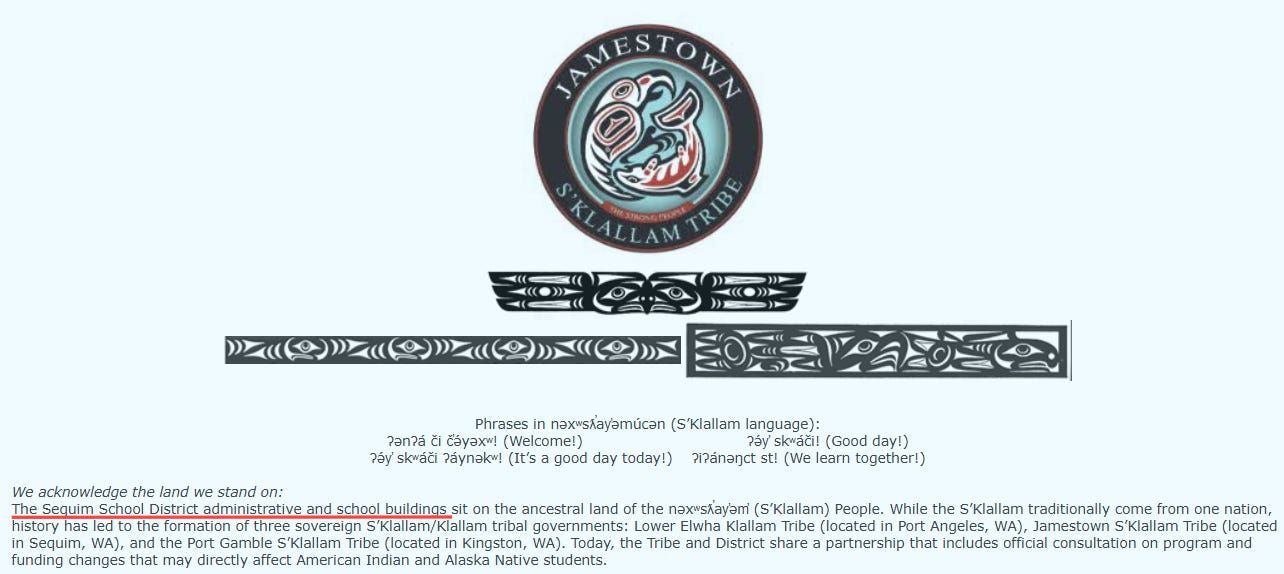
The Sequim School District now includes a land acknowledgement stating its buildings sit on “ancestral land.”
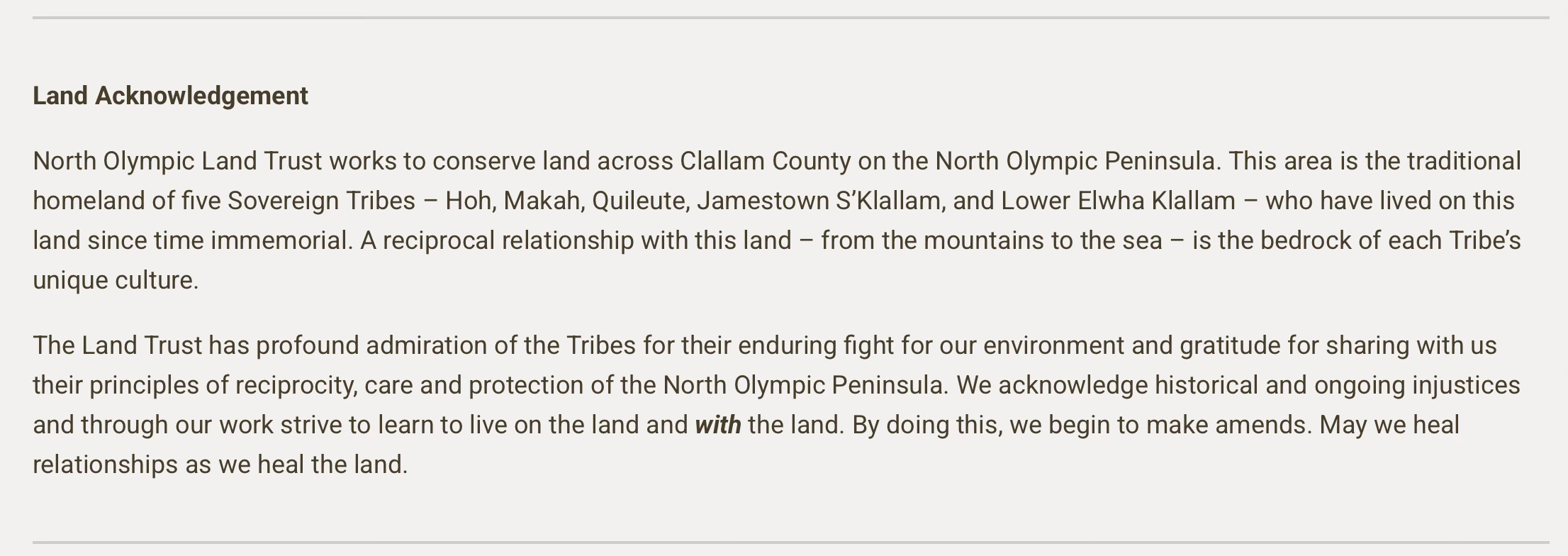
The North Olympic Land Trust references “ongoing historical injustices,” though without clearly spelling out what that means today.
Until recently, county government itself had stayed out of it.
That changed with the Clallam County Fair Advisory Board.
How It Happened
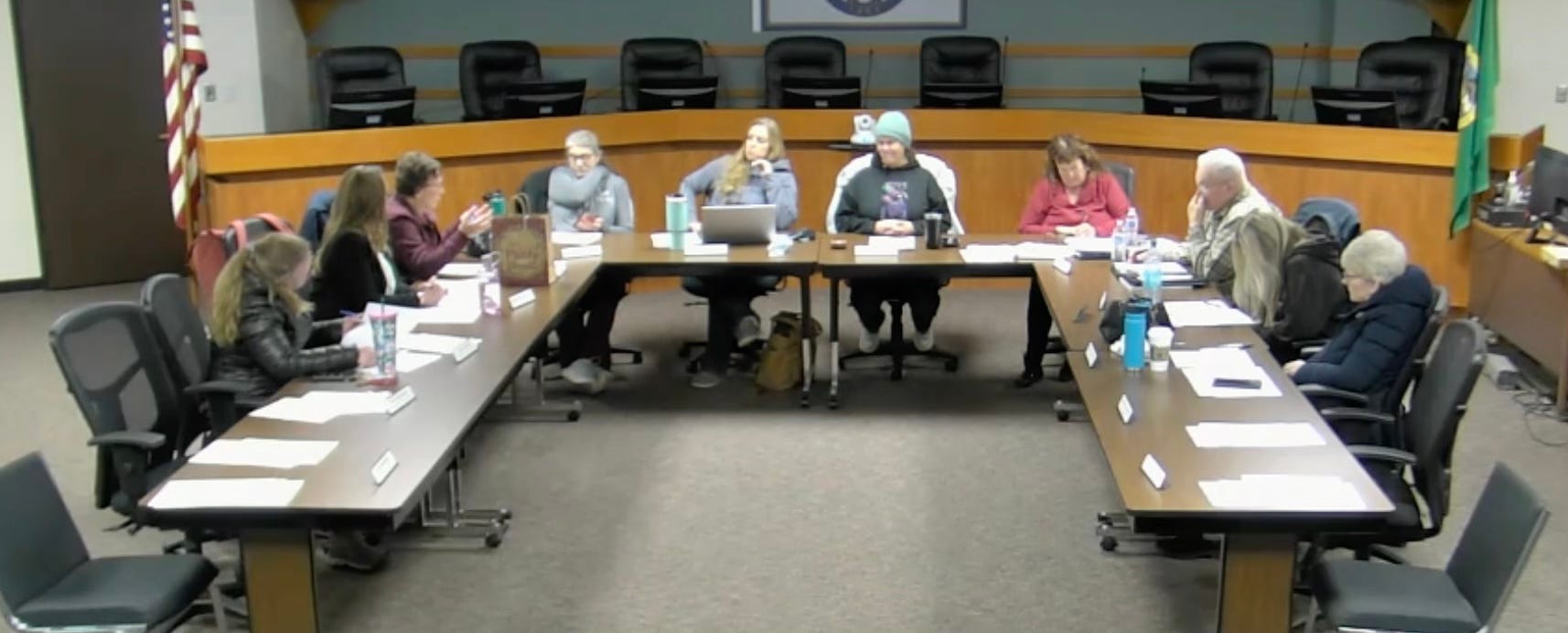
Thanks to a Public Records Request and a deep dive by West End correspondent Dr. Sarah, we now know exactly how land acknowledgements made their way into county meetings.
It started on January 22, 2025.
The topic wasn’t even on the agenda.
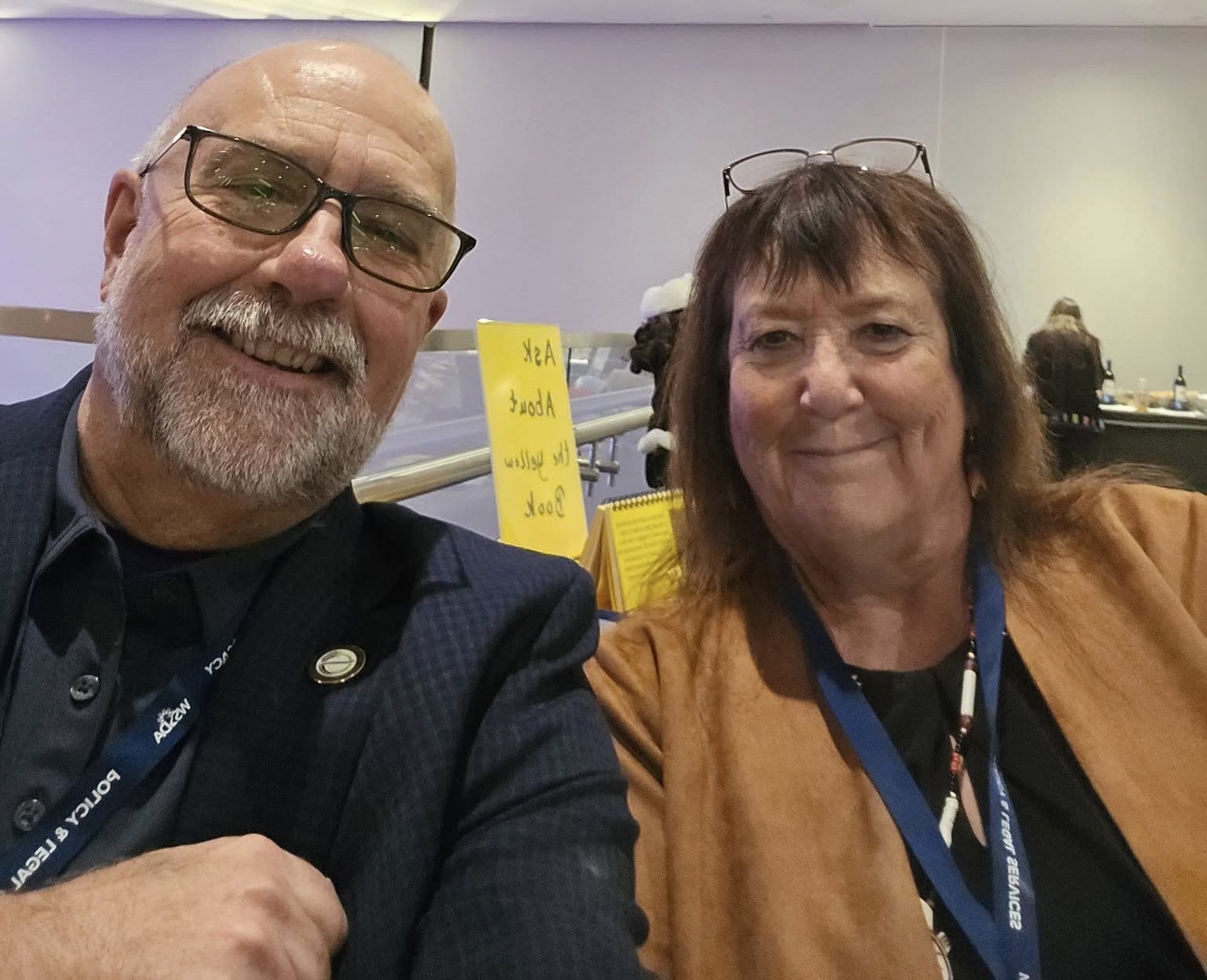
After the last public comment period, board member Cindy Kelly brought it up. She explained that during her time on the Port Angeles School Board, they had adopted a land acknowledgement and suggested the Fair Board do the same.
She told the board:
“We are within the traditional lands of the Klallam Tribe which includes Jamestown and Lower Elwha.”
Kelly said she had already spoken with Lower Elwha Chairwoman Frances Charles, who supported the idea. She described land acknowledgements as a long-standing tradition and said more groups locally were starting to adopt them “just out of respect.”
The plan was straightforward:
Read the acknowledgement after the Pledge of Allegiance at every meeting, include it in fair opening ceremonies, and eventually incorporate Klallam language into signage around the fairgrounds.
Support came quickly.
Parks and Facilities Director Don Crawford backed the idea, suggesting a “baby step” approach by adding language to banners as they’re replaced. Another board member said it would make the fair more inclusive.
Kelly broadened the point:
“I’m not just about tribes. I’m about Hispanic people, Asian people… we need to bring more of that into our culture for people to feel more welcome.”
The board voted.
It passed unanimously.
A Warning—and a Moment of Honesty
Before the vote, though, there was a moment worth paying attention to.
The County Administrator cautioned the board to be careful about how the message would land, referencing public comments at commissioner meetings:
“There is a group of people that attends regularly. One person introduces himself as ‘Tribe USA’. A common topic… is tax policy on tribal members vs. non-tribal members… sometimes the messaging… sounds divisive. I would… make sure it’s unifying and not divisive, so it doesn’t blow up in anybody’s face.”
Kelly didn’t hold back in response:
“I almost lost it with two of them [public commenters at commisisoner meetings]… this is very disrespectful to me when they talk about people like that.”
Another board member floated the idea of doing the acknowledgement just once, to avoid potential conflict.
That didn’t go anywhere.
The general feeling was: if someone shows up and objects, deal with it then.
Fast for This—Slow for Everything Else
Here’s what really stands out in the records.
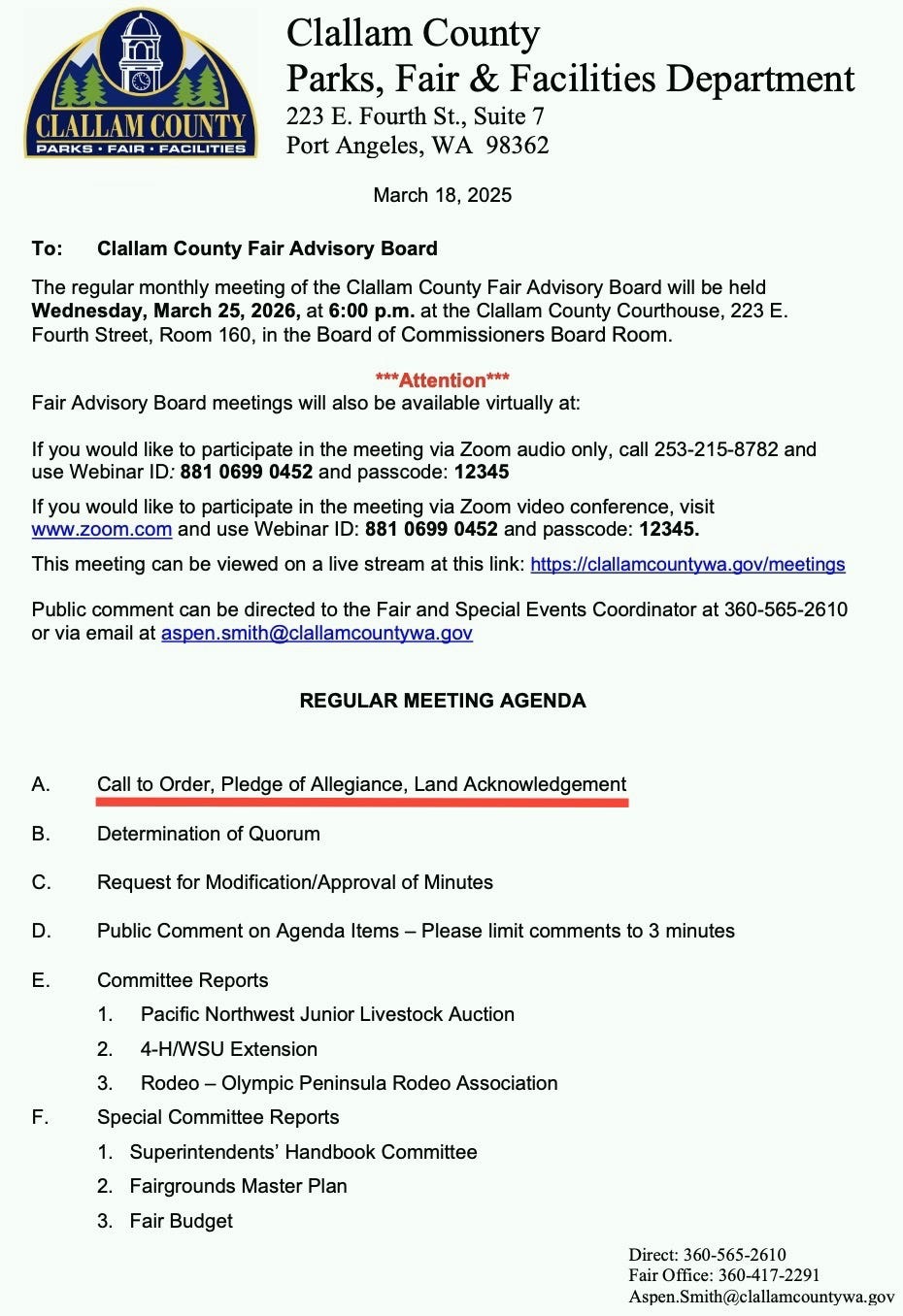
The land acknowledgement was adopted quickly and cleanly. By the next meeting, it was locked in as “Item A” on every agenda—and it’s stayed there ever since.
At the same time, some of the board’s bigger responsibilities are still inching along:
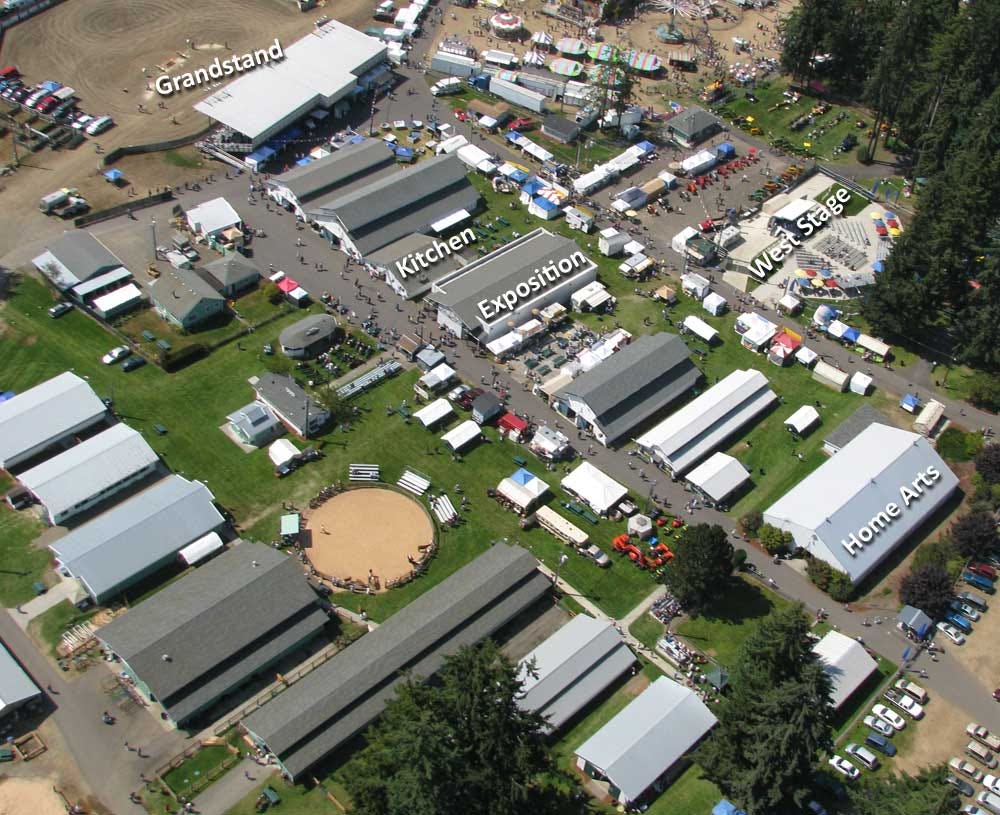
The Fairgrounds Master Plan—decades old—still needs updating
Volunteer shortages continue across key roles
ADA compliance remains an ongoing issue
In other words, the symbolic change moved fast.
The operational ones… not so much.
So Who Gets Included?
At the end of the discussion, Kelly said:
“The Tribes are really happy to be included.”
Fair enough—but included in what? And were they not included before?
Clallam County didn’t appear out of nowhere. It was built over generations by all kinds of people—Native families, early settlers, immigrants, farmers, loggers, fishermen, and more recent arrivals who now call this place home.
So where does this idea go?
If meetings begin by recognizing one group’s historical connection to the land, does that bring people together—or does it quietly sort people into categories based on when their families arrived?
Do we start acknowledging every group? Every wave of migration? Every generation?
Or do we step back and ask a simpler question: what actually brings a community together?
A More Inclusive Way Forward
If the goal is respect, unity, and shared understanding, there’s a more meaningful path than scripted acknowledgements:
Focus on actions that actually benefit the entire community, including tribal partners—through transparent collaboration on infrastructure and public safety
Honest and complete local history education
Open dialogue on difficult issues like tax policy and land use
And a commitment to equal treatment under the law.
If recognition truly matters, it should show up in measurable outcomes and fair governance, not just words read at the start of a meeting—because real respect isn’t something you recite, it’s something you demonstrate.


