

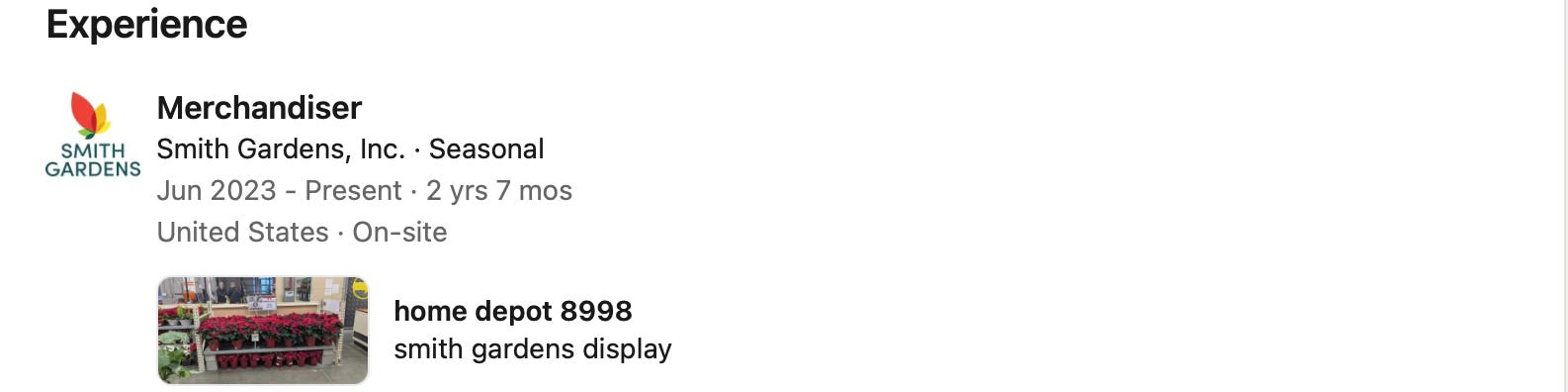
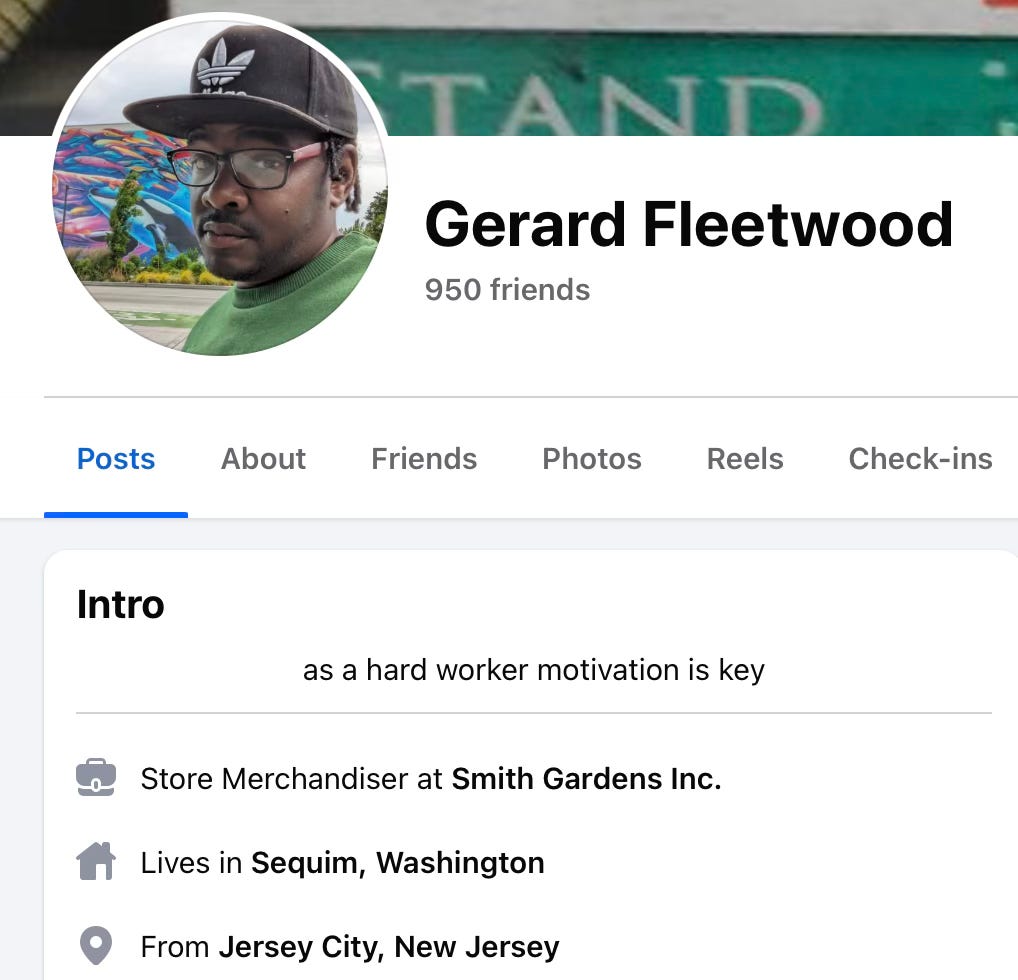
Clallam County Jail booked Gerard Robert Fleetwood on a fugitive hold and a domestic-violence-related fourth-degree assault, then released him by court order. Fleetwood appears to match a man described in 2020 New Jersey reports as a “10-time felon” arrested after a knife-involved robbery and a violent struggle with police. At the same time, Level III sex offender Lonnie Priester from Yakima is back in jail. Are local systems protecting the public—or just processing the fallout?
A late-night booking and release
Clallam County Jail logged a new occupant: Gerard Robert Fleetwood, 41, booked Sunday just before midnight on “Fugitive from justice in other state” and 4th Degree Assault DV (GMSD). He received a court-ordered release yesterday.
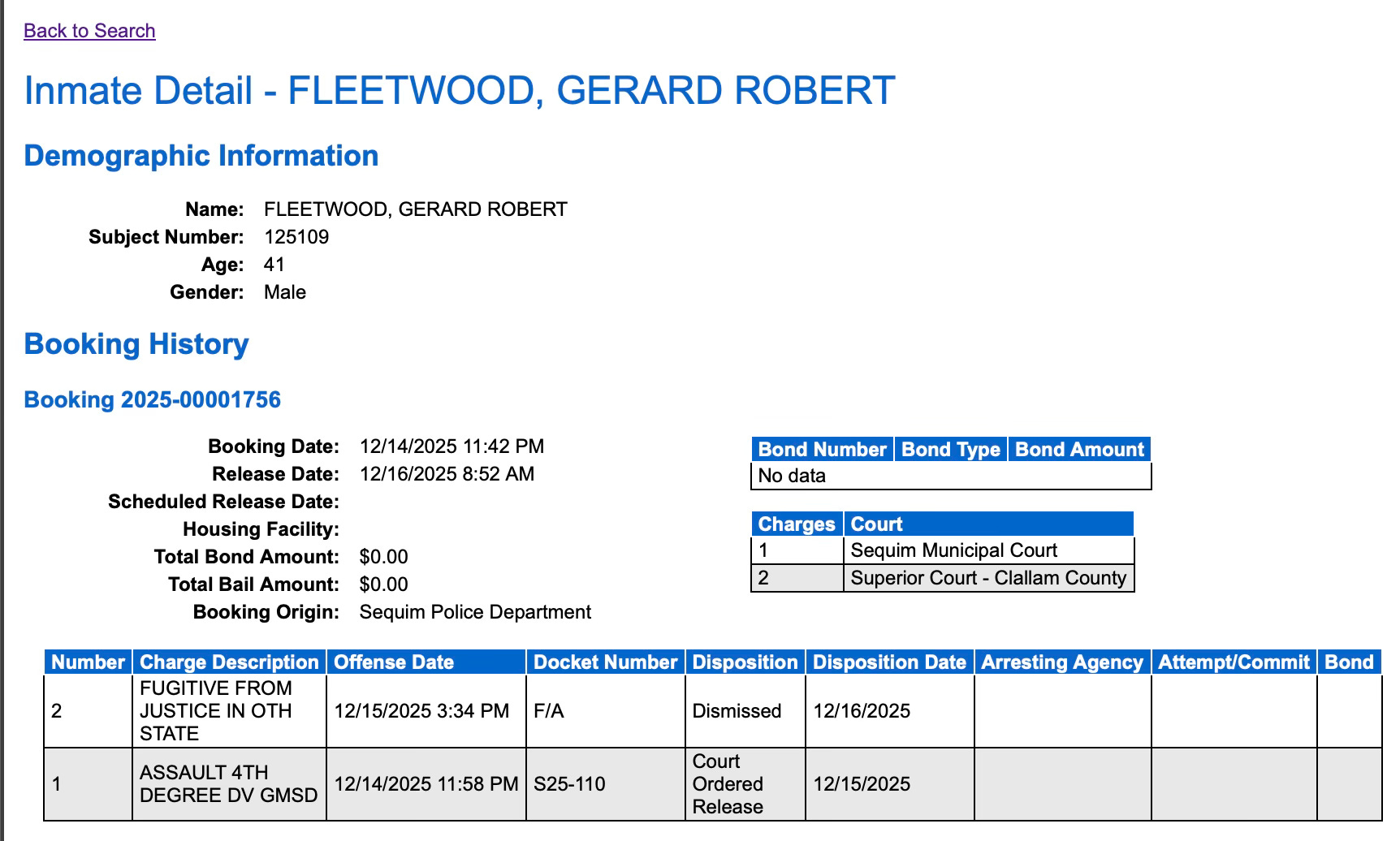
That sequence—booked, processed, released—has become a familiar rhythm. The question isn’t whether the jail staff did their job. It’s whether the overall system is structured to reduce risk to the community, or simply to move cases along until the next incident forces attention again.
The “10-time felon” from New Jersey

In 2020, Fleetwood was the subject of reporting out of Hoboken/Jersey City describing a man with the same name and age range who was arrested after an alleged incident in which victims reported a man entering their vehicle, taking a phone, brandishing a knife when chased, and later resisting arrest—during which a second knife allegedly fell from his pocket.
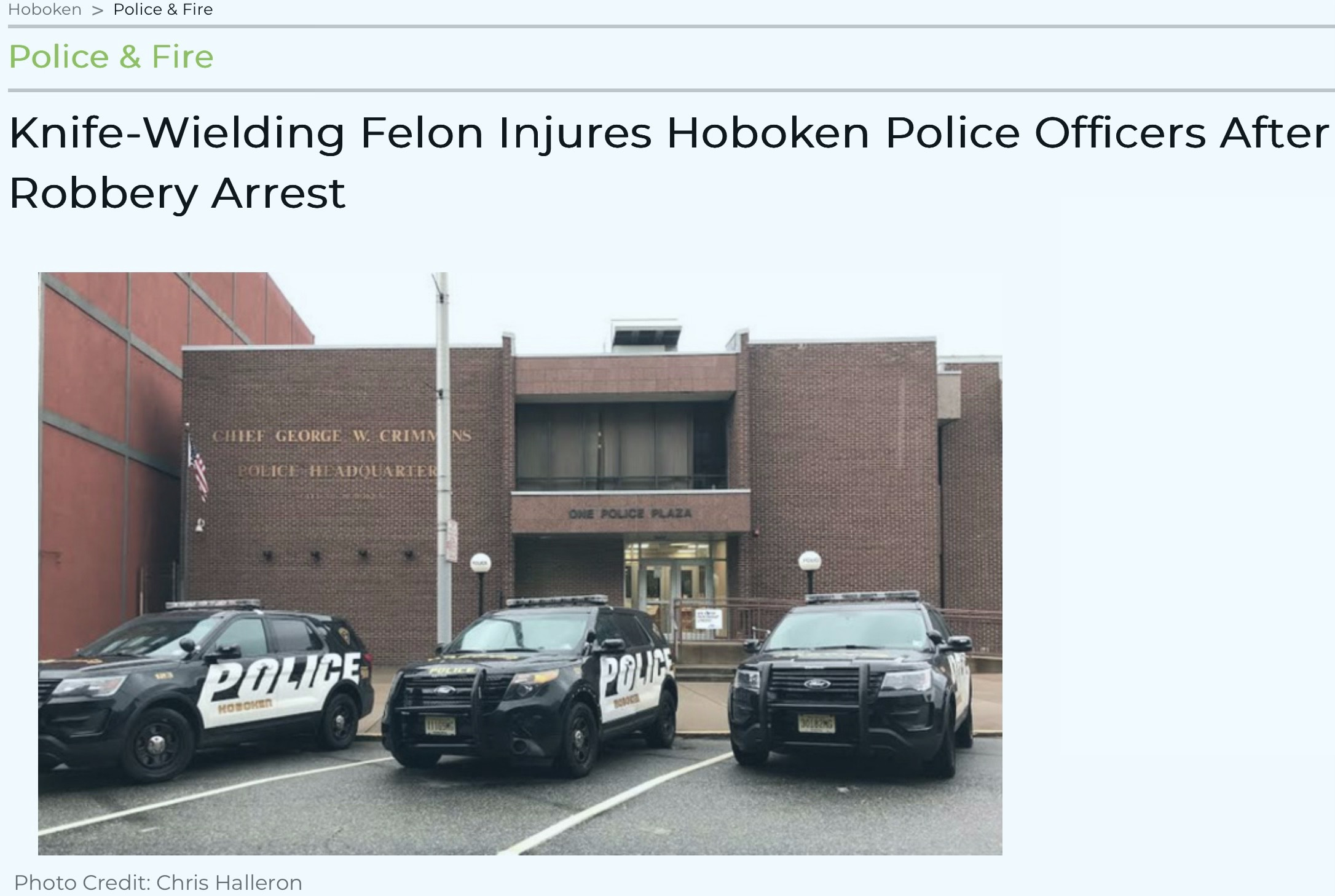
Two officers reportedly suffered injuries, with one treated at a medical center. The Hoboken Director of Public Safety was quoted as calling Fleetwood a “10-time felony convict.”
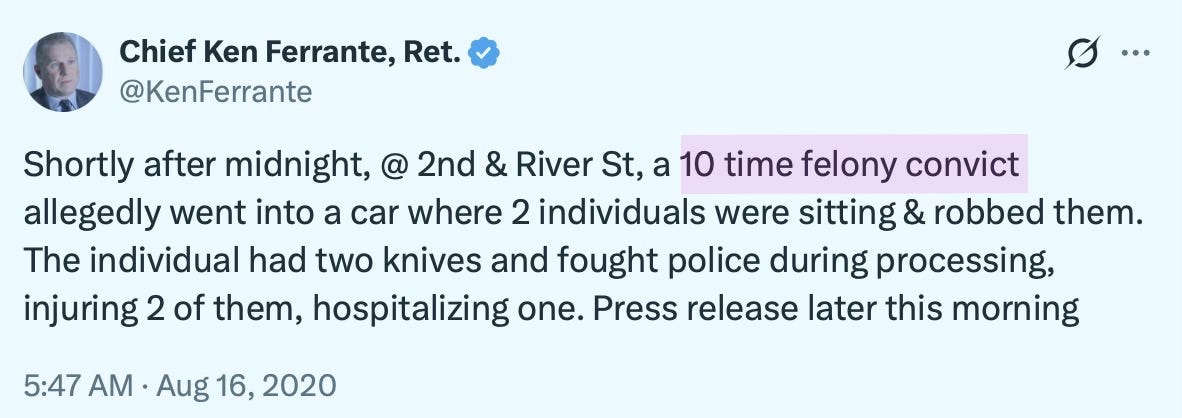
If the same individual is now turning up in Clallam County, the public’s concern is understandable: people do not travel 3,000 miles at random. They travel toward opportunity—work, family, services, and, sometimes, toward places where boundaries are perceived to be softer.
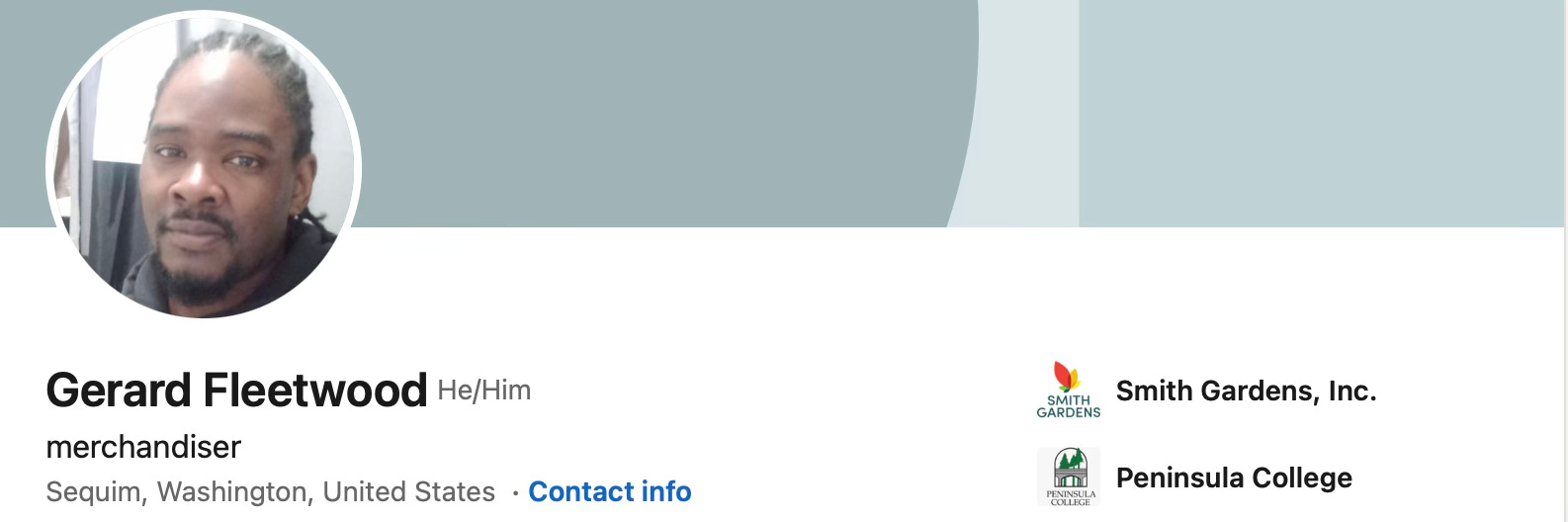
The uncomfortable question: why here?
The public is allowed to ask hard questions without demonizing people or pretending every newcomer is a threat.
But it is also fair to notice the contradiction in local messaging:
Officials say resources are strained—yet policies often advertise low friction: free services, limited enforcement, and minimal consequences for repeat behavior.
Agencies urge compassion—yet residents are the ones absorbing the safety risk, the cleanup burden, and the cost.
Leaders speak about “equity” and “care”—yet the most basic public interest (safe parks, safe transit, safe community spaces) is increasingly treated as negotiable.
If Clallam is economically depressed and already stretched thin, importing preventable public-safety risks is not compassion. It is mismanagement.
Update: Lonnie Priester Returns to Custody
Lonnie Priester, a registered Level III sex offender, has again been booked into the Clallam County Jail—this time on drug possession and failure to appear.
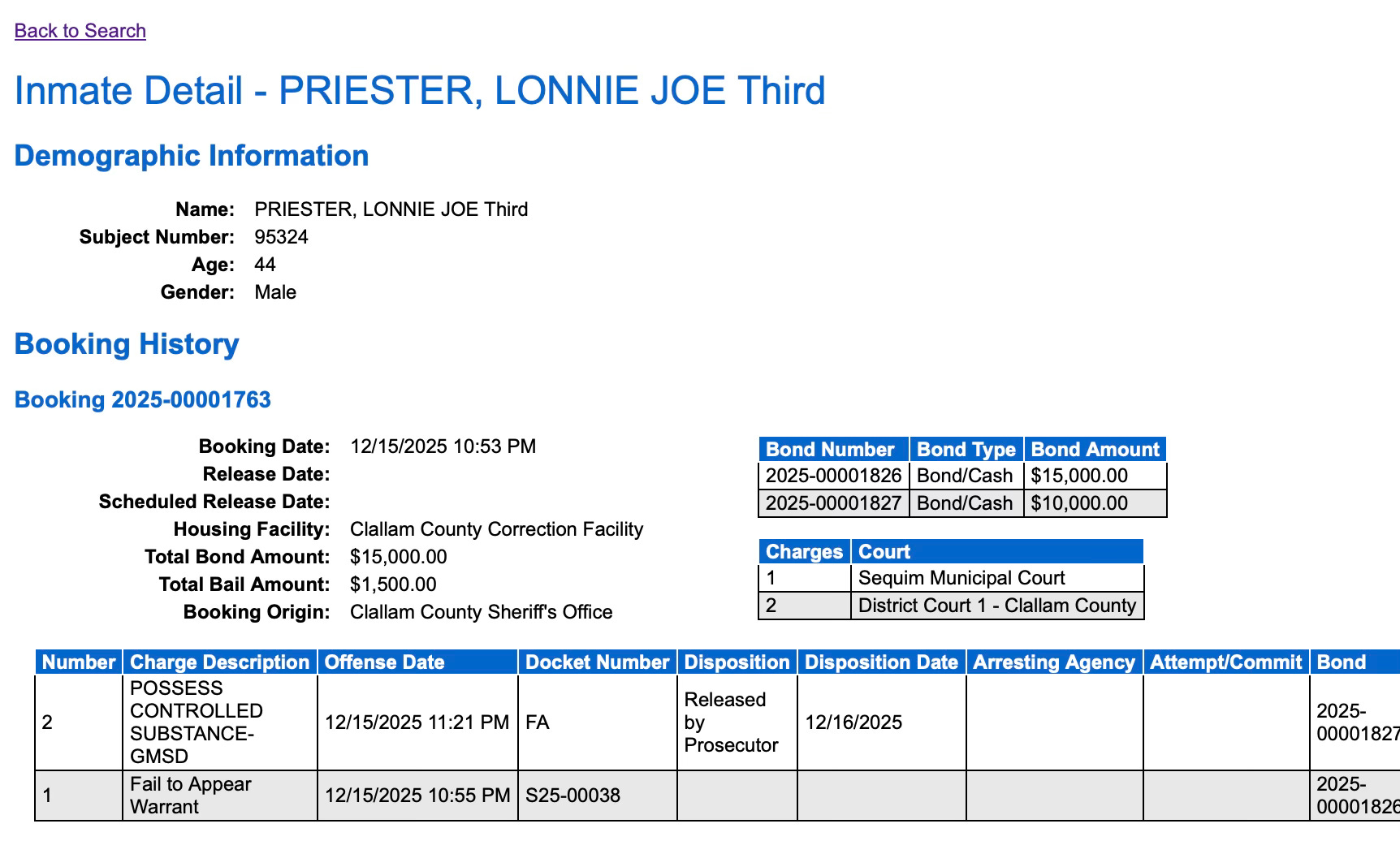
His latest arrest follows a June incident in which he was identified near the Port Angeles Farmers Market by a resident who recognized him, warned others, and notified market staff. Shortly afterward, Priester was booked on a 4th Degree Assault charge.
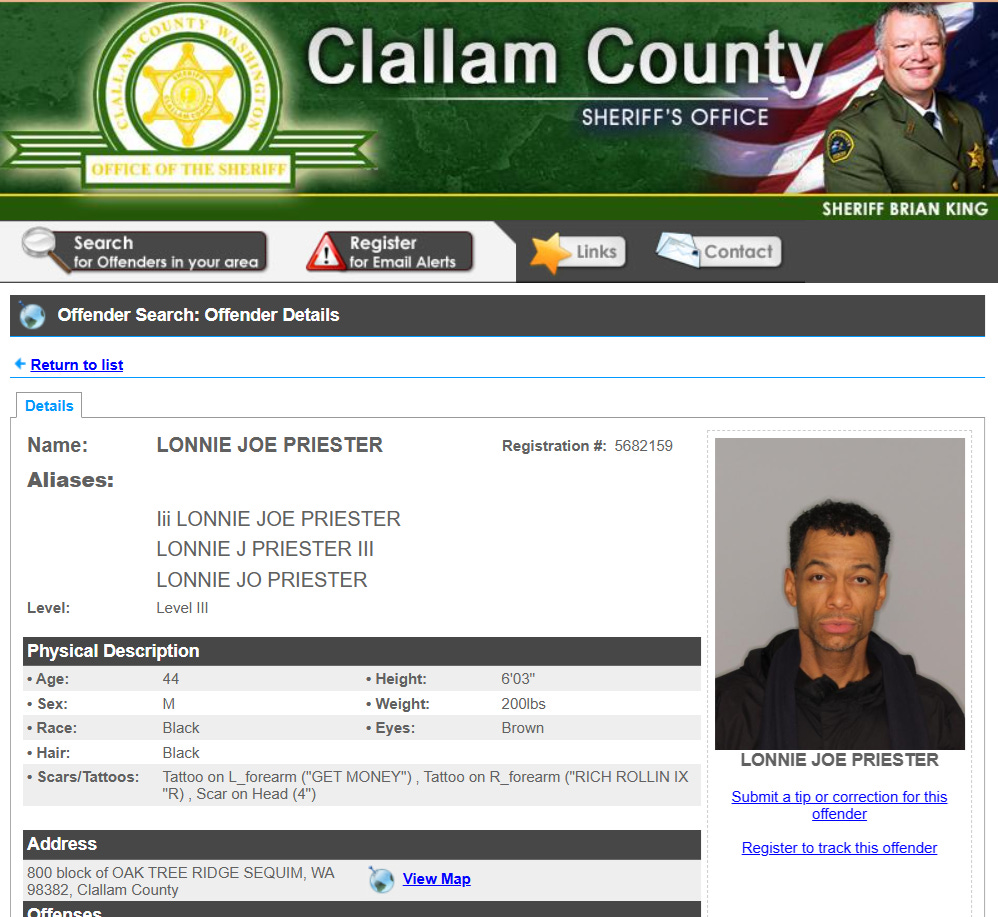
Priester’s history did not begin in Clallam County. Public records show a criminal record spanning multiple Washington communities, including Yakima and Ellensburg, long before his arrival on the Olympic Peninsula. In Yakima County, where Priester has been listed as a transient required to check in weekly, authorities have repeatedly issued Level III public notifications detailing his status and movements in the interest of public safety. Those notices plainly state that while Priester has completed his sentence and is not currently wanted by law enforcement, he remains classified as high risk based on prior convictions.

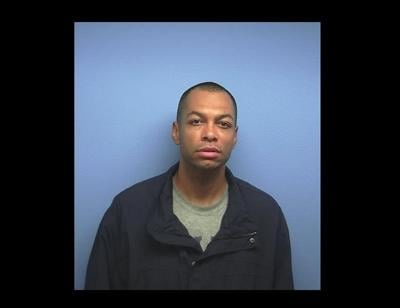
Court records show Priester was convicted in 2017 of Assault in the Third Degree with Sexual Motivation and Communication with a Minor for Immoral Purposes. Earlier records place him in the criminal justice system as a teenager in Ellensburg, where a 1995 arrest for fourth-degree assault resulted in injuries and later civil litigation. His documented history spans decades and jurisdictions.
Washington law limits where registered sex offenders may be directed to live, absent court-ordered restrictions. Constitutionally, individuals are free to relocate. That makes public notification and consistent communication critical safeguards—not optional courtesies.
Here, the contrast is difficult to ignore. In Yakima, Level III notifications are routinely published by both law enforcement and local media to raise public awareness. In Clallam County, residents often learn the same information only after an incident occurs. When official communication is sparse and media coverage is limited, the burden falls on the public to identify risks independently.
This is not a call for judgment or speculation. It is a call for transparency. Other communities treat public records as a public-safety tool and communicate accordingly. When Clallam County does not, residents are left to fill the information gap themselves—highlighting a broader pattern of out-of-county offenders cycling through the local system with minimal public notice.

What would improve this situation?
This situation is solvable—but only with consistent leadership, transparency, and collaboration. Communities function best when residents are informed, expectations are clear, and public safety decisions are explained rather than obscured.
There are practical, achievable steps Clallam County can take to strengthen trust and better protect the public:
Routine, public reporting on arrests and releases.
Not sensational headlines, but clear metrics: repeat bookings, failures to appear, case outcomes, and the factors influencing release decisions. Data builds understanding and reduces speculation.
A transparent review of harm-reduction outcomes.
Officials should regularly share local results—overdose trends, public-use incidents, treatment engagement, and recidivism—so the public can see what is working and what needs adjustment.
Clear communication about legal limits and discretion.
When state law, court standards, or jail capacity restrict options, that should be explained plainly.
Focused enforcement where safety is being compromised.
Compassion and accountability are not opposites. Violence, weapons, intimidation, and chronic disorder in high-impact areas can be addressed while still offering pathways to services.
Stronger coordination between law enforcement and local media.
Other counties demonstrate that timely, factual notifications—particularly for serious incidents and high-risk individuals—enhance public safety without creating panic. Law enforcement and media should work together to ensure residents receive accurate information when it matters most.
A consistent public-communication standard for major incidents.
When information about bomb threats, transit assaults, or other serious events emerges months later, confidence erodes. Timely, unified messaging reassures the community and reinforces trust.
Handled well, these steps do more than manage incidents—they rebuild confidence. An informed public is not a problem to manage; it is a partner in keeping Clallam County safe.
Call to action: demand a public town hall, on the record
Clallam County Commissioners, Sheriff Brian King, Port Angeles Police Chief Brian Smith, and Prosecuting Attorney Mark Nichols should hold a public town hall to address:
The influx of out-of-county and out-of-state offenders, and what is driving it
Local harm-reduction outcomes and limits, with data—not talking points
What tools local agencies have, what tools they lack, and what they’re requesting
The September bomb incidents in Port Angeles and the Clallam Transit assault, including what the public should know and what has changed since
The community is not asking for panic. It is asking for clarity, accountability, and a plan.
Residents can respectfully request this transparency by contacting local leaders directly:
Sheriff Brian King: brian.king@clallamcountywa.gov
Prosecuting Attorney Mark Nichols: mark.nichols@clallamcountywa.gov
Port Angeles Police Chief Brian Smith: bsmith@cityofpa.us
Clallam County Commissioners: contact the Clerk of the Board at loni.gores@clallamcountywa.gov
This is not about assigning blame. It is about restoring trust, sharing facts, and ensuring that public safety decisions are made with the community—not around it.
Community Spotlight: Christmas benefit for teens
On Friday, December 19, the community is invited to Barhop in Port Angeles for an upbeat night that makes a real difference for local youth. This year, 324 Clallam County teens—signed up by their parents—are on the holiday wishlist, and there are no federal or state programs to support teens during the holidays. Many of the requested items are everyday necessities, not extras, making community support especially important. The evening will feature great raffle prizes and a fun silent auction, with items ranging from Victoria hotel stays to gift cards from local coffee shops and restaurants, and much more. Every bid and donation helps meet real needs for local kids right here in Clallam County. To contribute an item or learn more, visit www.clallamoutreach.org and help make the holidays brighter for local teens.