


While county commissioners here debate letters of support and hold work sessions, a federal program has already transferred nearly 3 million acres into tribal control—by design. The same strategy now mirrors what’s happening in Clallam County, where land, influence, and decision-making power are steadily shifting. The question isn’t whether this is happening. It’s whether anyone representing local residents is willing to say it out loud.
This Isn’t New—It’s Been Happening for a Decade
For years, residents have been told that land transfers, trust acquisitions, and expanding tribal influence are isolated decisions—case-by-case, unique, and limited.
They’re not.
They’re part of a coordinated federal strategy.
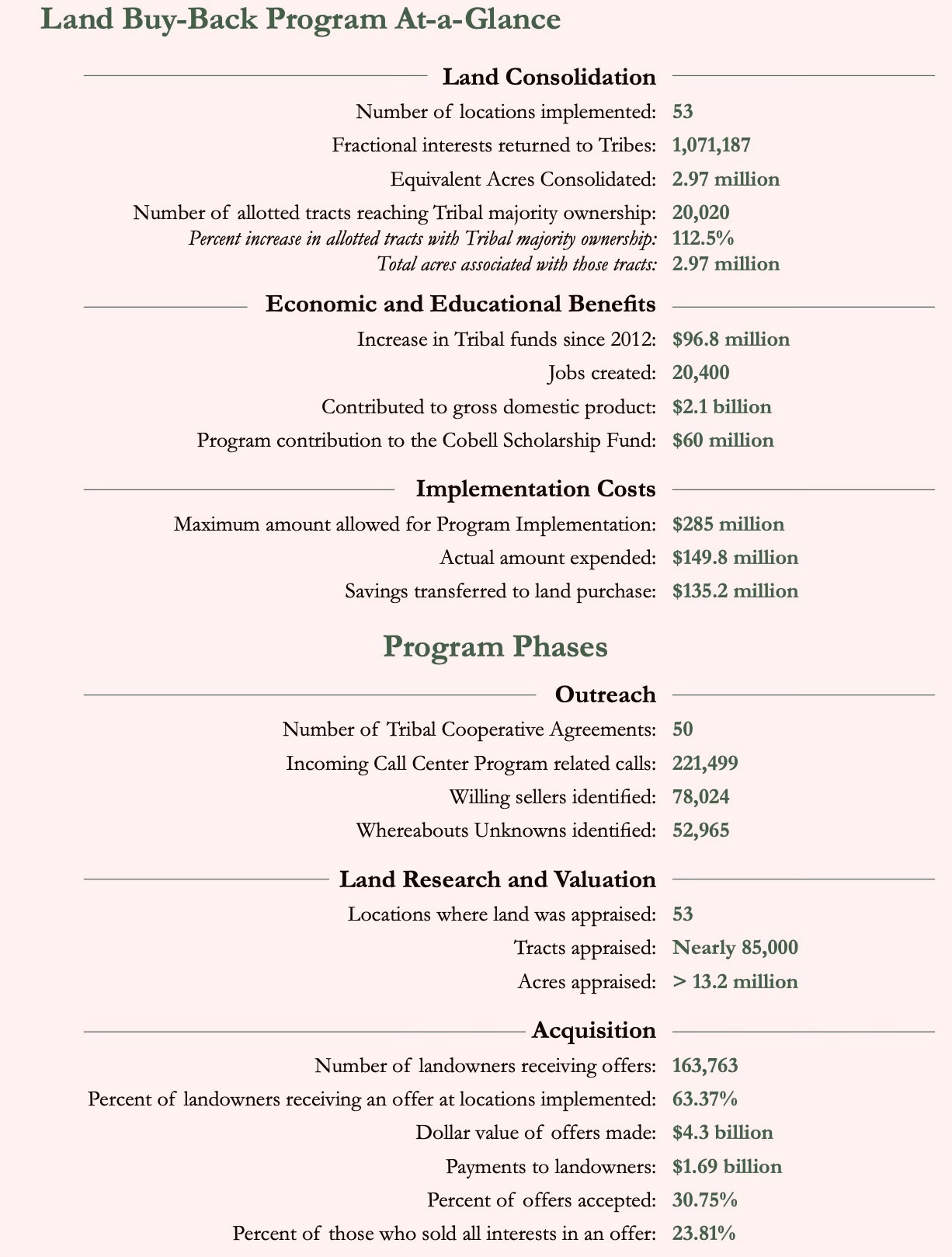
According to a Department of the Interior report, the federal government has:
Paid out $1.69 billion
Consolidated nearly 3 million acres
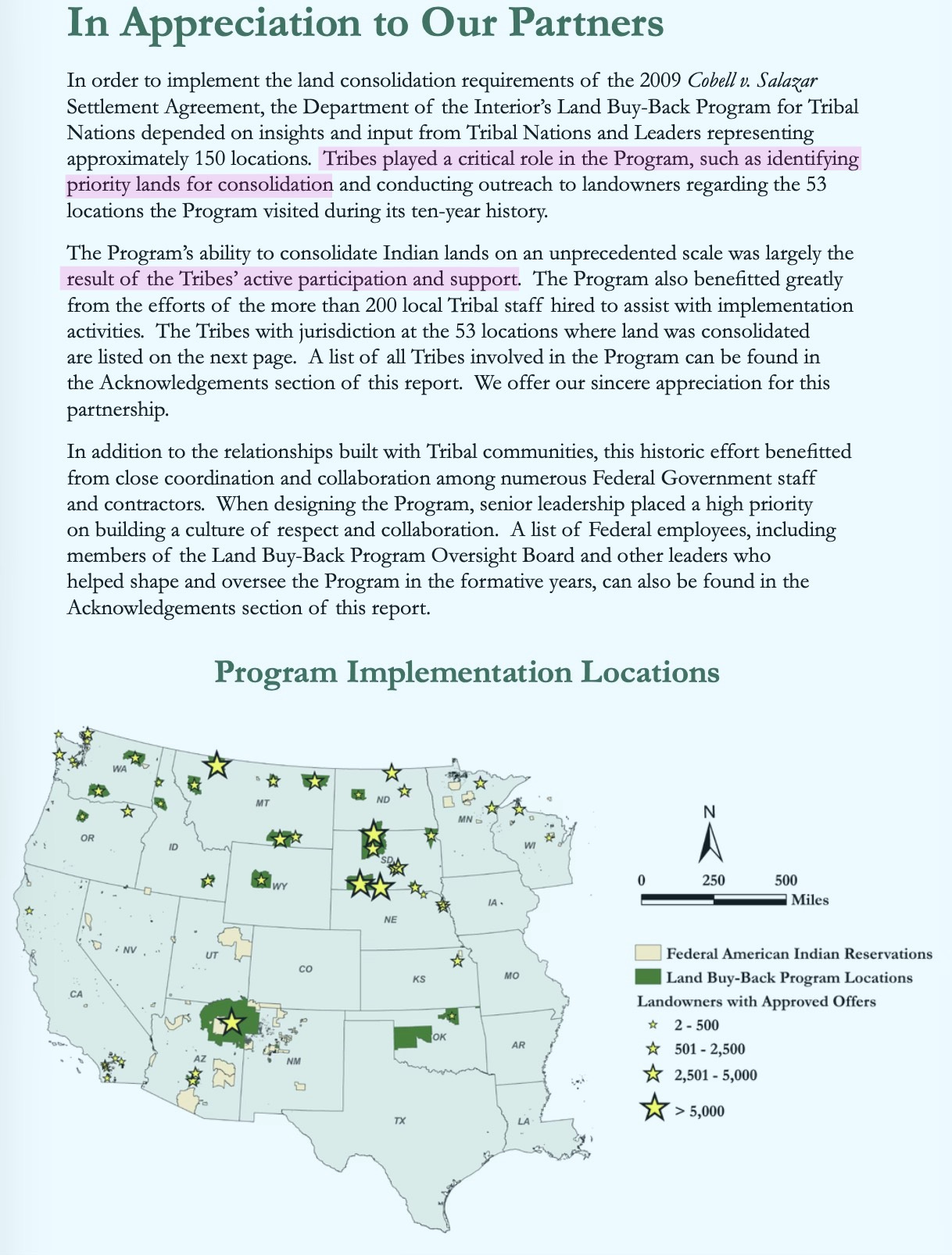
Worked hand-in-hand with tribes to identify and prioritize land for transfer
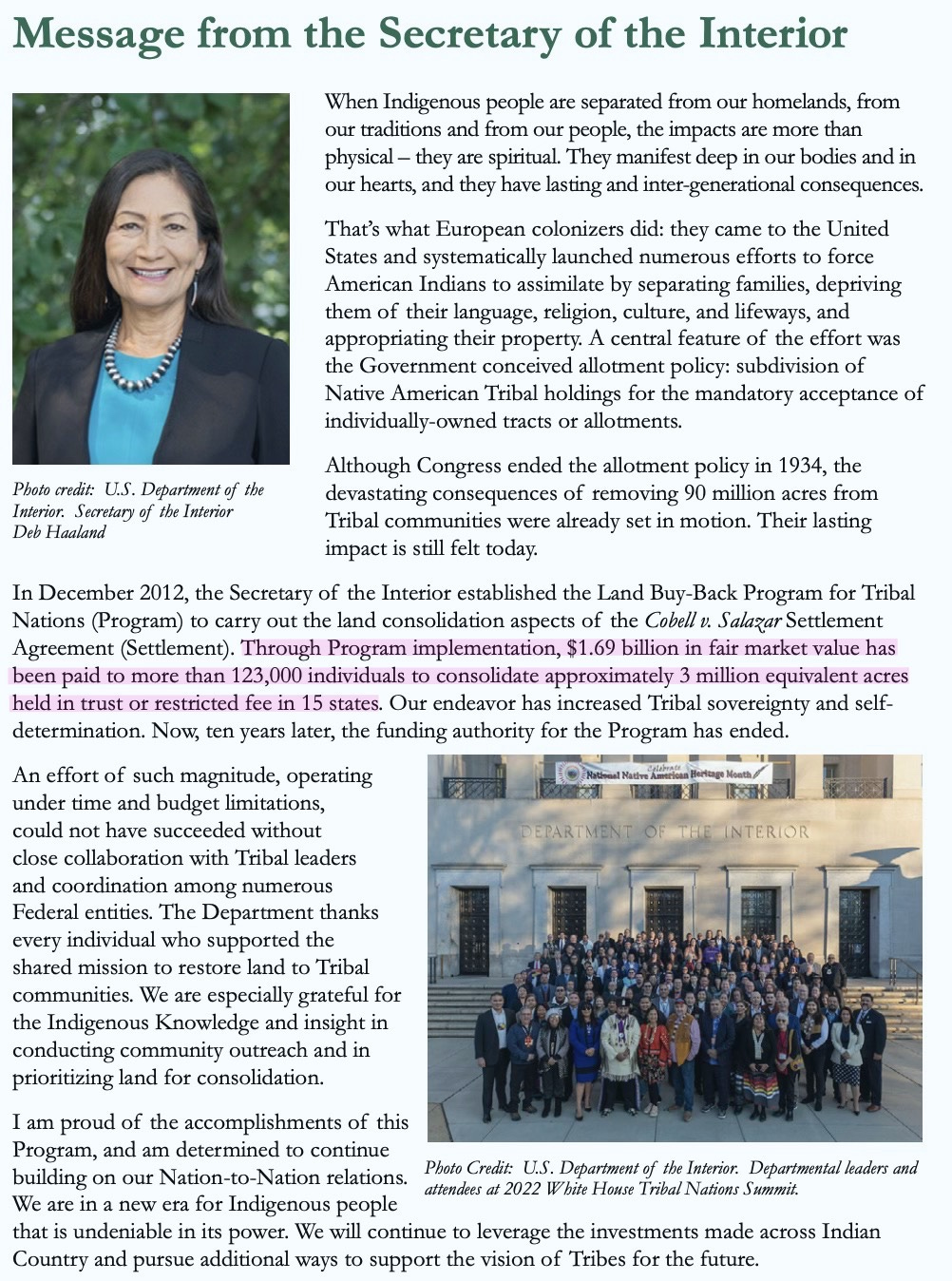
All under a program specifically designed to move land into permanent tribal trust ownership.
This isn’t speculation. It’s policy.
Local Case: The Wildlife Refuge Push Isn’t an Outlier
Now bring it home.
In Clallam County, we’re watching a strikingly similar pattern unfold:
The Jamestown Corporation pursuing control of Dungeness and Protection Island National Wildlife Refuges
Local governments being asked to provide letters of support
Public concern being brushed aside as misunderstanding or opposition
Sound familiar?
It should.
Because the federal report makes clear that:
Tribes help identify priority lands
Federal agencies work to align acquisitions with tribal goals
Outreach and coordination are built to facilitate those transfers
In other words, what’s happening here fits the model exactly.
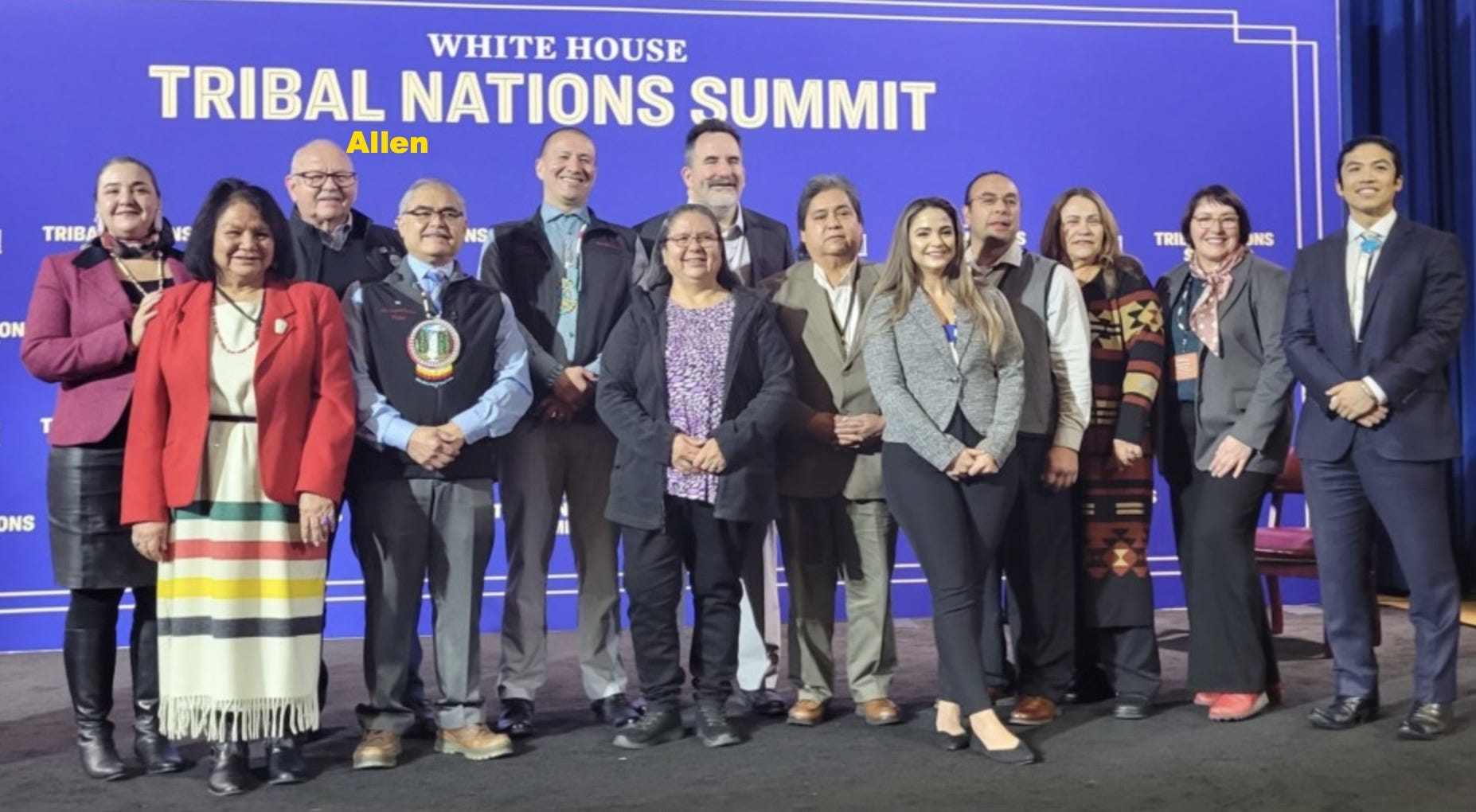
Where Does Ron Allen Fit Into This?
Let’s be precise.
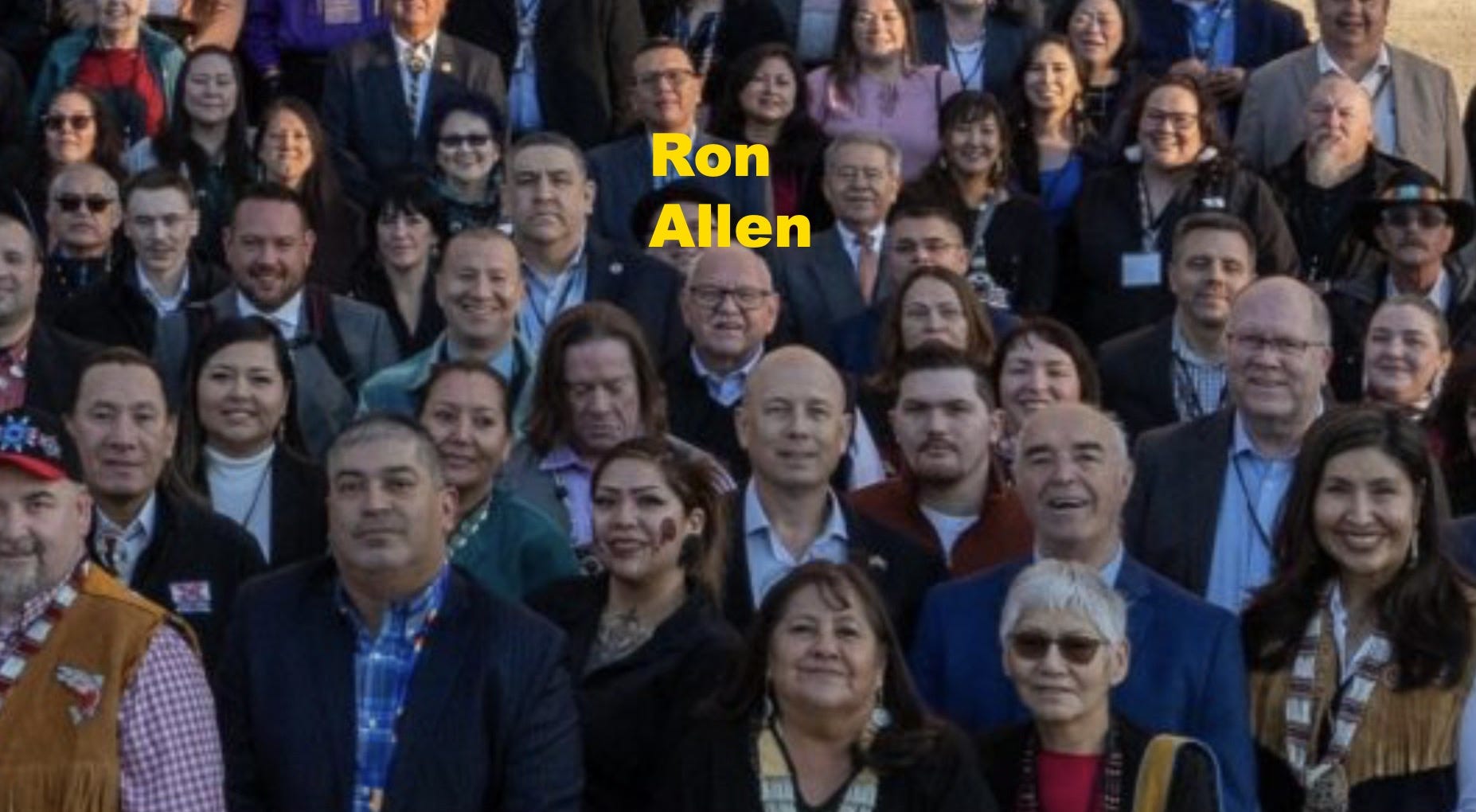
There is no direct mention of Jamestown S’Klallam Chairman Ron Allen in this specific federal report.
However:
The program emphasizes strong federal-tribal partnerships
It relies heavily on tribal leadership to guide priorities
It promotes nation-to-nation coordination and influence
Ron Allen is widely recognized as one of the most politically connected and influential tribal leaders in Washington State, particularly in federal policy circles.
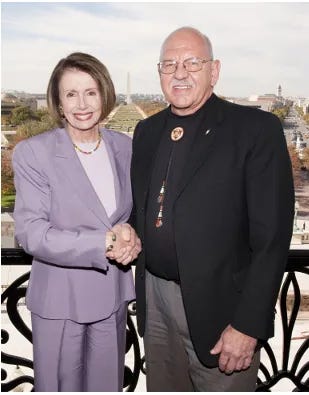
So while he’s not named in this document, the type of leadership structure the program depends on is exactly the kind of influence he operates within.
That matters.
Because it shows that what may appear locally as a single tribe’s initiative is often supported by a much larger federal framework and network of relationships.
The Priority Problem: Who Is Government Working For?
One of the most revealing lines in the report isn’t hidden—it’s stated plainly:
Tribal input was “critical”
Efforts were tailored to tribal priorities
Land selection was guided by tribal leadership

Now ask the obvious question:
Where in this process are county residents represented?
Where is:
The taxpayer?
The neighboring landowner?
The competing local business?
The public that has used these lands for generations?
They’re not in the framework.
The Long Game: This Looks a Lot Like “Land Back”
The report avoids political language—but the direction is clear.
It openly calls for:
Continued land consolidation
Additional funding to expand the program
Policies that increase tribal land control and jurisdiction
That’s not a short-term fix.
That’s a long-term transfer strategy.
Call it what you want—but functionally, it aligns with what many now describe as the landback movement.
The Silence at the Local Level
Here’s the uncomfortable part.
This is all happening while:
County commissioners rarely challenge or question these efforts
Letters of support are considered with minimal scrutiny
Public concern is often dismissed or ignored
And yet, the consequences are real:
Land moves out of the local tax base
Regulatory authority shifts
Economic competition becomes uneven
This isn’t about opposing tribes.
It’s about asking whether your elected officials are representing you in a system where others clearly have a seat at the table.
The Pattern Is the Story
This isn’t about one land transfer.
It’s not about one tribe.
It’s about a repeatable, scalable model that has already reshaped land ownership across the country—and is now visible in Clallam County.
The federal government calls it restoration.
Tribal leaders call it sovereignty.
But for local residents, the question is simpler:
Who is making sure your interests are part of the conversation?
Download the Land Buyback Program for Tribal Nations here:

Today’s Tidbit: The Olympic Herald
If you aren’t subscribed to the Olympic Herald, you should be. While much of the local narrative gets filtered or softened by legacy media, the Olympic Herald’s reporting has been peeling back layer after layer of what’s really happening inside the Clallam County court system—and it’s not flattering. The pattern that’s emerging is hard to ignore, and frankly, it should concern anyone who still believes justice is applied evenly.
Two recent cases they highlighted tell the story better than any commentary could:
Aaron Fisher received 90 months—seven and a half years—for the death of 70-year-old Richard Madeo near the Sequim Safeway gas station during last year’s Irrigation Festival.
Richard Loren Pratt was sentenced to 116 months—nearly ten years—in Grays Harbor County for killing at least five cow elk.
Read that again.
A human life: 7.5 years.
Five elk: nearly a decade.
Draw your own conclusions, but it’s difficult to reconcile those outcomes without asking what, exactly, is being prioritized—and whether the system is delivering proportional justice.
This is precisely why independent journalism matters. When local courtrooms operate largely out of public view, it takes persistent, unfiltered reporting to surface the outcomes that demand scrutiny. If nothing else, these cases should prompt a broader conversation about accountability, consistency, and whether the scales of justice in our region are as balanced as we’re led to believe.


