


Lauren Churchill told PDN readers that “common sense” means fearing Jake Seegers and keeping Mike French. The record says otherwise: pool-board failure, $1.5 million in avoidable Towne Road costs, $500,000 “affordable” units, and a Meta-backed 68,000-acre forest deal that dwarfs one family’s first house. From pool petitions and stolen signs to drop boxes and treatment-first, this week’s potpourri is a simple question — are you better off, and will you vote like it?
Common Sense Isn’t a Smear. It’s a Record.
Lauren Churchill’s letter to the Peninsula Daily News asks what “common sense” means, then concludes that new building is the risk and that voters should keep the sitting commissioner.
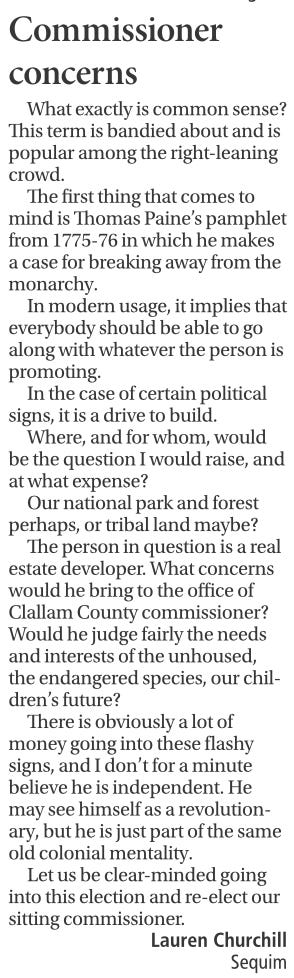
A fair reading of common sense is simpler: look at results. Mike French has spent years in Port Angeles and Clallam County leadership. In that time, the William Shore pool district — on whose board he sits — was the subject of a state auditor fraud investigation. The Towne Road project let grant opportunities slip and left local taxpayers covering $1.5 million they did not have to spend. Funding went for years to a poet laureate, while he now favors a new tax for law enforcement. Helping those trapped in addiction has meant giving them clean crack pipes, not steering them towards recovery.
Does that sound like common sense or a record of process, public spending, and thin, measurable results?
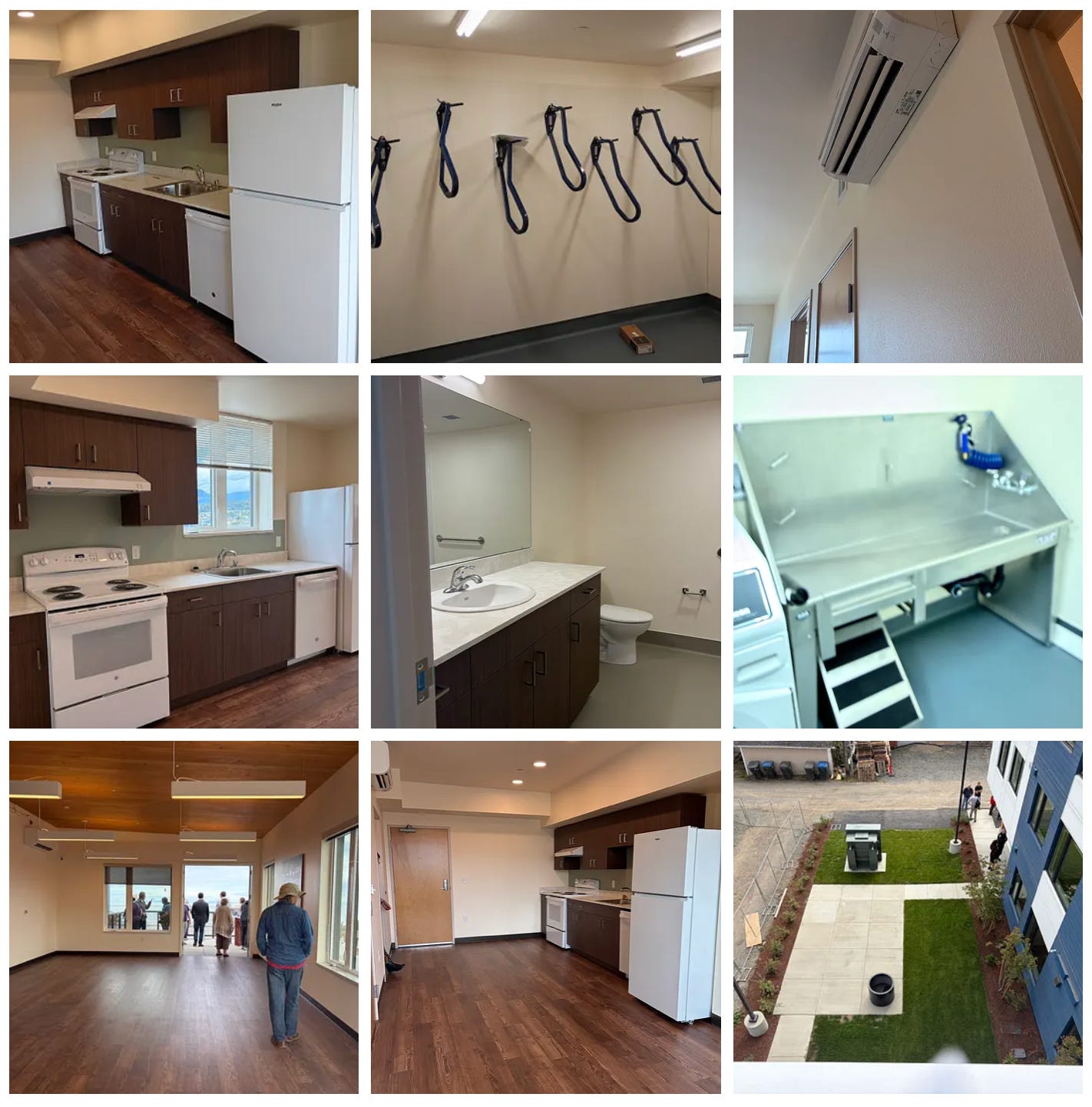
Churchill asks where growth would go, and for whom. Affordable housing is the obvious answer. That does not have to mean $350,000 to $500,000 per unit built with public dollars. It can mean lower fees and clearer rules so private builders can produce homes at a much lower cost.
The letter describes Jake Seegers as a real-estate developer. His holdings are two primitive, undeveloped camping properties and an undeveloped parcel where he hopes to build a house one day. If he does, it would be the first home he and his wife have owned rather than rented. That is a family hoping to build, not a development firm.
Churchill also writes of a “colonial mentality.” Labels like that invite a basic consistency test. Would the same paper comfortably print a letter about a “Native American mentality” or an “immigrant mentality”?
If the worry is campaign money, the Public Disclosure Commission already publishes the donors: pdc.wa.gov. Hundreds of people have given to Seegers because they want a different direction.
If the worry is the candidate himself, the direct route is to ask him: jakeseegers.com.
It is also worth keeping proportion. Concern that an “out-of-town” family might one day build a single house sits beside a much larger land story that has drawn far less comment. EFM, a Portland firm, partnered with Meta (Facebook) on 68,000 acres of Olympic Peninsula forest — about 37,000 of them in Clallam — purchased from Rayonier for more than $200 million. EFM and Meta contracted for 676,000 carbon-removal credits through 2035, moving working timberland into corporate-offset “climate-smart” conservation next to Olympic National Park. The county commissioners support this.
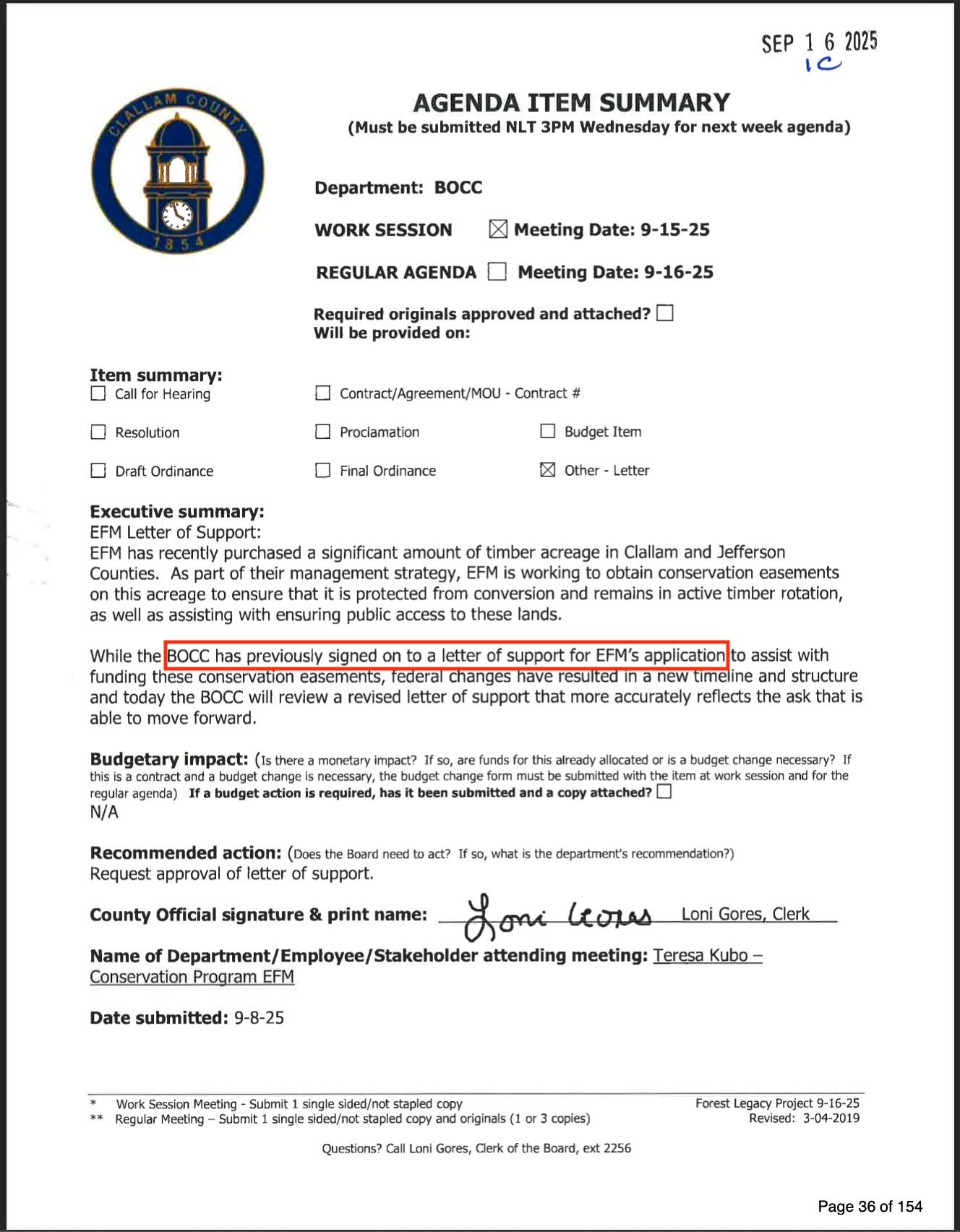
If the question is scale and outside capital, that transaction meets the test. A family building its first home does not.
First Fed, Tribal Partnerships, and a Subscriber’s Dissent
First Federal is the only bank headquartered in Clallam County and a longtime partner of the Jamestown Tribe—banking, project financing, and community events.
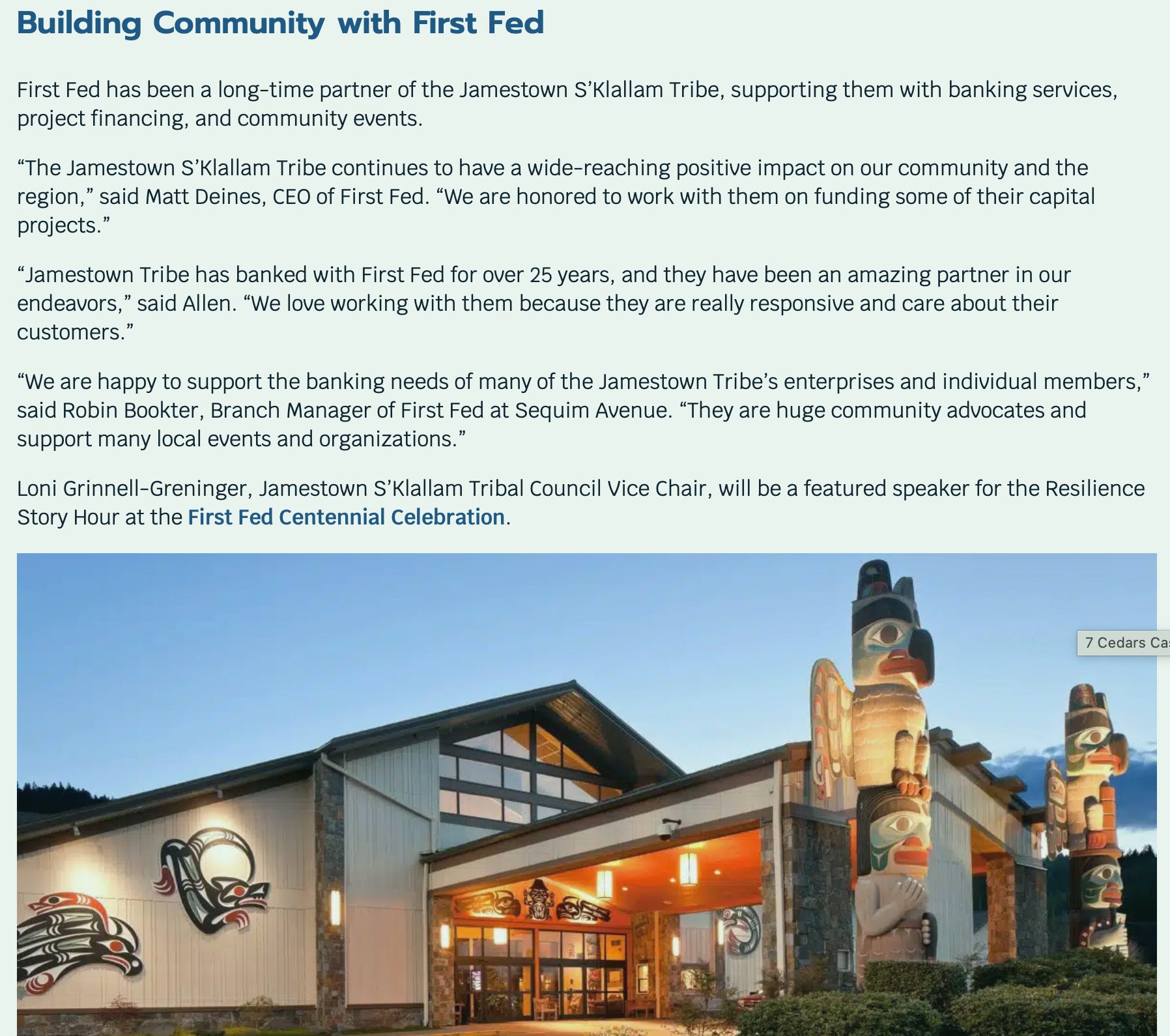
In 2023, it gave $10,000 to the Kurt Grinnell Aquaculture Scholarship Foundation, pledged $25,000 over five years, and then-CEO Matt Deines joined the KGASF board.

That partnership is real and documented. A CCWD subscriber offered a more skeptical local view: she pointed to flooding at 3 Crabs, ongoing water disputes, national wildlife refuge takeovers, fishing pressure, and a “healing campus” that, in her experience, has lined up with more street disorder. She also questioned whether “self-reliance” in this case depends too much on public funding and concentrated business power. Other tribes, she wrote, work more easily with neighboring towns; she does not see that here.
It is one resident’s account. Readers can compare that account with First Fed’s own description of the relationship.
PABA’s Election Season Breakfast Circuit
The Port Angeles Business Association is packing Tuesday mornings at 7:30 at Jazzy Joshua’s with this November’s ballot issues, and it’s all streamed on Facebook.

Sept. 15 — PUD District 2: Rick Paschall, Randy Brackett
Sept. 22 — US Congressional District 6: Emily Randall, Teresa Fox. Randall will be in D.C.; Lorraine Basch will deliver a statement (questions still limited).
Sept. 29 — State Legislative District-24 Pos. 2: Kaylee Kuehn, Marcia Kelbon;
Oct. 6 — Clallam Commissioner Dist. 3: Mike French, Jake Seegers
Oct. 13 — Fire District 2 EMS levy: Jake Patterson
Oct. 20 — Millionaire’s tax: Sen. Mike Chapman against repeal; Darren Littell (Let’s Go Washington) for repeal
Skip reading the voters’ pamphlet and show up to PABA.
The Pool Is for Swimming. 640 Signatures Say Keep It That Way.
Terri DiMartino is still collecting signatures. The William Shore Aquatic Center is a taxpayer-funded facility. County harm-reduction hygiene and shower-voucher ideas put high-risk use into a place already generating far more police calls for disorder than for recreation — 78 Port Angeles reports in the period reviewed. Hygiene options already exist at Serenity House, Salvation Army, and TAFY; the Homelessness Task Force has recording-fee money that could expand those sites instead of the pool.

French, who sits on the pool board, argues the voucher experiment has produced “no incidents.” Seatbelts work the same way: the absence of a crash is not proof the risk was imaginary. The petition asks the health department and the board — Mike French, Randy Johnson, Mark Hodgson, LaTrisha Suggs, Greg Shields — to reject a hygiene center and free shower vouchers now and later. More than 640 people have already signed. Add your name.
Critical Areas, “Guests,” and Low Turnout
Subscriber Robert’s comment on Deputy Mayor Navarra Carr — also Mike French’s campaign manager — and Councilmember LaTrisha Suggs is blunt: classify wide swaths of Port Angeles as critical areas, choke development and industry, drive out producers, watch young people leave, and backfill with levy lifts and federal grants.
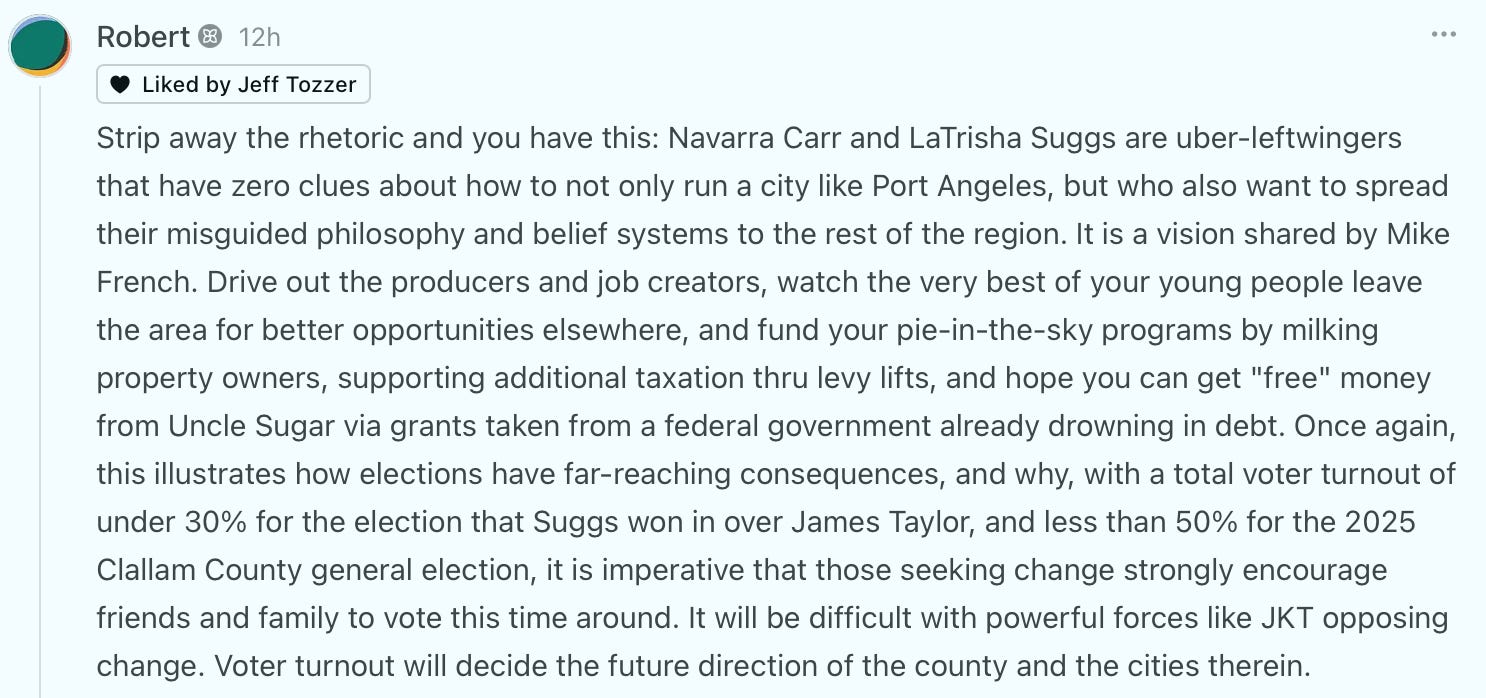
He ties that vision to French. Carr has publicly framed most Clallam residents as guests on ancestral land. Whether that is land-back rhetoric or just rhetoric, it is not a growth strategy. Suggs won with turnout under 30 percent. The 2025 county general was under 50 percent.
Turnout, not slogans, will decide the commissioner race in November.
$100 in Recording Fees Later
In 2021 the county warned that recording fees would jump — a $24 surcharge plus $76, $100 total — for “affordable housing” and “ending homelessness.”
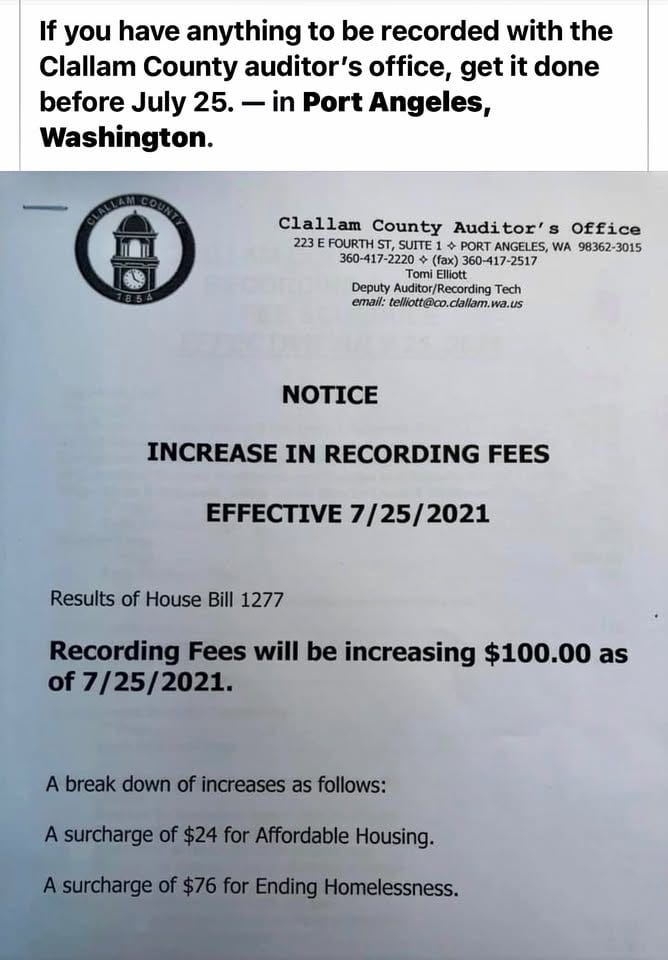
Five years later: a $118,000 safe-parking program with a handful of spaces, and working families still cannot afford a house. Are you better off?
Vote like you remember.
You Can Slash the Sign. You Cannot Stop the Message.
Recently, there has been an uptick in stealing, spray-painting, and slashing Seegers signs.
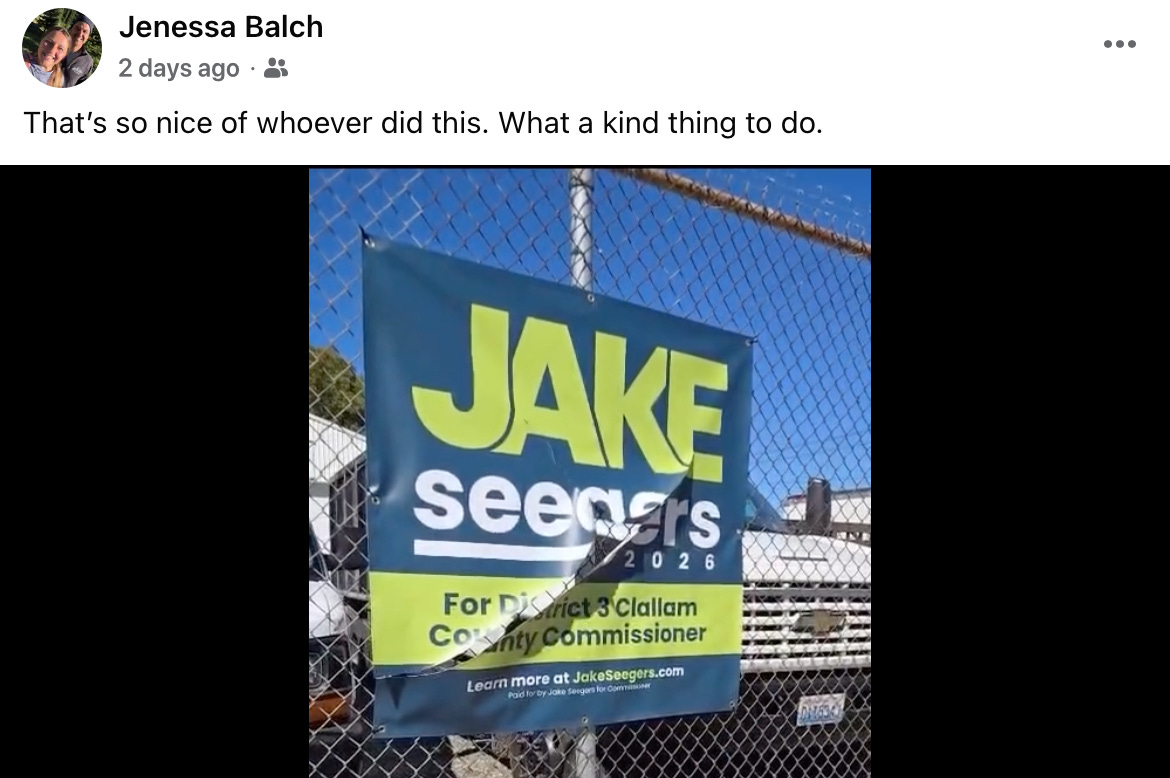
Yard signs are still at Aloha Smoothies and Sweets in Port Angeles on South Lincoln and on the street at 1052 Jamestown Road in Sequim.
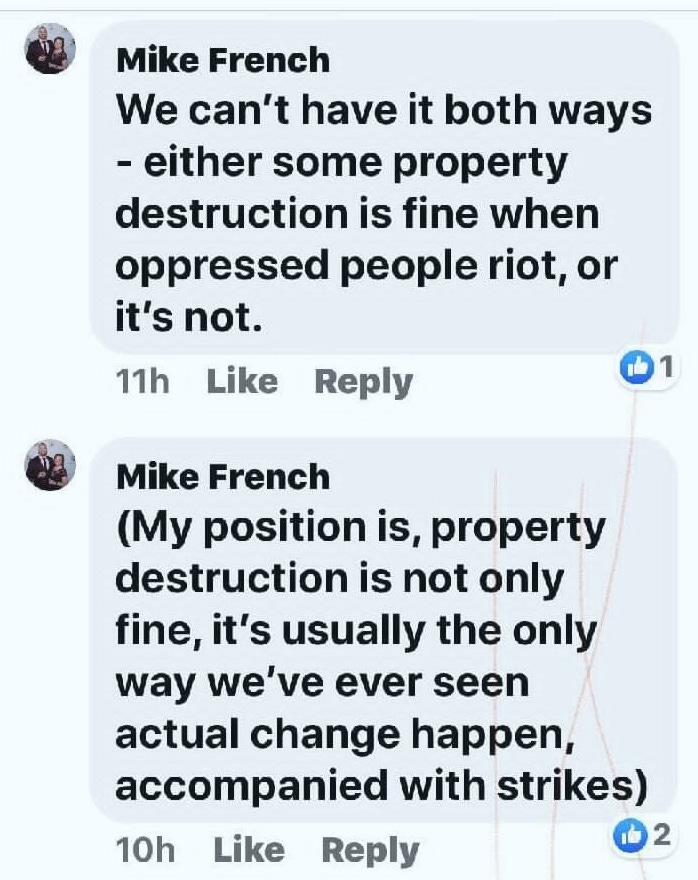
Property destruction is a crime no matter who condones it.
Report the destruction of Jake’s signs to authorities or to Clallam County Watchdog.
Refuge Signage Is Not “Co-Management”
New Jamestown Corporation signage at the Dungeness Wildlife Refuge does not look like shared stewardship. It looks like branding ahead of a takeover.
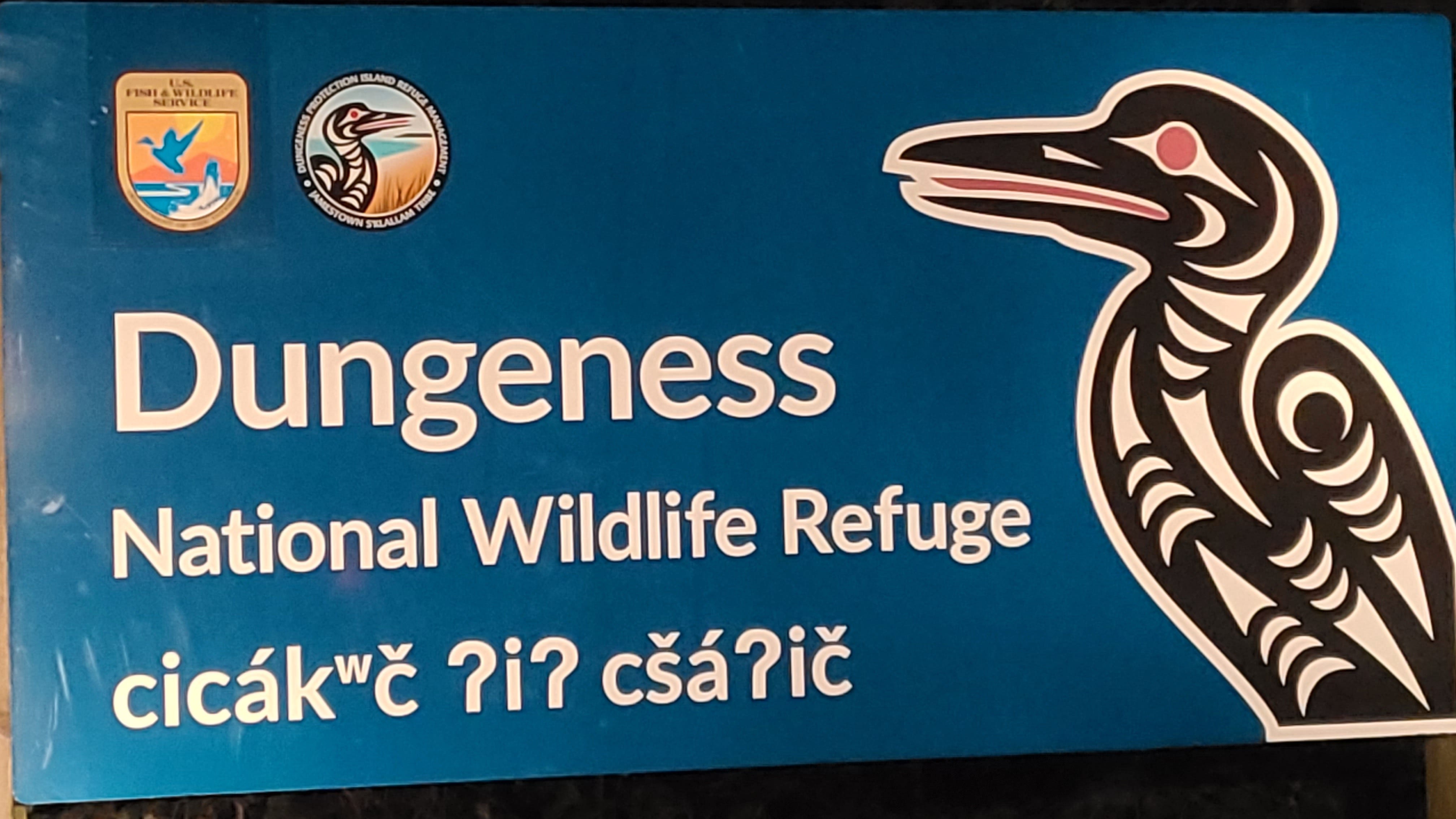
Imagine the signs if ownership follows.
Tribe v. Tribe Over the Same Fish
This month’s filing in United States v. Washington is not tribes versus the state. It is tribes versus tribes. Jamestown S’Klallam, Port Gamble S’Klallam, and Lower Elwha asked a Seattle federal court to block a Tulalip spot-shrimp opening in Marine Areas 6 and 6B, arguing a 1983 settlement gives the Klallam tribes regulatory control there. They want the regulation pulled, similar openings barred, and contempt on the table if the fishery proceeds. Read the filing.
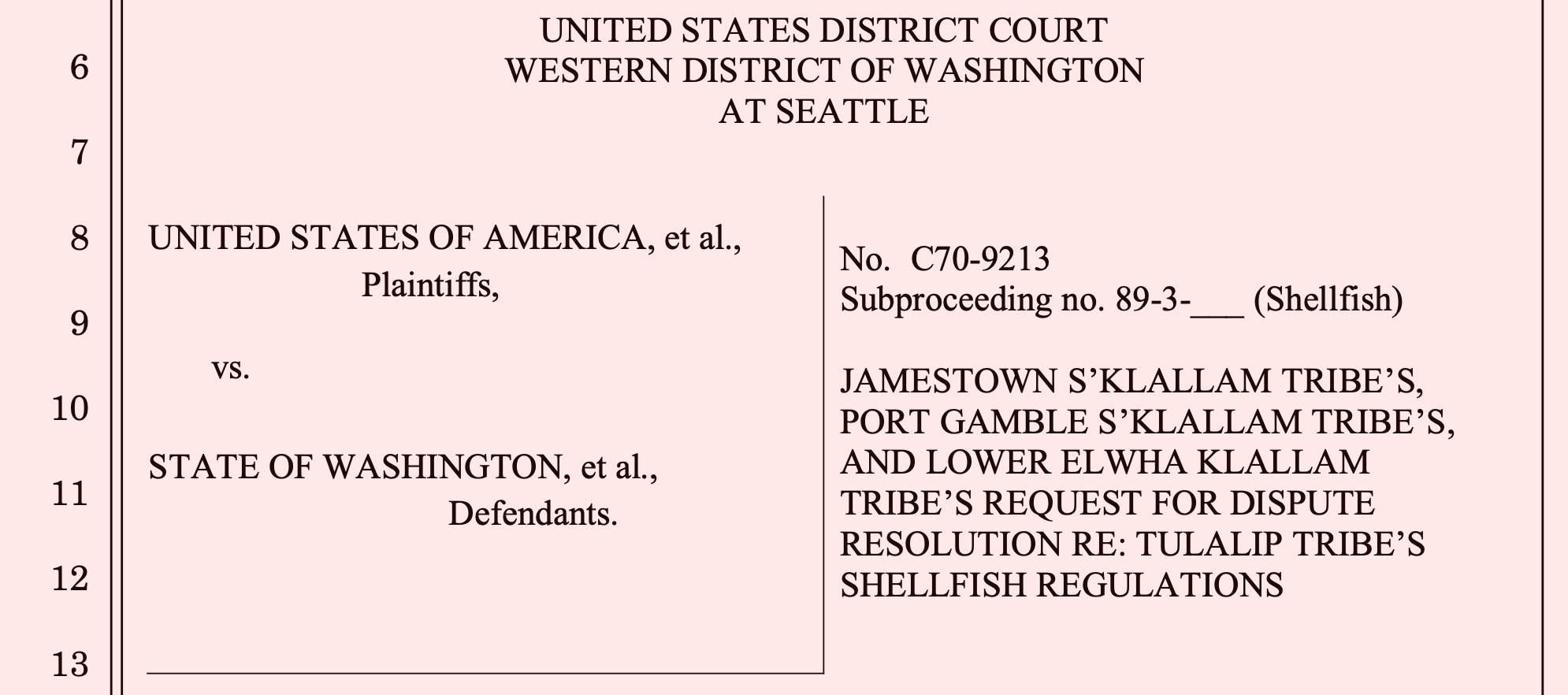
The public is often told tribal governments are uniquely suited to steward the resource. In practice, they are also competing harvesters with overlapping grounds and court-enforced quotas. When one tribe opens a fishery another has not, the fight goes to court — not to a shared story about who is the natural steward. Treaty rights remain. So does the politics of who sets the season and who takes the share.
Environmental Justice as a Land Tool
RCW 70A.02.060 is the HEAL Act machinery — agencies must bake “environmental justice” into significant actions, including who is consulted and how burdens and benefits are mapped.

In practice, it becomes another lever over permitting, siting, and private land. Pair it with “land back” politics, and you do not need to take title on day one. You just make use of the land expensive, slow, or impossible.
Master Gardeners, Public Money, and a DNR Delay
The Master Gardeners’ garden off Woodcock Road earned Level II arboretum status. Good for them.

The photo included Keith Dekker, who was documented damaging DNR markers and delaying a timber sale — which means delayed revenue for Clallam.
The county still pays the program $13,343 a year. If that line ever disappears, remember Master Gardener Keith Dekker put it at risk.
Sea-Level Rise Meets the HEAL Act
The Department of Ecology’s Shoreline Management Act update WAC 173-26 / 173-27 rulemaking layers sea-level-rise assumptions, climate guidance, and environmental-justice language onto already crushing shoreline rules.

Call it science if you want. Call it a quieter land grab if you live on the water and need a permit.
“Pointing the Way for Rural America”? Show the Data.
Steven Pelayo’s PDN letter answers the Seattle Times: if Port Angeles is the model, publish living-wage jobs, real wages, private investment, housing permits, business formation, school outcomes, and tax-base growth against peer towns.
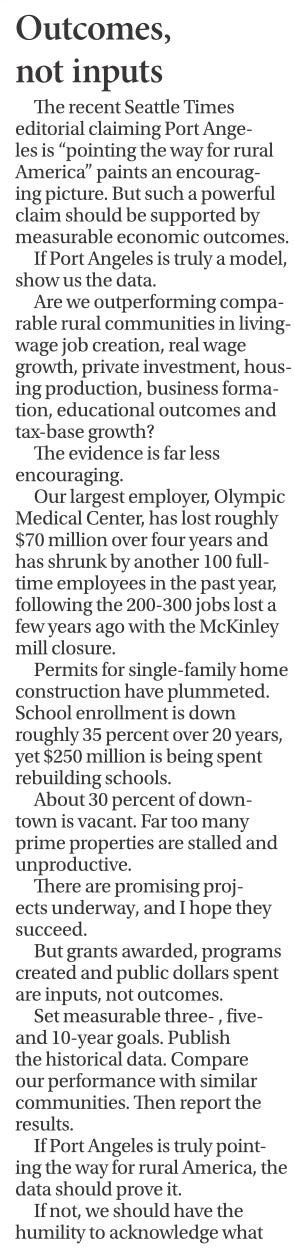

What we can see: Olympic Medical Center down roughly $70 million over four years and another 100 employees last year, on top of the McKinley mill losses; single-family permits down; school enrollment off about 35 percent in 20 years while $250 million goes to school buildings; about 30 percent of downtown vacant.
Grants are inputs. Outcomes are the test.
Propaganda Is Not Community Conversation
Kim Butler’s letter: the commissioner race has joined the national habit of anonymous, repetitive outrage — Facebook, Nextdoor, and the unsigned Salsa Picante Substack — treated as fact.


Propaganda lives on anonymity and emotion. For money, use the PDC. For character, talk to the candidate. For forums, go. If a source will not sign its name, treat it as noise.
Drop Boxes Worked. Use Them Again.
Encouraging drop boxes in the primary paid off. Washington Secretary of State figures put Clallam’s 2026 primary drop-box share at about 77.3 percent — the top in the state!
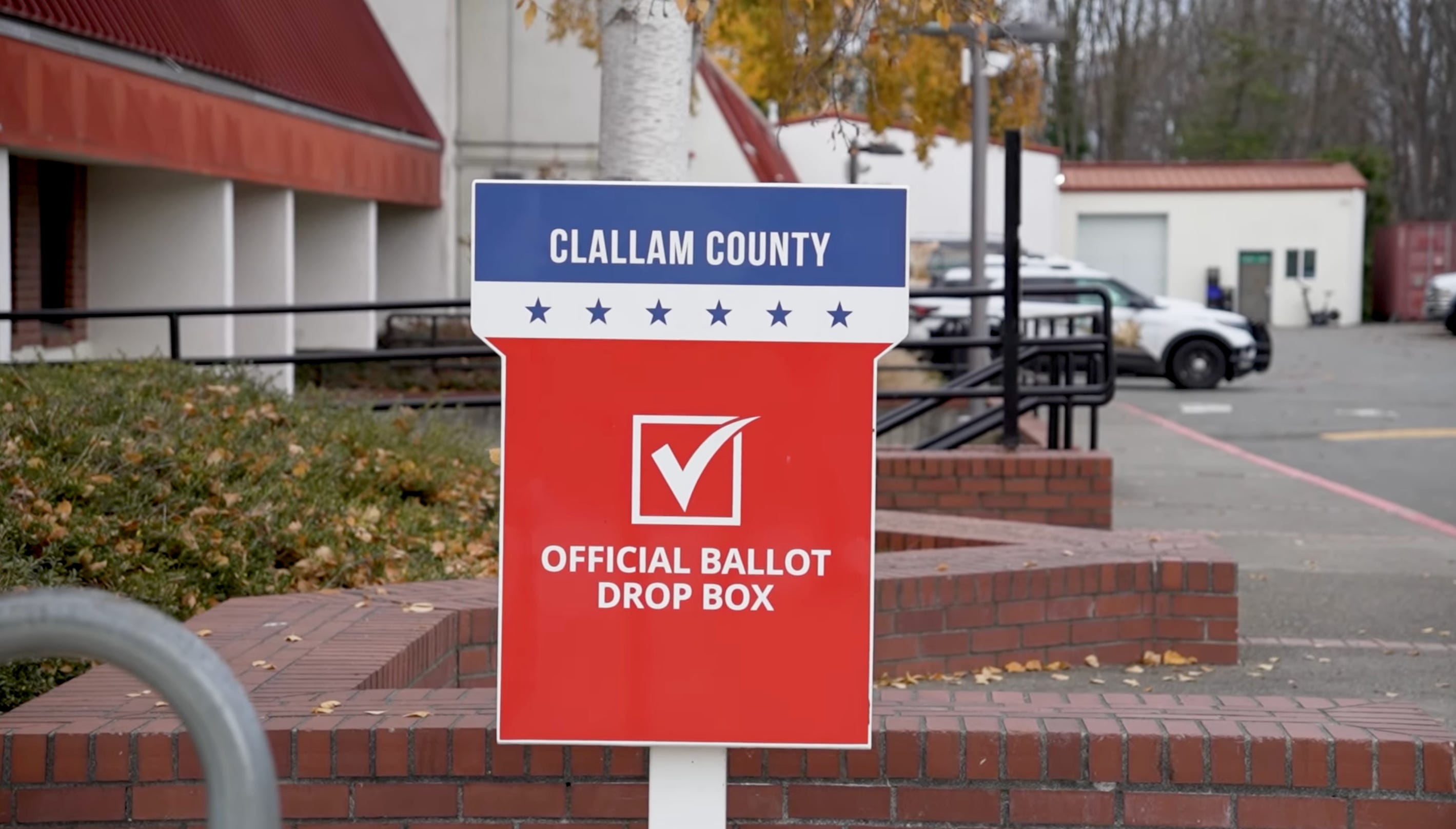
Aim for 100 percent in November. Do not trust a late postmark.
Treatment First Beats “Harm Reduction Theater”
Michelle Tandler’s interview with Tom Wolf on San Francisco’s turnaround is an hour and a half that Clallam should steal. The working model is treatment first: sobriety, enforcement, and actual recovery — not endless supplies and a family pool as a hygiene annex.

San Francisco had to learn it the hard way. Clallam County does not have to copy the failure. Listen: San Francisco’s Turnaround and the Case for Treatment First.


