


In this potpourri: a commissioner declines to engage with a tax-paying constituent because she reads CC Watchdog, dogs become collateral damage in the county’s harm-reduction experiment, tents pop up in the Health Department parking lot, businesses quietly leave town, a transportation bill could reshape Highway 101 through Blyn, nonprofits tout “Platinum Transparency” badges, and volunteers in Seattle do the work our leaders won’t. If representation is conditional, accountability is optional — and that should concern everyone.
Representation — With Conditions
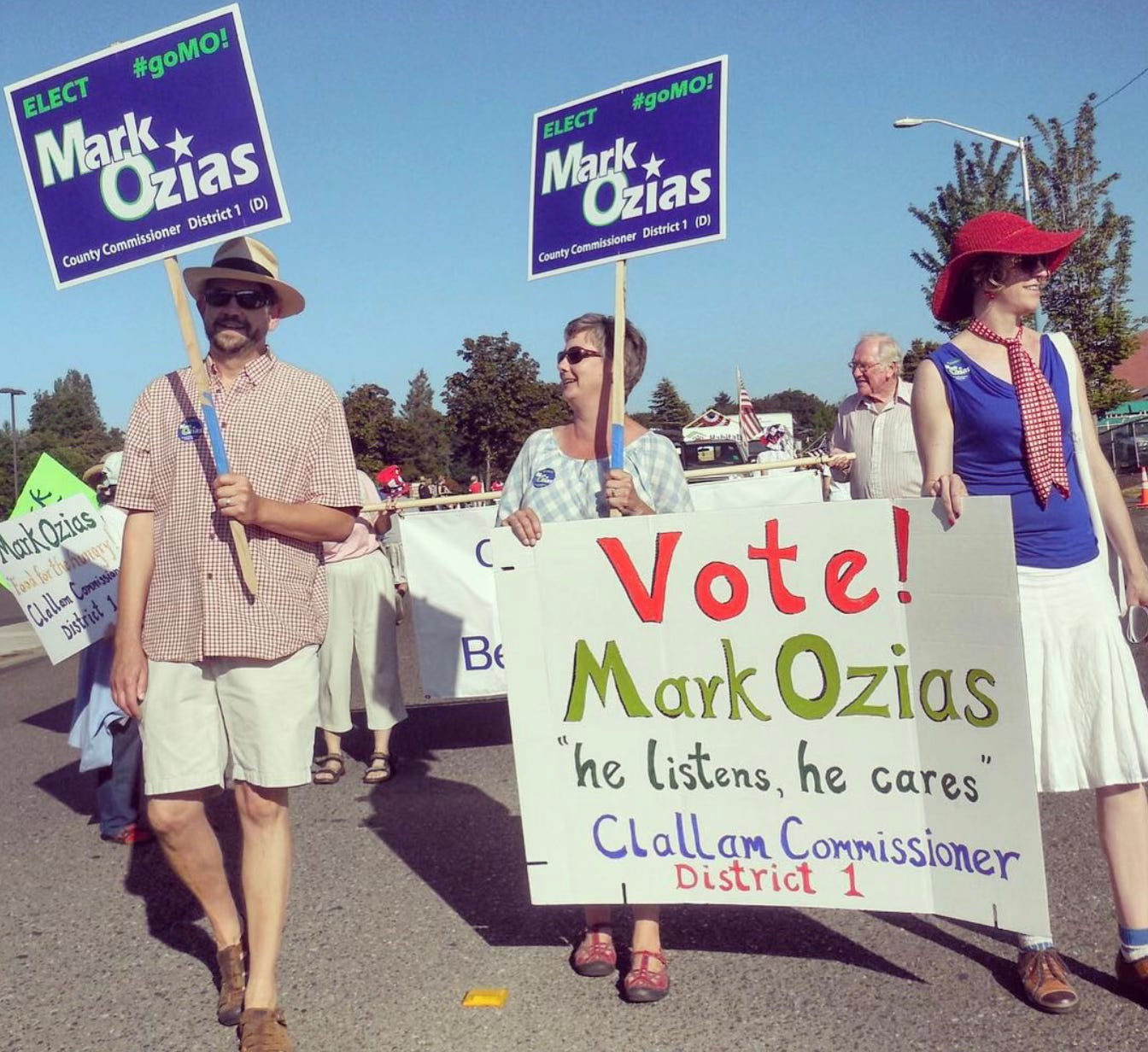
A Clallam County resident wrote her commissioners raising concerns about fiduciary responsibility, budget priorities, public safety, and the absence of funding for 4PA. It was a straightforward, civil letter from a tax-paying constituent asking elected officials to explain their priorities.
Commissioner Mark Ozias responded that he is “much less likely” to answer her correspondence now that he has learned she acts as an “agent/conduit” for CC Watchdog, which he considers a “bad faith actor.”
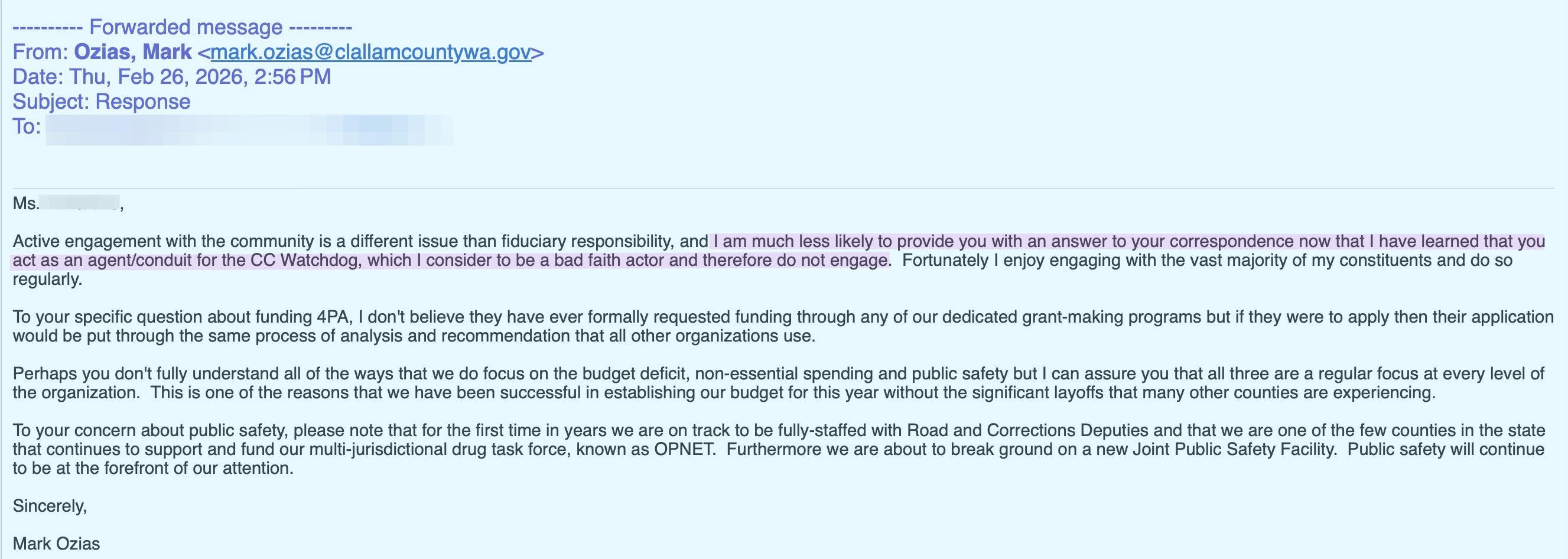
Let that sink in.
This resident pays property taxes. She funds the commissioner’s salary. She depends on county government for roads, law enforcement, land use decisions, and fiscal oversight. There is no statutory exception in Washington law that allows commissioners to selectively withhold engagement based on what a constituent reads.
The commissioner regularly meets with NGOs.
He engages sovereign tribal leadership.
He has said he will only participate in forums with activist groups like the League of Women Voters.
But a citizen who reads CC Watchdog?
Disqualified.
I have never met this constituent. She is not an “agent” of anyone. She shared her correspondence, something citizens have done for generations. What proof exists that she is acting as a conduit? Are readers now categorized as operatives?
And here is a direct question to the League of Women Voters: Is this your definition of democratic engagement? You advocate nationally for respect, democracy, and accountability. Would you defend this standard locally?
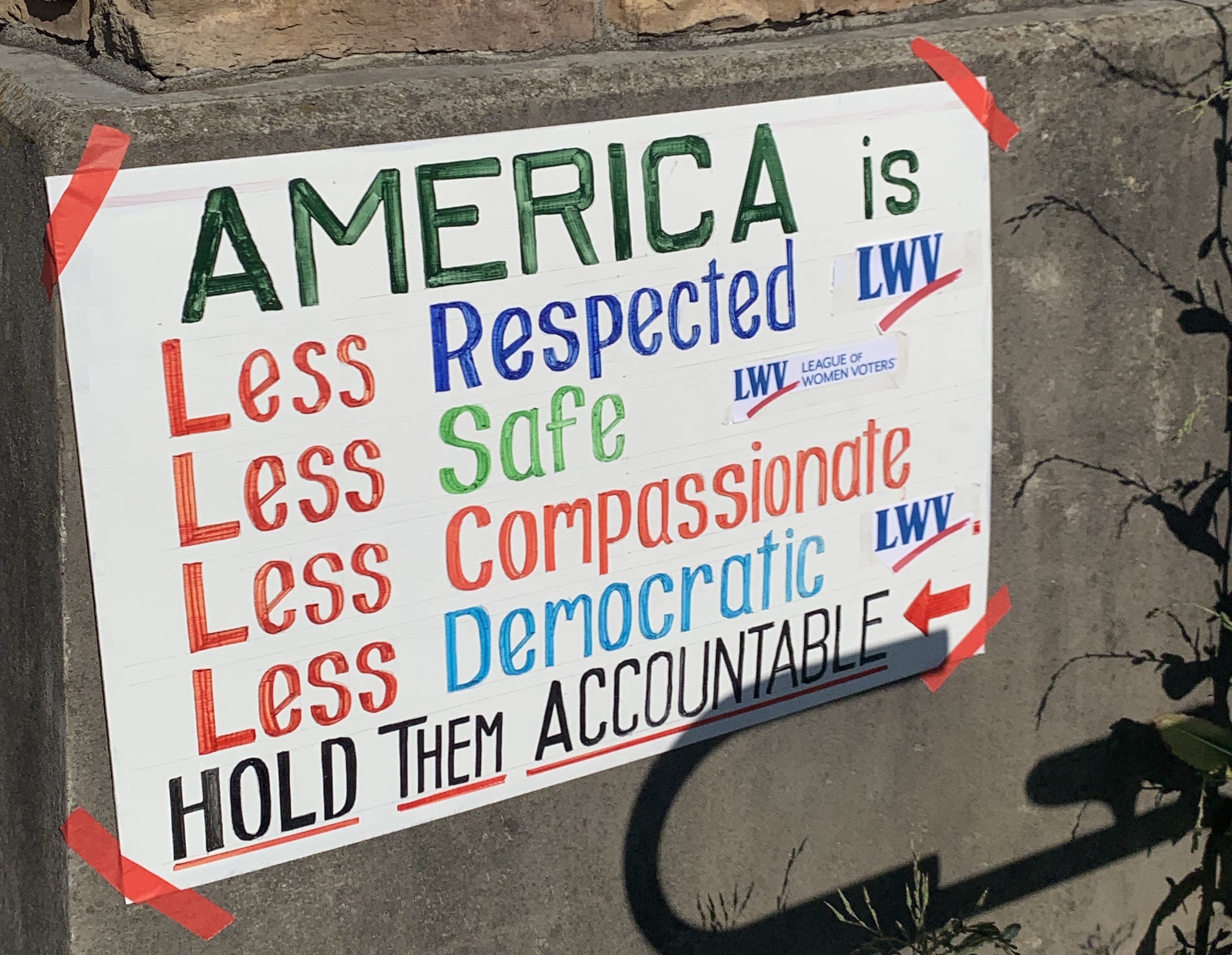
If representation becomes conditional, taxpayers deserve clarity. Commissioner Ozias — will you publish the list of who you will engage with and who you will not? Because if there is an ignore list, property owners deserve to know whether they’re on it.
Harm Reduction — For Humans Only?
Clallamity Jen found a thread worth pulling.
Why do so many homeless individuals have dogs? Why is the new North View luxury homeless apartment complex installing a dog washing sink? Why is additional insulation being added between units — reportedly to minimize noise, including barking?
According to Peninsula Behavioral Health, pets can reduce stress, ease loneliness, and provide emotional support. That may be true.
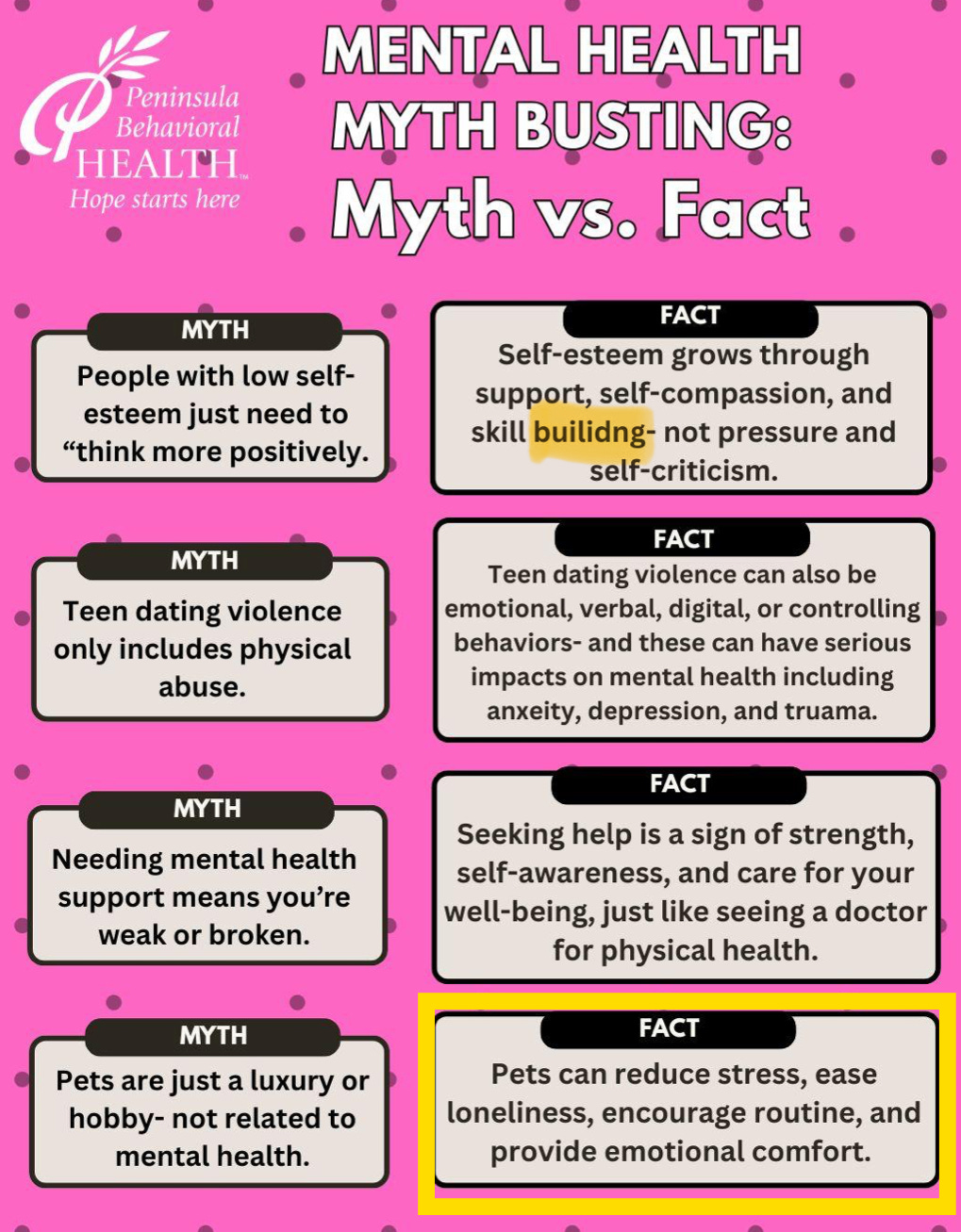
But pets also require stability, income, and responsible care — things that active addiction often undermines.
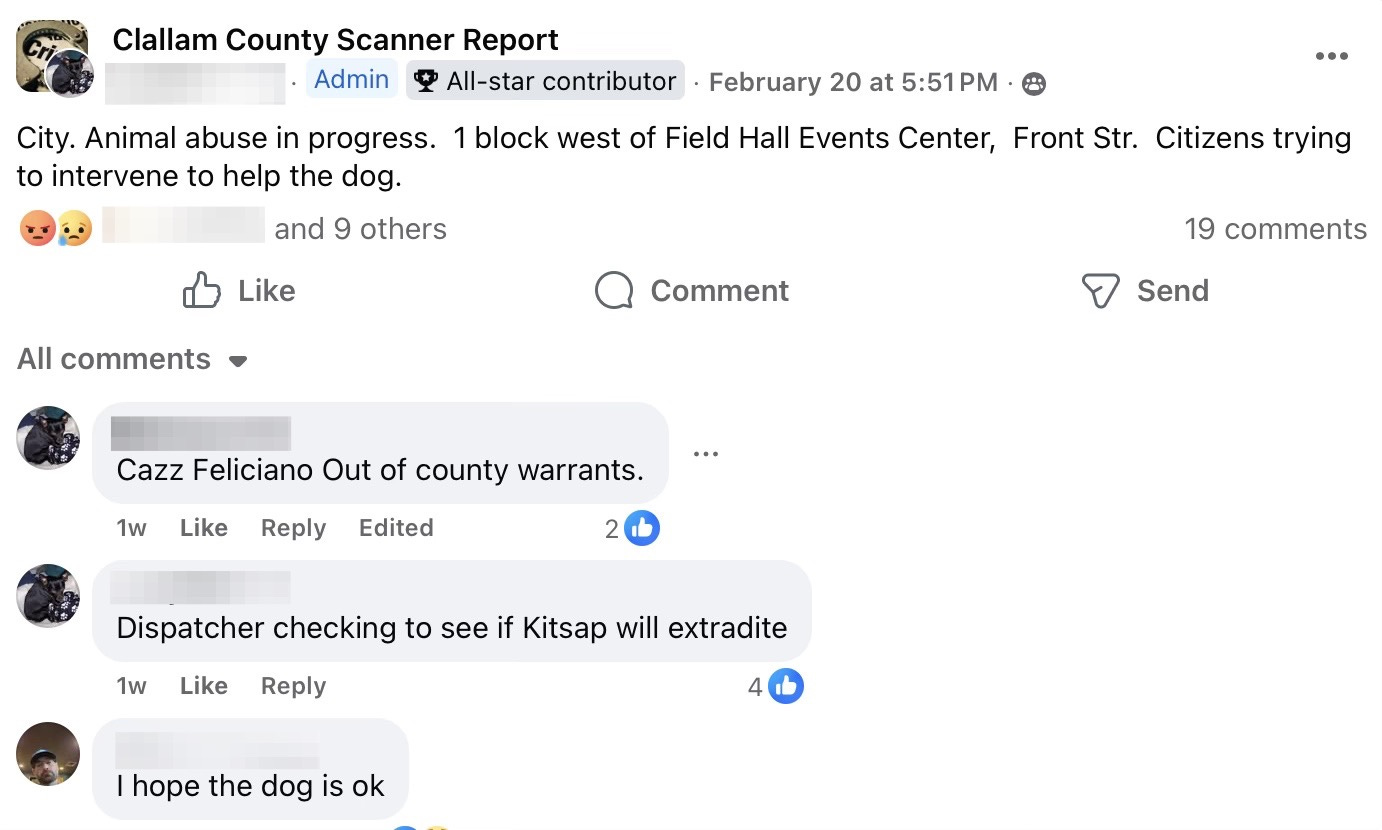
Last month, Cazz Feliciano was reportedly heard on the scanner abusing a dog while citizens tried to intervene.
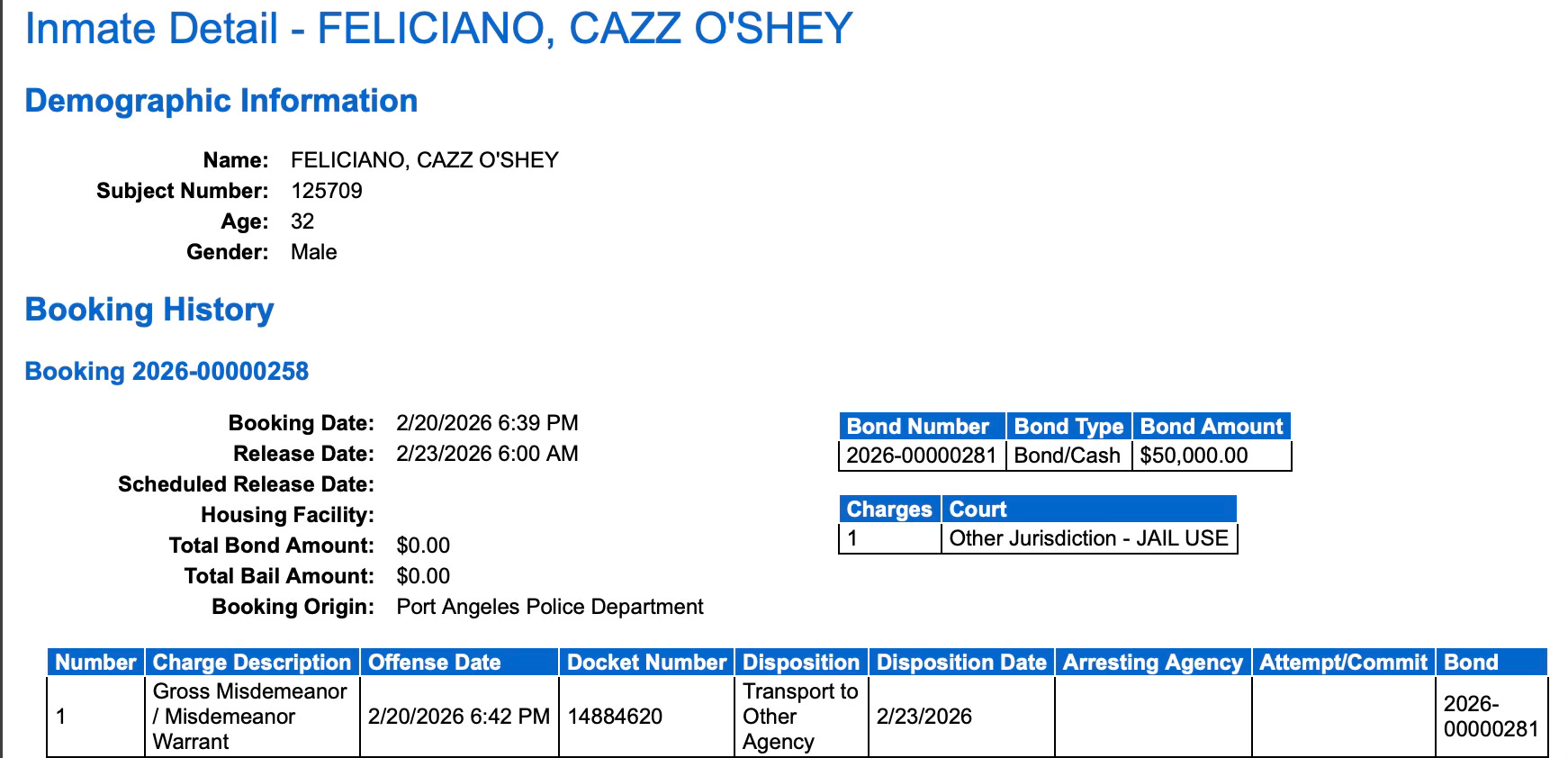
He had out-of-county warrants and was arrested on a gross misdemeanor.
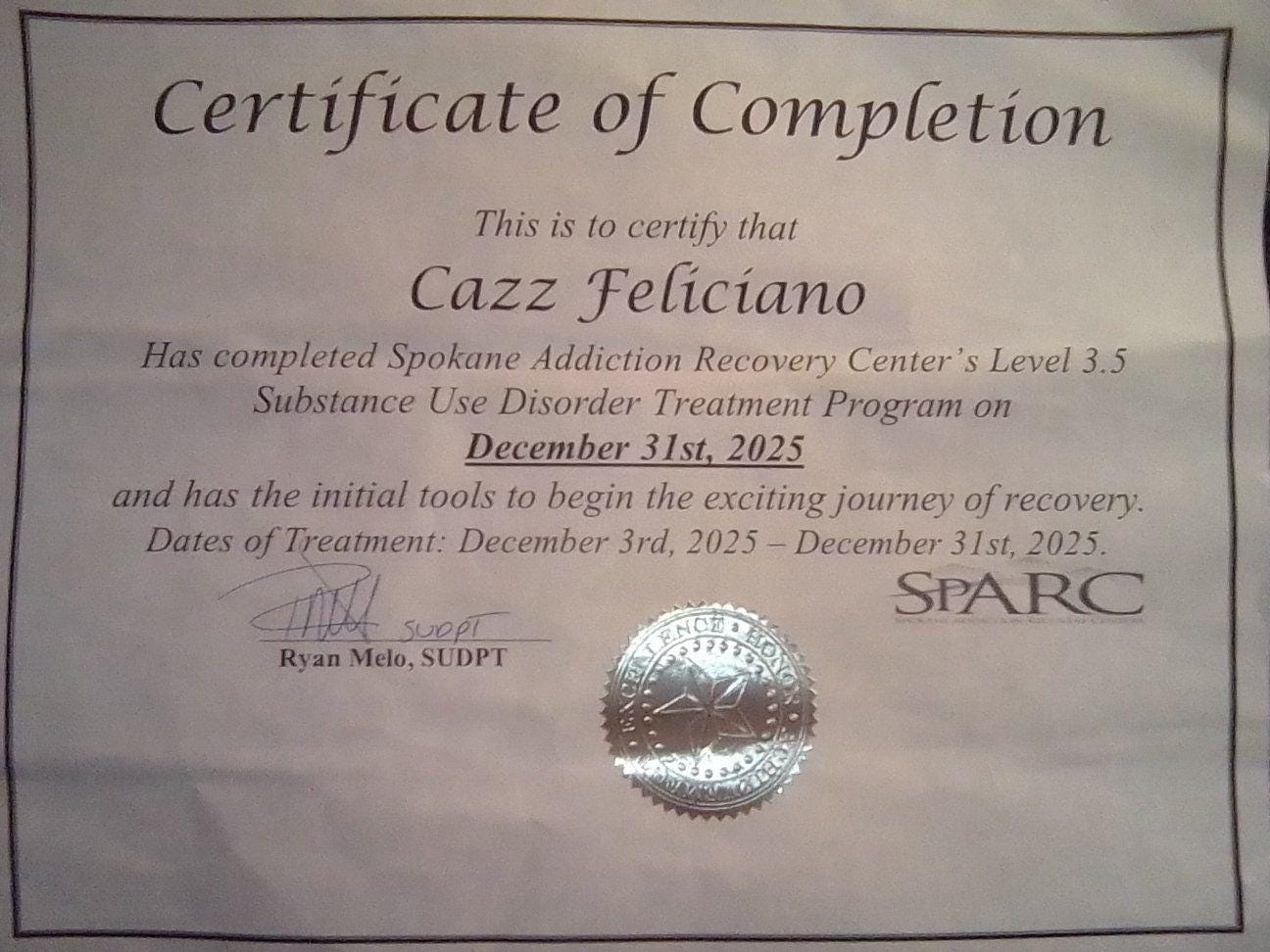
According to his own social media, he completed a substance use disorder program in Spokane just two months ago.
Pets are not emotional support accessories. They are living beings. In a county that normalizes active drug use as part of its strategy, are animals becoming collateral damage?
We talk about harm reduction constantly. But harm reduction for whom? If policy enables chaos, the users aren’t the only victims.
Policy in Practice
This weekend, the County’s Health and Human Services parking lot — the very department overseeing homelessness strategy — was crowded with tents. Individuals were reportedly using drugs openly. This is one block from the courthouse.


This is the building where decisions are made about how many crack pipe cleaning kits, meth pipes, boofing kits, and tourniquets should be ordered. This is the department that insists harm reduction is stabilizing conditions.
If stabilization is the goal, how does a parking lot encampment signal progress?
Public policy is not measured by PowerPoint presentations. It is measured by observable outcomes. When the physical space of the department responsible for the strategy mirrors the crisis itself, residents are justified in asking whether the strategy is working.
Compassion is not the issue. Competence is.
The Quiet Exit
Are you hearing about it too? Friends packing up and leaving?
One CC Watchdog reader shared a sobering comment about shrinking services, rising taxes, and businesses relocating.
We do have limited services here. A great portion of services are provided by JKT [Jamestown Tribe] and they are exempt from paying taxes. So... who is left to pay? Property owners, who have over-valued assessments on their properties and high property taxes. Small business who collect sales taxes and are budened with B&O whether they sell wholesale OR retail. Then everyone, except those with exemptions, pay food, fuel, and services taxes to these small businesses.
Some are moving out. I know an excavator who just moved to Idaho. I know someone who just closed their doors and retired early. I know another company who has their company in aquisition and is selling his business. He already moved to Wisconsin.
This is going to leave us without services. OR, with fewer services to choose from and higher prices for lack of competion. It’s not businesses like mine that will benefit. It will be large corporations, who will have terrible wages for those who remain and have terrible and lagging services for the community.
I also know some people who moved here a few years ago, but subsequently moved out (back to the Seattle area) due to lack of services. It’s already started.
Clallam County markets itself as paradise. But paradise requires maintenance — fiscal discipline, public safety, infrastructure, and leadership aligned with residents.
If departures accelerate quietly, the effects will not be quiet for long.

Highway 101 and Tribal Consultation
Washington State’s Engrossed Substitute Senate Bill 5374 requires counties to offer early, independent consultation with affected federally recognized tribes when preparing comprehensive transportation programs — regardless of whether a tribe requests consultation.
Highway 101 runs directly through Blyn, home to the Jamestown tribal headquarters. Any long-term transportation planning — lane expansion, corridor redesign, safety upgrades — would now require structured consultation if the bill passes.
Consultation itself is not controversial. But consultation that is mandatory, independent of public participation processes, and offered regardless of request raises structural questions.
How will this influence timelines?
Will it create veto-like leverage in corridor planning?
How will residents be informed when consultation alters infrastructure priorities?
Transportation shapes economic development. Residents deserve clarity about who has influence over Highway 101’s future.

Criminals Apply Here
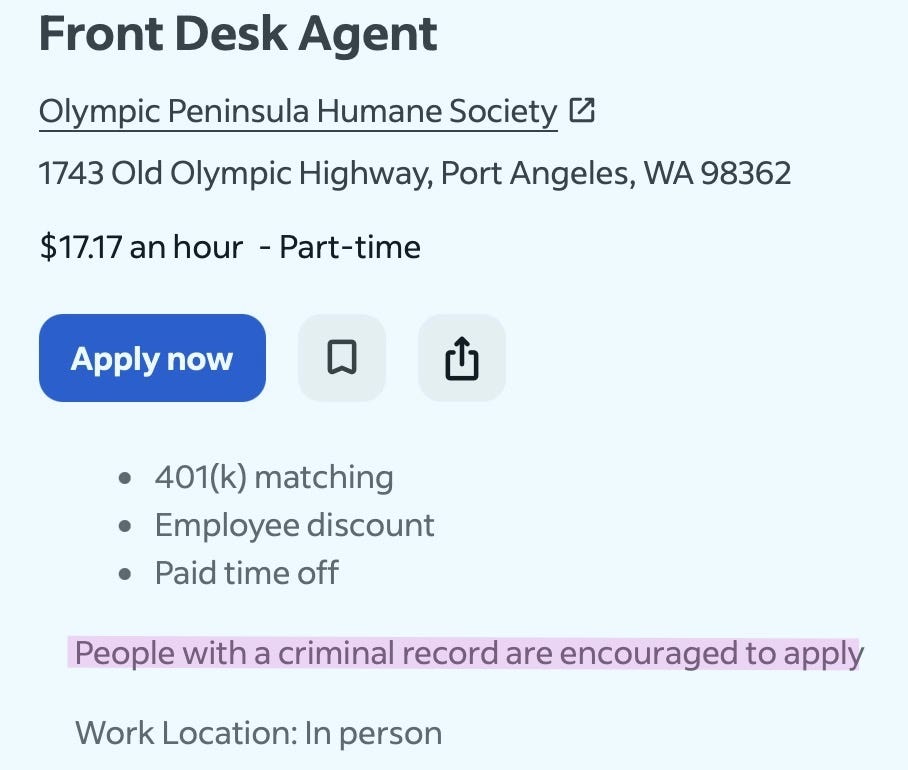
The Olympic Peninsula Humane Society is hiring animal care specialists and a front desk agent.
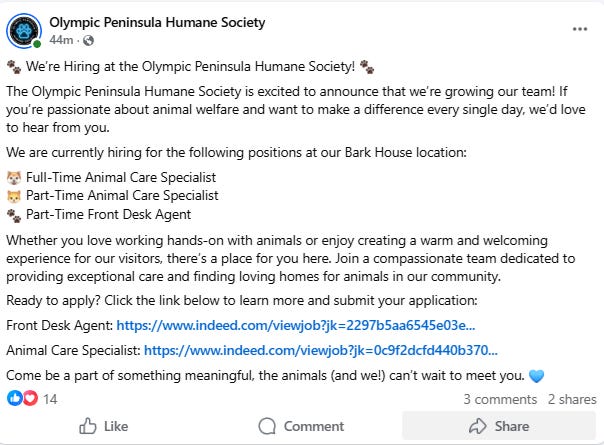
The starting wage? Just cents above Washington’s minimum wage. This is notable because the organization unionized about a year ago, suggesting labor advocacy and wage competitiveness were priorities.
The job listing also notes that “People with a criminal record are encouraged to apply.”
Platinum Transparency — What Does It Actually Mean?
Peninsula Behavioral Health displays a Platinum Transparency Award from Candid. The seal measures whether a nonprofit voluntarily shares information about its mission, leadership, and finances. It does not independently evaluate effectiveness or verify outcomes.
Locally, PBH has declined to answer direct questions about taxpayer spending, has not provided clear harm-reduction outcome metrics, has refused to share presentations shown to select groups, and has faced criticism over transparency surrounding $350,000-per-unit housing projects. A disclosure badge does not address those concerns.
Taxpayers deserve metrics, not marketing.
Seattle Volunteers, Measurable Results
Andrea Suarez, founder of We Heart Seattle, has taken a direct-action approach in Seattle — cleaning encampments, hauling out trash, and connecting people struggling with addiction to services. It sounds very familiar to anyone watching 4PA here in Port Angeles. The model is simple: show up, clean up, measure what you remove, and document what happens next. The parallels between Seattle and Clallam County are striking — and this video is worth watching with that in mind.
We Heart Seattle tracks outcomes in tangible terms: tons of debris removed, needles collected, individuals placed into treatment or housing pathways. Progress is photographed, logged, and shared publicly. There are no abstract taskforces or ten-year plans to end homelessness — just visible action and measurable results.
Washington has one of the highest homeless populations in the country. The scale of the crisis is daunting in both King County and Clallam County. But measurable action still matters. If volunteers with limited budgets can quantify impact, residents are justified in asking why publicly funded departments struggle to do the same.
Patterns Travel
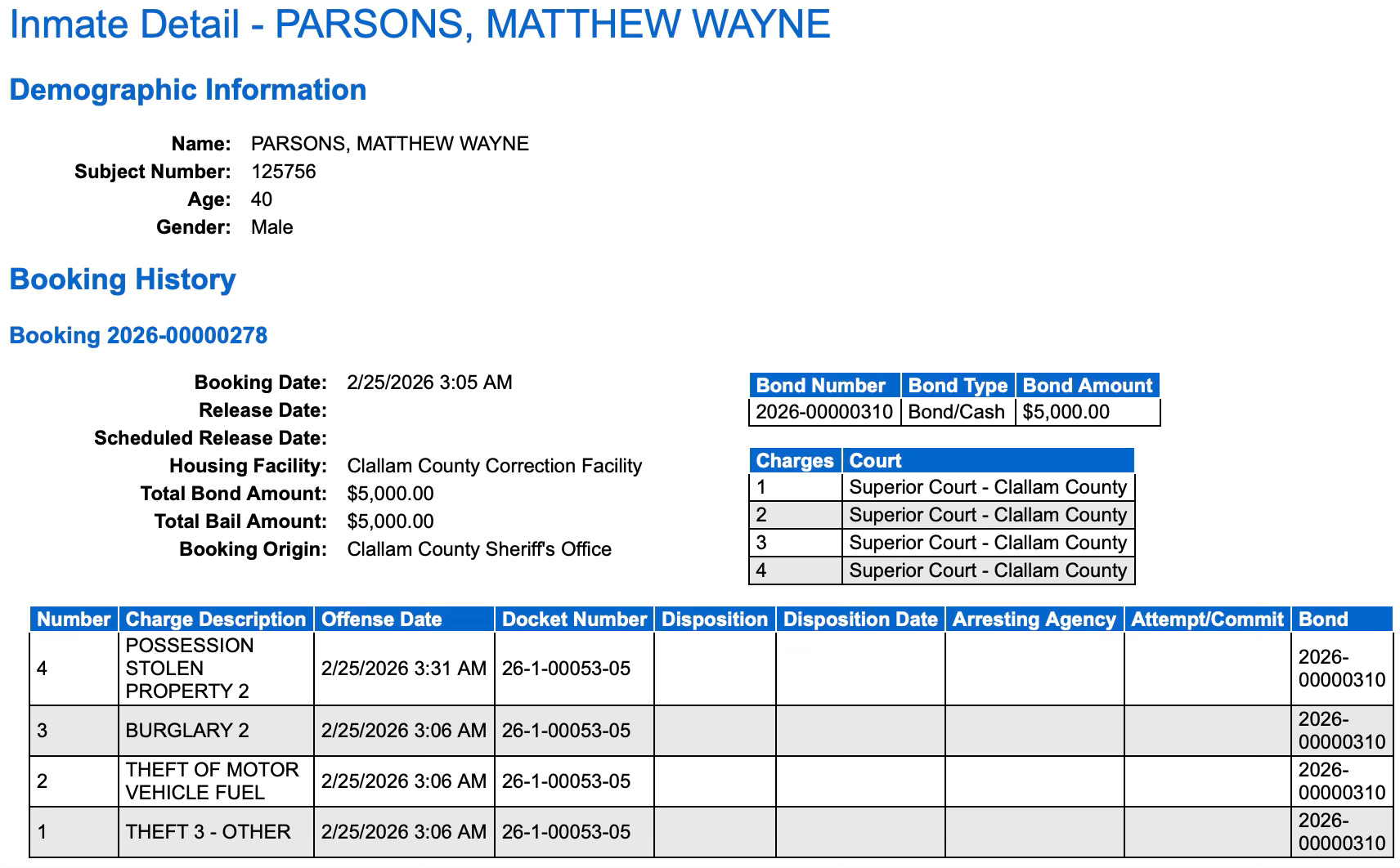
Matthew Parsons, 40, was recently booked into Clallam County Jail for possession of stolen property, burglary, and theft of motor vehicle fuel.
In 2023, he and another suspect were arrested near Spokane for allegedly burglarizing an evacuated home during a wildfire evacuation. Deputies reported suspicious behavior and missing property.
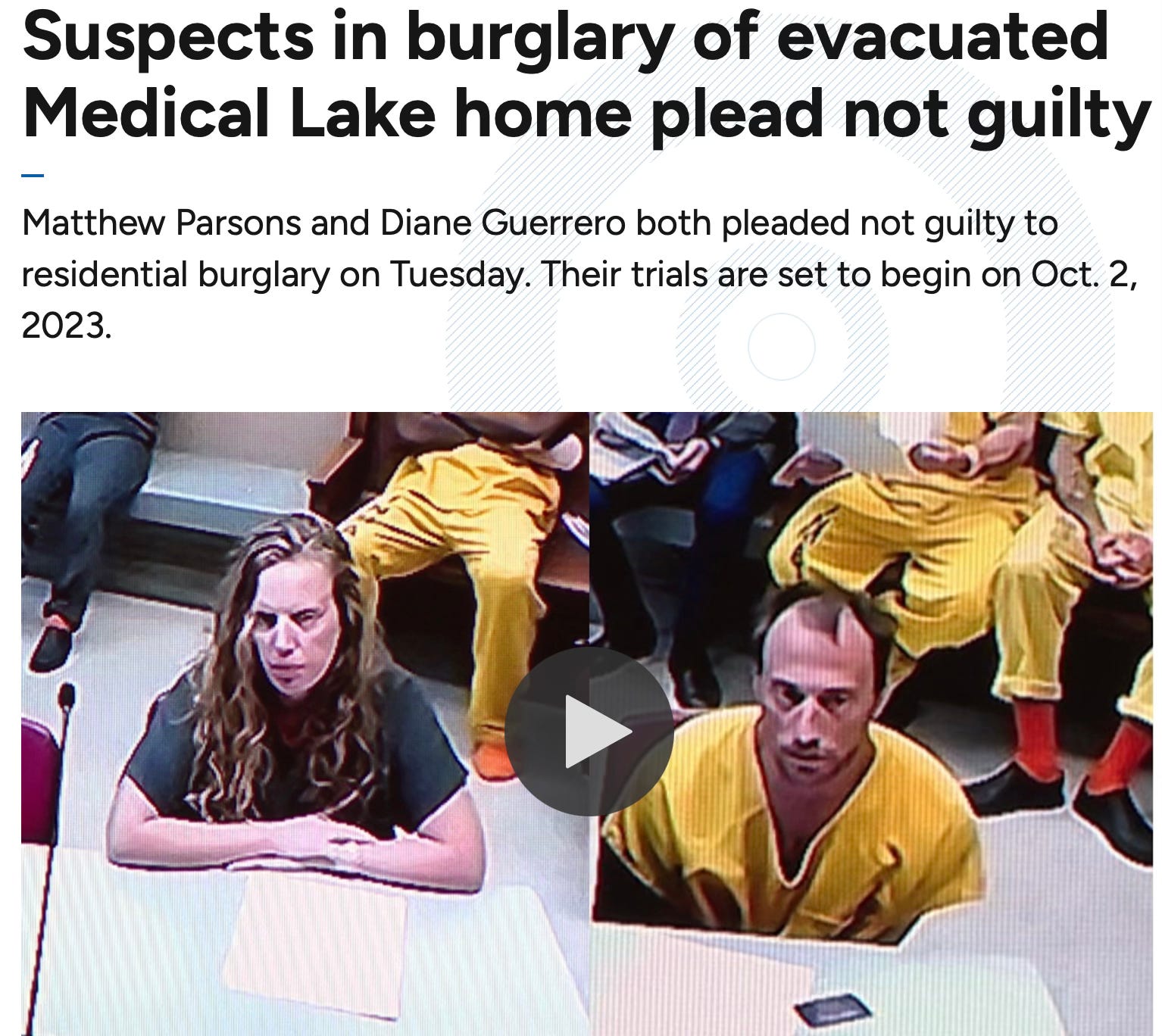
Different county. Similar allegations.
Clallam County is not insulated from regional crime patterns. When accountability is inconsistent across jurisdictions, individuals migrate to softer environments.
Ooooh, Barracuda!
CC Watchdog superfan Christine just gave her baby-blue Barracuda the ultimate finishing touch — a fresh CC Watchdog logo, clean and proud.
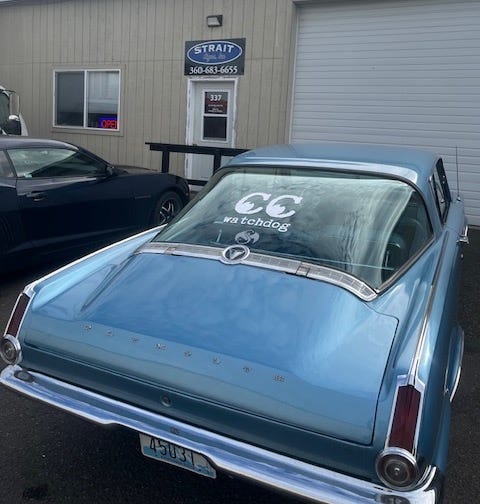
Even better? The “next sticker” credit at Strait Signs is still rolling. Every time someone goes in and asks for a CC Watchdog sticker, the person before them has already paid it forward. The tab never seems to close — it just moves to the next supporter.
So if you spot a bright blue Barracuda cruising around Sequim with a Watchdog logo on it, give Christine a wave. Christine, thank you for spreading the word — and for keeping the movement rolling in style.


