


Intro by Jeff Tozzer
Warning: This article contains graphic images of human waste.
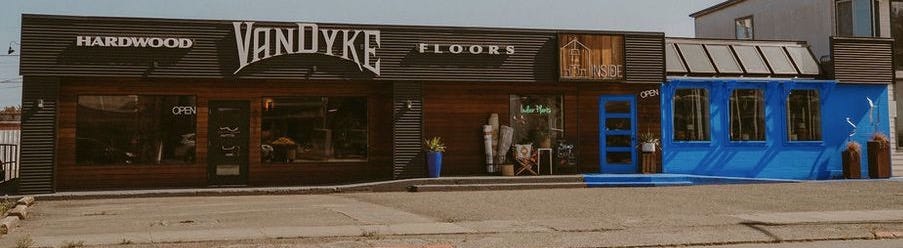
Every morning before the doors open at Van Dyke Hardwoods on First Street, someone has to walk the alley. Trash gets scattered. Sleeping bags pile up and get abandoned. Needles turn up. There have been fires started at the back door, break-ins, and, more than once, human waste left right outside the shop.


Randy Van Dyke’s crew often cleans it up before he arrives so customers never see it. His wife’s gift-and-plant shop next door deals with the same reality, including safety concerns for female employees closing after dark. They’ve had people with machetes behind the building and have had to call police or issue trespass notices. Vehicles can’t safely stay at the shop overnight.
Van Dyke, who moved here from Montana in 2009 and has run his flooring business since then, says the pattern has grown more frequent since they opened their current location around the start of COVID. Encampments appear, drug activity shows up on cameras, and the cleanup falls on the business. He notes that people in the area often have access to food, sleeping bags, and other supplies, yet the mess and the safety issues remain. Other nearby businesses face similar break-ins and problems. For a small operator who also employs people and invests in making the building look better, these are not abstract policy debates—they are time, liability, and morale costs that arrive before the first customer.
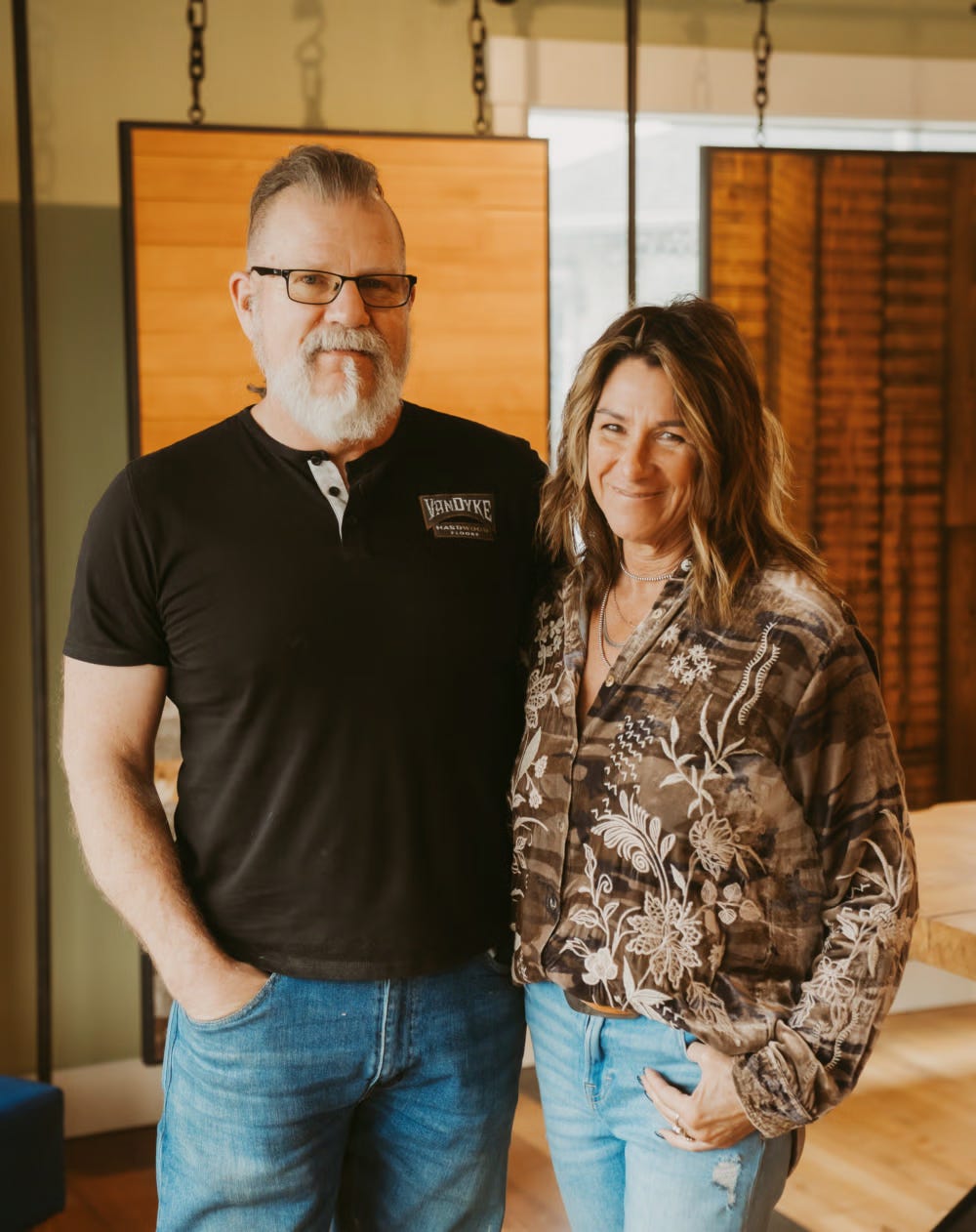
Seegers and Van Dyke also talk about larger challenges for Clallam businesses: the gap between ordinances on the books and what gets enforced, the difficulty of investing in a nicer storefront when vandalism and disorder can erase the effort, and the sense that other places (from Bozeman to smaller towns elsewhere in Washington) maintain cleaner, safer commercial areas with different approaches to the same problems. Van Dyke has hired people working through homelessness and addiction in the past and sees potential in apprenticeship-style pathways into work, but he also sees policies that sometimes treat employment as secondary to treatment. He and Seegers discuss the value of measuring local outcomes rather than relying on approaches that have not improved conditions on the ground here.
“I have an alley right behind my shop and multiple times I have to come in and clean up trash that’s been left at my door. Human feces. I’ve had fires started at my back door… I’ve had parts stolen off of vehicles. I’ve been broken into twice. Busted window… And sometimes it’s just little stuff, but it’s always all of a sudden I got to walk up and down the alley cleaning up my trash that they scattered all over… you know, little things that you don’t really want to deal with when you come to work in the morning.” — Randy Van Dyke
The interview is part of a pattern that has become clearer over the past year. Businesses that host Seegers signs, donate to his campaign, or simply operate in the same environment as Van Dyke Hardwoods have been visible in ways that differ sharply from the support for his opponent. Seegers has drawn contributions and backing from a wide cross-section of local operators: foresters, a smoothie shop, a tire shop, a thrift store, a car wash, short-term rental operators, construction companies, realtors, septic companies, general contractors, restaurant owners, an auto-body repair shop, a powersports retailer, loggers, long-term rental landlords, a coffee roaster, a quarry operator, a sling manufacturer, a goldsmith, and property managers, among others.
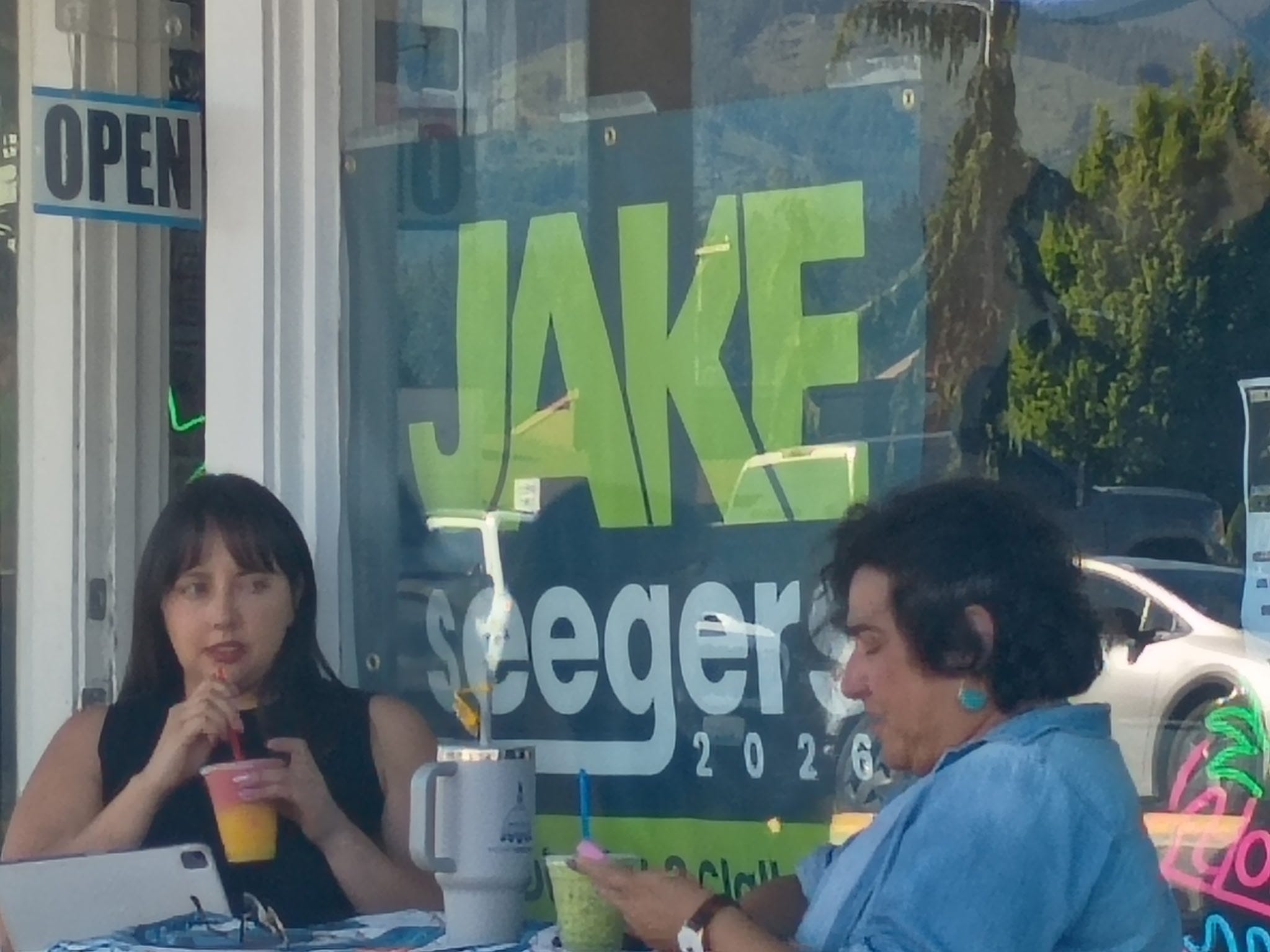
Public Disclosure Commission filings show business contributions such as those from Bruch & Bruch Construction and OSP Sling, alongside a broad individual donor base. By contrast, filings for Mike French’s campaign list no comparable roster of business-owner donors or endorsements of that type; larger reported contributions have come primarily from activists and special interests.
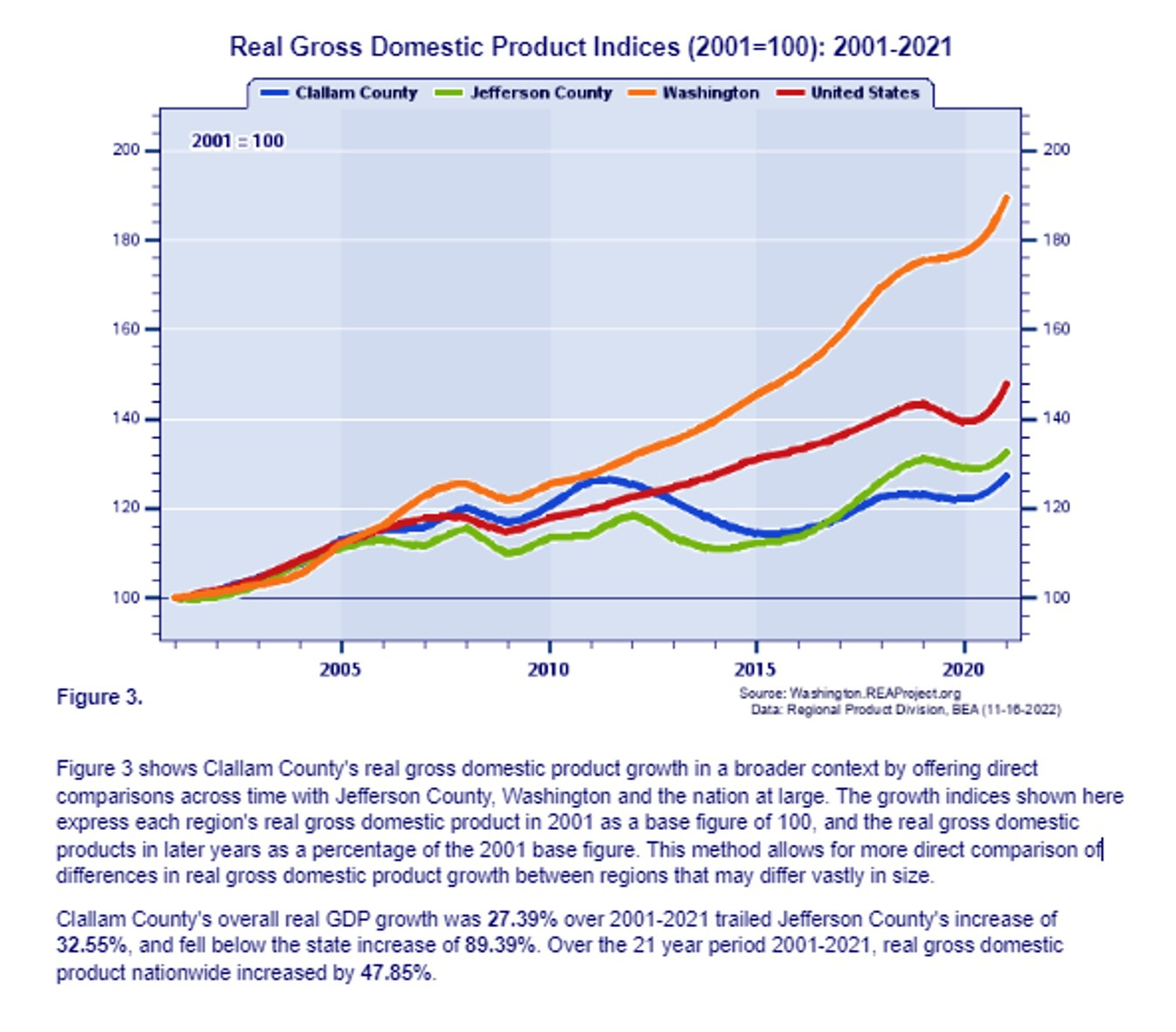
After years in which Clallam’s private-sector job growth has lagged the nation, the state, and even neighboring Jefferson County on several measures—while government employment has expanded—the local employers who take the risk of providing services, hiring people, and paying taxes appear to have identified a candidate focused on public safety and conditions that let small businesses succeed. When those businesses do well, the broader economy and the tax base that supports everyone else tend to follow. The full conversation with Randy Van Dyke captures that argument in concrete, day-to-day terms from someone who lives it.
This article was approved by Jake Seegers for Commissioner (IND), 131 East First Street, Port Angeles, WA 98362.


