


This article and podcast were delayed due to a power outage.
If you want a snapshot of Clallam County right now, skip the official talking points. Look at the boycott threats, the “voter-approved” fee voters never approved, the homeless-voting flyer that treats ID as optional, and the grant money that chases addiction as if the shortage of counselors is the main problem. This week’s potpourri is not one story. It is a pattern.
Don’t Sit With Us at Lunch
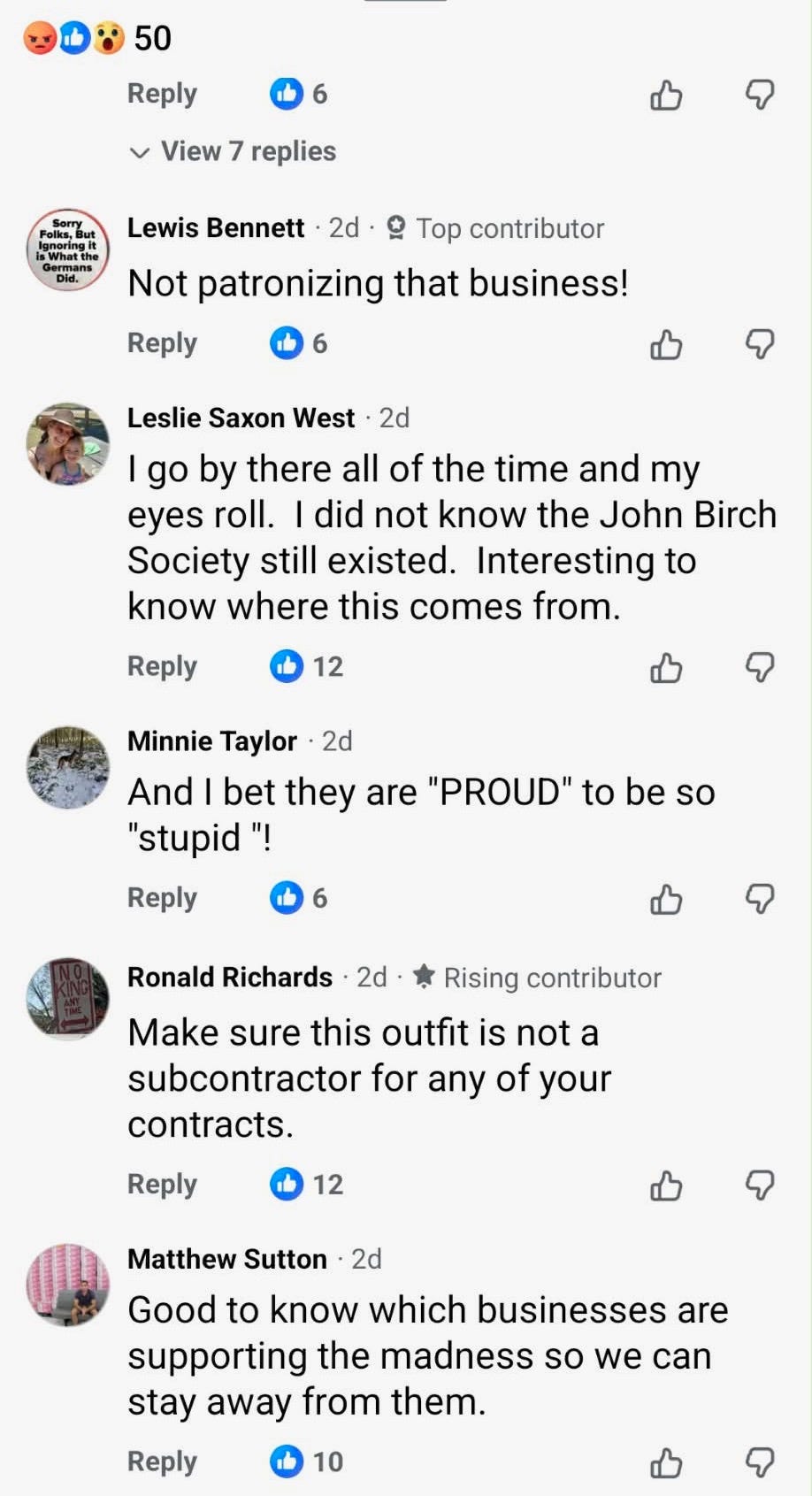
The commissioner race has two camps, and neither is “pro Mike French.” It is pro-Seegers or anti-Seegers. Indivisible activists, backed by the League of Women Voters, now have a message for businesses that stand with Jake Seegers: drop him, or lose customers.
One Facebook post put it bluntly: “Don’t they know they’re going to lose like 50% of their customers if they do that? Smart business owners are going to say ‘no.’”
That is not civic engagement. It is the grade school version of politics: “Sit with us cool girls, or you are not invited to my birthday party.” These groups have already floated boycotts of businesses tied to Seegers and CC Watchdog. The tactic is intimidation dressed up as virtue.
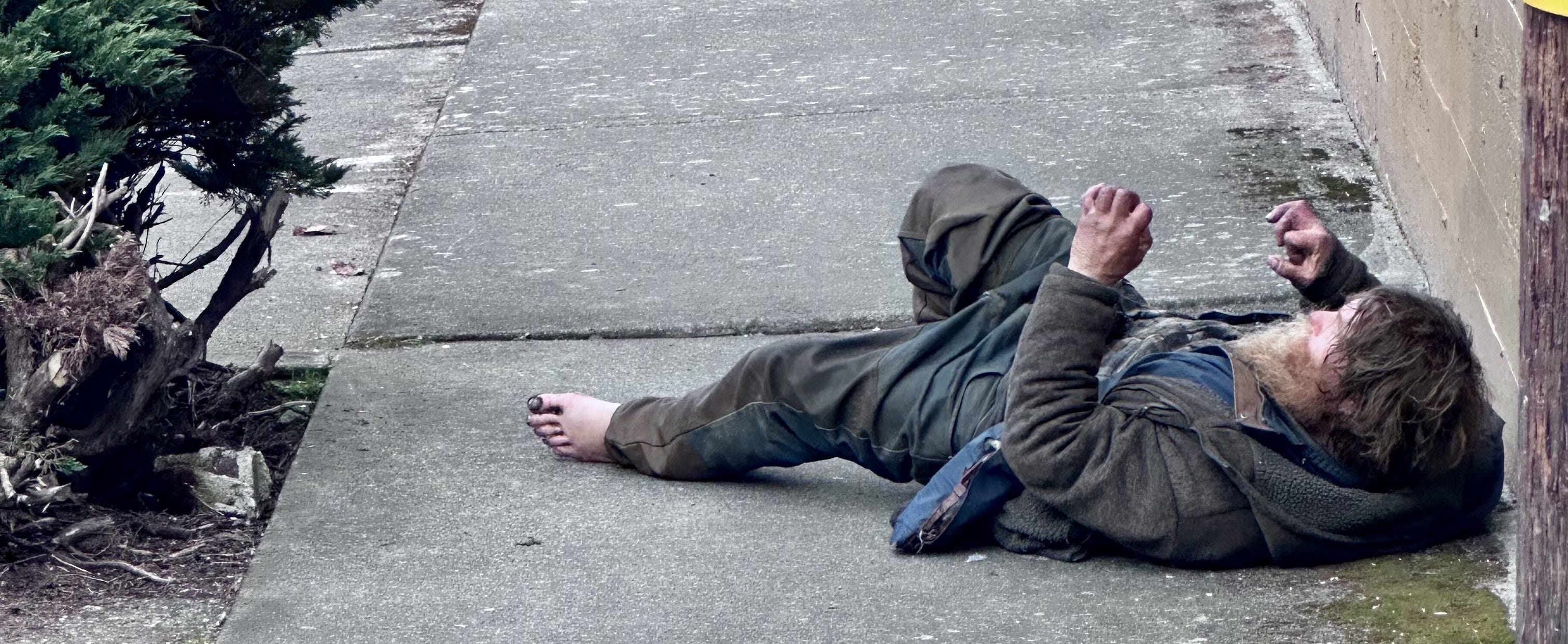
Maybe “smart” business owners are tired of clearing tents and sleeping bags off their stoops before opening. Maybe they are tired of fentanyl foil and washing human waste out of their alleyways. Or maybe they are just tired of rising taxes that fund commissioner pet projects, poet laureate included.
Listen: Virginia Shogren on Clallamity Jen
Play the Clallamity Jen interview with county auditor candidate Virginia Shogren. The interesting part is not the position. It is the evolution: a progressive Democrat who started asking different questions about her political identity.

Shogren is running to restore trust in elections and watch the money. She wants paper ballots you can see and count, processes the public can oversee, and an auditor’s office that treats waste as the enemy. Washington already mails ballots. The question she raises is whether voters still have real oversight, or whether software and untraceable steps have replaced it.
If you care who runs elections and who watches the books, listen to the interview before you decide.
Sequim This Week
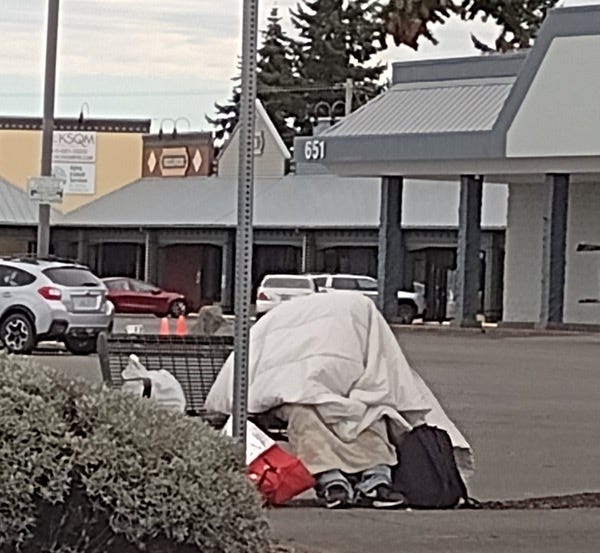
Here is a snapshot of Sequim. A person sitting in the middle of JCPenney Plaza, belongings piled around them, a blanket draped over their head.
A few blocks away, laundry day on Washington Street: an entire line of clothes drying on the bushes at one of the main entrances to town, in the commercial hub of a small city that still likes to call itself charming.
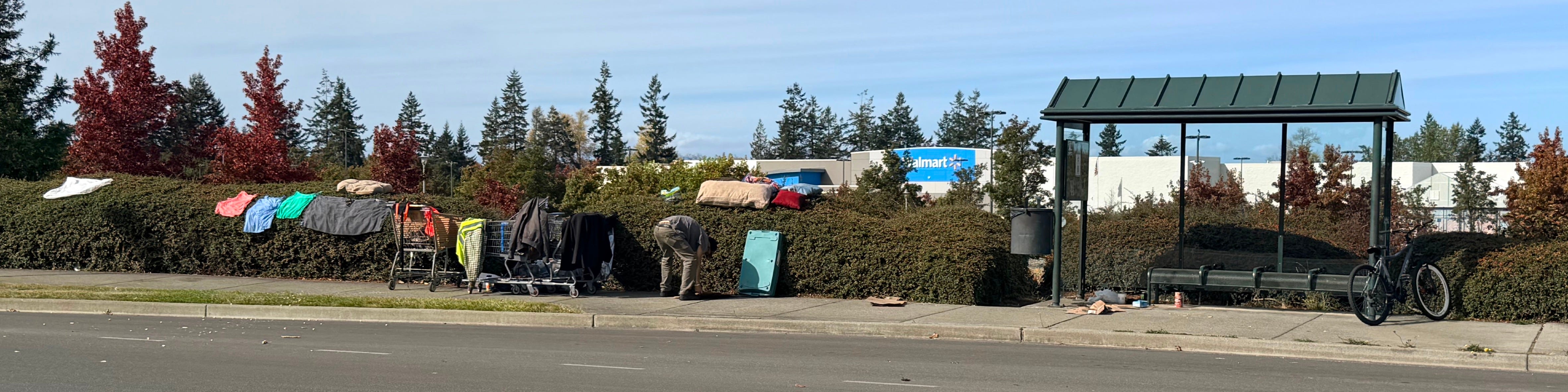
This county is teeming with NGOs surviving off your taxes, and the list of programs for homelessness, addiction, and mental health keeps growing. So ask the only questions that matter:
Is it getting better?
Is this the hometown you remember?
The town you moved to a year ago?
The place you want your grandchildren to see when they visit the town you chose for retirement?
Are you embarrassed? And if you are, are you ready for change?
No ID? No Address? No Problem!
From the Washington State Coalition Against Domestic Violence comes a flyer that should stop you cold:
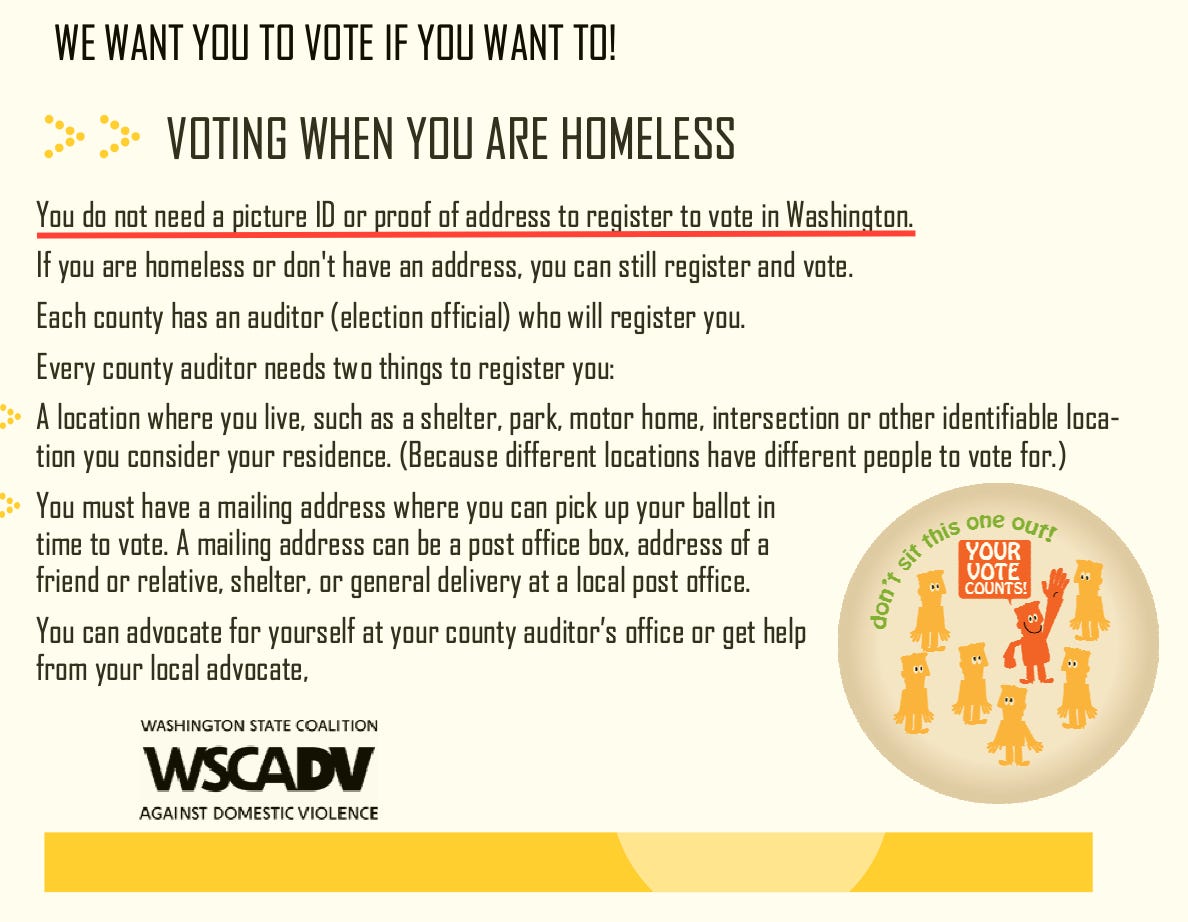
“WE WANT YOU TO VOTE IF YOU WANT TO!”
“You do not need a picture ID or proof of address to register to vote in Washington.”
If you are homeless, you can still register. Give a location you consider home—a shelter, park, motor home, intersection—and a mailing address so the ballot can find you: a P.O. box, a friend’s house, a shelter, or general delivery.
That is state law. It also invites you to treat the most basic check—who is this person, and where do they live?—as optional. Advocates can walk people through the county auditor’s office process. The rest of the county is supposed to trust the result.
$800,000 Goes Back—After Years of Controversy
Habitat for Humanity of Clallam County has told the commissioners it will not take the $800,000 Opportunity Fund award for Lyon’s Landing. In an August 20 memo, Board President Danny Steiger and CEO Colleen Robinson said the organization has not drawn a dollar of the grant. After a board review and a capital-campaign feasibility study, Habitat will sequence its two big projects: finish the roughly 48-home Sequim Avenue development first, and pause active work on the 45-home Carlsborg site. They will not pursue the extension they asked for days earlier. The county can send the money to other eligible projects. Any future ask, they note, would be a brand-new application.
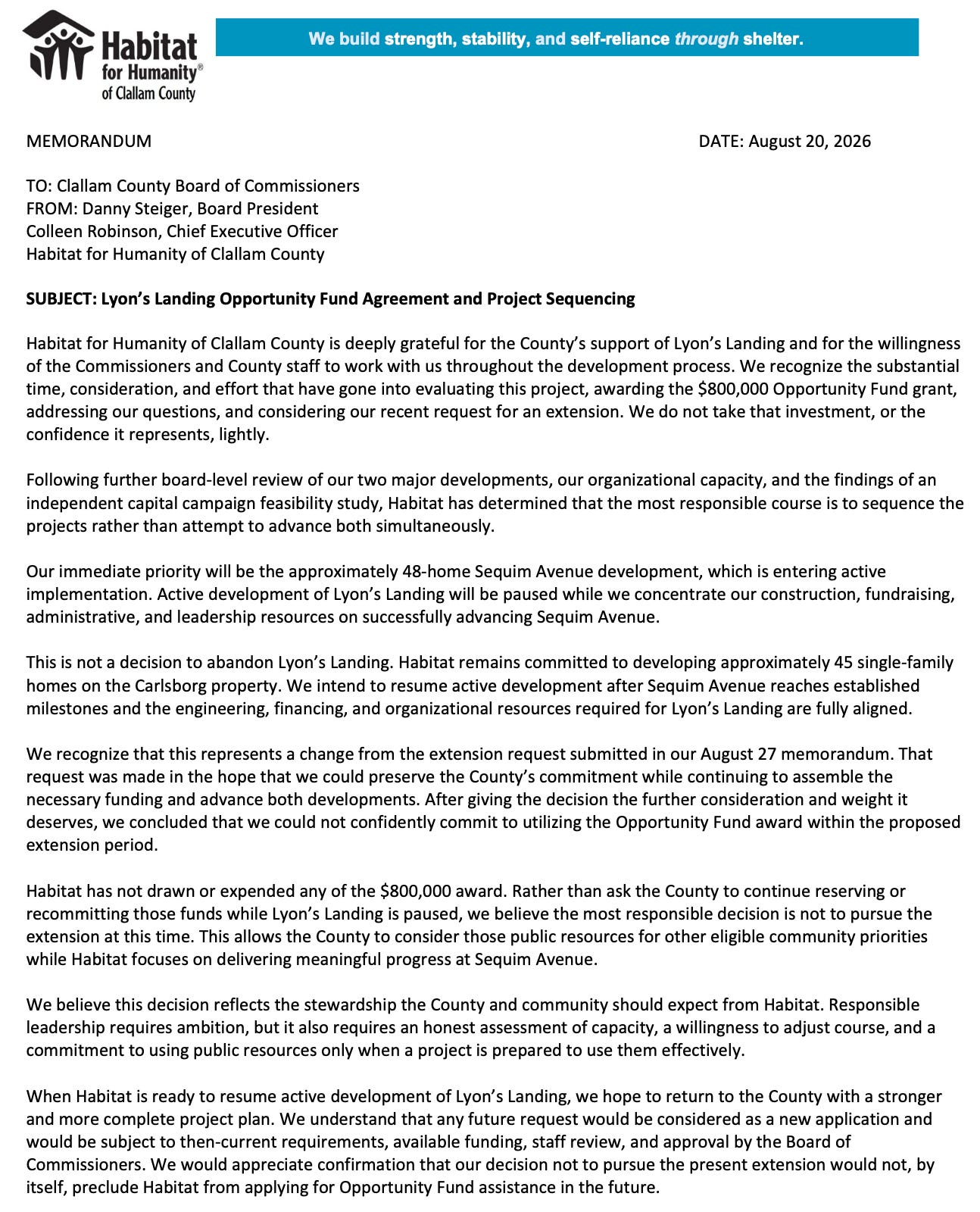
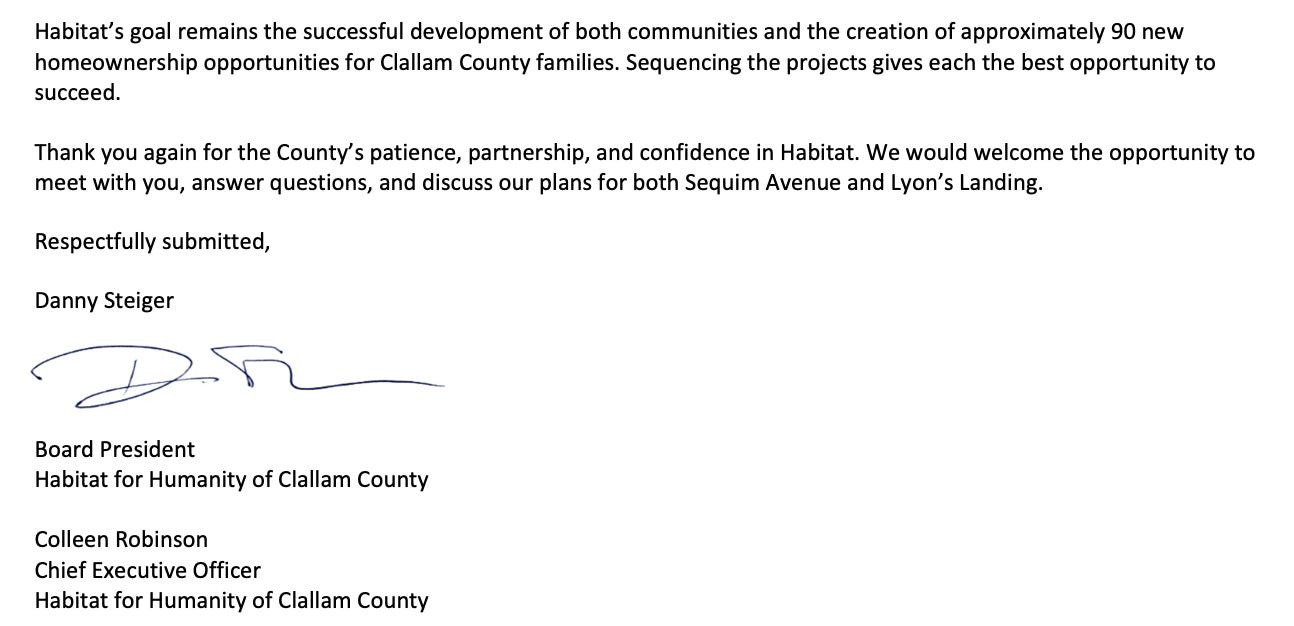
That is the polite version. The long version has been on CC Watchdog for years.
Habitat first tried to move Lyon’s Landing with a no-bid arrangement with the Jamestown Corporation—an estimated $2.6 million slice of site work—while arguing that, as a nonprofit not yet using state or federal dollars, it did not have to run a formal bid. The Jamestown Tribe had also given Habitat $50,000 and the NGO hired a Native American Housing Liaison. County legal staff then spent months asking whether public Opportunity Funds turned the job into a public work under state law and county code. Commissioners still awarded the $800,000 with a “must meet all legal requirements” caveat. Then came the shovels-in-the-dirt photo behind Sunny Farms.
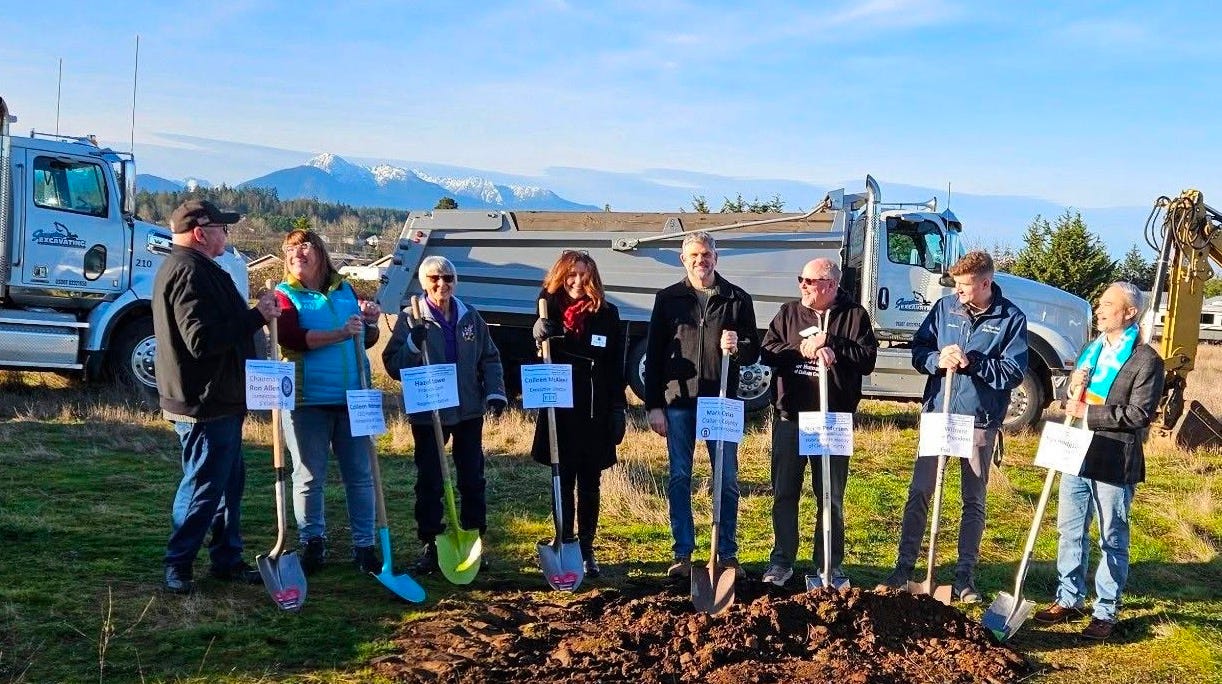
Then, for a long stretch, nothing.
Now Habitat says it cannot confidently spend the award in the extension window and is stepping back. Call it stewardship if you want. Call it the end of a deal that never should have been structured that way. Either way, the land off Mill Road is still waiting, and $800,000 in sales-tax money is finally free to be treated like public money again.
Harvest of Hope Raises $469,500—and a Familiar Line About Taxes
The Peninsula Daily News covered a real local success: Olympic Medical Center Foundation’s 24th Harvest of Hope gala raised a record $469,500 for local cancer care.
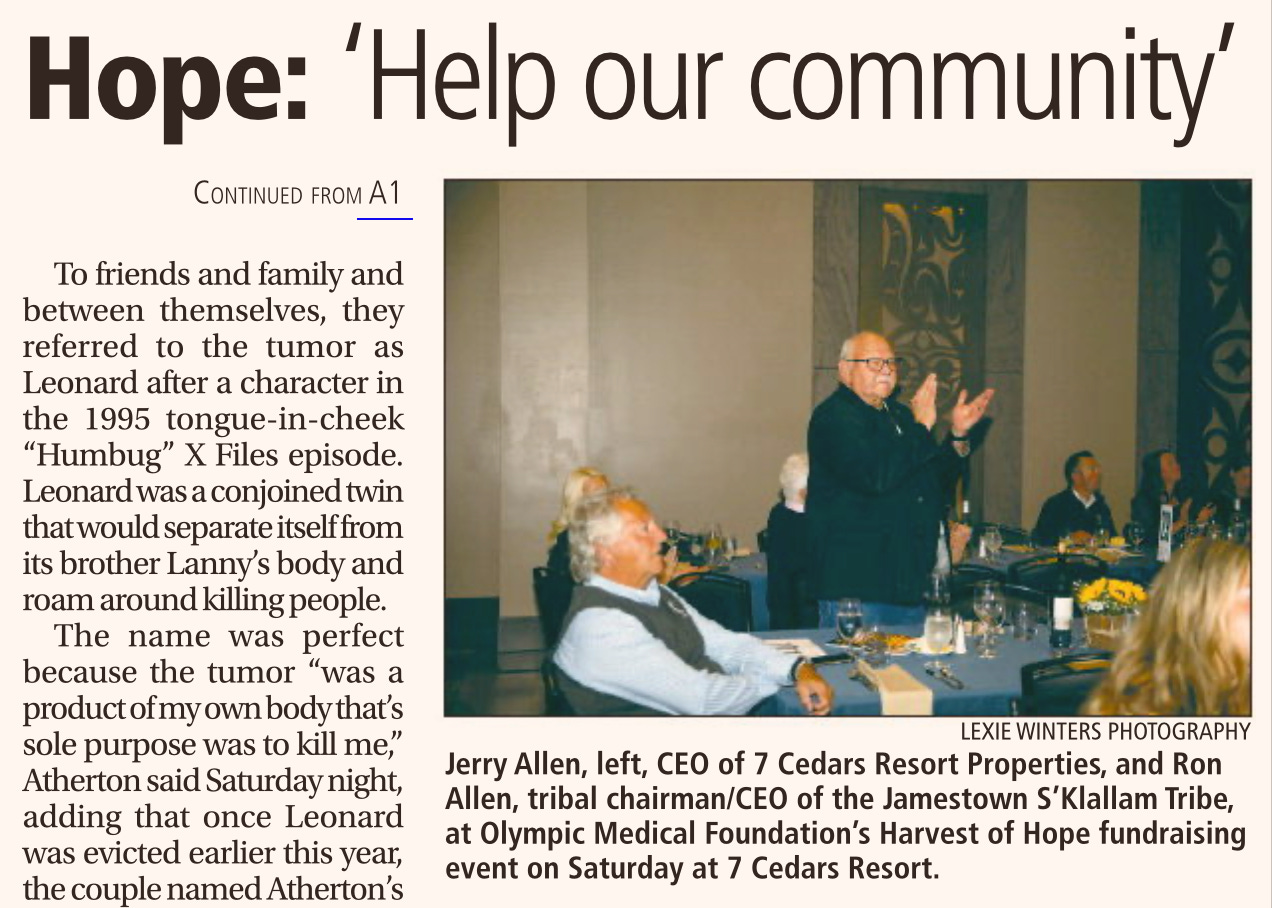
The Jamestown Tribe received the Rick Kaps Award. Then came the line worth remembering. Chairman Ron Allen said the tribe “started with zero” in the 1970s without federal recognition. Then, “Our tax base is our businesses.”
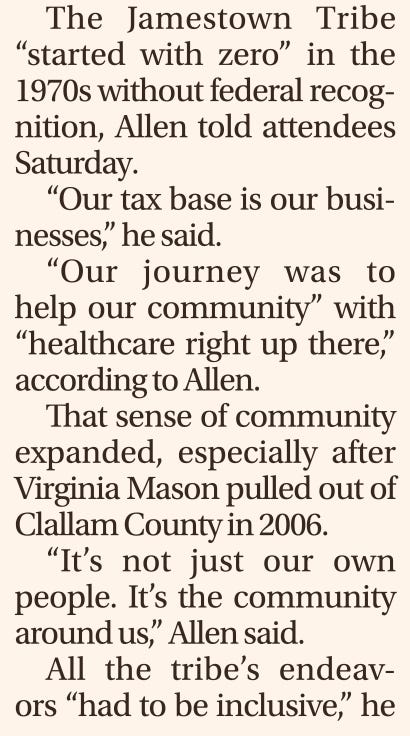
How convenient that the tribe’s tax base is its businesses. Everyone else’s tax base is the property-tax bill that pays for roads, schools, and fire departments. The tribe bought the land for its family clinic from your public hospital, Olympic Medical Center, for $1.00. Allen called the tribes’ endeavors “inclusive.” Try using the tribe’s beach, pavilion, or gym when the signs say tribal members only, and see how inclusive it is. Or try getting hired by the county’s second largest employer when you are more qualified but not a tribal member.
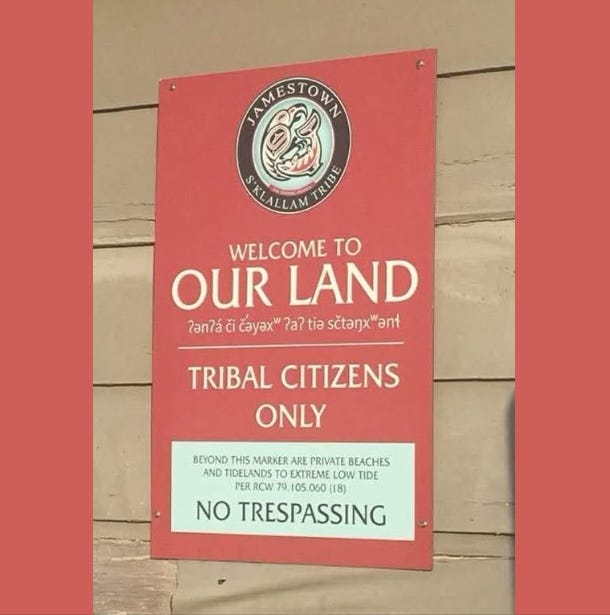
Celebrate the cancer money. Do not pretend the tax story is the same for everyone.
$10,000 to Redesign Addiction Studies
Molina Healthcare gave the Peninsula College Foundation $10,000 to redesign the addiction-studies curriculum and tighten the path into the bachelor of applied science in behavioral health.
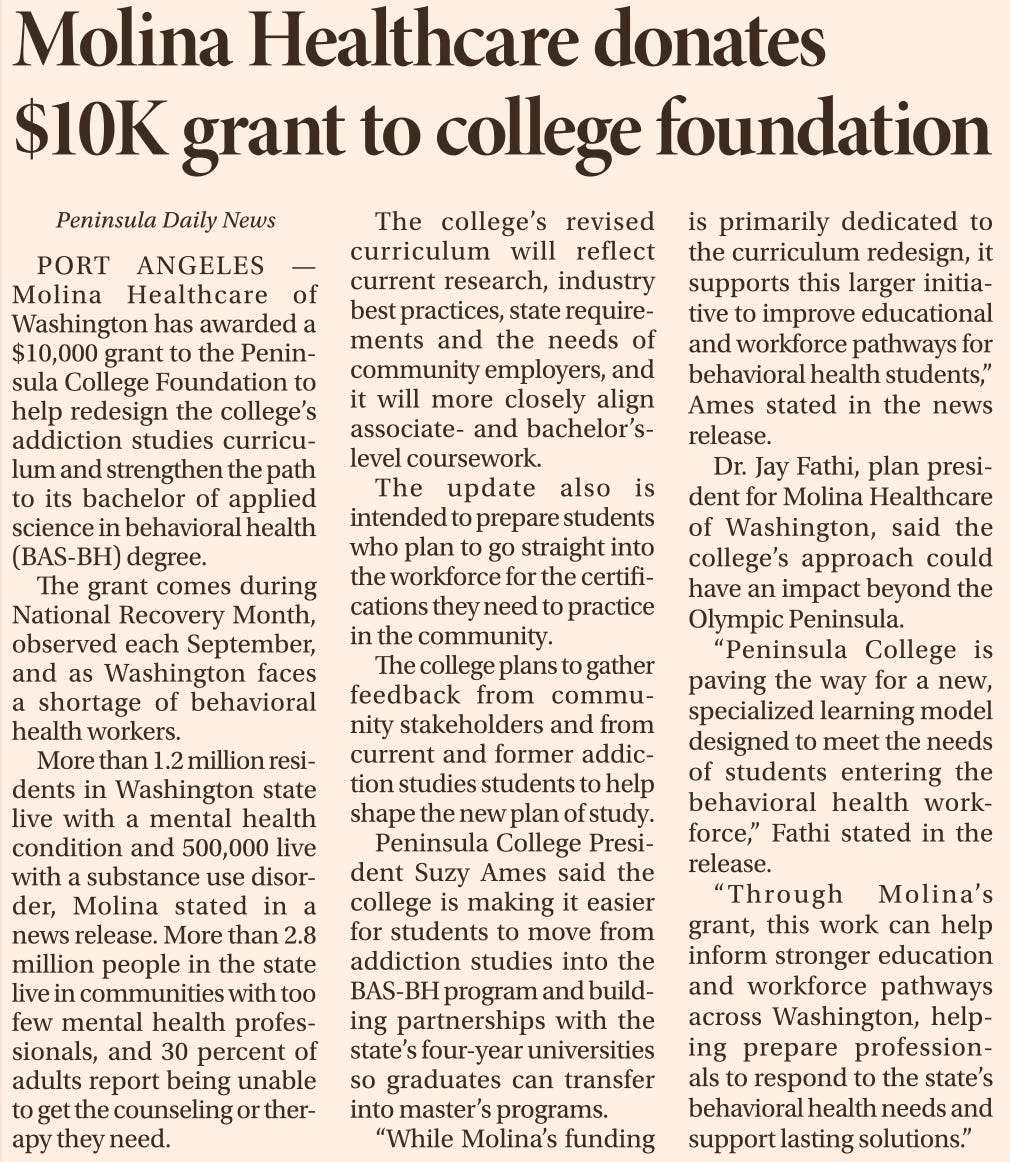
Read it another way: addiction is also a jobs program and a degree track. As long as the crisis stays large, there is curriculum to write, grants to chase, and a pipeline to feed. The college says it will align coursework with employer needs and state rules. Fair enough. Just notice what never gets treated as the goal: fewer addicts, not more certified staff managing them.
You Don’t Need a Crystal Ball. Watch these Cities.
You do not need tarot cards to see where Housing First and harm reduction lead. You need Seattle, Portland, Los Angeles, and Philadelphia. Watch Nick Shirley’s video investigating the fentanyl crisis across those cities and see how much they have in common with Clallam County.
Watch the addicts in that video and ask the question officials keep dodging: Is what they need a $350,000 luxury apartment with a dog-wash station and a harbor view? Is one more clean crack pipe the thing that finally makes them ready for recovery? Clallam is not inventing a new model. It is importing one that already has a body count. This is a drug crisis, not a housing shortage. Our streets have become asylums for the addicted and mentally ill. A county cannot solve a problem it refuses to name. These conditions are the squalor that members of the League of Women Voters, Indivisible, and the Democratic Socialists are pushing the county’s Board of Health to maintain.
Does this look like compassion to you?
“Voter Approved” — Except the Voters Didn’t Approve It
Four years ago, Mike French made Conservation District funding part of his campaign. Last year he backed a parcel fee, then flipped to “no” at the last minute when the other two commissioners were clearly going to pass it. He got to be the “good guy” and look more moderate after three years of pushing for tax hikes. The fee was unpopular. It still passed without a public vote.
Now look at your property-tax statement. The fee is listed as a “voter approved” tax.
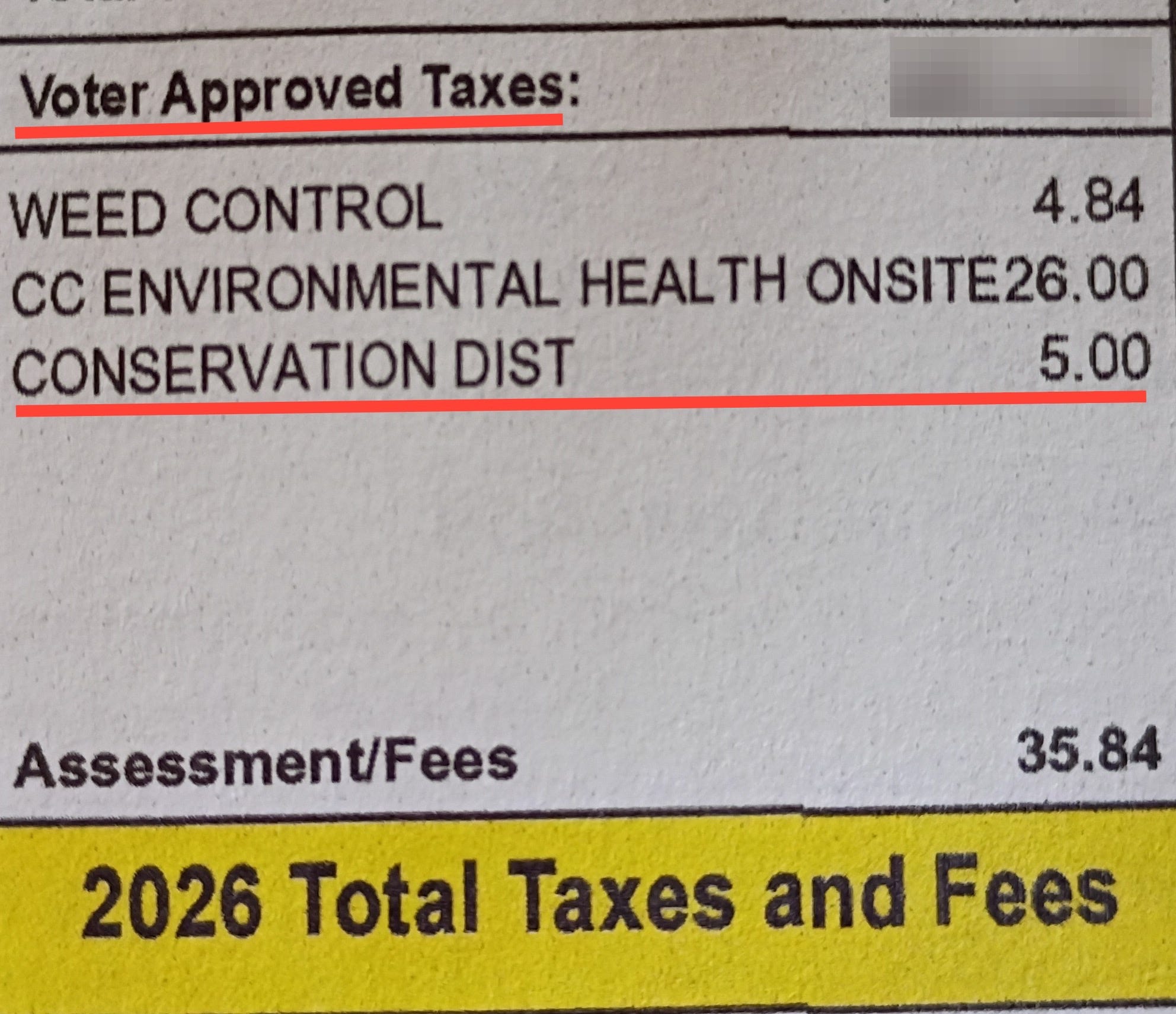
Jake Seegers independently submitted 1,032 signatures against it. History got rewritten on the bill. A commissioner-only passage became “the voters said yes.”
Listen: Antonio Price on Clallamity Jen
Assessor candidate Antonio Price sat down with Clallamity Jen. Start there if you want to understand the person, not just the office: fair booth, high-school diploma, how long he has lived here, why he is running now, and whether he wants voters focused on party or on the job.
Jen did something useful before the policy questions. She separated the elected assessor from the myths. The assessor values property. The Legislature writes the tax laws. The treasurer collects the money. Taxing districts set their levies. Staff does the technical appraisal work. The Department of Revenue still owns pieces of the system.
Then the real questions: Should property photos stay online 24/7, or should owners with safety concerns get more control? How does a newly elected official oversee an existing department without pretending to be the appraiser? And if voters do not understand how a levy hits their bill, whose job is it to close that gap?
Listen to the answers and decide if the Price is right.

Read the Strait Shooter: The Harm Capsule
Do not skip this week’s satirical Strait Shooter, “Know Your Community: The Harm Capsule.” Imagine the county’s 2026 time capsule packed with the artifacts that actually define the era: Narcan, needles, boofing kits, shower vouchers, and grant paperwork.
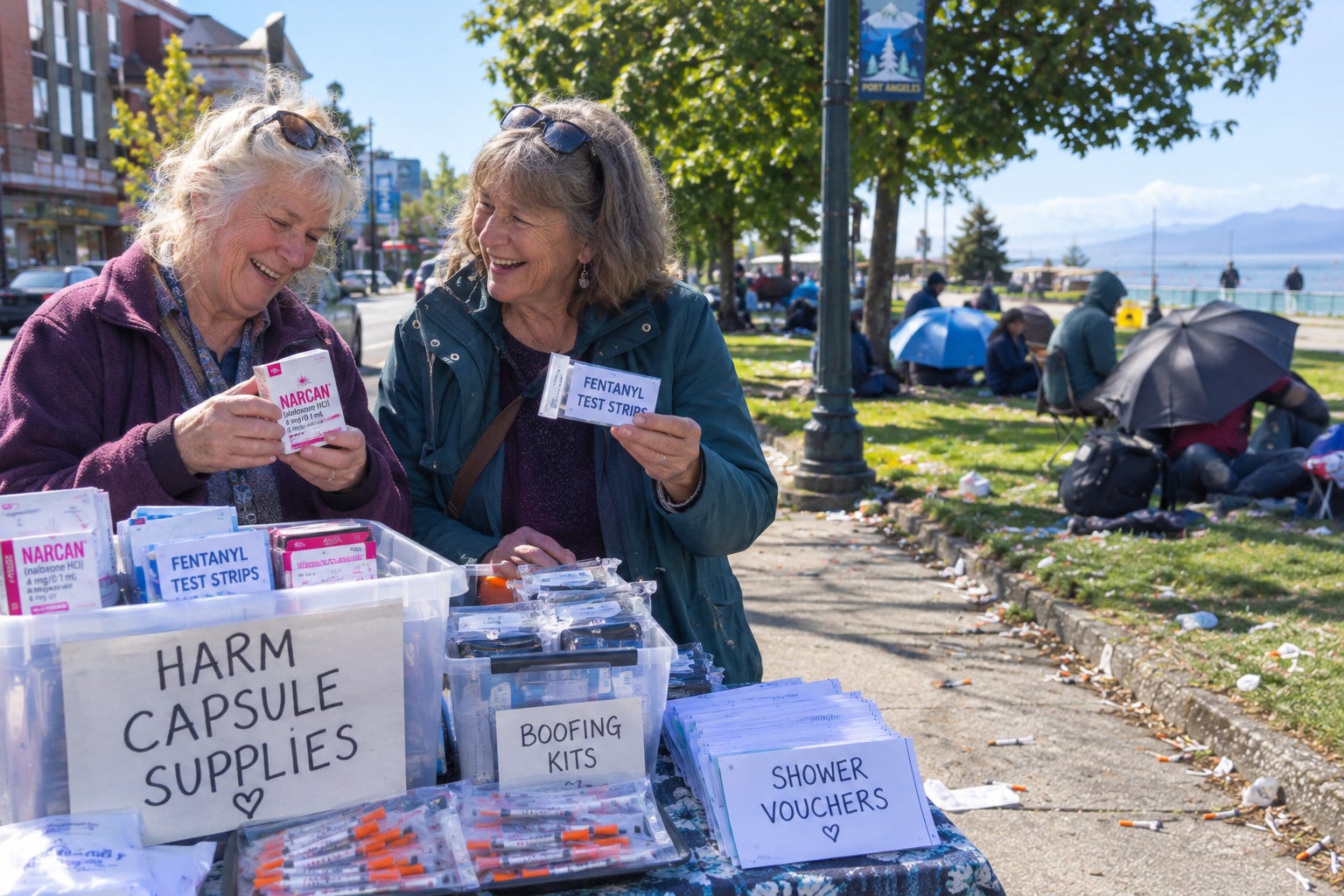
That is the snapshot they would bury. Read it. Then look around and ask whether they are joking.


