


When Clallam County Health Officer Dr. Allison Berry declared the science behind harm reduction "rock solid," she left little room for debate. But from Oregon's failed Measure 110 experiment to concerns raised by recovery advocates, public records, and even local data discrepancies, the evidence tells a more complicated story. If the science is truly settled, why are questions increasingly treated as attacks?
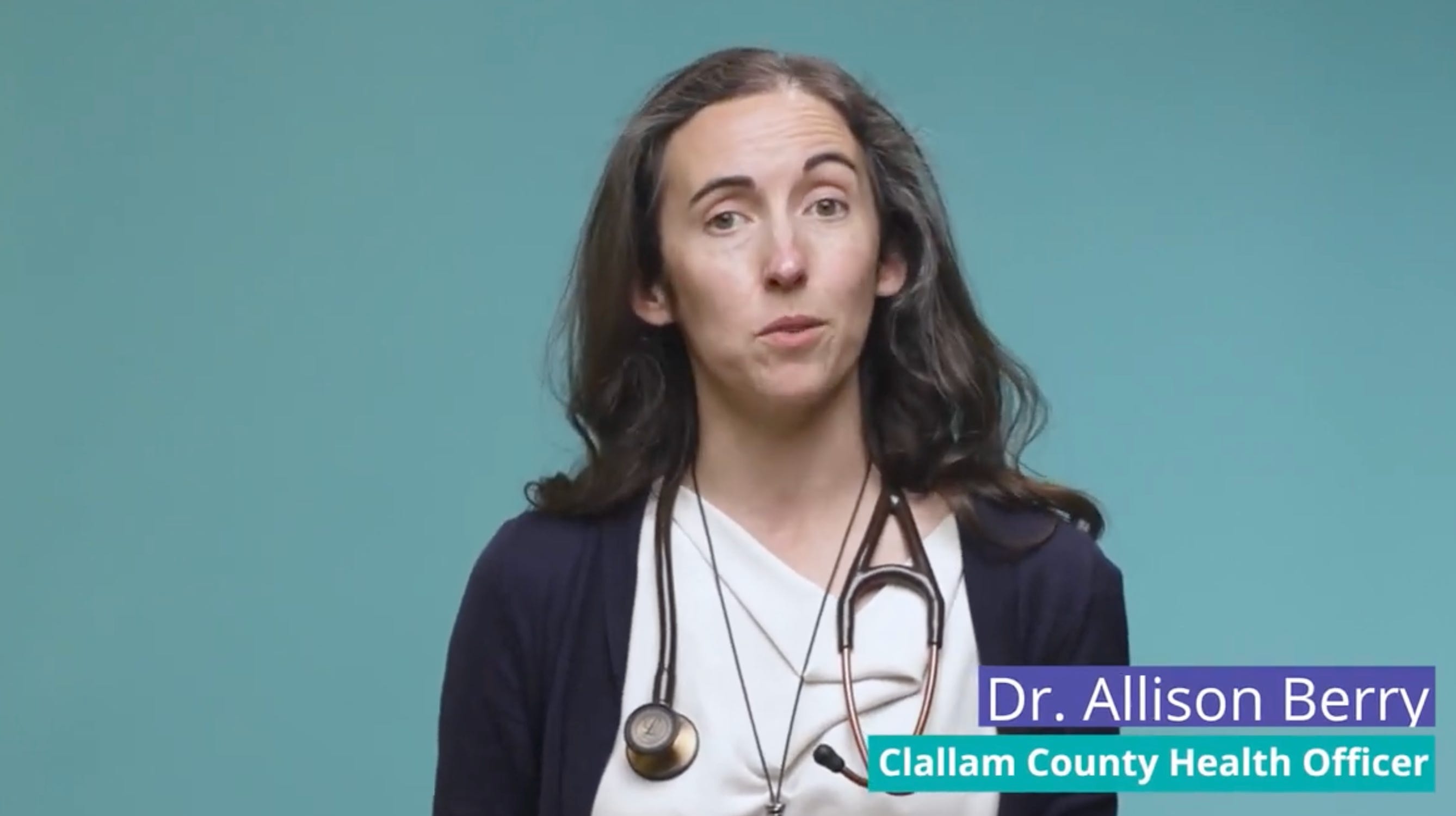
At last week’s Board of Health meeting, Clallam County Health Officer Dr. Allison Berry offered an unequivocal defense of the county’s harm reduction programs.
“The evidence on its efficacy is rock solid all across the country in urban areas and rural areas,” Berry told the Board. “It’s not new, it’s not strange. What we’re doing here is not atypical. It’s standard harm reduction practices.”
She went even further.
“Well, the data is very, very clear that it is the other way around. Harm reduction reduces people’s use of drugs. It makes them use less. It makes them less likely to die, less likely to get infectious diseases, and it makes them more likely to enter treatment.”
Those are strong statements. They leave little room for the possibility that the evidence is mixed, incomplete, or still being debated. The problem is that the broader debate surrounding harm reduction is anything but settled.
What Does Harm Reduction Mean?
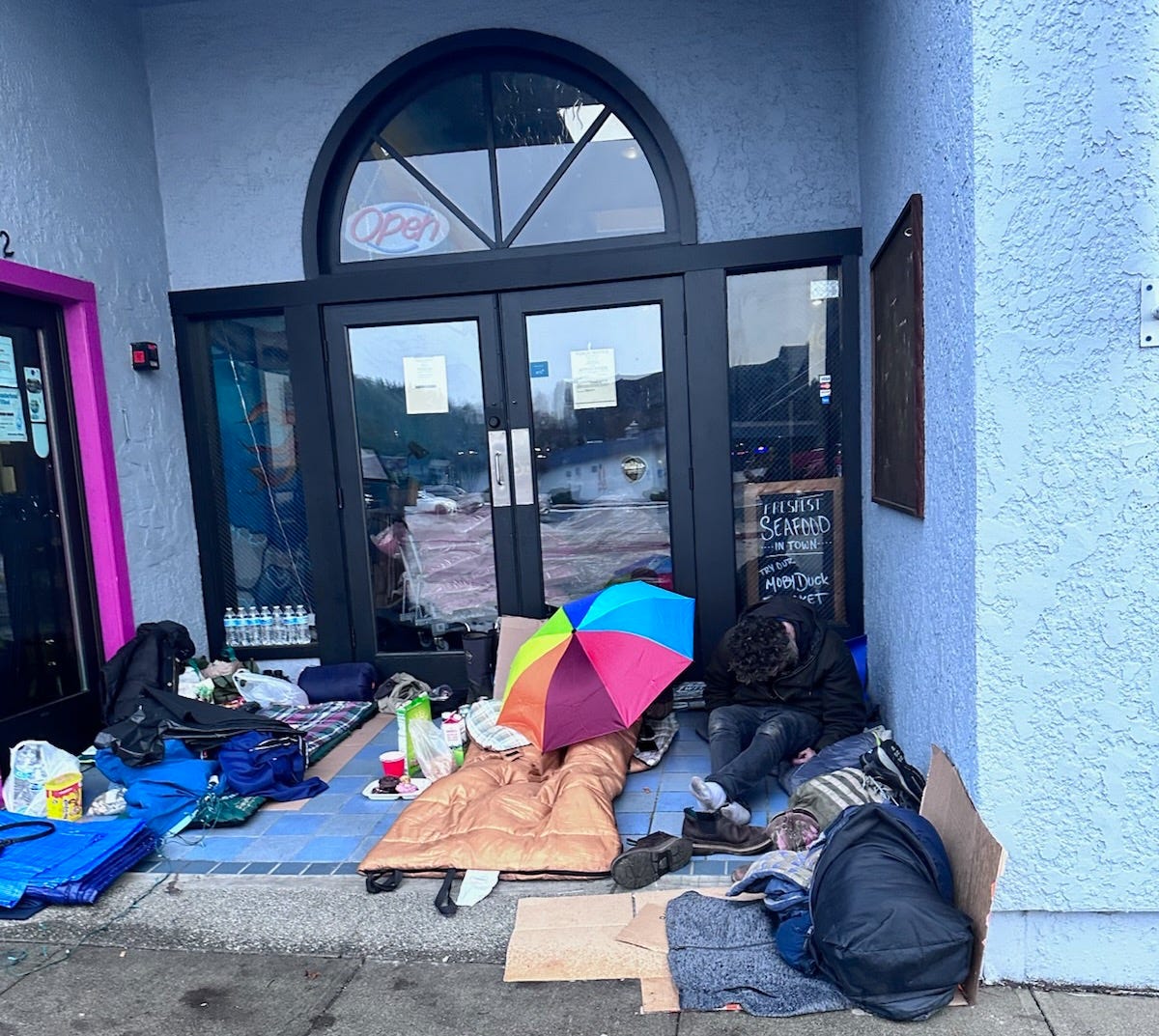
Harm reduction encompasses a wide range of programs intended to reduce the negative consequences of substance abuse. Supporters argue these programs keep people alive long enough to enter recovery and reduce the spread of infectious diseases. Critics argue some programs have drifted beyond reducing harm and instead normalize or prolong active addiction.
The disagreement is not whether addiction is harmful. The disagreement is over which policies are most effective in helping people escape it.
The Debate Berry Says Doesn’t Exist
Berry’s comments suggest the evidence overwhelmingly supports current harm reduction practices. Yet significant questions continue to be raised by researchers, recovery advocates, elected officials, and communities across North America.
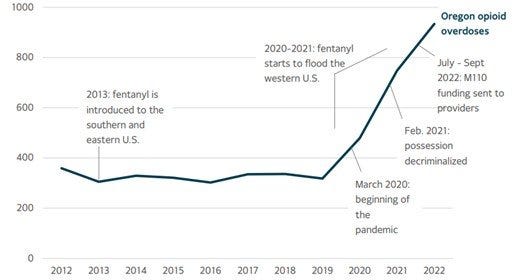
Oregon’s Measure 110 experiment was promoted as a groundbreaking public health approach to addiction.
Instead, overdose deaths continued to rise, and public dissatisfaction became so widespread that lawmakers ultimately reversed major portions of the policy.
San Francisco has spent years investing heavily in harm reduction programs while simultaneously struggling with public drug use, overdoses, and growing concerns from residents and business owners.
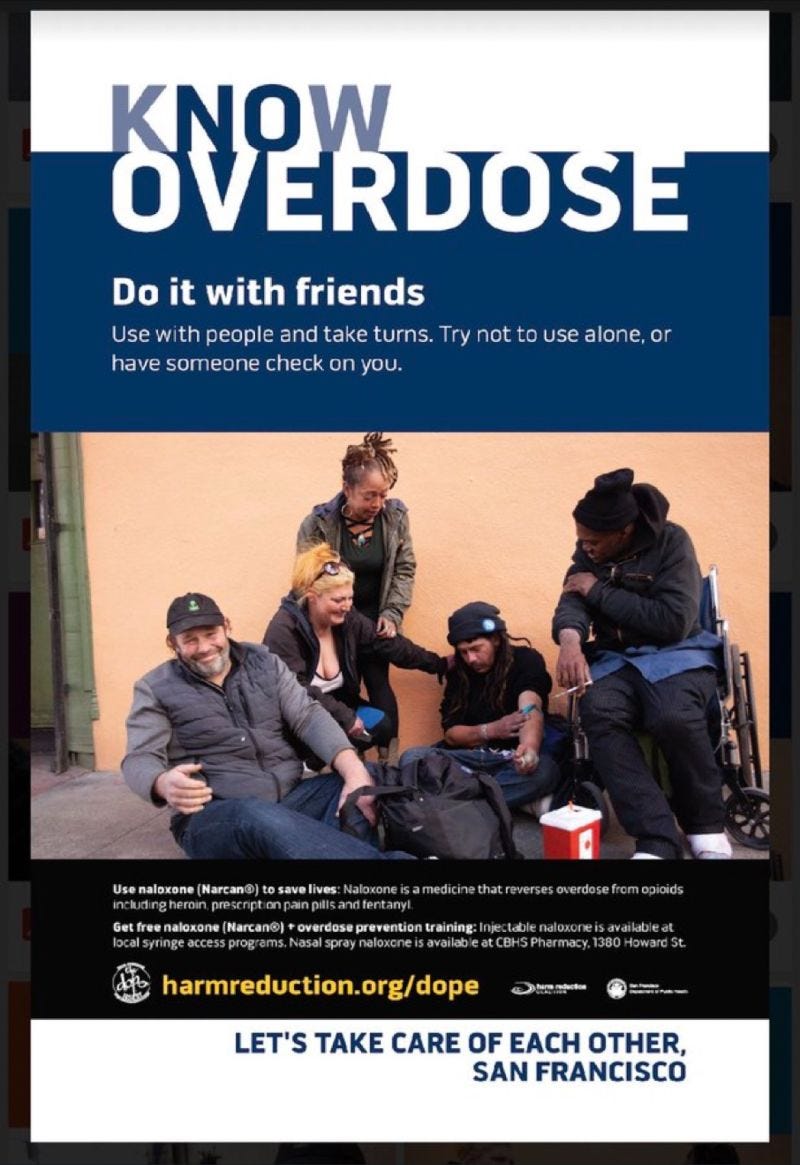
Even Vancouver, often held up as the model for harm reduction, faces criticism from recovery advocates who argue that treatment and recovery have become secondary to maintenance strategies.
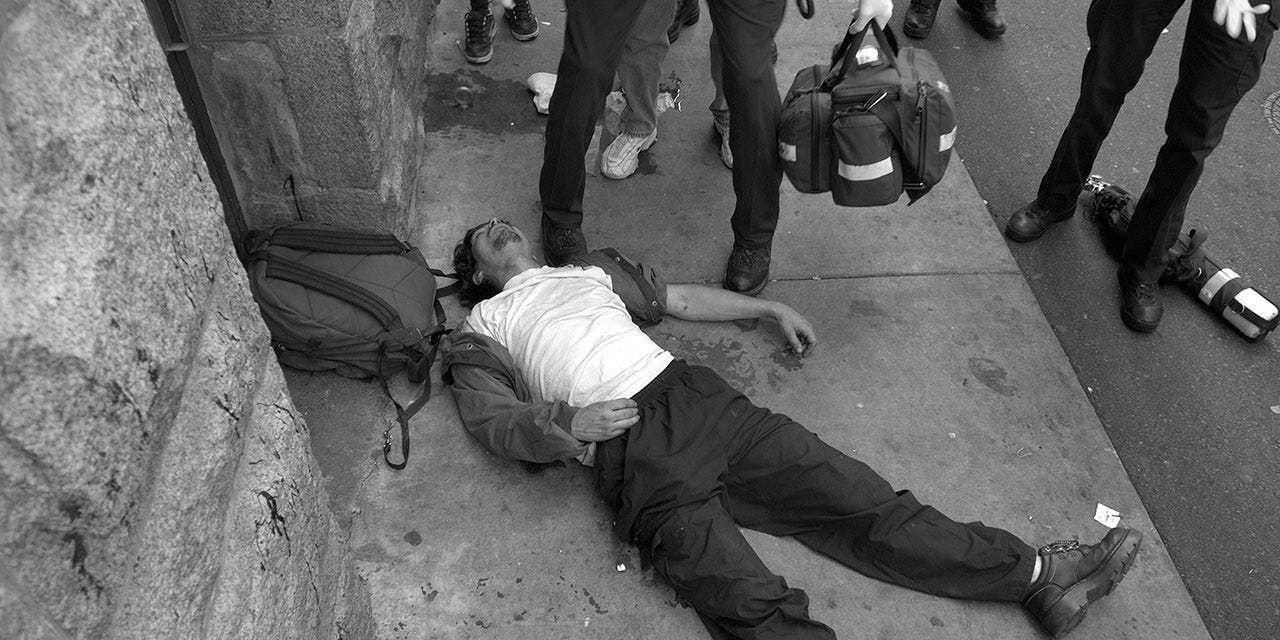
The point is not that harm reduction never works. The point is that serious debate exists.
A policy surrounded by ongoing debate is difficult to describe as “rock solid.”
Questions From Recovery Advocates
During recent Board of Health meetings, long-term recovery advocate David Rogers has repeatedly challenged county officials to place greater emphasis on treatment, accountability, and pathways out of addiction.
Rogers is hardly alone.
Many families affected by addiction support treatment-first approaches and question whether the county’s current balance between harm reduction and recovery is producing the best outcomes.

Reasonable people can disagree on those questions. What is more difficult to understand is why those questions are so often characterized as attacks.
When Public Officials Get It Wrong
One of the recurring themes in recent Board of Health discussions has been misinformation. Berry has frequently warned the public about misinformation regarding public health issues. Yet critics argue public officials themselves have made claims that deserve scrutiny.
Jake Seegers highlighted several examples during public comment.
In 2021, local COVID restrictions were justified in part by claims that vaccination significantly prevented transmission.
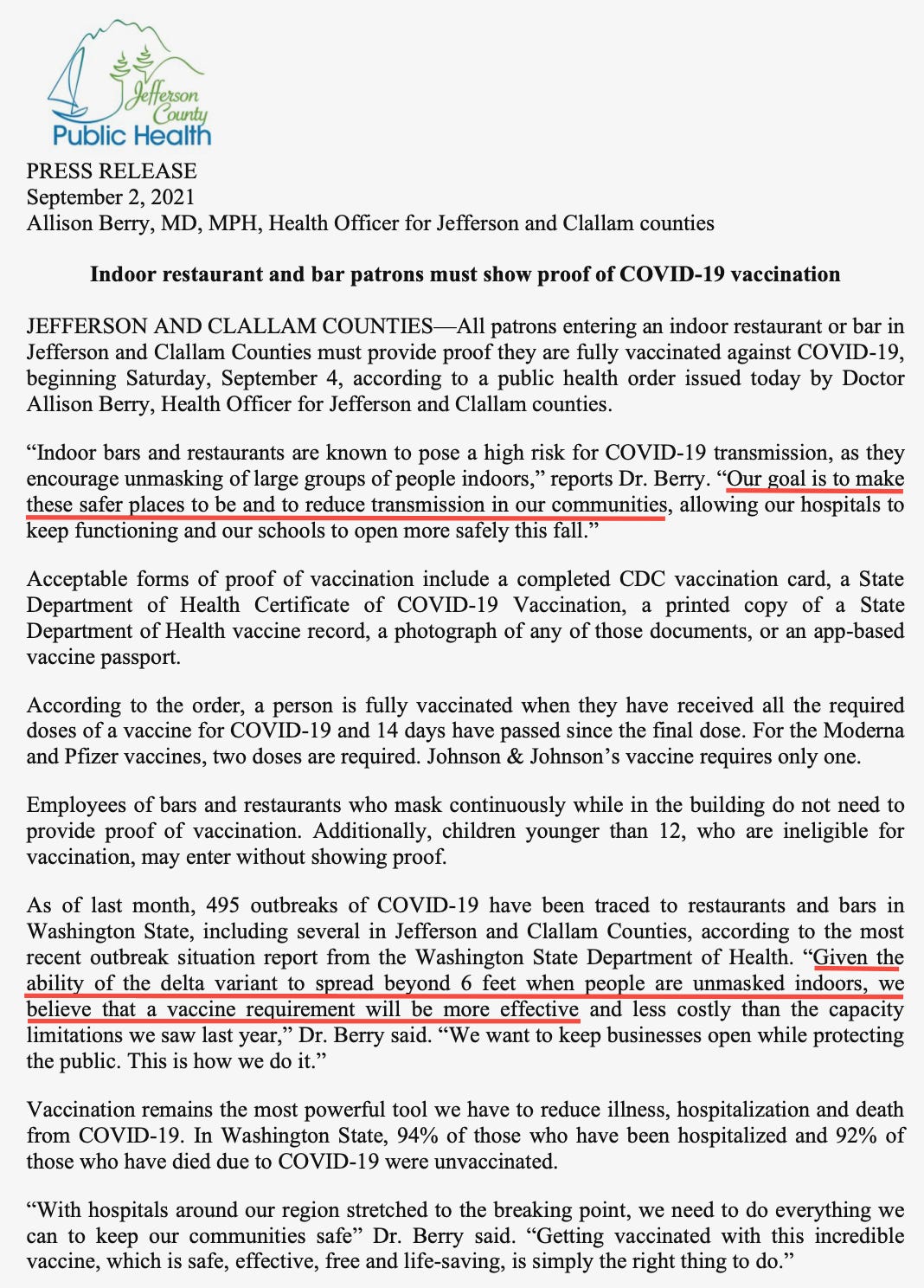
At the same time, national public health agencies were acknowledging that vaccinated individuals could still contract and spread the virus.
“High viral loads suggest an increased risk of transmission and raised concern that, unlike with other variants, vaccinated people infected with Delta can transmit the virus.” — Statement from the CDC, July 2021
From 2 Deaths to 10
In January 2019, the Peninsula Daily News reported that overdose deaths in Clallam County had fallen dramatically—from 10 deaths in 2017 to just 2 in 2018.
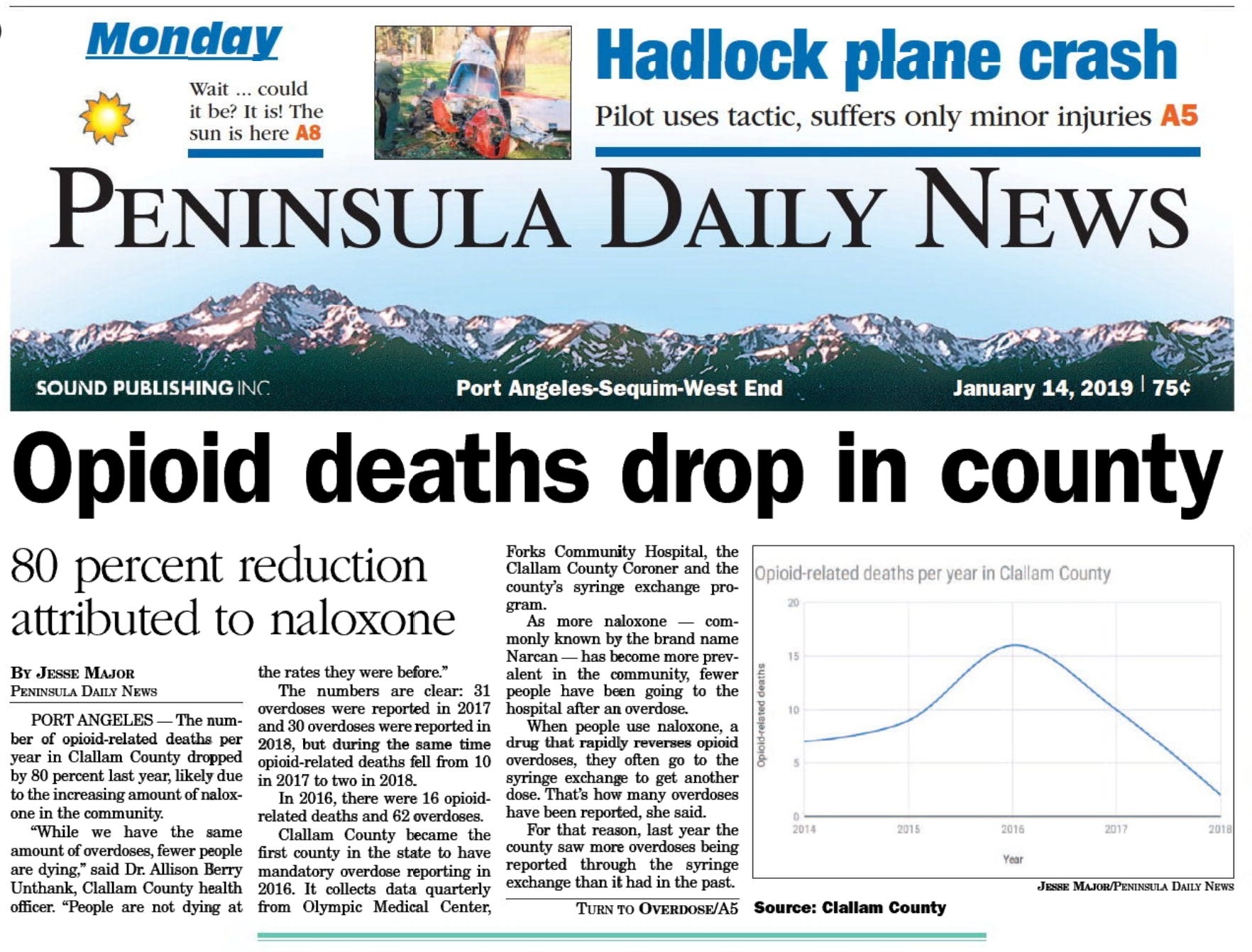
Health Officer Allison Berry cited the figures as evidence that expanded access to naloxone was working, pointing to an Opioid Surveillance Dashboard maintained by public health officials.
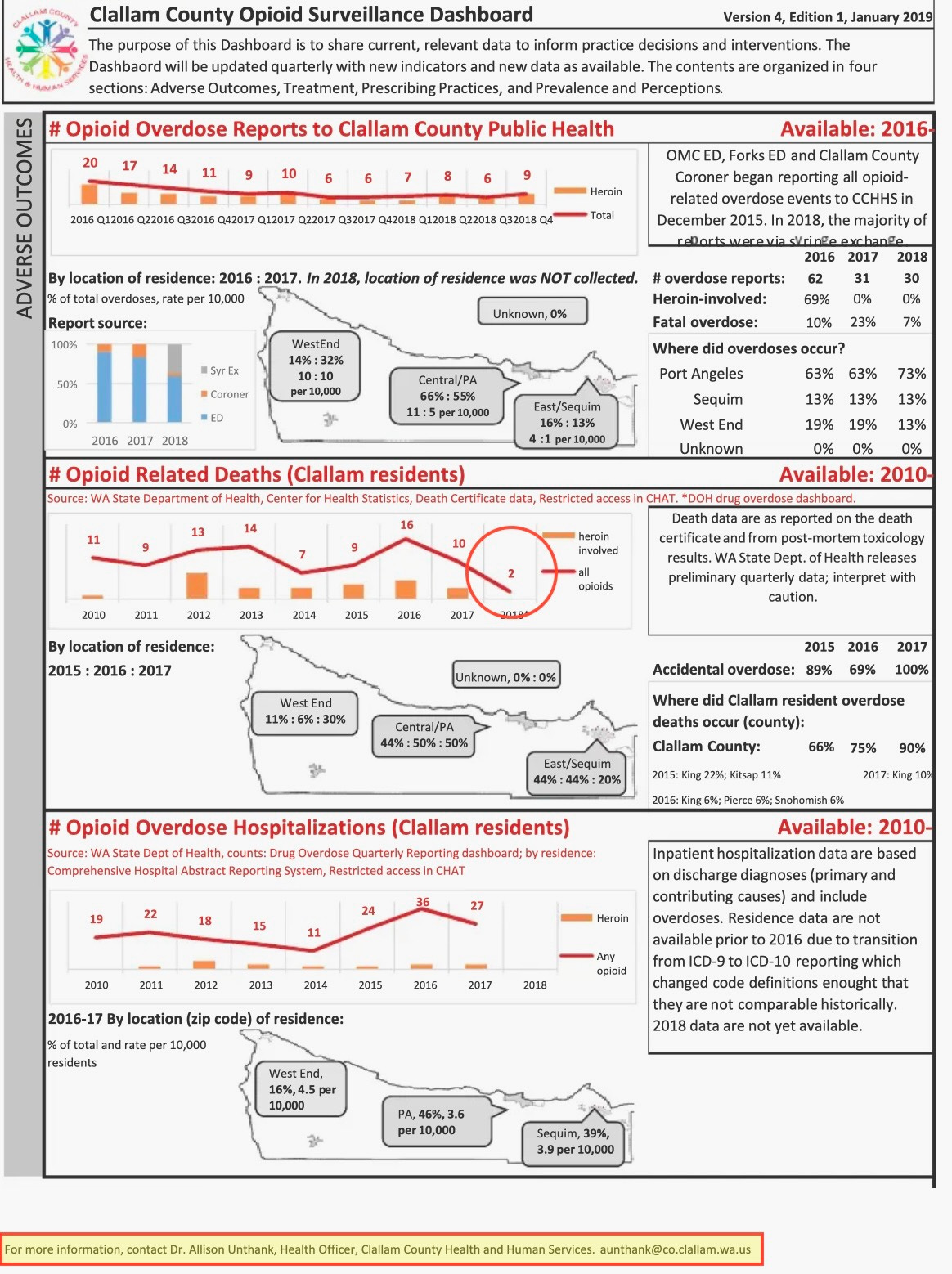
The numbers appeared to tell a compelling story. If accurate, they suggested overdose deaths had declined by 80 percent in a single year.
However, only three months later, the same dashboard was updated. Instead of 2 overdose deaths in 2018, the revised total was 10—the same number reported for 2017. What had been presented as a dramatic decline disappeared entirely.
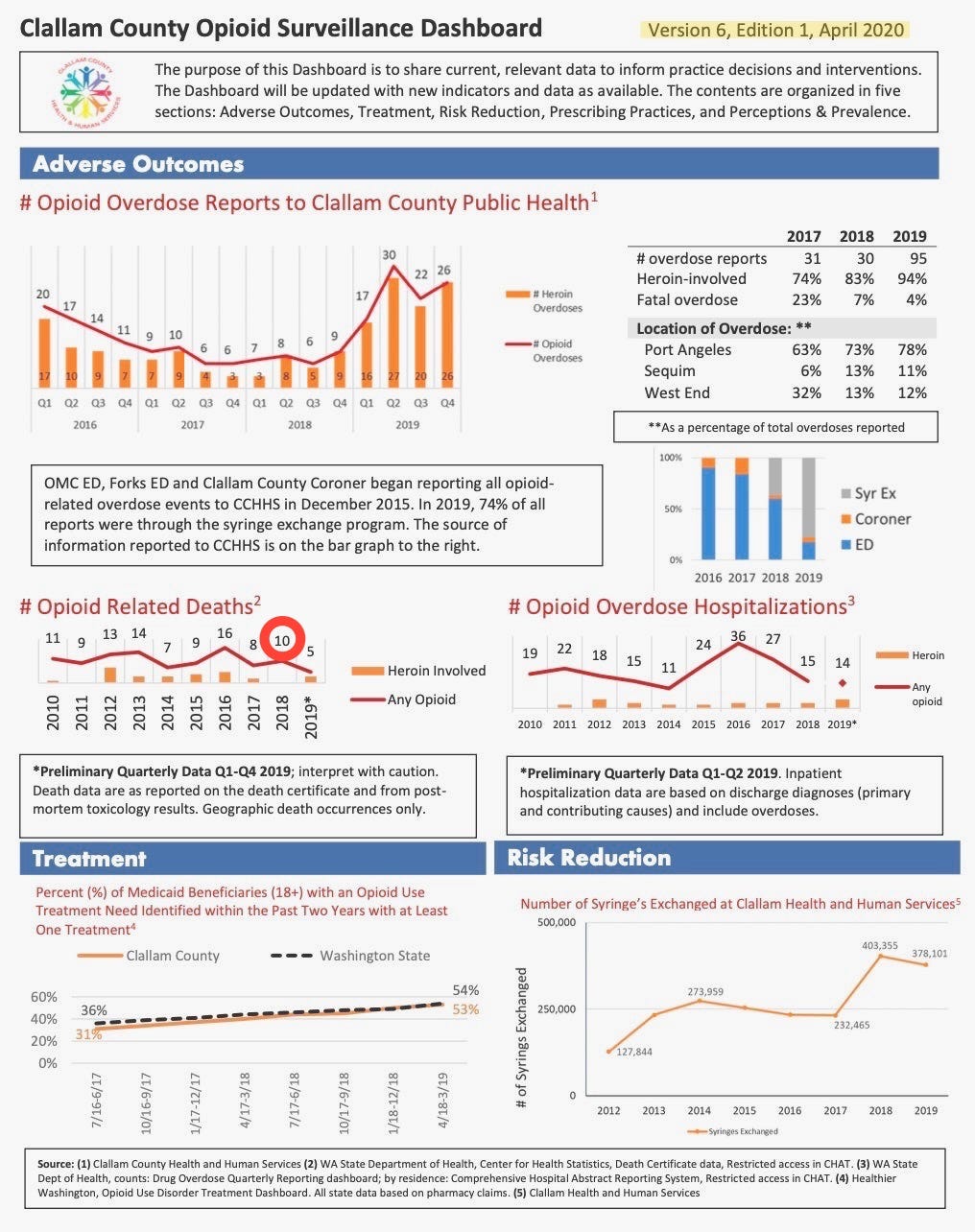
The numbers may have changed because the original data was preliminary. But the larger issue remains. The public heard about the dramatic drop from 10 deaths to 2. Few people heard that the number was later revised back to 10. As Berry once again points to overdose statistics as evidence that harm reduction is working, some residents are asking a simple question: how much confidence should the public place in numbers that have changed so significantly before?
The Importance of Verification
Questions have been raised about county syringe accounting methods, including how distributed syringes are counted compared to collected syringes.
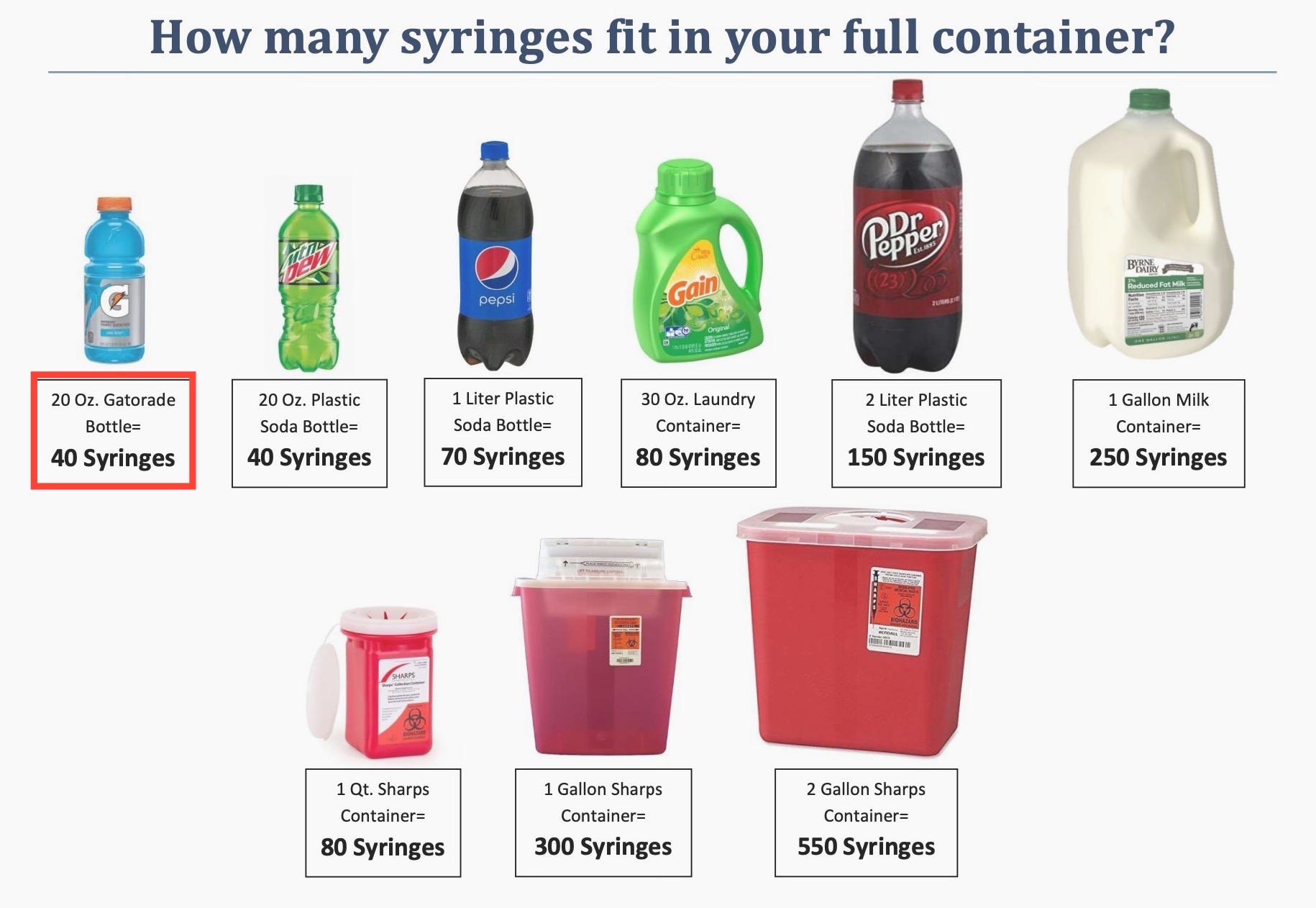
Dr. Berry has stated that an empty Gatorade bottle can hold 40 collected syringes. Jake Seegers decided to test that claim for himself.
It raises questions about the claim that the County is collecting more needles than it distributes.
Most recently, questions have emerged regarding differences between overdose statistics presented in county reports and figures reported by the Coroner’s Office.
Whether these criticisms are ultimately correct is less important than the broader principle: scientific claims should remain open to examination.
Ignoring Warnings
Critics also point to examples where warnings were raised to the County but dismissed.
Dr. Berry’s proposed drug-checking program was halted after concerns were raised by risk managers and the county’s insurance pool. Public records later revealed the extent of those concerns. Credit for uncovering those records belongs largely to Jake Seegers.
Similarly, officials have frequently stated there were no significant issues associated with public pool shower vouchers, despite police reports documenting numerous incidents at the facility over the years.
Again, the issue is not whether every criticism is correct. The issue is whether questions are being taken seriously.
Questions Are Not Attacks
Recently, the Clallam County Democrats circulated a newsletter containing the following statement:
“Tozzer and Seegers are personally intimidating and threatening and harassing her regularly, along with their little brigade. Evidence is available on recordings of BOH and Commissioner meetings.”
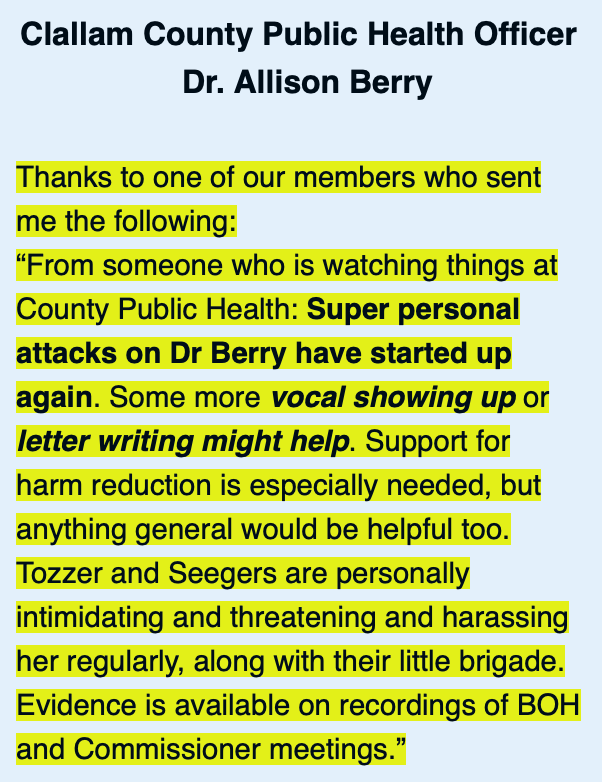
No examples were provided.
That accusation gets to the heart of the issue. If the science is truly as “rock solid” as Berry claims, then it should withstand scrutiny. Questions about overdose trends, treatment outcomes, syringe counts, public safety incidents, and competing evidence should not be viewed as personal attacks.
Science advances through challenge, debate, testing, and verification.
The issue isn’t whether harm reduction works at all. The issue is whether public officials who claim certainty are willing to engage with evidence that suggests the story may be more complicated than they admit.
Today’s Tidbit: Another Trust Land Application Filed
The Jamestown Corporation has submitted another application to place property into federal trust status, according to a notice received by the Clallam County Commissioners on June 9.
The application, filed with the Bureau of Indian Affairs, seeks to transfer approximately 8.63 acres into trust for use as residential sites. If approved, the property would be removed from the local tax rolls and transferred into federal trust ownership.
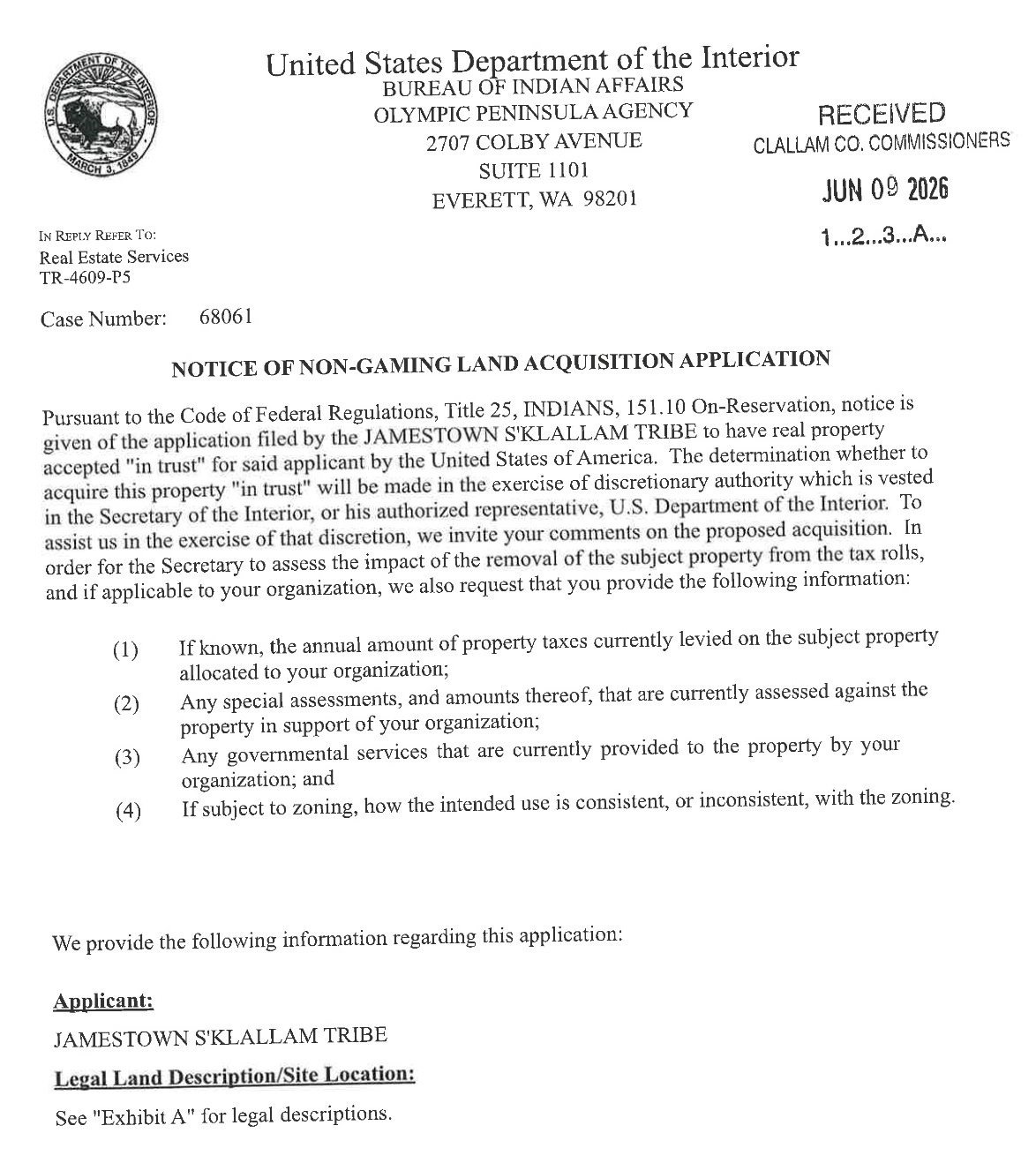
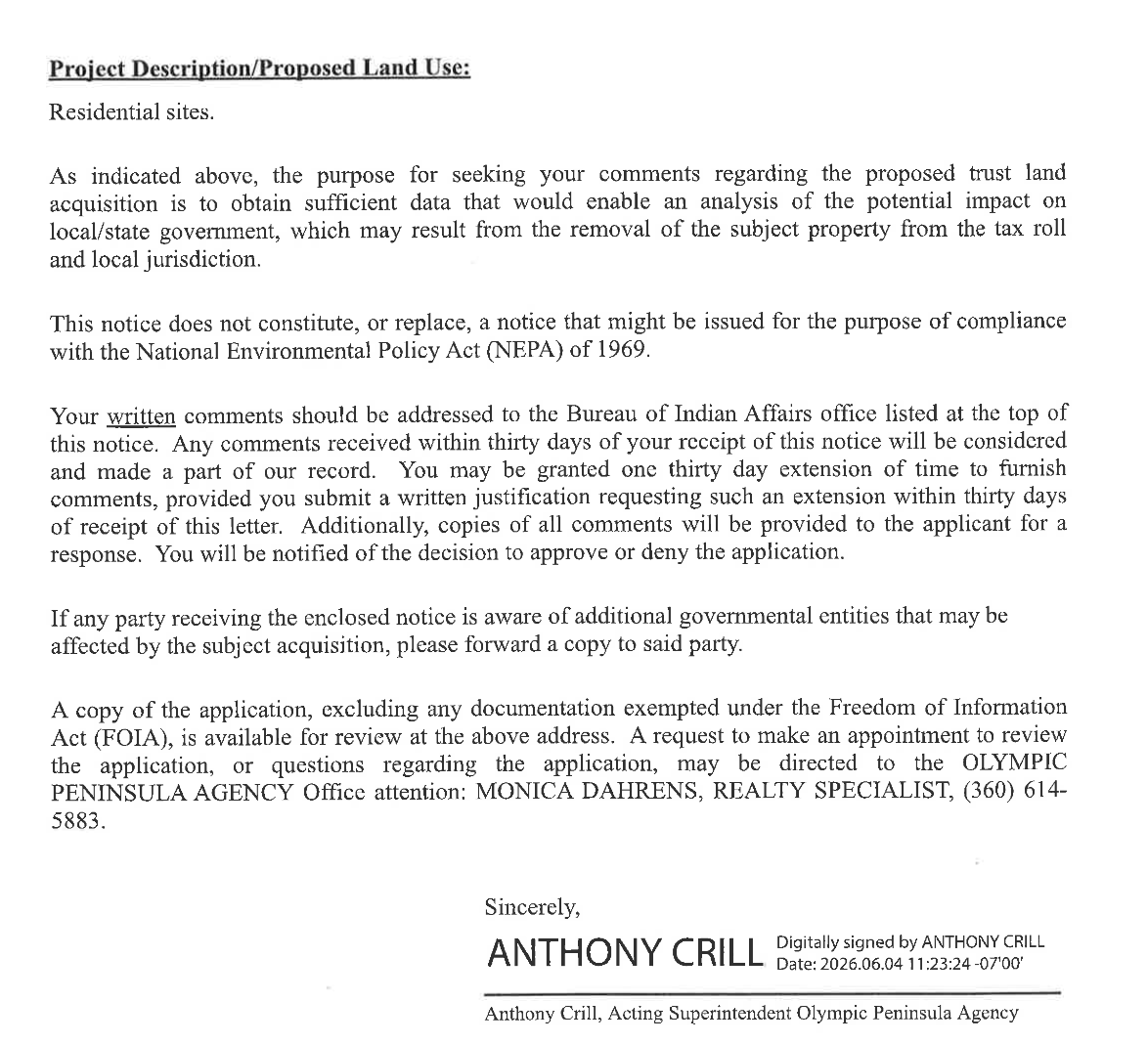
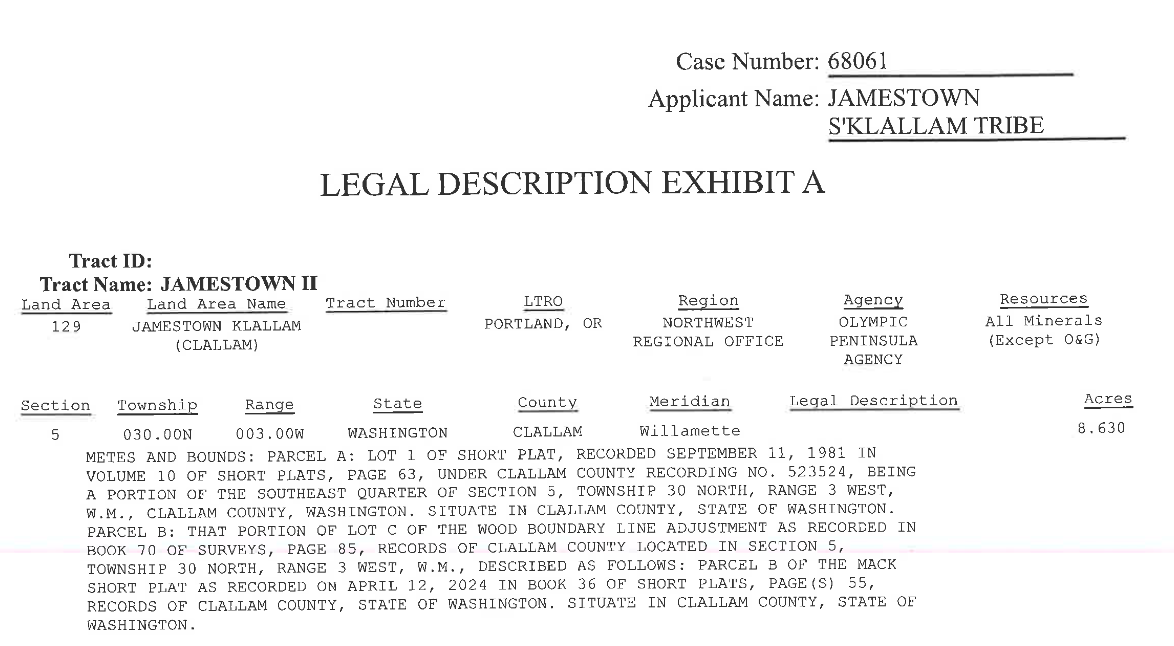
The BIA’s notice specifically requests information from local governments regarding the amount of property taxes currently collected on the parcel, any special assessments, governmental services provided to the property, and whether the proposed use is consistent with local zoning. The application is part of a continuing series of trust land acquisitions by the Tribe.
County officials have 30 days from receipt of the notice to provide comments to the Bureau of Indian Affairs regarding the potential impacts of removing the property from the local tax rolls.
Why it matters: Every individual trust land application may appear small on its own, but each approved transfer permanently removes property from local taxation while local governments continue to provide many regional services funded by remaining taxpayers.
If you would like Clallam County to respond to the federal government's request for comment, let your county commissioners know. All three commissioners can be reached by emailing the Clerk of the Board at loni.gores@clallamcountywa.gov.


