


What happens when the people who control county contracts and set public policy also sit atop a community foundation that decides which nonprofits get grant money—including groups that regularly appear before the Board of Commissioners seeking public funds? In Clallam County, that is not a hypothetical. It is the structure of the Olympic View Community Foundation.
A community foundation is supposed to be a neutral, tax-exempt 501(c)(3) vehicle that pools local philanthropy and returns it to the community through grants. The Olympic View Community Foundation (OVCF) describes itself in classic terms: connecting people who care with causes that matter, building endowments in perpetuity, and supporting local nonprofits.
On paper, it sounds wholesome. In practice, its leadership and operations raise serious questions about whether it functions as an independent charitable entity or as an extension of local political power.
Who Actually Runs OVCF
According to the foundation’s own website, the Board of Trustees includes:
Mark Ozias, President — Clallam County Commissioner
Jennifer Oppelt, Vice President — Clallam County Deputy Director of Health and Human Services
Jesse Major, Secretary — Clallam County Public Records Officer
Adam Bernbaum, Trustee — State Representative, 24th District
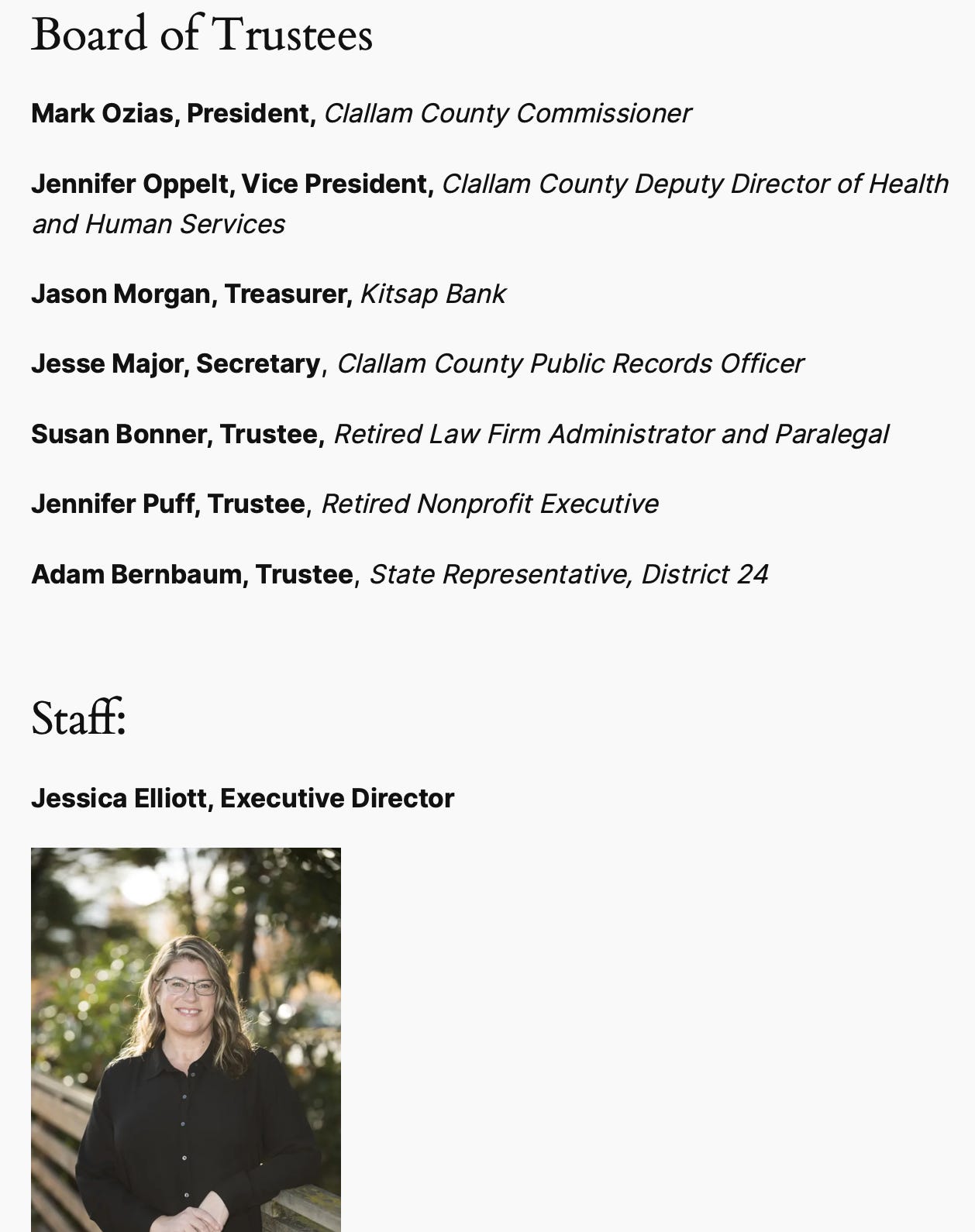
Three of the seven trustees are current Clallam County government officials or employees. A sitting county commissioner chairs the board. A state representative sits as a trustee. The people who vote on county budgets and oversee health and human services contracts also control a foundation that awards grants to many of the same organizations that lobby those same officials for public money.
This is the core problem.
When elected officials and senior county staff serve on the boards of NGOs that benefit from county connections, the line between public service and private influence blurs. The appearance of a self-reinforcing political machine is hard to dismiss.
Confidential Giving and Public Money
OVCF openly markets itself as a vehicle for anonymous philanthropy. On its “Partner With Our Foundation” page, it states that it serves as “your conduit to nonprofit organizations seeking funding to ensure your charitable giving remains confidential if you so desire.”
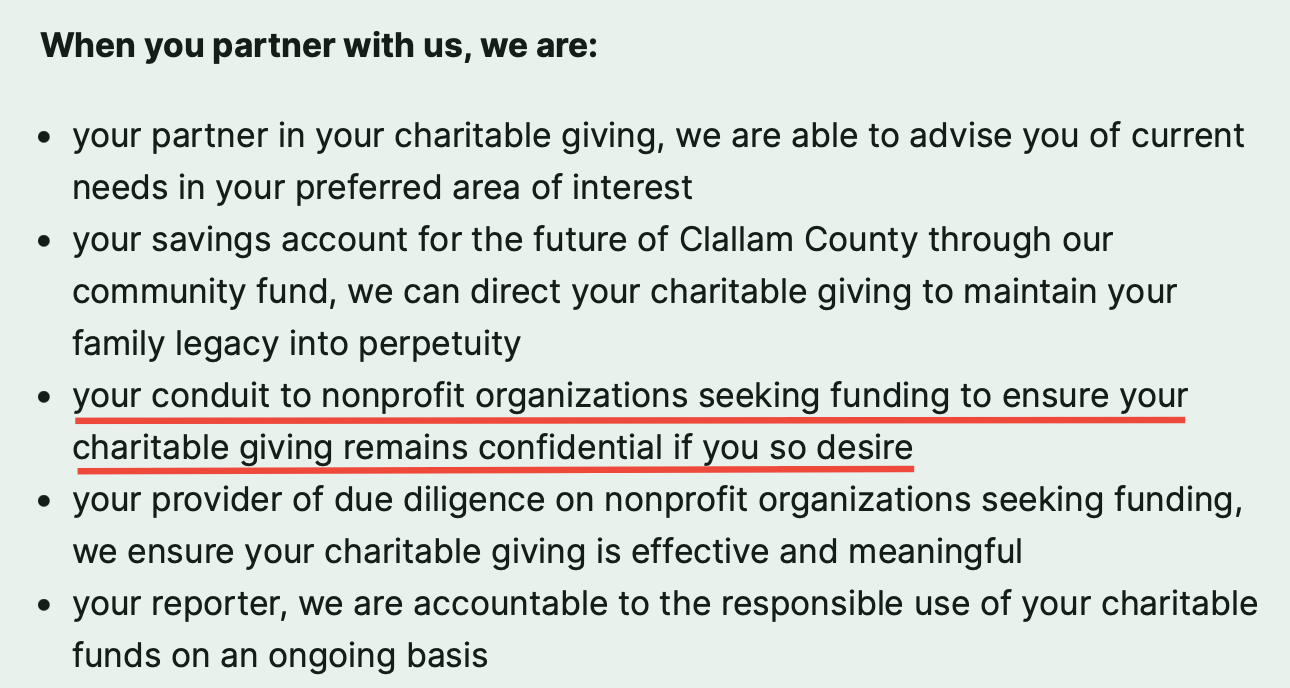
That language is not subtle.
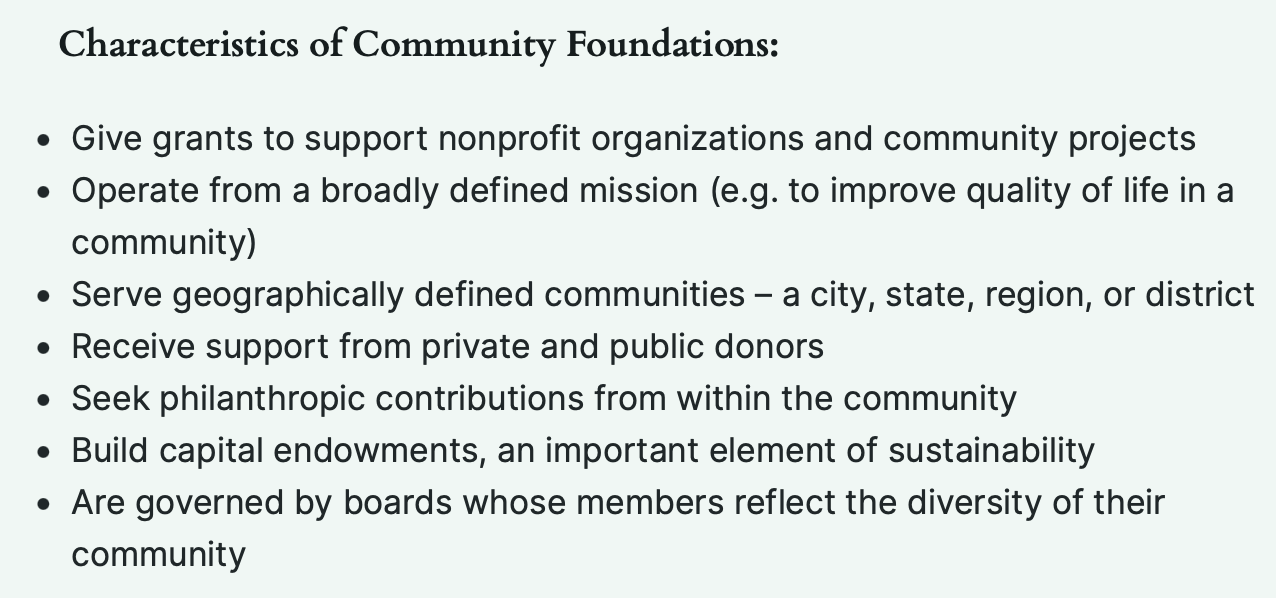
Donors who prefer to keep their contributions hidden from public view can route money through OVCF. At the same time, the foundation lists among the defining characteristics of community foundations that they “Receive support from private and public donors.”
In other words, OVCF positions itself to accept government money while offering donors a way to obscure their own giving. There can be legitimate reasons for donor privacy. But when sitting elected officials and county employees promote an organization that advertises the ability to hide contributions—and simultaneously seek or receive public support—the tension with open-government principles becomes obvious.
What standards of transparency do these same officials apply when they act in their official capacities?
The Peninsula Home Fund and the Same Cast of Characters
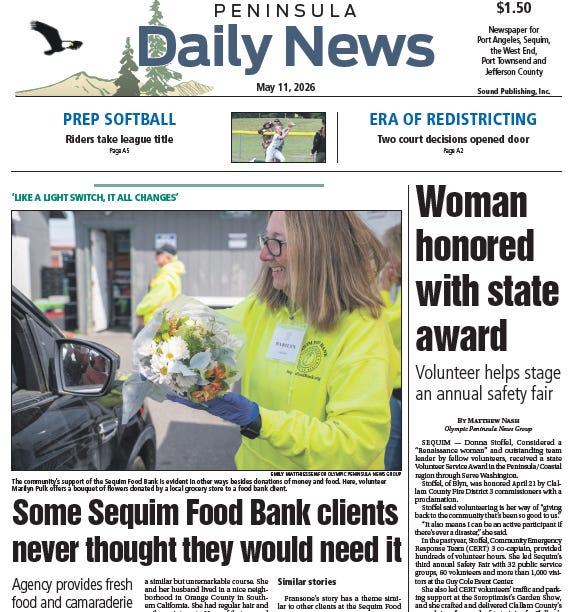
OVCF administers the Peninsula Home Fund, the long-running charitable effort originally established by the Peninsula Daily News.

The foundation now decides which nonprofits receive those grants. Recent recipients include organizations that routinely interact with Clallam County government for contracts, funding, or support: Serenity House of Clallam County, Habitat for Humanity of Clallam County, Sequim Food Bank, Port Angeles Food Bank, and others.
These are the same players who cycle through the commissioner boardroom seeking public resources. The foundation controlled by a county commissioner, a state representative, and senior county staff helps determine which of those organizations receive additional private and Home Fund dollars.
Influence compounds. Political goodwill is cultivated.
The local newspapers, which have a long partnership with the Home Fund and regularly publish promotional coverage, function more as cheerleaders than independent scrutinizers.
And It Gets Worse: Scholarships
OVCF also helps determine who receives privately funded scholarships.
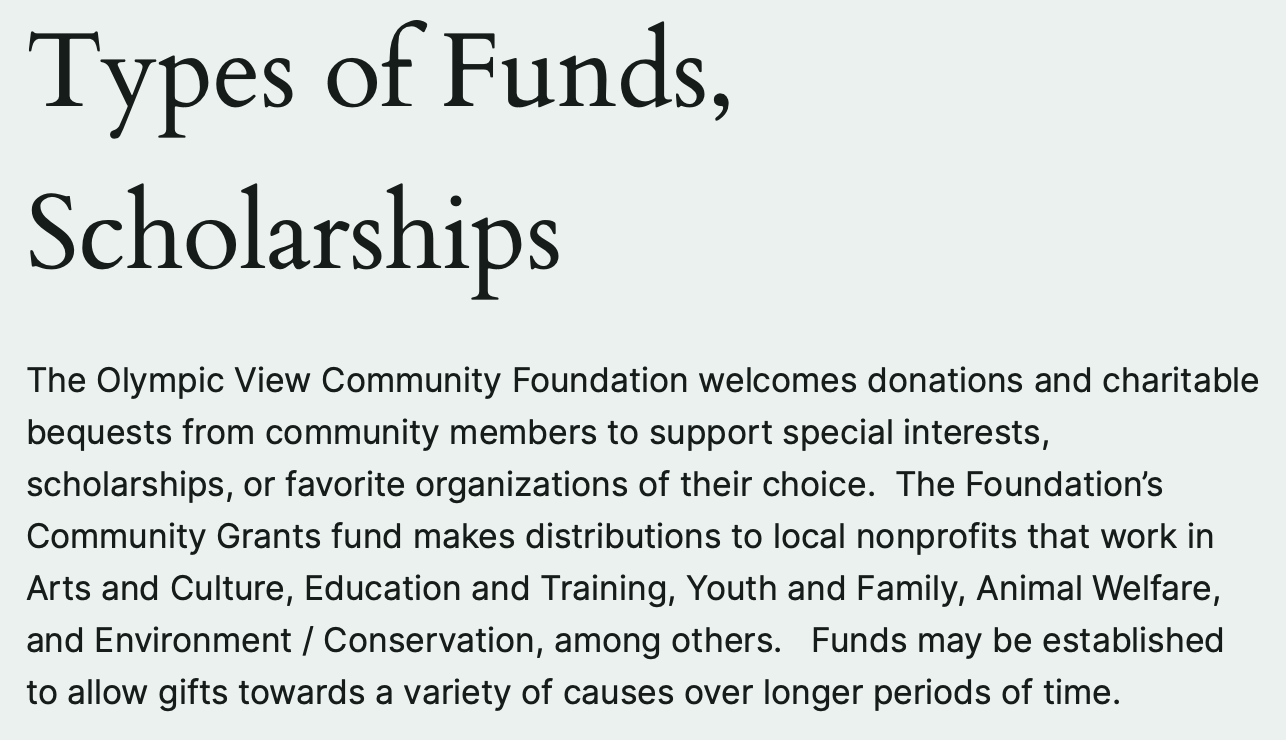
That function is fine—even valuable—when the organization is genuinely independent. But when elected officials and senior county staff sit on the board that oversees those awards, the arrangement starts to look like public officeholders handing out money.
Whether or not there is any explicit understanding that the recipient’s future vote or political support is expected in return, that is a probable practical result. The problem is compounded when public money helps sustain the very organization making those decisions.
In short, the same people who set policy and control public contracts also influence which young people in the community receive financial help for education. The potential for soft political leverage is obvious, and the optics are poor.
A Sweet Arrangement—for the Insiders
Consider the incentives this structure creates:
Politicians and county officials gain influence with the local newspaper through the Home Fund partnership.
They build political support among the nonprofits they fund.
Those nonprofits, in turn, serve constituents and can mobilize goodwill.
Donors seeking confidentiality receive a helpful service from an organization led by public officials.
The foundation itself is positioned to receive support from public donors.
Remove the elected officials and county employees from the board, and OVCF could still perform a valuable community function—making grants, encouraging philanthropy, and strengthening local nonprofits—without the appearance of being part of a political apparatus. With them in place, the risk of the foundation serving as a soft-power extension of local government is real.
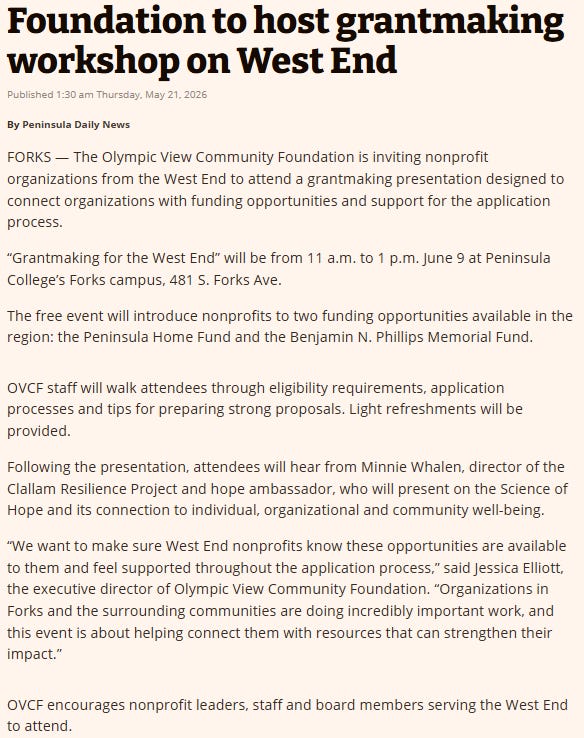
How can the Peninsula Daily News fairly perform its duty to provide a check on government when governmental officials are helping and working for the press? When the same elected official who chairs a foundation that funnels money and goodwill to the newspaper also sits on the county board the newspaper is supposed to scrutinize, the conflict is not theoretical. Independent journalism requires distance. This arrangement collapses that distance.
Community foundations exist to serve the public, not to expand the reach of public officials. When the same individuals who allocate taxpayer dollars, award county contracts, and oversee public policy also sit in judgment over private charitable grants—and scholarships—to many of the same organizations and people, the conflict is structural.
Clallam County residents deserve a clearer separation between those who hold public office and those who control the flow of charitable influence. Until that separation exists, the Olympic View Community Foundation will remain more political machine than pure community asset.
Today’s Tidbit: $900K in CCA Cash for 7 Cedars Chargers
State taxpayers recently handed the Jamestown Corporation $900,000 in Climate Commitment Act (CCA) money — funneled through the Department of Commerce’s Electric Vehicle Charging Program — to install six fast chargers at their 7 Cedars Resort.
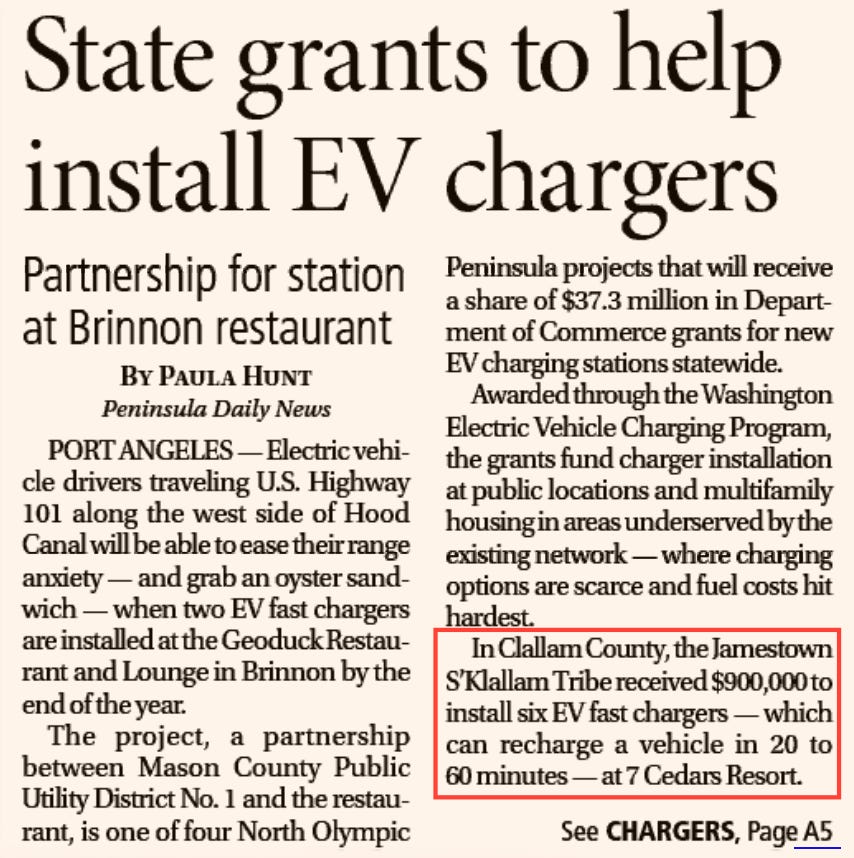
That’s nearly a million dollars so resort guests can conveniently juice up while they gamble, eat, and spend money at a tribal enterprise that already generates well over $100 million in annual revenue.
The same Climate Commitment Act that is driving Washington’s sky-high gas prices (and hitting ordinary Clallam County drivers hardest) is now subsidizing charging stations for customers of a wealthy corporation that publicly supported the CCA and is planning to open a full-service truck stop and fueling center.
Fair? You decide.
Stay Engaged
Who is tomorrow’s guest on the weekly Coffee With Colleen at 8:00 a.m. tomorrow? Wendy Sisk, CEO of Peninsula Behavioral Health.
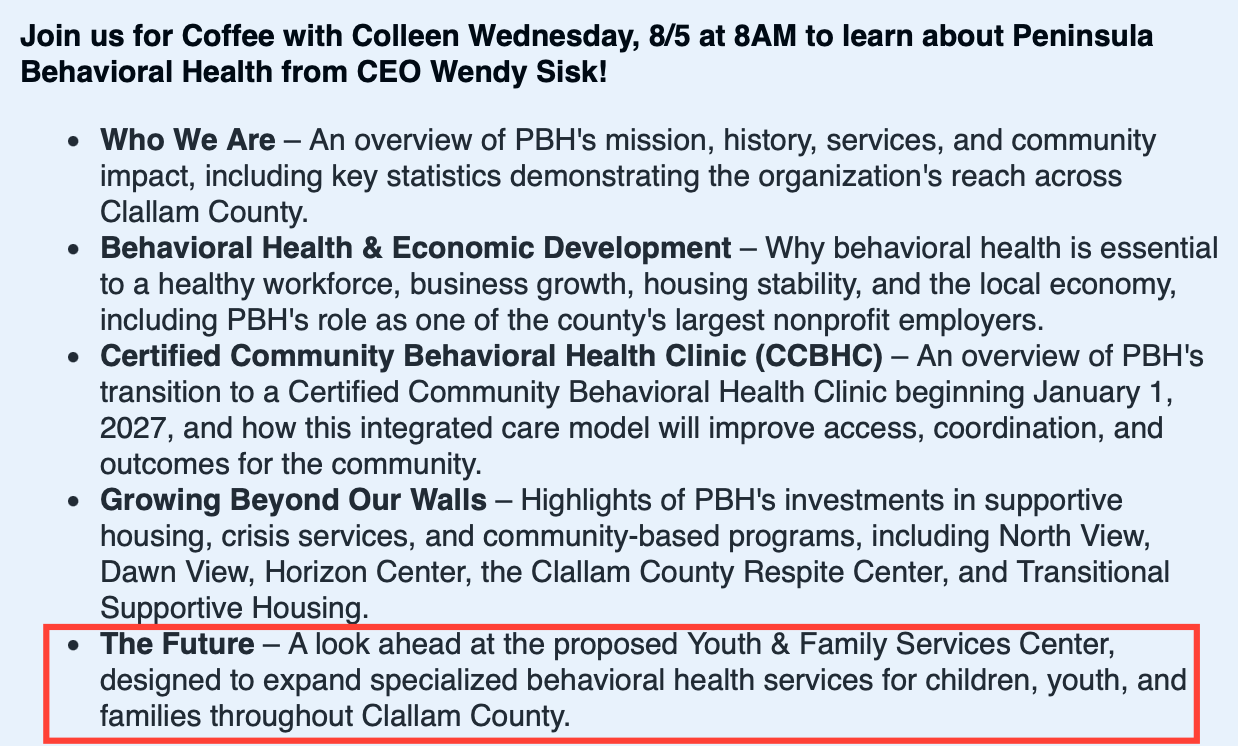
Fresh from the ribbon-cutting of the new North View permanent supportive housing complex for addicts experiencing homelessness and frequent incarceration, she joins to discuss PBH’s newest initiative: the proposed Youth & Family Services Center. This center aims to expand specialized behavioral health services for children, youth, and families across Clallam County.
Click HERE and scroll to the bottom for instructions to attend online.


