


In this podcast-only episode of Sundays With Seegers, County Commissioner candidate Jake Seegers sits down with Hans Bailey — the former Sequim pastor who went from no real retirement plan to a family business built on a 120-square-foot treehouse. What began as a kids’ hideaway now draws guests from around the world, employs eight people, and puts hundreds of thousands of dollars in local wages and taxes back into Clallam County. Listen to how one couple used their property to write their own next chapter — and why that kind of opportunity is on the line in the county’s Comprehensive Plan.
Hans Bailey spent 25 years as pastor of Calvary Chapel Sequim. When he and his wife looked at retirement, they realized they could not afford to stop working. Their greatest asset was already under their feet: property on a high-bank bluff in Agnew, with open views of the Strait.
They had built a 120-square-foot treehouse so their kids would have a place to stay while finishing college. Around 2017 they listed it on Airbnb. It took off. Guests came from around the world. Then the county red-tagged it. There were no codes for a house attached to trees.
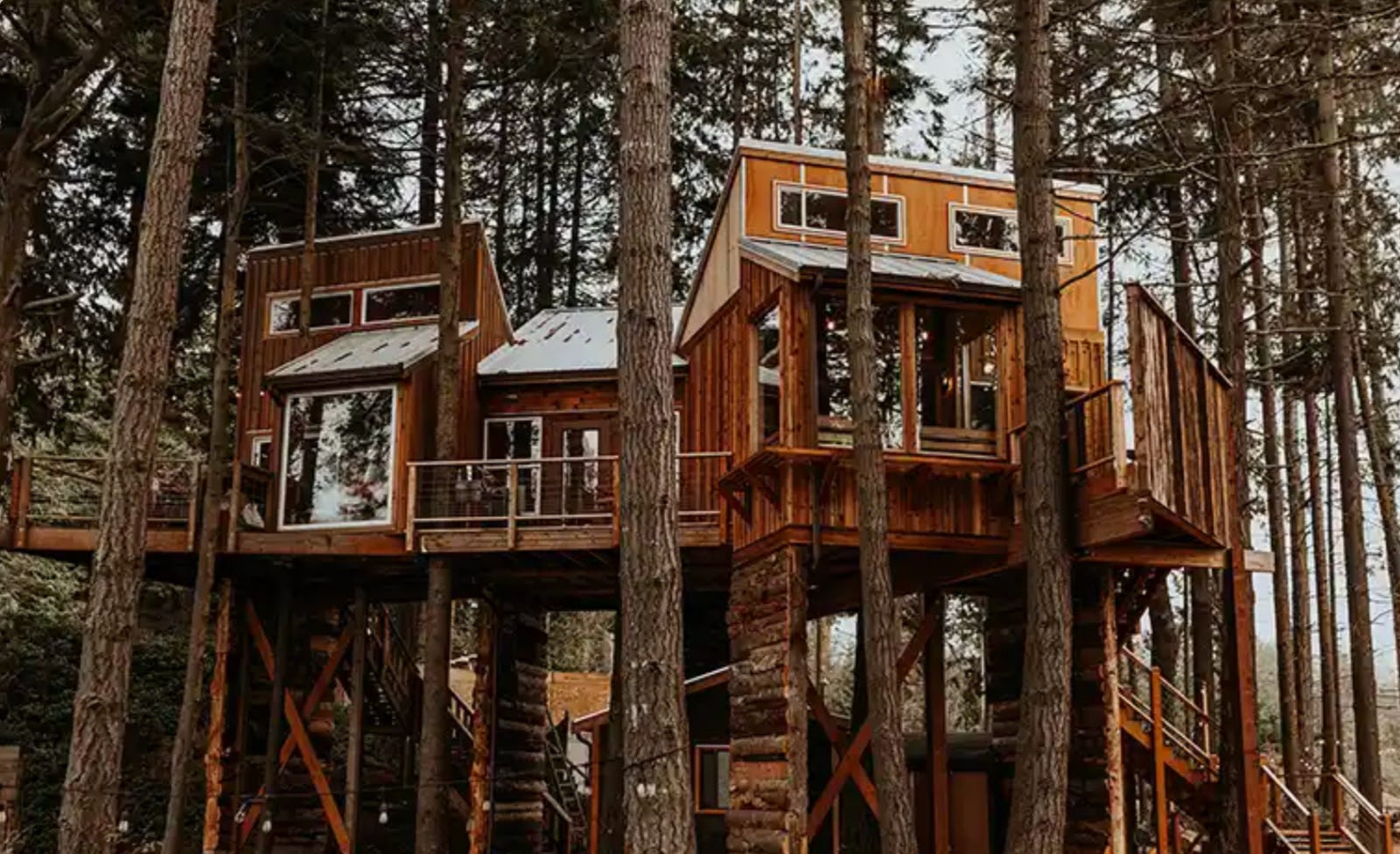
For more than a year the answer was tear it down. They spent about $20,000 on arborists, geotechs, and surveyors before they could even begin coming into compliance. They lived out of suitcases in the unfinished treehouse — no indoor bathroom, a wood-fired hot tub that took hours to heat, and one family packed into 120 square feet as COVID arrived. They bought an adjoining parcel to solve a setback problem. They hired an engineer and architect and expanded the structure to about 600 square feet so it would meet existing code. No bank would finance it.
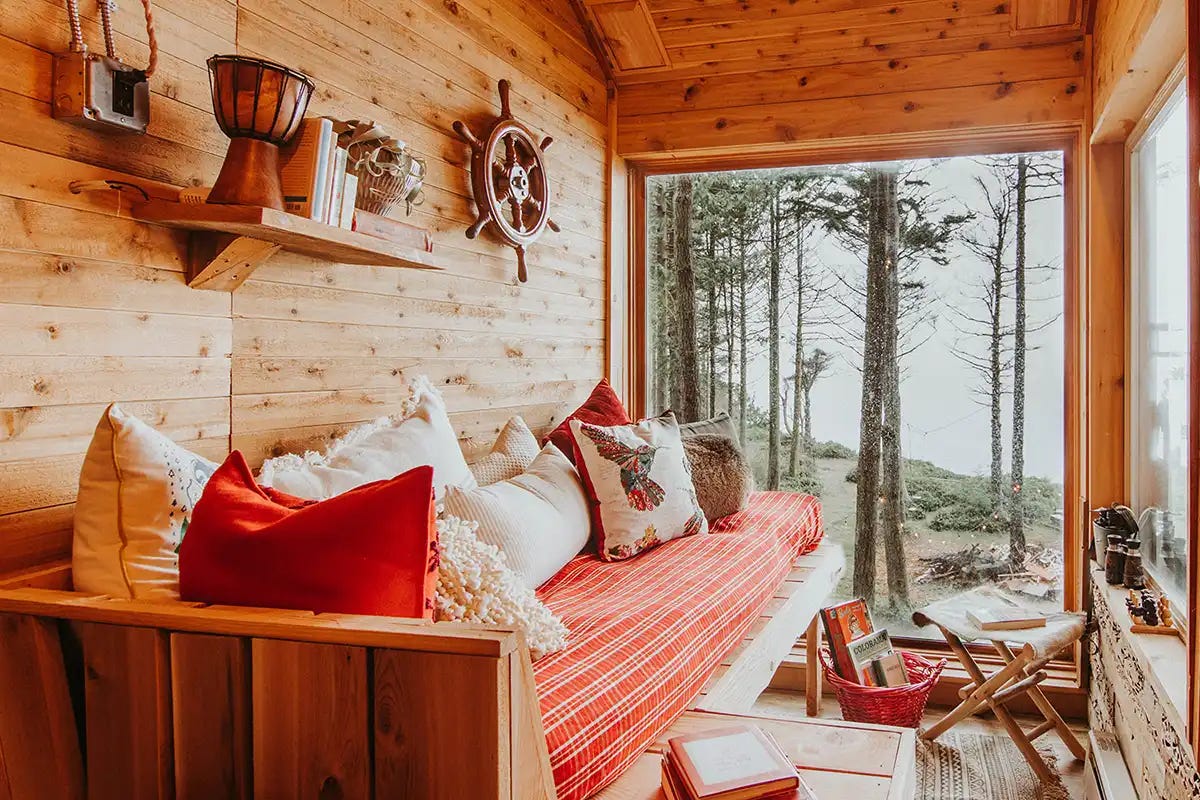
They kept going because they believed the treehouse could become the engine of their later years.
It did.
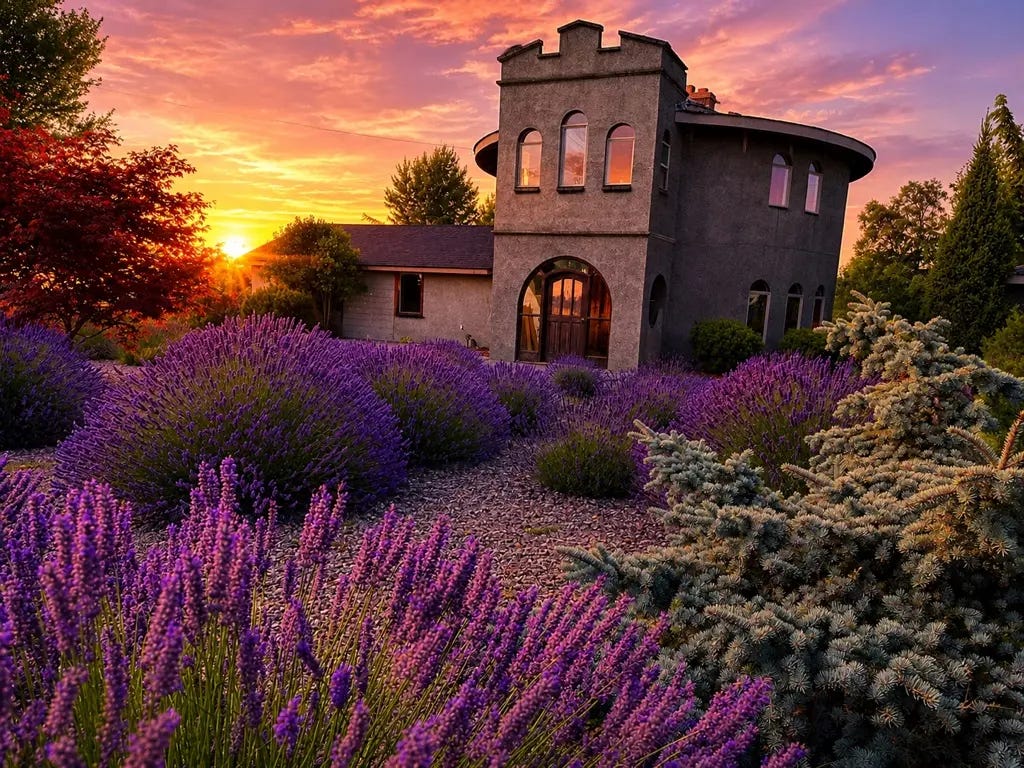
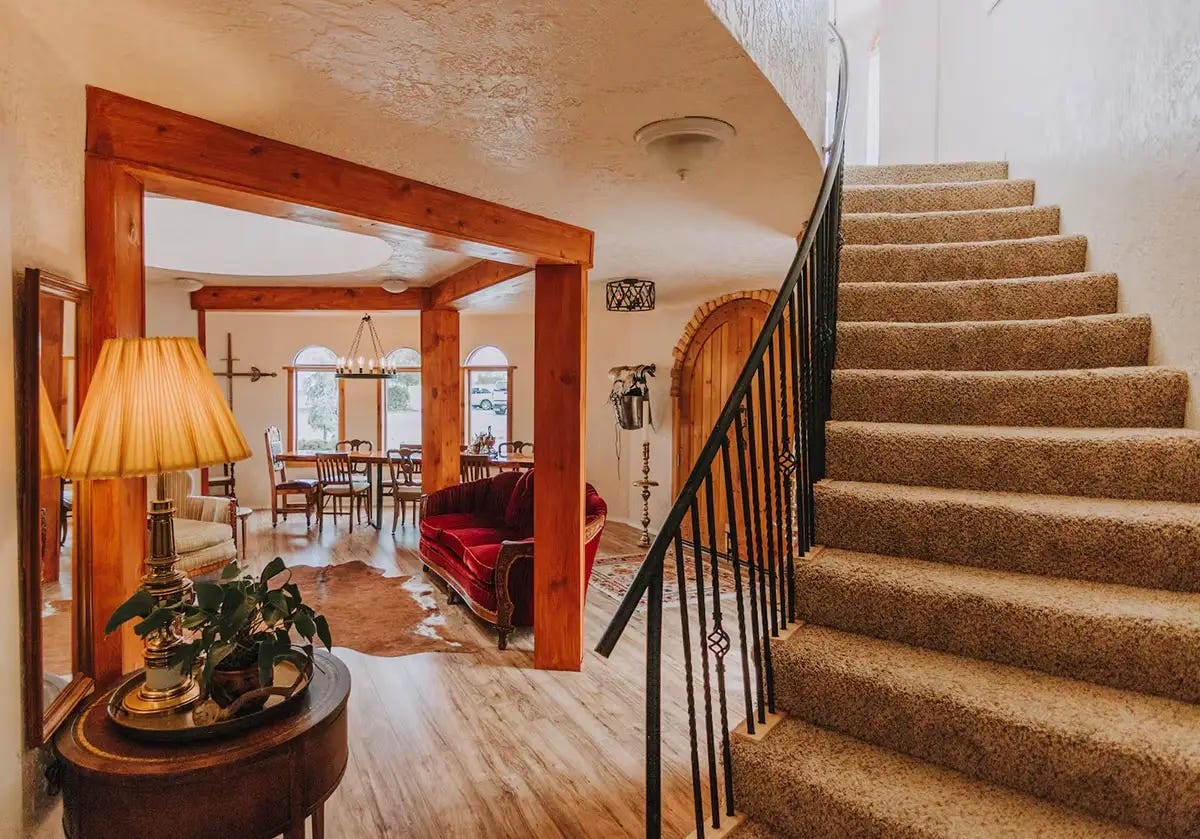
They renovated other properties, including Sequim’s “castle house.” Their sons came home from California. What started as one small rental is now a family business employing eight people and paying nearly $300,000 in wages last year. The treehouse alone can generate well over $100,000 gross. They pay about $20,000 in payroll taxes, $37,000 in property taxes, and $77,000 in sales tax. The money stays here. The treehouse is a destination. People come to Clallam County because of it.
That is the power of this place. In many parts of the county, property is still within reach. Land is often a family’s largest asset. Short-term rentals let ordinary people put that asset to work, stay self-reliant, hire neighbors, and keep visitor dollars in local restaurants, shops, and trades instead of sending them to distant hotel owners. It is not easy. It is self-policing. A dirty or unsafe listing does not last.
The full conversation with Hans is worth hearing. He is honest about the year of “no,” the risk, the cramped living, and the moment his sons decided to come home. He is just as clear about what the county could do instead of adding another layer of tracking and enforcement.
Fire-life-safety inspections for vacation rentals are already required. Many operators have not obtained them. The Department of Community Development wants a tool — including a registry in the Comprehensive Plan — to make people comply. A registry is not a small thing. It creates another county database, another program to run, and another step between owners and the lawful use of their land. Many residents also worry it becomes the on-ramp to caps, the path Port Angeles already took with Type II short-term rentals.
There is a better use of this Comprehensive Plan update: give people more legal options with property they already own.
Allow two vacation rentals per parcel.
If a property can legally hold more than one dwelling, the county should not decide that only one may serve visitors.
Allow appropriately sited RVs as vacation rentals. An RV is built for temporary stays. Using it for tourists can take pressure off the permanent housing stock and give owners a lower-cost way to start.
Allow satellite bedrooms — detached habitable space associated with a house — to be rented short-term. Under the proposed approach they are prohibited as vacation rentals. That does not create housing. It just closes an option. A satellite bedroom is not a family home being pulled off the long-term market. If it is safe, permitted, and served by adequate sanitation, owners should be able to use it.
More flexibility can actually help housing. Today’s small visitor unit can become tomorrow’s place for a parent, adult child, caregiver, or long-term tenant. An owner who can earn income from an RV or satellite bedroom may be more willing to put the actual house into the long-term market. Restricting vacation rentals and hoping houses magically become rentals is not a plan. Giving people choices is.
Hans did not set out to build a company. He refused to accept “tear it down” as the last word and treated his property as the resource it is. Listen to the podcast. Then ask whether Clallam County’s next 20-year plan will make more of those stories possible — or make the next family stop at the first “no.”
Editor’s note: This blog is published by Jeff Tozzer, the former campaign manager of Jake Seegers. Several opinion pieces appearing on this website have been authored by Jake Seegers. In keeping with normal editorial practices, op-eds written by Seegers have been edited for grammar, clarity, length, and style by Jeff Tozzer before publication, with the consent of Jake Seegers.


