


In this Sundays With Seegeers, Clallam County Commissioner candidate Jake Seegers argues that local government has become more focused on managing public perception than improving public outcomes. Citing public safety concerns, rising homelessness, overdose deaths, and examples from county boards and agencies, Seegers contends that officials increasingly respond to criticism with messaging campaigns, rebranding, and public relations rather than changing policies that residents say aren't working. His message is straightforward: successful government doesn't need to convince people it's succeeding—the results should speak for themselves.
Public Safety is the Foundation
During an April 17th Public Safety Town Hall, I asked the audience two questions. First, who considers public safety one of their highest priorities?
Nearly every hand in the room went up.
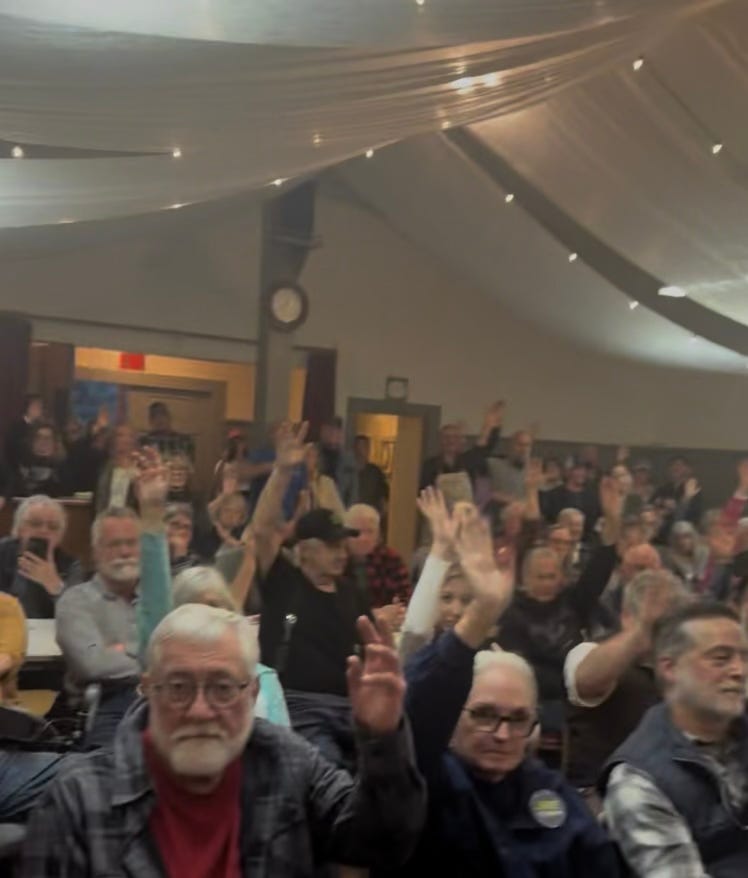
Then I asked who feels safer today than they did four years ago.
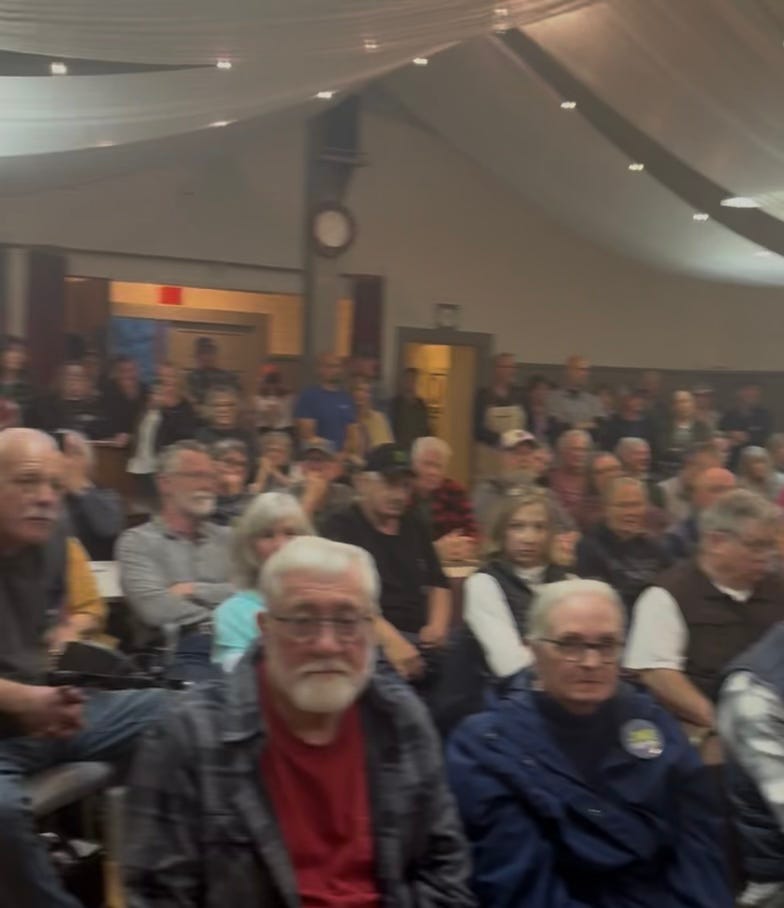
Out of 172 attendees, only three people raised their hands.
One of them was County Commissioner Mike French.
That response stands in stark contrast to what many Clallam County residents are experiencing.
Throughout the evening, residents shared stories of burglary, assault, trespassing, drug activity, vehicle prowling, and growing concerns about public safety.
Mitch Zenobi, a nearly seven-foot-tall logger, described feeling compelled to reach for a pistol while fueling his truck near Tumwater Creek after several men emerged from the woods and approached him one dark morning.
Port Angeles resident Scott Waldron recently wrote to the City Council after experiencing a burglary, seeing an armed masked trespasser on his property, and watching individuals prowl vehicles in his neighborhood.
His words capture what many residents are feeling:
“We cannot take our son to the park without seeing people using drugs on the playsets. We cannot walk downtown without feeling unsafe as transients block public walkways. We cannot go to the grocery store without witnessing drug deals in the parking lot.”
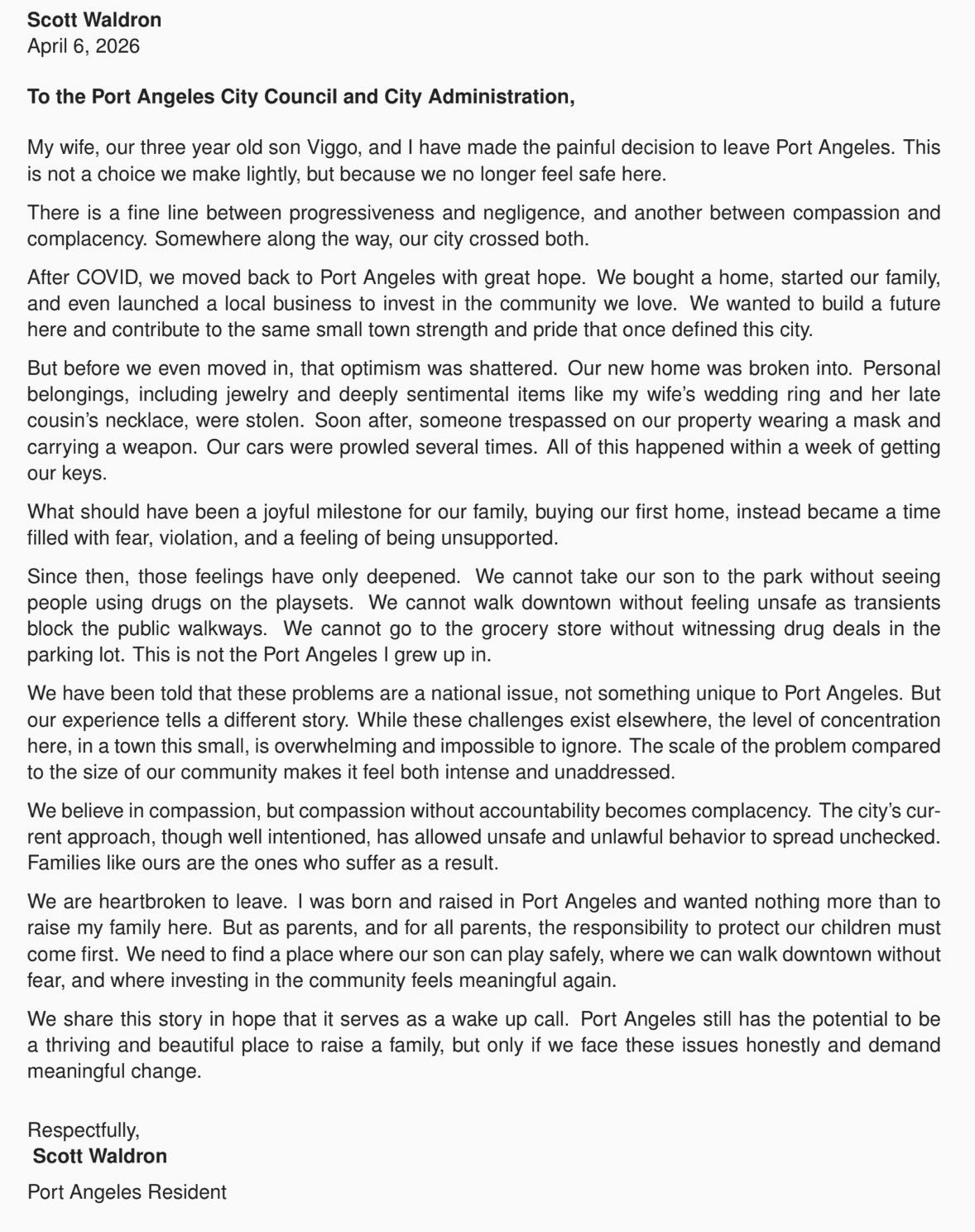
Waldron concluded:
“There is a fine line between progressiveness and negligence, and another between compassion and complacency. Somewhere along the way, our city crossed both.”
Many residents feel less safe. Yet local leaders continue insisting that current policies are working. That disconnect raises an important question:
What happens when outcomes fail to support the narrative?
Increasingly, the answer appears to be: More messaging.
In fact, instead of pivoting from failed policies, the commissioners, along with county departments, boards, and agencies, seem to be digging in their heels—devoting taxpayer resources to coordinated messaging campaigns designed to shape public perception rather than reevaluate policies that continue to produce disappointing outcomes.
Housing First Didn’t Work
For more than two decades, Clallam County has embraced Housing First, an approach that prioritizes permanent housing without requiring sobriety, employment, or participation in treatment. The model has been championed by Clallam leaders since the county’s first 10 Year Plan to End Homelessness in 2005.
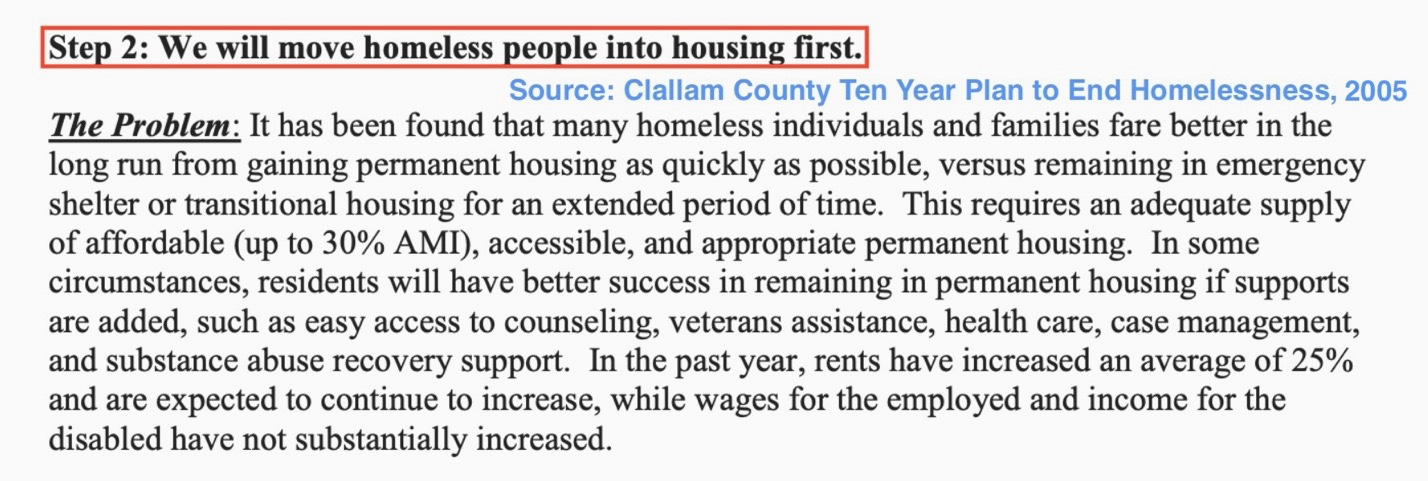
The model is extremely expensive, consuming tens of millions of taxpayer dollars locally. Peninsula Behavioral Health’s North View Apartments cost over $350,000 per unit. Thirty-two of the thirty-six apartments are studios or one-bedroom. Recent housing proposals discussed locally have exceeded $500,000 per unit.
Housing First has long been promoted as the proven solution to homelessness, but it has failed both nationally and locally. According to HUD data, Washington expanded permanent supportive housing from 5,610 units in 2007 to 28,719 units in 2024, an increase of more than 400%.
During that same period, transitional housing declined from 11,061 units to 3,929 units.
Meanwhile, statewide homelessness increased from 23,279 to 31,554 people. Unsheltered homelessness surged from 6,522 to 16,222 people—an increase of nearly 150%.
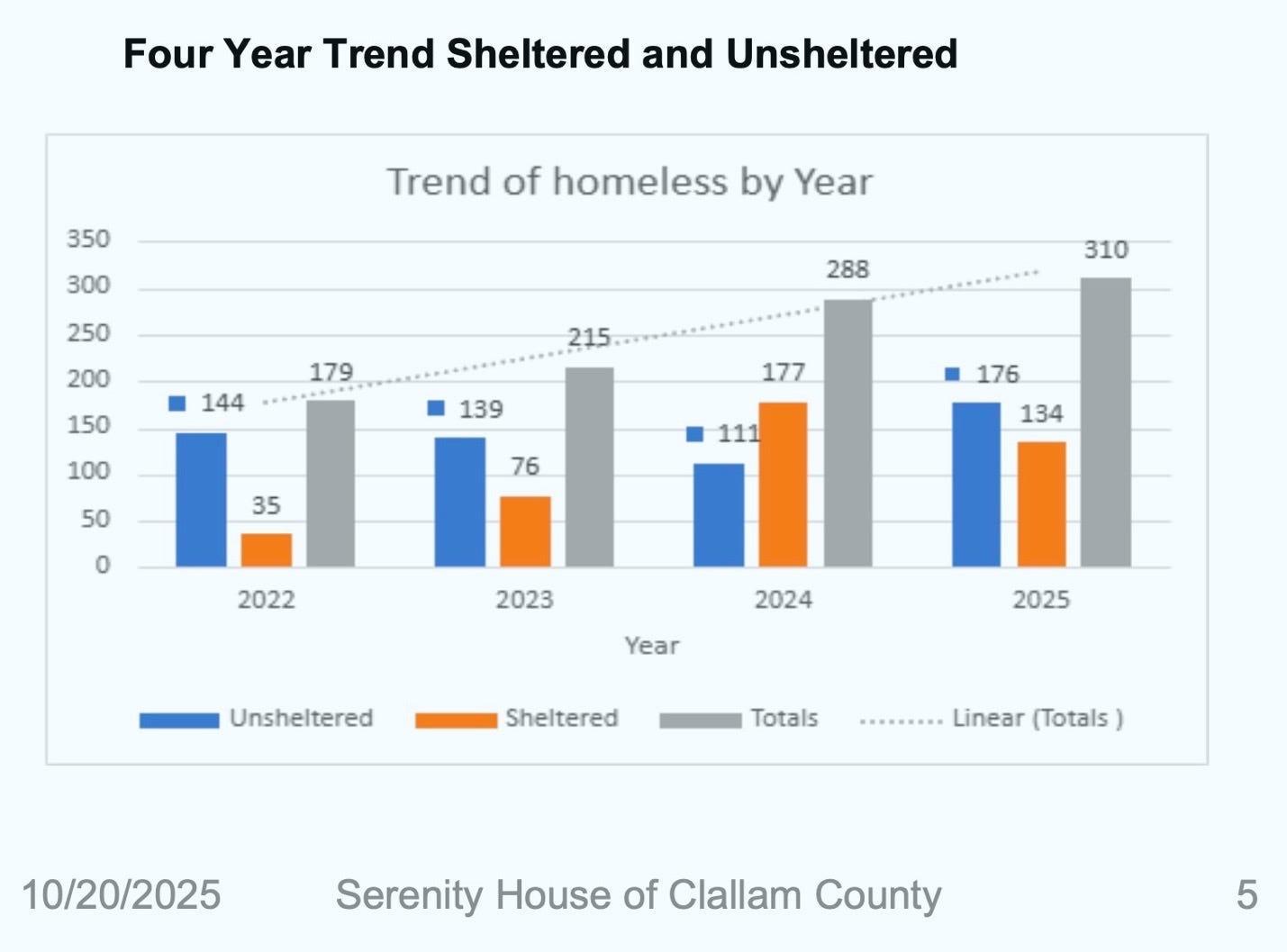
Clallam County has followed the same trend. Homelessness and unsheltered homelessness continue to rise.
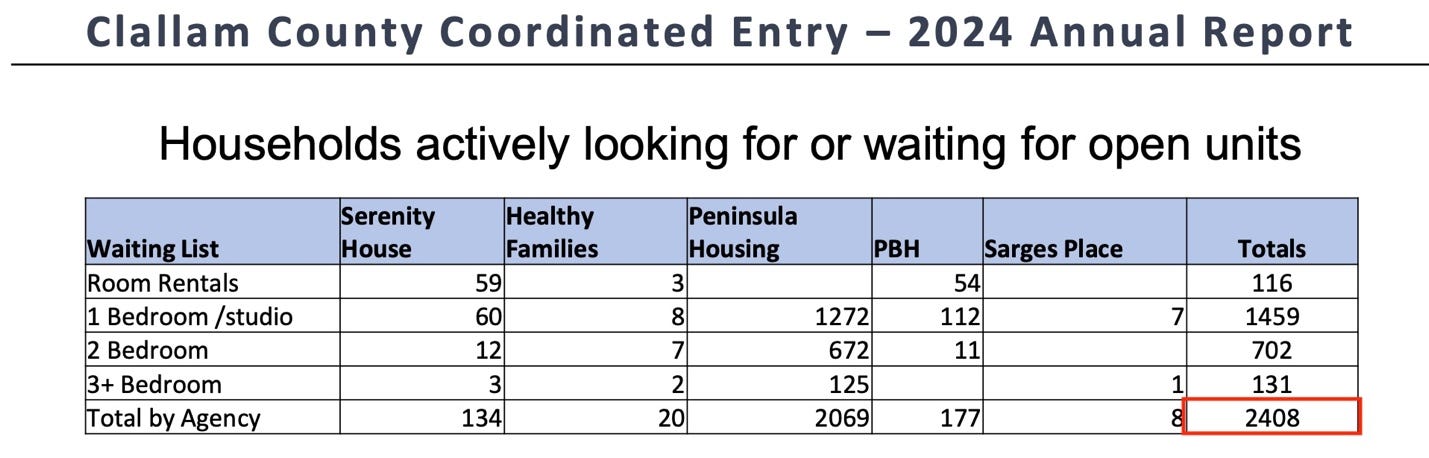
So has the waiting list for permanent supportive housing. In 2024, approximately 2,408 households were on local waiting lists for permanent supportive housing.
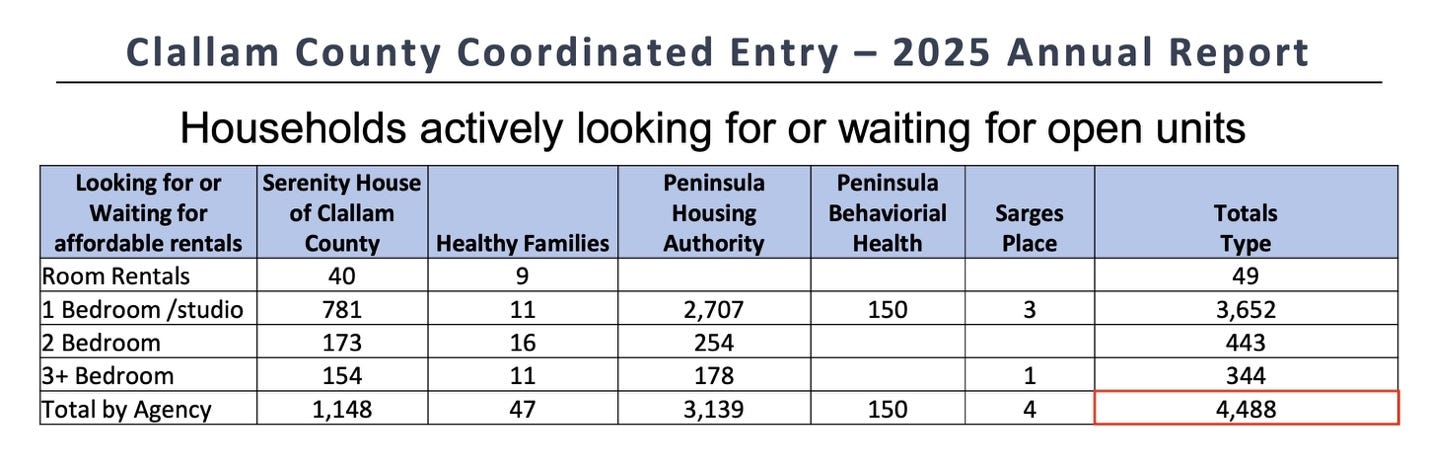
By 2025 — only twelve months later — the waitlist had nearly doubled.
Yet the county’s Point-in-Time Count identified only 310 homeless individuals in 2025, including 176 people living unsheltered outdoors.
How does a county with roughly 310 homeless individuals end up with nearly 4,500 households waiting for permanent housing?
During a December 2025 Homelessness Task Force meeting, Peninsula Housing Authority Executive Director Debbi Tesch provided the answer.
“That does not represent just people living in Clallam County. Anybody can apply for our housing. It’s not unusual to have people living in California apply to live here.”
In a county struggling with affordability, addiction, and homelessness, why would thousands of applicants outside Clallam County be allowed to compete for housing with the hundreds of unsheltered individuals living here locally?
Federal fair housing rules and HUD funding requirements have often limited or complicated the use of local residency preferences, leading many housing programs to prioritize vulnerability and need over locality.
More recently, however, federal policymakers have increasingly recognized the shortcomings of Housing First.
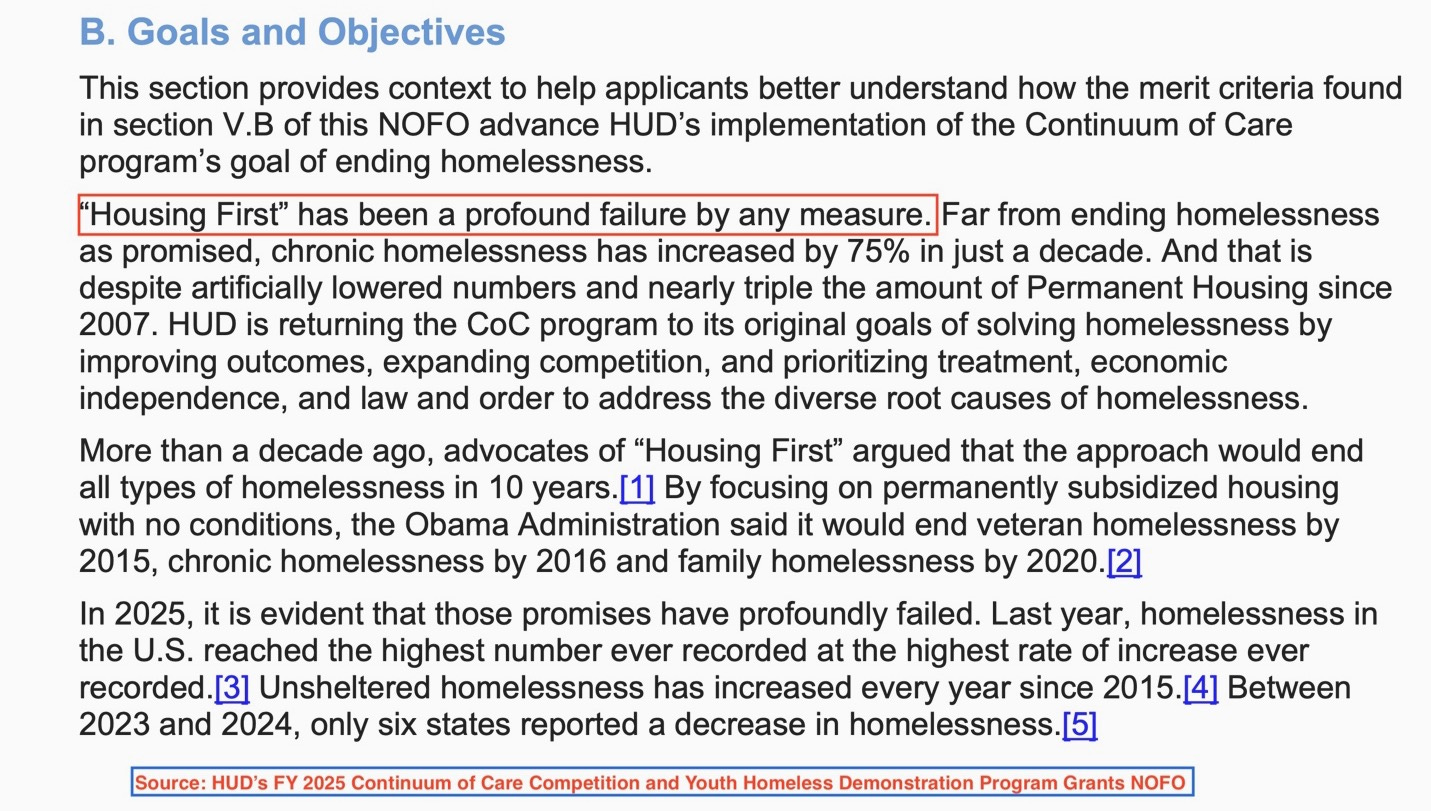
HUD reforms signal a shift toward transitional housing, accountability, local prioritization, and competitive funding rather than automatic renewals for permanent supportive housing.
Yet local leaders appear determined to resist that shift.
During a December 2, 2025 Homelessness Task Force (HTF) meeting, attorney and task force member Charlie Commeree discussed potential ways to preserve permanent supportive housing funding despite anticipated federal changes.
Referring to Serenity House properties, he seemed to suggest creative non-compliance to continue to secure HUD funding for permanent supportive housing:
“So, you could sell them to a trust and then have Serenity House rent it from the trust and then you rent it out to the tenants. If they can’t stay in the same unit, then you rename the units…then people don’t have to move.”
“I’d really like to see HUD sniff that out,” Commeree continued. “And try to prevail in court. I think we do that.”
Serenity House Executive Director Sharon Maggard replied:
“Those are the kinds of things that we need to come up with in order to survive the next three years.”
Later, Commeree suggested legal action and additional strategies to preserve the existing system, arguing that the federal changes were intentional and motivated by “cruelty.”
The discussion was revealing.
Rather than asking why homelessness continues to rise despite decades of Housing First policies, the focus was on preserving the existing model and finding ways around reforms intended to change it.
The Messaging Attack on “Misinformation”
During a February Homelessness Task Force meeting, the conversation shifted to public messaging.
Task force members discussed developing a communications strategy to address what they described as misconceptions regarding homelessness funding and Housing First policies.
The stated goal was to develop a “unified, accurate and compelling message” aligned with the county’s five-year plan.
“Right now there are significant misconceptions in the community about homelessness funding…these misunderstandings have contributed to frustration and a perception that resources are being mis-managed… My proposal is to convene a small subcommittee, beginning in the spring of 2026, to begin developing this presentation, with the goal of presenting to the board of county commissioners in the fall of 2026. This would give us the time needed to thoroughly develop a unified, accurate and compelling message that aligns with our 5-year plan and strengthens trust and understanding in our community.”
The problem, apparently, was not the outcomes.
The problem was public perception.
The Expansion of Harm
The same pattern is evident in Clallam County’s approach to harm reduction.
Since her tenure began in 2018, Health Officer Allison Berry, the Board of Health, and the county commissioners have continually championed and expanded the distribution of syringes, pipes, foil, and boofing kits and other drug-use supplies.
They argue these programs save lives.
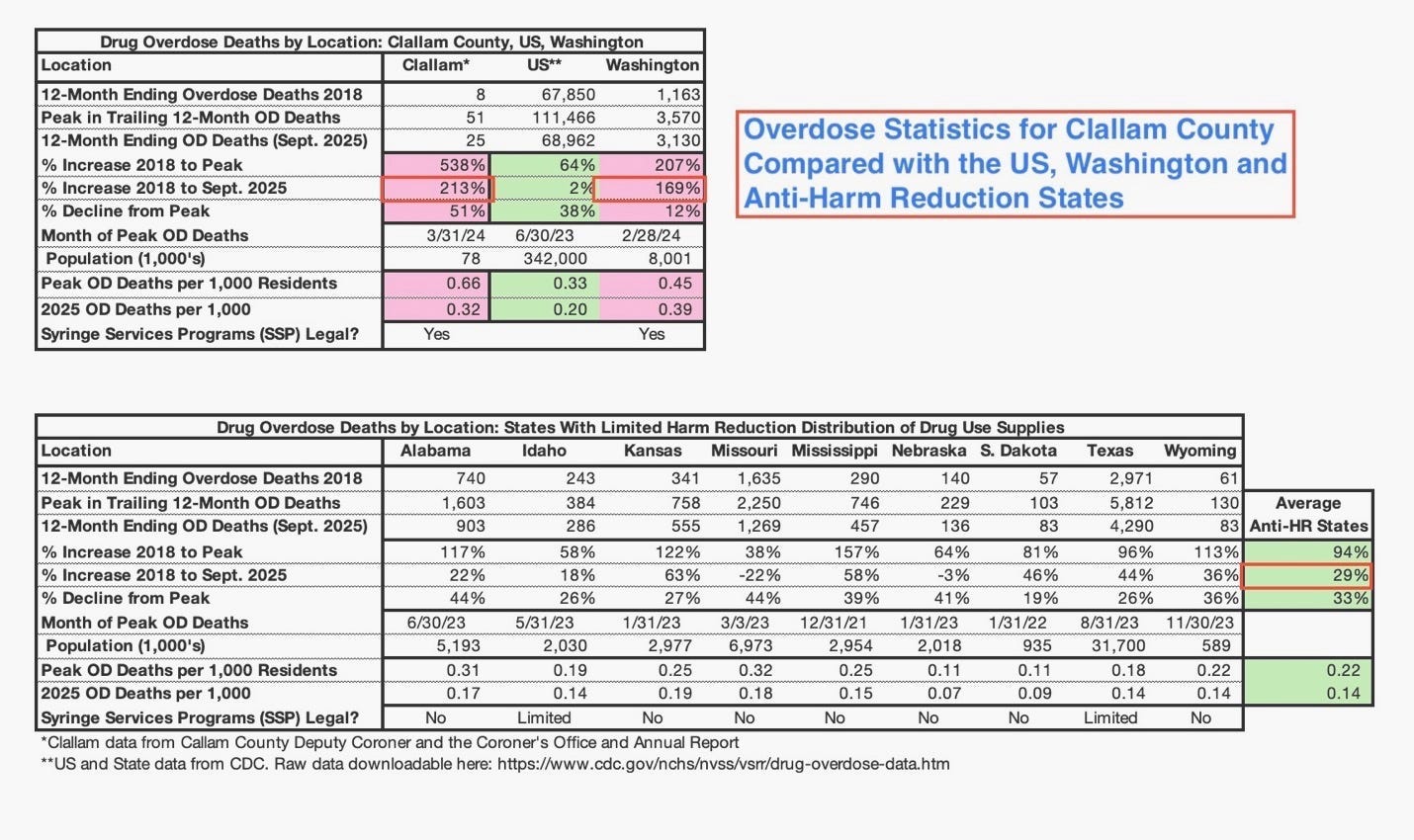
Yet overdose deaths in Clallam County have more than tripled since 2018, rising from 8 deaths to 25 in 2025. Over the same period, overdose deaths increased by 169% statewide and just 2% nationwide. A group of states that have generally taken a more restrictive approach to distributing drug-use supplies saw overdose deaths rise by only 29%.
Meanwhile, Sheriff Brian King told KONP’s Todd Ortloff in March that it’s hard to find a crime that is not motivated by drugs.
Federal agencies have also begun reassessing aggressive harm reduction strategies.
In 2025, the Substance Abuse and Mental Health Services Administration (SAMHSA) prohibited the use of federal grant funding for drug-use supplies.
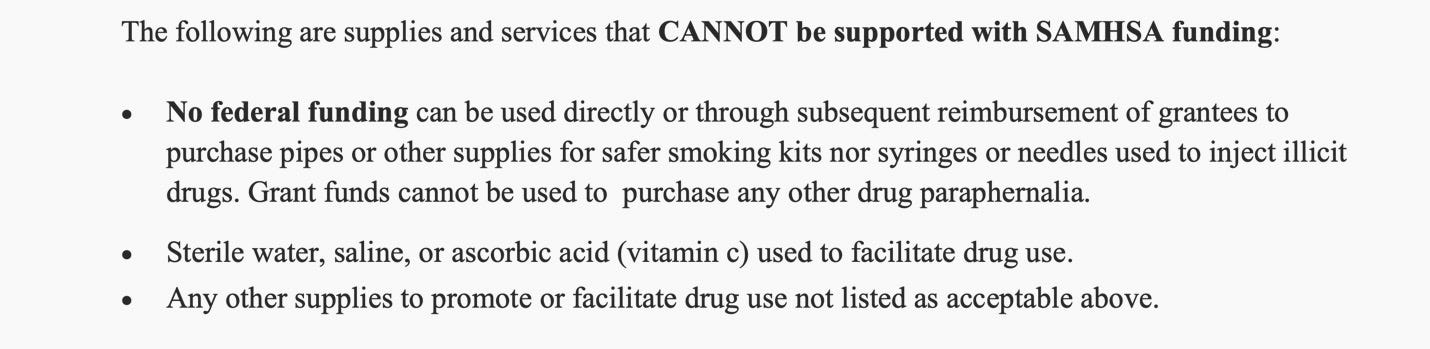
Clallam County’s response was not to reduce distribution.
Instead, the commissioners replaced the lost SAMHSA funding with approximately $100,000 annually from opioid settlement funds.
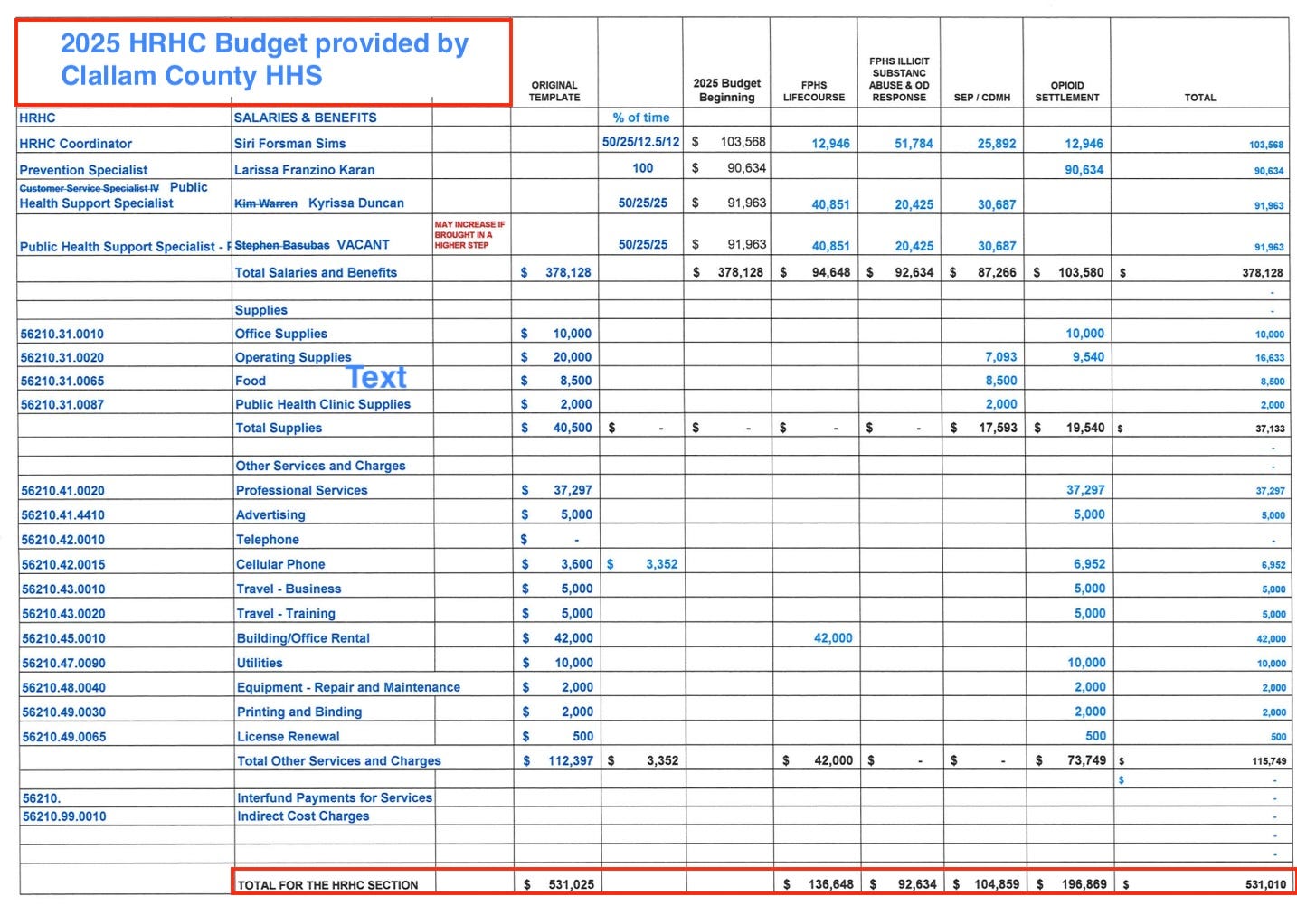
At the same time, Harm Reduction Health Center (HRHC) activity has continued to expand, despite growing public concern. Monthly encounters reportedly increased from 212 in 2023 to 508 in 2024 and 974 in 2025. HRHC’s budget passed half a million dollars in 2025.
For years, many residents were unaware of the full scope of harm reduction activities occurring in Clallam County.
During a February Board of Health meeting, an HHS representative explained:
“For a long time, like Dr. Berry said, we were keeping harm reduction a little bit under the radar to keep it more private.”
As public awareness increased, community members who had successfully navigated recovery began raising warning flags about current harm reduction approaches.
In interviews, Chelsea Jones, Stacey Richards, Ron Davis, David Rogers and Mary Bickar have all expressed a similar message: accountability—not harm reduction—saved their lives.
Anniemarie Hogenboom echoed these sentiments during her podcast interview. She was given an opportunity, along with accountability and clear expectations. That combination helped her earn trust, rebuild her life, and maintain her recovery.
But instead of listening to county residents who have experienced addiction and recovery firsthand, Clallam public health staff and the commissioners continue discussing ways to counter what the health officer has described as “misinformation.”
Commissioner Mark Ozias praised public education efforts and suggested the county may eventually need a dedicated Public Information Officer to expand them.
During the May Board of Health meeting, Commissioner Mike French suggested additional presentations to community groups.
Again, the response to public skepticism was not policy reconsideration.
It was messaging.
The same pattern continues elsewhere.
The Concerted Effort
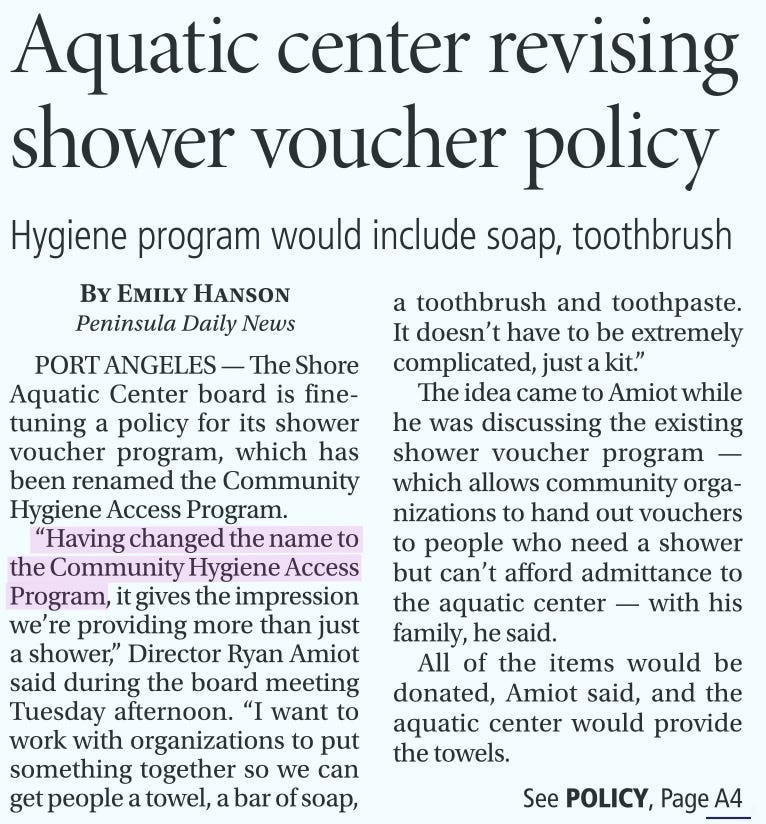
Public concern erupted after citizens learned that shower vouchers to the Shore Aquatic Center had been distributed to active drug users at the Harm Reduction Health Center without pool members being informed.
Rather than addressing public safety concerns directly, the pool board rebranded the “Shower Voucher Program” as a far more polished-sounding “Community Hygiene Access Program.”
The Clallam Conservation District provides another example.
After securing a new $5 parcel fee without a vote from the people, and despite 1,032 signatures opposing it, district leadership discussed the need to improve marketing and outreach.
“We realized that we need to tell our story better.”
As staffing costs climb from $442,000 in 2025 to $542,000 in 2026, the CCD has disclosed plans to spend a portion of its ten-year, $2 million taxpayer-funded windfall on consultants and outreach efforts designed to communicate the value of programs that taxpayers were never given the opportunity to vote on in the first place.
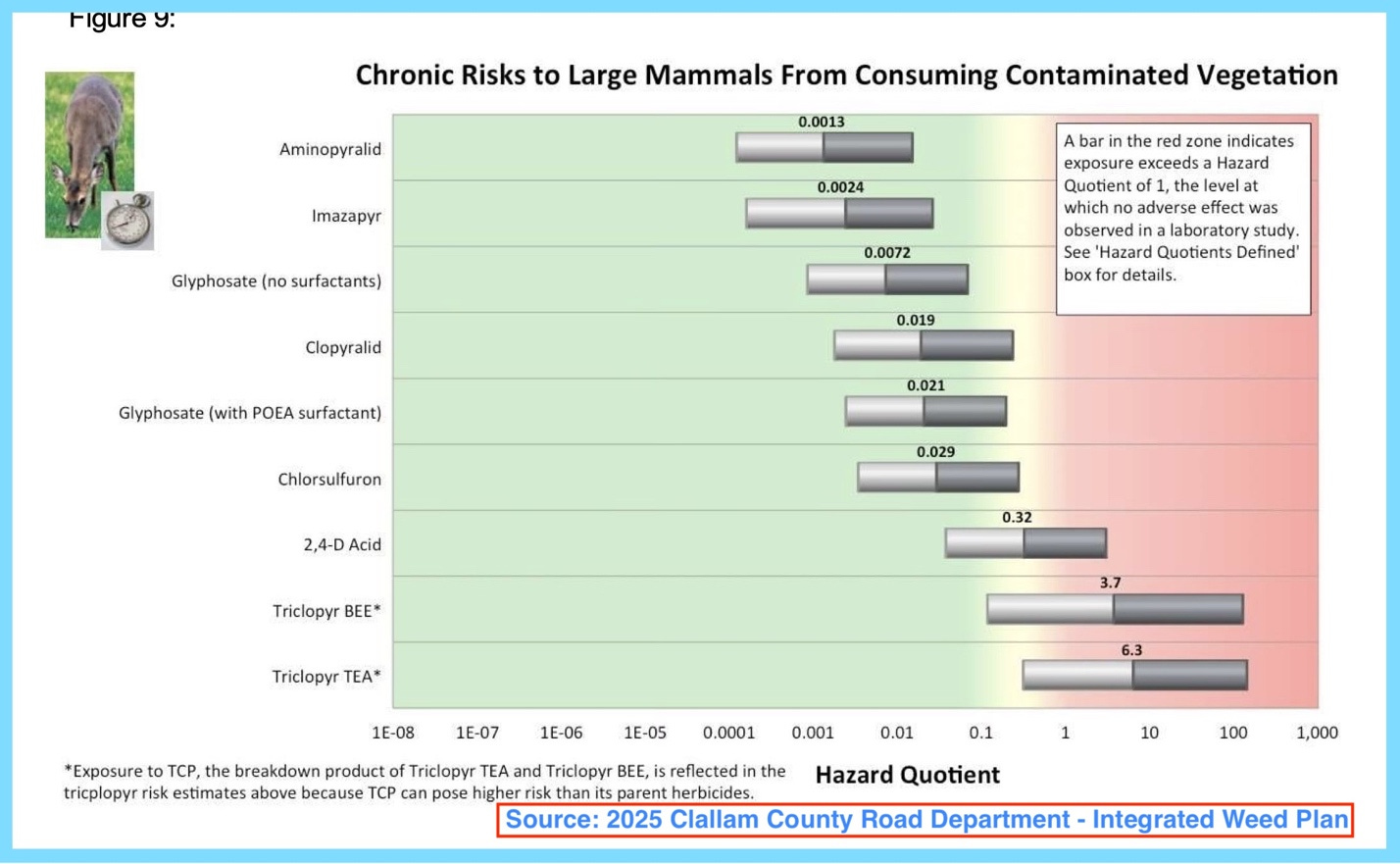
The county’s noxious weeds program offers a similar example.
Despite a multi-million dollar budget deficit, the county commissioners refused to cut a $13,343 budgeted payment in 2026 to the Master Gardener program to help “sell” the Noxious Weed department’s agenda to taxpayers by providing volunteer outreach.
During a 2026 departmental budget meeting last year, Noxious Weed Control Coordinator Christina St. James explained:
“Herbicides is a very emotional topic for a lot of people, and it’s not always based on the facts…”
Enter the Master Gardeners, tasked with calming citizen concerns.
Clea Rome from WSU Extension expounded:
“So, the Master Gardener’s core role is to help reassure the public in day-to-day interface.”
Ignoring Outcomes. Embracing Messaging.
The pattern is difficult to ignore.
When policies fail, county officials increasingly turn to persuasion instead of acknowledging shortcomings and exploring alternatives.
Housing First advocates discuss communications strategies to address “misconceptions.”
Health officials discuss combating “misinformation.”
Programs are rebranded.
Consultants are hired.
Marketing plans are developed.
Public money is increasingly being used not only to provide services, but to shape public perception of those services.
Government has an obligation to inform citizens. But there is a significant difference between informing the public and using taxpayer dollars to defend government policies from criticism.
Increasingly, Clallam County appears to be crossing that line.
Residents are told homelessness is being addressed while homelessness rises.
They are told harm reduction is working while overdose deaths climb.
They are told public safety is improving, while fewer and fewer people feel safe.
And when citizens disagree, they are often told they have been misinformed.
But citizens do not need a taxpayer-funded messaging campaign to tell them what they see with their own eyes.
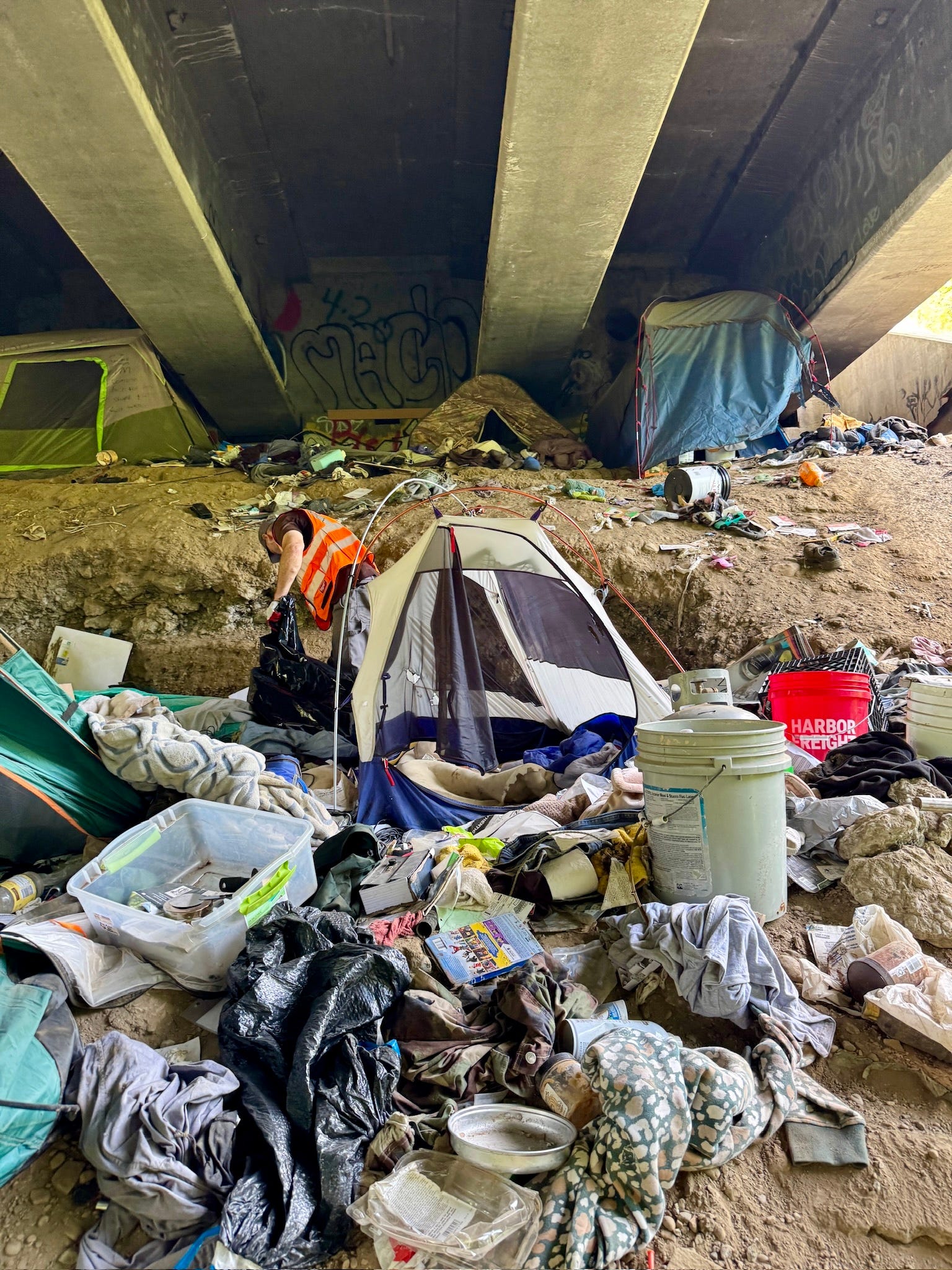
They see encampments.
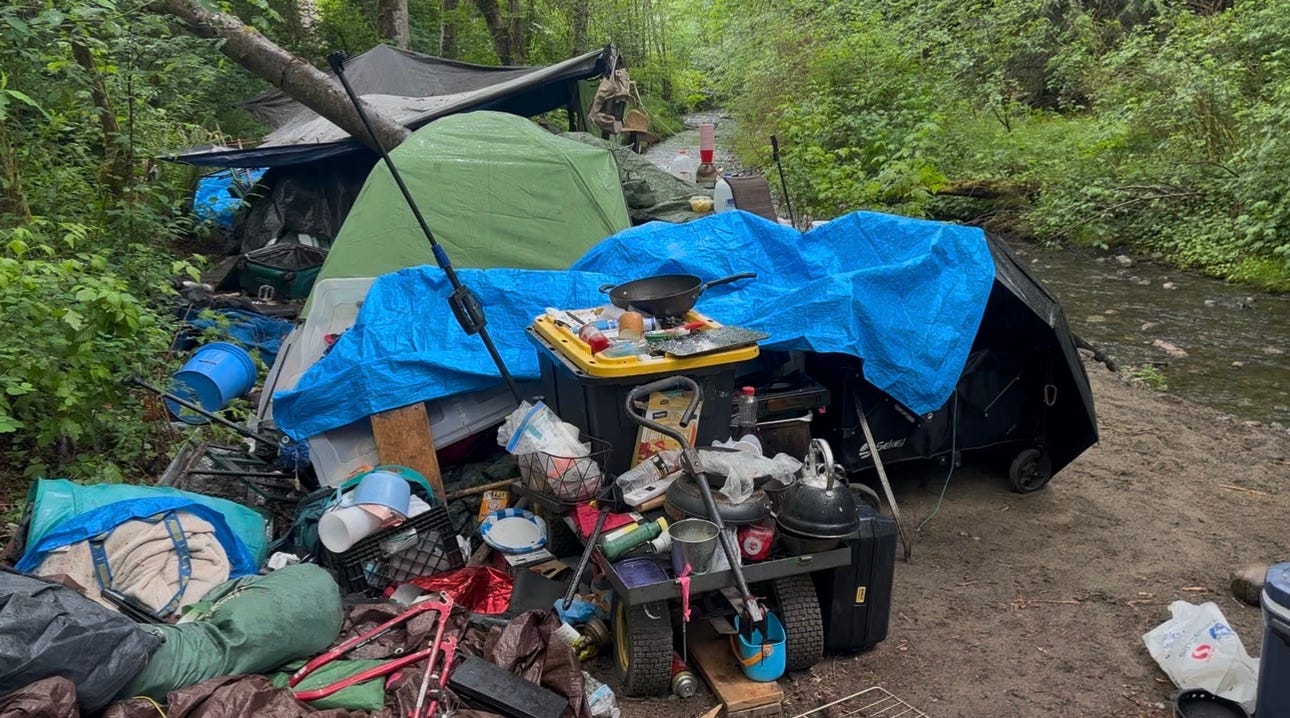
They see public drug use.

They see environmental degradation.
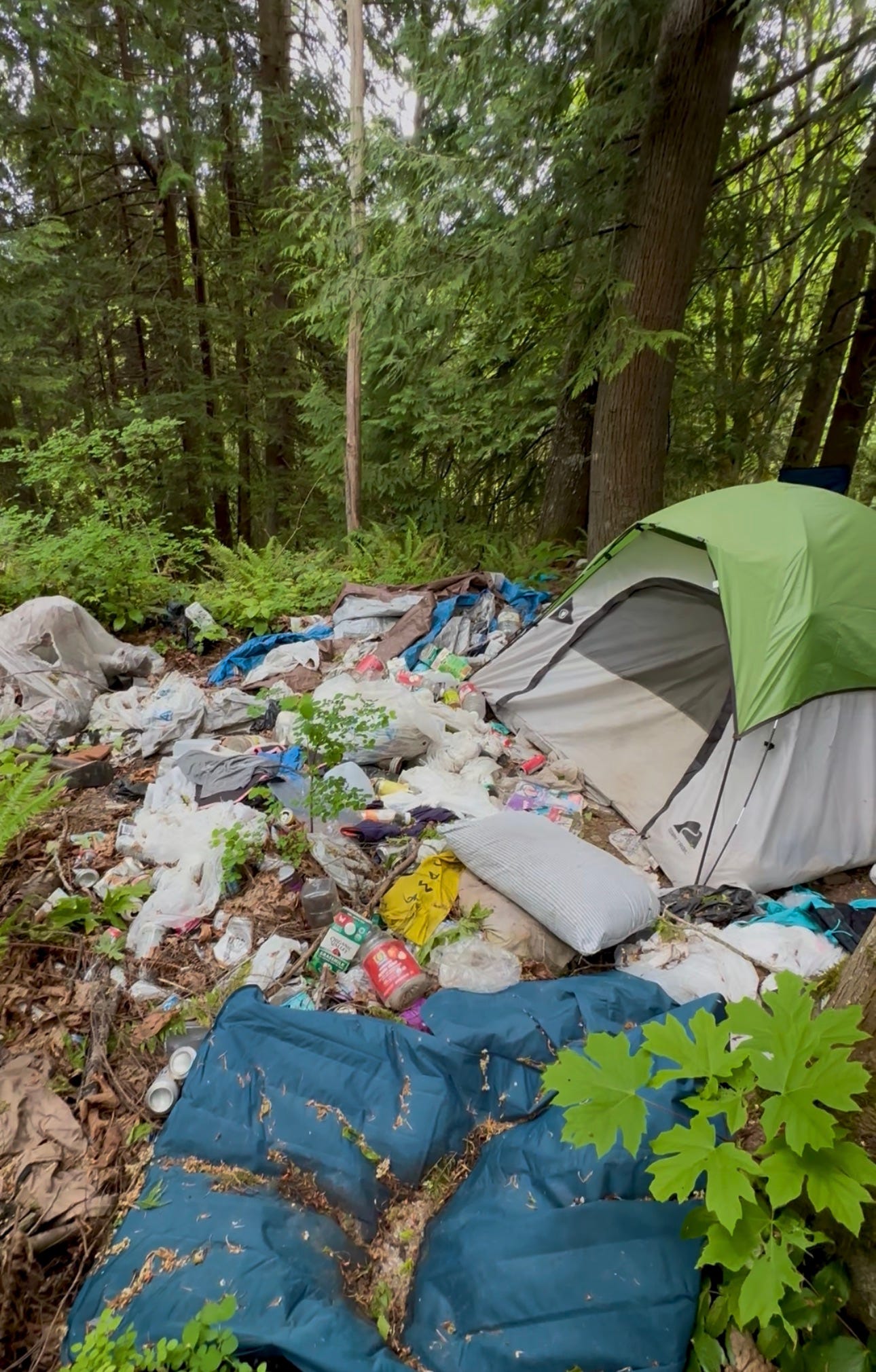
They see businesses struggling.
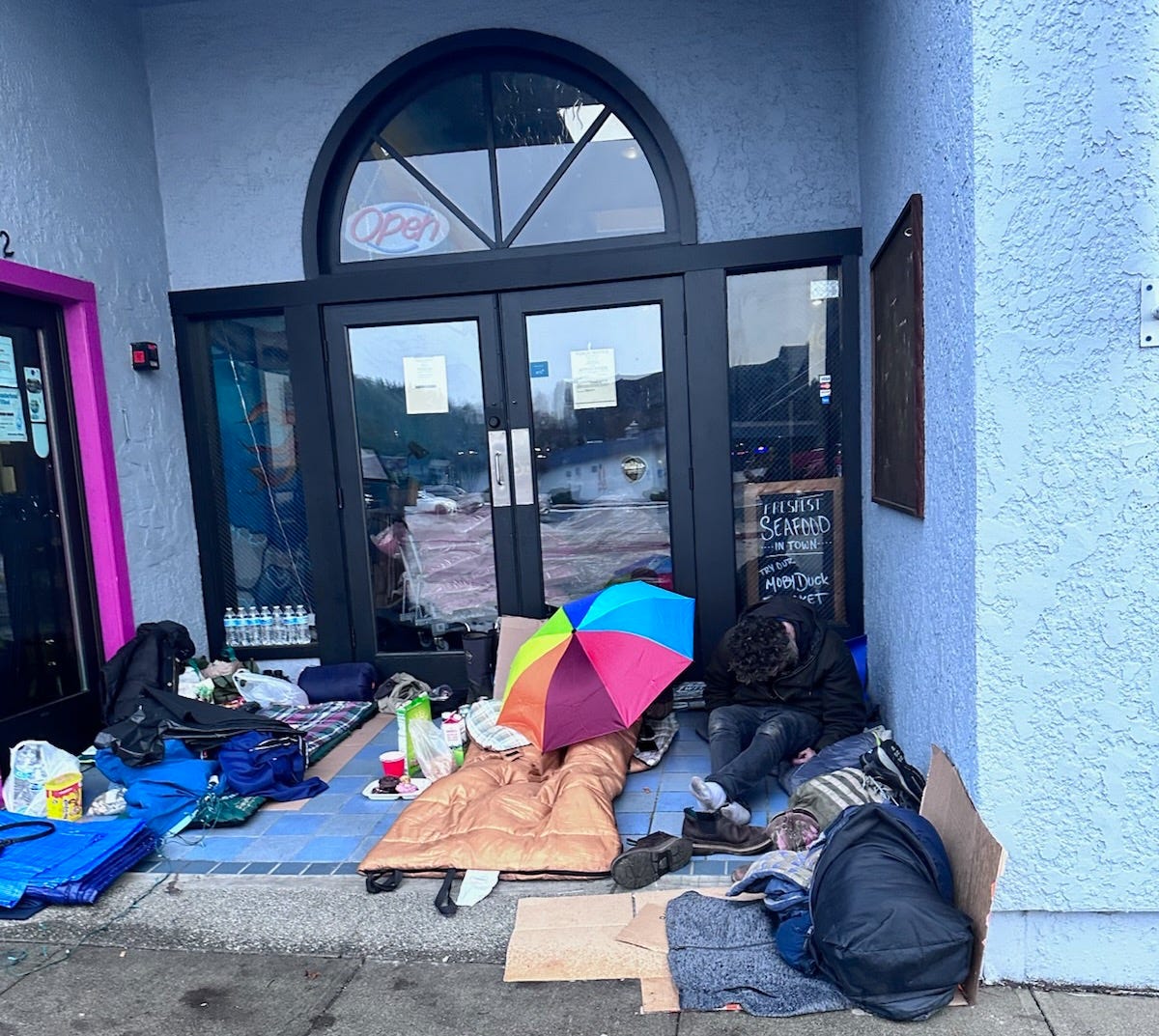
They see families avoiding parks and public spaces.
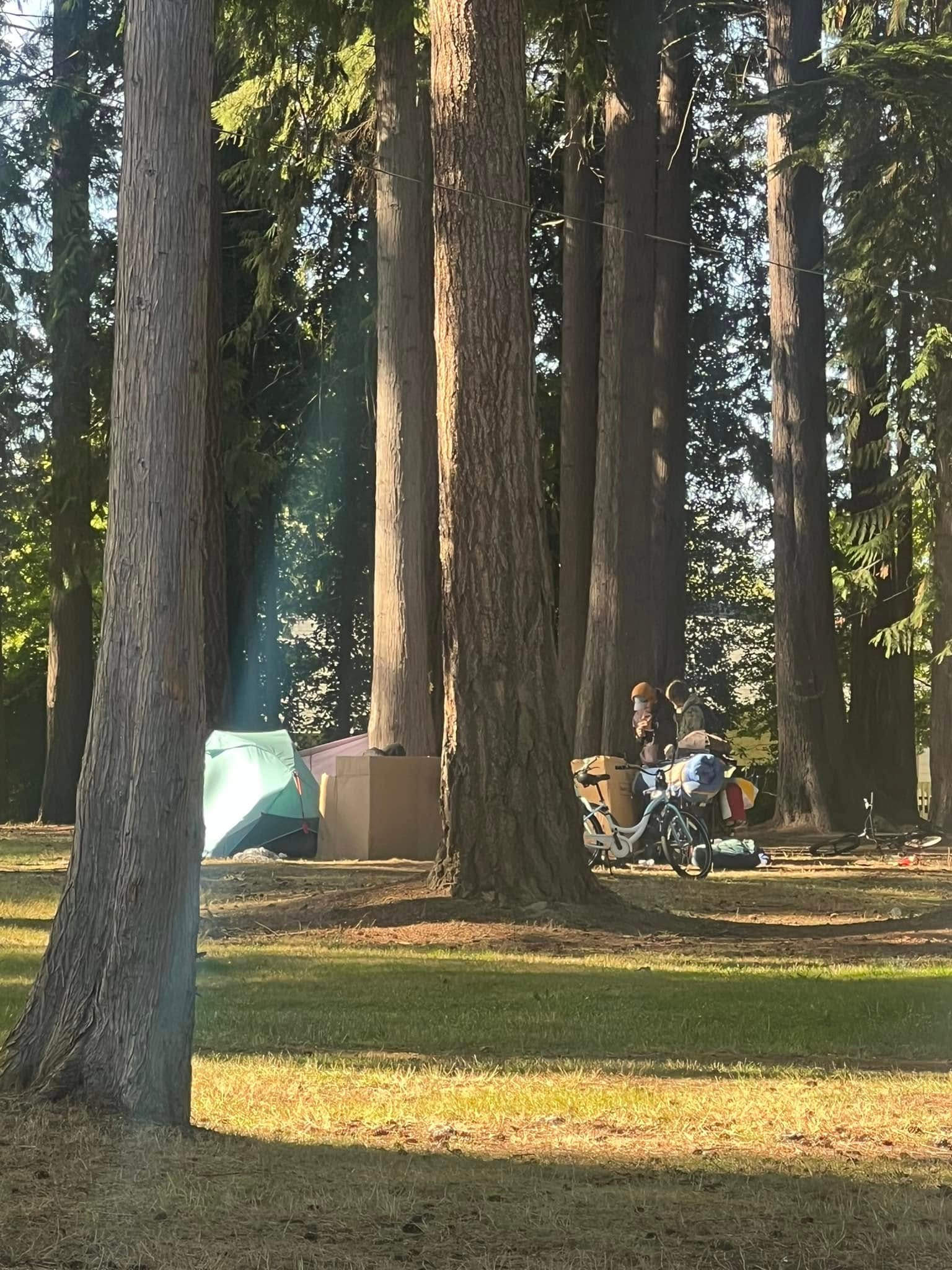
They see the condition of the waterfront district.
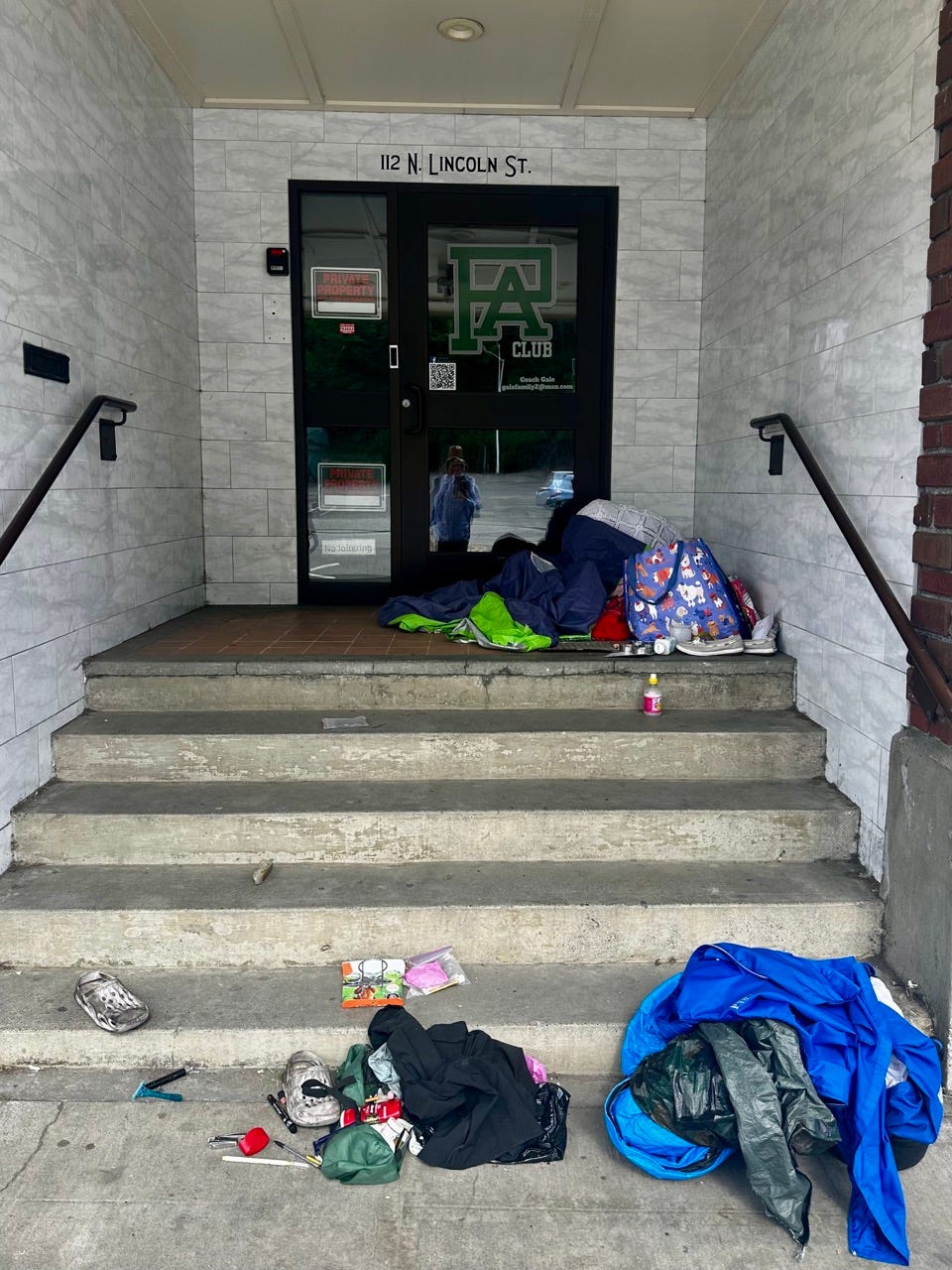
They see friends and neighbors moving away.
Outcomes matter.
If streets become safer, people will notice.
If homelessness declines, people will notice.
If addiction decreases, people will notice.
Successful programs do not require expensive campaigns to convince the public they are working.
The results speak for themselves.
What can you do?
If you believe outcomes matter more than messaging, let your elected officials know. Contact the Clallam County Commissioners, the County’s Health & Human Services Department, and the Homelessness Task Force. Tell them you want policies measured by results—not by public relations campaigns.
Attend meetings of the Board of Health, Board of County Commissioners, and the Homelessness Task Force whenever possible. Share your perspective during public comment, whether in person, virtually, or by email. Respectful civic engagement remains one of the most powerful tools citizens have to influence public policy.
All three county commissioners also serve on the Board of Health, you can contact them by emailing the Clerk of the Board at loni.gores@clallamcountywa.gov.
Democracy works best when citizens participate. If you want different outcomes, make your voice heard.
Editor’s note: This blog is published by Jeff Tozzer, the former campaign manager of Jake Seegers. None of the content here has ever been approved or paid for by Jake Seegers for Commissioner. To learn more, visit JakeSeegers.com.


