

A week after the ribbon-cutting at North View—the 36-unit luxury permanent supportive housing complex in Port Angeles featuring quartz counters, dishwashers, and harbor views—Peninsula Behavioral Health CEO Wendy Sisk appeared on “Coffee With Colleen” to push back against critics. She dismissed concerns about prioritizing criminals and drug addicts as “misinformation,” insisted the program requires clean-and-sober living, and defended PBH’s rapid growth on the public dime. Her own prior statements, PBH materials, and funding sources tell a different story.
Sisk’s “Misinformation” Defense
Appearing as a guest on last week’s Economic Development Council’s “Coffee With Colleen” (hosted by Communications Manager Mitch Koonz in place of Executive Director Colleen McAleer, who was out of the office), Sisk said:
“I’ve heard a lot of misinformation that we’re prioritizing criminals and drug addicts and I don’t really know where that came from… Yes, some of our clients have struggled with addiction and… we’re going to continue to support them in their recovery. Yes, we require that people agree to be clean and sober in our housing because drugs and alcohol don’t mix well with behavioral health conditions… There’s been a lot of misinformation out there about how we’re going to operate our program and… what a rundown place it’s going to be in 6 months.”
Much of that scrutiny has come from Clallam County Watchdog reporting on costs, outcomes, enforcement, and the low-barrier model.
Targeting High-Risk Recidivists
Sisk’s claim that PBH is not prioritizing criminals clashes with her own August 26, 2024, remarks to the county commissioners:
“We would like to try to target some of our folks that we know are at high risk of recidivism of the jail because they are in and out of jail without a place to land and not having a place to be, and having chronic health conditions including behavioral health conditions, is not a recipe for long life or happiness or success.”
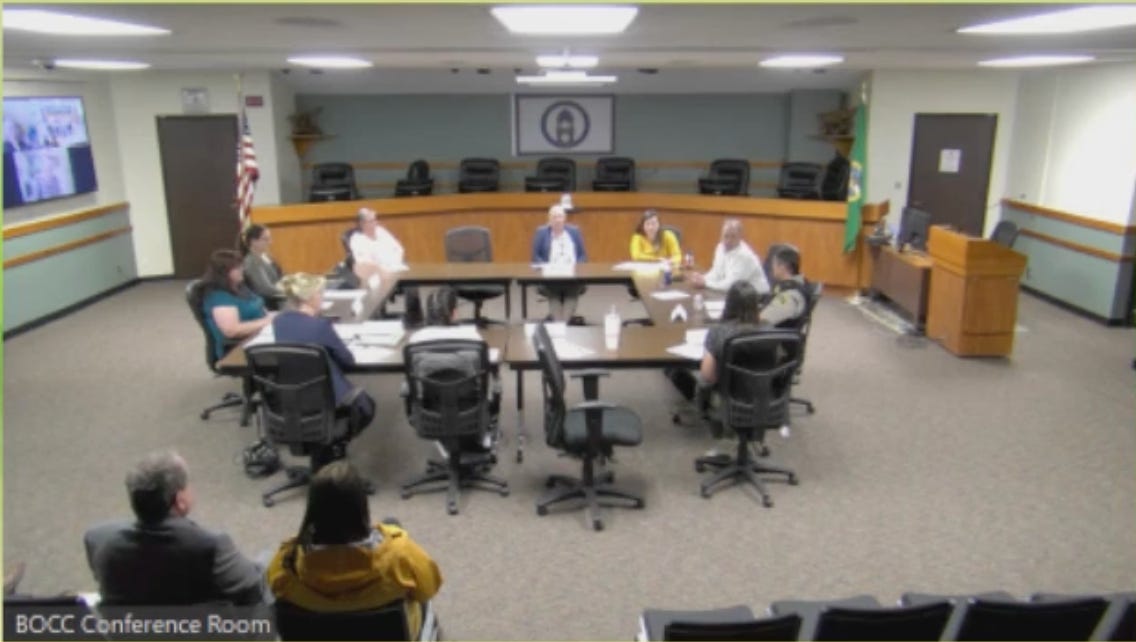
You can listen to that statement here [timestamp 15:05].
Prioritizing Those Recovering from Substance Use Disorders
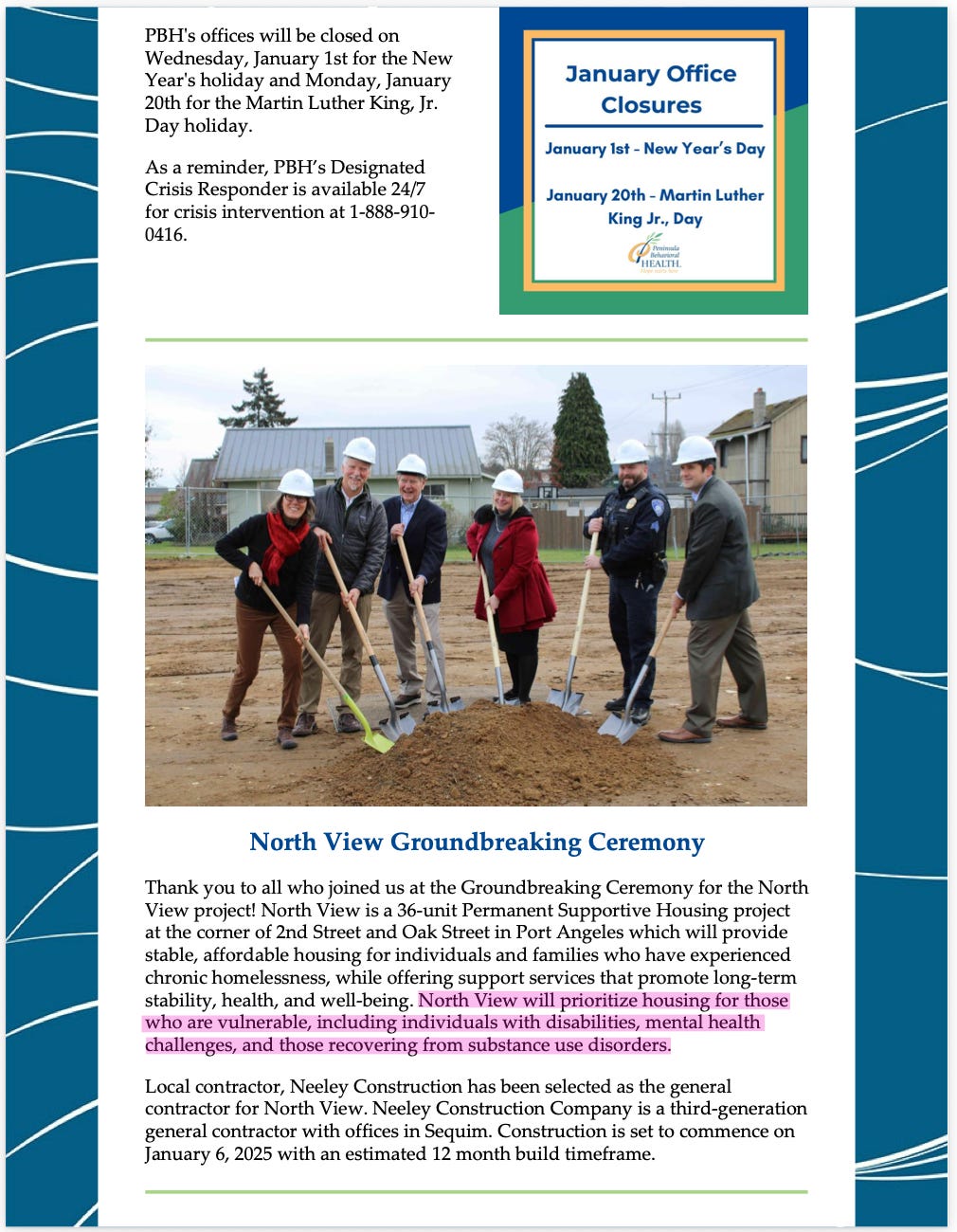
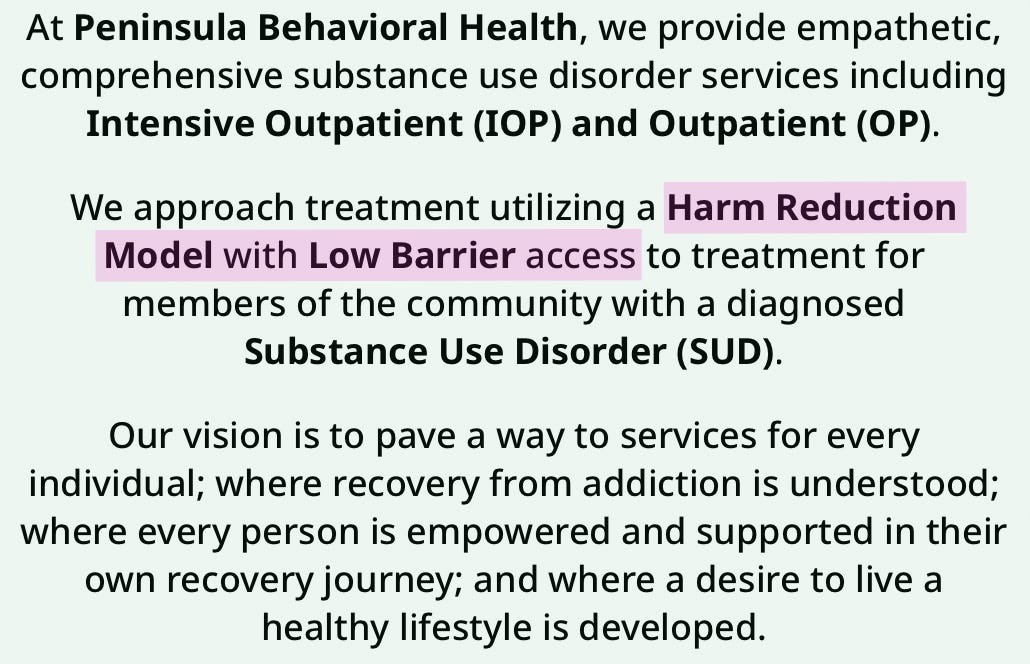
PBH’s own materials confirm prioritization of addicts recovering from substance use disorders (SUD) among other vulnerable groups. The January 2025 newsletter states:
“North View will prioritize housing for those who are vulnerable, including individuals with disabilities, mental health challenges, and those recovering from substance use disorders.”
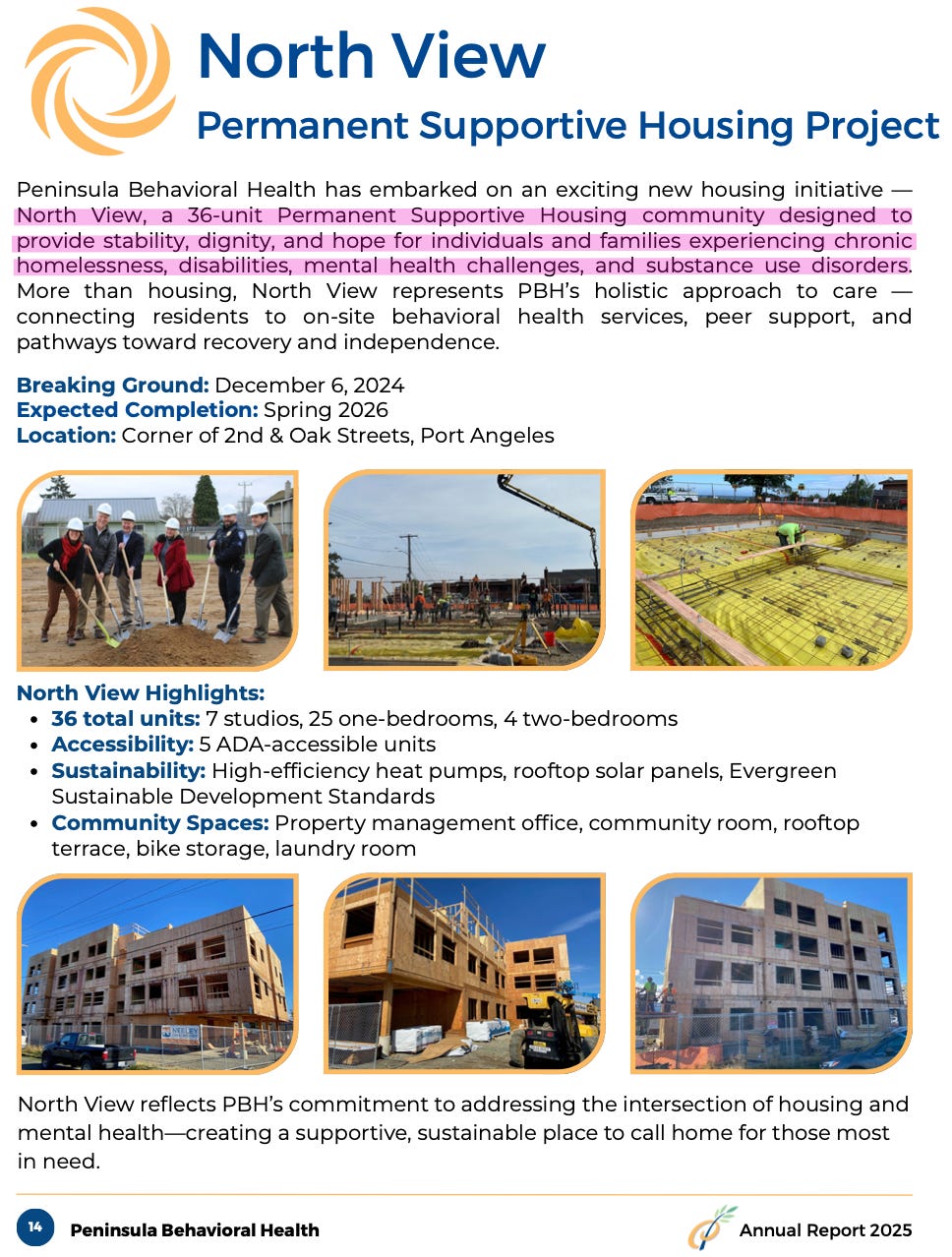
The 2025 Annual Report describes North View as serving people facing “chronic homelessness, disabilities, mental health challenges, and substance use disorders.”
“Clean and Sober” vs. Relapse Tolerance
Sisk’s assertion that residents must agree to be clean and sober contradicts her May 2024 statement. Asked if residents need to be sober, she answered that existing housing is “dry,” then added that the new facility “won’t be exclusively dry. So people have to be working their treatment program, but we have people who have relapses occasionally, and we just wrap services and support around them.”
Sobriety is binary. While drug and alcohol use may be discouraged and a no-drugs/alcohol policy is signed, relapse is tolerated with added support. This is the soft, low-barrier approach critics have highlighted.
Growing the NGO Payroll on Tax Dollars
Sisk highlighted PBH’s expansion toward 185 employees and a budget expected to exceed $20 million, with the “vast majority” going to salaries and benefits.
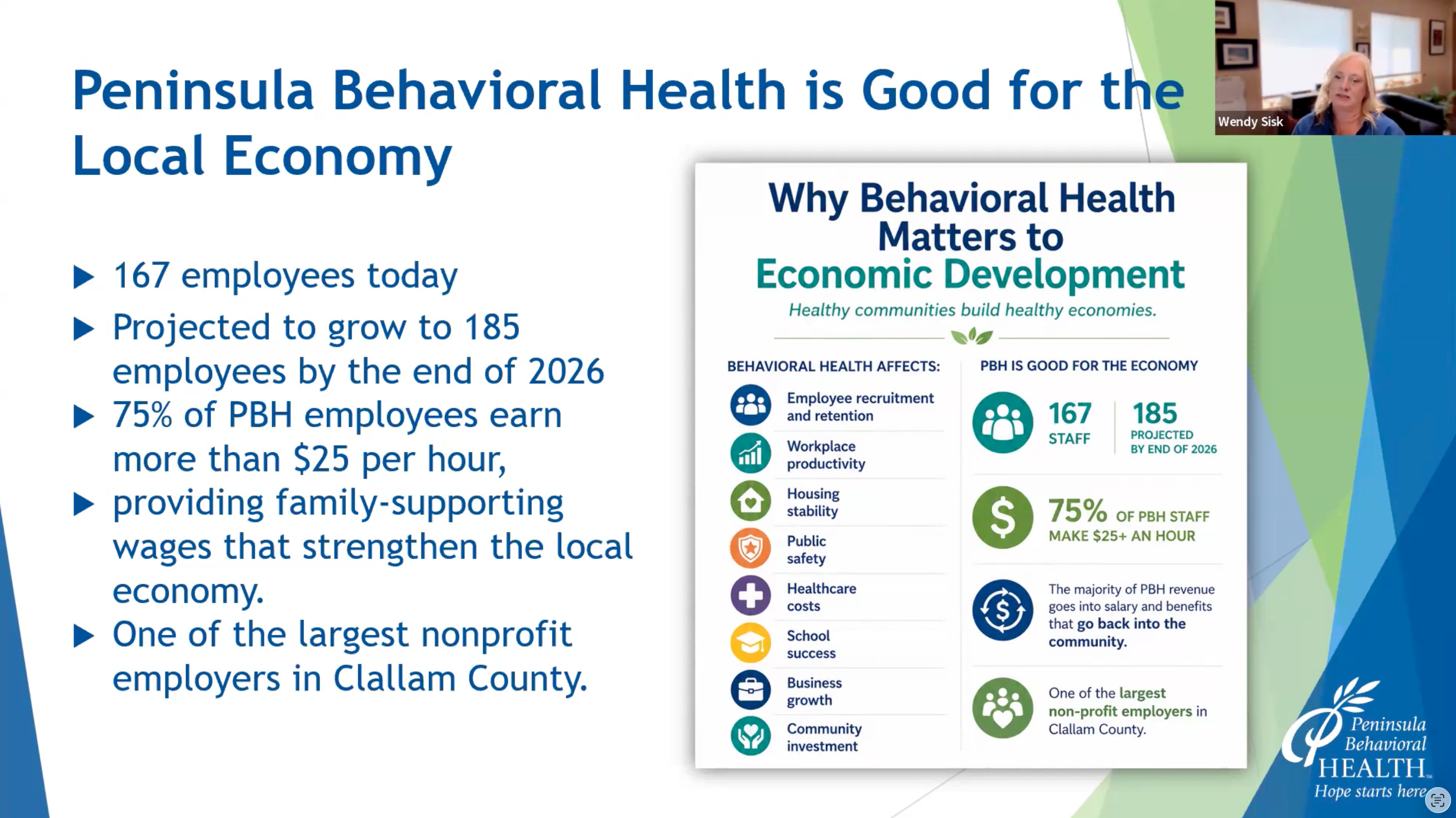
She noted that 75% of employees make $25 an hour or more, framing the jobs as living-wage positions whose paychecks recirculate locally on rent, groceries, and entertainment.
“They’re spending their paychecks in our community, whether that’s on their rent, on their groceries, on their entertainment. So, they’re supporting local businesses.”
In an earlier presentation, Sisk acknowledged that roughly 75–80% of the budget goes to staffing. As an NGO, PBH does not create market products or generate independent revenue; it relies heavily on taxes from Clallam County, Washington State, and the federal government. High-wage public-sector and NGO jobs funded by extracting money from private taxpayers do not expand the tax base—they increase the burden on an already economically strained county. The Economic Development Council should recognize the difference between genuine private-sector growth and taxpayer-subsidized payroll expansion.
Peninsula Behavioral Health is a 501(c)(3) nonprofit and accepts donations. According to the organization’s most recent publicly available Form 990, CEO Wendy Sisk received total compensation of approximately $281,000 ($264,799 in base pay plus other compensation).
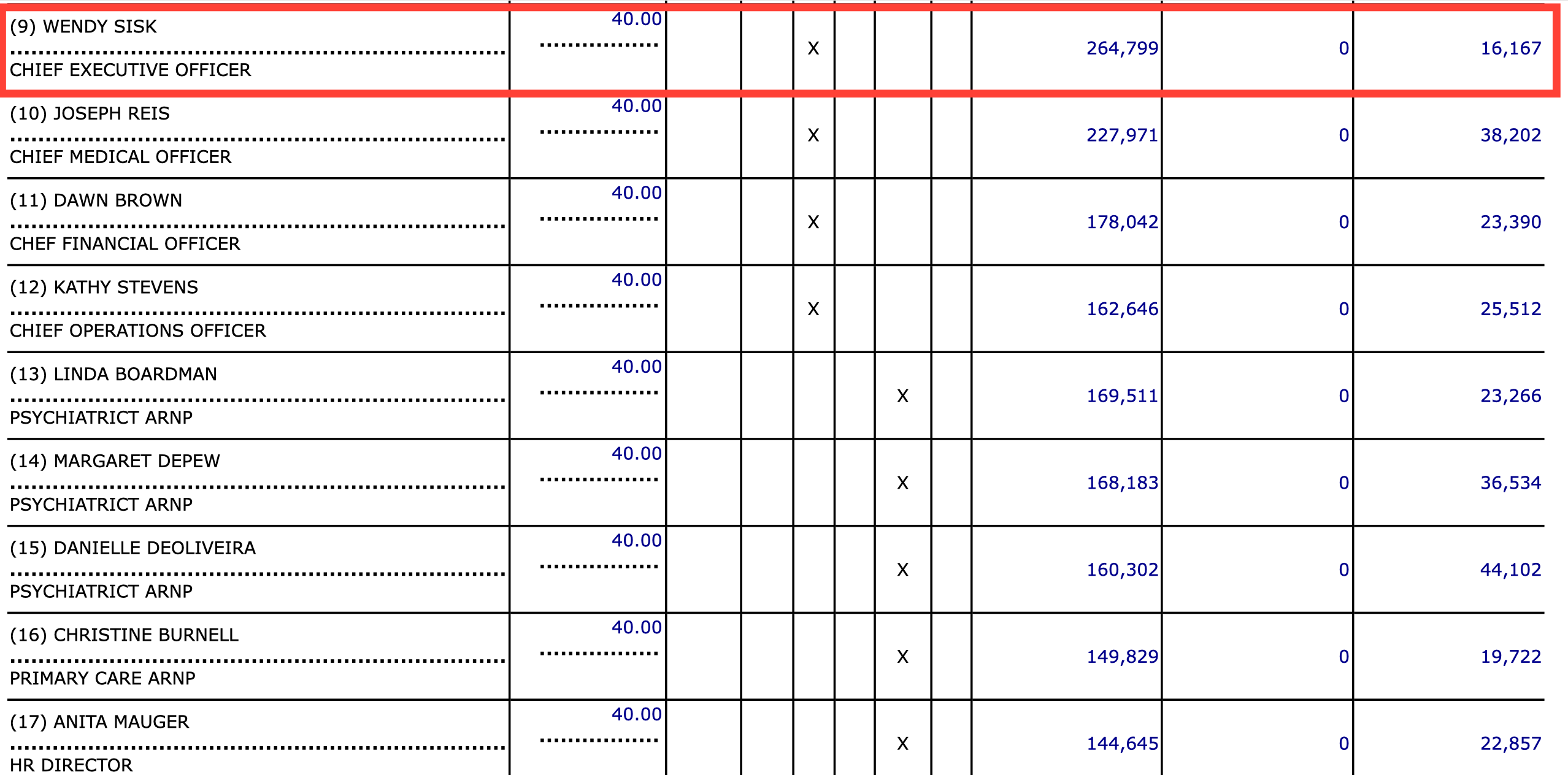
That figure is more than four times the median household income in Clallam County (roughly $70,000–$74,000 in recent Census estimates).
Recompete Funds Flowing to the Same Network
PBH is also a recipient of Recompete funding—the federal investment (roughly $35–40 million across the North Olympic Peninsula) pitched as a job generator for depressed Clallam and Jefferson Counties and championed by Commissioner Mike French, who has made it the cornerstone of his reelection campaign.
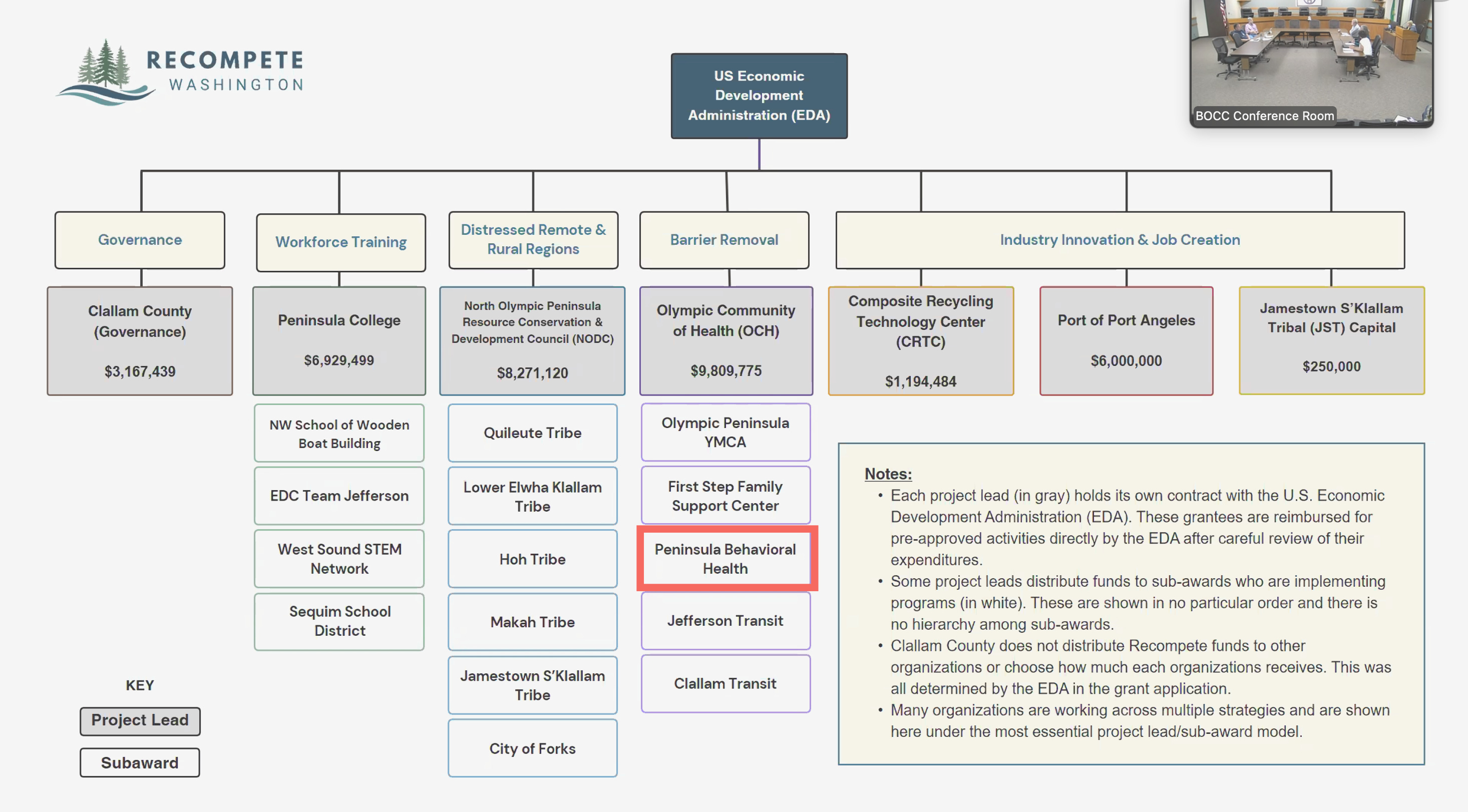
The stated goal of the Recompete grant is closing the prime-age employment gap with “good-paying jobs” defined locally at $26+/hour.
What has emerged is heavy emphasis on wraparound services—housing, healthcare, life skills, childcare, transportation, and “job navigation”—delivered largely through the existing network of NGOs.
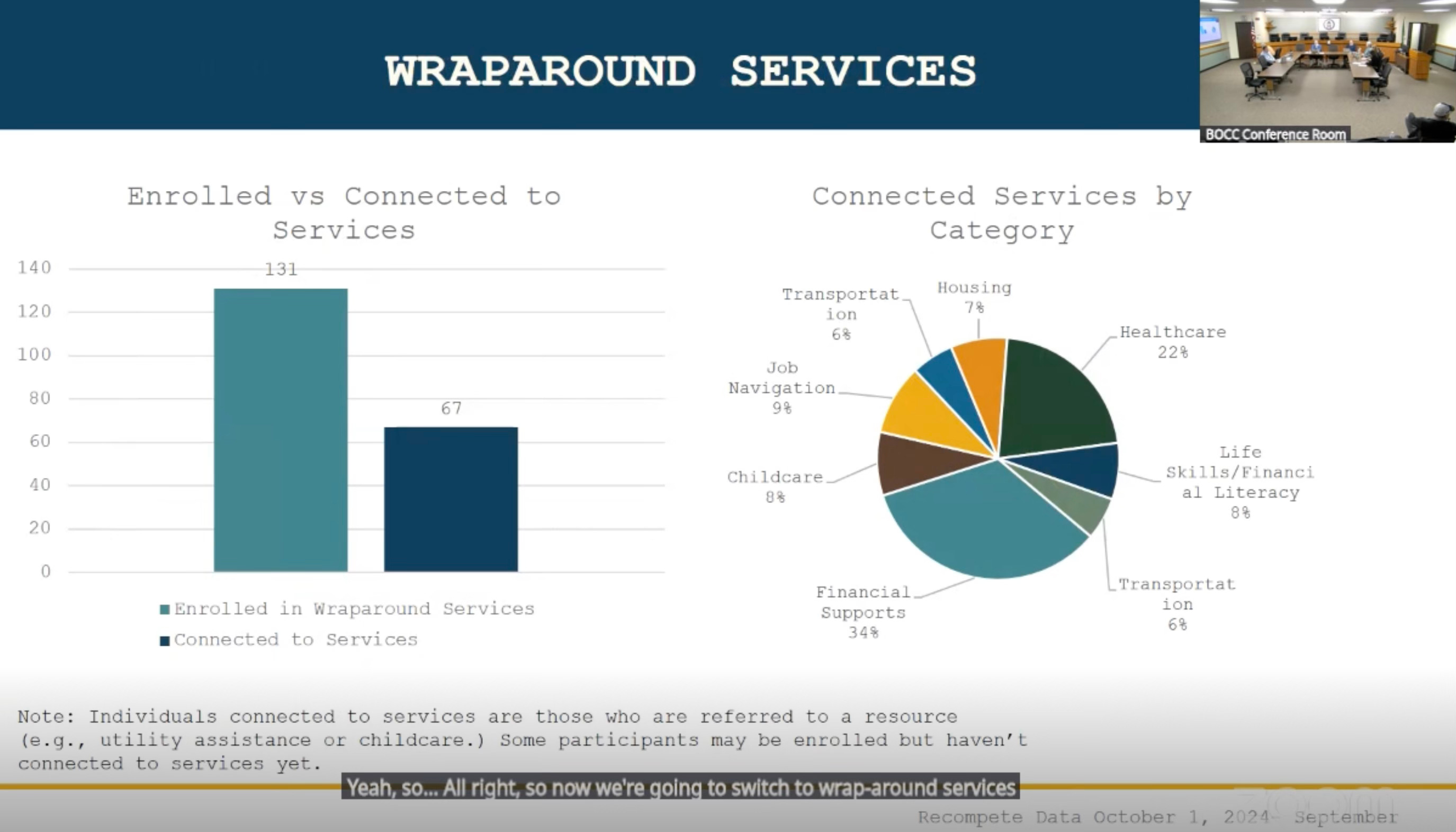
A clear example: PBH advertises free Mental Health First Aid and de-escalation trainings for local businesses, explicitly funded by the Olympic Community of Health Recompete grant.
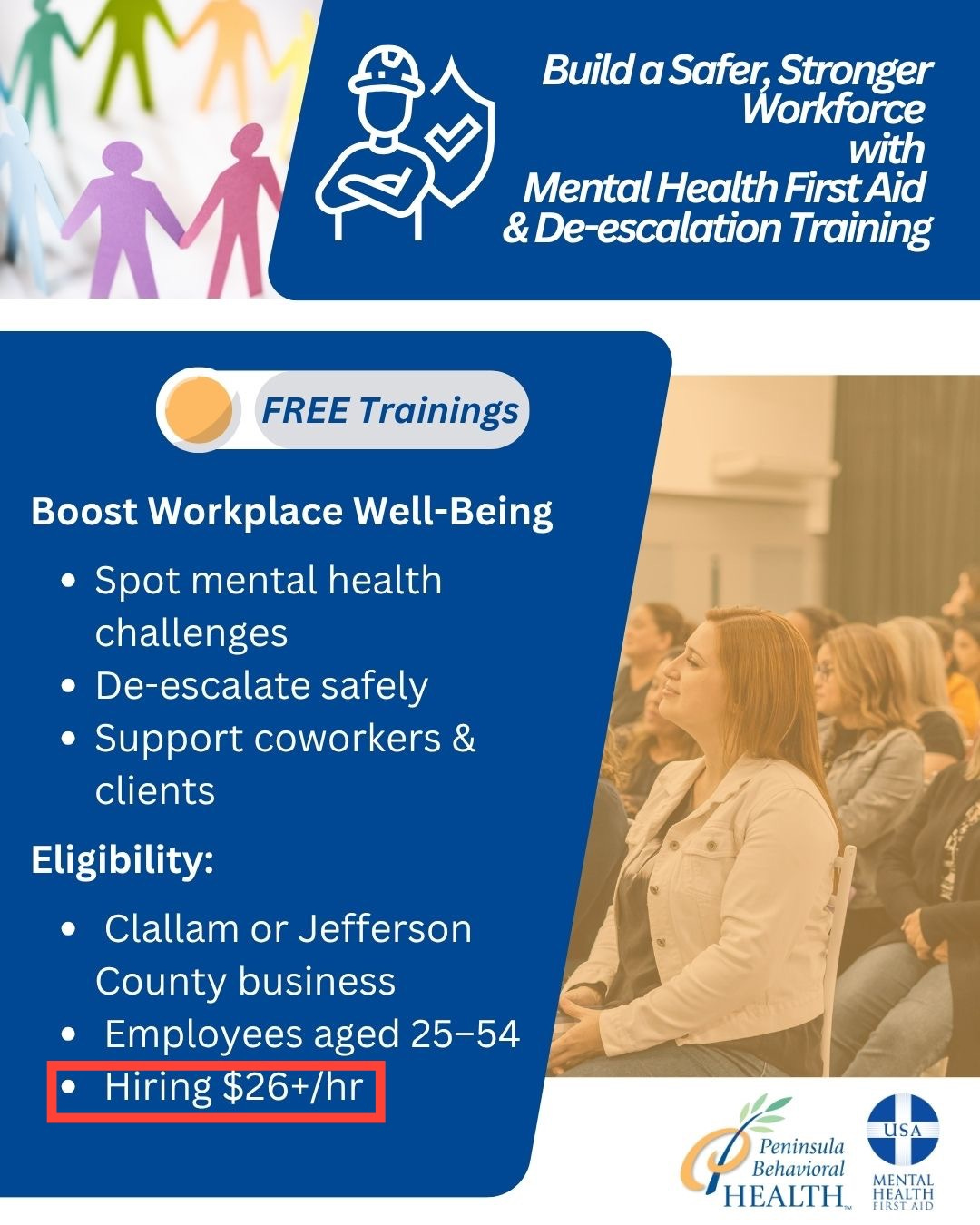
Useful training, yes—but the “jobs” created often remain inside the NGO ecosystem rather than expanding the private tax base.
Residents should insist that Recompete’s success be measured by net new private-sector jobs, retention, wage growth, and reduced dependency—not enrollments, services delivered, or grant-funded training calendars.
The Next Project: Youth & Families Center
PBH is already looking ahead to a youth and families service center targeted to open in 2028—approximately 15,000 square feet with 22 clinical offices, autism evaluations and services, play therapy, art therapy, a sensory room, group therapy, family meeting space, and outdoor therapeutic areas.
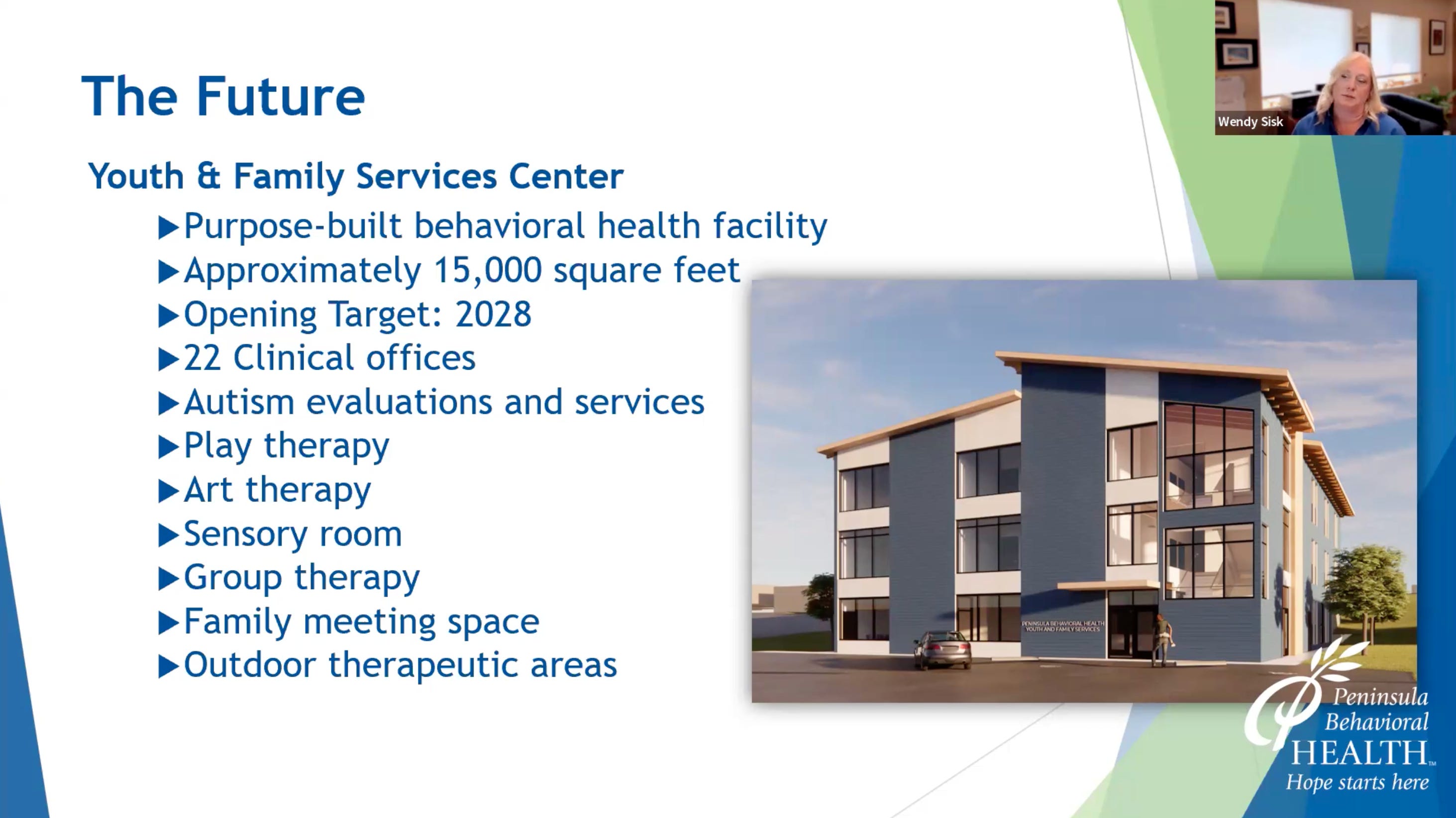
North View came in at more than $350,000 per unit. Sisk’s presentation offered no price tag, no location details, and no funding plan for the planned 15,000-square-foot Youth & Families Service Center. Taxpayers deserve far more than a glossy wish list: How much will this next project cost Clallam County residents, and who will pay for it?
Stay Engaged: Seegers/French Debate in Sekiu
Don’t miss the next candidate debate as Jake Seegers challenges incumbent Mike French for the District 3 county commissioner seat.
Wednesday, August 19 · 6:00 p.m.
Sekiu Community Center