

Who is plastering anti-Jake Seegers stickers across downtown Port Angeles? CC Watchdog readers think they know. And the trail of clues leads through environmental protests, activist networks, controversial public statements, and a prosecution that many residents still believe never delivered accountability.
It will surprise no one that the CC Watchdog community has spent a day and a half trying to solve the mystery of who has been placing anti-Jake Seegers stickers around downtown Port Angeles.
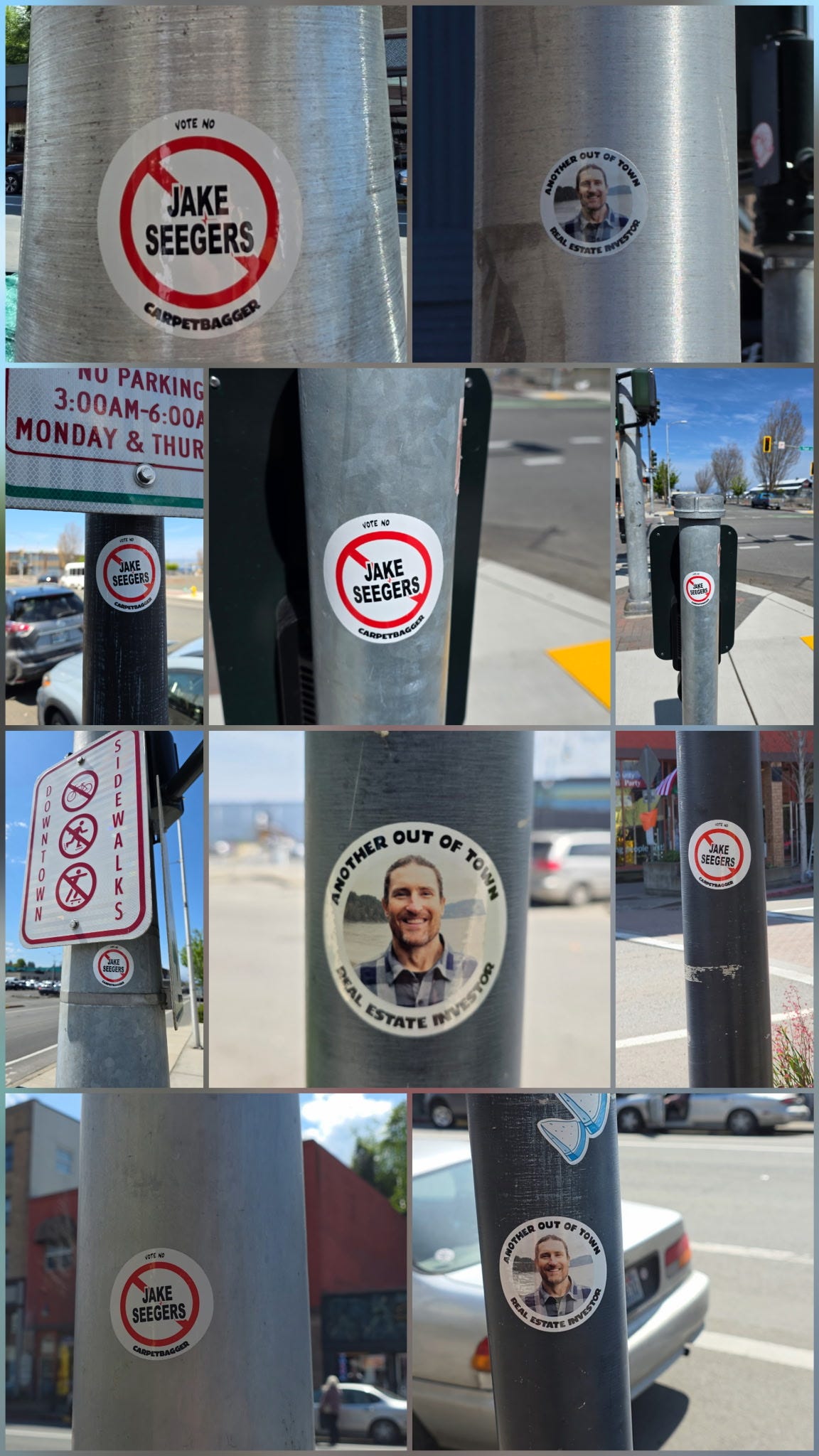
What may surprise readers is how many of the clues leading people toward the same names were hidden in plain sight — in past news articles, protest coverage, and public statements.
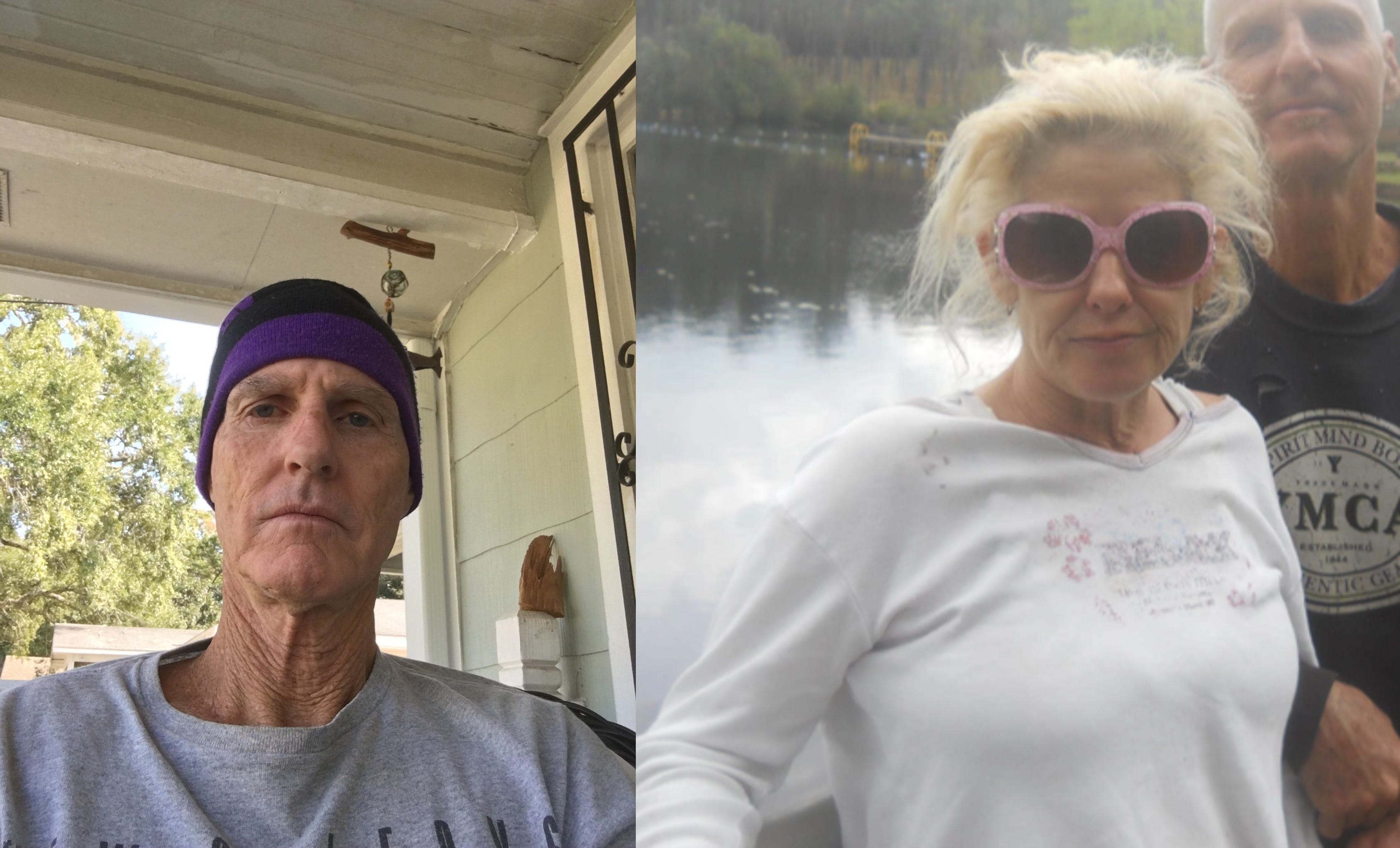
To be absolutely clear, CC Watchdog is not accusing anyone of placing the stickers. But many readers independently reached the same conclusions after reviewing publicly available photographs, activist activity, and prior statements.
And the similarities are difficult to ignore.
The Man in the Keffiyeh
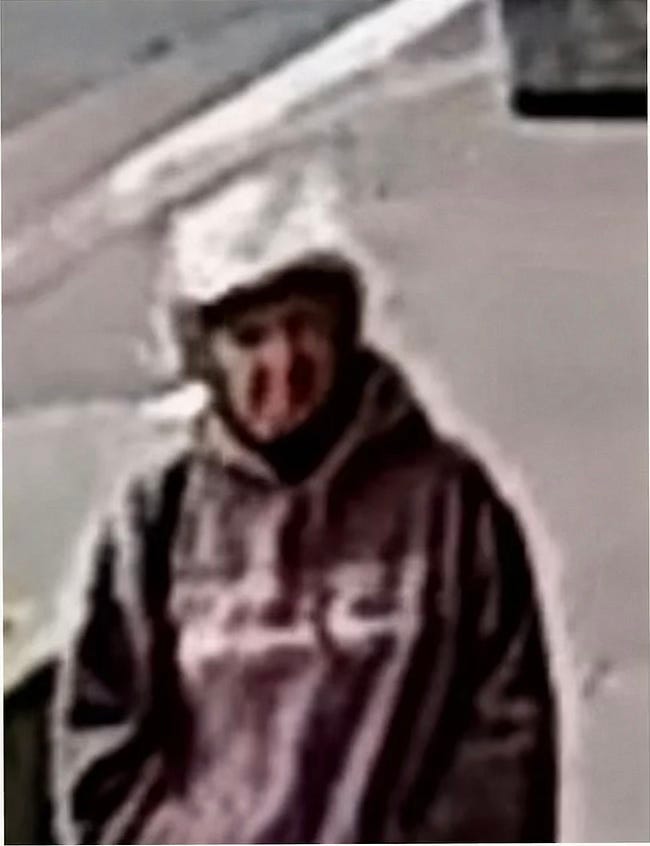
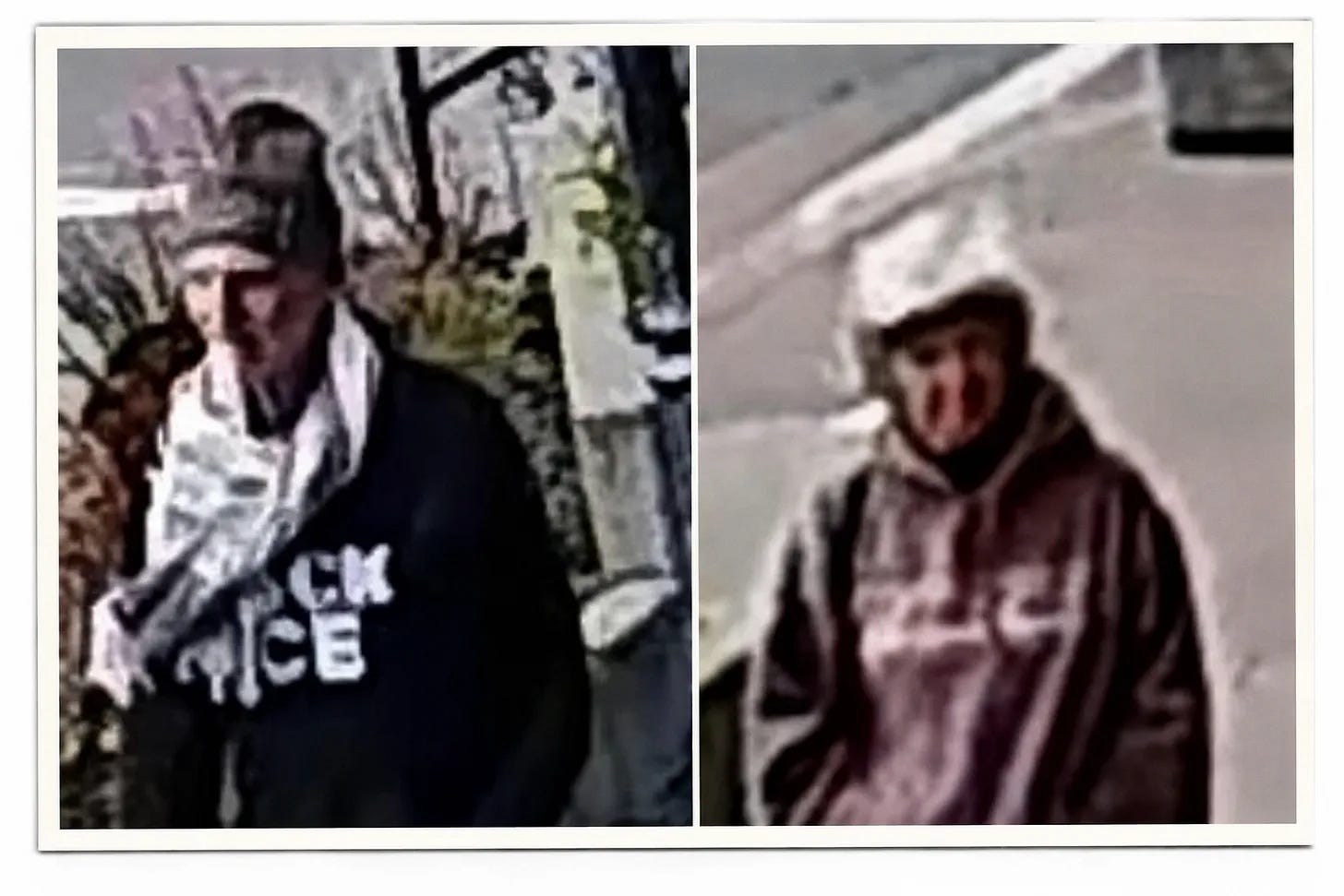
One of the most noticeable details in the sticker footage is the scarf worn by the male suspect: what appears to be a black-and-white keffiyeh.
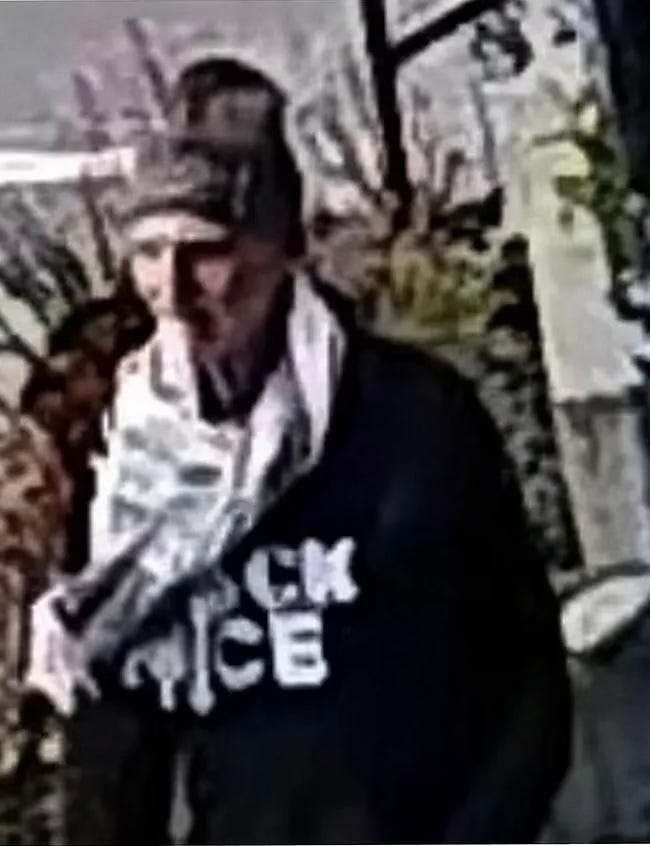
The keffiyeh is a traditional Middle Eastern scarf commonly associated with Palestinian nationalism and activism. While it is worn for many reasons, readers immediately connected it to a familiar local activist they had seen photographed wearing one before.
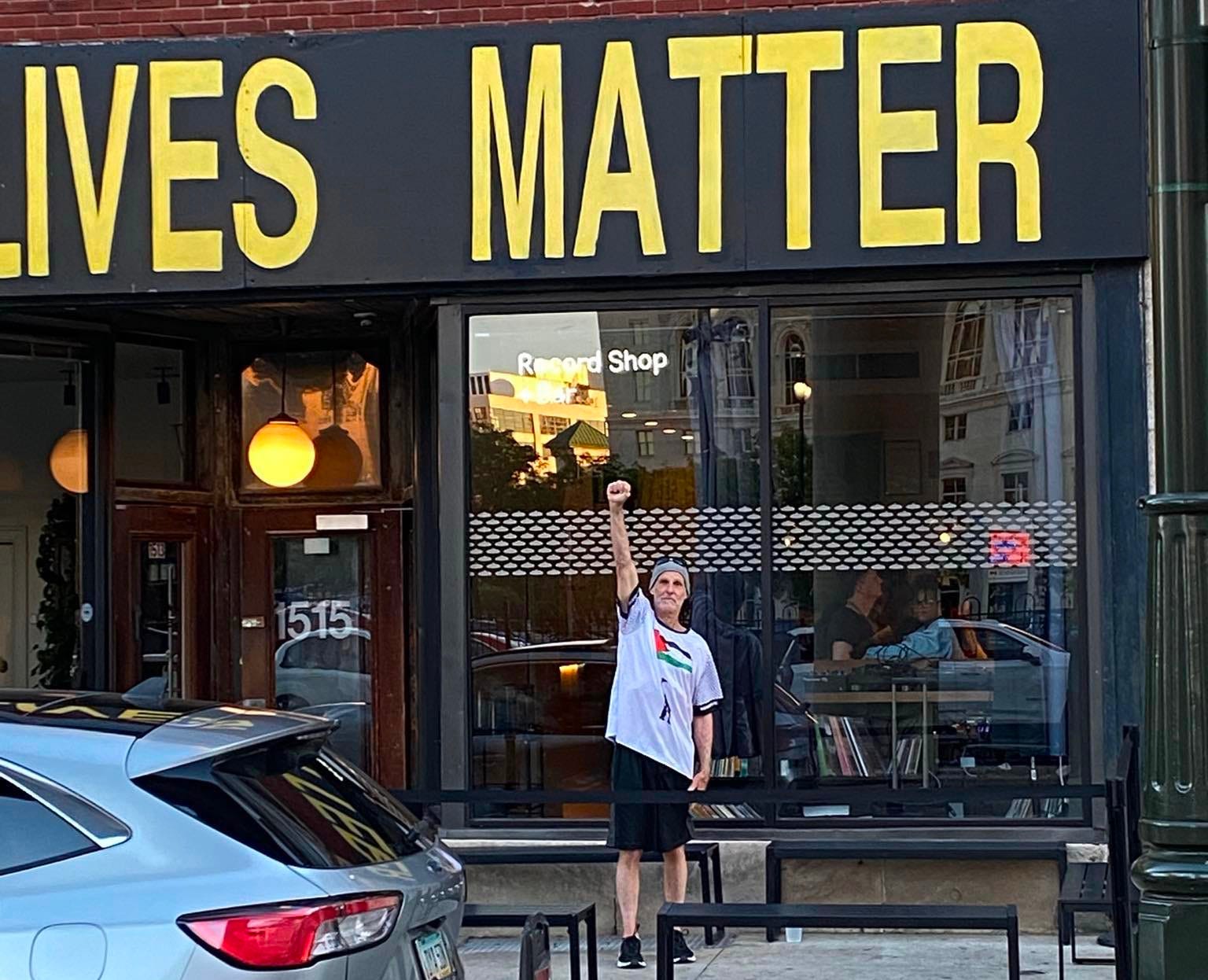
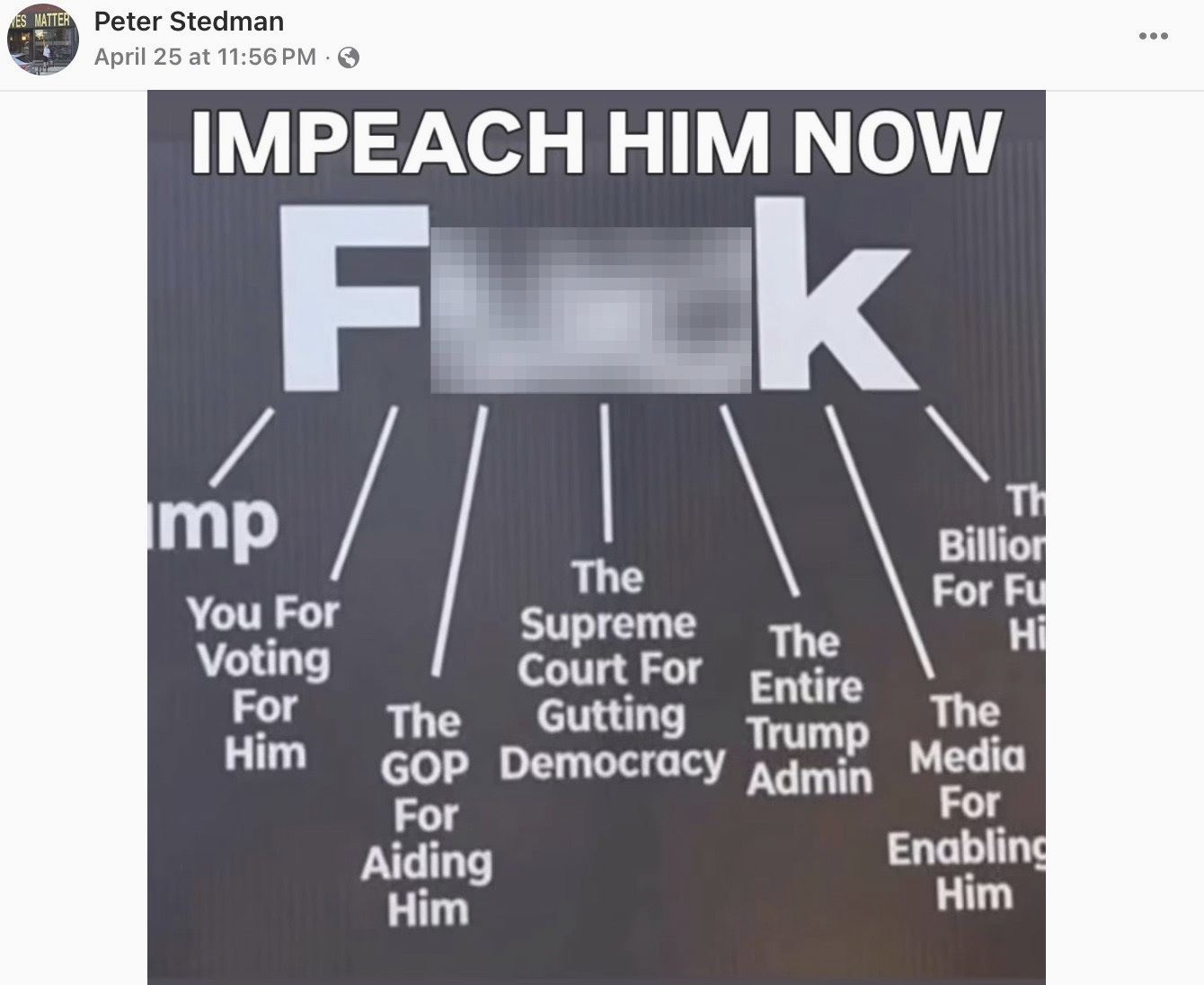
That man is believed by many readers to be Peter Stedman.
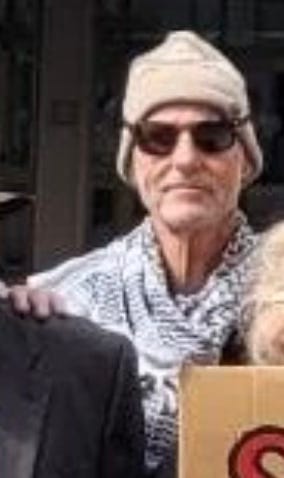
Stedman previously appeared in coverage surrounding the removal of Department of Natural Resources boundary markers connected to the Doc Holiday timber sale. According to reporting by Troublemakers Community, Stedman delivered removed DNR markers to Olympia as part of a protest action.
The removal of the markers was also documented in a Seattle Times video which featured Stedman .
Readers quickly noticed another detail.
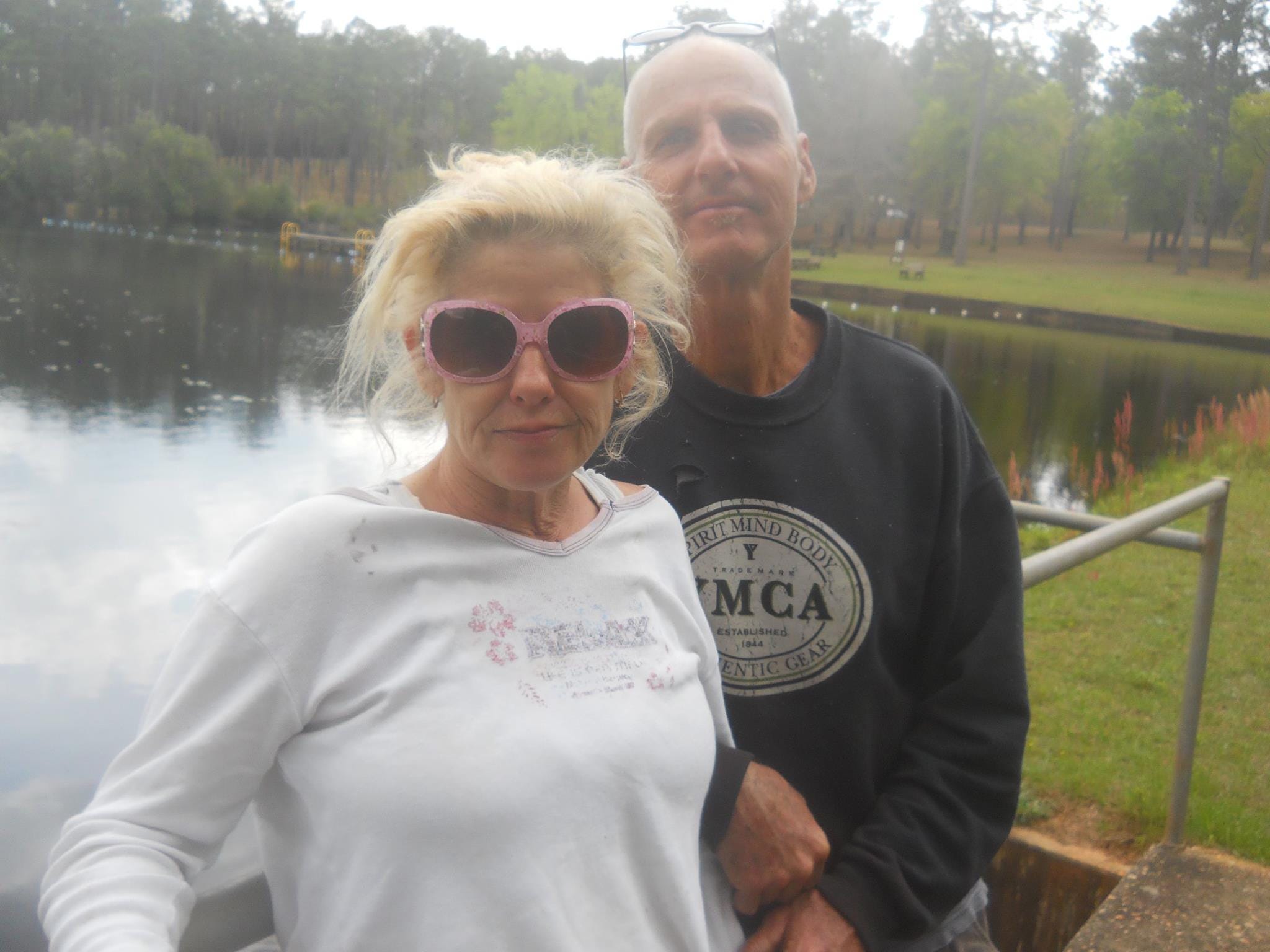
Standing alongside Stedman in photos connected to the protest was Alexandria Fermanis.
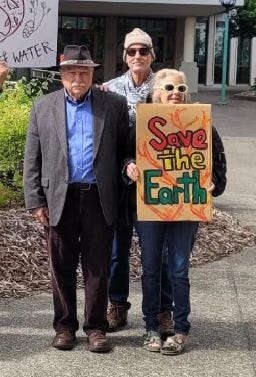
According to Clallam County property records, the two share ownership of a home in Port Angeles.

That connection fueled further speculation online.
“I’m Going to Do Everything Within My Power”
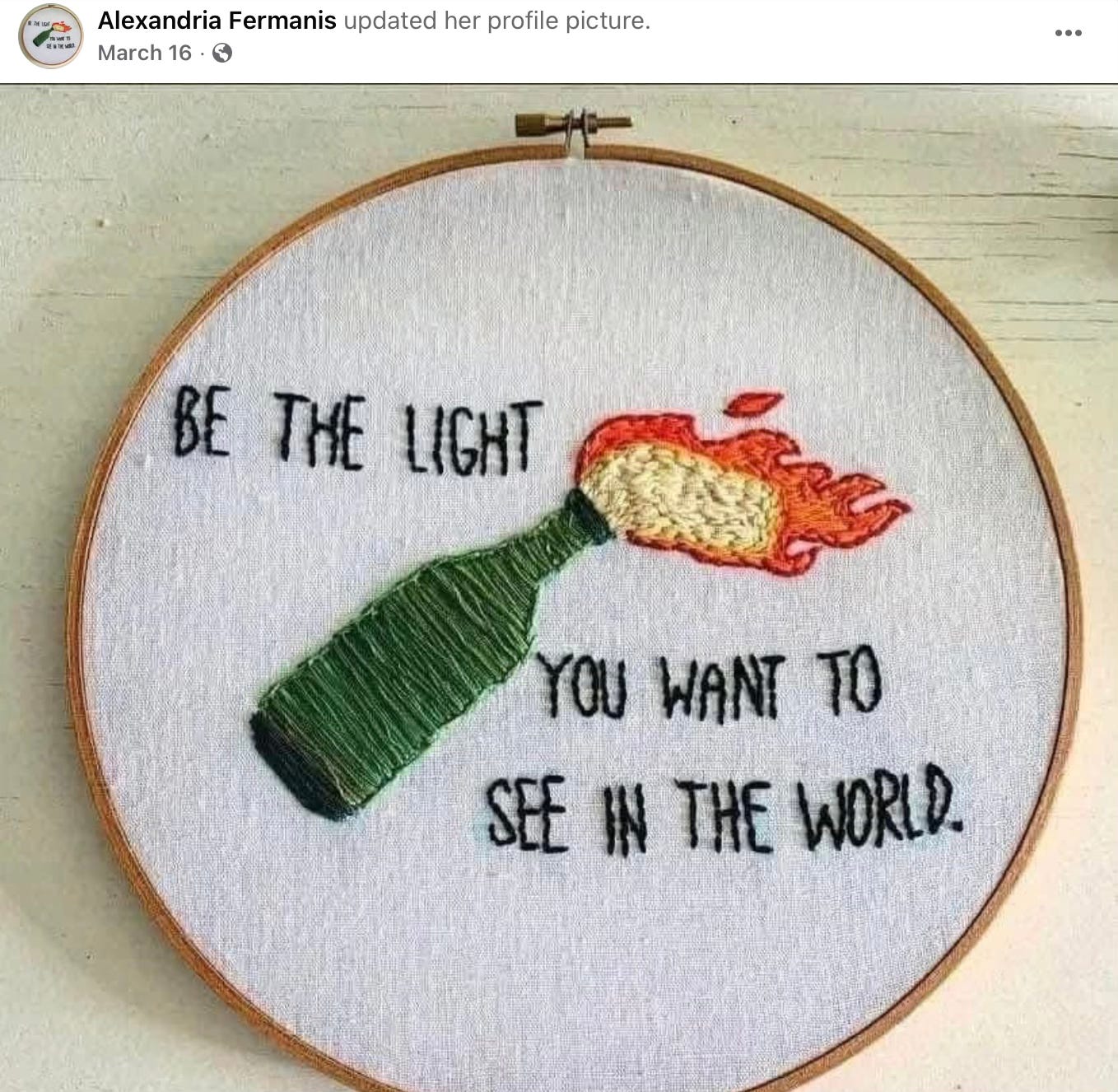
Fermanis has become a controversial public figure due to political activism and inflammatory social media commentary. She previously drew attention after publicly mocking the assassination of Charlie Kirk, generating backlash that extended beyond Clallam County.
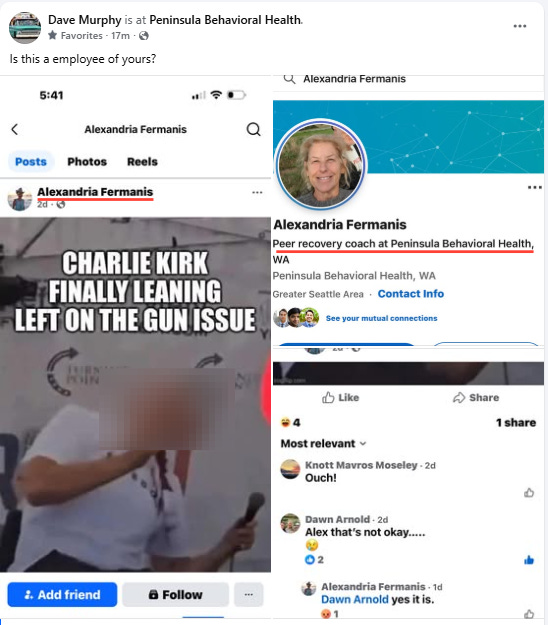
She worked as a recovery coach at Peninsula Behavioral Health before later moving to the Olympic Peninsula Community Clinic, where County Commissioner Mike French served as president.
More recently, Fermanis emailed County Commissioner candidate Jake Seegers with a blunt political warning:
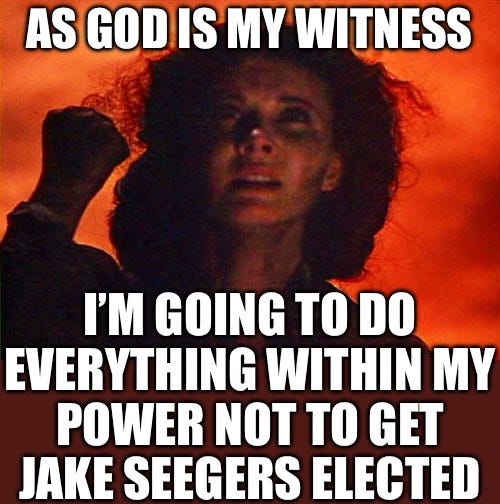
“I’m going to do everything within my power not to get you elected.”
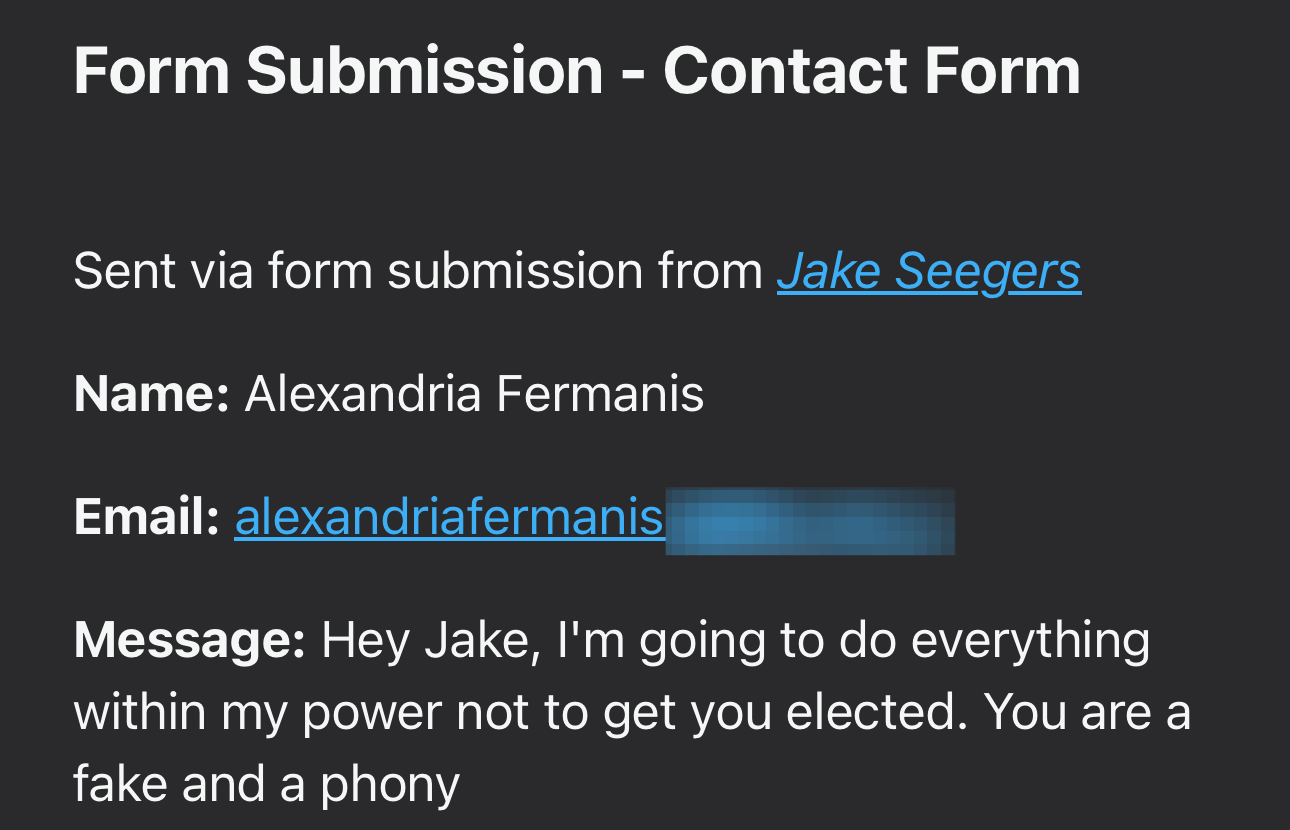
That statement is now being revisited by readers asking whether the sticker campaign could be part of that effort.
To Clallamity Jen’s credit, her blog publicly theorized that Alexandria Fermanis may have been behind the sticker campaign before photographs from the incident were ever published.
“Now, considering it was only on April 22, 2026, in the CC Watchdog article, Shine a Light, Become a Target, that a form submission to Jake Seegers was published:
And then 10 days later on May 2, 2026, this gets published on CC Watchdog (thanks to Mitch Zenobi for supplying the images):
Now, I’m not saying the two events are connected.
I’m sure it’s a complete and total coincidence that someone would say they will do everything in their power to not get Jake elected, and then these anti-Seegers stickers just show up.
However, if the events are connected, it’s a bold statement on the blundering minds involved in such a brainless smear campaign.”
After the images later surfaced online, many readers said the clothing, appearance, and activist connections only intensified the speculation already circulating in local political circles.
Again, there is no direct public evidence tying either individual to the stickers. But many readers say the similarities in appearance, ideology, activist history, and prior statements are what led them to suspect the pair.
When contacted for comment, Fermanis responded:
“I can’t comment on something I know nothing about sir.”
The “Outsider” Contradiction
One of the more ironic details is that the man in the footage appears to be wearing a sweatshirt reading “F*** ICE” — a slogan commonly associated with opposition to immigration enforcement and support for more permissive border policies.
The contradiction is difficult to ignore.
On one hand, activists in these circles often advocate for open-border policies, sanctuary-style governance, and reduced immigration enforcement. On the other hand, the stickers attack Jake Seegers as a “carpetbagger” and an “out-of-town real estate investor.”
If newcomers moving into Clallam County are supposedly a problem, where exactly is the line drawn? Which outsiders are welcomed — and which are targeted?
The message appears less about opposing outsiders in general and more about opposing outsiders who challenge the county’s increasingly entrenched activist culture.
“It’s Just Stickers”?
Some residents say the sticker controversy matters less because the damage is minor.
But that misses the larger point entirely.
Recently, Commissioner Mike French defended placing stickers on public property during a public meeting, saying, “I think it was just a fun thing that I did.” Commissioner Mark Ozias supported the sentiment by framing the act as protected free speech.
That’s not protected by the First Amendment.
There is a major difference between free speech and defacing public property — especially when city workers, volunteers, and small business owners are left scraping adhesive residue off windows, signs, poles, and buildings.
To many residents, this is not about one sticker.
It is about whether political activists believe the rules simply do not apply to them.
The DNR Marker Controversy Still Lingers
The sticker controversy immediately revived questions surrounding the earlier DNR boundary marker incident.
Video footage showed activists removing public boundary markers connected to the timber sale dispute. Obvious criminal conduct occurring on camera.

Yet no prosecution ever materialized locally.
Clallam County Prosecuting Attorney Mark Nichols stated:
“I made the decision to outsource this case to minimize the appearance of impropriety.”
The matter was referred to Prosecuting Attorney Chad Enright in Kitsap County.
Since then, the case appears to have vanished into a black hole.
Recent questions sent to Kitsap County about the status of the case have gone unanswered.
When activists remove public markers, celebrate it publicly, appear in media coverage, and still avoid prosecution, we begin to wonder whether justice in Clallam County depends less on what was done — and more on who did it.
If the same individuals are involved in the sticker incidents, it may represent an escalation in behavior emboldened by the lack of accountability in prior cases.
After all, if activists believe there are no consequences, why would they stop?
The argument many residents are now making is simple: if someone gets away with what critics considered felony-level vandalism involving public land and taxpayer resources, why would lesser acts like sticker campaigns or political harassment feel off limits?
Critics say the same logic applies to Fermanis’ warning to Seegers that she would do “everything within my power” to stop his election. If the individuals involved believe there are no meaningful consequences socially, politically, or legally, then escalation becomes predictable.
The Rise of the Activist Class
To many longtime residents, the sticker saga is not an isolated controversy.
They see it as part of a broader activist culture increasingly intertwined with local government, advisory boards, nonprofits, and public institutions.
They point to figures like Jim Stoffer becoming embedded in local civic groups and public-facing organizations.
They point to activist appointments to county committees and boards.
They point to organizations influencing policy from behind layers of nonprofits, advisory committees, and “community partnerships” that ordinary taxpayers often struggle to follow.
Critics point to examples such as League of Women Voters activist Patrice Johnston being appointed to the Developmental Disabilities Advisory Committee, or Rae Heselbach — founder of an activist organization opposing the reopening of Towne Road — being elevated into county-facing civic discussions.
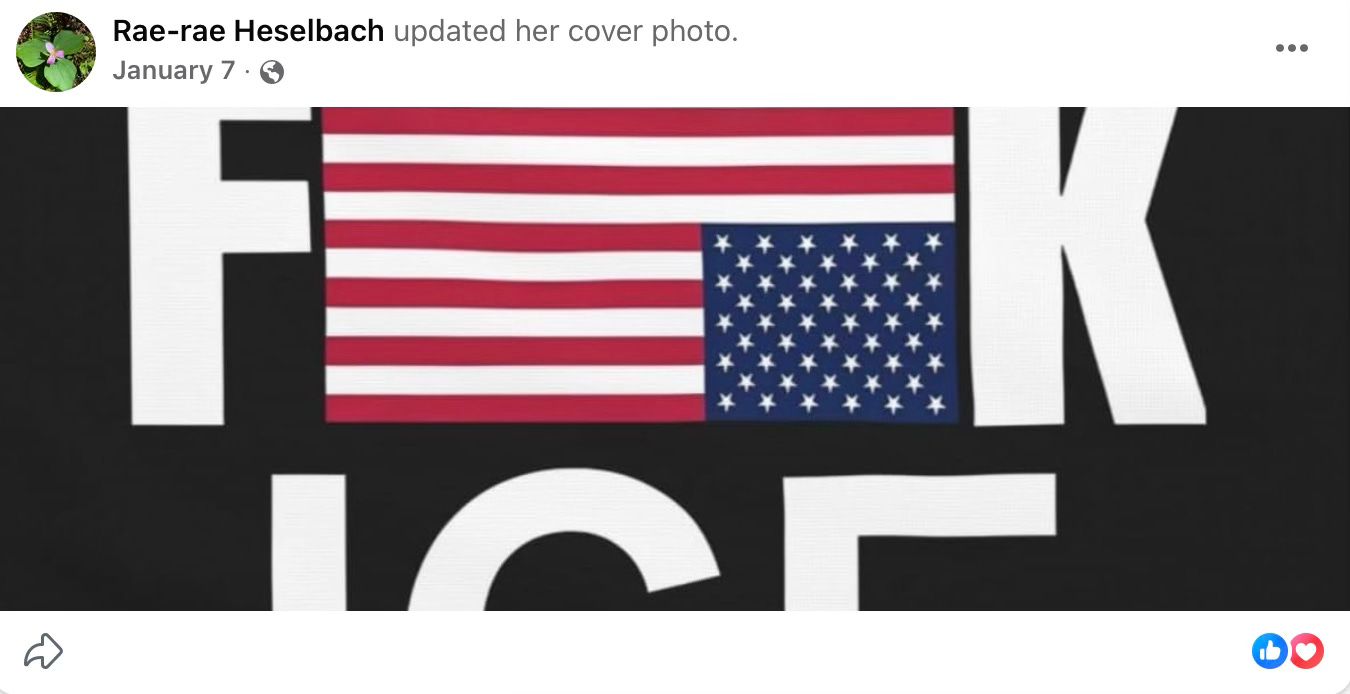
Others point to the growing overlap between environmental activism, nonprofit advocacy groups, and public advisory boards. Residents frequently mention figures connected to SisterLand Farms, League of Women Voters activism, and the Marine Resources Committee, including LWV activist Ann Soule, who has advocated for evicting residents from portions of 3 Crabs because of environmental concerns.
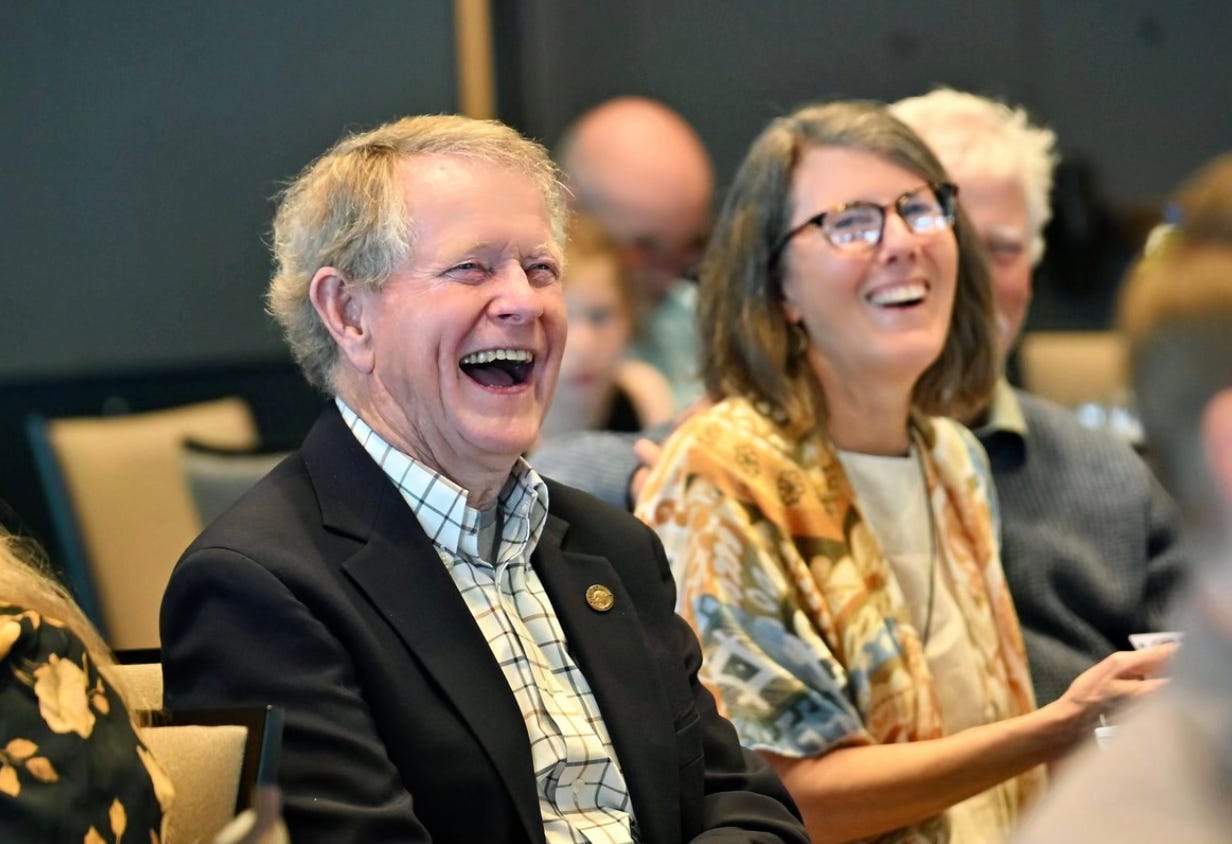
To critics, these are not isolated examples.
They believe Clallam County is increasingly governed by an interconnected activist class that rotates between nonprofits, advisory boards, political campaigns, and public institutions while ordinary residents struggle to have their voices heard.
And they argue the result is a political culture where activism is rewarded, accountability is selective, and common sense increasingly takes a back seat to ideology.
Call to Action
Residents who want answers regarding the DNR boundary marker case may wish to contact two prosecuting attorneys:
Mark Nichols — mark.nichols@clallamcountywa.gov
Chad Enright — CEnright@kitsap.gov
Citizens may wish to respectfully inquire about:
the current status of the case,
whether charges were ever considered,
and why a publicly documented incident involving alleged vandalism of public property appears unresolved nearly a year later.
More Than Stickers
And maybe that is the real story here.
Not the stickers themselves.
Not even the speculation over who placed them.
The deeper issue is the growing feeling among Clallam County residents that there are now two different standards of accountability: one for ordinary citizens, and another for a politically connected activist class that increasingly moves between nonprofits, advisory boards, government committees, protest movements, and local political circles without consequence.
Residents watch activists remove government boundary markers and walk away without charges.
They watch elected leaders commit vandalism and dismiss it as “fun.”
They watch ordinary concerns about public safety, public property, and basic accountability brushed aside as if the public is simply supposed to tolerate it all.
And they are beginning to ask a very uncomfortable question:
Who is actually running Clallam County anymore?
Because if activists can openly target political opponents, damage public property, celebrate disruptive conduct, and still maintain influence inside the very institutions shaping county policy, many residents believe the problem goes far beyond a few stickers downtown.
To them, the stickers are simply a symptom.
The real issue is a political culture where ideology increasingly outweighs accountability — and where many ordinary citizens no longer feel represented by the people and organizations claiming to speak for the community
Today’s Tidbit: Meet Jake This Sunday
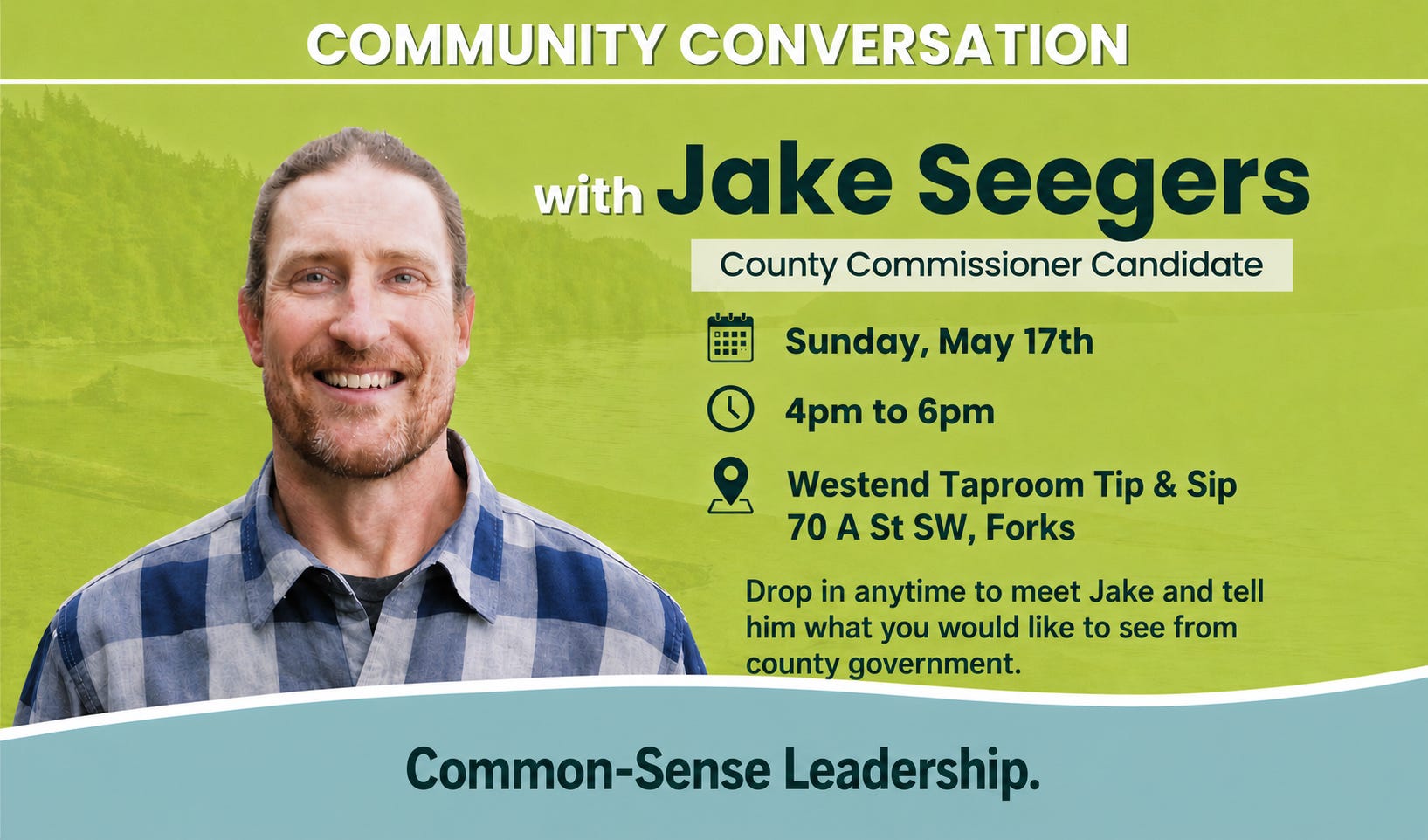
This Sunday, come meet Clallam County commissioner candidate Jake Seegers at the Westend Taproom Tip & Sip.
Grab a pint, enjoy a panini, sign the petition to reopen Hot Springs Road into Olympic National Park, and share your thoughts about what you want to see from county government.
If you like what Jake has to say, yard signs will also be available to take home.
Join us this Sunday, May 17th, at the Westend Taproom Tip & Sip in Forks starting at 4pm. We look forward to seeing you there.
The commissioners did not respond to yesterday's email asking about the $118,000 allocated to the Safe Parking program. Nor has Viola Ware of OlyCAP has not responded to questions posed 3 days ago. Here is today's email to the county commissioners:
Dear Commissioners,
This article brings to mind events from approximately 2.5 years ago involving the Towne Road controversy, when Commissioner Mark Ozias supported efforts to investigate supporters of Towne Road over allegations of harassment, bullying, stalking, trespassing, and intimidation. At the time, the Prosecuting Attorney’s Office and Sheriff’s Office became involved despite a lack of evidence substantiating those claims.
Today, however, we appear to have actual video evidence, photographs, and a growing list of clues regarding individuals allegedly damaging small businesses and public property downtown through coordinated sticker vandalism and related conduct.
Will the commissioners support a similarly serious investigation into these incidents?
Will the Prosecuting Attorney’s Office and Sheriff’s Office be encouraged to investigate these acts with the same urgency and concern previously shown during the Towne Road controversy?
Do the commissioners condemn the vandalism targeting local businesses and public spaces?
At what point does “activism” cross into intimidation, property damage, or coordinated harassment in the eyes of county leadership?
Both Commissioners Mike French and Mark Ozias have displayed personal or political stickers on county-owned laptops and have defended the practice as free speech or “just having fun.” If stickers placed on publicly owned county property are considered acceptable expressions of speech by elected officials, what standard is being communicated to the public?
Are ordinary citizens then free to place stickers throughout county buildings or the courthouse under the same rationale? If not, what is the distinction?
Do the commissioners believe elected officials modeling this behavior on taxpayer-funded equipment demonstrates leadership, or does it normalize conduct that contributes to the very issues now impacting downtown businesses?
Many residents are increasingly frustrated by what appears to be a double standard: one set of rules for officials and another for the public.
I would appreciate your thoughts and responses.
Good morning fellow Patriots,
The no Kings protests are getting more heated and now the smear campaign against Jake. They fear nothing because nothing happens to them. You’re exactly right if they don’t get prosecuted, they’re gonna get bolder. We will just keep fighting the good fight to get Jake Seegers elected the right way! Lord knows we have enough ammunition!
Wishing you all a wonderful safe weekend.