
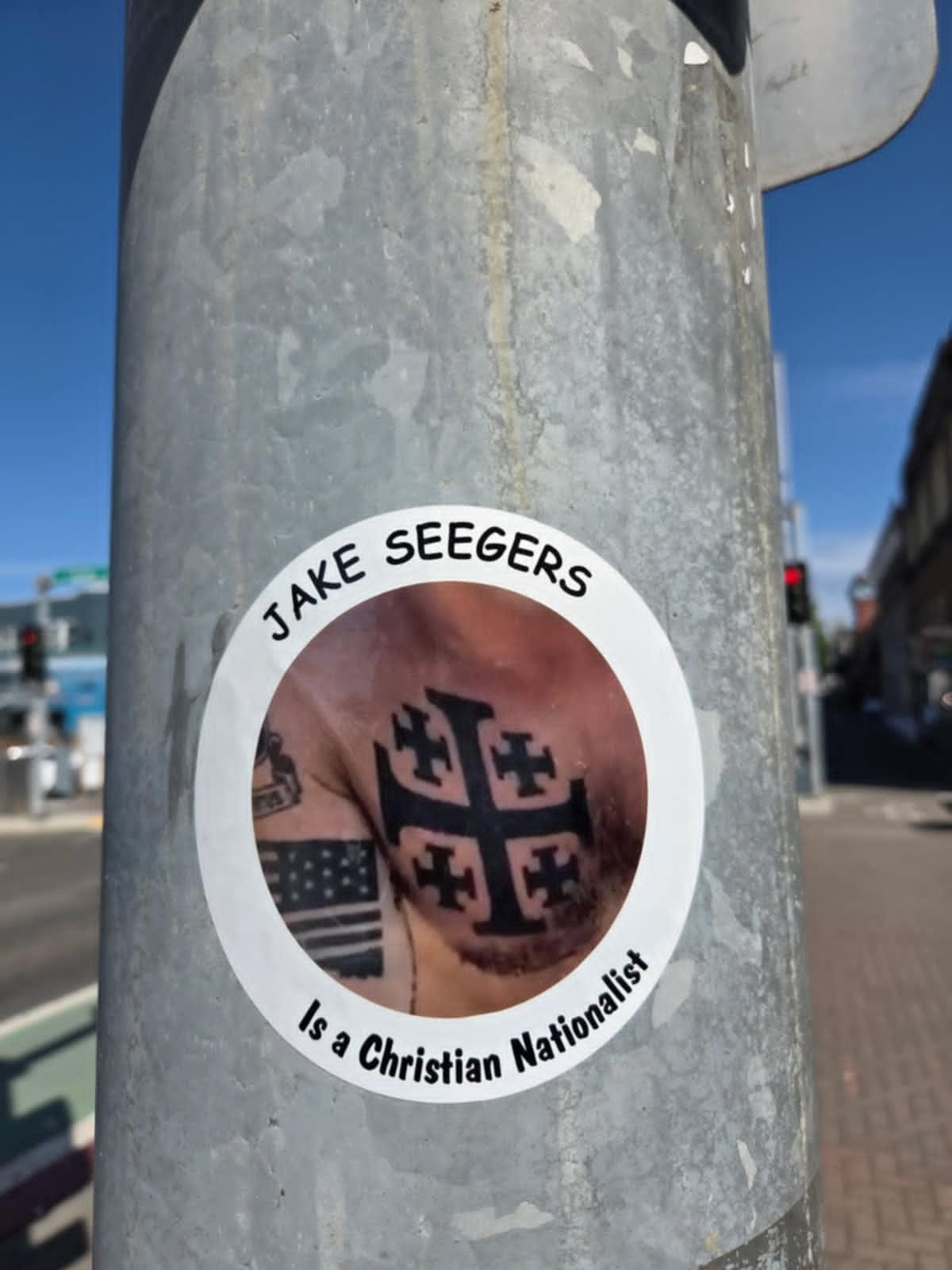
Tonight’s first debate between Mike French and Jake Seegers comes amid controversy after the official Clallam County Democrats Facebook page referred to Seegers as “Fake Jake.” As local politics grows increasingly personal, some voters may be wondering whether civility has become the first casualty of campaign season.
Tonight’s Debate
Tonight marks the first public debate between incumbent County Commissioner Mike French and challenger Jake Seegers.
Hosted by the Clallam County Democrats, the forum begins at 6:00 p.m. at Democratic Headquarters in Port Angeles and will also be available via Zoom and livestream.
📅 Monday, June 15
🕕 6:00 p.m. – 7:30 p.m.
📍 Clallam County Democratic Headquarters
124 W. First Street
Port Angeles
💻 Zoom
https://us06web.zoom.us/j/87528120754?pwd=ARhC4vRSKdiaNX8v6b444afOFXA8fI.1
Meeting ID: 875 2812 0754
Passcode: 597621
According to the forum rules, each candidate will receive opening statements, rebuttal opportunities, audience questions, and closing remarks. Questions may come from those attending in person, Zoom participants, or individuals who submitted them in advance.
The Comment That Started It
As election season heats up, the Clallam County Democrats have also been encouraging voters to read Paul Pickett’s profile of Mike French.

One exchange on the party’s official Facebook page caught people’s attention over the weekend. A commenter remarked that he thought Mike French was an independent.

The official response from the Clallam County Democrats was:
“You’re thinking of Fake Jake, the fake independent.”

It’s a curious response coming from the organization hosting tonight’s debate.
Whether you support French, Seegers, or neither, publicly mocking one of the candidates days before welcoming him onto your stage is not exactly a gesture of neutrality or goodwill. Imagine if a moderator opened a forum by giving one participant a nickname. Most people would find it unprofessional.
When Politics Becomes Personal
Unfortunately, it also feels emblematic of the broader direction of local politics.
Over the past several years, political disagreements in Clallam County have increasingly become personal. Rather than debating ideas, budgets, policies, or priorities, the conversation often devolves into accusations about motives, character, and identity.

Name-calling has become routine.

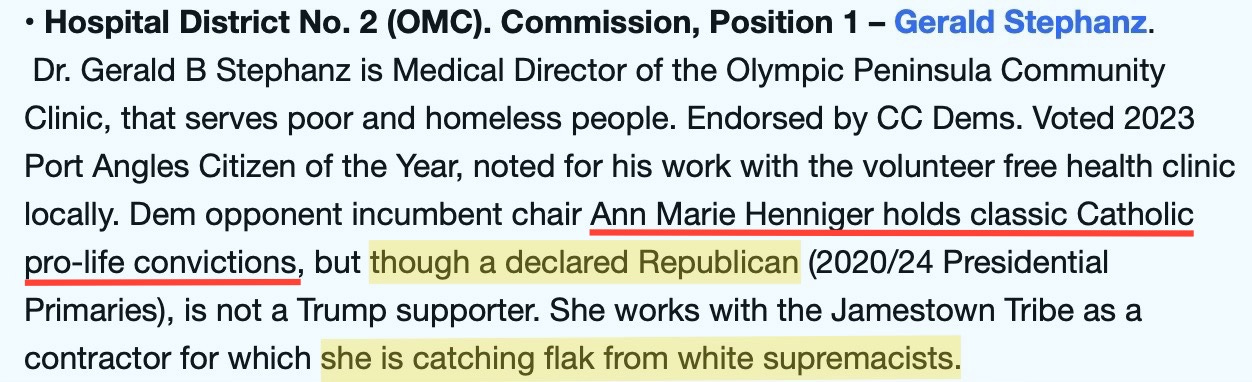
Activist groups encourage opposition to candidates based on personal beliefs.
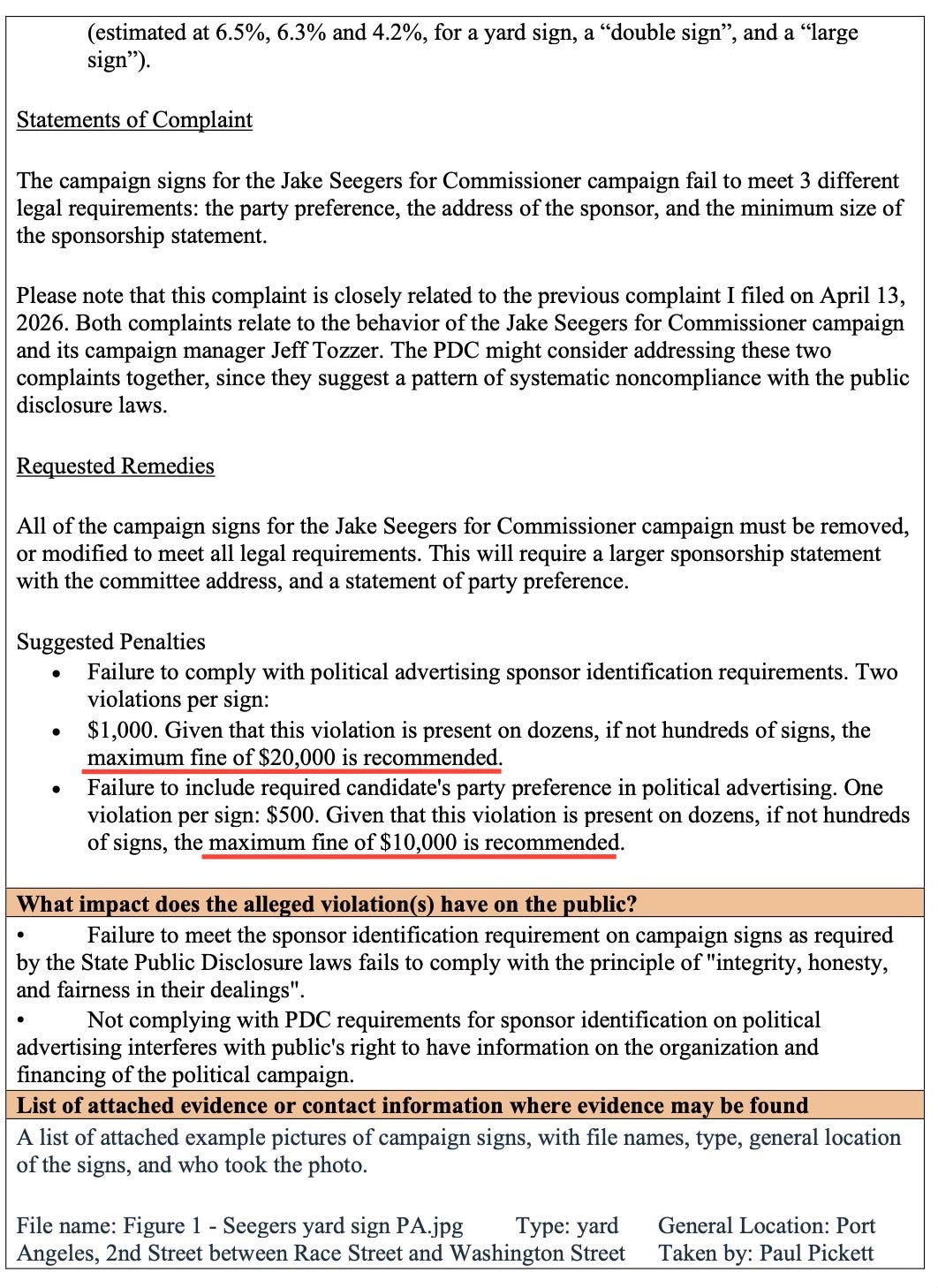
Complaints are filed over technicalities.
Political opponents are treated less as neighbors with different views and more as enemies to be defeated.
A New Substack Takes Aim at the Watchdog
Local resident Marcos Osorio expressed support for Mike French and wrote that he hoped French could “shut Jeff Tozzer’s big mouth.”

He then linked readers to a newly created Substack publication that was launched earlier that day.
The article, titled The Watchdog That Doesn’t Watch Itself, levels a long list of accusations against Clallam County Watchdog and its author, me. According to the author “Salsa Picante”, CC Watchdog promotes hatred toward tribes, transgender individuals, immigrants, schools, libraries, firefighters, and numerous other groups.
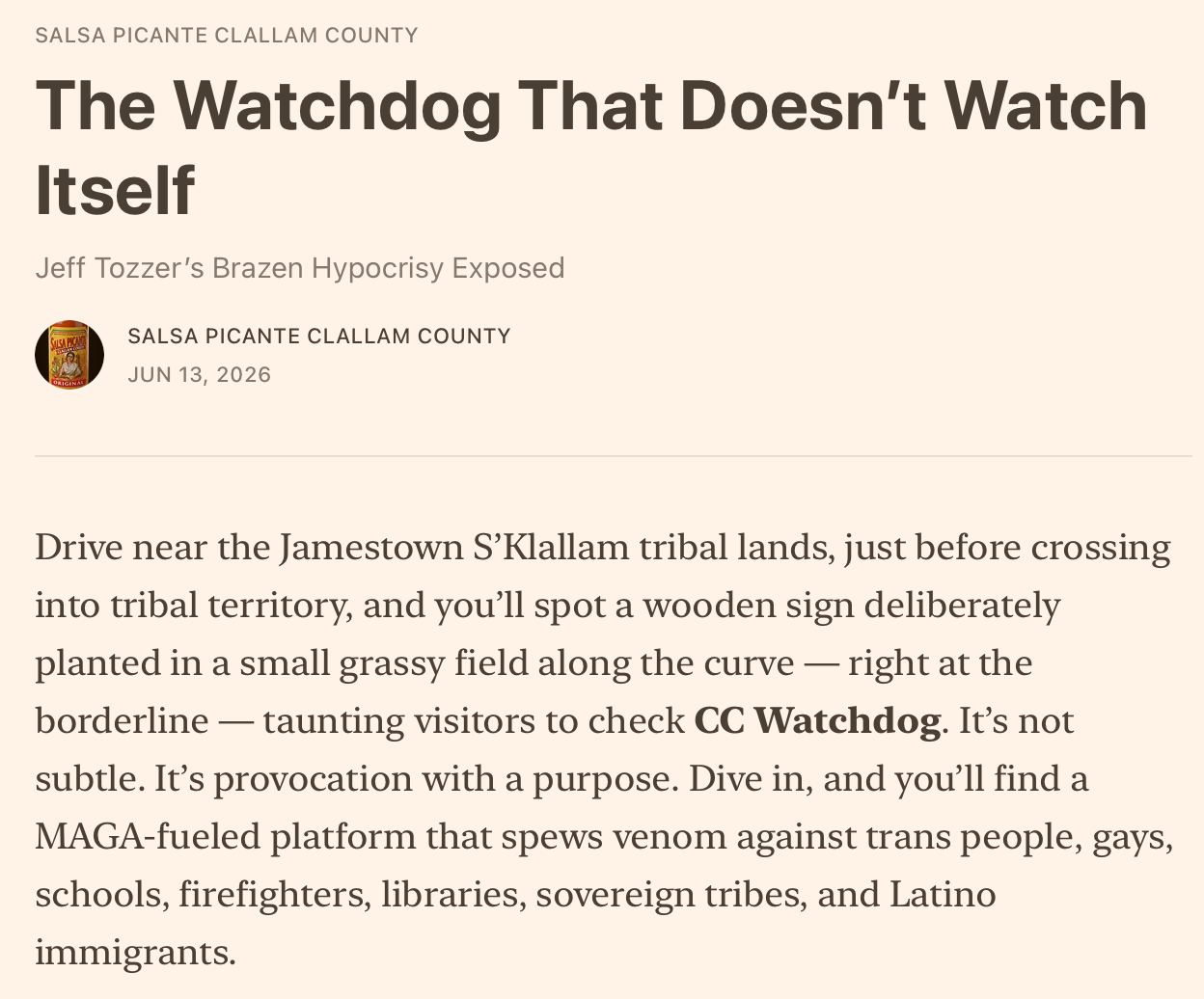
The problem is that the article largely skips over the part where evidence is supposed to be presented.
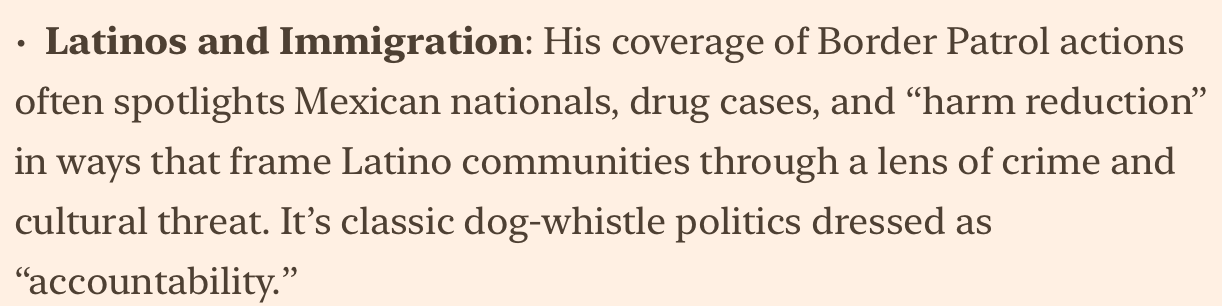
Readers are told these things are true, but are given few specific examples. There are no lengthy quotations. No documented patterns. No links to offensive articles. No serious effort to demonstrate the claims being made.
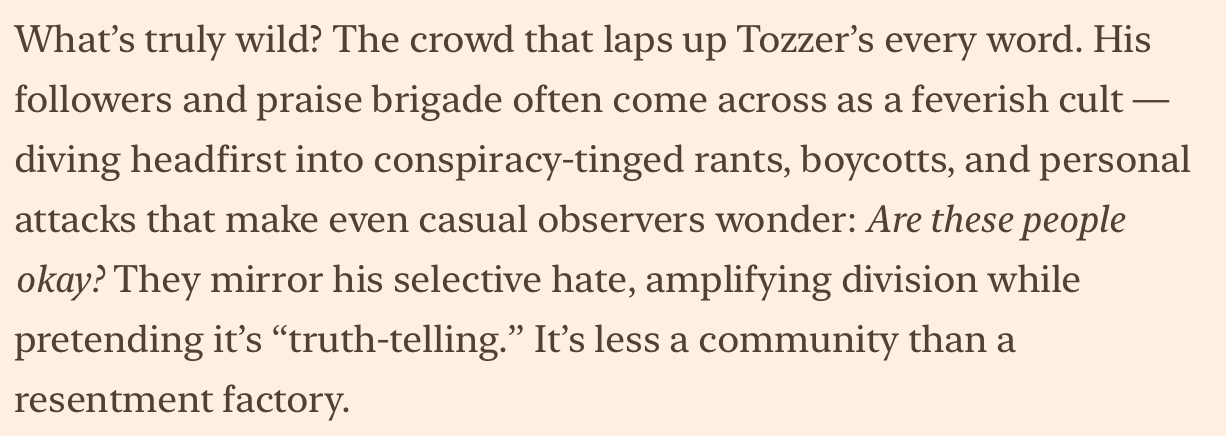
That’s a problem because accusations are easy. Proof is harder.
Questions Are Not Attacks
The irony is that democracy depends on people asking difficult questions, and that’s what CC Watchdog has been doing since 2023.
Mike French will be asked questions tonight. Jake Seegers will be asked questions tonight. The audience will ask questions. The moderators will ask questions.
No reasonable person would interpret every question as an attack. Questions are how voters evaluate candidates, how citizens hold government accountable, and how communities learn.
Yet increasingly, simply asking questions about public policy is treated as evidence of hostility.
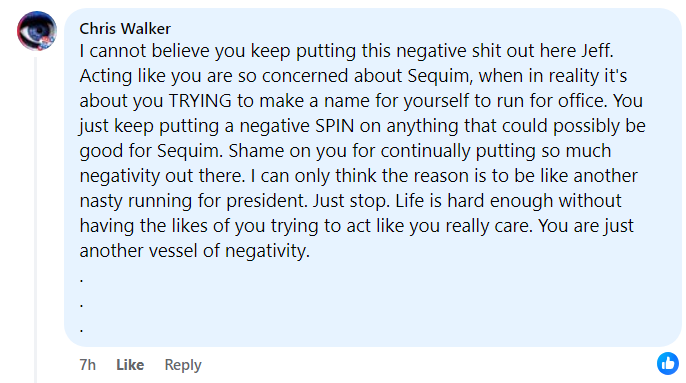
Part of the problem may be that we’ve become less accustomed to seeing those questions asked in the first place. For generations, journalists attended meetings, reviewed records, challenged official statements, and asked questions on behalf of the public. Politicians expected scrutiny. Government agencies expected scrutiny. Public institutions expected scrutiny. It wasn’t controversial—it was the job.
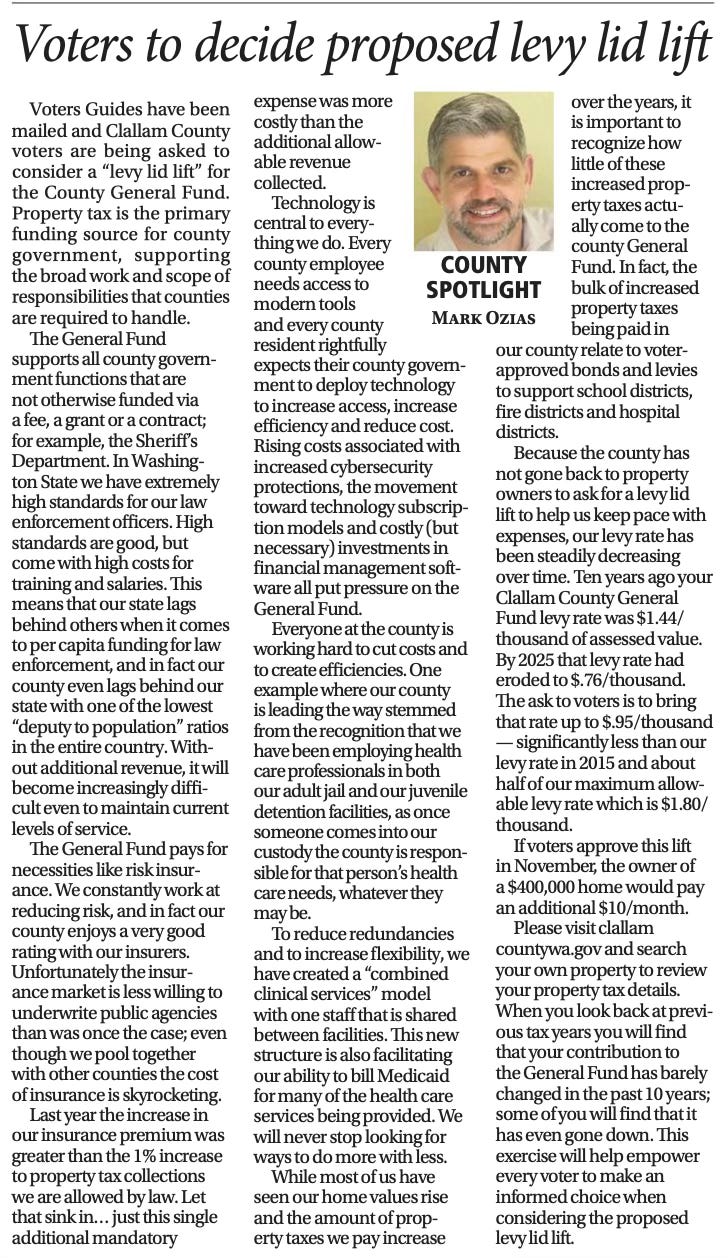
Today, much of local media has shifted away from that role. Newspapers increasingly publish press releases and guest columns from elected officials.
Feel-good stories promoting the work of government agencies and nonprofit organizations, written by the NGOs themselves, are now commonplace.
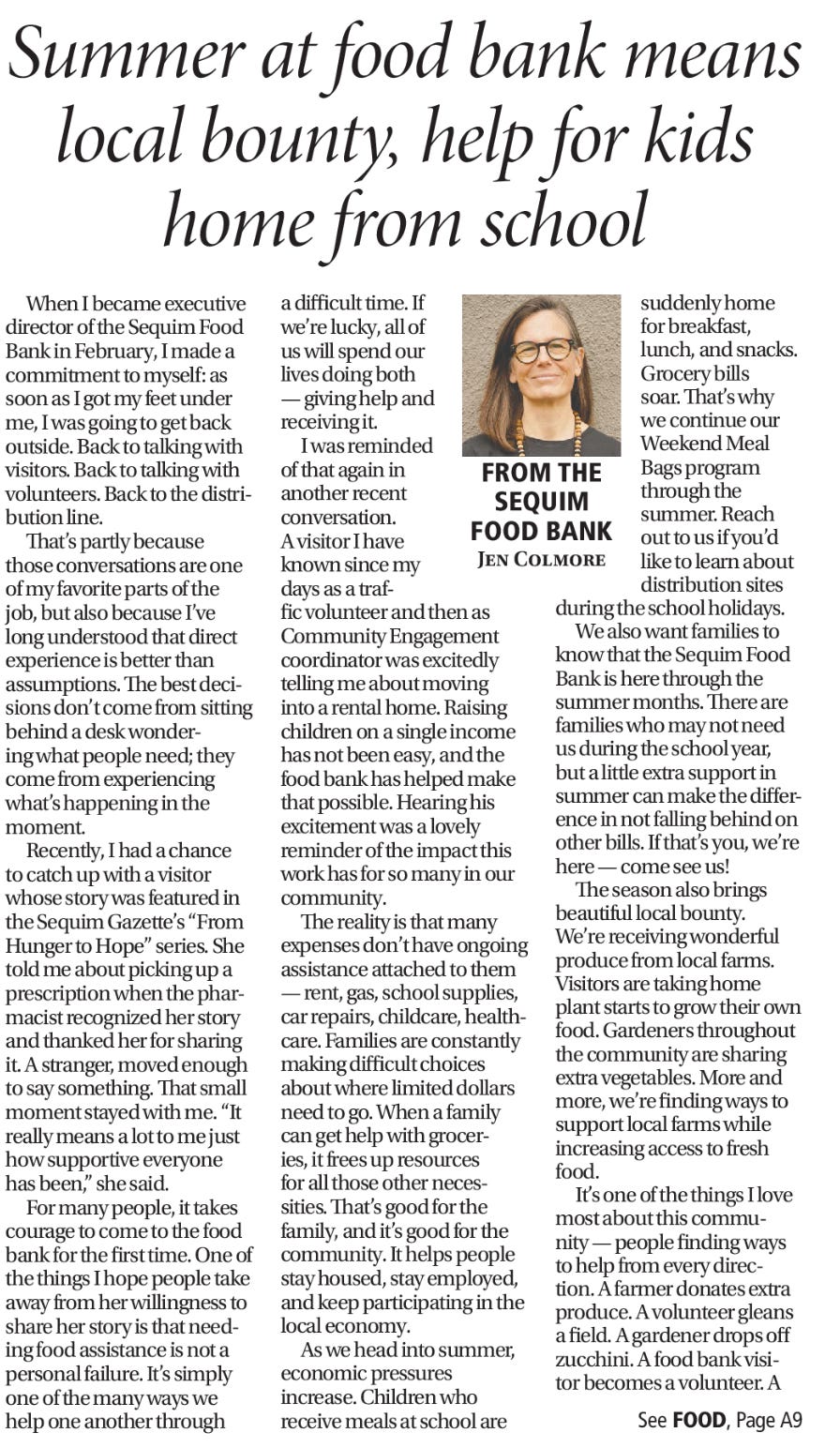
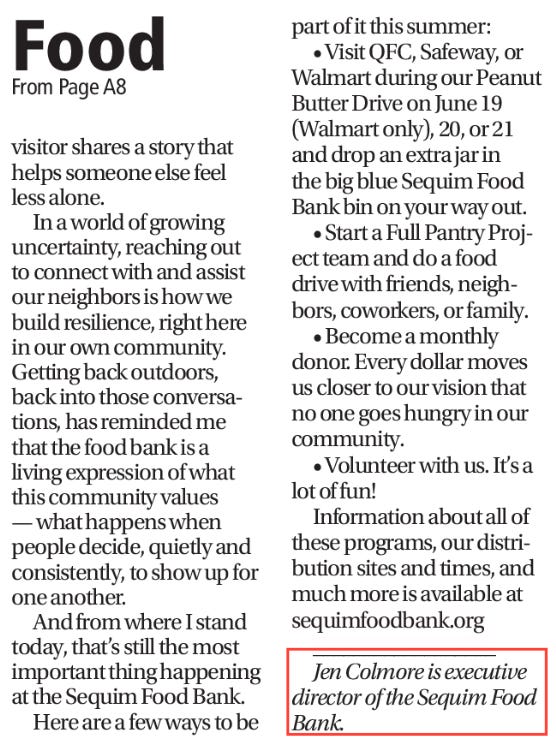
Those stories have value, but they are not a substitute for accountability journalism.
When people spend years consuming coverage that rarely challenges those in power, an article that asks difficult questions can start to feel unusual—even threatening. But asking questions is not hostility. It is the foundation of both journalism and self-government.
Pick up a local newspaper from fifteen or twenty years ago, and you’ll find reporters routinely pressing public officials, digging into controversies, and following uncomfortable facts wherever they led. Nobody considered that behavior extreme. It was simply expected.
Perhaps that’s why an independent voice asking questions can seem so foreign today. Not because the questions are inappropriate, but because genuine scrutiny has become increasingly rare.
Where Is The Evidence?
CC Watchdog has published nearly 700 articles and produced hundreds of podcasts covering local government, elections, taxation, tribal affairs, public safety, schools, libraries, healthcare, homelessness, and countless other topics. If someone wishes to argue that those articles contain hatred or bigotry, they should be able to point to specific examples and allow readers to judge for themselves.
Instead, criticism often becomes conflated with hate.
Questioning government spending is hate.
Questioning public policy is hate.
Questioning a public institution is hate.
Questioning elected officials is hate.
So, is questioning a gay blogger homophobia? At some point, these words lose their meaning. Criticism is not hatred.
A criticism of a library policy is not an attack on libraries.
A criticism of a government action is not an attack on government employees.
A question about tribal land acquisitions is not hatred of tribal members.
A question about immigration policy is not hatred of immigrants.
A democracy cannot function if every disagreement is automatically assigned a malicious motive.
What Are We Teaching People?
There is a growing contrast between what local institutions often claim to value and what we increasingly see in practice. We hear a great deal about inclusion, belonging, diversity, and creating welcoming spaces.
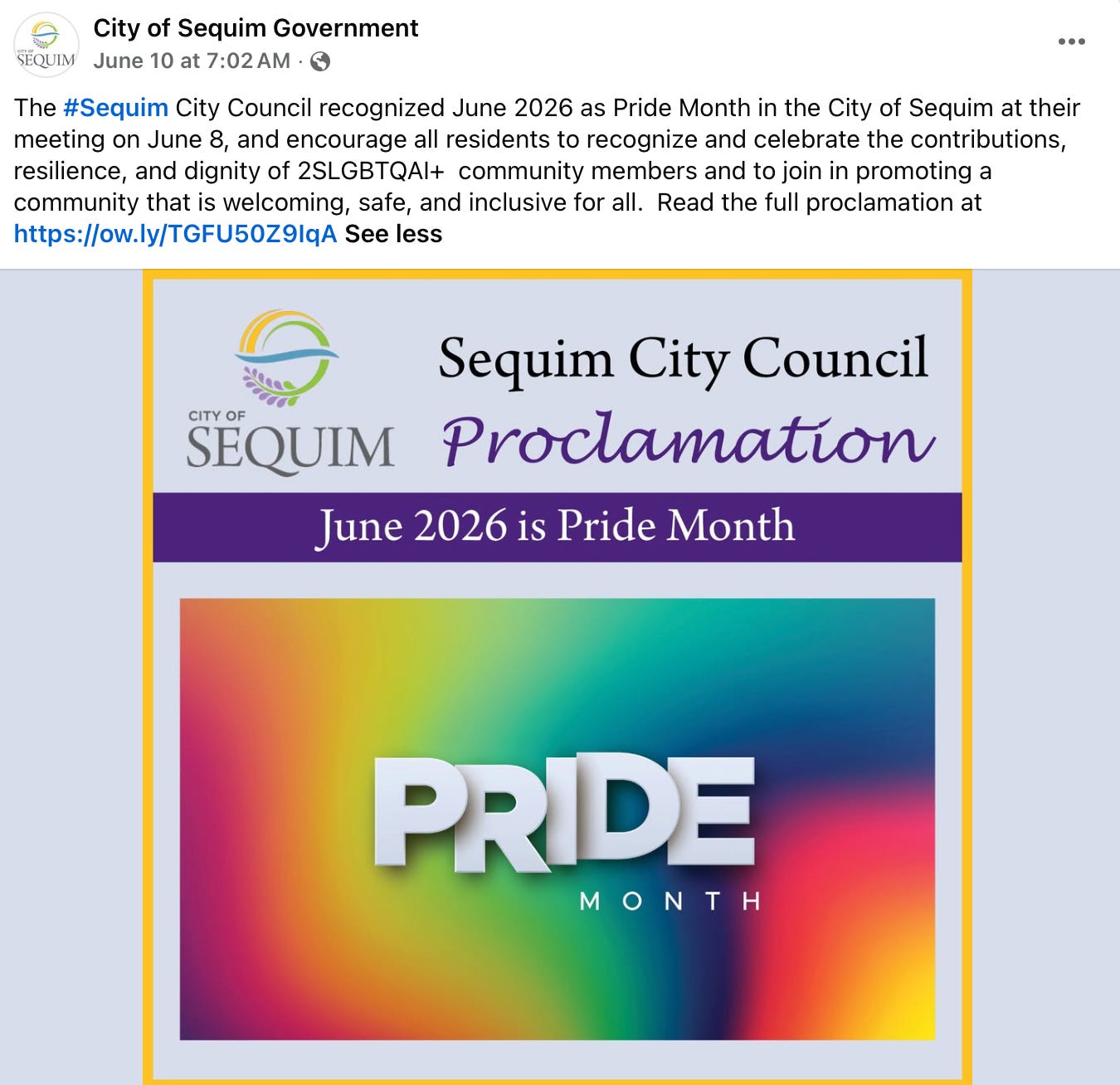
Yet public discussions frequently devolve into labeling, shaming, and dismissing people who hold different views. We celebrate dialogue while becoming less willing to engage in it.
What if we spent less time teaching people how to be offended and more time teaching them how to think critically?
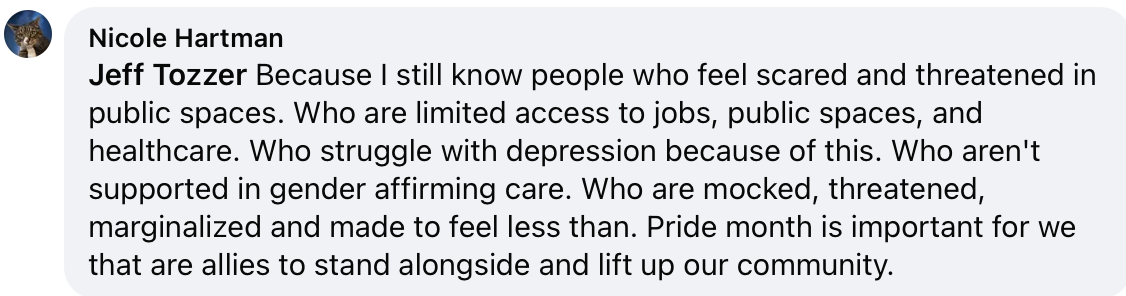
What if schools, libraries, political organizations, and local governments devoted more energy to fostering respectful disagreement and mature civic discourse?
What if asking a question wasn’t automatically interpreted as an attack?
Those are questions worth considering before tonight’s debate begins.
A Final Thought
When I saw the official Democratic Party page referring to one of the candidates as “Fake Jake” just days before hosting him, I found myself thinking about something I’d wondered just last week: would my mother still recognize today’s Democratic Party as the one she once supported?
After seeing the Clallam County Democrat’s post remain online, I think I know my answer.
Today’s Tidbit: A Call for a Citizen Journalist
The Clallam Conservation District is a public agency funded in part by taxpayers, including the recently approved $5 parcel fee. Its board meetings are open to the public and include a virtual attendance option, yet the meetings are not recorded and posted online for residents who cannot attend.
Several attendees have told CC Watchdog that important discussions often receive only brief treatment in the official minutes, leaving the public with little opportunity to see the full context of what was said. Whether or not you agree with those concerns, greater transparency benefits everyone.
That’s why we’re looking for a civically engaged volunteer willing to attend and record the Clallam Conservation District’s monthly board meetings, held on the second Tuesday of each month at 4:00 p.m. in Port Angeles. In many cases, this could be as simple as setting up a phone or tablet and letting it run for the duration of the meeting. Another option may be capturing the meeting while attending virtually, subject to any applicable rules and legal requirements.
If you’ve been looking for a meaningful way to get involved in local government, this is one. Public meetings belong to the public, and informed citizens are essential to accountable government.
If you’re interested, leave a comment or send a message to CC Watchdog. We’d love to hear from you. The next meeting is Tuesday, July 14, at 4:00 PM. Details here.