


Last week in Excelsior, Minnesota, County Commissioner Candidate Jake Seegers found a waterfront town that looks a lot like Port Angeles—except the storefronts were full, the trails were spotless, and no one was camping, dealing, or using drugs in public. The difference wasn’t luck or isolation. It was rules that get enforced, services that aren’t concentrated in one small city, and residents who still expect parks to be parks. If Excelsior can sit 20 miles from Minneapolis and refuse to surrender its downtown, Sundays With Seegers argues Port Angeles can stop treating outdoor living and open addiction as the only compassionate option.
Last week, I had the pleasure of attending my youngest brother’s wedding in Minnesota.
My entire family made it—my parents, my sister, my six brothers, their spouses, and my nephews and niece. For a few days, we all stayed together in an old guest house in downtown Excelsior, Minnesota.
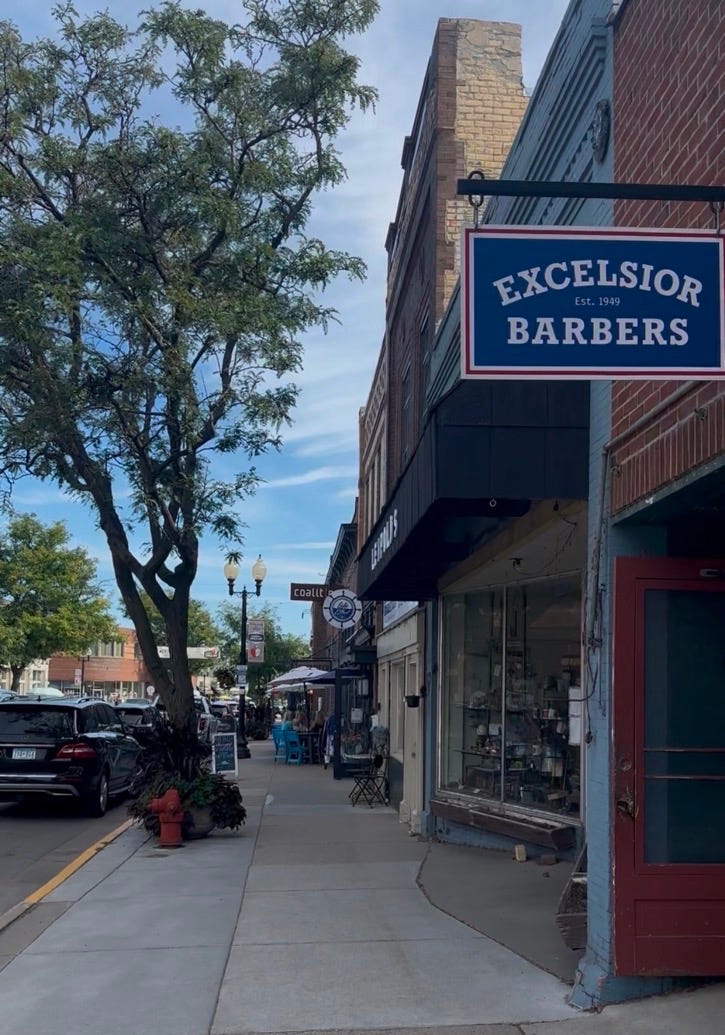
It was a wonderful week.
But as I walked, ran, ate, and shopped my way around Excelsior, I couldn’t stop thinking about home. In many ways, Excelsior reminded me of Port Angeles.
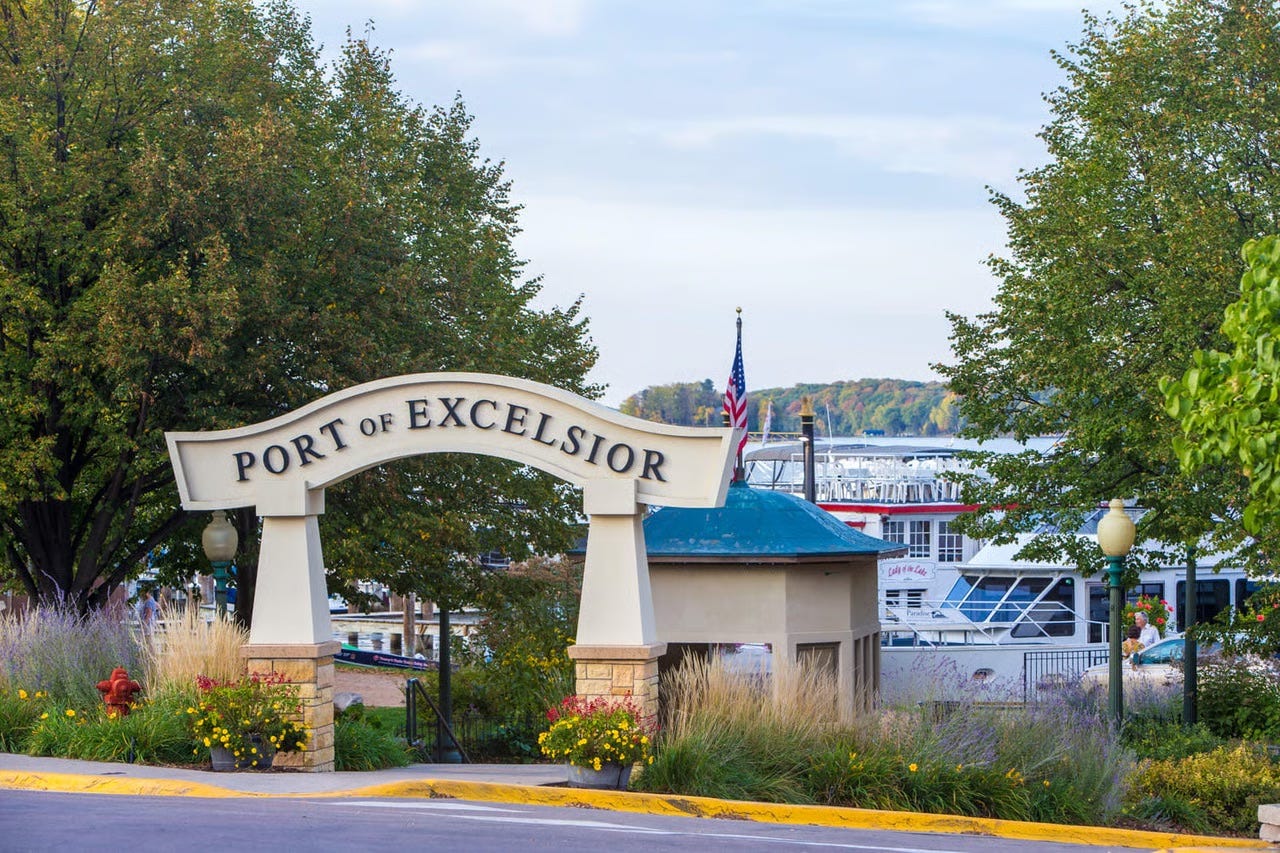
Two Waterfront Towns
Excelsior sits on the shore of Lake Minnetonka, less than half an hour from Minneapolis.
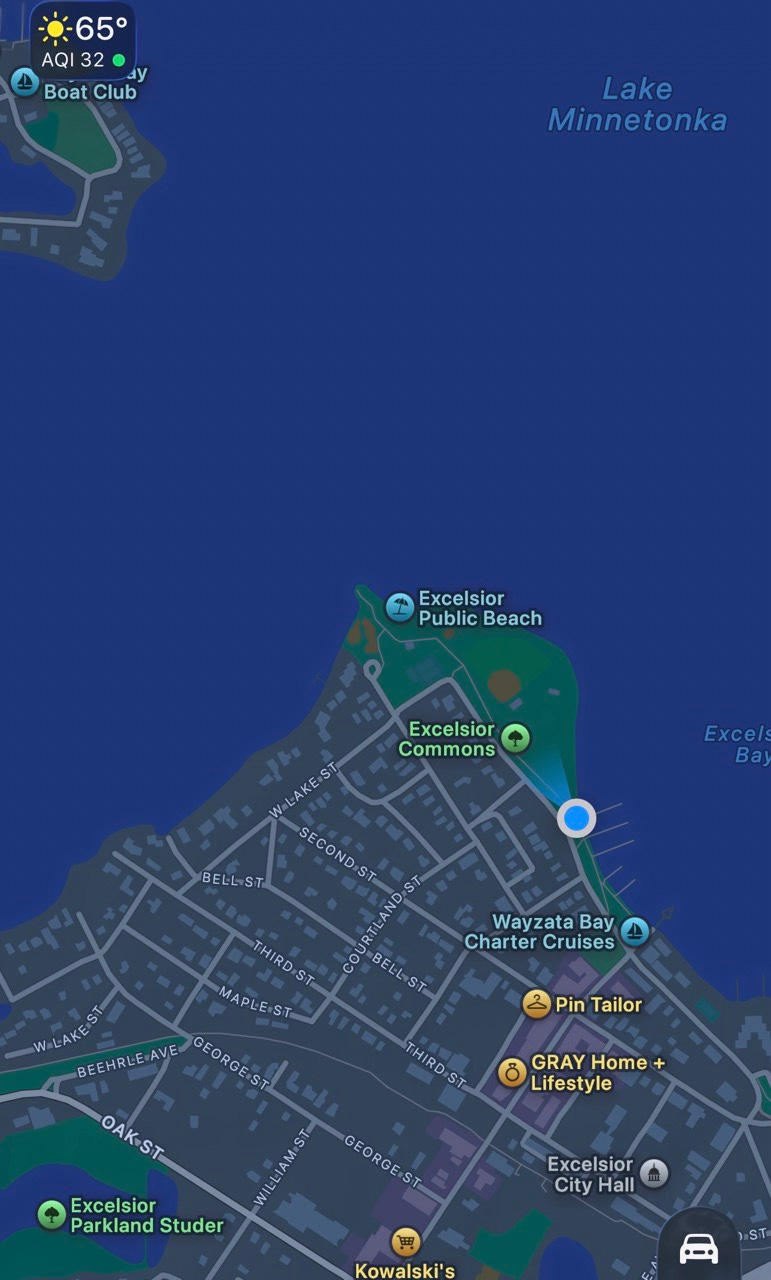
It is small—only about one square mile with roughly 2,300 residents—but its historic downtown serves as a commercial and recreational hub for the surrounding area. Its main commercial corridor is appropriately named Water Street.
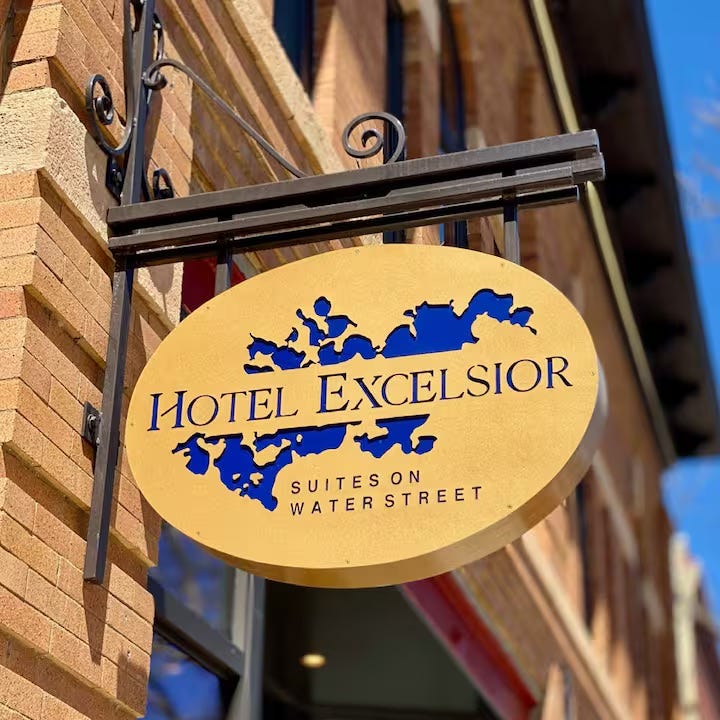
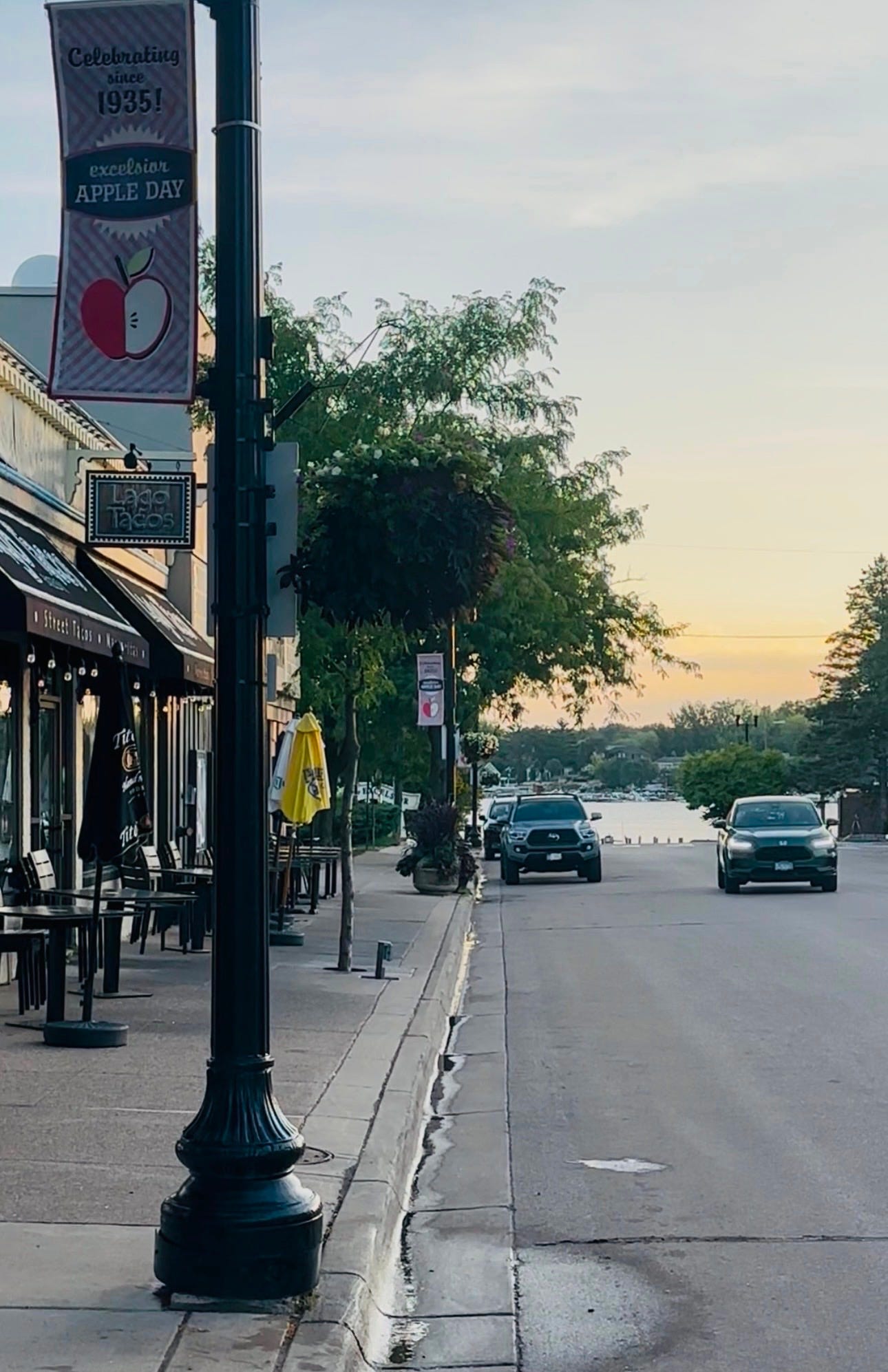
Walk down Water Street toward the lake, and you find many of the same ingredients that should make Port Angeles thrive.
A boutique grocery store and small-business shopping center welcome shoppers downtown.


This reminded me of Country Aire and Armory Square.


There are local restaurants.


And coffee shops.


A brewery.


A pizza shop.


A little shop to grab charcuterie.


Specialty apparel stores.


Art galleries.


A toy and candy shop.


A bookstore.


A bike shop


The Lake Minnetonka Regional Trail, which runs directly through downtown, along the lake, through forests and across scenic bridges.


And, when you reach the waterfront, ice cream and kayak rentals.


Then there is The Commons—a beautiful waterfront park with a swimming beach, playground, a baseball field, picnic areas, and gathering spaces.


Excelsior is beautiful. It is walkable. It is surrounded by incredible nature. It attracts visitors who want to experience the waterfront and spend money at local businesses.
Sound familiar?
But there were also differences.
Empty storefronts - I didn’t see them.

Excelsior’s main commercial corridor appeared packed with attractive, thriving local businesses.
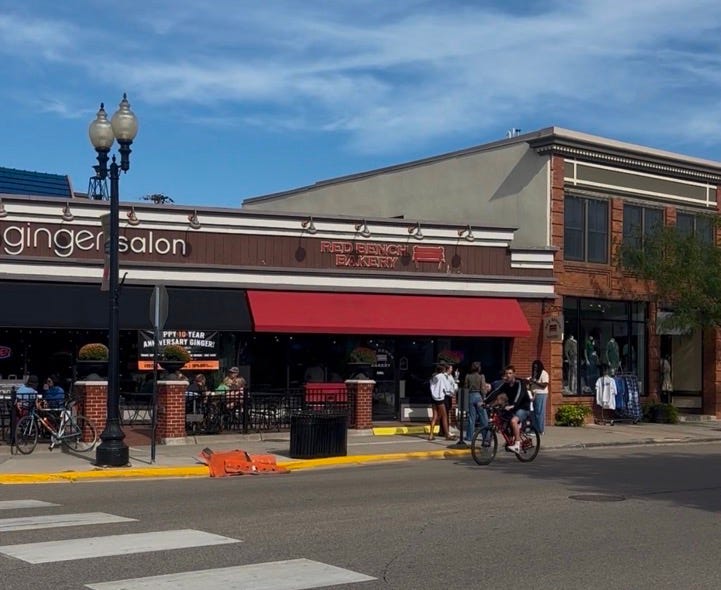
But that wasn’t the biggest difference.
Where were the encampments and open substance abuse?
What struck me most was what I didn’t see.
I didn’t see open drug use.
I didn’t see encampments.
I didn’t see people screaming obscenities at pedestrians.
I didn’t see piles of garbage accumulating along the waterfront.
I didn’t see syringes, foil, or human waste.
I didn’t see stolen shopping carts piled high with locally distributed freebies.
I didn’t see people openly dealing drugs.
Not once did I see a business owner who would need to remove a sleeping bag, trash, or an intoxicated individual from the doorstep of their storefront.
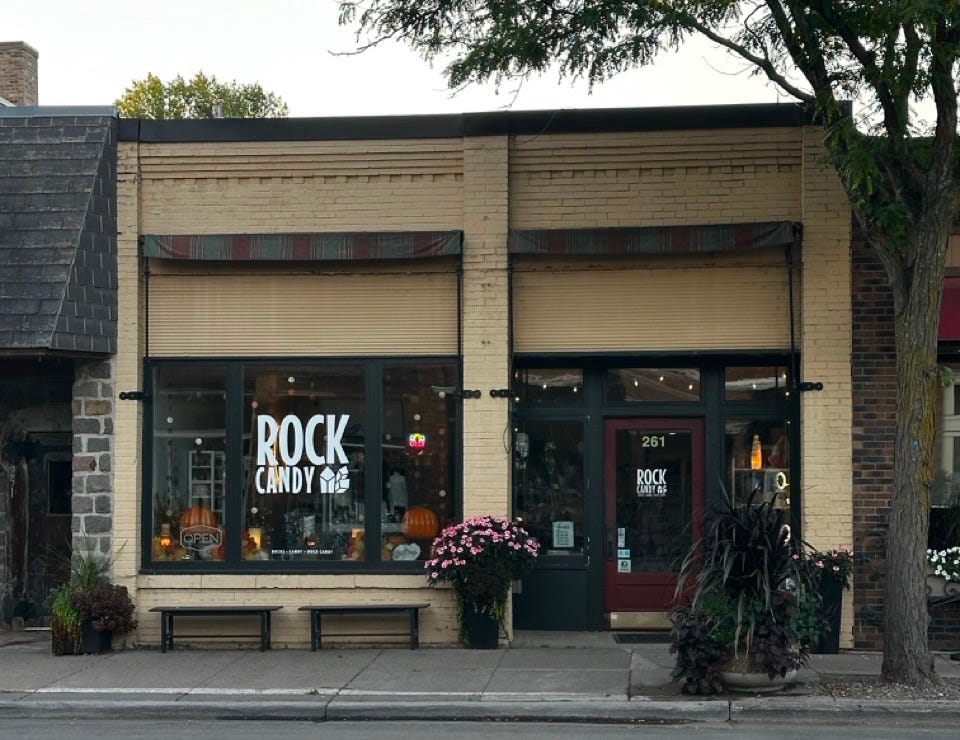
The early mornings were calm, peaceful, perfect.
For several mornings, I ran along the regional trail before sunrise. I would stop periodically in the dark for a set of burpees.
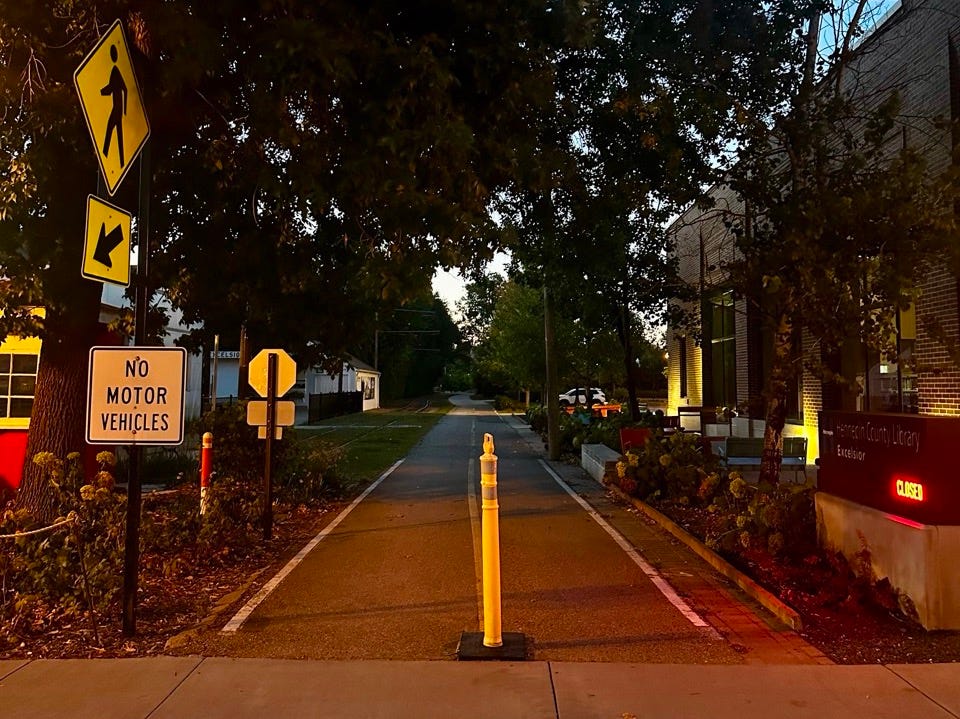
And I realized something that shouldn’t have been remarkable:
I wasn’t worried about what I might put my hands in.
The trail was spotless. That shouldn’t be shocking. But coming from Clallam County, it was.
So I started asking people a simple question:
Where is the homelessness and open drug use?
The answer I repeatedly received was essentially:
“That’s a Minneapolis problem. Not here.”
That made me even more curious. Excelsior isn’t some isolated rural town hundreds of miles from an urban center. Downtown Minneapolis is only 20 miles away.
So how does a beautiful waterfront community sitting on the doorstep of a major metropolitan area avoid many of the problems we have increasingly accepted as inevitable in Port Angeles?
Maybe Public Policy Matters
Excelsior has rules governing public spaces — rules that are enforced.
Excelsior’s city code generally prohibits drinking alcohol in its parks without a permit. Alcohol consumption on public sidewalks, streets, and parking lots is also prohibited without a permit.
Its public parks are closed between 11 p.m. and 6 a.m. The ordinance specifically prohibits remaining in a park—or remaining in a vehicle on public park grounds—during those hours, with limited exceptions.
The city also prohibits overnight parking on Water Street from 1 a.m. to 7 a.m.
In other words, Excelsior has established an expectation that public spaces remain public spaces.
Several residents told me that outdoor camping simply isn’t tolerated. One woman put it this way:
“The police would have a dozen calls within the hour and would take care of it.”
That’s anecdotal, not a statistical study. But it speaks to something government policy can never completely manufacture:
Community expectations.
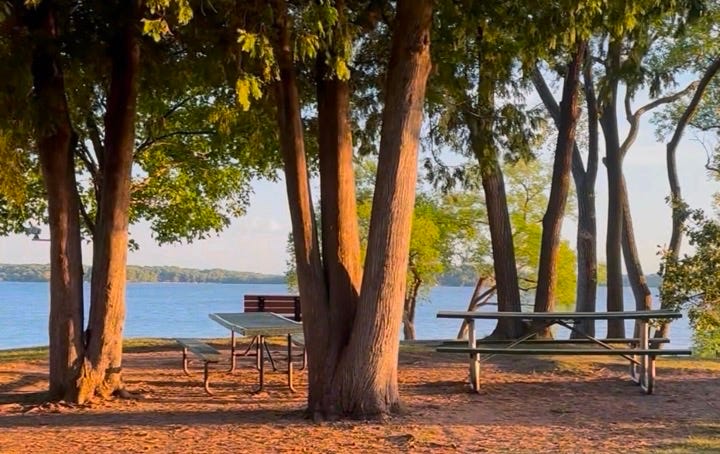
Residents expect their parks to remain parks.
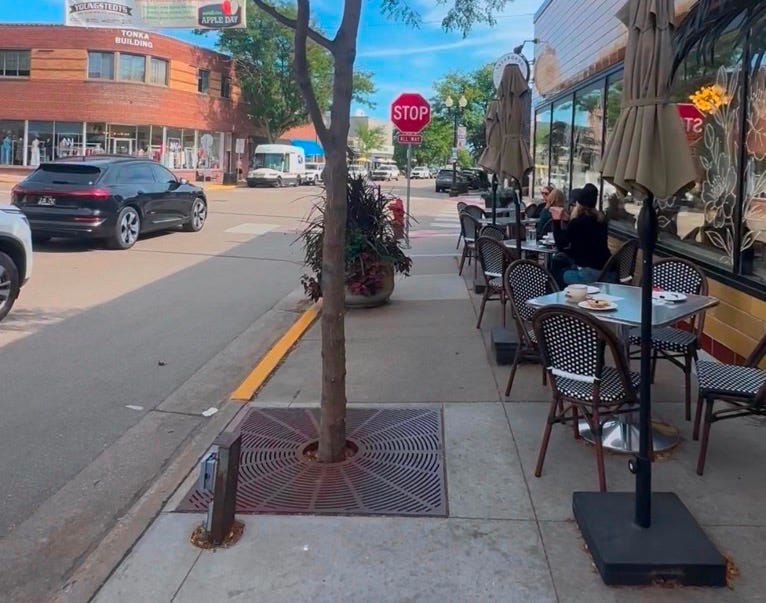
Businesses expect sidewalks to remain sidewalks.
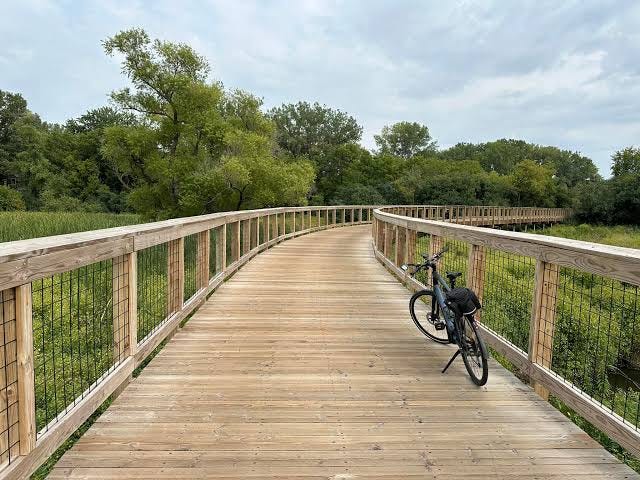
Families expect trails to remain trails.
And when something threatens those expectations, residents expect government to respond.
Then I Noticed Something Else
Another major difference existed between Excelsior and Port Angeles.
The service infrastructure.
I started looking.
Where was Excelsior’s equivalent of the Harm Reduction Health Center?
Where was its syringe exchange?
Where was its methadone clinic?
Where was its dedicated opioid treatment center?
Where was its crisis stabilization facility?
Where was the large behavioral-health infrastructure?
Where were the homelessness outreach programs?
I couldn’t find comparable facilities located in Excelsior.
That doesn’t mean Excelsior residents are denied treatment.
Far from it.
Excelsior is in Hennepin County, which has an extensive behavioral-health, addiction-treatment, and harm-reduction system. Residents have access to those services throughout the metropolitan area.
But much of the high-intensity infrastructure is located elsewhere—particularly Minneapolis and other larger population centers.
That’s very different from Port Angeles.
Here, an enormous amount of behavioral-health, homelessness, and addiction infrastructure is concentrated in one relatively small city.
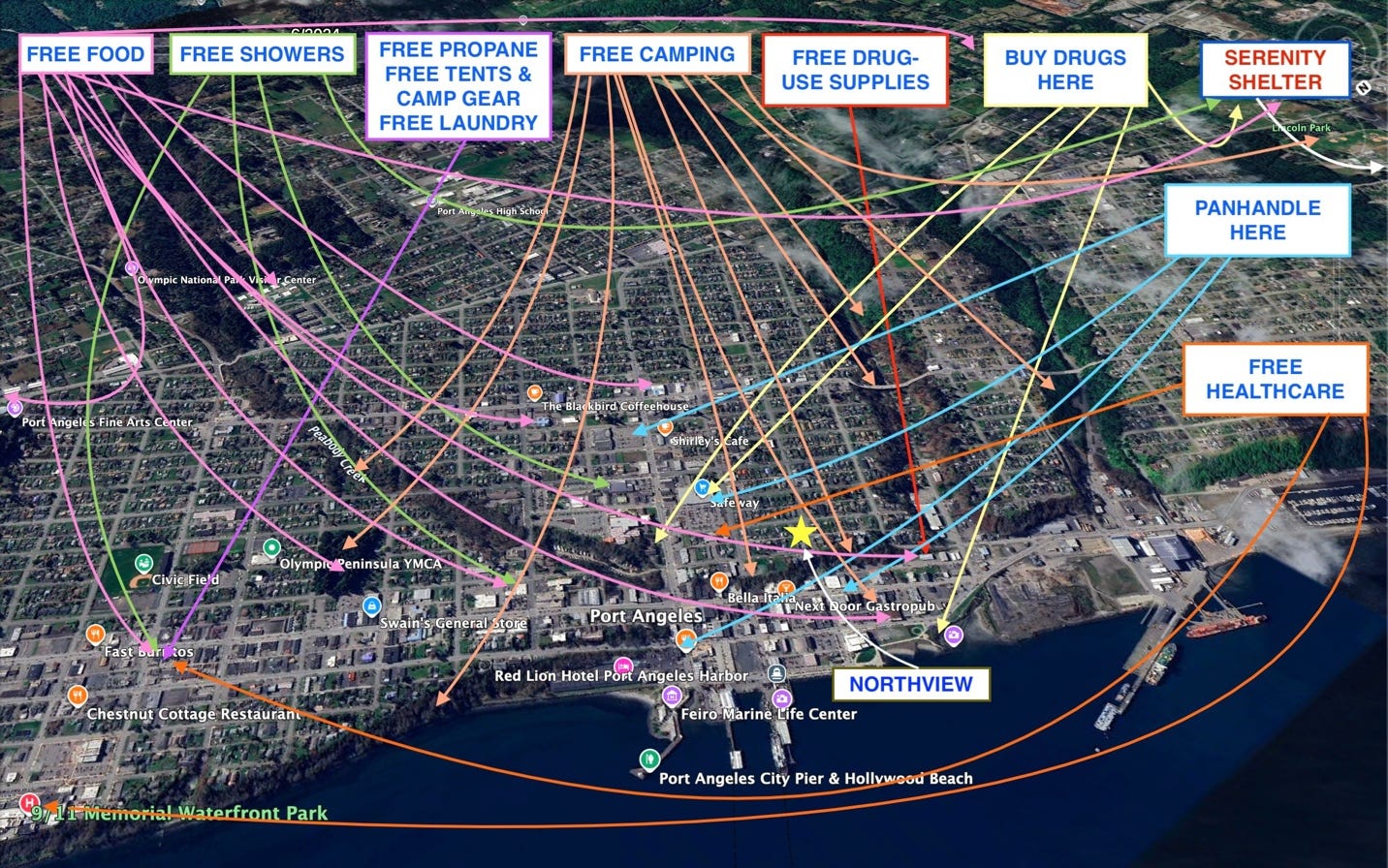
We have methadone treatment.
Medication-assisted treatment.
Syringe and drug use supply distribution.
Homeless outreach.
Multi-million dollar behavioral-health enterprises.
Permanent supportive housing.
An inpatient treatment center with a Department of Corrections contract.
And millions upon millions of taxpayer dollars flowing through the system.
Some of these services undoubtedly help people.
But when a small community concentrates an extraordinary number of services for homelessness and active addiction while simultaneously tolerating outdoor living, open drug use, and the degradation of public spaces, it inadvertently creates a destination for the very problems it is trying to solve.
Compassion Without Accountability Isn’t Working
For years we have been told that enforcing laws against public camping is cruel. That removing encampments is criminalizing homelessness. That requiring accountability is stigmatizing addiction. That distributing more supplies for drug use is harm reduction. That permanent housing must come before expectations of sobriety or self-sufficiency.
Meanwhile, residents have watched public spaces deteriorate, and businesses have borne the consequences.
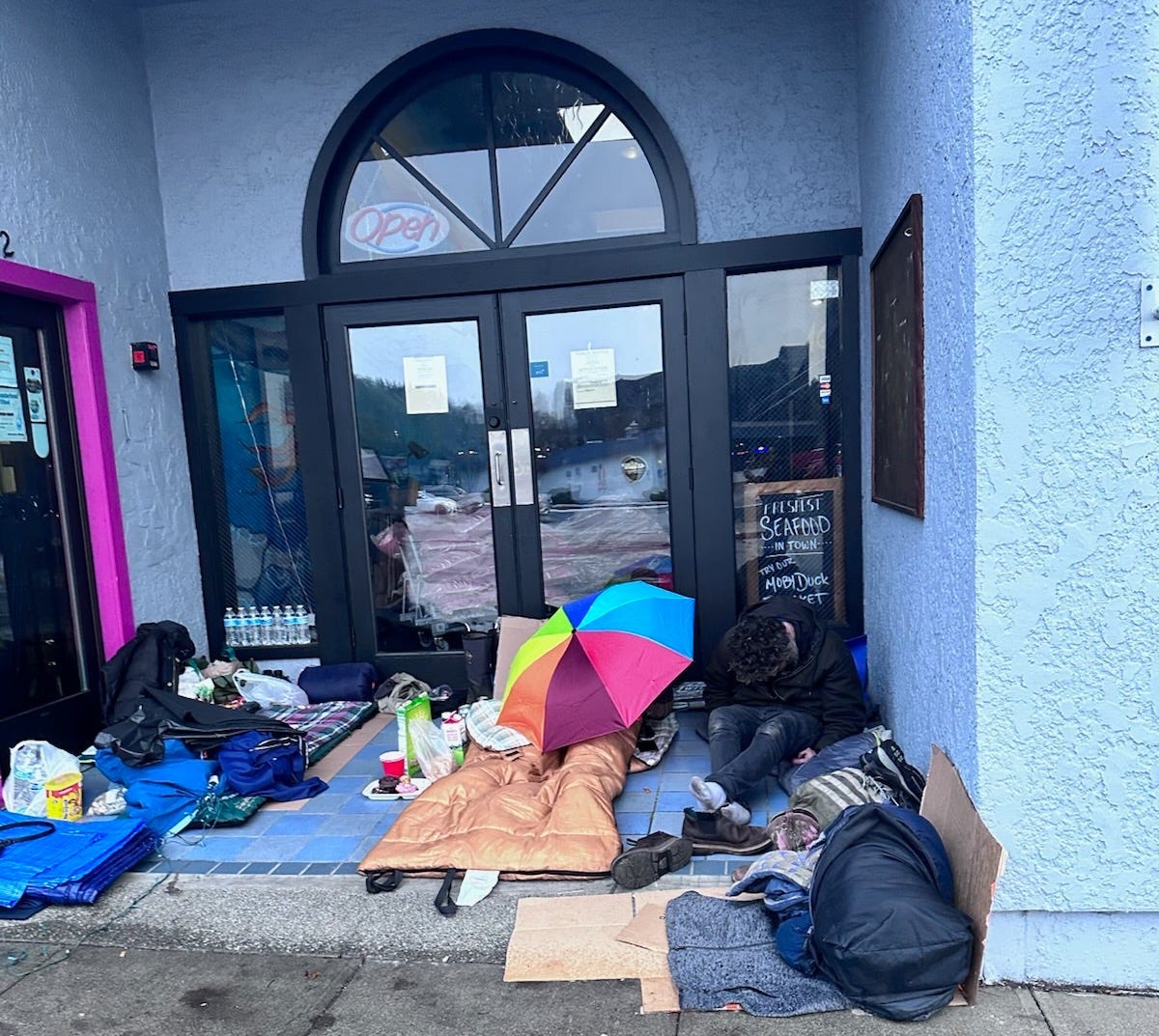
Taxpayers have spent more. And people struggling with addiction continue dying.
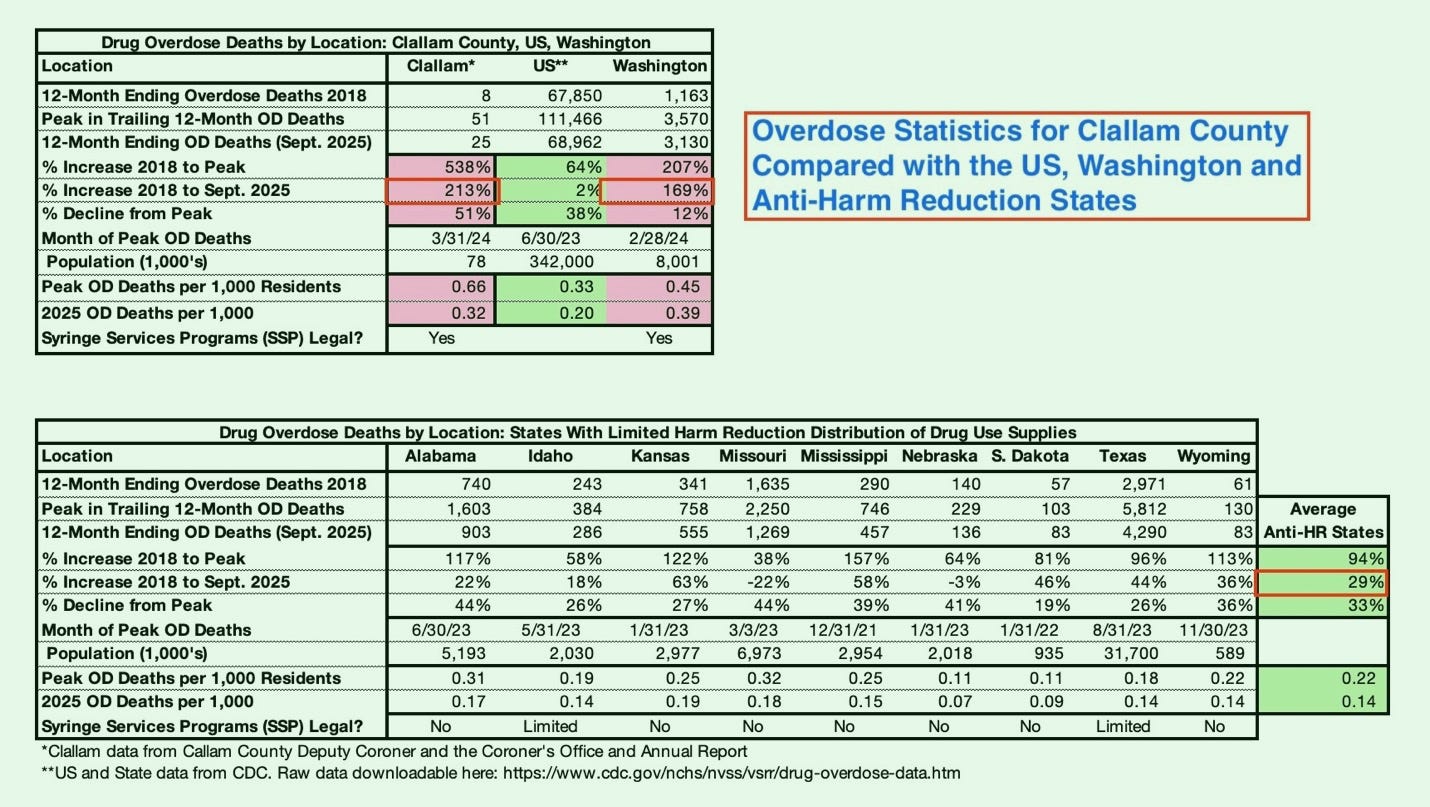
At some point, compassion has to be measured by results.
Are people graduating from addiction into recovery?
Are they moving from homelessness into self-sufficiency?
Are our public spaces getting safer?
Is our environment more protected?
If not, spending more money doing the same things isn’t a solution.
It’s a failure to change course.
Washington Cities Are Beginning to Change Course
Clallam County wouldn’t be alone if it chose to pivot.
Communities elsewhere in Washington are reconsidering policies that effectively surrendered public spaces to outdoor living.
In July, the Tukwila City Council voted to prohibit camping on city-owned property, including parks, sidewalks, rights-of-way, and environmentally sensitive areas. The ordinance gives police an enforcement mechanism, while city officials have described enforcement as a last resort.
Spokane has gone further.
In 2025, Spokane adopted a citywide ban on unauthorized camping as part of a broader strategy that combines engagement with enforcement. The city’s stated approach is to connect people to services first while maintaining a clear enforcement mechanism when people refuse to comply.
And Renton is considering a similar direction.
As of this writing, Renton’s proposed ordinance would prohibit camping and unauthorized storage of property on city property and establish stronger trespass provisions. The City Council considered the proposal on September 14 but sent it back to committee for further deliberation.
A community can offer compassion without surrendering its public spaces.
Treatment and accountability are not opposites.
Shelter and enforcement are not opposites.
Compassion and expectations are not opposites.
We can help someone while still telling them that living indefinitely in a park, using fentanyl on a sidewalk, or destroying a critical area isn’t acceptable.
Could Excelsior’s Story Be Ours?
I don’t pretend that Excelsior and Port Angeles are identical.
Excelsior is much smaller. It sits within a wealthy metropolitan region. Port Angeles is the governmental, medical, and commercial center of a huge rural county. We face geographic, economic, and social challenges that Excelsior doesn’t.
But dismissing the comparison because the communities aren’t identical would miss the point.
Excelsior reminded me what a waterfront town can feel like.
Safe.
Clean.
Active.
Beautiful.
Full of families.
Full of locally owned businesses.
Full of people enjoying public spaces for their intended purpose.
Port Angeles has every ingredient necessary to be that kind of community. Arguably, we have even more.
The Olympic Mountains rise behind us.
The Strait stretches out in front of us.
Olympic National Park brings the world to our doorstep.
We have incredible entrepreneurs, tradespeople, restaurant owners, artists, and small-business owners willing to risk their own money, time, and livelihoods to build something here.
What they need from government isn’t another strategic plan. They need a partner.
They need a local government that protects their investment by keeping public spaces safe and clean, removing unnecessary barriers to growth, and creating confidence that taking a risk in Clallam County is worth it.
Government should partner in their success—not stand in their way.
A Better Path
We can start with eight changes:
End outdoor living on public land by consistently enforcing existing laws.
Prioritize local housing resources for individuals currently residing in Clallam County.
Strengthen shelter policies so services are supportive, accountable, and attractive for those leaving outdoor living and pursuing recovery.
Expand transitional housing instead of relying primarily on costly permanent supportive housing that has run over $500,000/unit.
Reduce the cash flow that fuels addiction through clear anti-panhandling signage and public education.
Redirect funding from drug-use supplies to treatment programs with measurable outcomes. Re-establish local detox services.
Push back on laws that keep Law Enforcement from doing their job. Expand OPNET and programs like the community paramedics of Operation Shielding Hope.
Measure success by outcomes, not inputs—tracking how many individuals move from addiction to sobriety and from homelessness to self-sufficiency.
The choice should be simple: Shelter, treatment, and work training—or move along.
For those willing to participate, we should offer transitional housing with both support and accountability. To receive shelter, participants should commit to treatment, demonstrate progress toward sobriety, and engage in work training.
Living outside and using drugs in public spaces can no longer be treated as an acceptable option.
These aren’t radical ideas.
They are expectations most communities once considered normal.
There Is Always a Solution
Walking through Excelsior reminded me of something I believe deeply: There is always a solution.
Government doesn’t have to solve every human problem.
But it does have a responsibility to provide essential services, protect public spaces, enforce reasonable laws, and create an environment where communities and individuals can succeed.
We don’t have to choose between helping people struggling with addiction and protecting families.
We don’t have to choose between shelter and accountability.
We don’t have to choose between compassion and public safety.
And we certainly don’t have to accept the degradation of our parks, trails, waterways, and business districts as an inevitable consequence of homelessness.
Excelsior isn’t perfect. Neither will Port Angeles ever be. But for a few days in Minnesota, I was reminded of what a thriving waterfront community looks and feels like.
Clean public spaces. Thriving small businesses. Families enjoying parks. Tourists walking downtown. Residents who expect their community to remain safe and beautiful.
We already have the mountains.
We already have the waterfront.
We already have the entrepreneurs.
We already have the people.
Now we need the courage to change the policies that aren’t working.
Excelsior’s story can be our story.
This article was approved by Jake Seegers for Commissioner, 131 East First Street, Port Angeles, WA, 98362.


