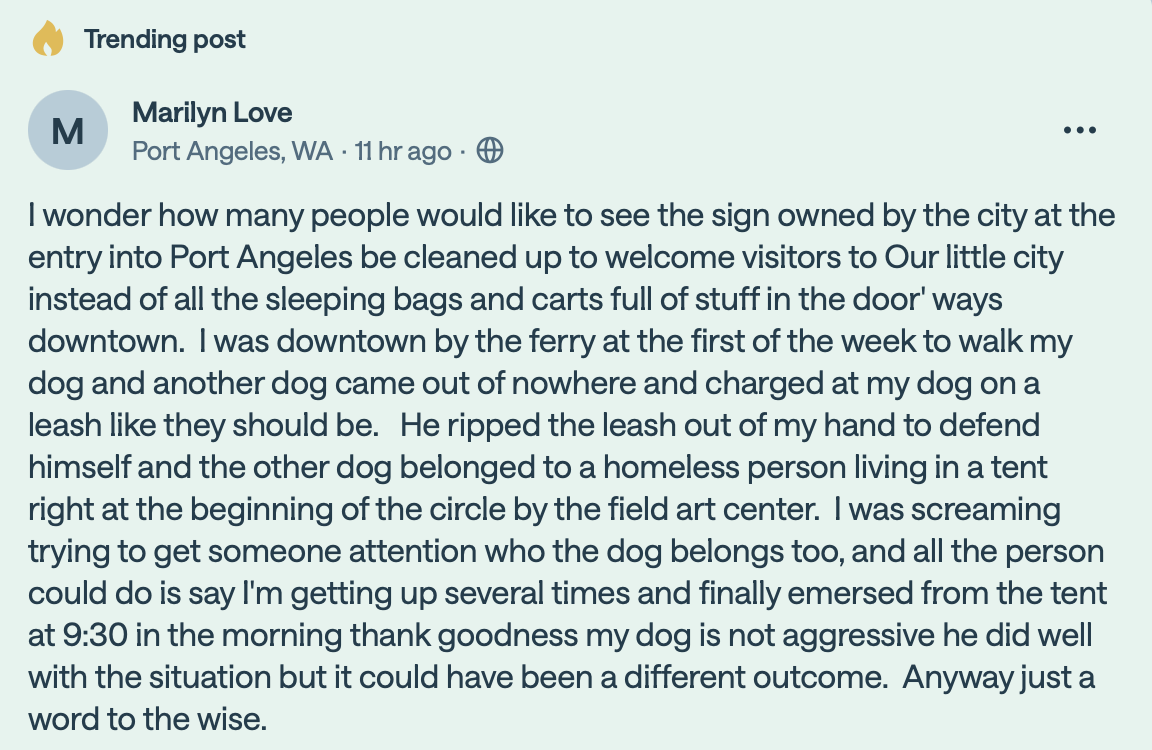
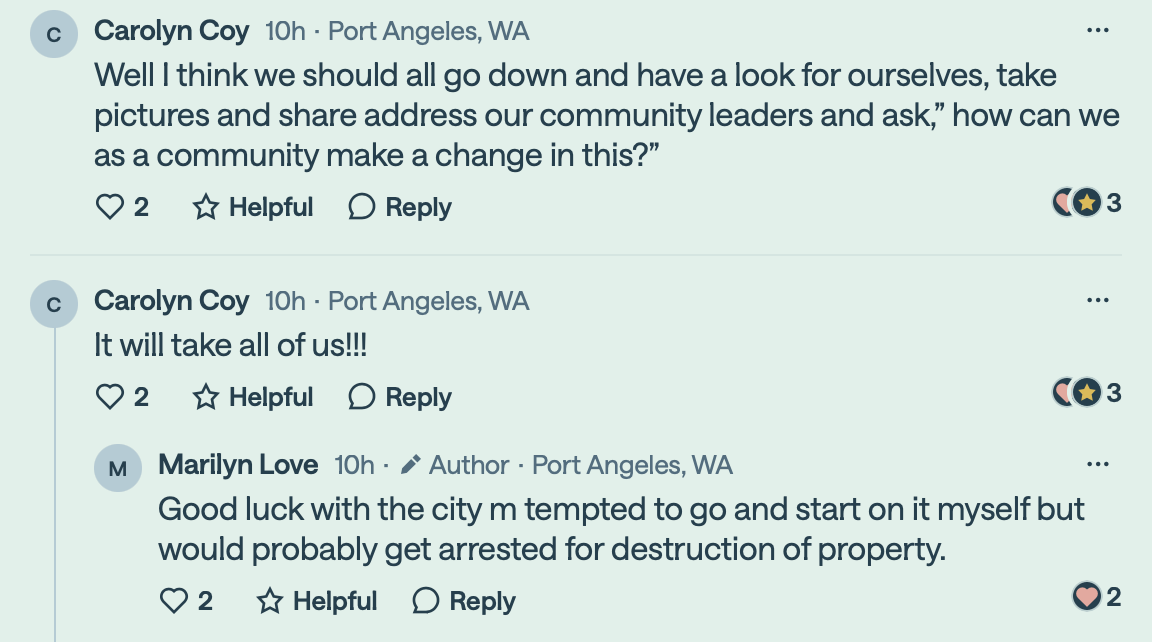
Indivisible and the League of Women Voters are grading commissioner candidates by vocabulary. Meanwhile taxpayers are being asked to fund $842,105 “homes,” a hospital under another audit warning, and a youth center with no price tag from a CEO who already out-earns the governor. Here’s the week’s receipts on Social Media Saturday.
“Complex” Is the Tell
With backing from the League of Women Voters, Indivisible has been posting side-by-side stances of County Commissioner candidates Mike French and Jake Seegers.

After reading their climate positions, Janine Blaeloch took issue with Seegers calling climate change a “complex issue.” She warned that when a politician says something is a “complex issue,” it’s usually a tell.
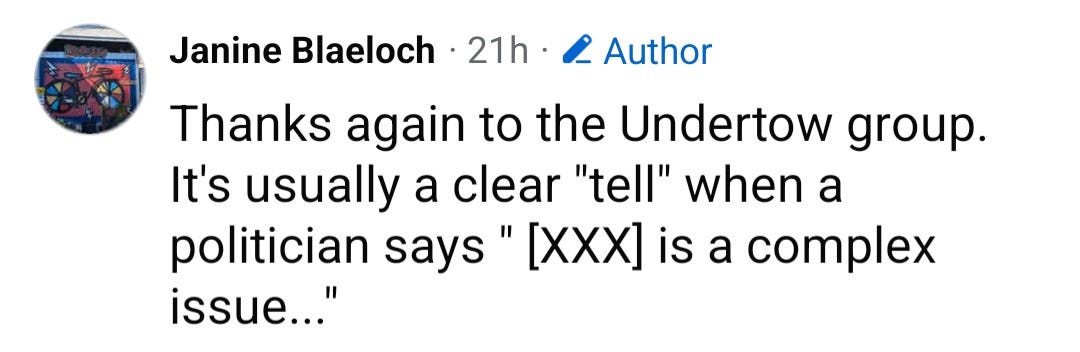
Fair enough. Let’s apply the same test to the incumbent.
French has used that language more than once.
In a written reply to a constituent about public safety, homelessness, and related policy, he closed by saying he wanted to “move us toward solutions on these complex issues.”
At a Port Angeles Business Association meeting, after a question about camping and downtown conditions, he answered, “It’s a complex issue,” then turned to legislative limits, jurisdiction, resources, and new revenue.
The electmikefrench.com Issues page says the issues “are complex and interconnected.”
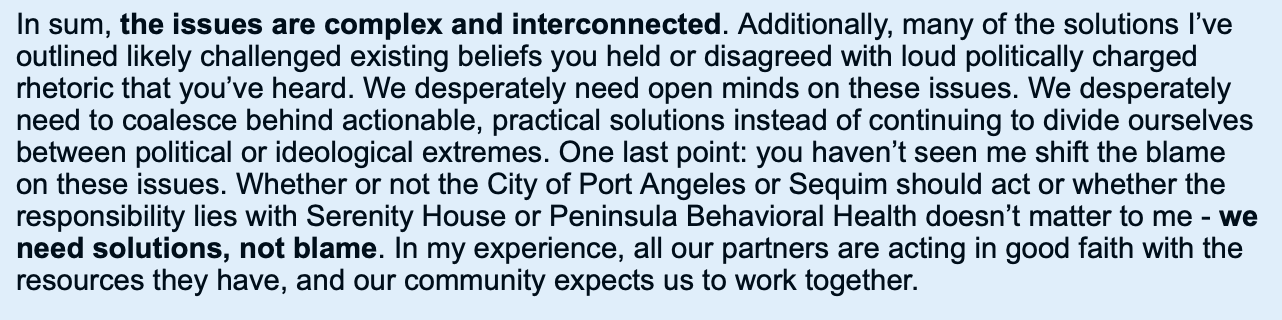
If Indivisible wants to start policing candidate language, they may be developing a complex of their own.
Clallamity Jen Solves a Mystery
Clallamity Jen started with a scathing Facebook post about a commissioner candidate and followed the trail until it stopped looking like grassroots outrage and started looking like an inside job.
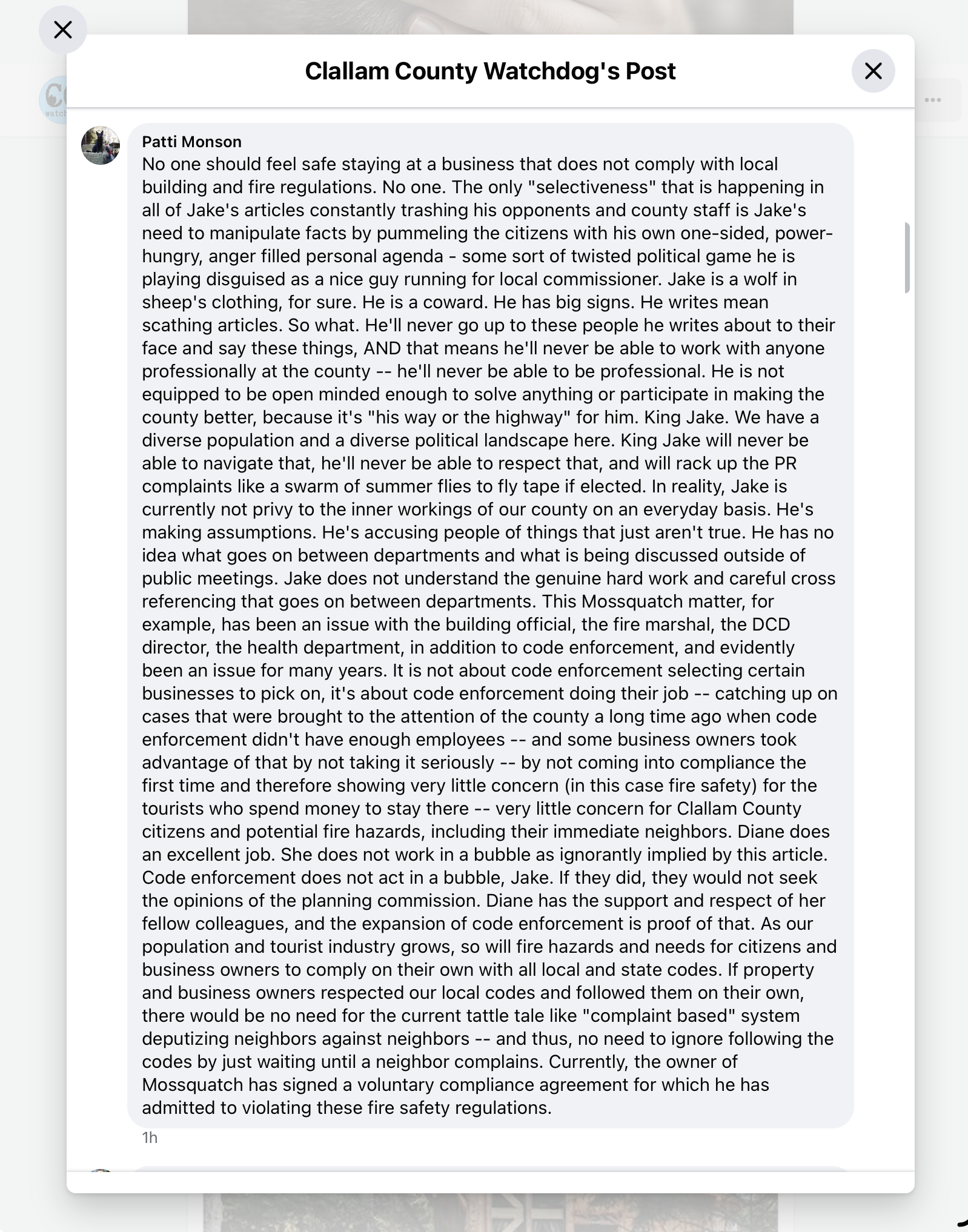
Read “Cozy Connections & The Anatomy of an Inside Job” to find out which county employee the trail leads to. This is what Jake Seegers is up against: a county culture so used to protecting itself that it treats a candidate who might do things differently as a threat. The people who collect the salaries do not like being questioned by the people who actually pay them.



The Hospital Gets Another Warning
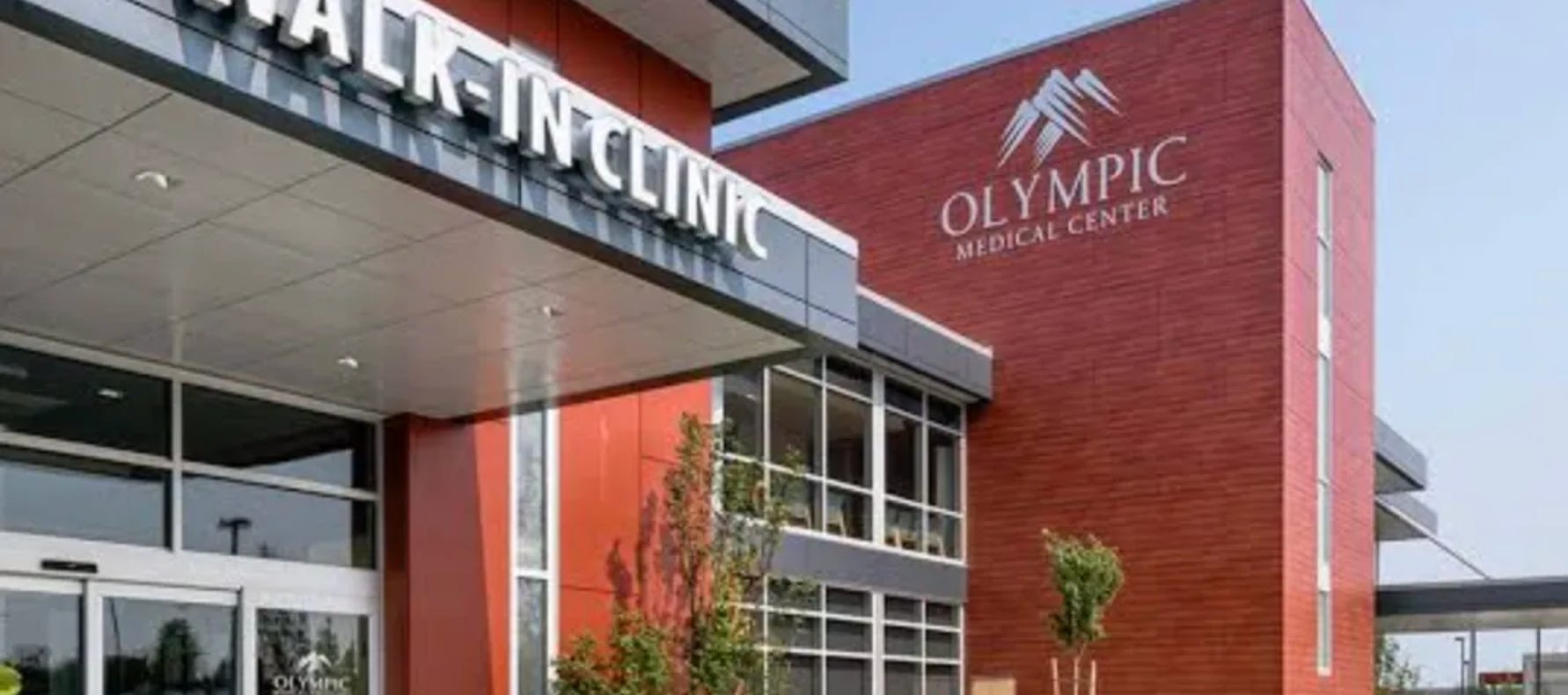
Anthony Tomashefsky at the Olympic Herald reports that the Washington State Auditor has again warned of financial risks at Olympic Medical Center. Declining condition, liquidity pressure, and the same pattern of “we’ll fix it later” that never quite arrives. Subscribe and read the article and audit here. Independent coverage of the county’s largest public employer should not be optional reading.
Two Houses Is a Thoughtcrime
Steven C. Pelayo was in the room when Port Angeles fought over short-term rentals. His recap is worth reading before the county copies the same playbook in the Comprehensive Plan.
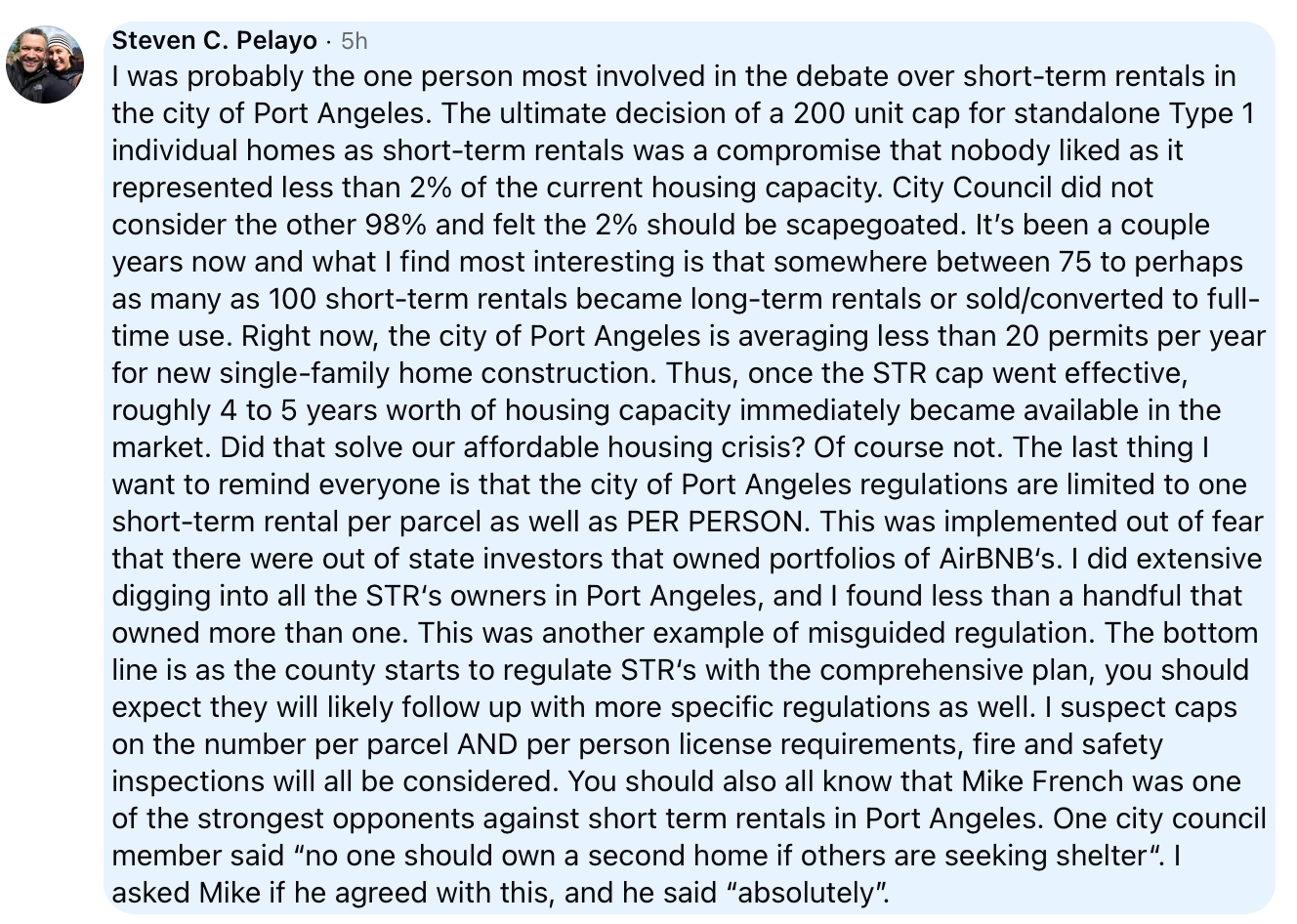
Port Angeles capped standalone Type 1 STRs at 200 units—under 2% of housing—and treated that sliver as the crisis. Pelayo says the other 98% barely came up. Later, 75 to 100 of those STRs became long-term rentals or full-time homes: four to five years of the city’s new-house pace (under 20 permits a year) hitting the market at once.
Did it fix affordable housing? “Of course not.”
Council also limited STRs to one per parcel and one per person, aimed at out-of-state Airbnb empires. Pelayo checked the owners. Fewer than a handful had more than one. The rule hunted a portfolio that mostly wasn’t there.
Then the line. Pelayo says French was among the hardest STR opponents in Port Angeles. A council member said “no one should own a second home if others are seeking shelter.” Pelayo asked if French agreed. He said “absolutely.”
That is not a cap. It is a moral veto: the second house is illegitimate while anyone is looking. Need defines title. The politics that will not permit enough housing will police the housing that exists—and call it compassion.
County STR rules are next. Expect the same logic: per-parcel caps, per-person caps, inspections, and a commissioner who has already said a second home is wrong if someone else wants shelter.
$842,105 for an Apartment in Sequim
When Mike French says he is bringing affordable housing to Sequim, this is what he means: bulldoze 17 apartment units, build 36, spend $16 million—mostly taxpayer money—and call it progress. Net gain: 19 units. Average cost: $842,105 per apartment. Permanent supportive housing for the homeless.

That number is not theoretical. Right now in Sequim, about $842,000 buys a comfortable, above-median single-family house: typically 3–5 bedrooms, 2,100–3,200 square feet, often single-level living, 3–4 baths, half an acre to an acre, frequently with mountain or water views.
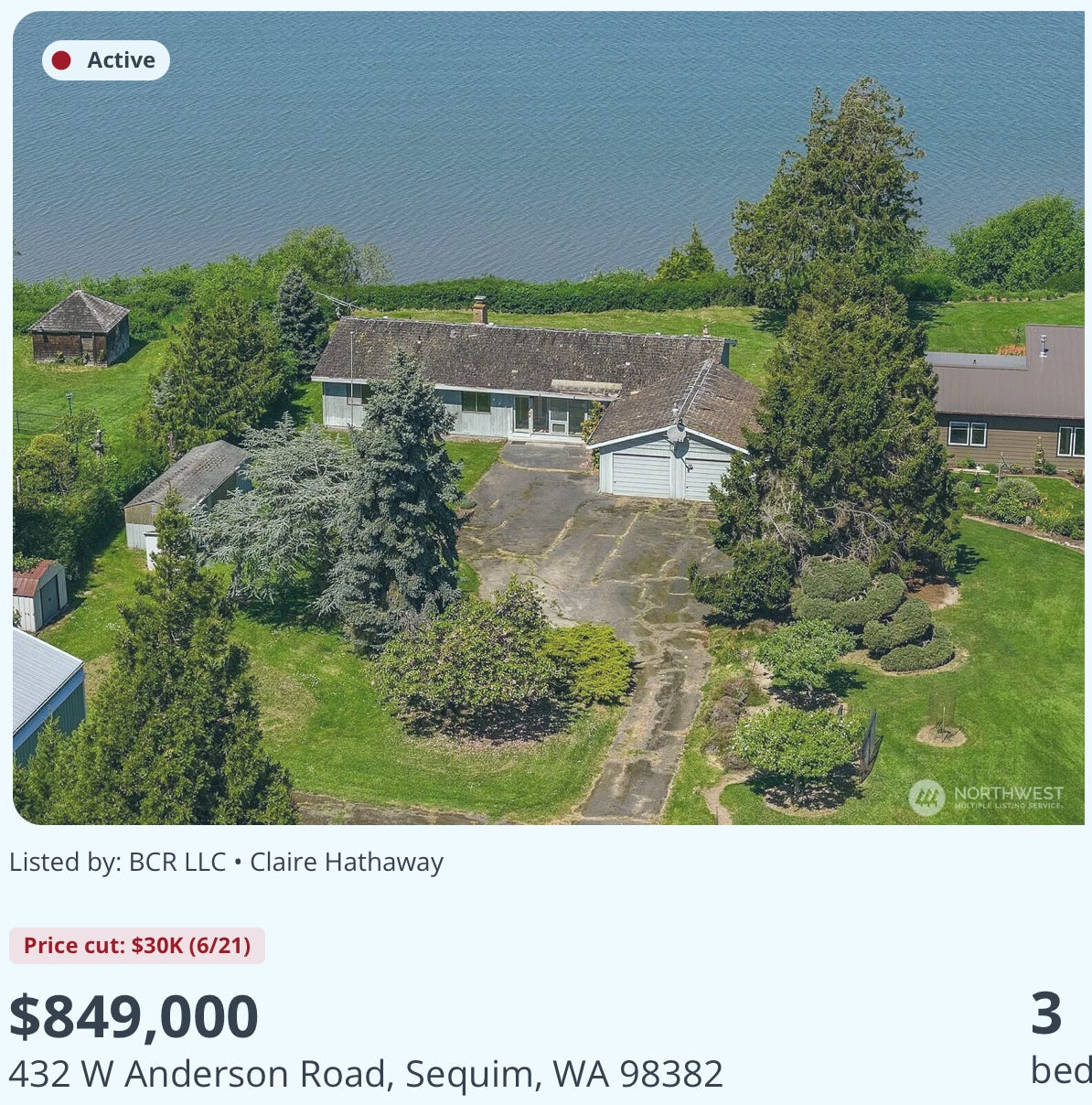
Median sold prices in Sequim sit roughly in the $500k–$550k range. Zillow’s typical home value is around $563,000. So $842k is a nicer custom or well-updated house—not a studio with a case manager down the hall.
Nineteen net units. Sixteen million dollars. One house’s worth of public money, per door. Ridiculous is the polite word.
Read the article by Radio Pacific here.

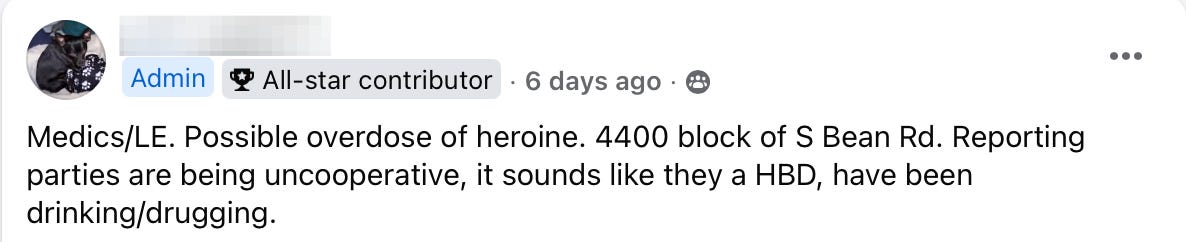
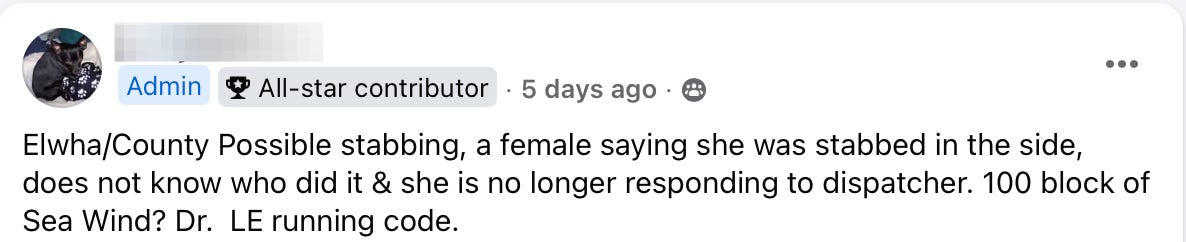
Has Sequim Changed in the Past Four Years?



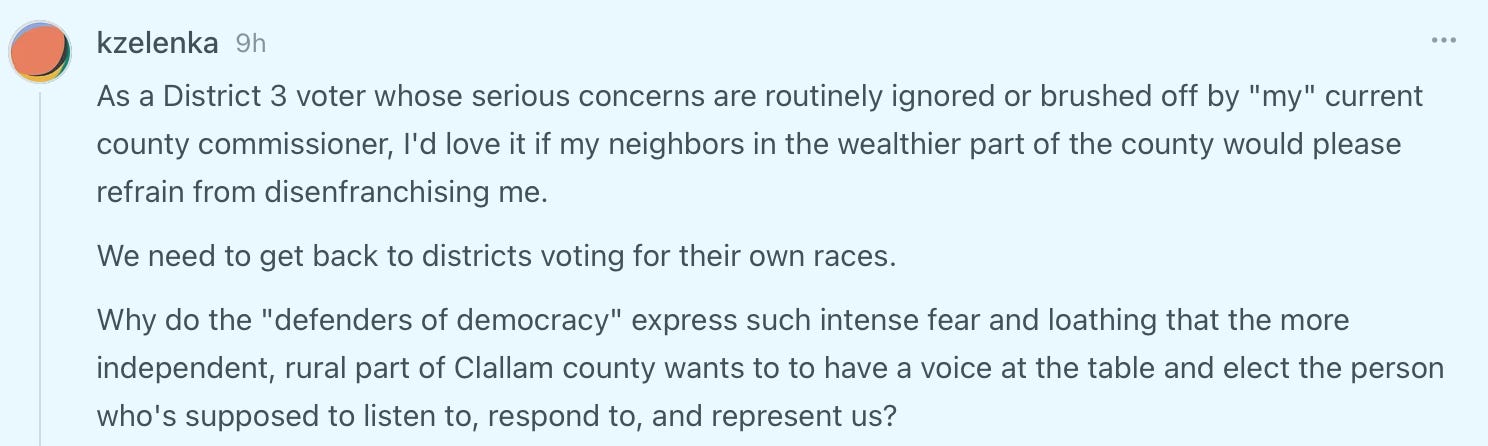
Dear League of Women Voters: Don’t Disenfranchise Me
Drop Box, Still “Too Late”
Mary Lewis posted the letter. Clallam County Auditor Shoona Riggs: ballot received too late for the April 2026 special and the August primary—either postmarked after Election Day or dropped after 8 p.m.
Lewis’s reply: she put it in the official box in the old JCPenney lot in Sequim well before the 8 p.m. cutoff. “Someone is messing up and it’s not me.”
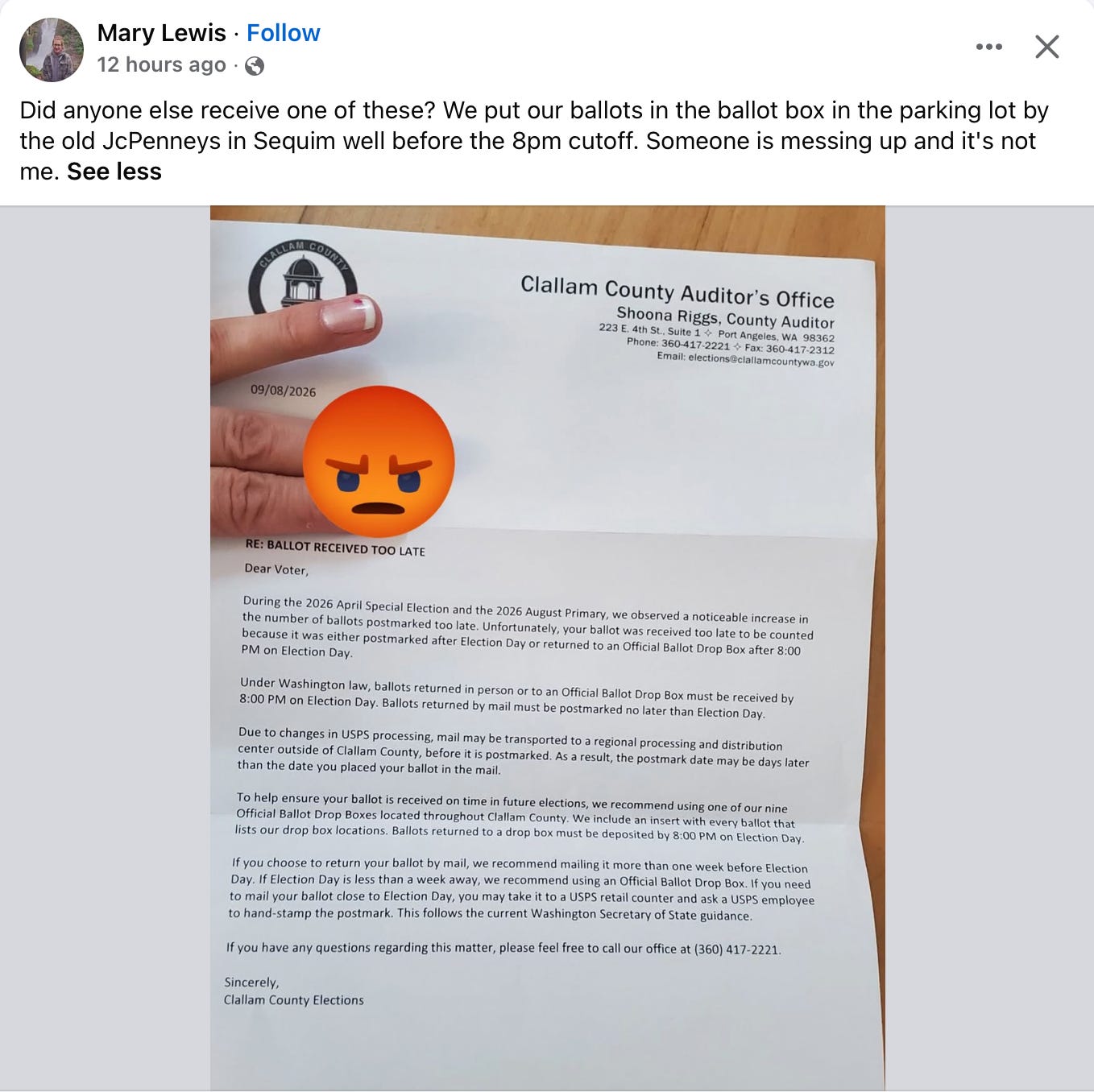
The same letter admits the system is sloppy. USPS may haul ballots to a regional center outside the county before they are postmarked, so the stamp can land days after you mailed it. The Auditor’s fix is: use a drop box, or mail a week early, or beg a clerk to hand-stamp it.
That only works if a ballot in an official box before 8 p.m. is actually logged that way. Lewis says hers was. The county says it wasn’t counted. Voters are being told the law is simple and the failure is theirs. The letter on the kitchen table says the opposite.
Patrick Murphy: Port Angeles Is Not Safer
District Court judge candidate Patrick Murphy posted the numbers and then the view from the prosecutor’s table. Crimebycity.com, using FBI data through 2024, gives Port Angeles a safety score of 19/100. Total crime above the national average. Ranked 2,417 of 2,974 nationally. 19th percentile for safety—higher crime than 81% of U.S. cities. Rape at 2.6 times the national average. Property crime listed below the state average; murder and violent crime above it.
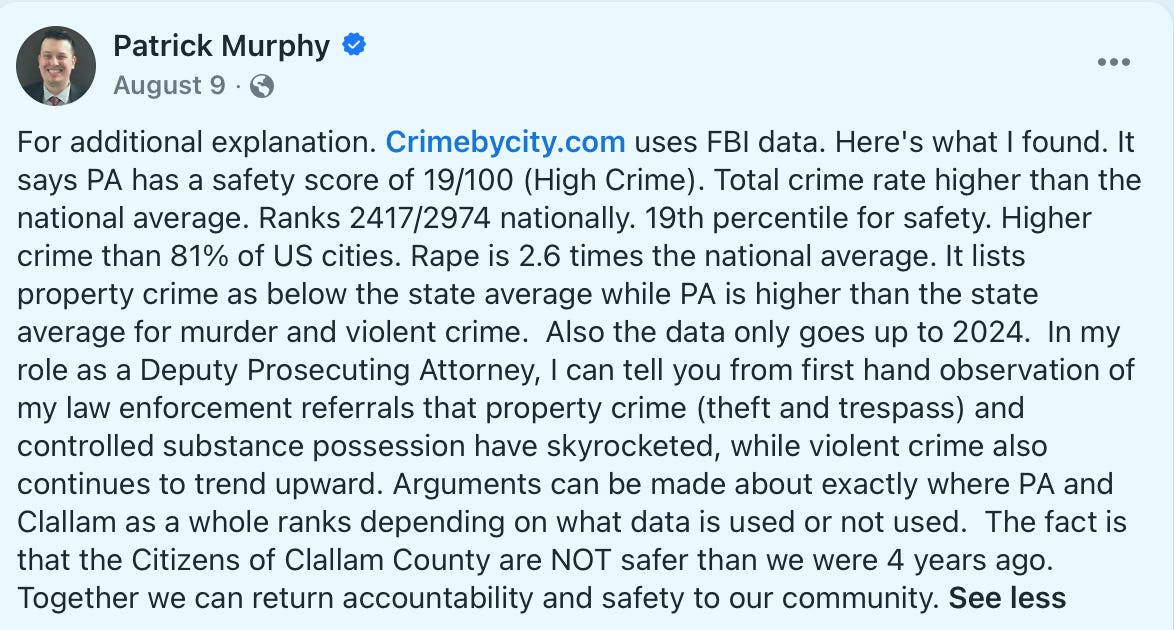
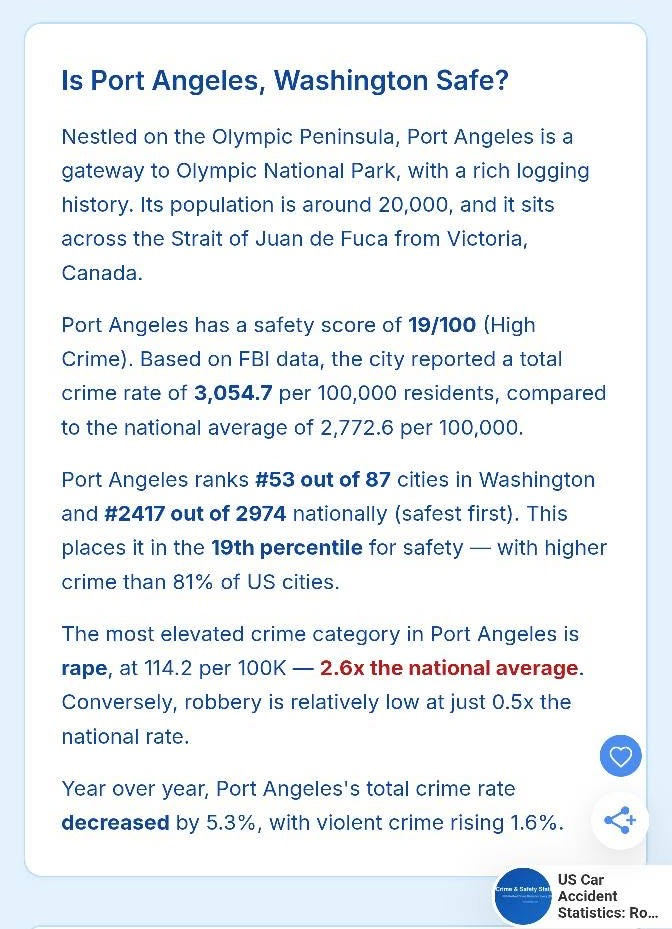
Murphy’s firsthand point matters more than the ranking fight: as a deputy prosecuting attorney, he says theft, trespass, and controlled-substance possession have skyrocketed, and violent crime is still trending up. Citizens of Clallam County are not safer than they were four years ago. Accountability is the campaign, not a slogan.


Closed for Thee, Open for Who?
A new video from Badger Fishing, posted yesterday, makes you wonder who “saving the salmon” is actually for.
Shot on the Quilcene River, it shows a tribal fishery in progress. The caption is blunt: this river was supposed to be closed for recreational and treaty fisheries.
Ballots That “Shouldn’t Have Been Late”
A couple received letters from the Clallam County Auditor: their April 2026 special-election ballot and 2026 primary ballots arrived late and were not counted. They say they fill out ballots within days of receiving them and drop them in official boxes or USPS immediately.
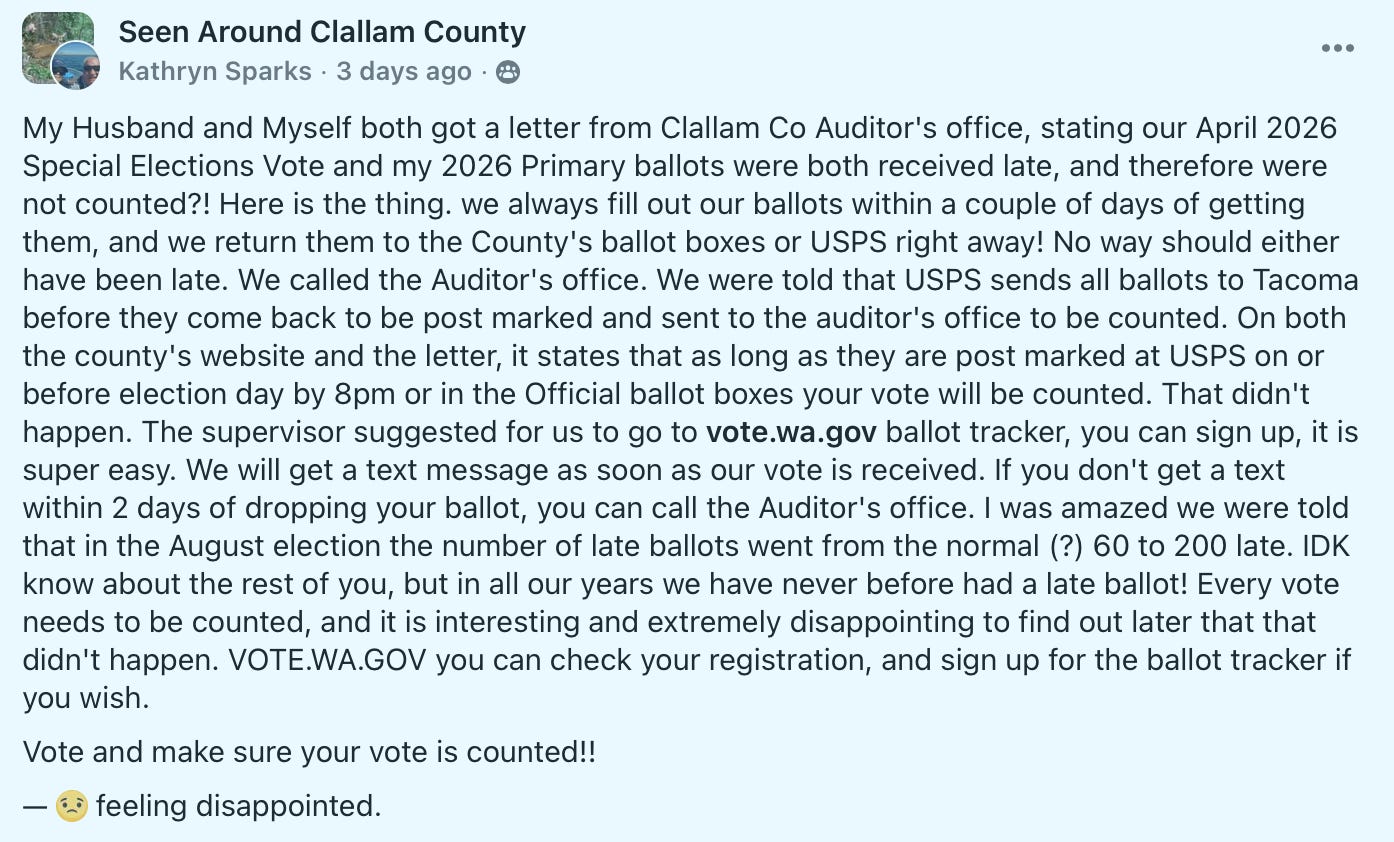
The Auditor’s office told them USPS sends ballots to Tacoma to be postmarked before they return to Clallam. County rules say a ballot counts if it is postmarked by Election Day 8 p.m. or in an official drop box. That is not what happened for them. A supervisor suggested signing up for the tracker at vote.wa.gov—text when the ballot is received; if no text within two days of dropping it, call.
They were also told late ballots in the August election jumped from a “normal” 60 to about 200. They had never had a late ballot before. Every vote is supposed to count. Check registration and turn on the tracker: vote.wa.gov. Then vote like the county has to prove that they received it.
PBH’s Next Feel-Good Project Has No Price
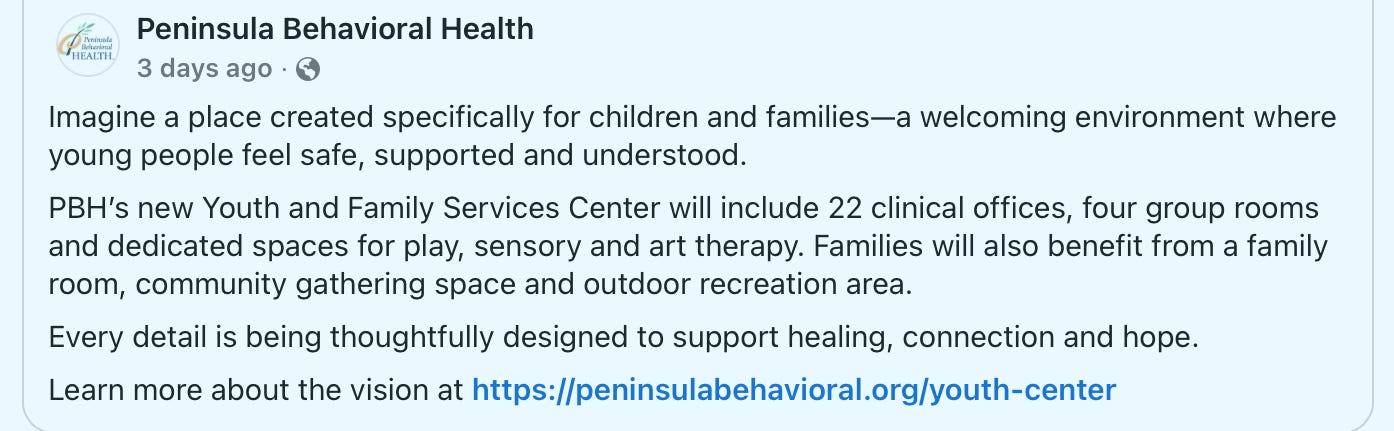
Peninsula Behavioral Health’s last big project—housing billed as help for the homeless and addicted—ran more than $12 million. Now comes a Youth and Family Services Center: 22 clinical offices, four group rooms, play, sensory, and art therapy, a family room, gathering space, outdoor rec. The pitch is healing and hope. The invoice is missing.

Remind yourself who is selling it. PBH CEO Wendy Sisk’s reported compensation has been in the high $200,000s—more than the governor of Washington. The last project was expensive. This one will be too. Ask what it costs before the ribbon-cutting language hardens into another taxpayer obligation.


Welcome to Port Angeles