

Recent developments in Clallam County share a common thread: decisions made without discussion, accountability, or equal representation. From a controversial advisory board appointment and conflicted NGO relationships, to legislative proposals favoring some interests over others, the pattern is becoming harder to ignore. Transparency may be inconvenient—but it is no longer optional.
The Appointment Nobody Asked For
Last week, despite multiple public comments opposing the appointment of Derrick Eberle to the Heritage Advisory Board—and not a single comment in favor—the Clallam County Board of Commissioners unanimously approved the appointment without discussion.
Public concern centered on Eberle’s past advocacy related to Towne Road, including support for closing the public roadway to function primarily as an entrance to his 300-guest private wedding venue. But opposition extended beyond that single issue. Residents also questioned whether Eberle is as invested in Clallam County as commissioners suggested.
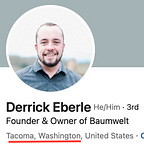
Eberle owns Baumwelt, a landscape architecture firm in Tacoma.
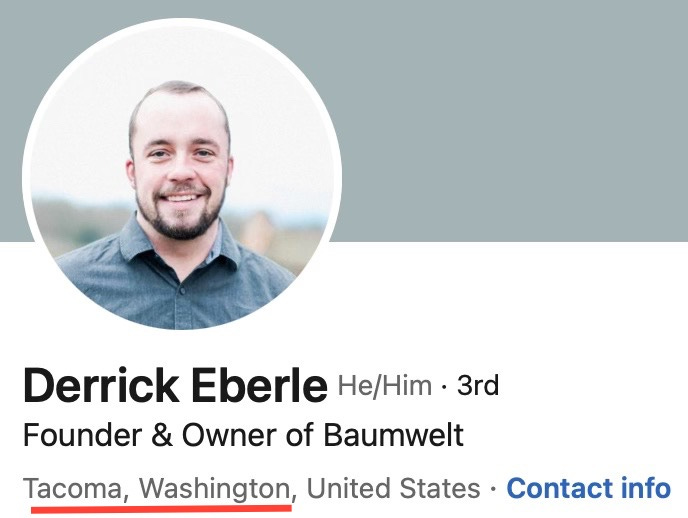
Approximately 1.3 miles from that office is a home he owns and where he receives mail.
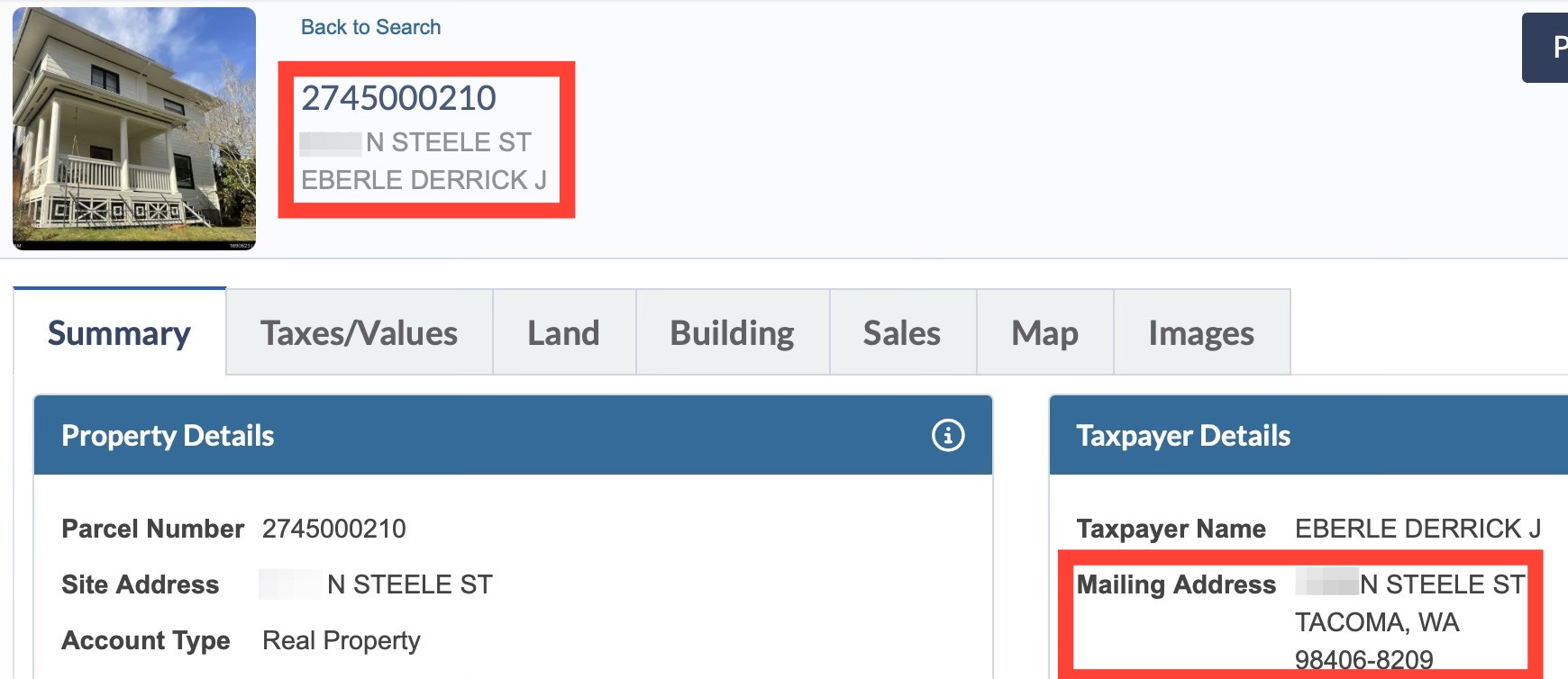
According to publicly available real estate data, children residing at that address would attend Lowell Elementary School.
Further adding to the questions, a Lowell Elementary PTA Facebook post thanks “the Eberle family” for planning, designing, and painting a playground addition—accompanied by photos of the finished project.
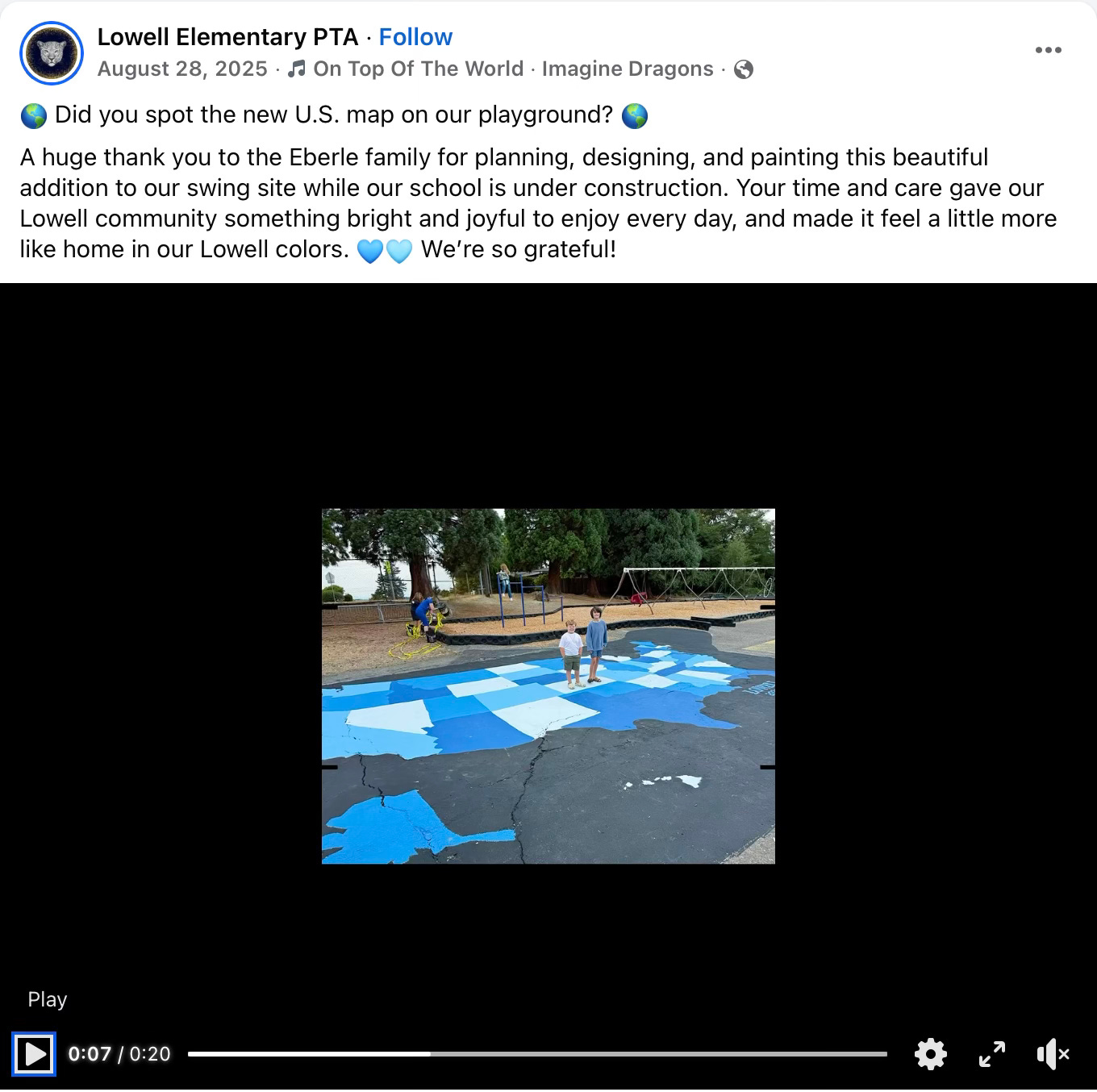
None of this proves where Eberle’s children attend school. But it does raise a fair question: How does someone working, receiving mail, and owning a home in Pierce County represent District 1 interests on Clallam County’s Heritage Advisory Board?
In Clallam County politics, proximity and alliances matter. Eberle’s alignment with Commissioner Mark Ozias raises an uncomfortable possibility—that this appointment was less about heritage expertise and more about political reliability.
When Discrimination is Accepted
The U.S. Fish and Wildlife Service biological field sampling and hatchery support position is restricted exclusively to registered tribal members.
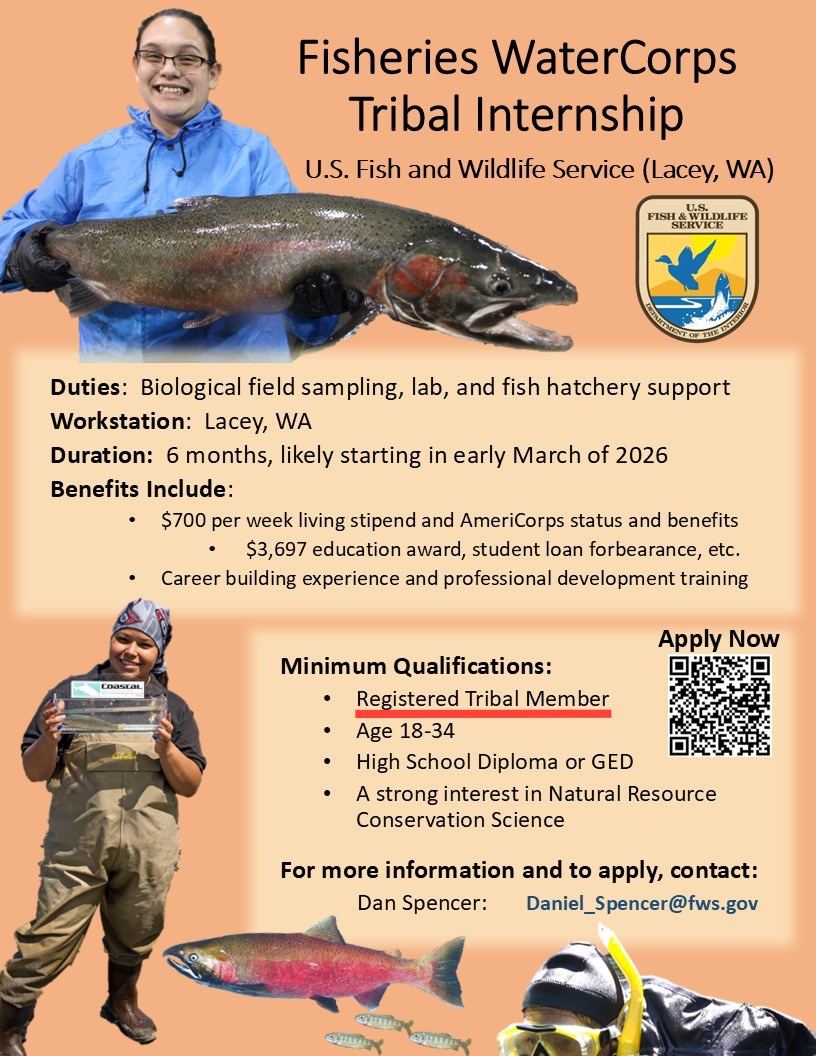
Whatever the justification, the result is the same: qualified applicants are excluded based on ancestry rather than merit. That raises a fundamental question—what matters more, helping fish recover or filling identity-based quotas? Fish populations benefit from capable science and effective field work, not hiring restrictions.
If this position were limited to only white applicants, the response would be immediate and unanimous condemnation. Discrimination does not become acceptable because it is selective or politically convenient. When taxpayer-funded jobs are restricted by ancestry instead of competence, the public has every right to ask who is truly being served.
The Dogs No One Talks About
Letter to the Editor:
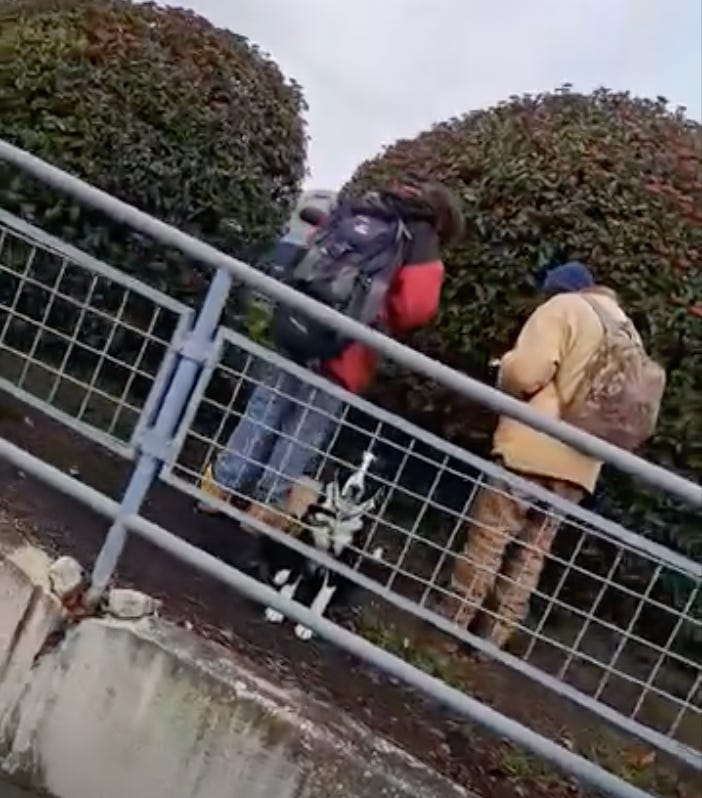
Hi Jeff. I wanted to suggest a broader view of the homelessness and drug issues. One aspect I rarely hear mentioned is the dog abuse that occurs at the hands of many addicts. It’s something I see often, and it’s deeply disturbing.
These dogs—often young puppies—have no voice and no choice in their circumstances. They live exposed to both heat and cold, have limited access to water, and it’s unclear what they are fed. They are frequently surrounded by drugs, needles, and unsafe conditions. Some appear sick or injured.
When writing about homelessness and drug issues, I hope you’ll consider including the welfare of these animals as well. In my opinion, the cities of Port Angeles and Sequim are effectively allowing legal animal abuse. There is little to no accountability for conducting welfare checks on these dogs, even as police, medics, and fire crews routinely perform welfare checks on people suffering from addiction and overdoses.
Thank you for your time.
A New Car Wash Takes Shape in Sequim
The Sequim Monitor recently broke the news that a Quick Quack Car Wash is proposed near the Walmart roundabout, at the former D&K Rental site at 52 River Road.

The proposal includes a 108-foot automated wash tunnel, three queuing lanes, 18 vacuum stations, employee parking, lighting, stormwater improvements, frontage work, and landscaping across two parcels totaling 1.73 acres.
As of now, 43% of the review process is complete. Fees totaling $3,850.22 have been paid in full, and 25 technical documents—including traffic, drainage, utility, and landscaping plans—are available for public review.
Quick Quack, founded in 2004, now operates more than 250 locations nationwide and eight in Washington State.
Will this project move forward? Too early to say. But one thing is clear: if you aren’t subscribed for free to the Sequim Monitor, you’re missing out.
Olympia Is Moving, But Not Everyone Is Represented
As the legislative session begins, three proposed bills could significantly affect Clallam County:
SB 5838 expands environmental and land-use authorities that may increase regulatory burdens in rural areas—while offering exemptions or special treatment for tribal or government-aligned projects.
SB 6097 modifies permitting and infrastructure rules in ways that could shift decision-making away from local residents and toward state-level or tribal entities.
HB 1974 advances planning and environmental mandates that disproportionately affect private landowners while exempting sovereign or quasi-sovereign actors.
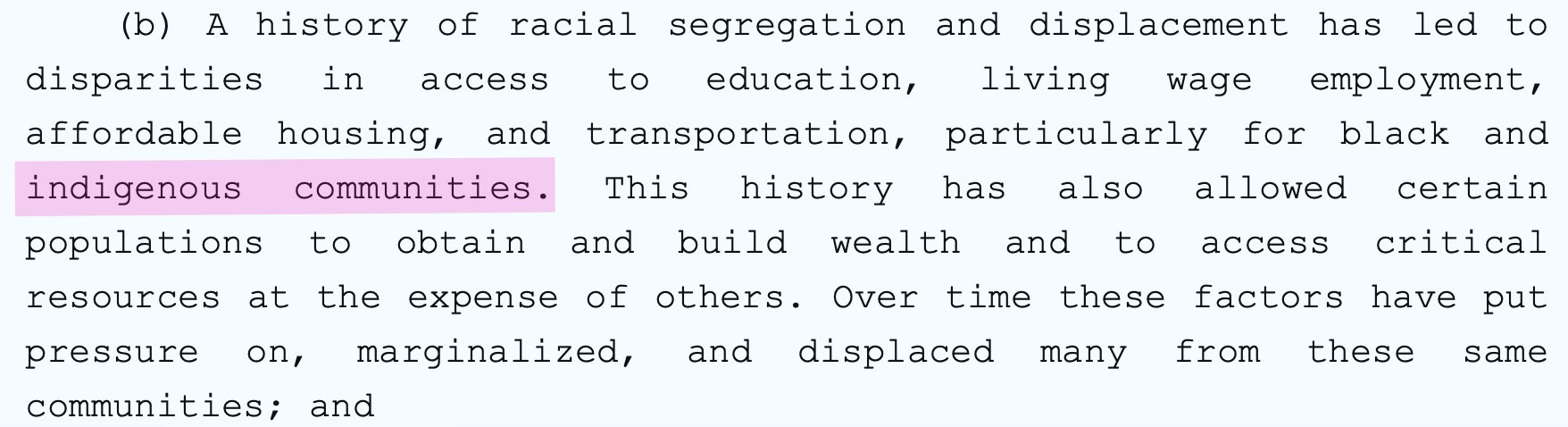
Taken together, these bills raise a recurring concern: Are all residents being represented equally—or are some interests consistently prioritized over others?
“Business as Usual” on the Scanner
Here’s a sampling of calls picked up on the scanner this week: a stolen vehicle, multiple overdoses, a slumped person, and an individual passed out without pants.


Note: For additional context, see prior reporting on Mohammed’s previous encounters with law enforcement, available here and here.


In a county that just invested another $100,000 in harm-reduction programs, officials might call this progress.
Residents call it business as usual.
When NGO Leadership and Public Power Collide
Commissioner Mark Ozias also serves as president of the North Olympic Development Council (NODC)—an NGO involved in shaping portions of the county’s comprehensive plan before those recommendations return to the county for approval by… Commissioner Mark Ozias.
Last week, commissioners approved a $25,000 membership payment to the NODC.

The conflict concern deepens when reviewing NODC’s Vision 2025, which lists a key objective: “Build a Sustainable Organization.”
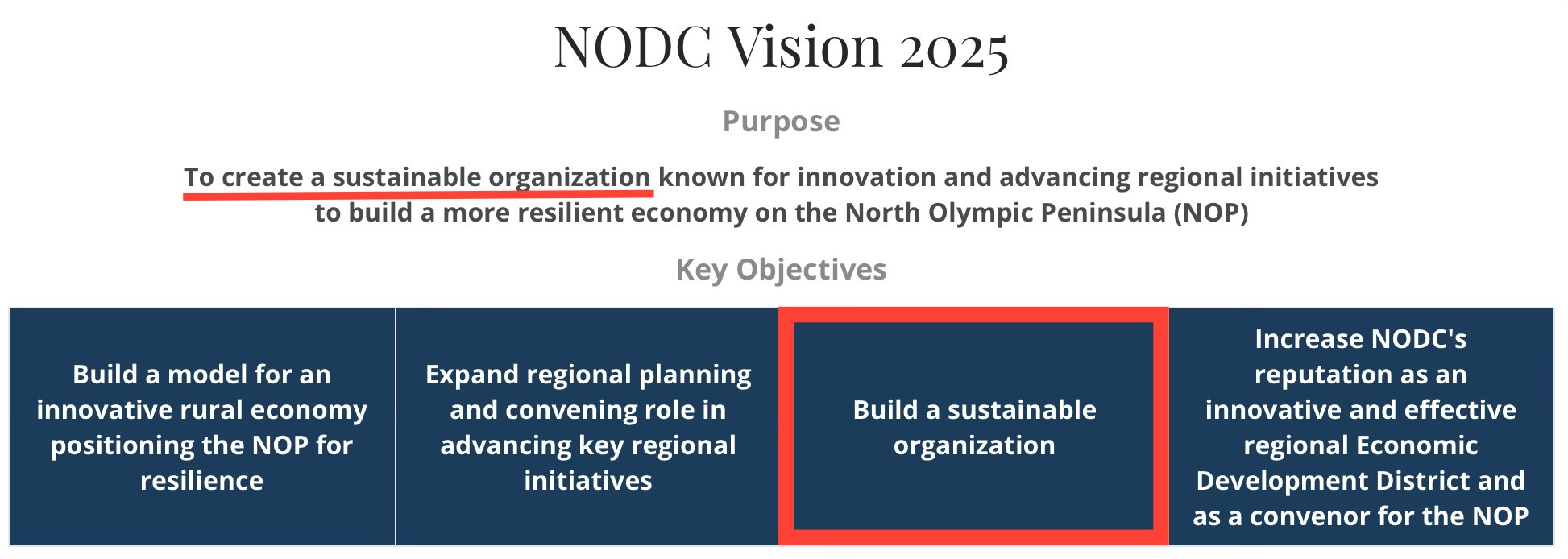
Not sustainable communities. Not sustainable businesses. Their own organization.
Since the NODC is not essential, sustainability becomes self-justification. The question remains: Who benefits when public officials fund organizations they lead?
Thanks, Clallamity Jen, for finding this!
Buyouts, Flooding, and Déjà Vu at Three Crabs
Recent reporting highlights Washington State property buyout programs for flood-prone homes. For some, buyouts provide relief. For others, they raise red flags.
Residents of the Three Crabs neighborhood know this pattern well. Flooding worsened after the county partnered with the Jamestown Corporation to reengineer Meadowbrook Creek. As fiscal agent for SERN, the Jamestown Corporation recommended buyout offers—below market value—for private property owners.
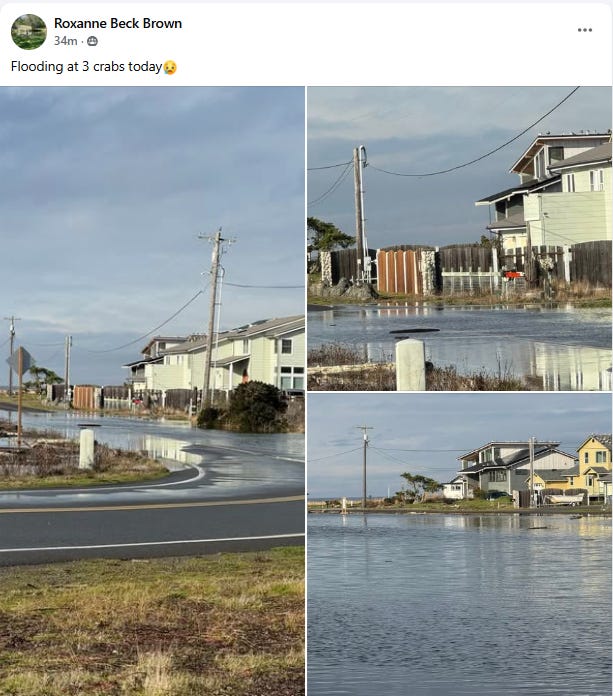
Meanwhile, the Marine Resources Committee, chaired by LaTrisha Suggs, a Jamestown employee and tribal member, has called for the removal of Three Crabs Road and the relocation of residents.
When the same entities influence the problem, the solution, and the valuation, trust erodes quickly.
Same Cycle, Same Result
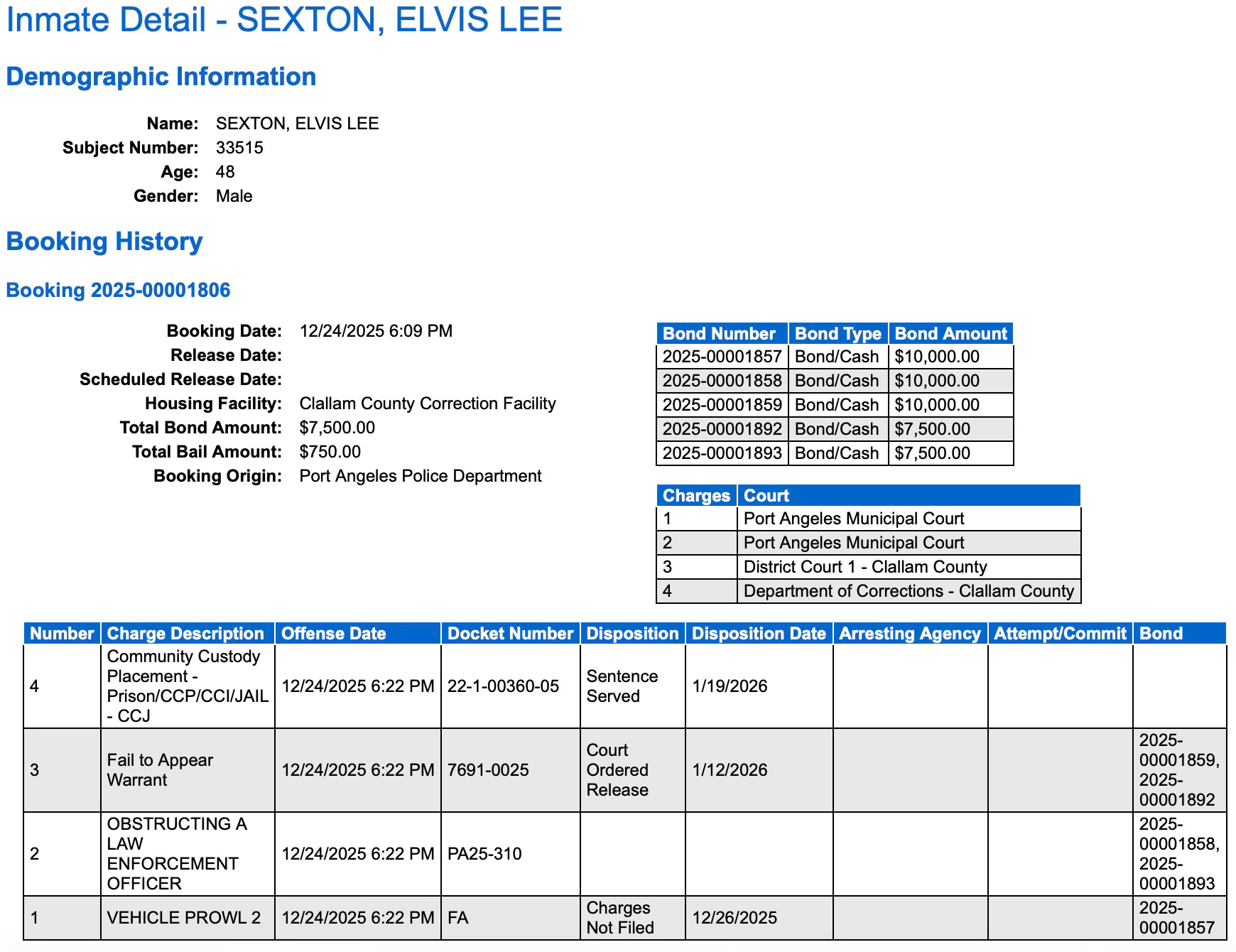
Chronic offender Elvis Sexton was booked into Clallam County Jail last month for vehicle prowling, obstruction, and failure to appear.
In a 2021 photo on the courthouse lawn, Sexton is seen helping insert a needle into another person’s arm. The blue tourniquet matches those distributed by the county’s harm-reduction center—identical to those found scattered along Tumwater Creek.
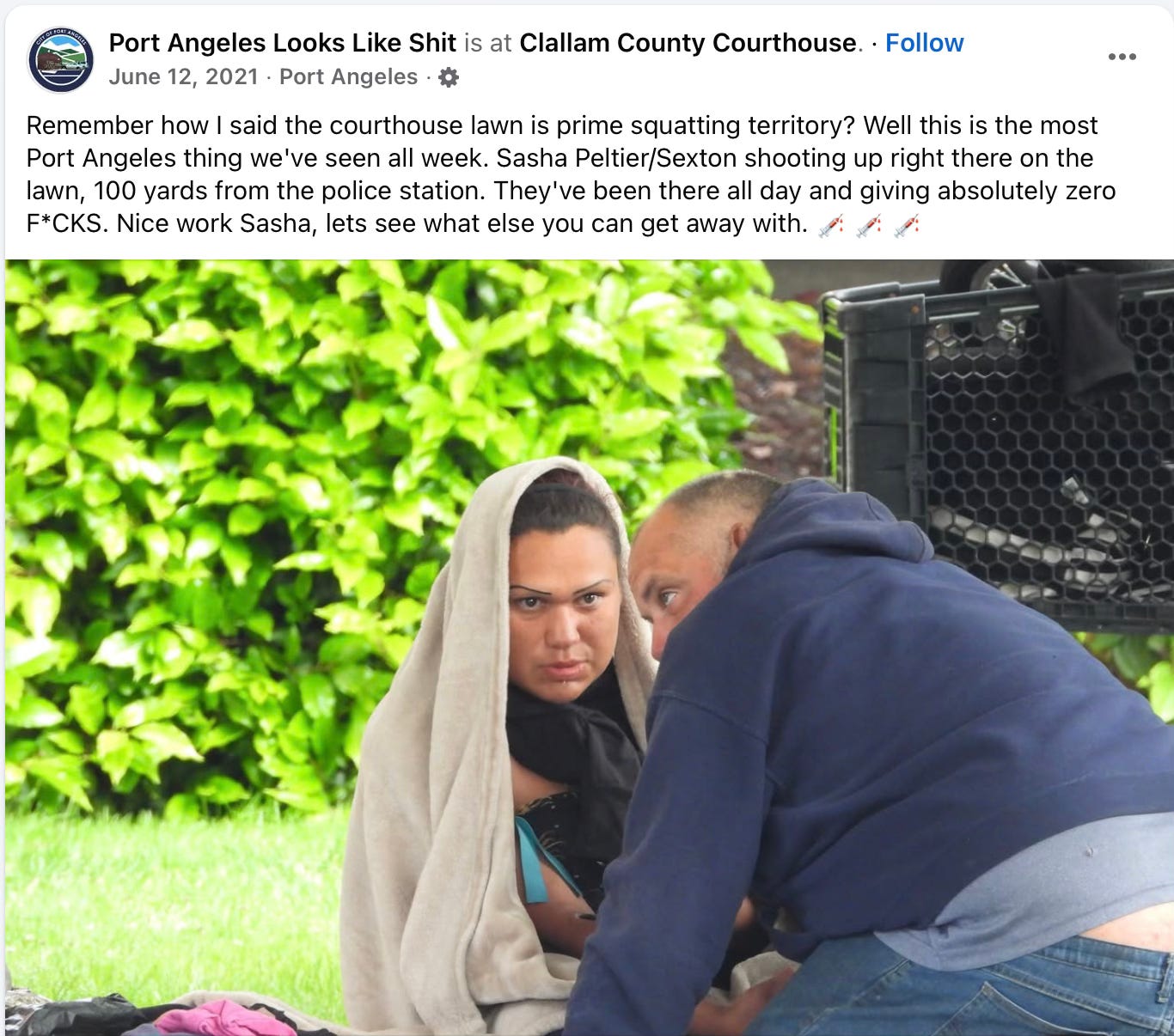
Years later, Sexton is back in jail.
We’ve tried the same approach repeatedly. The outcome hasn’t changed. That is not compassion—it’s a system stuck on repeat.
One Million Downloads and Growing
On Sunday, Jake Seegers’ article “Clallam County: The Wild West” pushed the CC Watchdog podcast past one million total downloads.

Since launching on May 23 last year, the podcast has seen its reach explode. While the website remains roughly 90% reporting and 10% opinion, the podcast flips that ratio—offering commentary, context, and unfiltered analysis.
To every reader, listener, and person who shared an episode: thank you.
Transparency is making a comeback in Clallam County—and it’s happening because people are paying attention.

