

Seven months after Clallam County adopted its latest homelessness response plan—with a promise of measurable goals—citizens are still waiting for basic performance metrics. As homelessness increases and shelters sit partially empty, Commissioner Mark Ozias points to national harm-reduction talking points rather than local outcomes. The result is a growing credibility gap between what residents see on the ground and what county leadership insists is working.

In May of last year, the Clallam County commissioners’ meeting room was nearly full. Residents turned out for the public hearing on the 2025–2030 Homeless Crisis Response and Housing Plan, many of them asking for something conspicuously absent from the discussion: metrics.
Were people entering treatment?
Were fewer people living unsheltered?
Was the growing public investment producing measurable improvement?
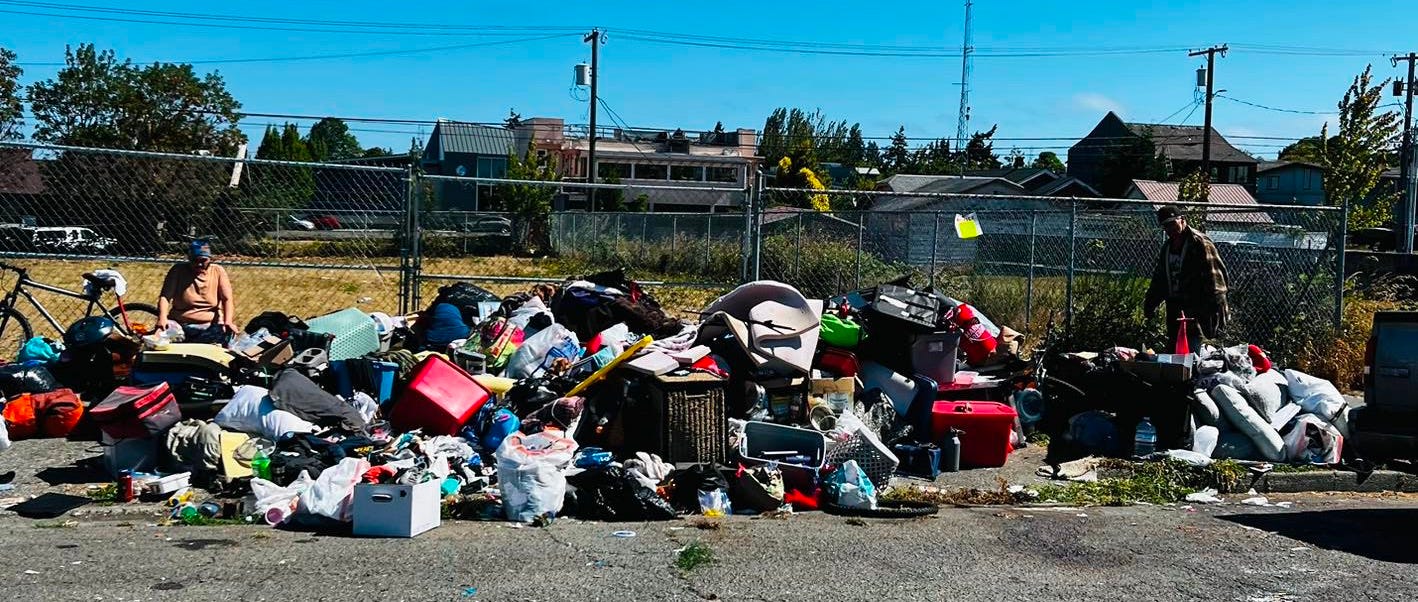
For many in attendance, their lived experience suggested otherwise. Homelessness was more visible, public disorder more common, and the county’s assurances increasingly disconnected from daily reality. Compounding that concern was a troubling disclosure inside the draft plan itself: the commissioners were scheduled to approve it before public comment concluded—raising questions about whether public engagement was substantive or merely procedural.

At that meeting, Commissioner Randy Johnson acknowledged the concern. “We need to have some kind of benchmarks,” he said, asking whether the county was actually moving forward under the plan’s criteria. Deputy Director of Health and Human Services Jennifer Oppelt assured the board that strategies, timelines, objectives, and progress tracking would all be documented.
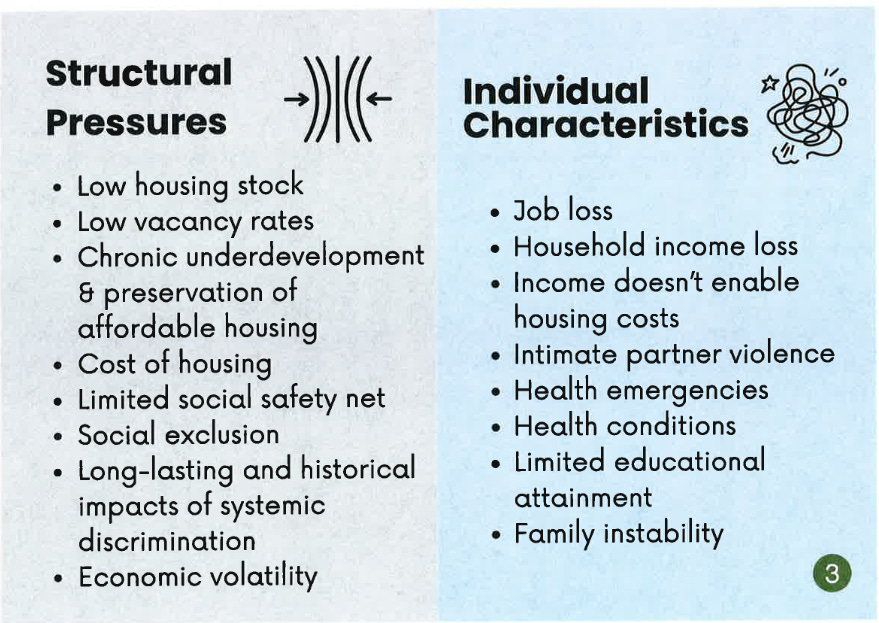
Yet the adopted plan ultimately did not define substance abuse as a driver of homelessness, instead attributing the crisis primarily to housing shortages, rising costs, and “historical impacts of systemic discrimination.”
When the commissioners adopted the plan in May, they added a modification requiring “measurable goals and objectives where appropriate” by the end of 2025.


That deadline has now passed.
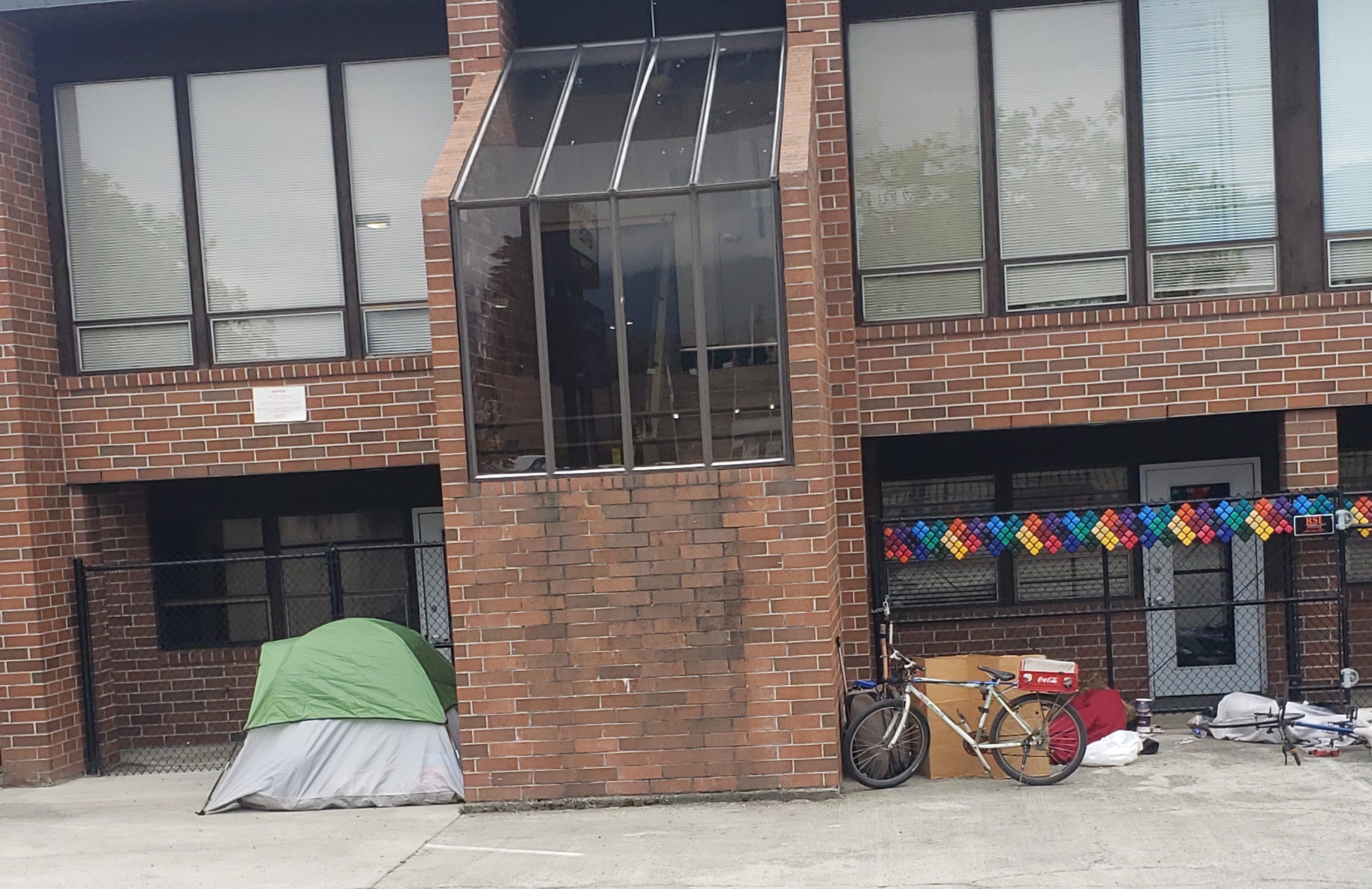
One example of the plan last year was the county’s investment in a safe parking program hosted at Sequim’s Trinity United Methodist Church. The county committed $100,000 toward a program designed to provide three safe parking spaces for people living in vehicles. Since then, funding has been increased to $118,000, yet the safe parking program has not served a single client. This stands as a stark example of more spending without measurable results.

At the December 30, 2025 commissioners’ meeting—nine days after the deadline—Dungeness resident Kärin Cummins reminded the board of that commitment. She asked what specific goals the commissioners expected from Health and Human Services, and when the public would see them discussed.
Commissioner Johnson could not recall the request applying to homelessness at all, instead remembering metrics related to septic systems. There was no follow-up from the other commissioners, and no discussion of overdue homelessness benchmarks.
This disconnect is especially concerning given the county’s simultaneous expansion of harm reduction services, including distribution of meth pipes, snorting kits, and crack-pipe cleaning kits. Health and Human Services has consistently treated homelessness policy and harm reduction as unrelated—despite public concern that the two are closely linked.
When Commissioner Mark Ozias recently stated that there is “ample evidence” that harm reduction is working, he offered to provide that evidence. When resident Karen Parker followed up, Ozias responded not with Clallam County outcomes, but with a National Association of Counties (NACo) newsletter article highlighting harm-reduction efforts elsewhere.
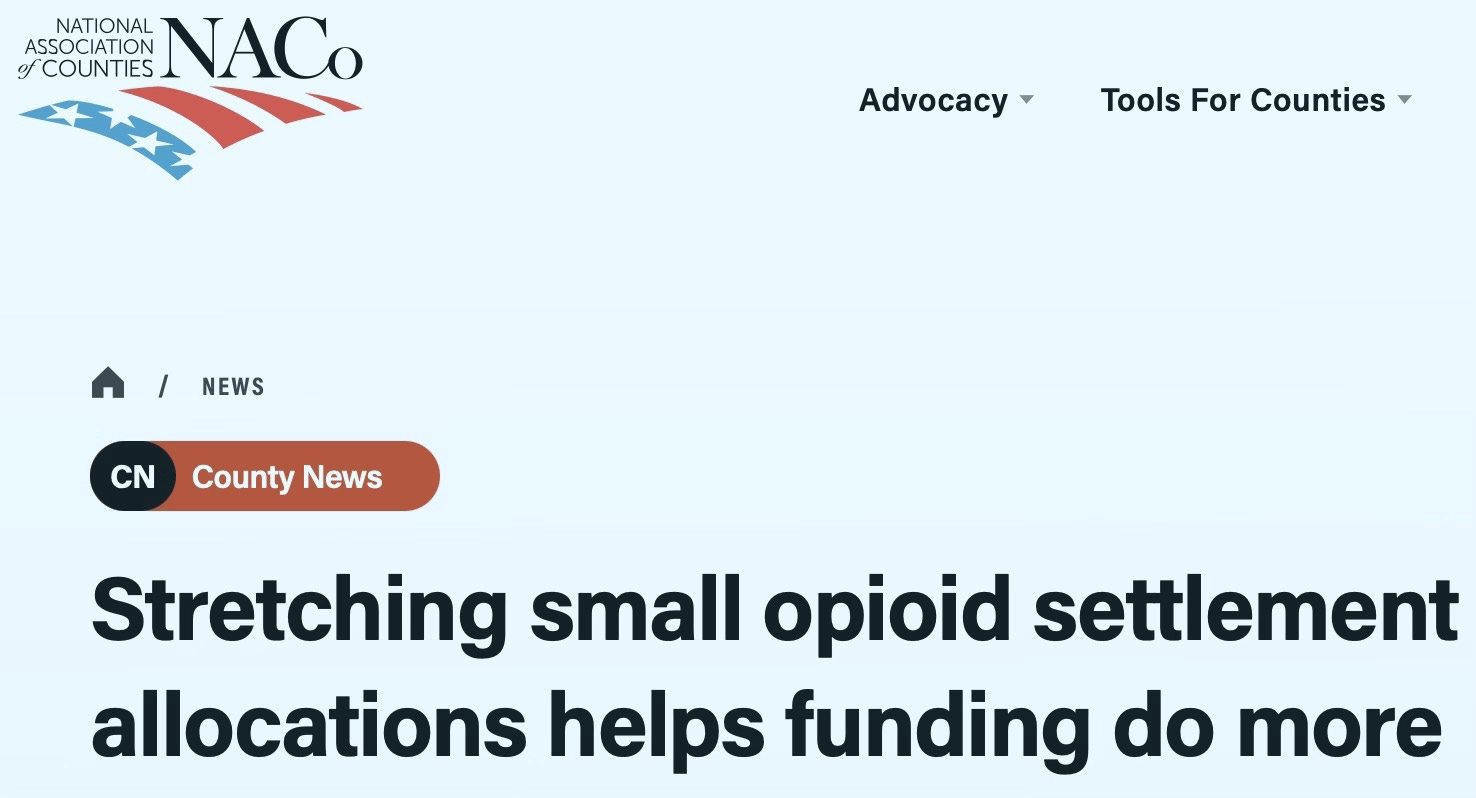
The article cites broad claims—such as increased likelihood of entering treatment—but provides no local data, no exit rates from addiction, and no outcomes showing sustained recovery. “Treatment,” as referenced, often includes long-term methadone or Suboxone maintenance, yet the article offers no data on how many participants ever leave those programs drug-free.
This matters because Ozias is not a neutral messenger. He is the President of the Washington State Association of Counties (WSAC), which is formally affiliated with the National Association of Counties (NACo)—the NGO that authored the harm reduction article.
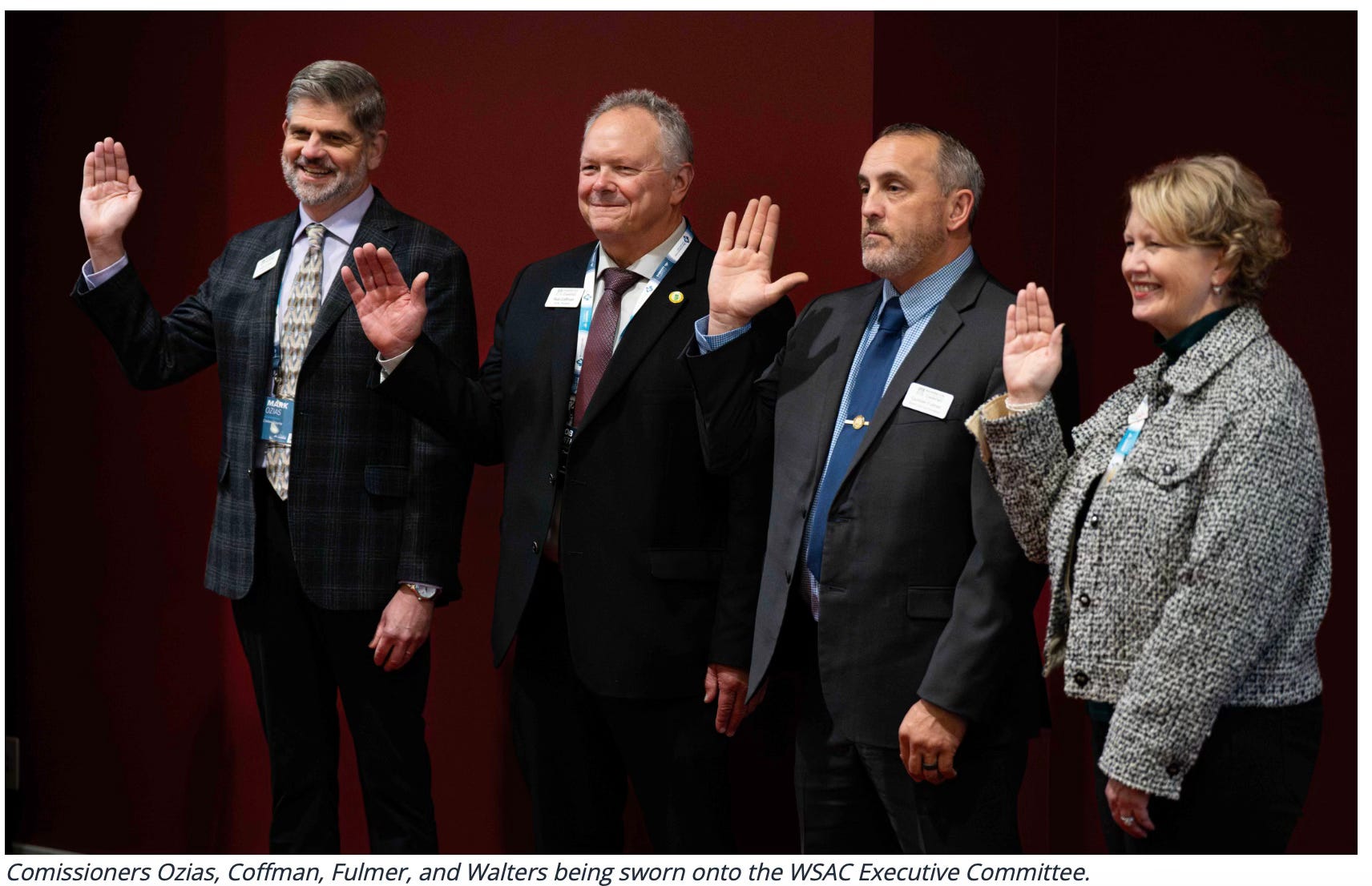
In other words, he is pointing to research and messaging coming from the same institutional circles he helps lead, while brushing aside a growing body of peer-reviewed research that questions whether harm-reduction policies actually reduce long-term addiction, homelessness, or public disorder.
That selective reliance reinforces a core concern raised repeatedly by residents: county leadership appears willing to hear only the voices and studies that validate a predetermined worldview, while dismissing local experience and contrary evidence as irrelevant.
The public did not ask for ideology. They asked for results.
Nearly a year later, the county has yet to deliver the metrics it promised—and continues to insist success exists somewhere else, just not in numbers the public can see.
The commissioners and Ron Allen did not reply to yesterday's email. Here is today's question:
Dear Commissioners,
The 2025–2030 Homeless Crisis Response and Housing Plan included a commitment to measurable goals and objectives by the end of 2025. That deadline has passed. Can you provide the actual metrics you are using to evaluate progress on homelessness — such as numbers entering treatment, changes in unsheltered homelessness, shelter utilization, and outcomes tied to specific programs like safe parking — and explain why these aren’t already publicly available?
Homelessness is job security in financially depressed Clallam Co