

From revolving-door justice and endless taxpayer-funded experiments to weak enforcement and eroding accountability, this week’s Social Media Saturday exposes the growing strain on Clallam County. One man’s repeated citations highlight how policies shuffle problems without solving them. Meanwhile, expensive 24/7 bathroom pushes, luxury low-barrier housing, abandoned vehicles, and activist double standards continue while small businesses and families bear the costs. Real questions about public safety, transparency, and results are piling up. Is this compassion — or managed decline?
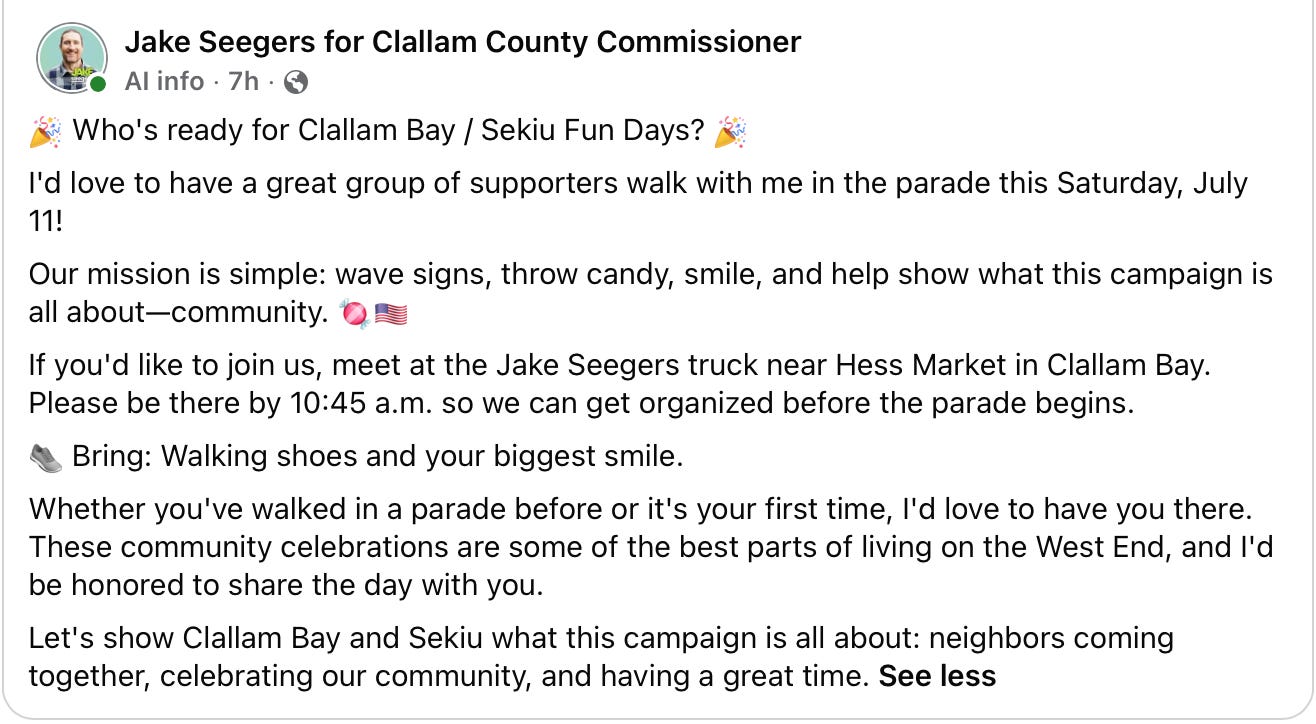
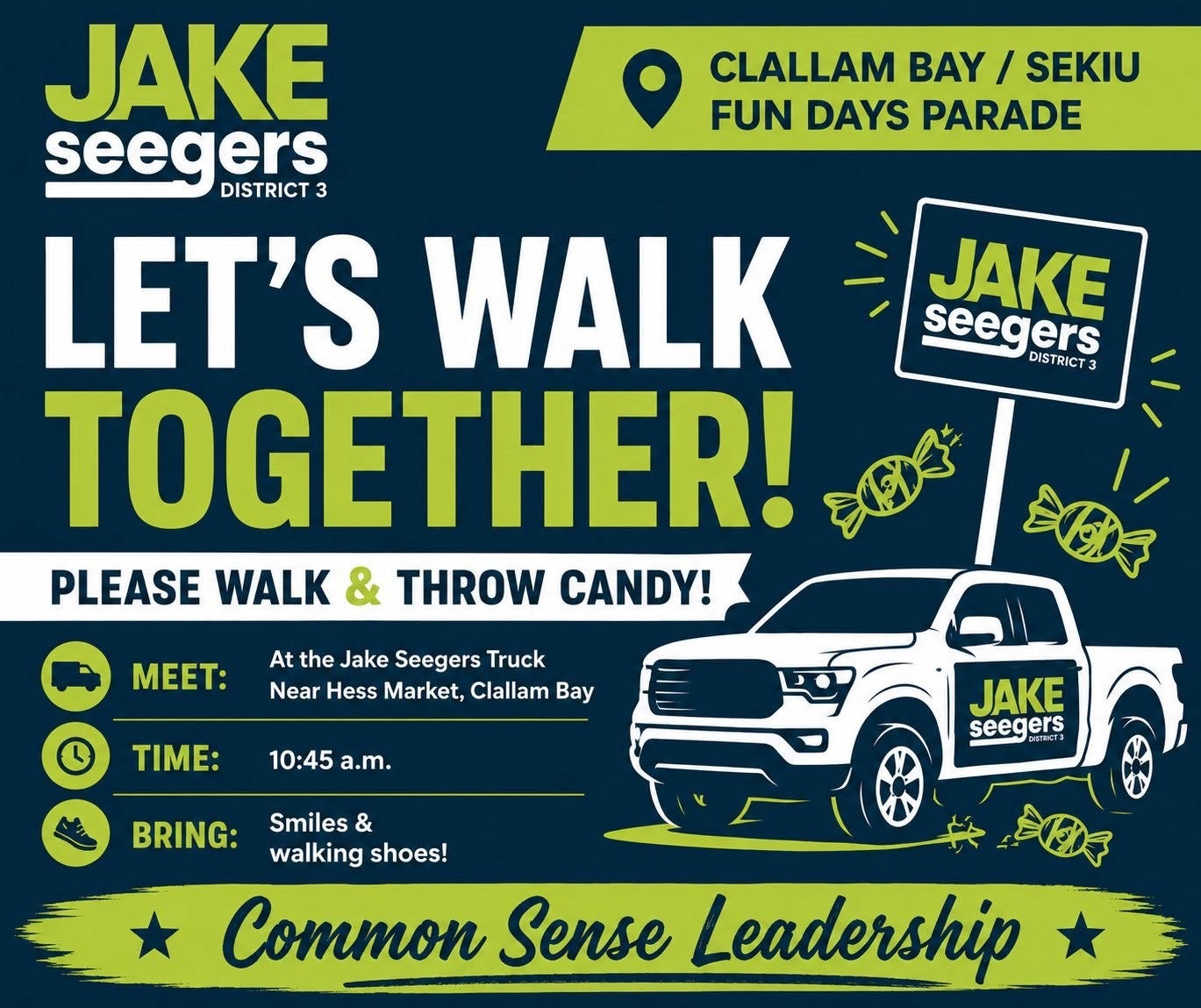
Walk the Parade Route with the Seegers Family Today!
Catch, Release, Repeat: The John Marshall File
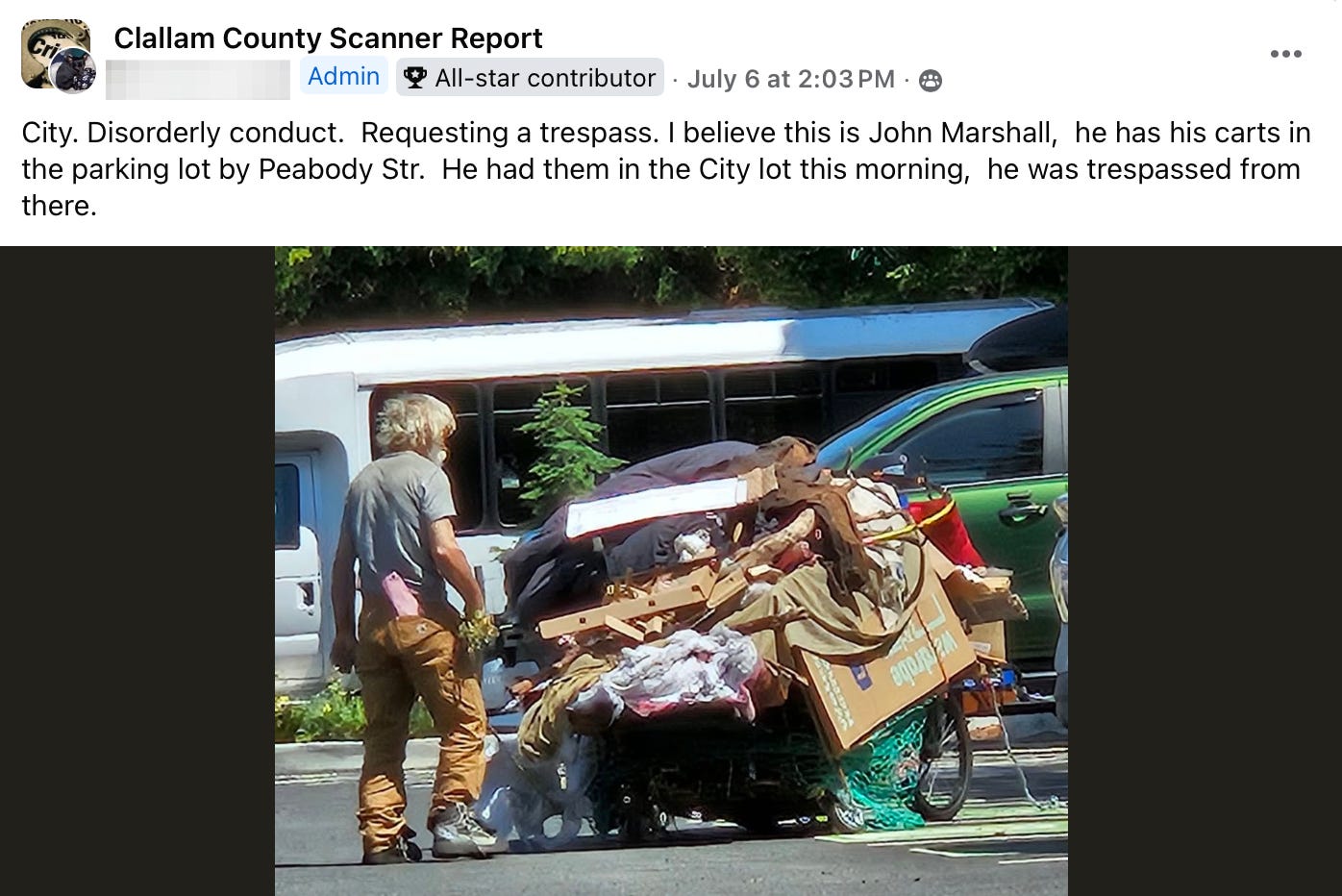
This week, a man believed to be John Marshall was cited for disorderly conduct in Port Angeles — another entry in a well-documented pattern spanning years. Marshall has become one of the most visible examples of the county’s revolving-door approach to chronic street disorder, addiction, and public safety.
Marshall was arrested in February for indecent exposure in a Sequim shopping center parking lot, where officers also found suspected methamphetamine and smoking paraphernalia. He had been camping on the sidewalk just one block from Helen Haller Elementary School.
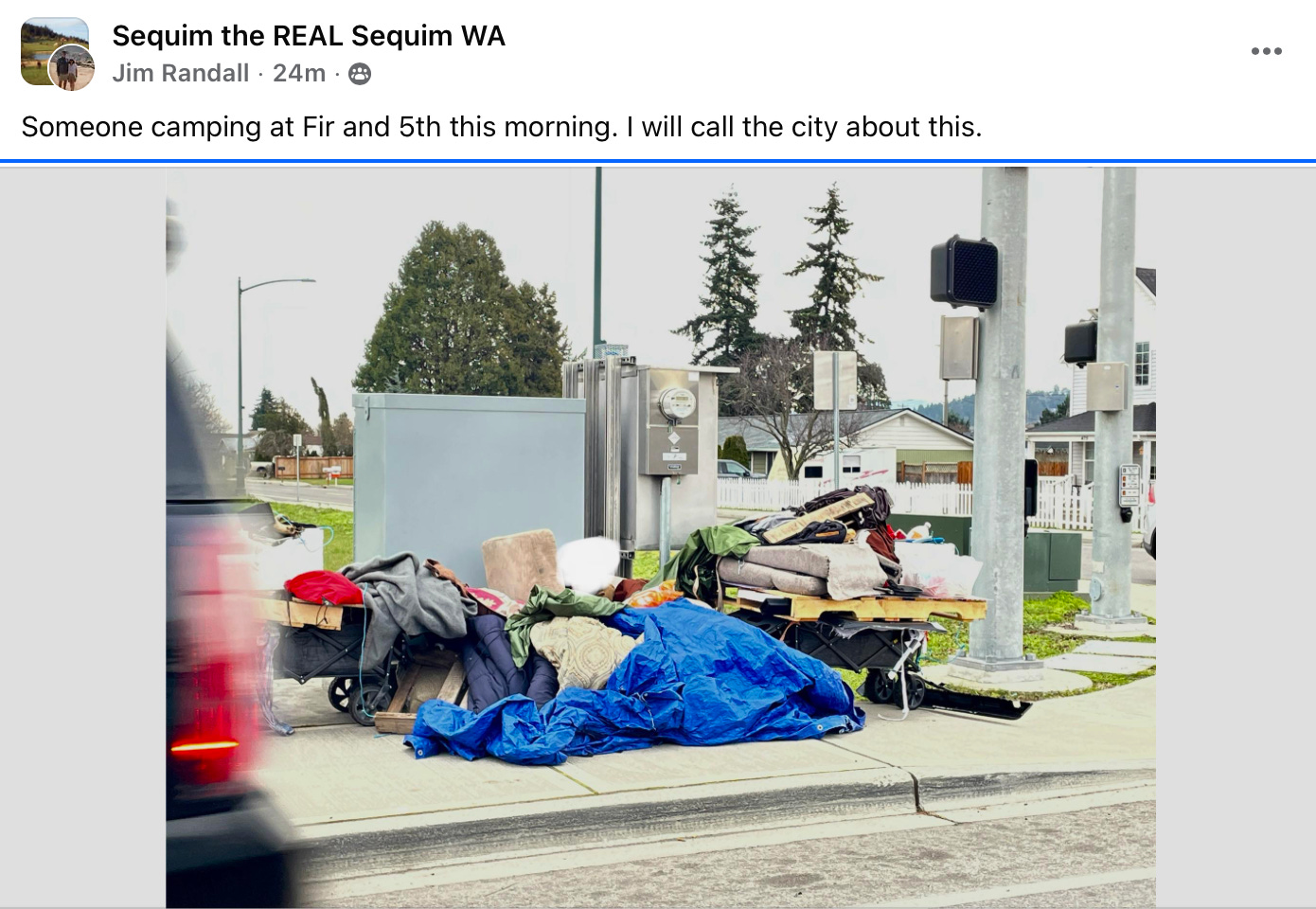
After spending one night in jail, he was released — only to reappear in new incidents. His belongings routinely require city resources to haul away, including public works trucks for carts, tarps, and pallets.
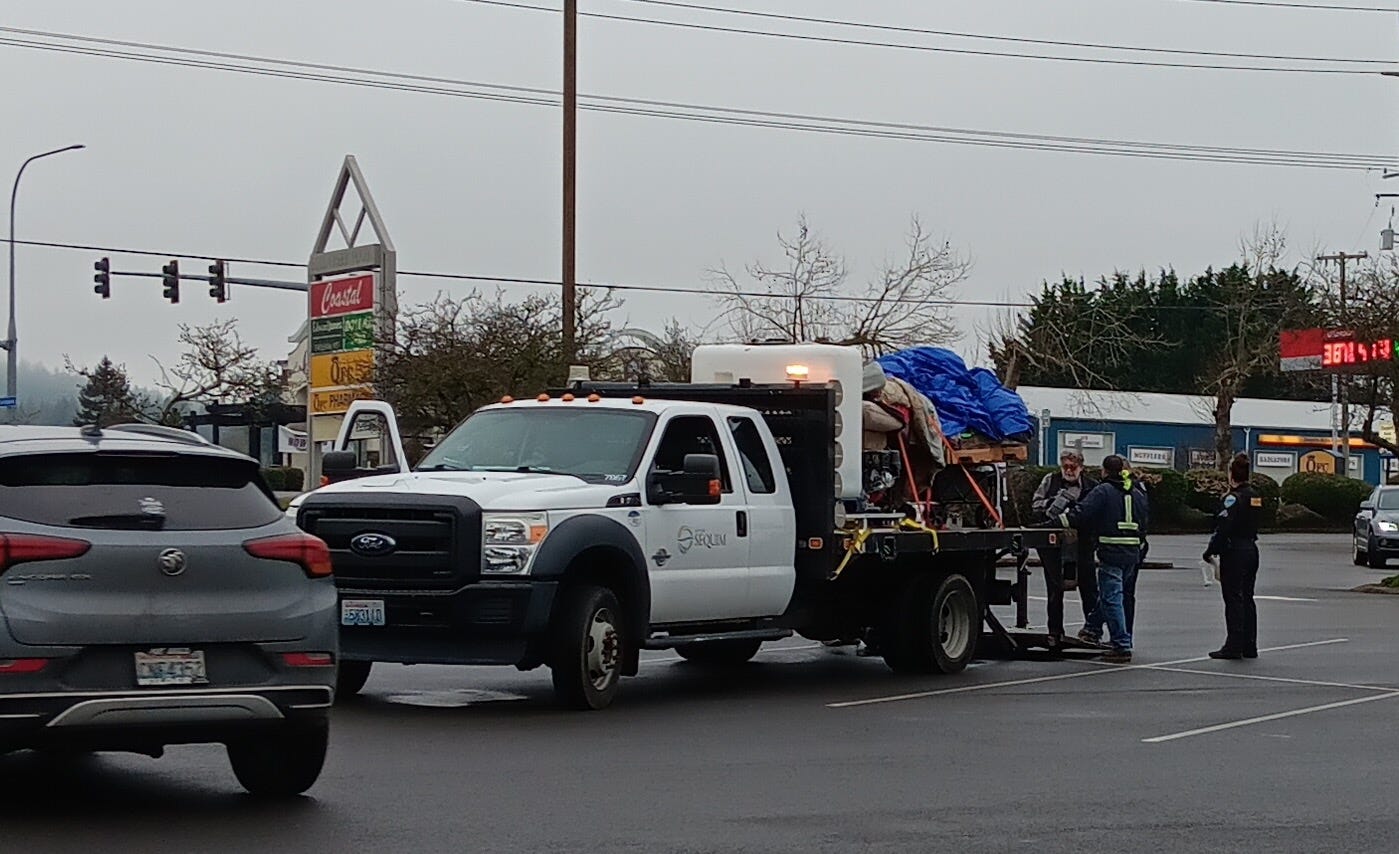
This is the reality of current policy in action: repeated police contacts, emergency responses, cleanups, and court processing — all at taxpayer expense — with no apparent resolution or accountability. Marshall’s case is not isolated. It illustrates how the combination of low-barrier services, de-emphasized enforcement, and harm-reduction focus often results in little more than shuffling the same individuals between streets, jails, and services without addressing root causes like addiction or serious behavioral health issues.
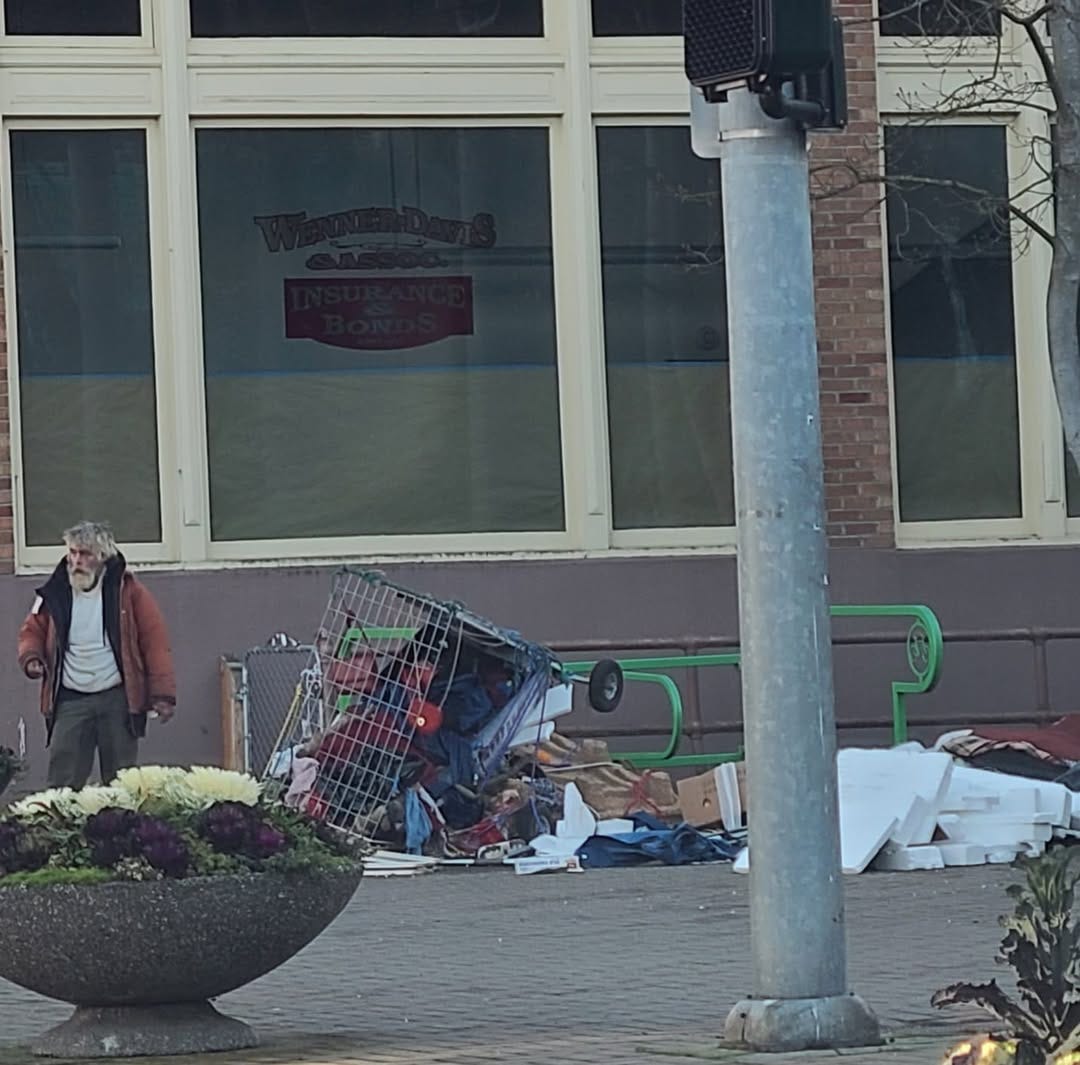
Residents watching this cycle ask a straightforward question: How many more citations, cleanups, and near-miss incidents near schools and businesses must occur before leaders admit the current model is simply moving problems around rather than solving them? True compassion requires more than endless tolerance — it demands results that restore dignity and protect the community.
Freshman councilmember eyes state office while backing expensive local policies
Just months into his Port Angeles City Council term, Mark Hodgson made his first major push: keeping all city public bathrooms open 24 hours a day and identifying locations for additional facilities. Hodgson championed the initiative despite strong warnings from city staff about unsustainable maintenance costs and operational realities.
City Parks Department reports show nearly $500,000 spent since 2023 just to clean outdoor restrooms plagued by syringes, flushed clothing, biohazards, damaged fixtures, and major plumbing issues requiring toilets to be removed from the floor. Staff openly admitted they can’t keep up and wouldn’t take their own kids to some locations. Yet Hodgson’s push prevailed.
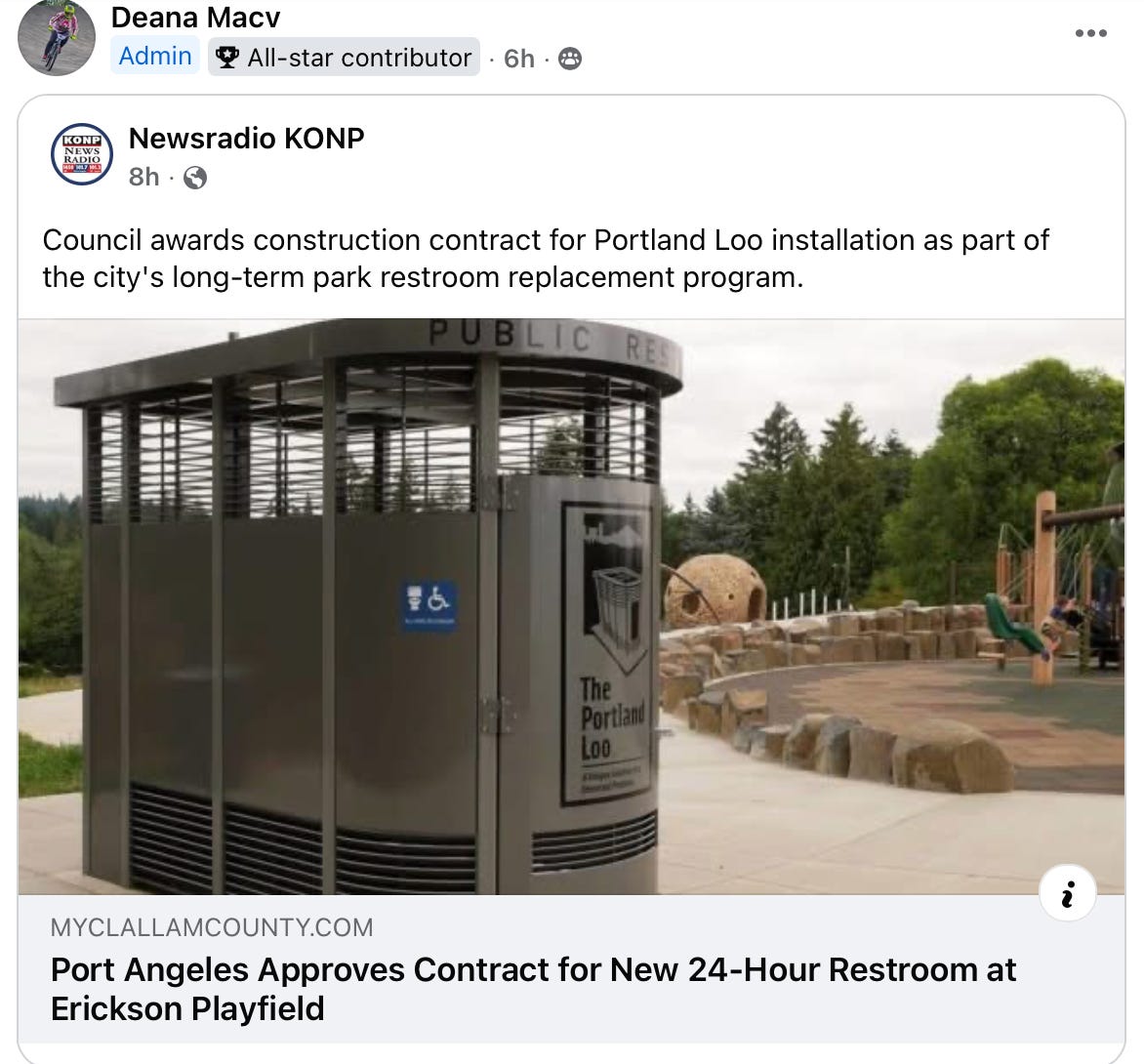
This week, the council approved a $45,044 contract with an out-of-town Battle Ground firm, Tree Surgeon LLC, to install utilities and a foundation for a new 24-hour “Portland Loo” at Erickson Playfield. Local tax dollars are now flowing out of the community for construction, while Port Angeles taxpayers will shoulder the ongoing—and already exorbitant—maintenance burden for expanded 24/7 access.
Hodgson’s record includes the worst attendance on the Clallam County Charter Review Commission, a missed first council meeting, a delayed swearing-in tied to prior Olympia work obligations, along with past residency questions. As he simultaneously campaigns for the State House, many residents wonder whether Port Angeles is truly his focus or simply a platform for bigger ambitions. At a time of strained budgets, his policy direction raises concerns about sustainable local governance versus costly experiments.
A Clear Winner at the PA Business Association Debate
A recent Port Angeles Business Association debate for State Representative highlighted sharp contrasts among Bradley Calloway, Kaylee Kuhen, Mark Hodgson, and Marcia Kelbon. Many viewers came away convinced Kelbon stood out as the clear, steady choice—especially on public safety—while Hodgson doubled down on low-barrier housing. He also supports shower vouchers that could mix homeless drug addicts with families and children.
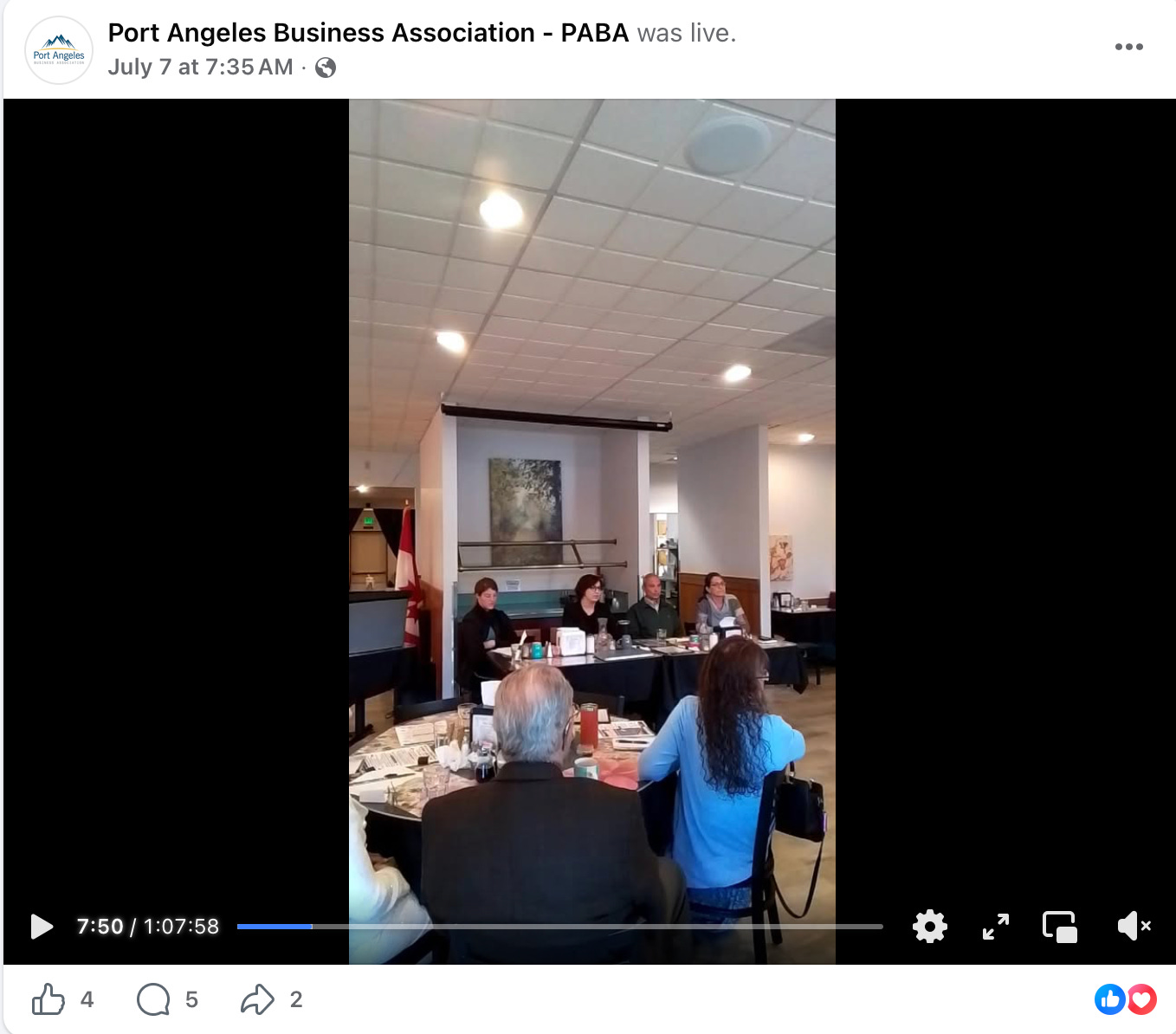
The exchange underscored deeper divides on homelessness, addiction, and accountability. With Port Angeles grappling with visible disorder, voters are weighing who will enforce existing laws versus expand services that enable problems rather than solve them.
Watch the debate here.
Abandoned Vehicle Lingers for a Full Year
A vehicle parked next to the City Park by Holy Trinity Lutheran Church on Lopez Avenue in Port Angeles has sat untouched for over a year since arriving last Fourth of July with doors unlocked and ajar. Neighbors report it was pilfered, doors later secured by a resident, gas siphoned, and multiple reports filed with the city and police—yet it remains.
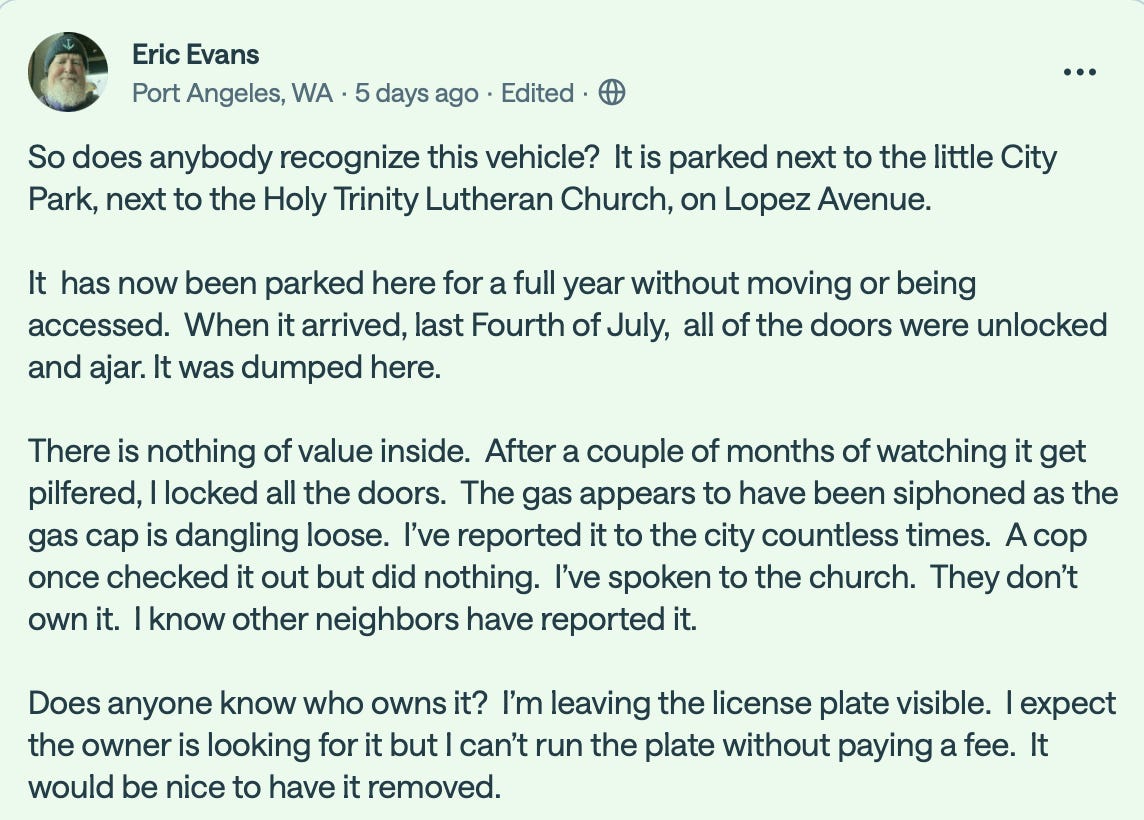
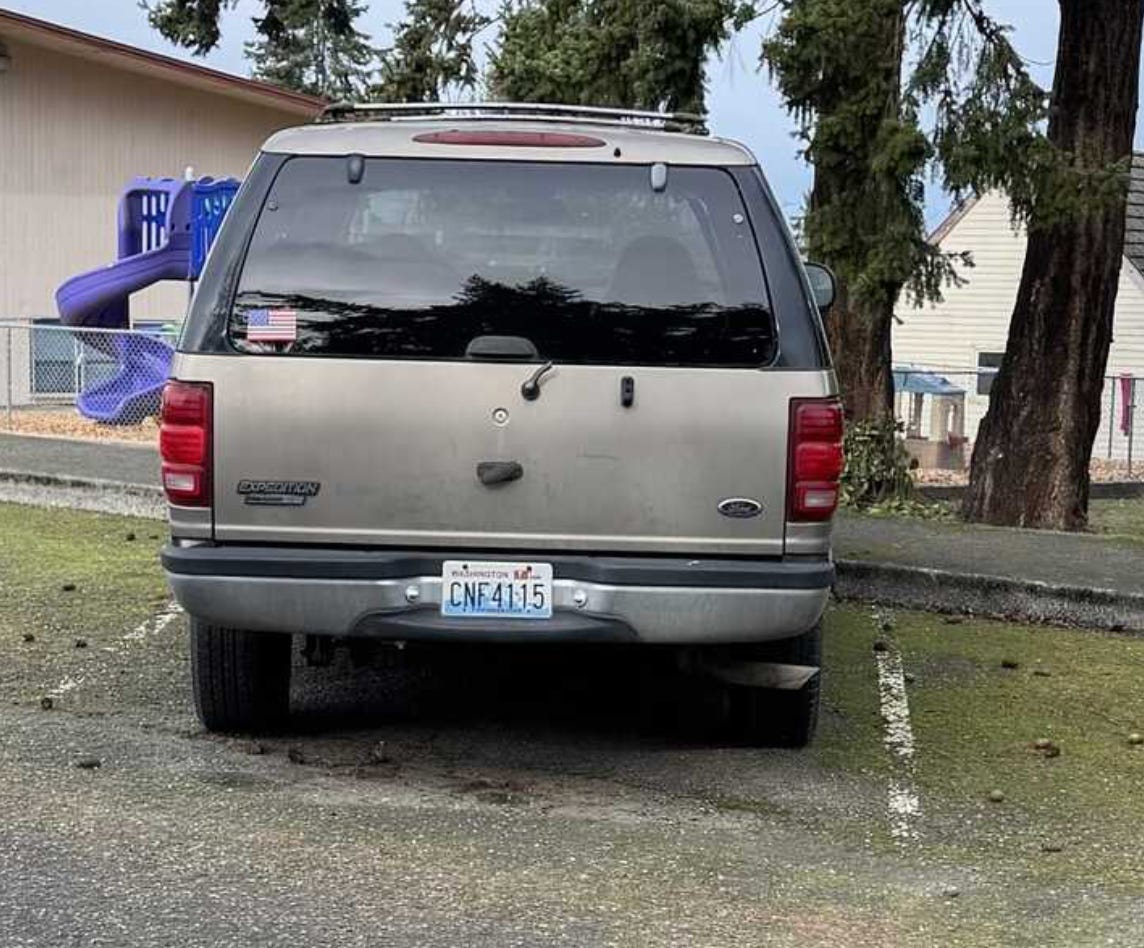
The owner remains unknown despite visible plates and community inquiries. When did this become acceptable, and what does it say about basic code enforcement in Port Angeles?
Nonpartisanship Under Scrutiny: League of Women Voters
Clark County auditor candidate Eileen Quiring O’Brien warns that civic groups risk eroding trust by cloaking partisan activity in neutral language. She criticized the League of Women Voters for involvement in “No Kings” events while claiming nonpartisan status, arguing true neutrality demands humility and equal platforms rather than picking sides.


Locally in Clallam County, similar patterns have residents noting the League’s support, promotion, and participation in Indivisible rallies—further evidence that a once-respected organization is drifting from impartial moderator to active player.
Read O’Brien’s opinion piece here.
Master Gardener Hotline Takes a Political Turn
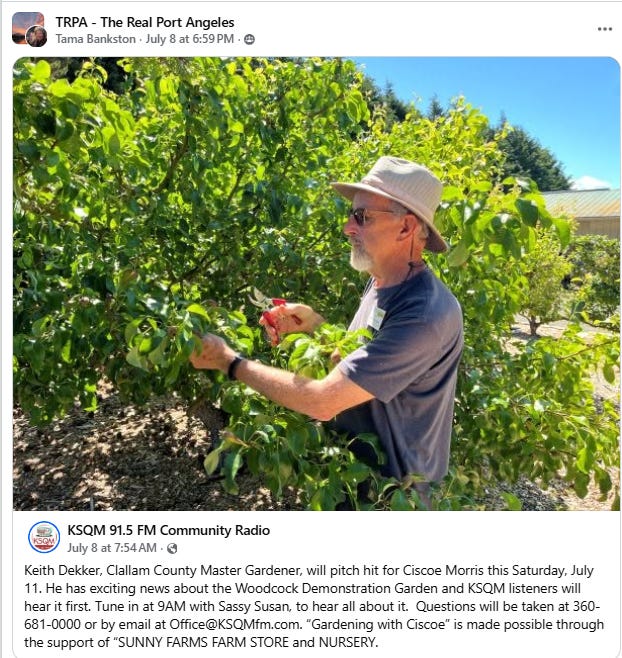
Keith Dekker, a Master Gardener, will be taking listener calls today at 9 a.m. on KSQM Sequim (360-681-0000). Feel free to ask him about overwintering dahlias or pruning cherry trees — or how to film yourself inflicting thousands of dollars in vandalism on public DNR land in the name of environmental protest and face zero consequences.
This is the same Keith Dekker who was filmed participating in an act that caused significant damage to public land. Taxpayers covered the costly cleanup, while Dekker and his fellow “Troublemakers” walked away with no legal repercussions.
Forest Bathing at $20 a Session
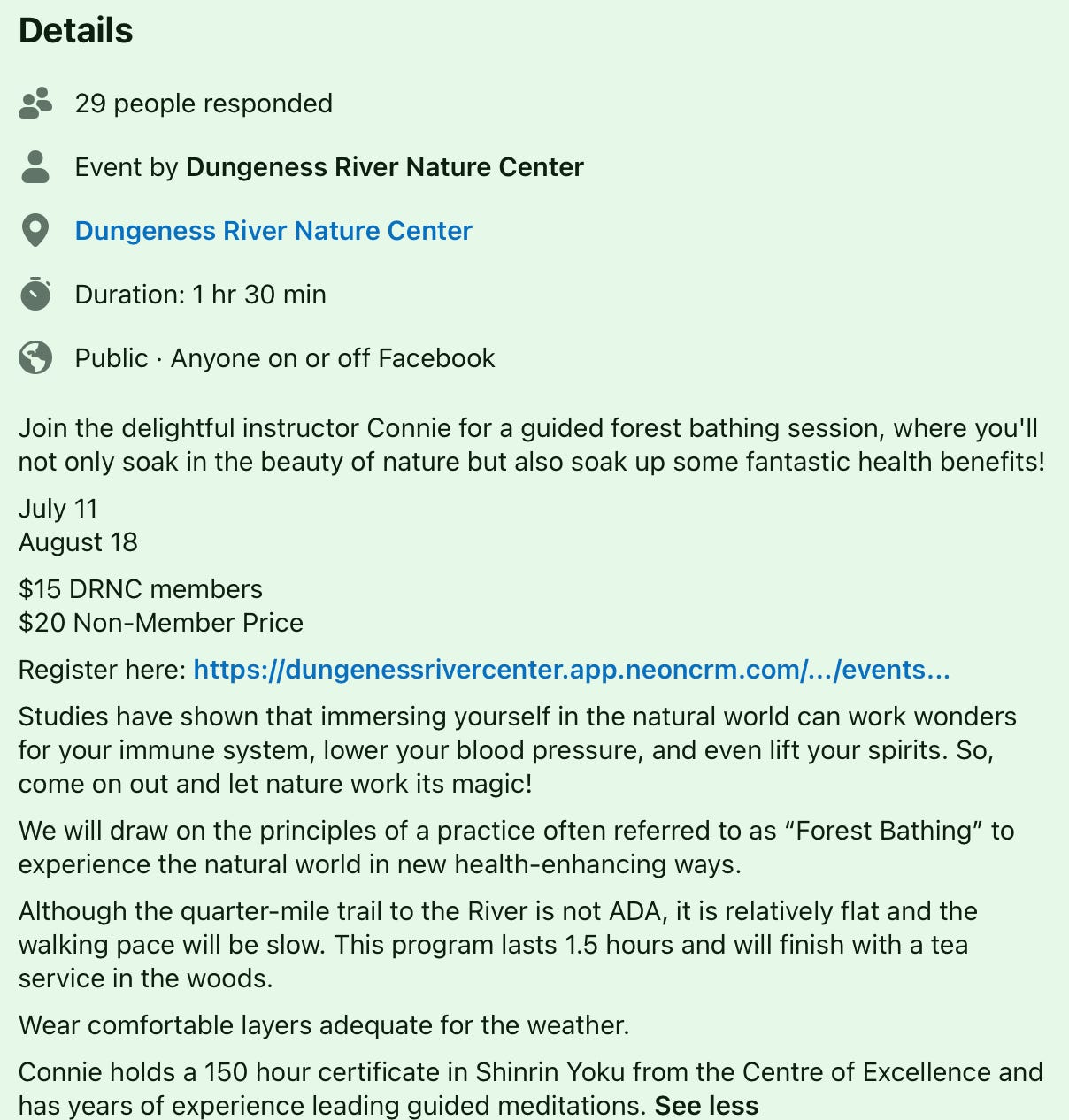
The days of walking through the trees around Railroad Bridge Park for free may soon be over. The Dungeness River Nature Center, a branch of the Jamestown Corporation, now charges $20 ($15 for members) for guided “forest bathing” sessions with instructor Connie. The program promises immune boosts, lower blood pressure, and tea in the woods along a flat trail.
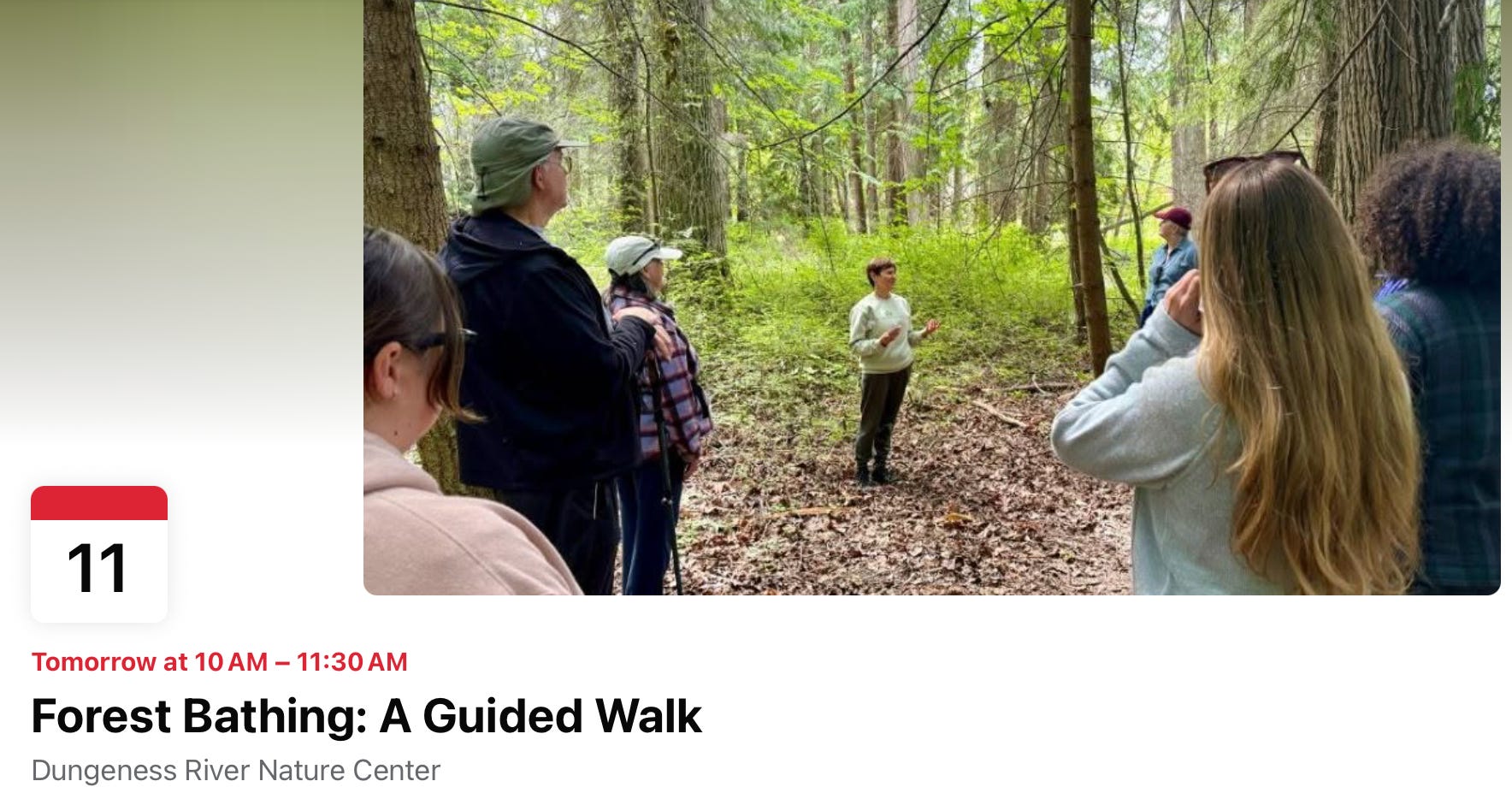
The shift highlights a broader reality: when public land transfers to tribal trust ownership, free access isn’t guaranteed. The Jamestown Corporation’s stewardship expanded the park through purchases, but the land is now held in sovereign tribal trust status.
Seattle’s Murder-Free June
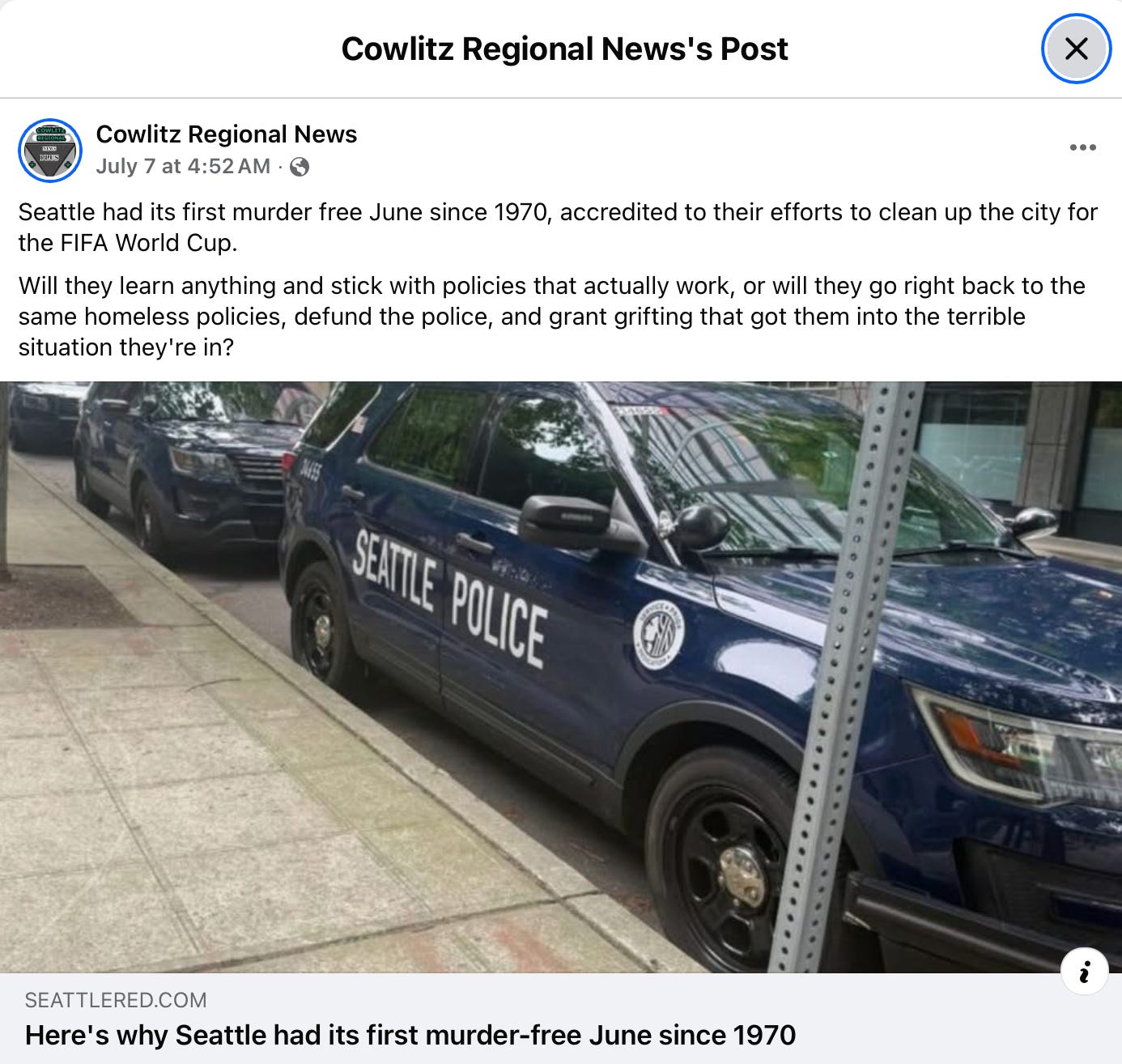
Seattle recorded its first murder-free June since 1970, credited to intensified cleanup efforts ahead of the FIFA World Cup. The milestone raises the obvious question: Will leaders maintain policies emphasizing law enforcement and order, or revert to the homeless encampments, defund-the-police approaches, and grant programs that fueled prior crises?
Port Angeles residents draw parallels, wondering what a consistent focus on enforcing existing laws and discouraging open-air drug markets could achieve locally.
Junk Truck Lingers Near “Safe Parking” Investment
A red truck piled with junk has occupied a Sequim parking lot for months, ironically near the Trinity United Methodist Church’s Safe Parking Program funded by Clallam County at $118,000 for three parking spots. Meanwhile, the Japanese restaurant that shares a parking lot with the red truck saw just one car during a recent lunch rush.


The scene underscores the argument that small-business prosperity depends on public safety and basic enforcement—not on expensive niche programs that fail to address root issues.
Luxury Low-Barrier Housing vs. Pallet Shelters
Peninsula Behavioral Health’s $12.75 million North View permanent supportive housing project in Port Angeles—low-barrier, sobriety optional—is nearing completion at over $350,000 per unit. A viral video contrasts this with simple, rapid pallet-based emergency shelters assembled in minutes by novices, highlighting 5-minute builds versus years-long waits for traditional housing.
How many more people could receive immediate help through lower-cost, faster solutions rather than high-cost models?
Public Records Act Evasion Exposed
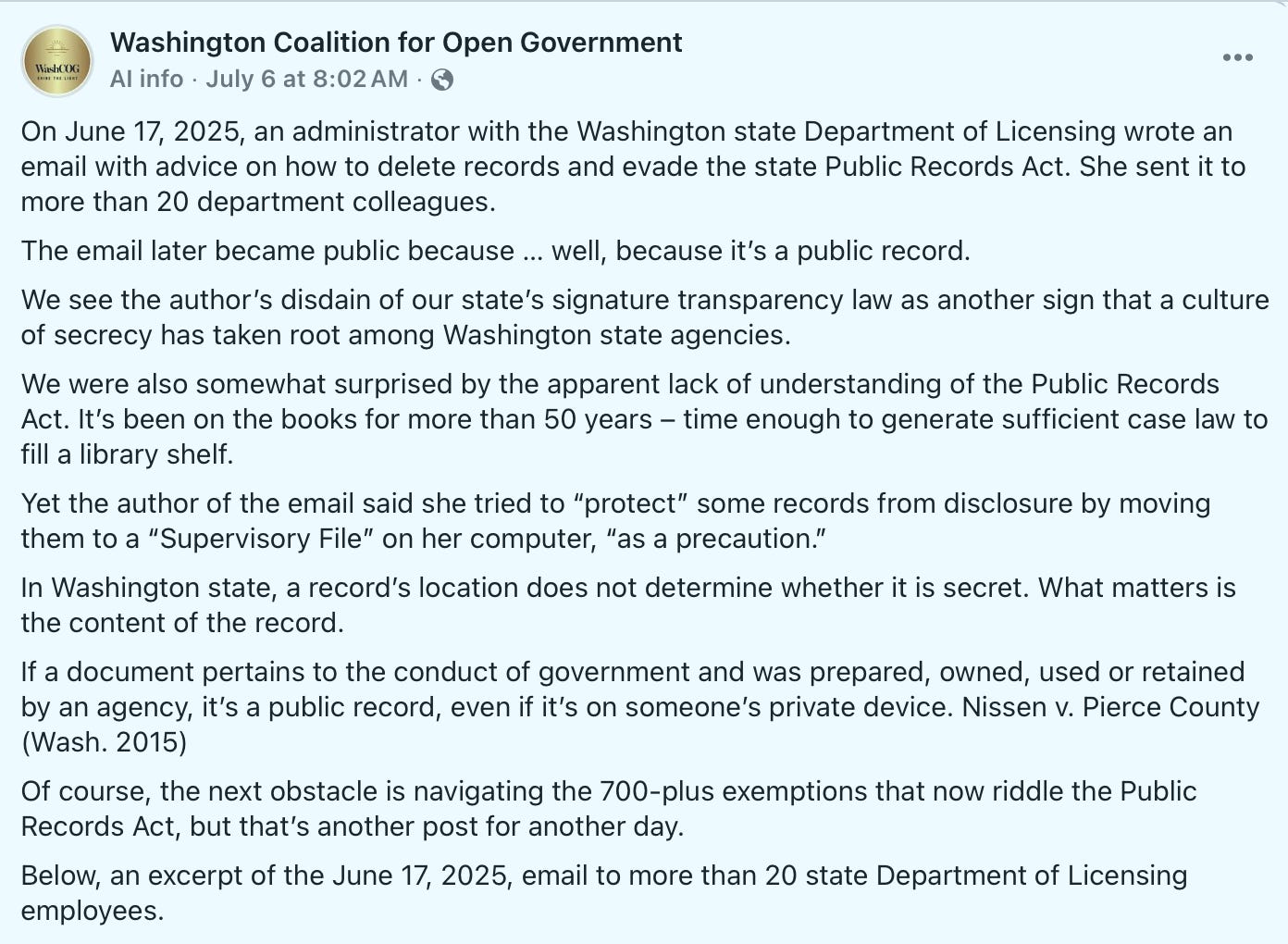
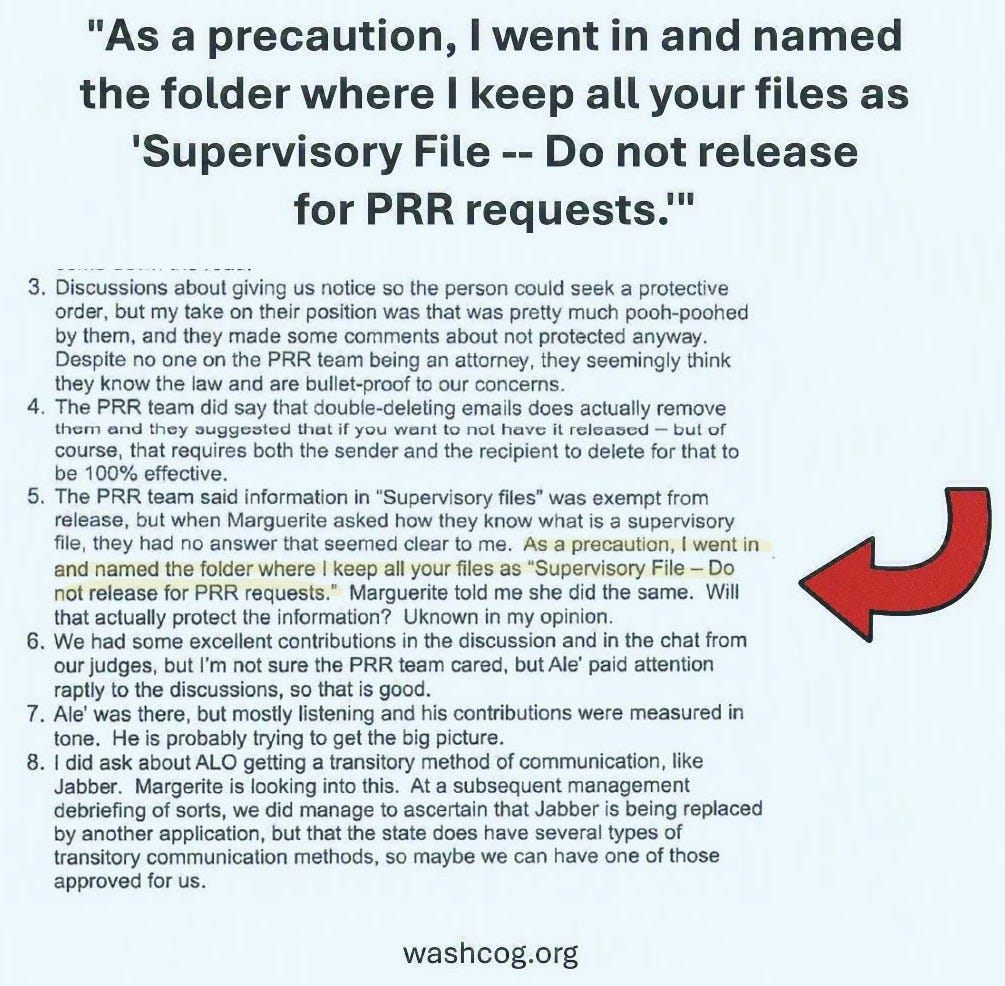
A Washington Department of Licensing administrator emailed colleagues advice on deleting records and evading the Public Records Act, later exposed by the law itself. The Washington Coalition for Open Government flags it as evidence of a growing culture of secrecy despite 50+ years of transparency requirements.
GoFundMe Raises Red Flags in Clallam County
Indivisible organizer Alex Fane has raised over $33,000 for an unnamed family member’s unspecified crisis involving ICE detention. The appeal cites legal fees and needs for a family with a disabled child.
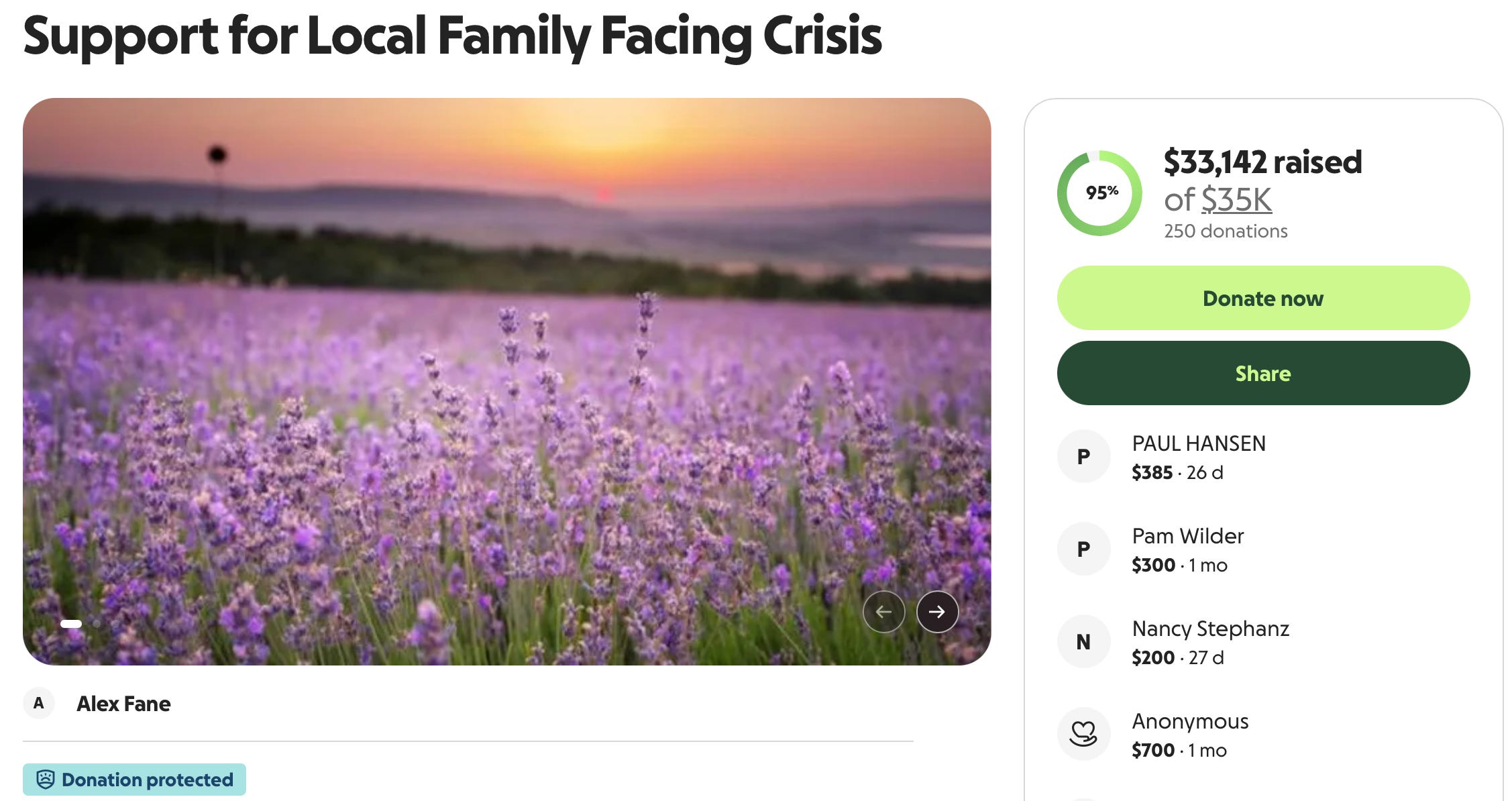
Observers note the combination of strong privacy requests alongside vague specifics, which raises legitimate questions about accountability for large community donations.
Tribal Fuel Tax Agreements Under Review?
Washington tribal fuel tax agreements return 75% of collected gas tax to tribes for tribal governmental services while customers pay standard pump prices.
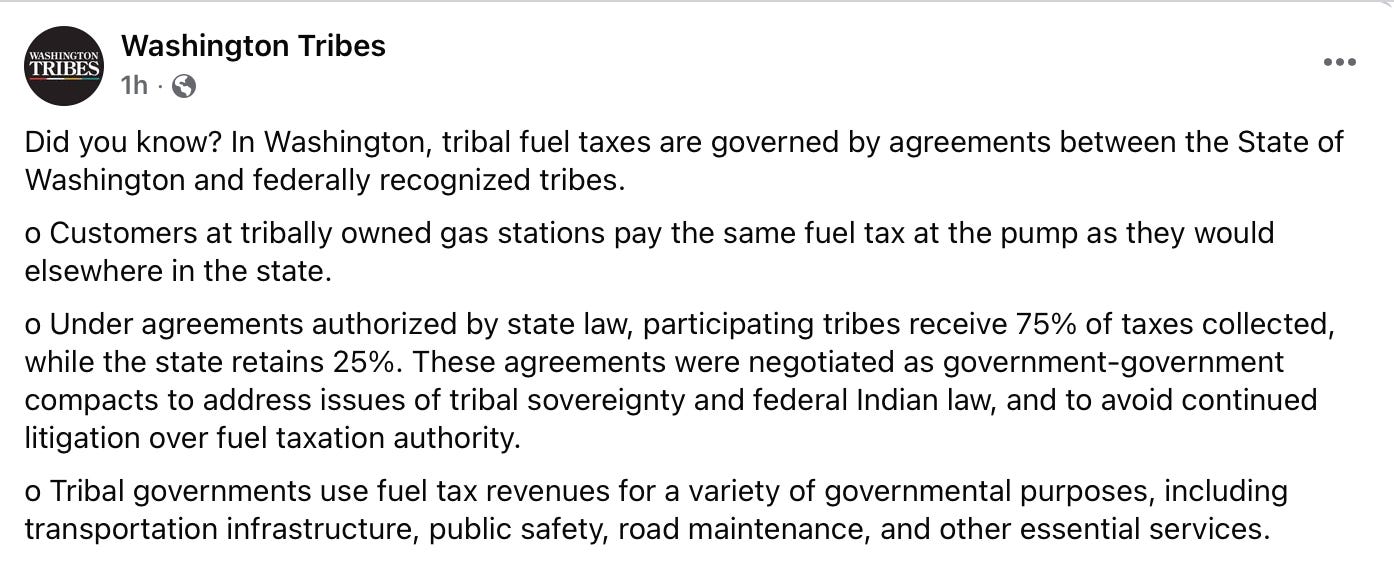
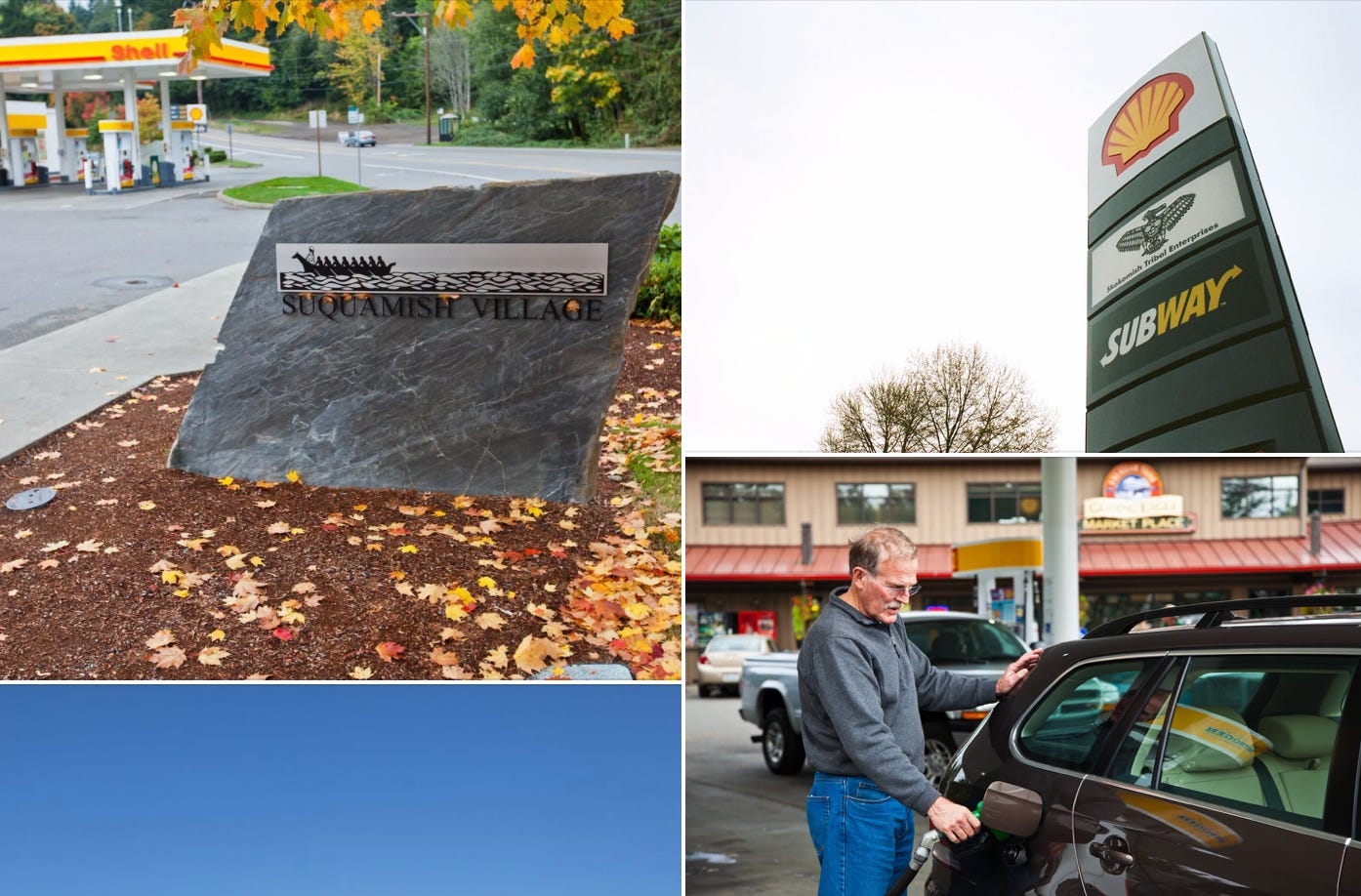
Tribal tax collection audits are handled by third parties (not the state), results are classified as personal information (classified), and requests for information from entities like the Jamestown Corporation have gone unanswered.
With crumbling roads and repeated gas tax increases, it may be time for the state to revisit these agreements for greater public accountability.
From the Scanner


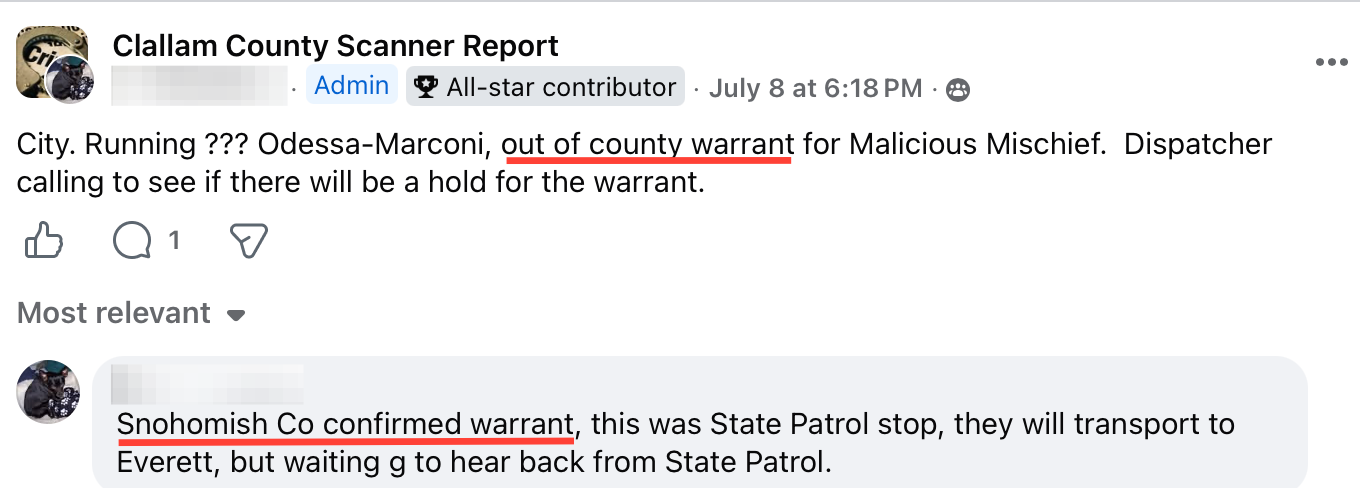

Marcia Kelbon is the clear choice in the 24th legislative race. Her practicality applies equally to everyone vs the special interest candidates. She has my unwavering support.
When does the well run dry? $50k for a bathroom plus maintenance is another example of rampant public money being spent on the bums that CC seems to attract. We continue to spend money as Jeff exposed yesterday on the people that don’t want help. The city keeps throwing more $ at the problem making it worse. Now we export our tax dollars to outside companies as well. The new Public Safety project that is $13m that is being built by the airport also was awarded to outside companies as well. It was a bid process that had some
questions about how it was done in the process. We are allowing the idiots that hold the purse strings bankrupt CC. We will be left with same problems and no money when the day of reckoning arrives. It is not far off.