

It was another busy week on social media—and beneath the surface of local headlines lies a pattern: selective storytelling, growing public safety risks, and a leadership class that increasingly avoids hard questions. From a controversial lecture series to the arrival of a powerful new street drug, Clallam County residents are being asked to accept narratives that don’t always match reality. Welcome to Social Media Saturday.
Rewriting the Past—or Leaving Parts Out?
It was another active week online, and one post in particular caught attention.
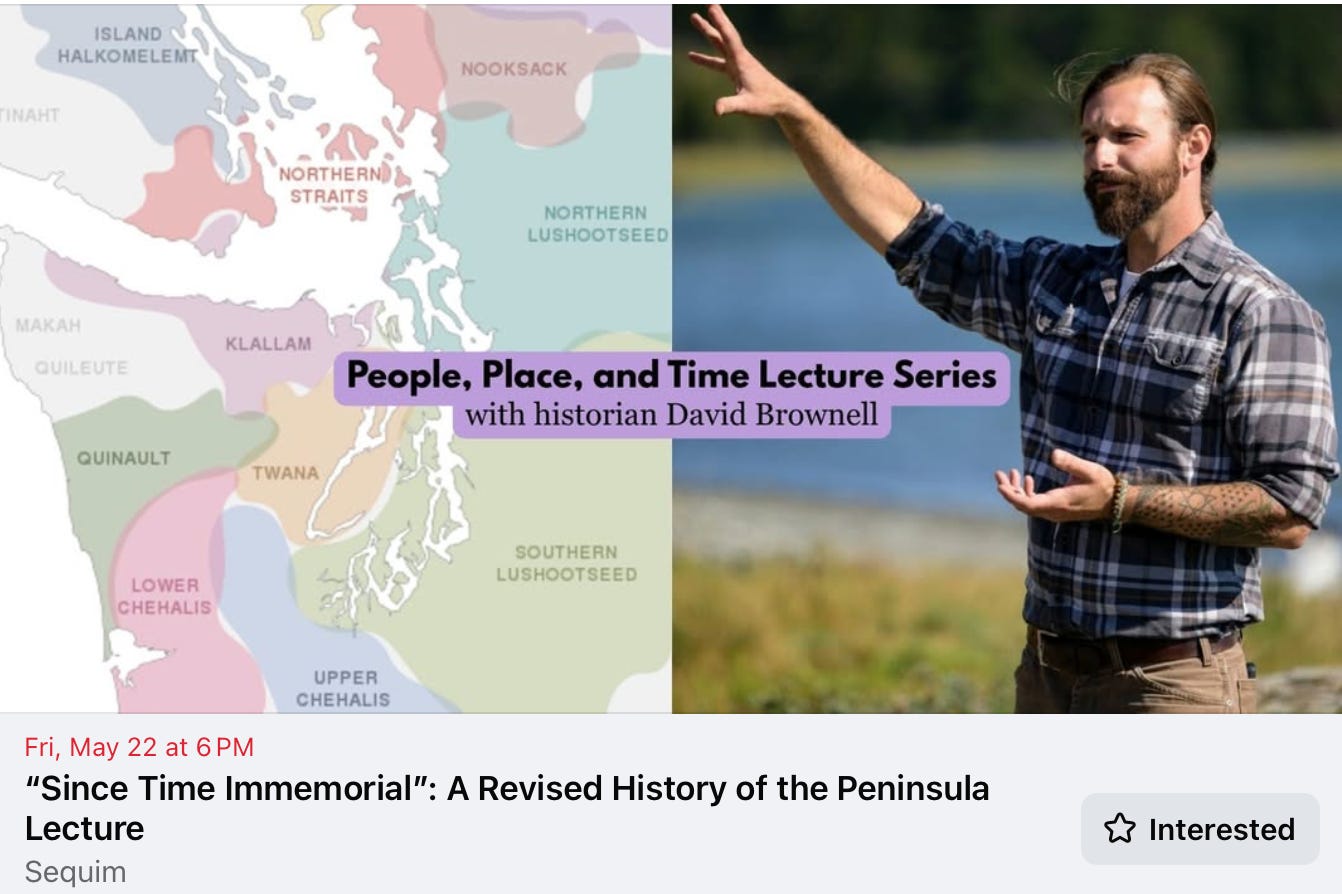
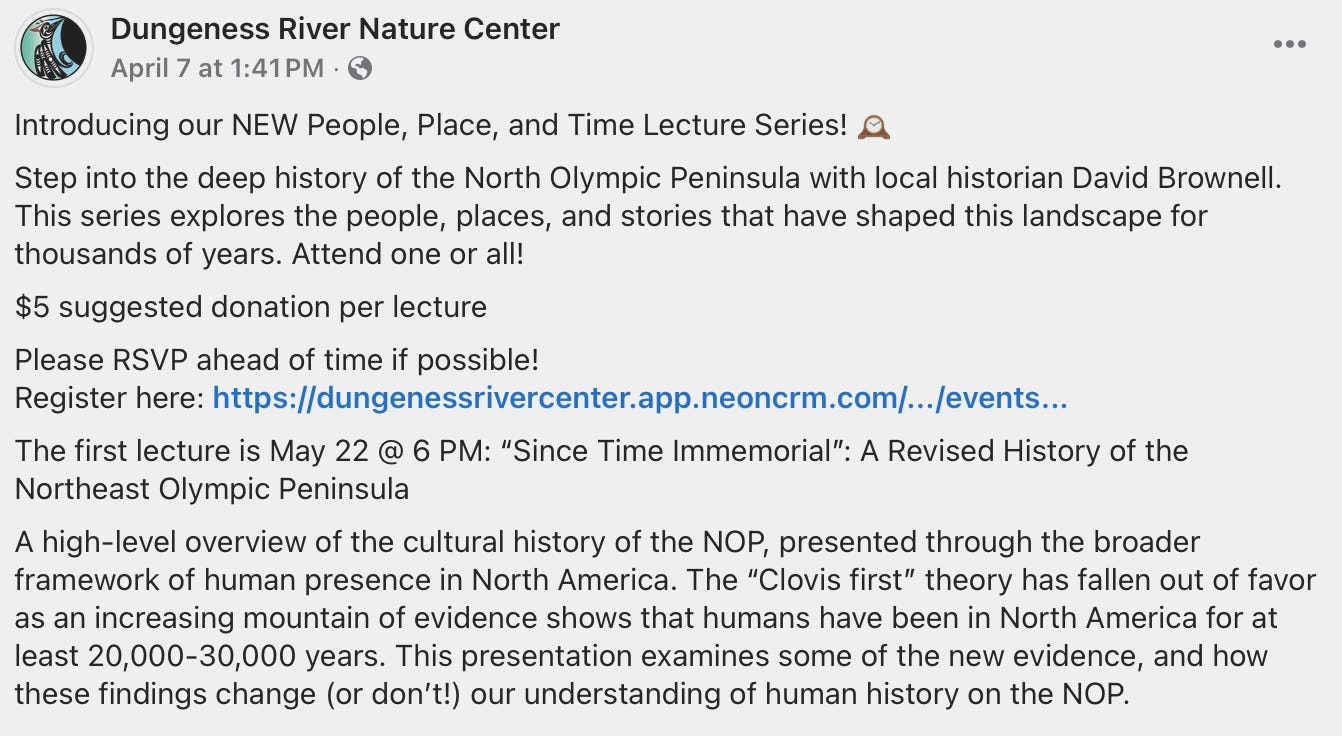
The Dungeness River Nature Center is promoting a new lecture series titled “Since Time Immemorial: A Revised History of the Peninsula.” The series aims to challenge commonly accepted timelines of early human presence on the Olympic Peninsula and includes a map depicting Klallam presence stretching from Clallam Bay to Port Townsend.
But there’s a notable omission.
The Chemakum Tribe—historically documented as having been nearly exterminated following conflict with the Klallam after their migration south from Canada—is absent from the narrative.
History, it seems, depends heavily on who is telling it—and what they choose to leave out.
“I Have a River”: Words That Matter
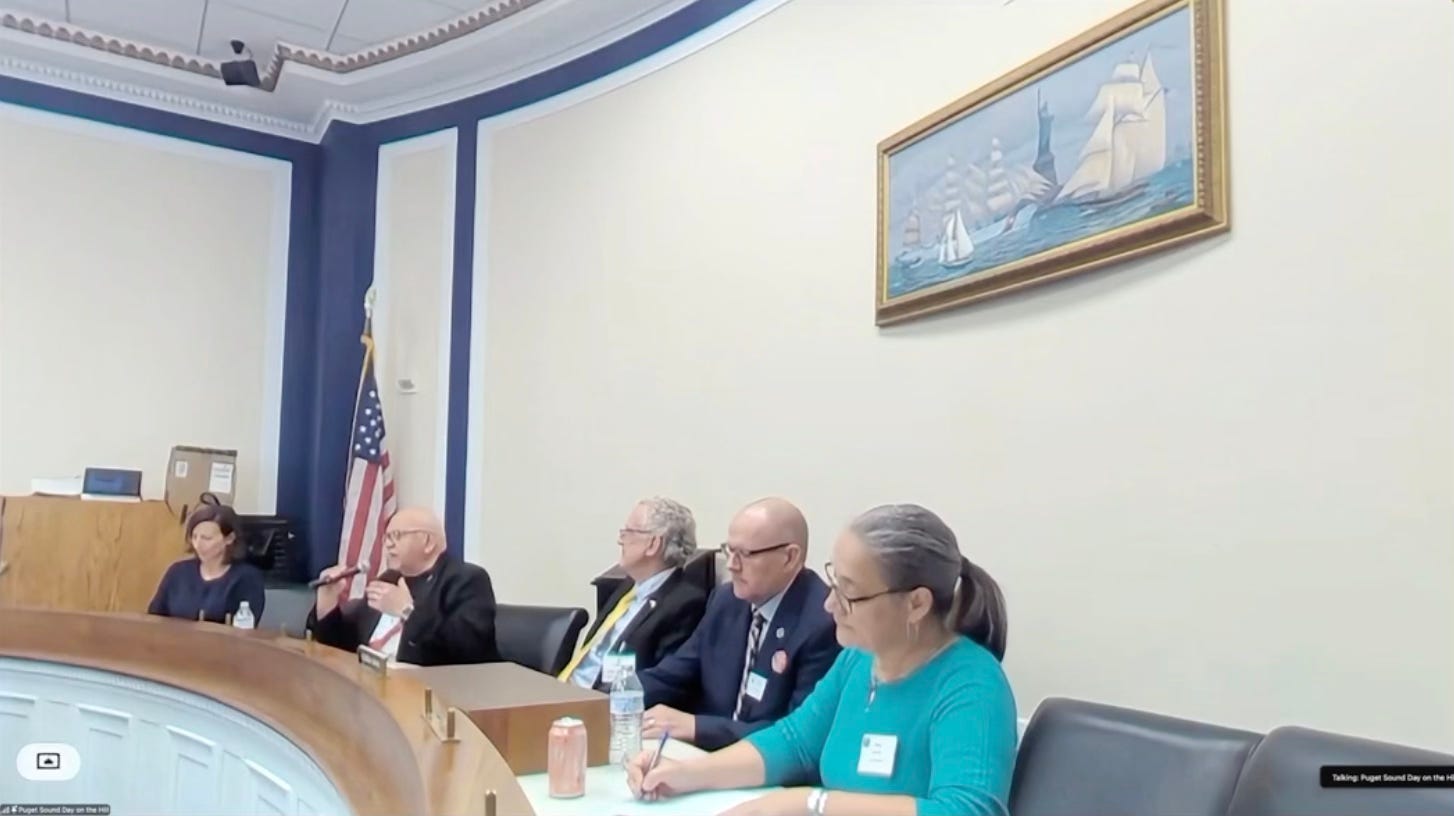
Meanwhile, on the national stage, tribal leadership was in Washington, D.C. this week.
According to Northwest Treaty Tribes, testimony was delivered to federal lawmakers, including remarks from W. Ron Allen, chairman and CEO of the Jamestown S’Klallam Tribe:
“In the Northwest, fisheries and shellfish are our way of life.”
During his remarks, Allen added:
“I have a river called the Dungeness River and a bunch of creeks all around us that we’ve spent a lot of time restoring.”
That phrasing raised eyebrows locally.
Because while restoration work is real, the idea of any one individual or entity “having” a river speaks to a much larger and ongoing debate about control, access, and ownership of shared natural resources.
Watch Allen’s testimony here.
“Rhino Tranq” Arrives: A New Level of Danger
The most serious development this week came from the Clallam County Sheriff’s Office:
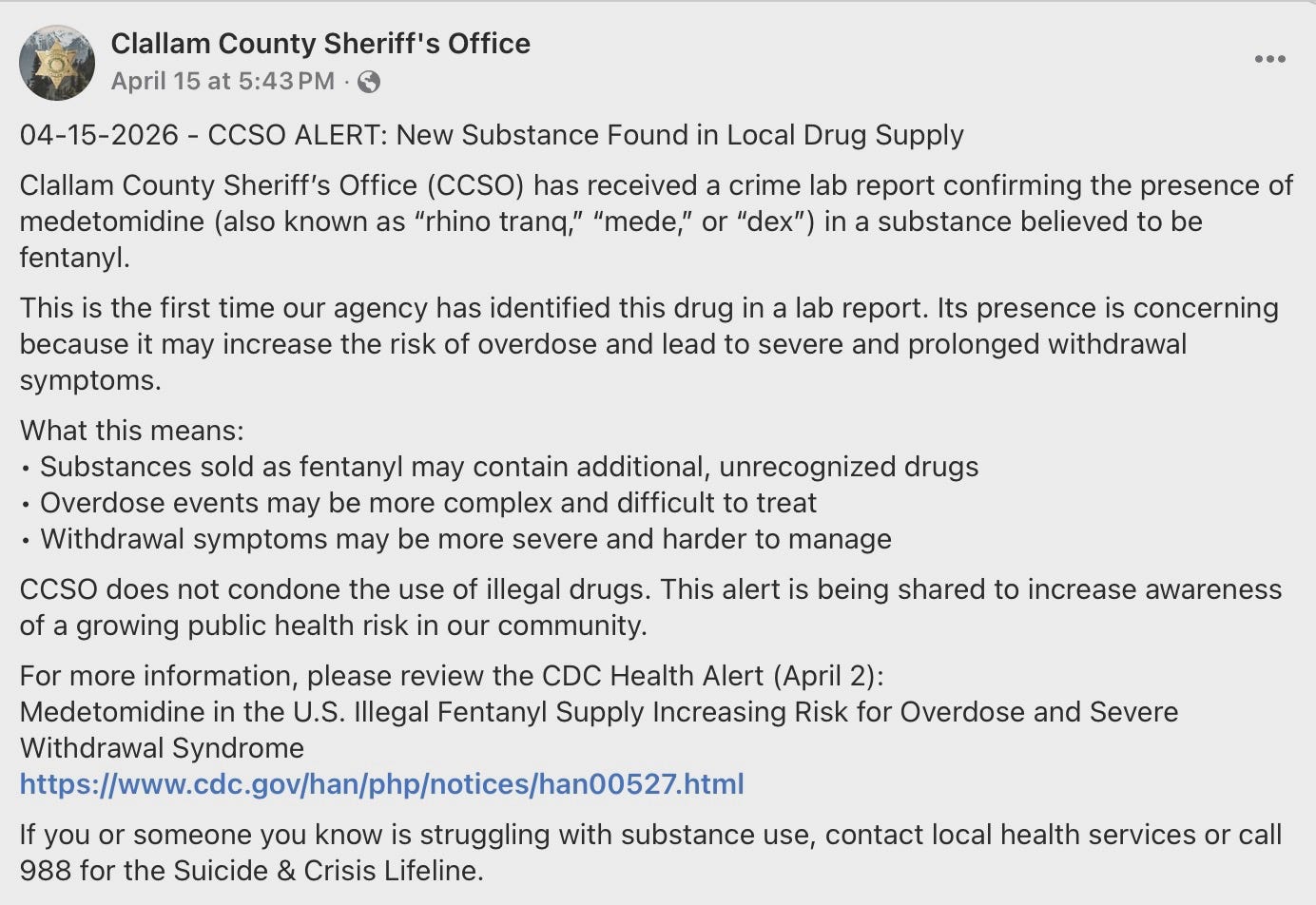
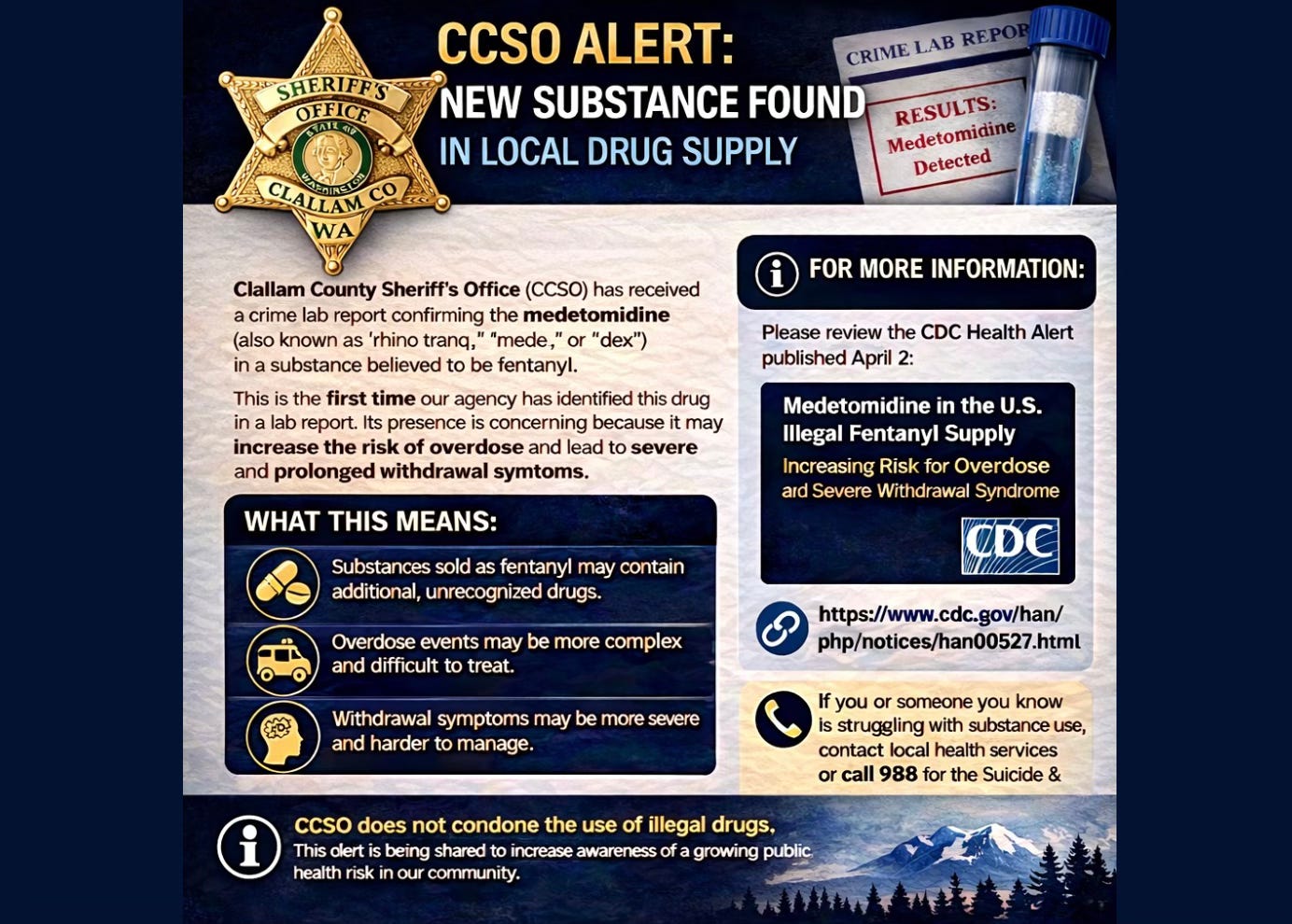
A new and extremely dangerous drug has been identified in the local supply.
Medetomidine—also known on the street as “rhino tranq”—has now been confirmed in substances believed to be fentanyl.
This is not a minor development. It’s a major escalation.
What makes this different
Medetomidine is a powerful veterinary sedative
It is 100–200 times stronger than xylazine
It depresses heart rate, breathing, and blood pressure
And critically: Narcan (naloxone) does NOT reverse it
That last point changes everything.
What that means for Clallam County
Overdoses become harder to treat
First responders face greater uncertainty
Withdrawal becomes more severe and dangerous
Standard harm reduction tools are less effective
This raises a direct and unavoidable question:
What is the plan now?
If harm reduction strategies are built on keeping people alive long enough to choose recovery, how does that model hold up when the drugs involved:
Don’t respond to reversal agents
Cause prolonged sedation and respiratory failure
And introduce a level of unpredictability not previously seen
Medetomidine isn’t even reliably detected in standard toxicology screens. That means cases may be undercounted, misunderstood, or misdiagnosed.
This isn’t theoretical. It’s here.
And it suggests something else as well:
There is active, evolving drug trafficking reaching the Olympic Peninsula.
That reality deserves more than silence—or another funding request without a clear plan.
Build Something Instead of Breaking It
Last week’s Community Conversation with county commissioner candidate Jake Seegers was a success—so much so that the campaign ran out of yard signs.
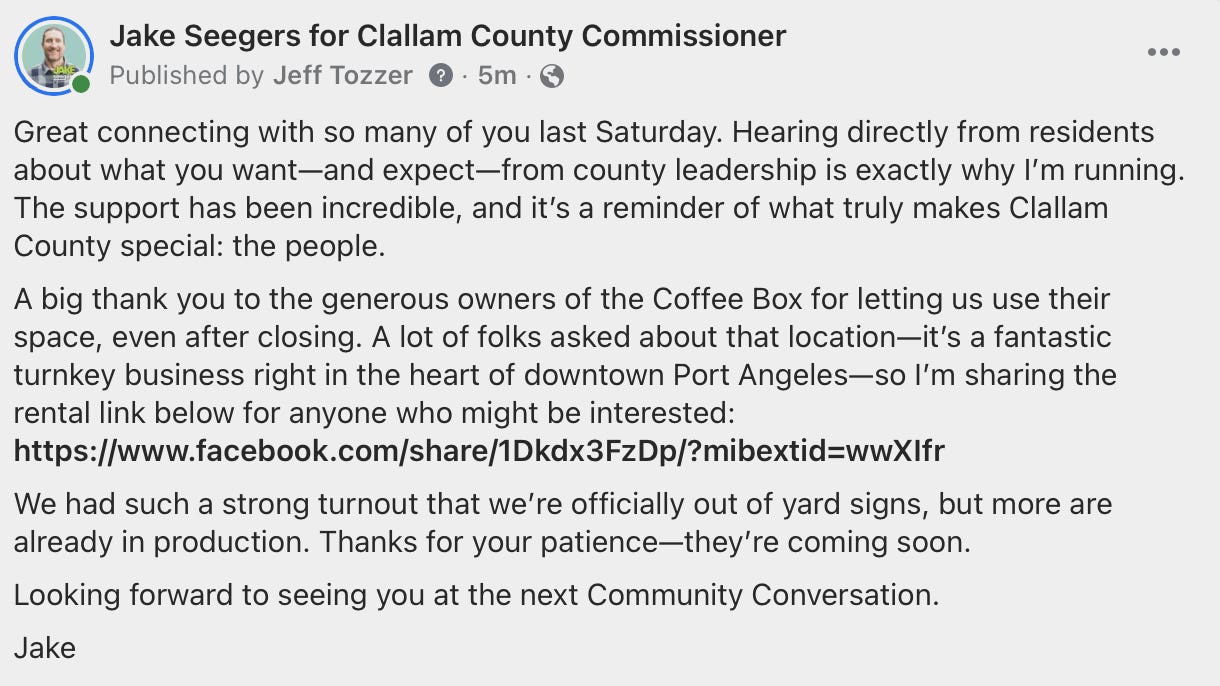
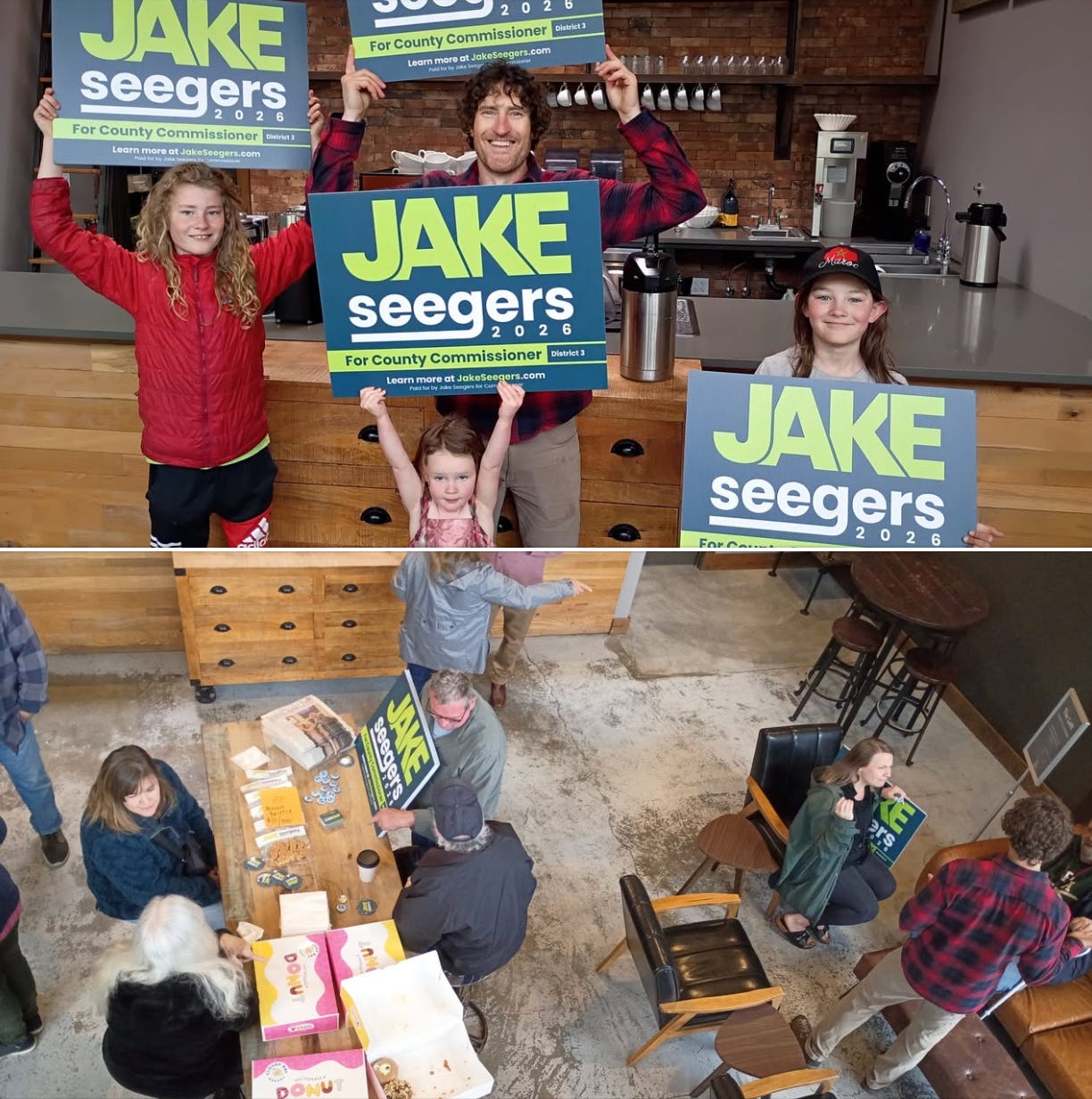
[Click here to view the rental link for the former Coffee Box.]
Unfortunately, some of those signs are already being stolen or destroyed.

Here’s a simple thought:
If someone doesn’t support a candidate, the answer isn’t tearing down signs—it’s supporting someone else. Donate. Volunteer. Speak up.
Build something instead of breaking it.
That’s how you show the community there are better options.
The Library Levy: What Voters Should Know
The push for the North Olympic Library System levy increase is well underway—but voters should understand what’s actually being proposed.
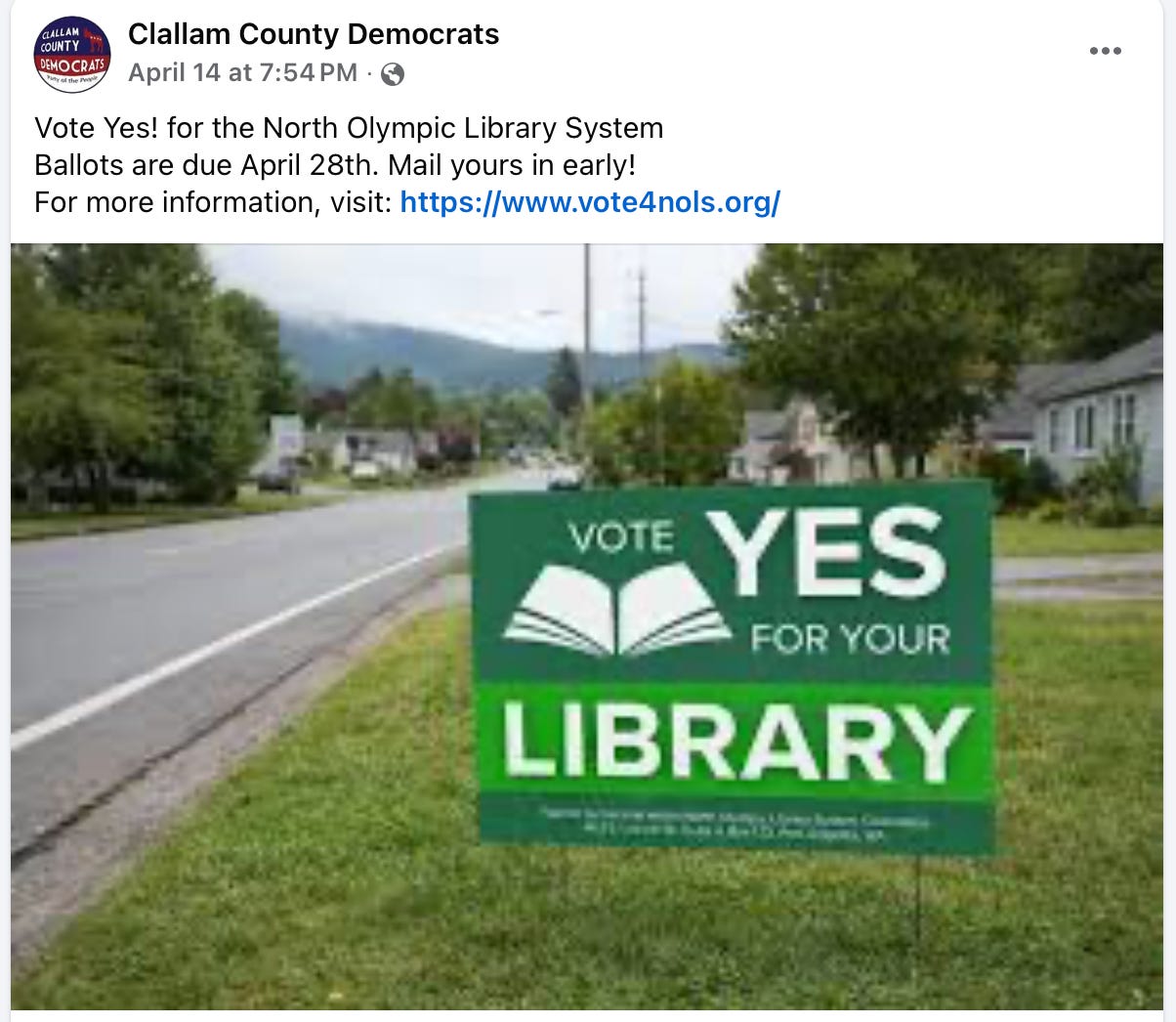
This is not a temporary bump.
If approved:
The levy resets at a higher base (around $7.8M–$8M)
Then increases 1% annually, plus growth from new construction
In practice, that’s about 2–2.5% yearly growth
Which means:
2027: ~ $8M
2028: ~$8.1M–$8.2M
And rising from there
All while key usage metrics have declined since 2018:
Fewer active cardholders
Lower circulation
Fewer visits
Reduced online engagement
At the same time:
Sheriff staffing has grown about 8%
Library staffing has grown roughly double that
Yet the system is now proposing expanded services like lending drones, power tools, sewing machines, and video equipment.
That leads to a fundamental question for voters:
What is the core mission of a library—and does this expansion align with community priorities?
Today’s Tidbit: CCWD Pride
Diane’s journey with CC Watchdog is the kind of story we love to see.
She started as a subscriber, became an engaged researcher and contributor—and now? She’s officially part of the street team.
Diane recently stopped by Strait Signs and had a CC Watchdog sticker added to her Jeep, proudly representing CCWD out in the community. Keep an eye out—you might just spot her around town.
Thanks, Diane, for taking the conversation off the page and into the real world.
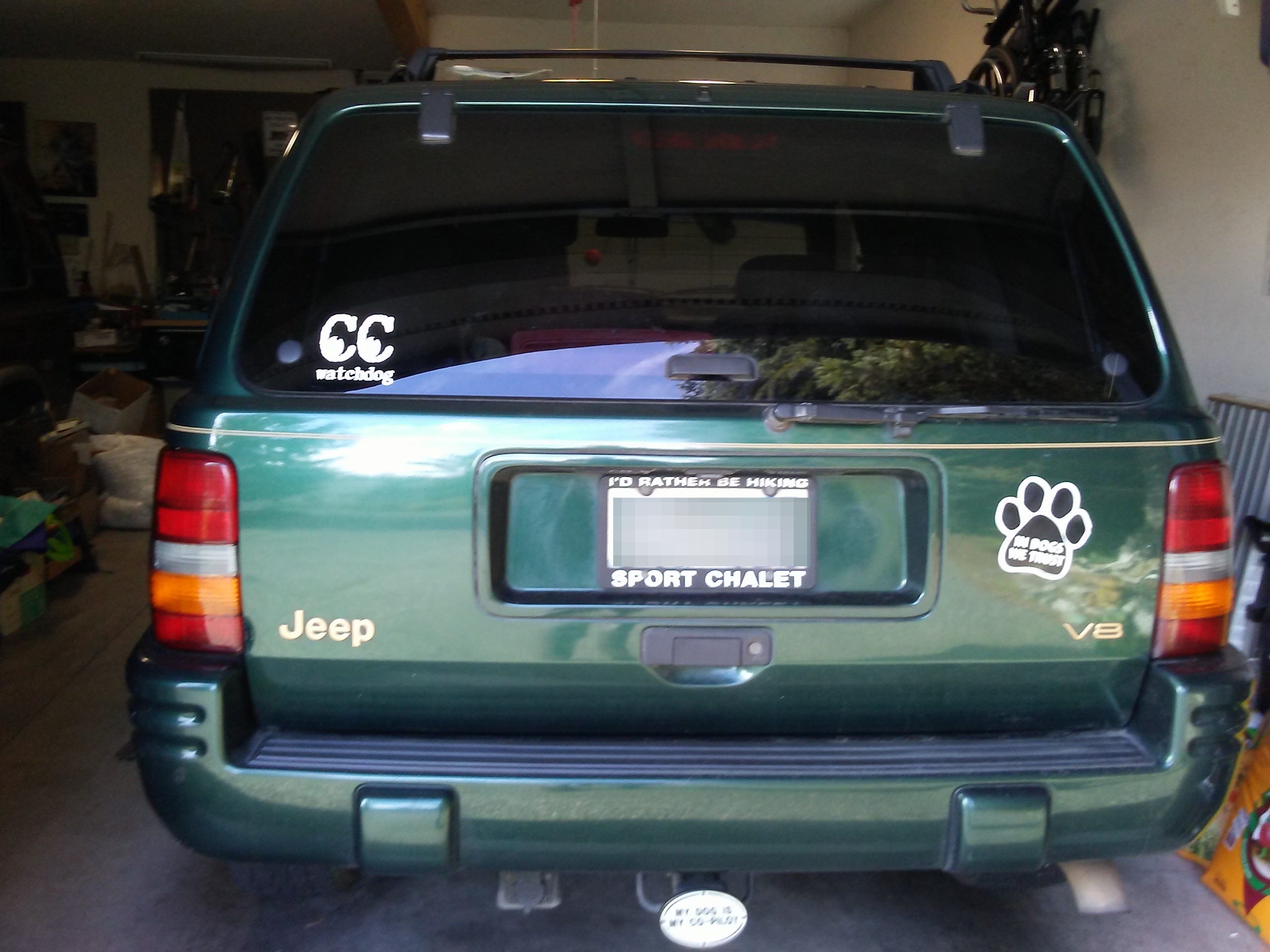
And speaking of commitment…
Christine has taken things to the next level. After getting all of her vehicles—including her classic Barracuda—decked out with CC Watchdog logos, she’s now added CC Watchdog shade shields to keep things cool inside.
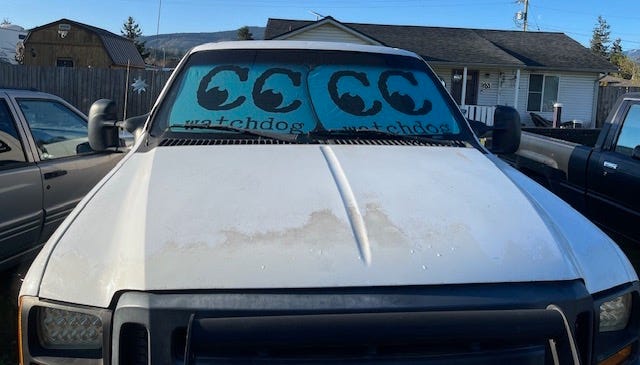
Because nothing says dedication like staying informed—and keeping your dashboard from melting at the same time.
Thanks, Christine, for the continued support. Our future’s so bright, we gotta have shade sheilds.
The League of Women Voters did not respond to yesterday's email. Here is an email sent to the Commissioners today:
Dear Commissioners,
Clallam County has invested heavily in harm reduction built around opioid response. But now substances like “Rhino Tranq” (medetomidine) are emerging—often mixed with fentanyl and not reversible with Narcan.
Given that shift:
How is the County adapting to drugs Narcan can’t reverse?
Do you have any plans to let the community know that a new, powerful narcotic has arrived?
At what point do you reassess whether current harm reduction strategies are actually working?
The drug landscape is changing quickly. What is the plan to keep up?
History is exactly that: His Story written by the victors. Control the story of where you came from and you control the story of where you’re going.
When you can convince the people that you are the rightful heir to the throne, you can move into the castle and rewrite the laws to prove it’s true. The truth doesn’t matter if the history books and laws validate your story.
That’s where this all goes. Laws to validate stories that future generations will not be able to question because they will become gospel.