

Public bathrooms filled with drug paraphernalia. Growing encampments beside businesses and grocery stores. Fallout over shower vouchers at the pool during children’s activities. Taxpayer-funded tribal facilities openly advertising racial hiring preferences. Across the county, frustration continued to build this week as residents increasingly questioned whether local leaders were expanding services faster than they could responsibly maintain them.
Public Bathrooms, More Bathrooms, and A City Struggling To Maintain Them
One of the most discussed local posts this week came from a resident who said they discovered drug paraphernalia and biohazard conditions inside the public bathrooms behind Red Goose Shoes while cleaning trash around downtown Port Angeles. The resident said no one answered when they tried calling the listed number to report the conditions. “Kinda represents how bad this town has gotten,” the post read. The resident added they would not handle “drug paraphernalia or items with bodily fluids.”
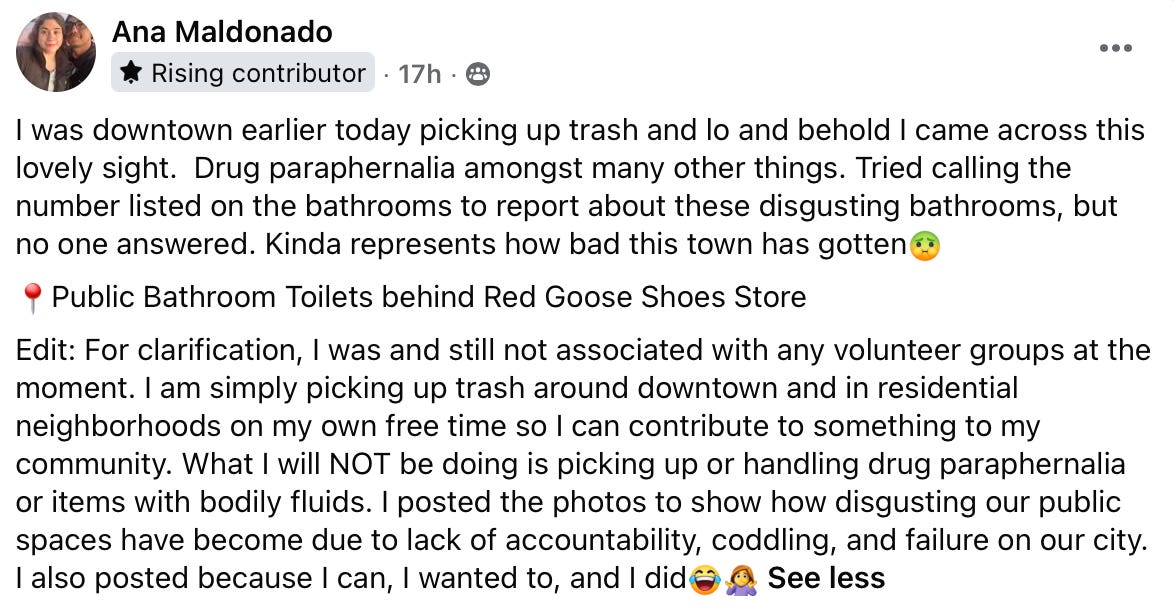
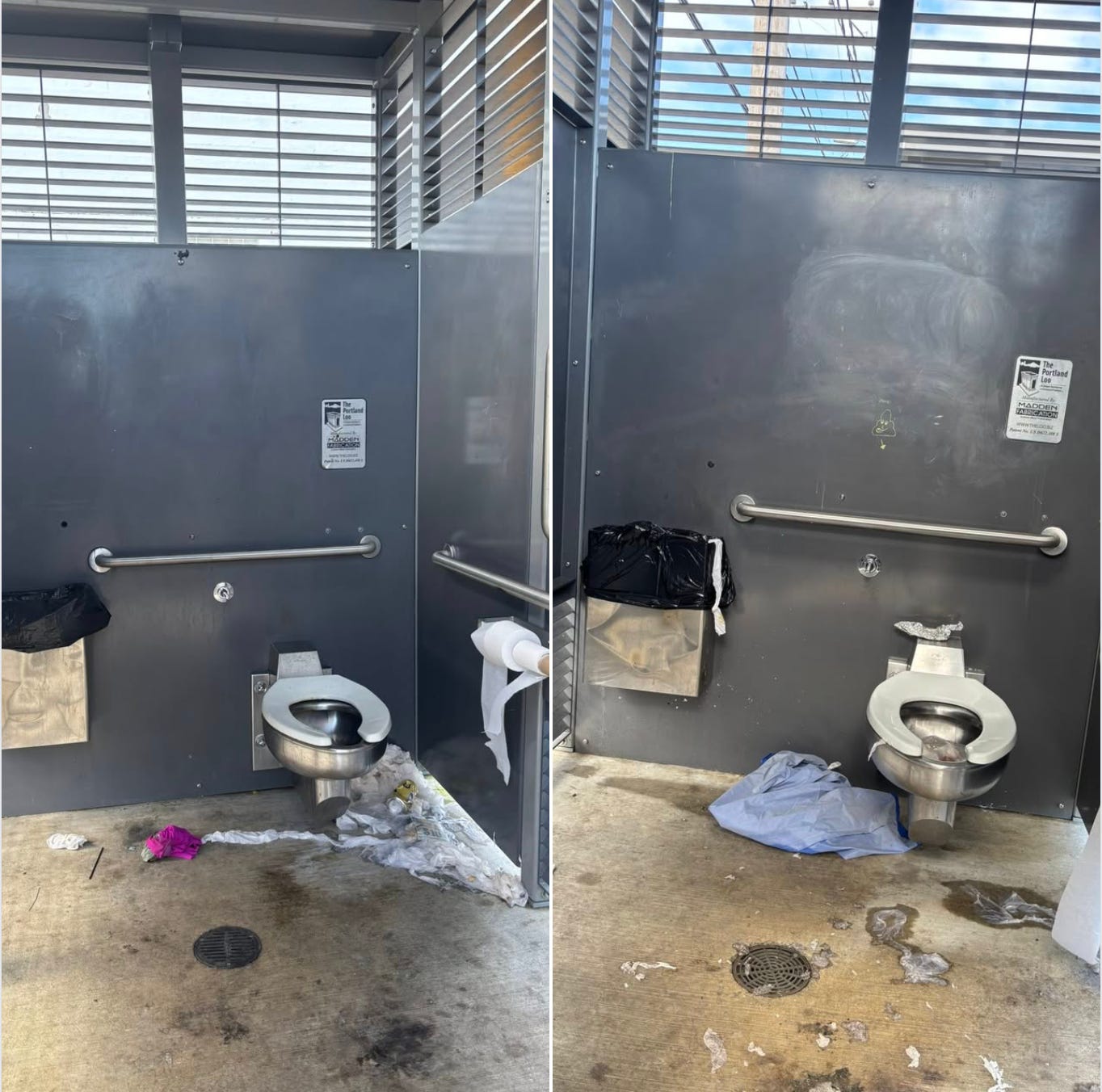
The post surfaced after comments by Port Angeles City Councilmember Mark Hodgson, who recently pushed to keep all three city bathrooms open 24 hours a day while identifying locations for two more. That proposal came despite city staff warning that the Parks Department has spent nearly half a million dollars cleaning outdoor restrooms since 2023. Staff described syringes flushed into plumbing, repeated vandalism, biohazards, and safety concerns. One employee reportedly admitted: “We don’t clean everything that we should… I wouldn’t take my kids there.”
Staff had already discussed scaling back operations because they reportedly lack sufficient staffing to maintain the current system. But to many residents online, the issue is no longer simply about bathrooms. It is about priorities — expanding services first and dealing with the consequences later.
Sequim Encampment Debate Explodes Online
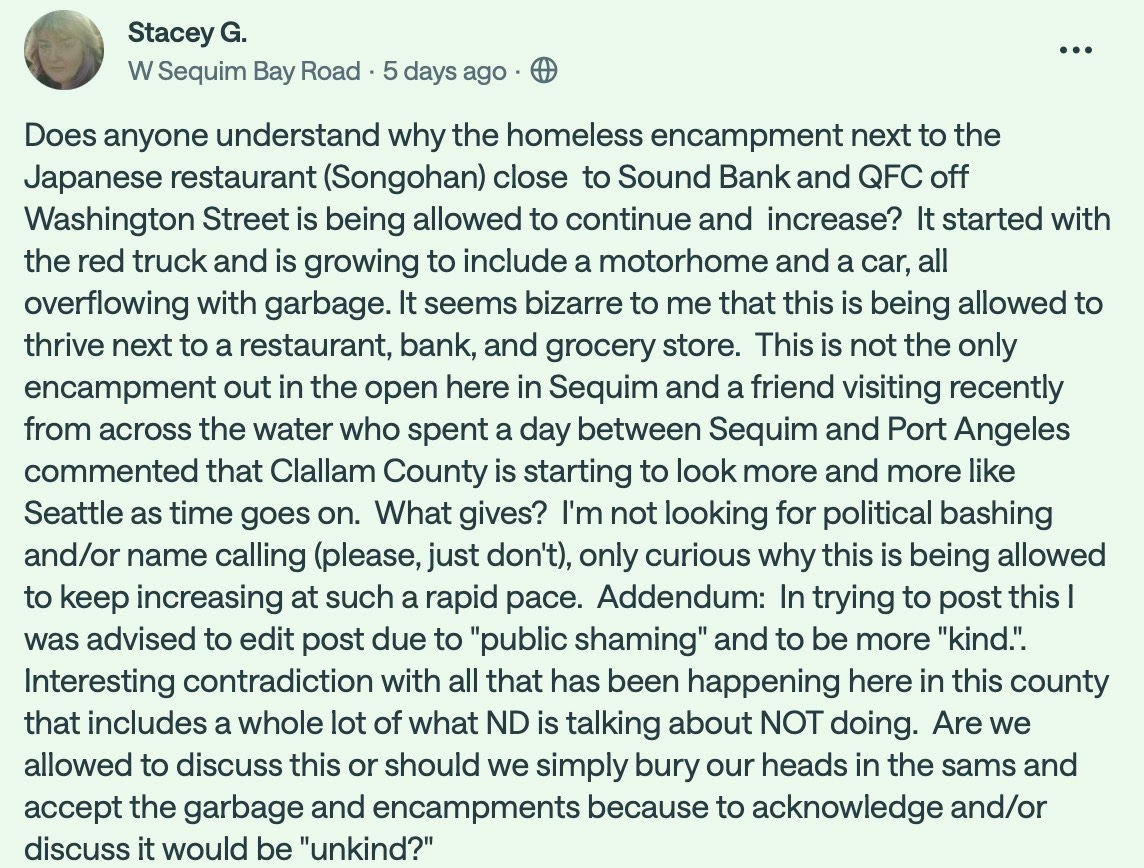
Another local post questioned why a growing homeless encampment near the QFC in Sequim continues to expand openly beside businesses and grocery stores. The post exploded to 343 comments on Nextdoor. The resident also expressed frustration after reportedly being warned by Nextdoor to be more “kind,” sparking debate over whether residents can openly discuss encampments, garbage, and deteriorating public spaces without backlash.
Fallout Continues Over Pool Shower Voucher Program
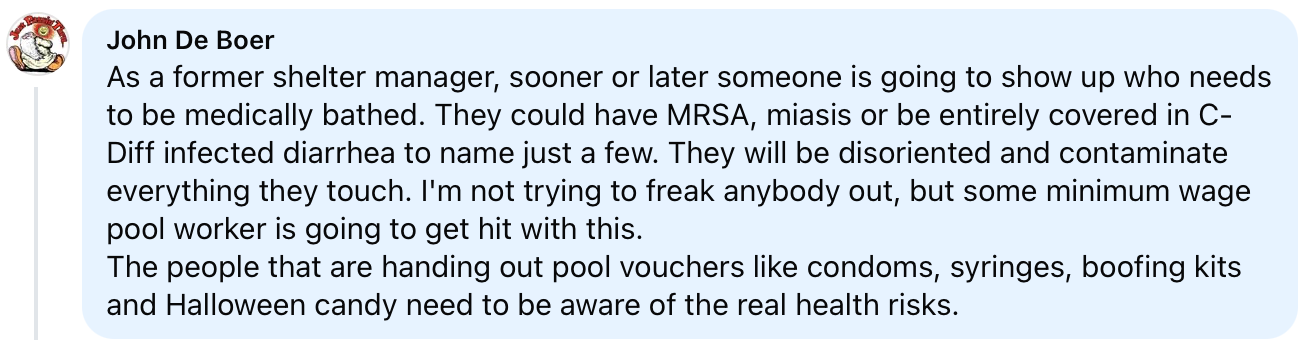
Social media fallout continued this week after the William Shore Memorial Pool Board reinstated its controversial shower voucher program, with residents debating whether a family recreation facility should also function as part of the county’s broader harm reduction and homelessness infrastructure.


Separate Tribal Workshop Raises More Questions
The Washington State Department of Commerce announced applications are now open for the 2027–29 Building for the Arts Program, offering grants up to $2 million for construction, renovation, and acquisition of arts and cultural facilities. What immediately caught attention online, however, was the structure of the workshops being offered.
Commerce announced a general workshop on June 3 and a separate tribal workshop on June 4. The program specifically lists tribes and nonprofit cultural organizations as eligible applicants.
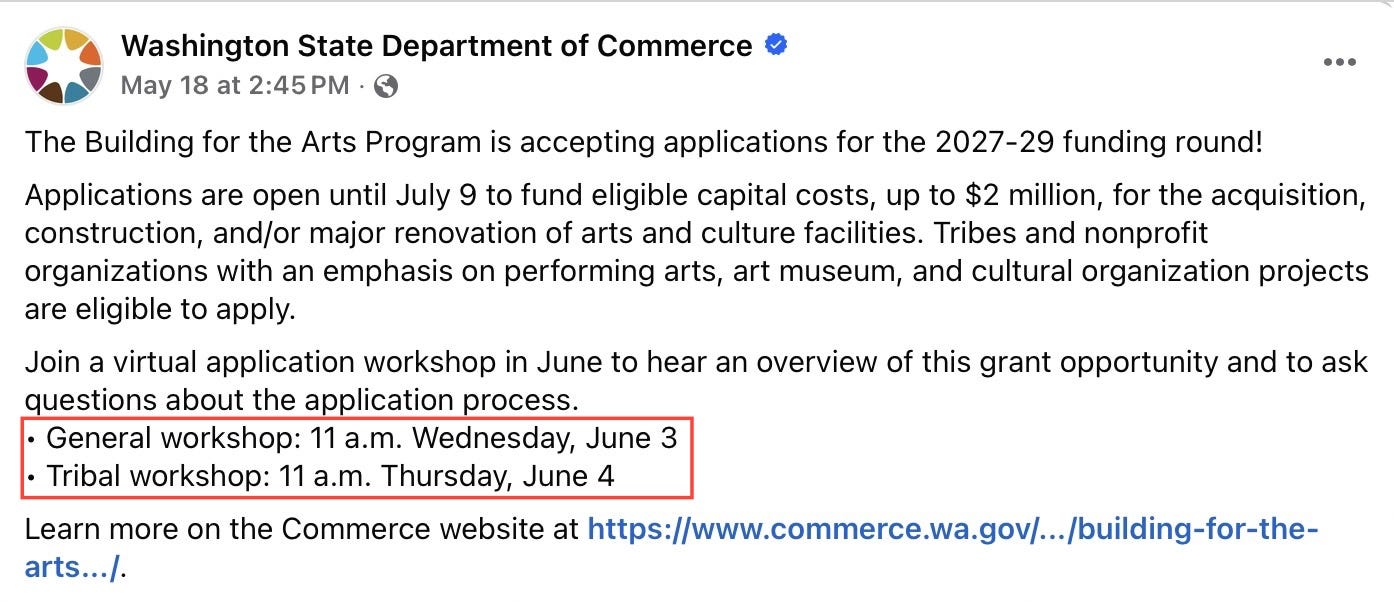

Why do tribes continue to receive separate access, workshops, preferences, and funding pathways while many non-tribal organizations struggle financially? Some openly questioned how governments can continue promoting race-based preferences and separate opportunities while simultaneously claiming equity and equal treatment.
Jamestown Facility Hiring Raises More Questions
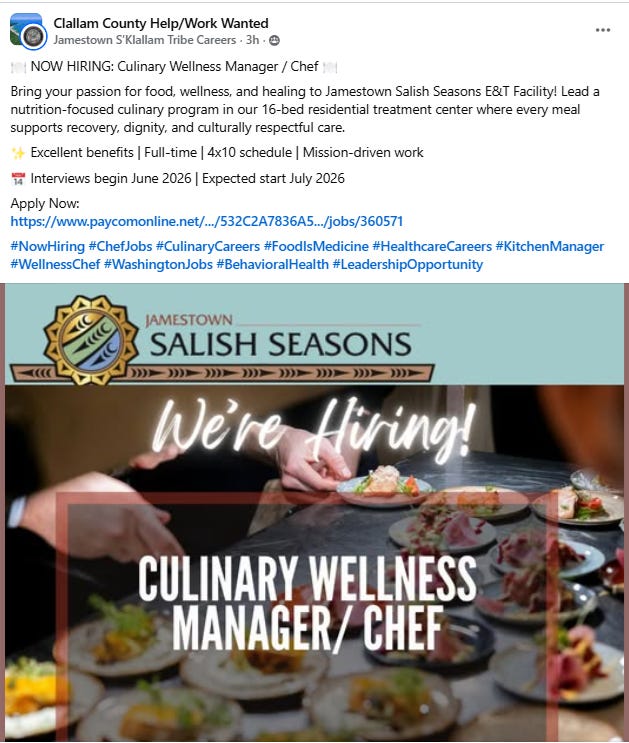
The Jamestown Corporation continues staffing its new psychiatric and residential treatment facility. One newly advertised position is for a Culinary Wellness Manager/Chef at the Tribe’s new 16-bed treatment center, with an annual salary range of $69,892 to $97,848. The posting states that experience working with Tribal communities is strongly preferred and that “American Indian/Alaska Native preferences apply.”

Another Jamestown Healing Clinic position tied to MAT and behavioral health transportation operations advertised salaries ranging from $62,403 to $87,365. Responsibilities include managing transportation grants, coordinating transit systems, supervising transportation drivers, processing transportation billing, and educating patients on transportation etiquette. The posting again included “American Indian/Alaska Native preferences apply.”
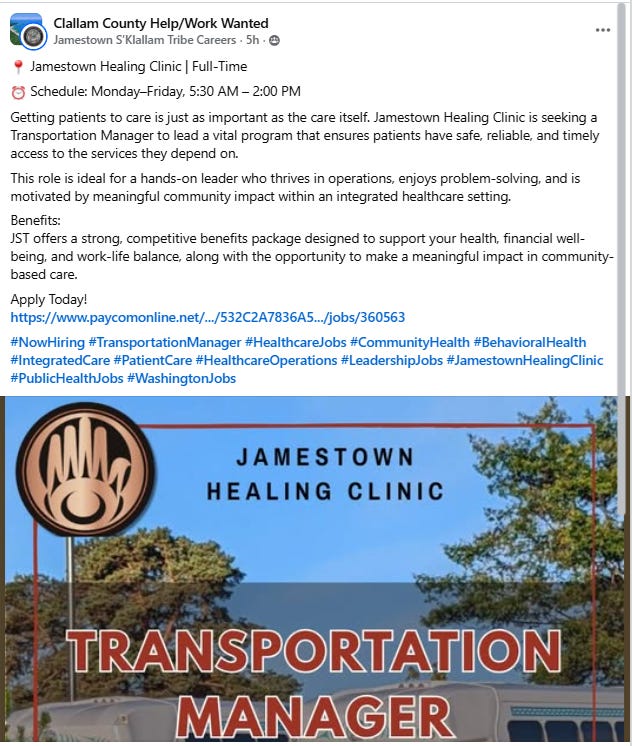
We are watching the continued expansion of a publicly funded addiction and behavioral health industry with racial hiring preferences openly attached to taxpayer-supported facilities.
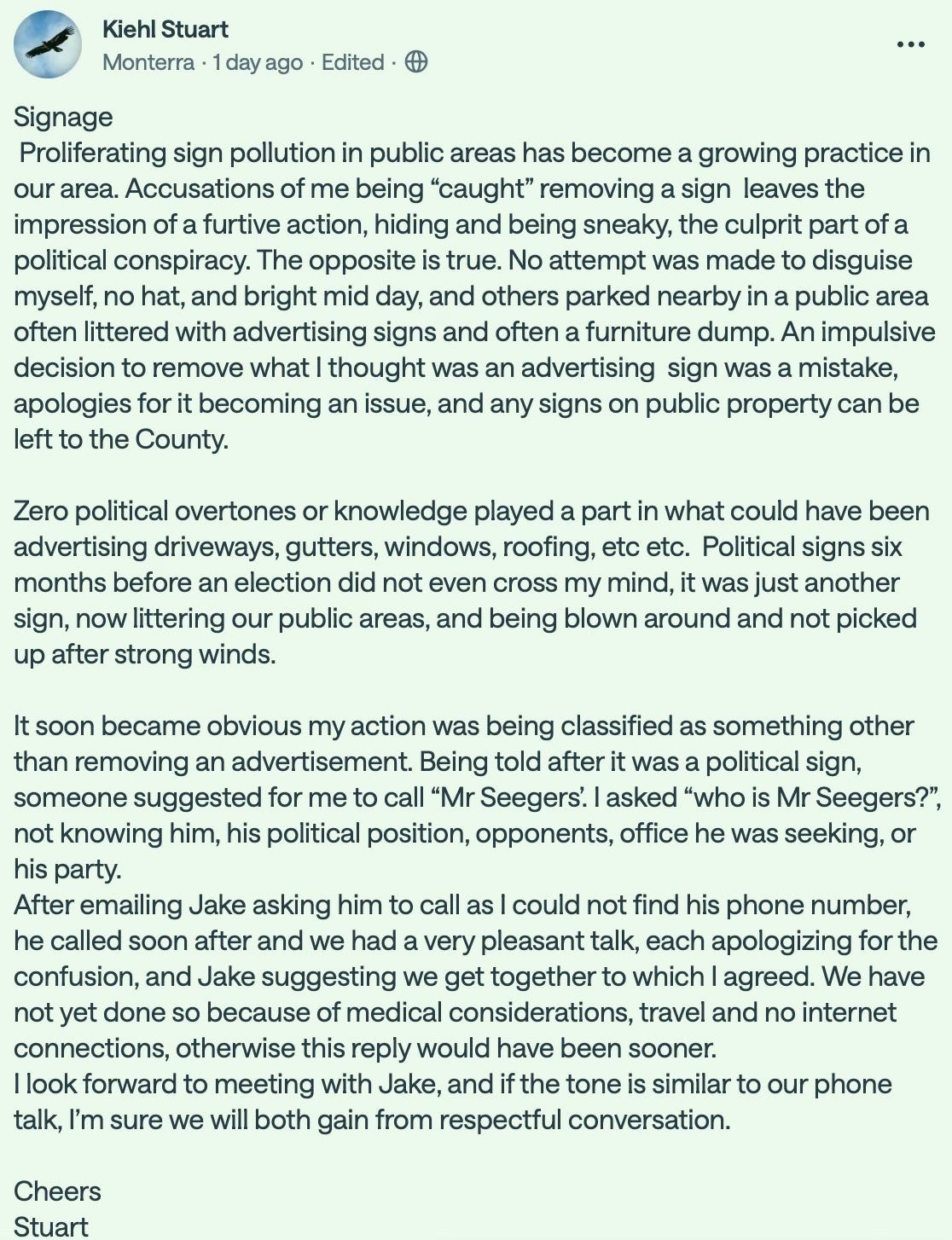
Sign Controversy
Why These Supreme Court Races Matter
One article gaining significant traction this week came from Shane Kidwell’s Substack. The article breaks down all 14 candidates running for 5 Washington Supreme Court seats this year and argues that the races may determine the future of Washington’s income tax, the $3.9 billion pension sweep, natural gas initiative litigation, sheriff decertification laws, and broader constitutional questions.
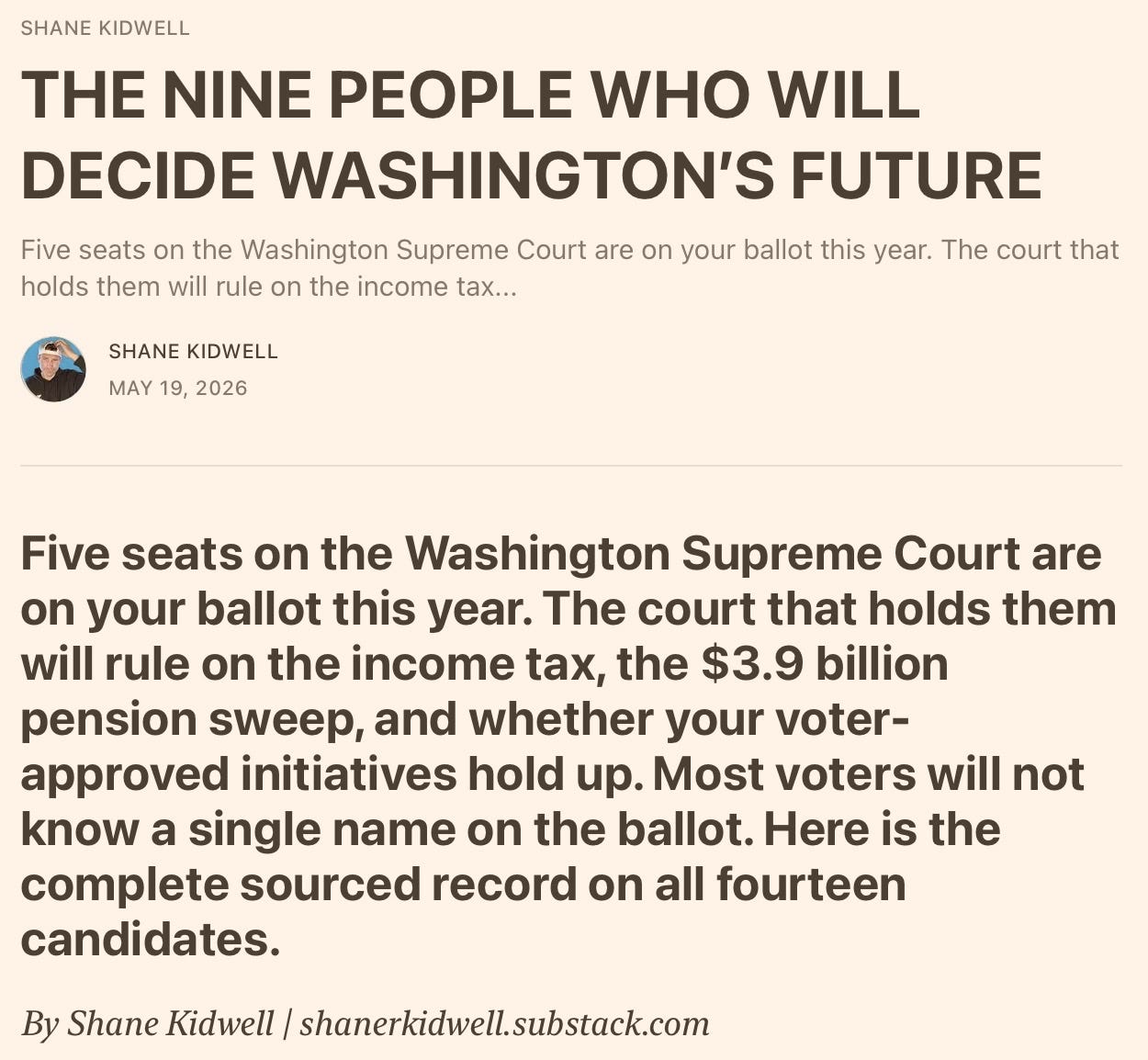
The article argues that most voters know little or nothing about judicial candidates because the races appear low on ballots during traditionally low-turnout elections. Whether readers agree with the conclusions or not, the piece is deeply sourced and highlights how significant these races could become for Washington’s future.
David Rogers Challenges City Leaders To Walk The Areas
Remember David Rogers, whom Jake Seegers recently interviewed? This week, Rogers posted a public letter to the Port Angeles City Council after attending a recent meeting on environmental concerns surrounding the proposed Brix Marine project and potential impacts on creeks and beaver habitats.
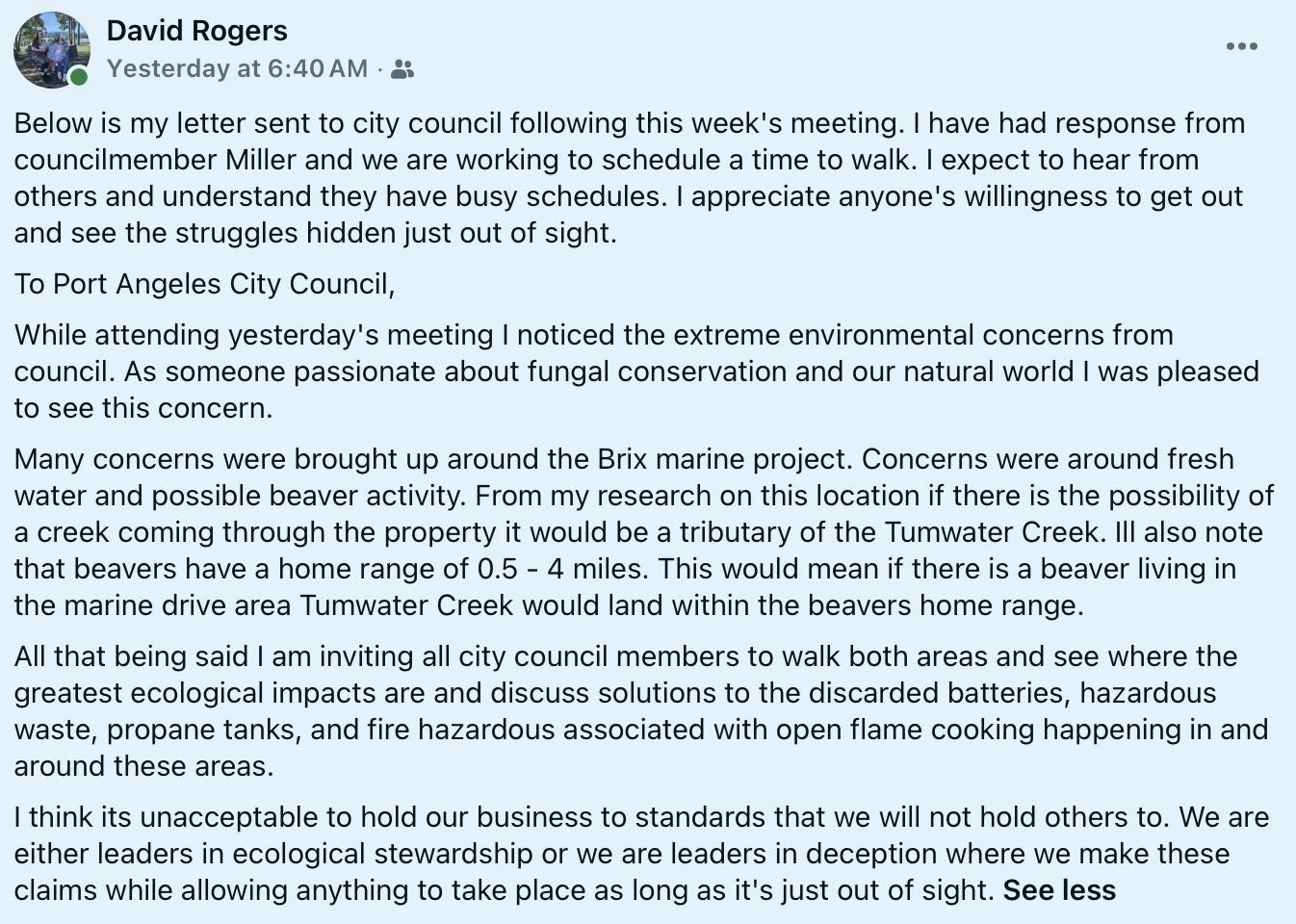
Rogers challenged councilmembers to apply that same level of environmental concern to areas impacted by unmanaged encampments. He invited city councilmembers to personally walk impacted areas with him and specifically referenced discarded batteries, hazardous waste, propane tanks, open flame cooking, and environmental degradation occurring around encampments.
The comments resonated strongly online with residents who believe businesses and property owners are increasingly held to stricter environmental and operational standards than unmanaged encampments and transient activity.
Indivisible’s Threshold For “Rude”
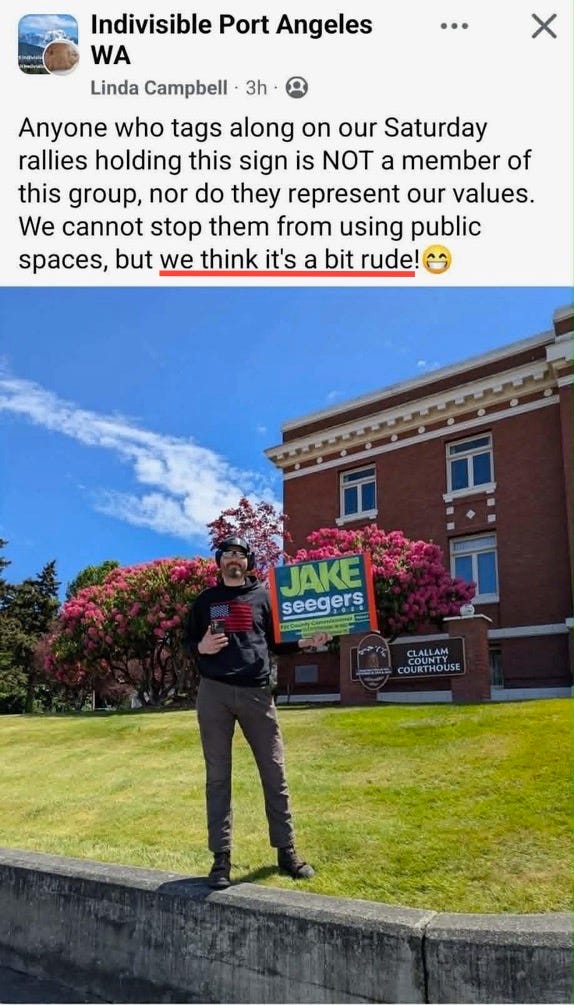
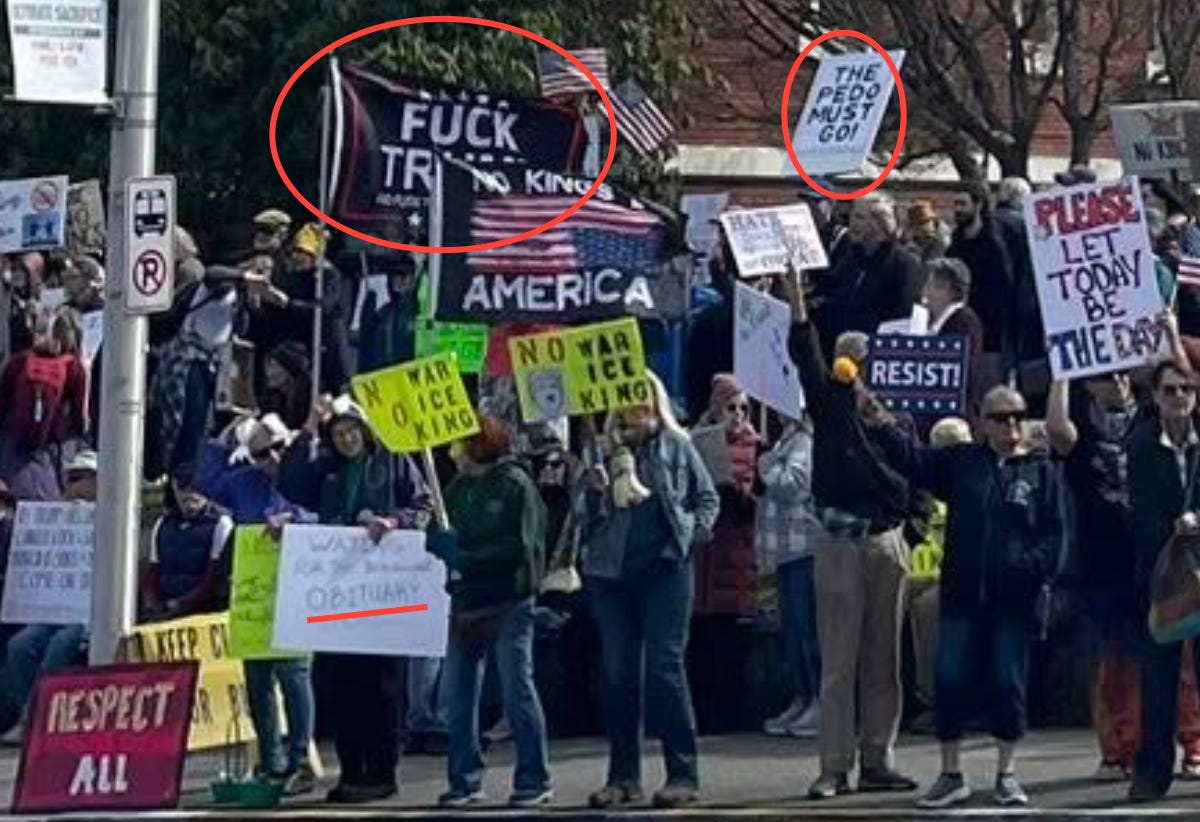
Backed by the League of Women Voters, Indivisible says displaying signs on public property that don’t align with their “values” is rude. Also from Indivisible:
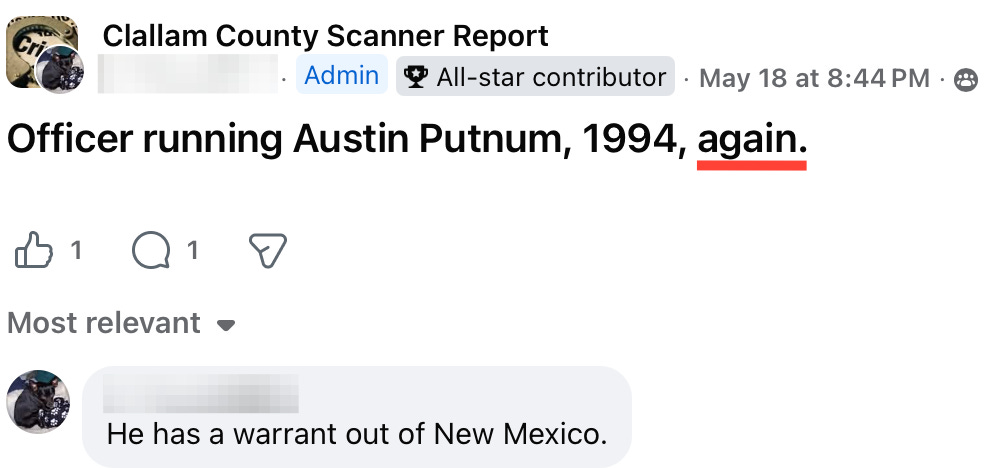
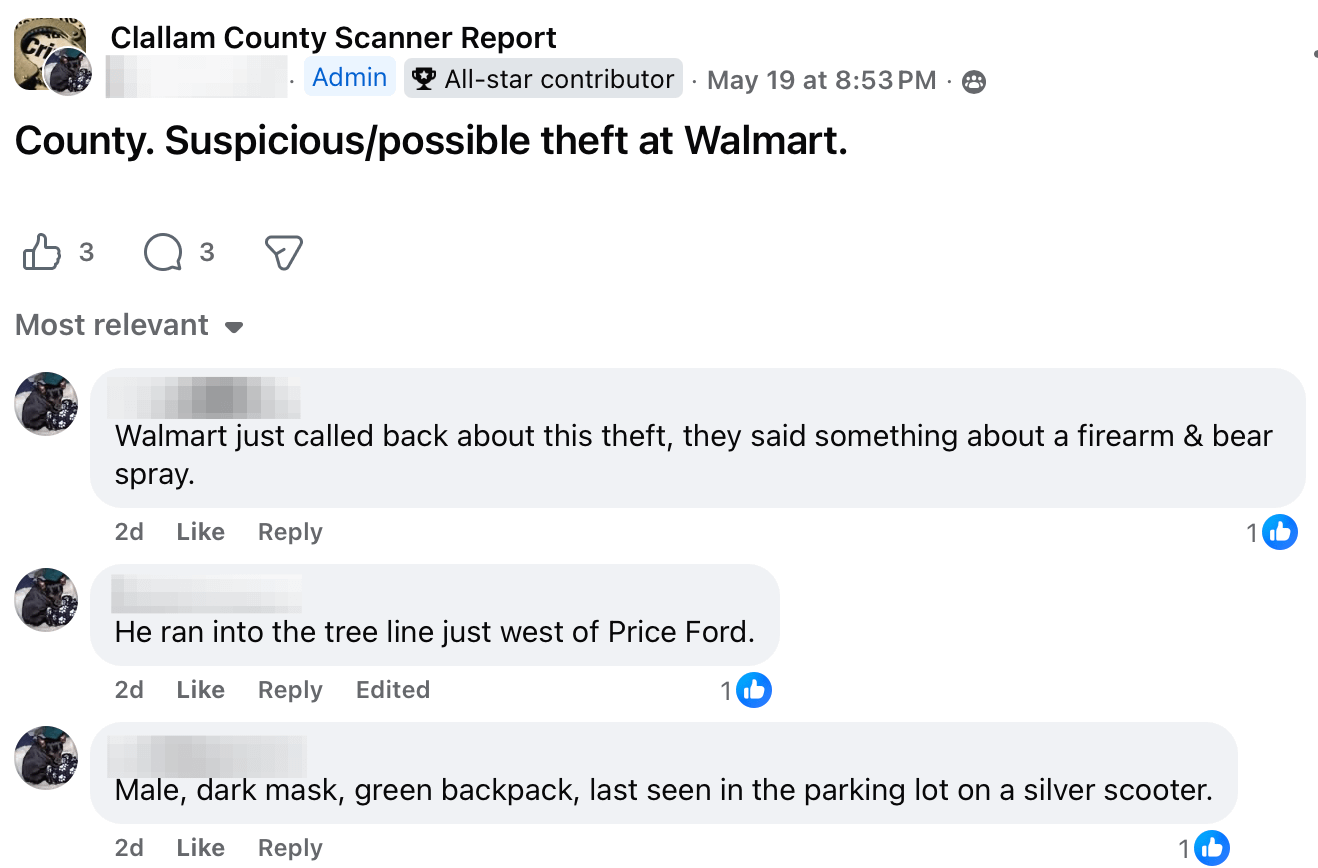
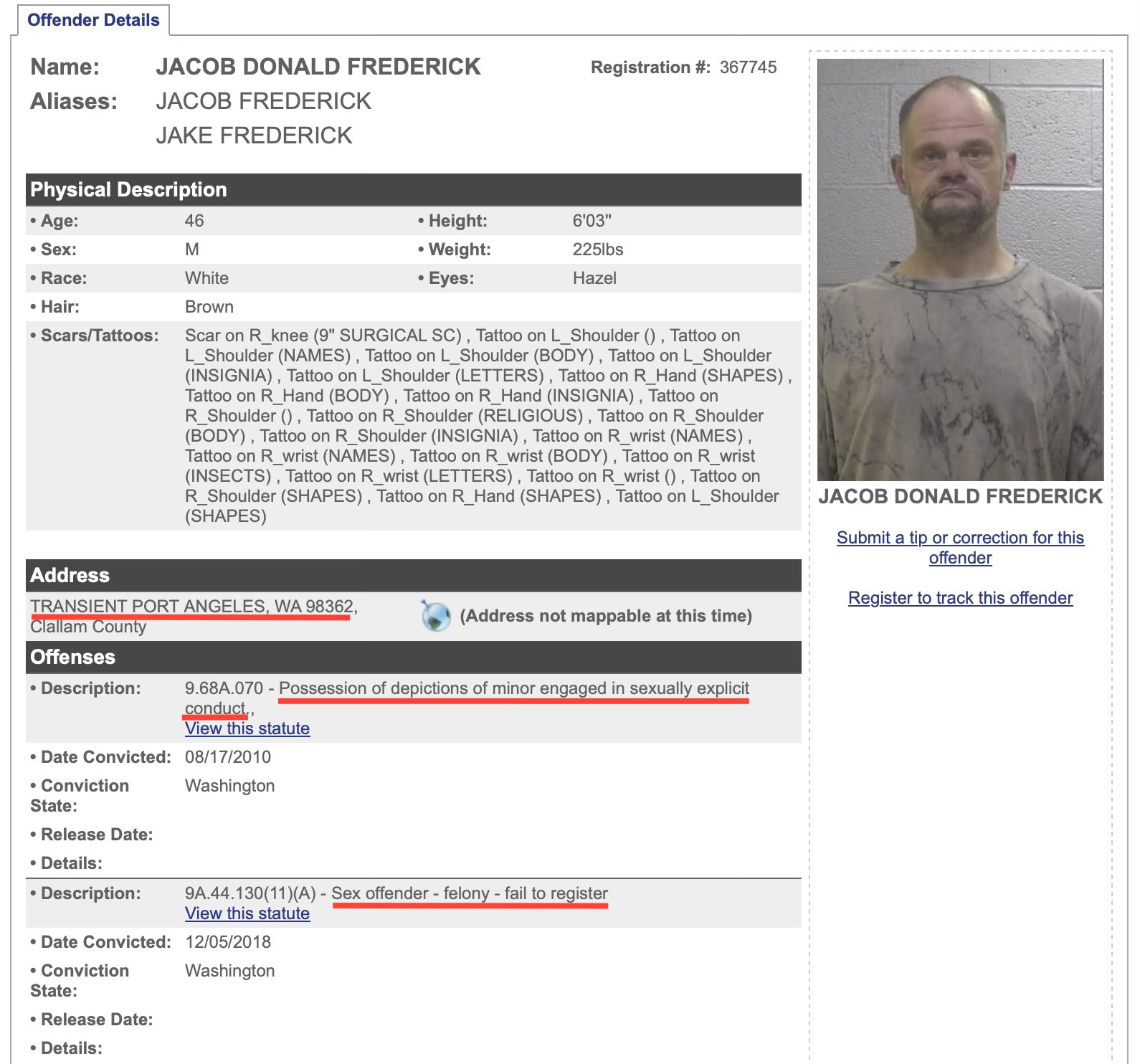
From the Scanner


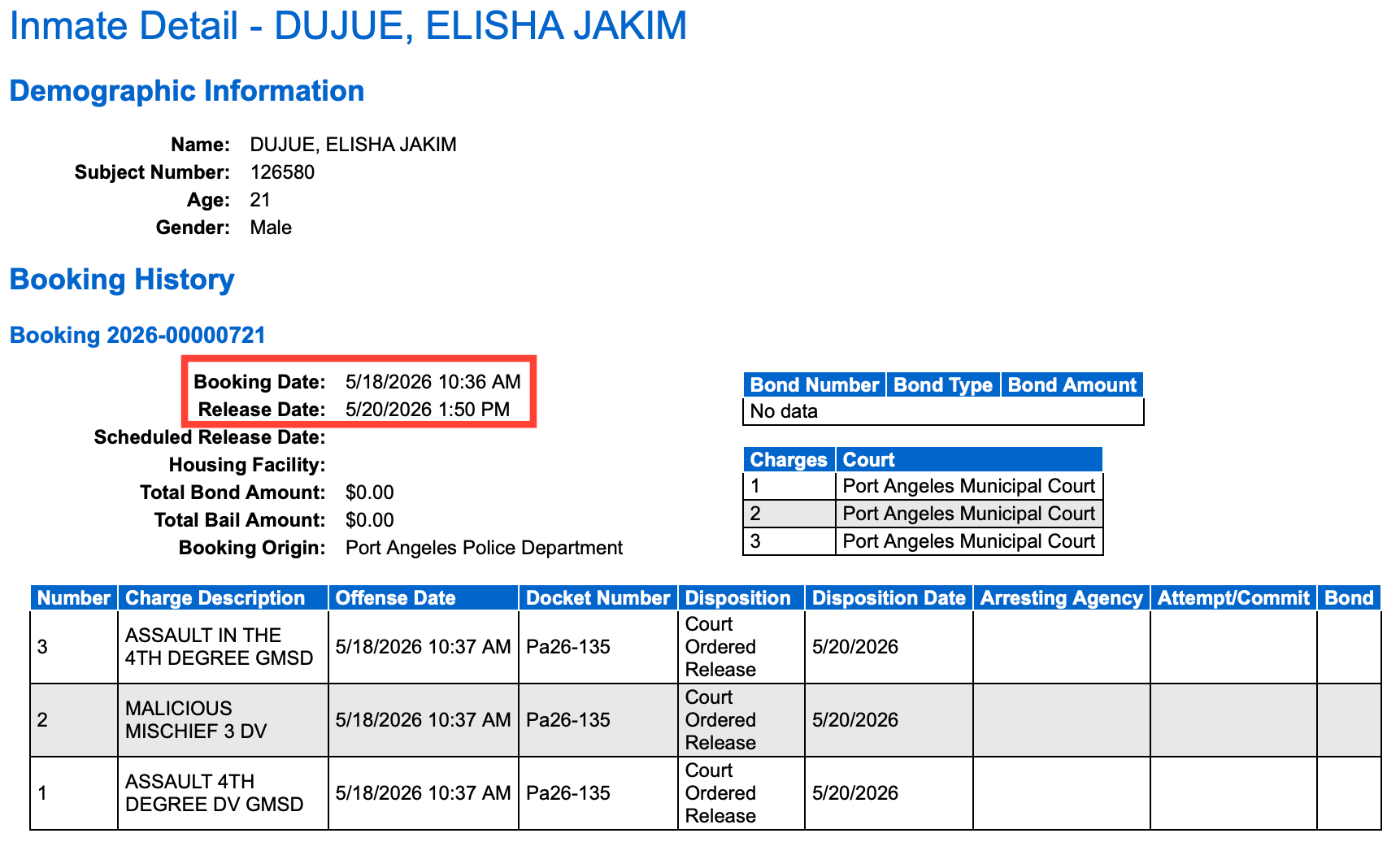
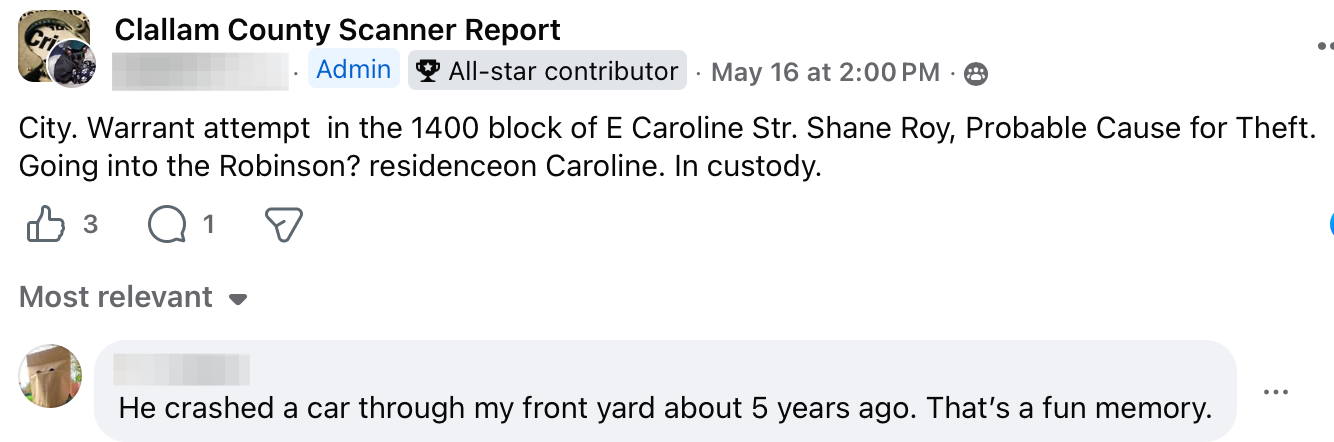
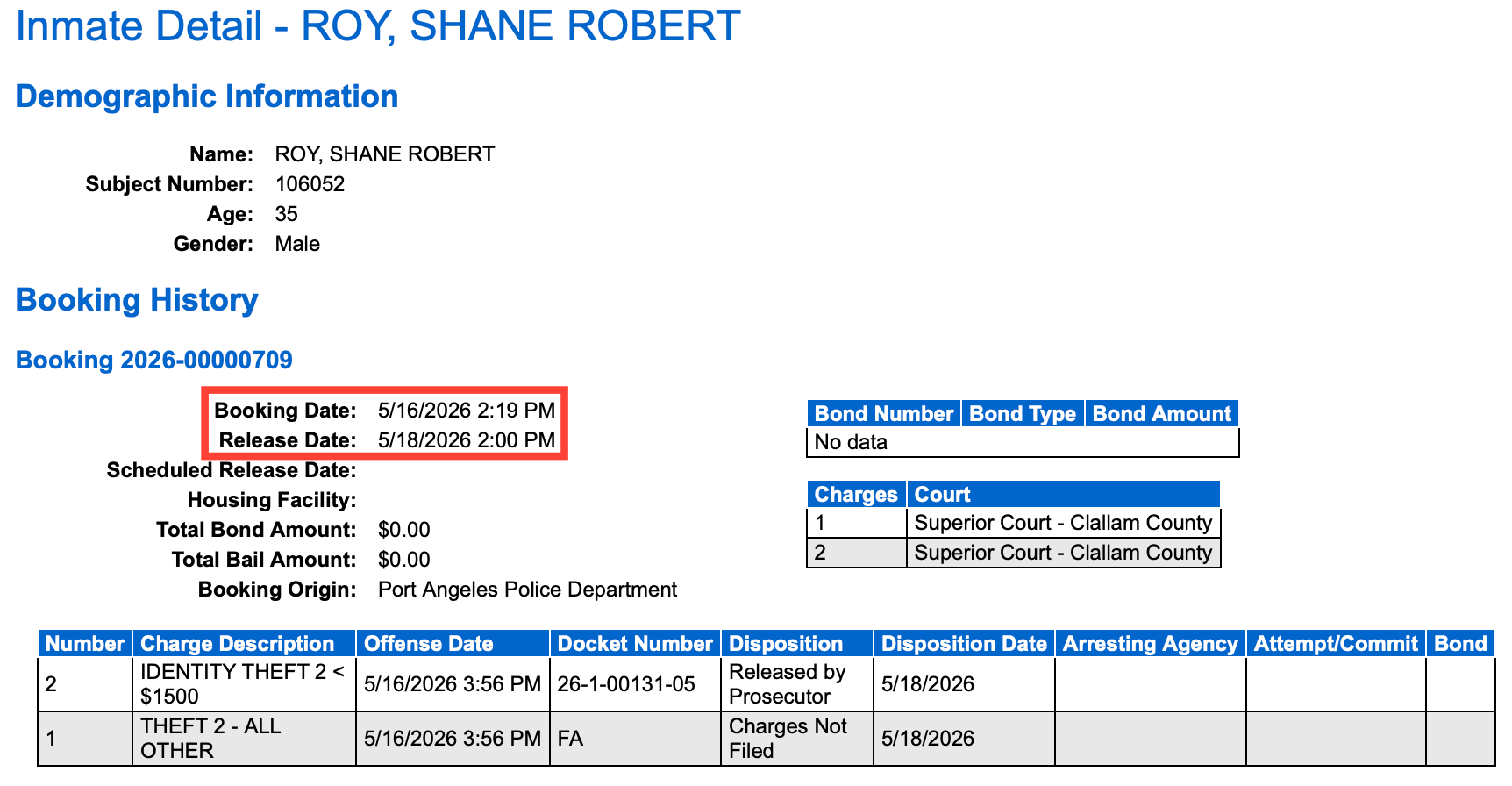


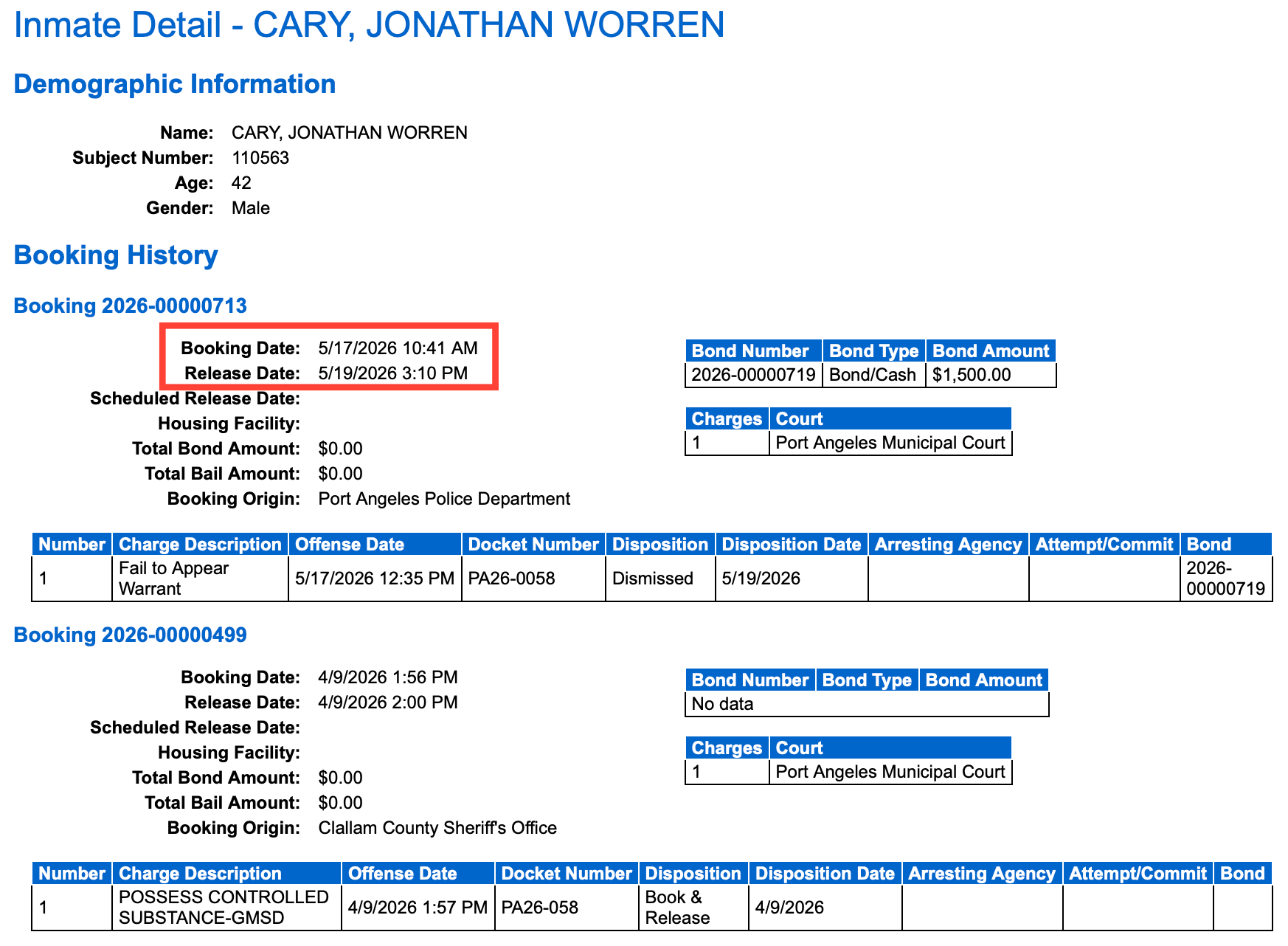




The commissioners did not respond to yesterday's email asking if they would send a letter of support on behalf of their constituents to keep the Dungeness and Protection Island Refuges in the public domain. Here is today's email sent to the commissioners and Health Officer Berry.
Dear Commissioners French, Ozias, Johnson, and Dr. Berry,
Reports indicate there were at least two overdoses in Port Angeles this past week. Residents are asking important questions.
Did these individuals overdose using paraphernalia distributed through the County’s Harm Reduction Health Center or related programs? Were they revived? Did they enter treatment afterward? Is the County tracking whether people are actually finding recovery and a path out of addiction?
The public regularly hears statistics about needles, meth pipes, boofing kits, crack pipe cleaning kits, and Narcan distributed, but far less about measurable recovery outcomes.
Is the County measuring long-term success such as treatment entry, sobriety, reduced addiction, and stabilized lives, or primarily tracking distribution numbers?
Programs like Operation Shielding Hope appear focused on connecting overdose survivors to treatment and recovery. Is the County comparing those outcomes to current harm reduction strategies?
What metrics does the County consider success?
Thank you for your time and consideration.
The problem lies in the current leaders is no solutions to any of this. Then you become a rude person if you back Jake. The signs they have portrayed is crude and not for public display. Free speech has its limits when it affects others people’s lives. Immoral values have us in a tailspin in this county. We need some honest representation. Vote JAKE!