

For months, the Clallam County Charter Review Commission has been dogged by concerns about transparency and fairness. But newly uncovered records raise the stakes even higher: a confidential, attorney-client-privileged document—one the Chair refused to discuss publicly—was quietly forwarded by Commissioner Jim Stoffer to his personal email and then to a tribal ambassador. The same Commissioner has previously faced censure for leaking confidential information in another elected role. When added to Chair Susan Fisch’s stated allegiance to outside interests, citizens are left asking:
Who is actually being represented by the Charter Review Commission?
At the most recent Charter Review Commission meeting, a simple amendment triggered an unusually heated response. Commissioner Ron Richards had proposed requiring the Board of County Commissioners to answer federal inquiries about the potential impacts of converting properties into tribal trust land.
Chair Susan Fisch opposed it—and she said she couldn’t fully explain why.
Her reason? A confidential memo from Deputy Prosecuting Attorney Dee Boughton, which Fisch said she was barred from discussing because it was “attorney/client privileged.”
Attorney-client privilege exists to protect candid communication between a public body and its legal counsel. It is not a political shield. It applies only when information remains confidential and is handled responsibly.
That’s why what happened next is so troubling.
A Curious Citizen Starts Asking Questions
The mention of an unseen, privileged document raised the curiosity of West End resident Dr. Sarah Huling, who submitted a public records request seeking information about it.
The County responded with heavily redacted documents. But those documents told their own story.
The Confidential Memo Wasn’t So Confidential
Attorney Boughton emailed the memo to Chair Fisch on Friday, June 20.

At Fisch’s request, it was sent to all 15 Commissioners the next day.

Then came the breach.
Two days later, Commissioner Jim Stoffer forwarded the confidential memo—bearing the subject line “ATTORNEY CLIENT PRIVILEGED”—from his official county email to his private personal email account.

And on August 26, Stoffer forwarded that same confidential document from his county email to a third party with no direct role in the Charter Review process:
Cindy Kelly, Tribal Ambassador for the Lower Elwha Klallam Tribe.

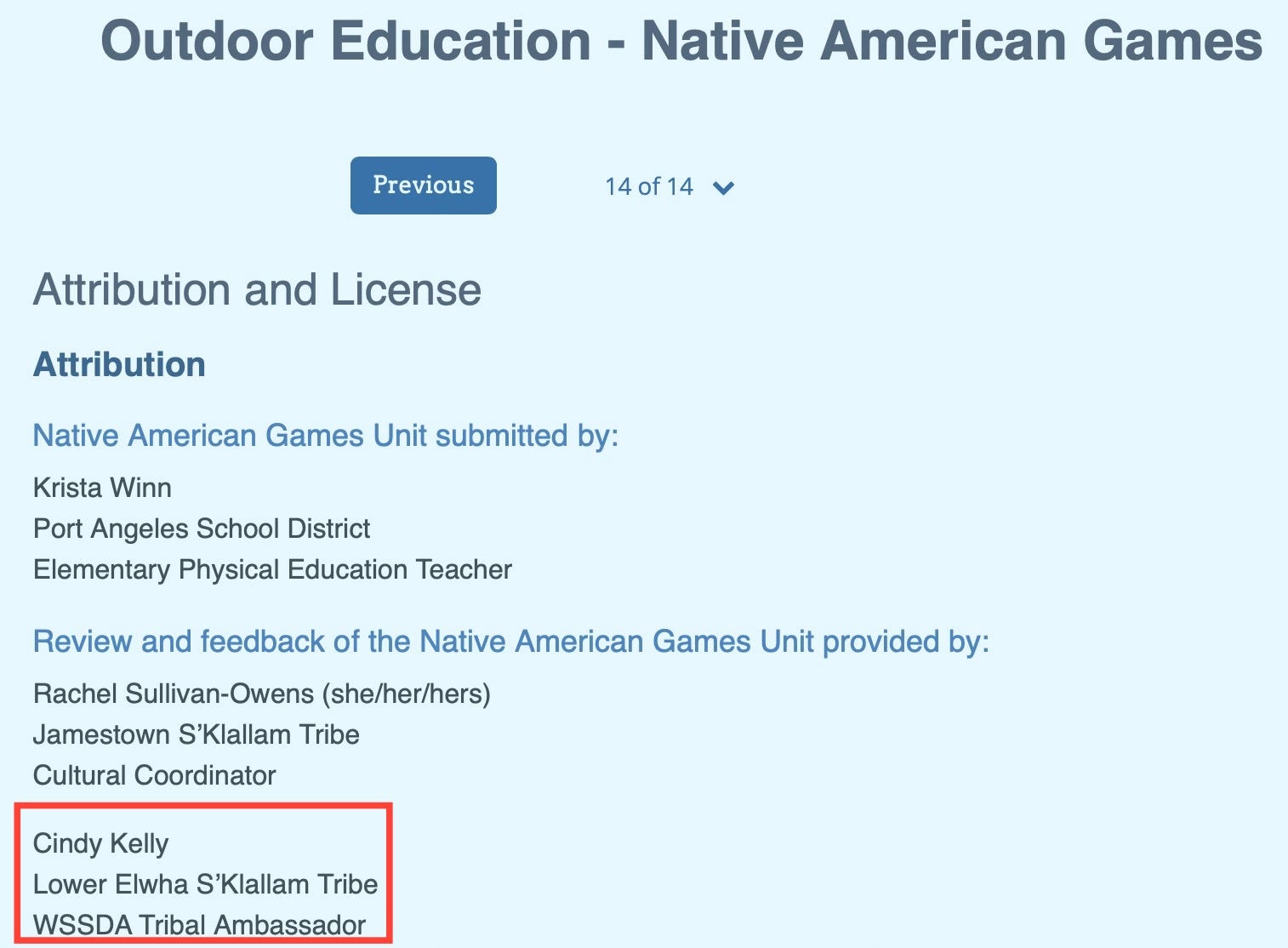
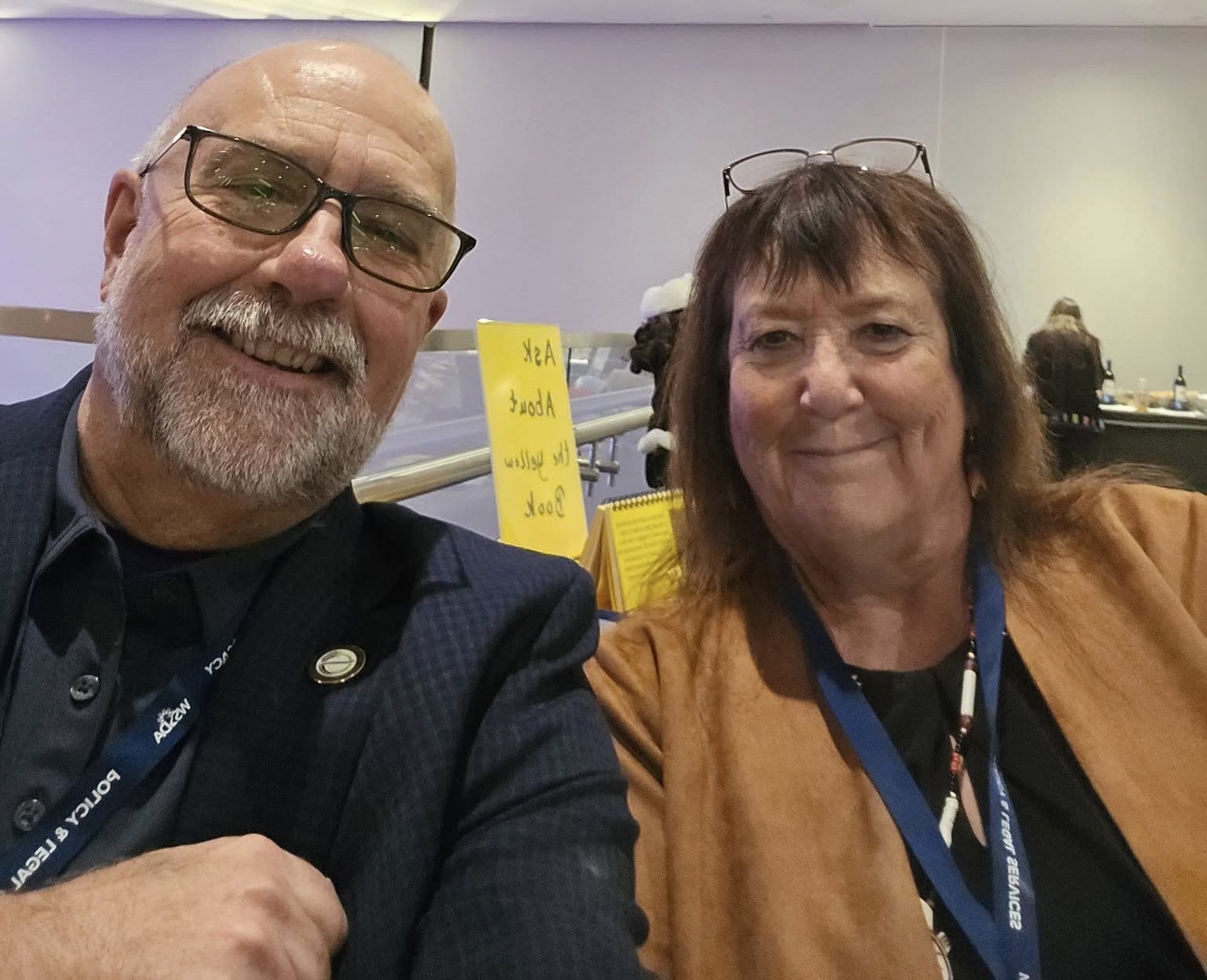
Why would an elected representative of Clallam County send a confidential document about tribal trust land impacts to a tribal ambassador?
Why was the public shielded from information that was apparently being shared elsewhere?
And perhaps most importantly:
If attorney-client privilege prevented Chair Fisch from discussing the memo in public, why did it not prevent Commissioner Stoffer from sending it to outside interests?
Not the First Time Confidential Information Was Mishandled
This incident isn’t Stoffer’s first controversy involving privileged information.
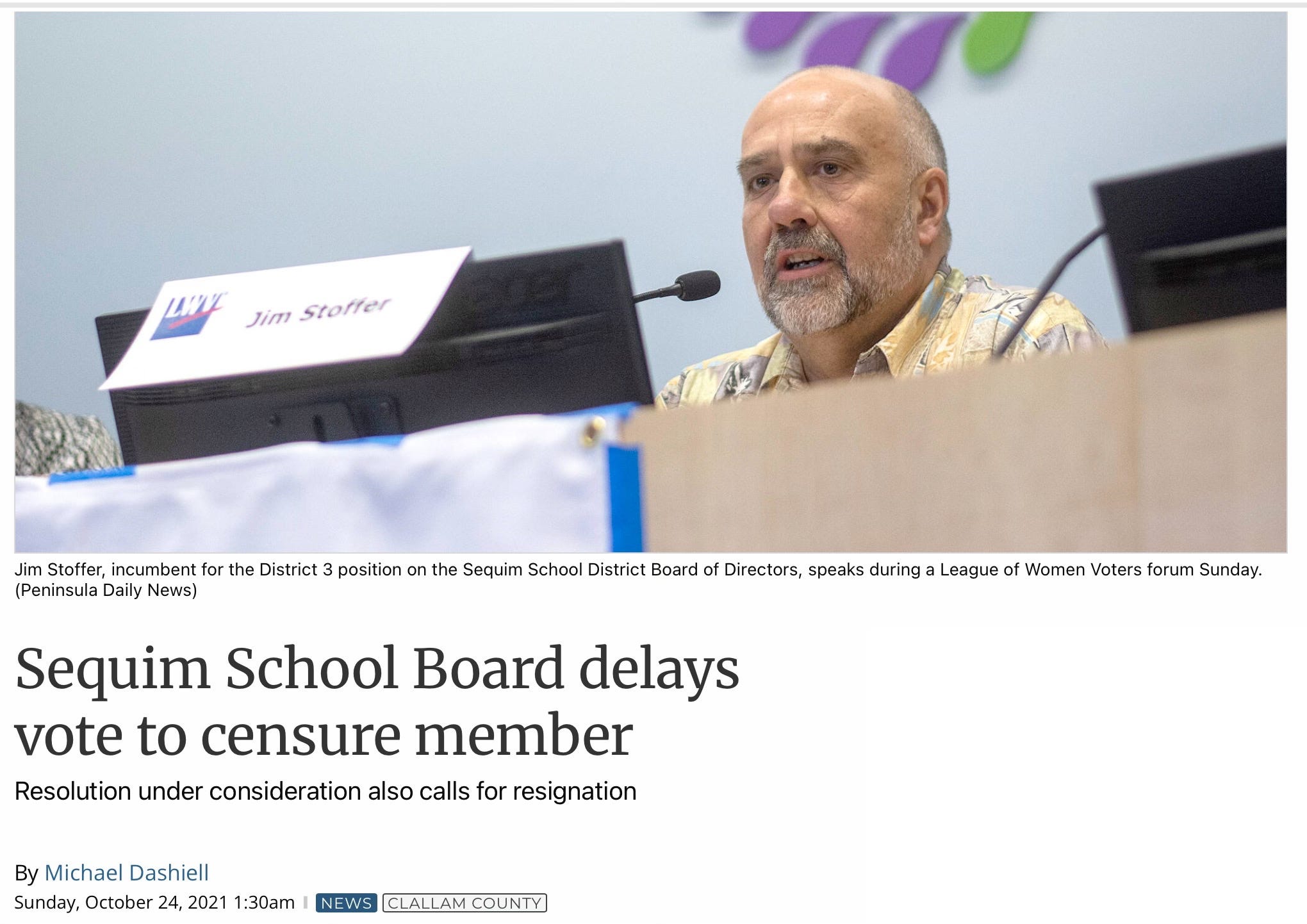
In 2021, the Sequim School Board prepared to censure him for knowingly and willfully disclosing confidential board information—including information related to an employee with active complaints against the district.
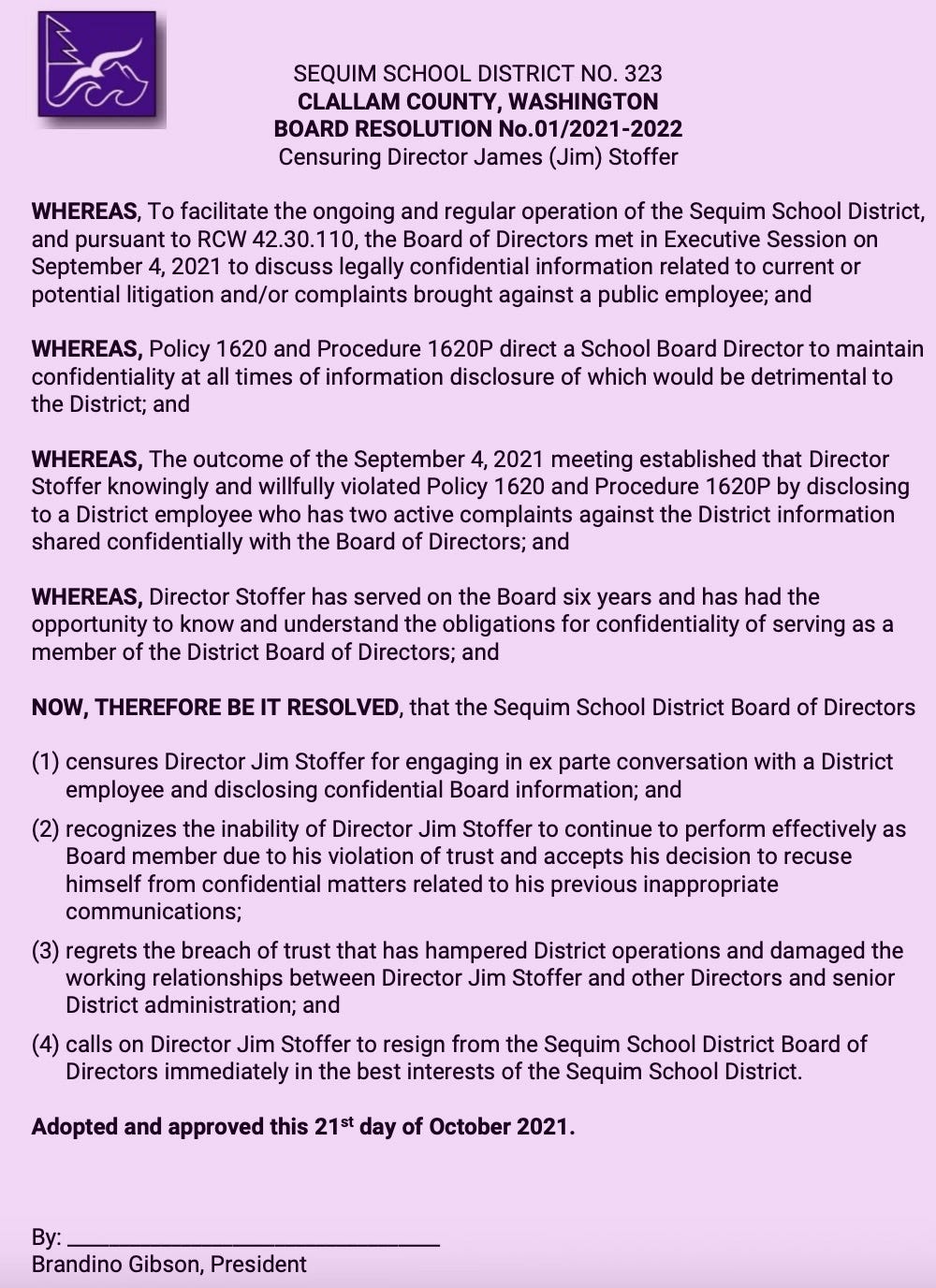
The board resolution stated that Stoffer had violated policy and breached trust, damaging working relationships and hampering district operations. The censure vote was delayed only because Stoffer’s attorney insisted he was on medical leave—even though Stoffer was physically present. He refused to speak for himself. Every part of his defense was delivered by his attorney, Lindsey Schromen-Wawrin, who told the board that Stoffer had been on approved medical leave “since you started attacking him last month.”
When the board president insisted that Stoffer read his own statement, Schromen-Wawrin said Stoffer could not do so due to his medical status and proceeded to read the statement for him while Stoffer sat silently in the background. The unusual scene—an elected official physically present but entirely mute, represented only through his attorney—underscored the seriousness of the allegations and the breakdown in trust between Stoffer and the rest of the board.
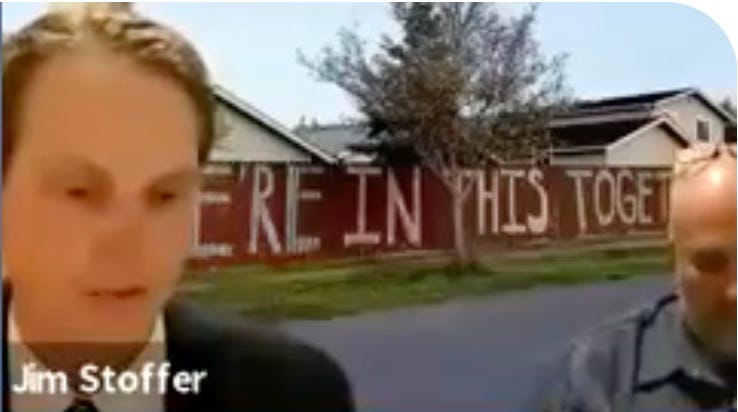
The censure request was postponed, delaying any final action. Stoffer ultimately resigned the following year, citing continuing health concerns.
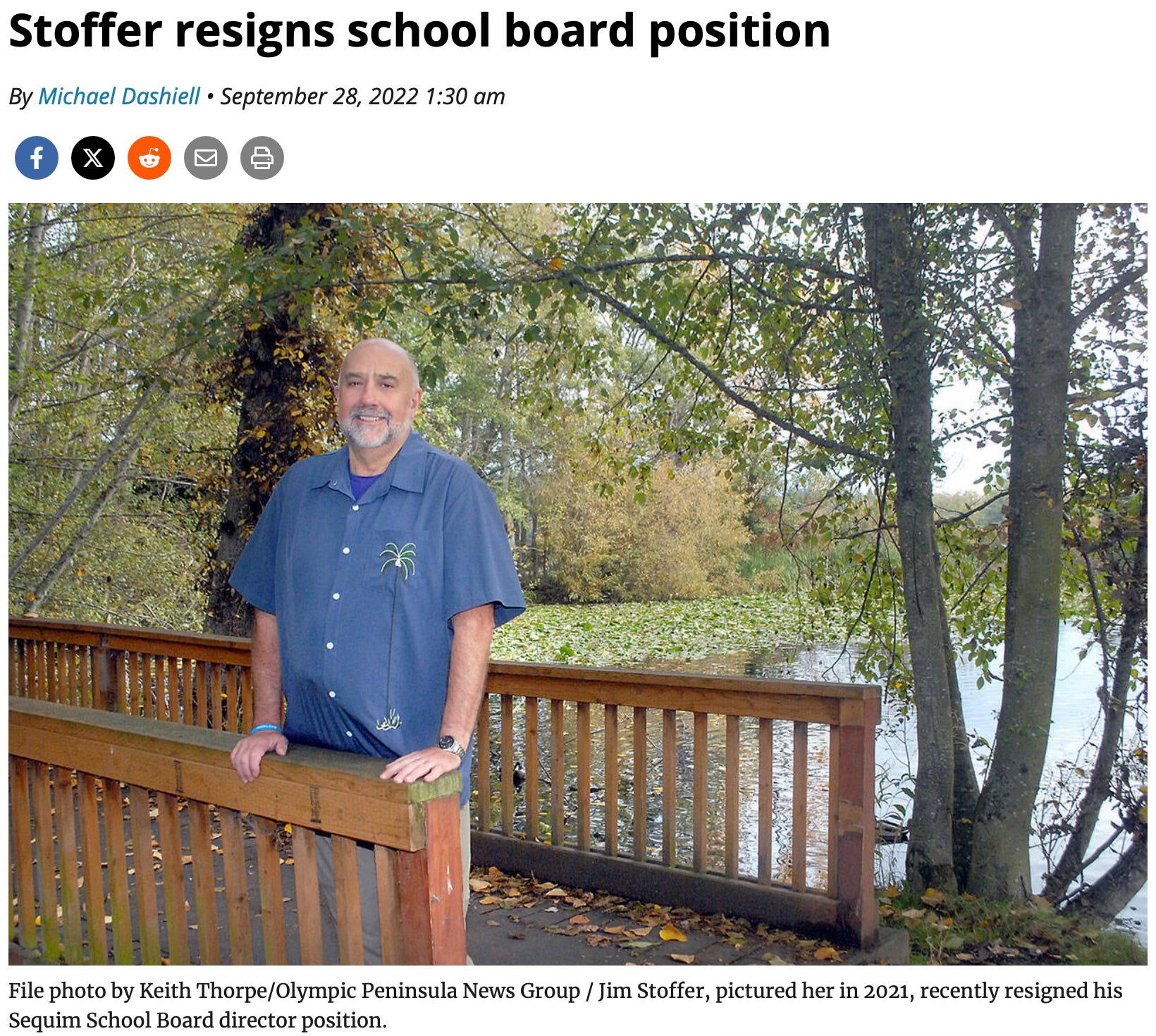
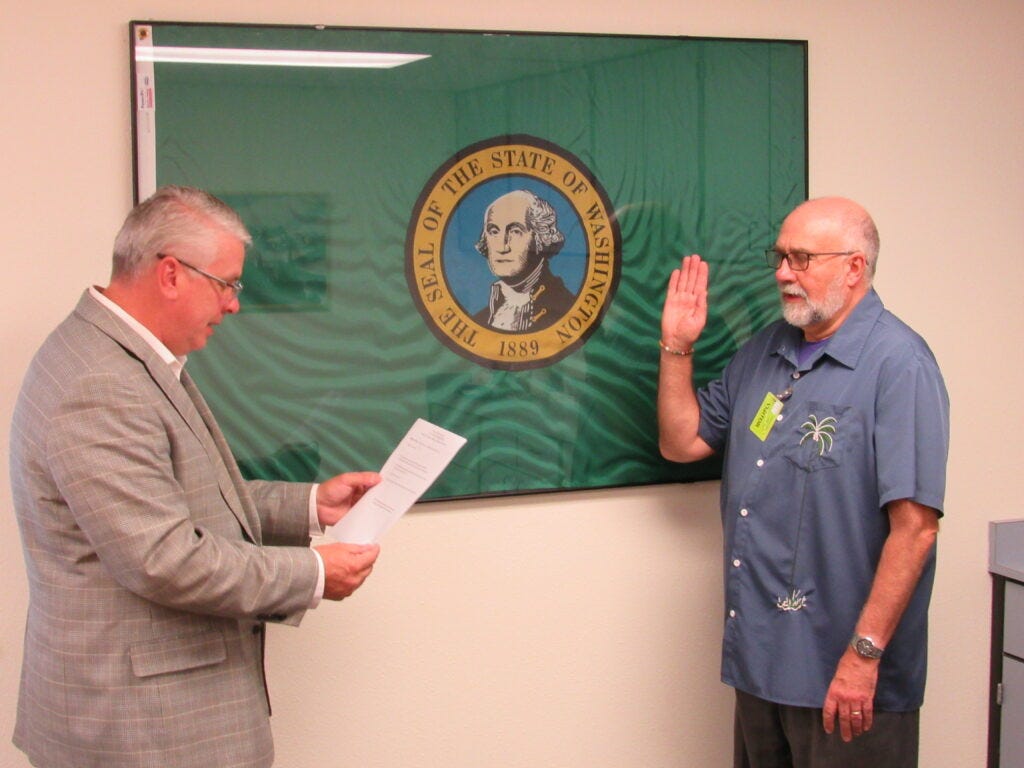
Despite these issues, Stoffer—after recovering from the health challenges he cited upon resigning—was soon appointed to the Olympic Educational Service District, an agency that provides regional oversight and support to school districts, tribal compact schools, and private schools across Western Washington.
A Pattern Bigger Than One Commissioner
While Commissioner Stoffer’s actions raise serious questions, they do not stand alone.
Chair Susan Fisch, who blocked Commissioner Richards’ amendment citing “attorney/client privilege,” serves as Secretary of the League of Women Voters. The organization’s own land acknowledgement—one she publicly aligns herself with through that role—explicitly commits the LWV to:
“Amplify the voices of Indigenous people”
“Partner with tribes on policy”
“Respect the sovereignty of tribes”
“Support issues important to their welfare”
Those are worthy commitments for a civic group. But Fisch was not elected to the Charter Review Commission to represent one sovereign government over another—she was elected to represent all residents of Clallam County.
Yet in practice, the public was denied access to a confidential memo that was later quietly shared with a tribal ambassador.
The people of Clallam County were kept in the dark.
Others were not.
The Bigger Problem: A Broken System That Treats Voters as an Afterthought
As the Charter Review Commission approaches the end of its term, the pattern is unmistakable:
Selective transparency
Confidential information withheld from citizens but shared with special interests
Elected officials who interpret “privilege” as a political tool, not a legal safeguard
A Commission leadership more aligned with outside groups than with the public they serve
The result is a system where the public comes last—again.
The final question practically asks itself:
If Clallam County’s elected officials won’t uphold basic standards of transparency and impartiality during a Charter Review—one of the most fundamentally citizen-focused processes we have—how can voters trust them to do so anywhere else?
In a county that prides itself on accountability, the normalization of back-channel influence and selective disclosure isn’t just disappointing.
It’s dangerous. Clallam County deserves better.
The Clallam County Charter Review Commission (CCCRC)should write a review on its accomplishments this past year. As of today it has managed to get ONE proposal to the ballot, which is actually mandated by the State’s Attorney General’s edict on the Coroner’s office. Good for you, CCCRC. The rest of the review would have to be about personal attacks on one of its members and public citizens private security for one member, disregarding public input on priorities for purposed amendments, and claiming how hard it worked at accomplishing…? Compare its accomplishments with Whatcom County. Too bad for us. This CCWatchdog story shines a light on the importance of transparency or lack thereof. Insanity?
I don't like to attach national politics/movements to our local matters, it's truly what's ailing us.
We have instances of Commissioners Stoffer and Fisch at a No Kings march.
The loudest voices are usually those who engage in the behavior they decry.
The Kings are among us, and the hypocrisy is unacceptable.
I've heard Dr. Sarah speak at the CRC meetings, and BOCCC. She's quite involved in her own way and I appreciate her thoughtful and measured responses backed up by facts. Her points sound reasonable and practical. They tend to be the same questions every citizen would like answers to, or her opinion on what's good for the general working order of county business. She's another fine example of an independent thinking person we're fortunate to have among us. Thank you Dr. Sarah.