

A Seattle nonprofit collected roughly $3.6 million in government grants, paid two executives more than it received in its final year, and then dissolved without answers. The pattern of public money flowing through nonprofits with limited transparency is not unique to Seattle. Clallam County is already running versions of the same model.
The Northwest Network of Bisexual, Trans, Lesbian, and Gay Survivors of Abuse was financed almost entirely by taxpayers. It received approximately $3.6 million in grants from the City of Seattle, King County, two Washington state departments, and at least one federal agency. None of those agencies have provided a clear accounting of what the money actually bought.
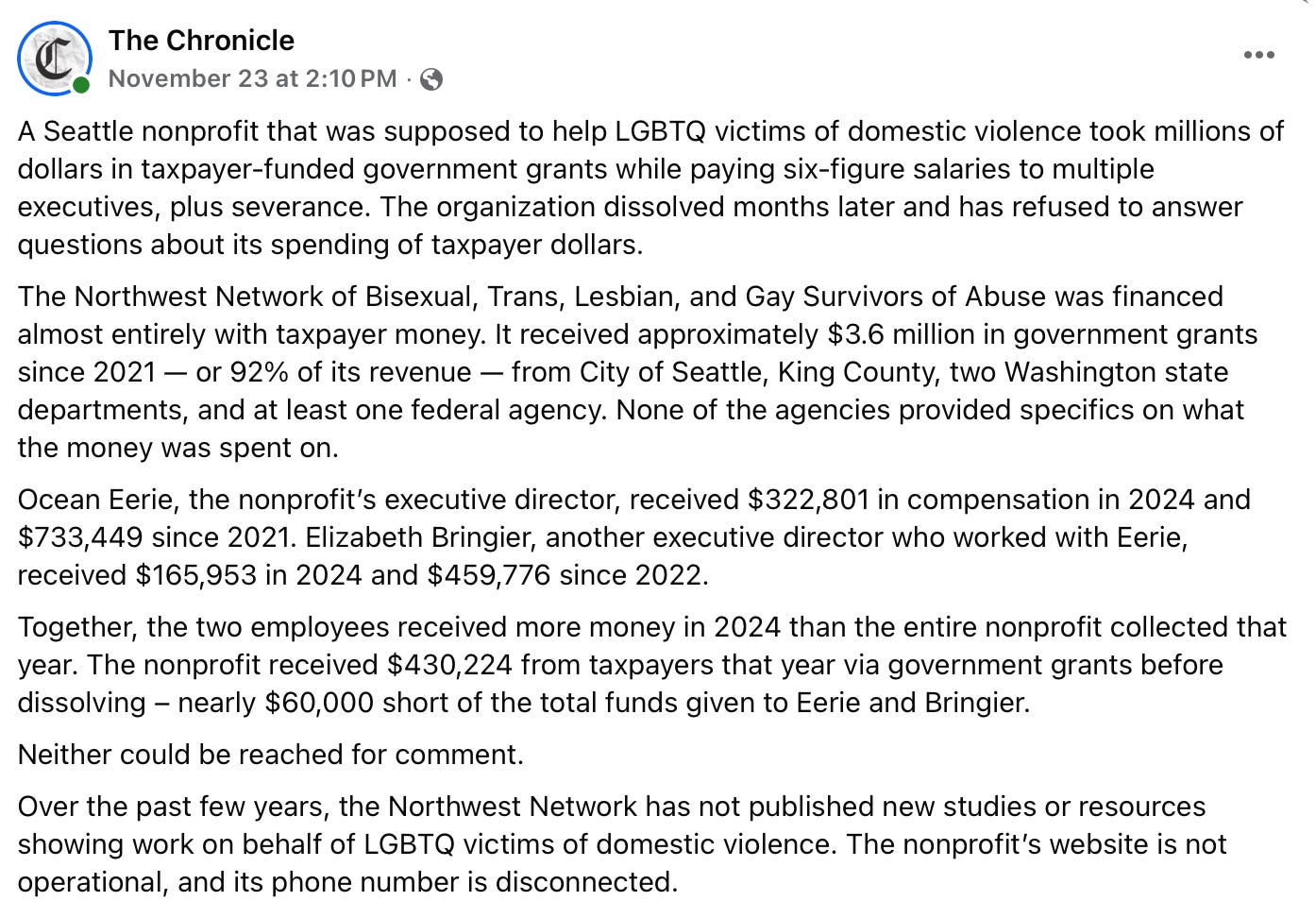

Ocean Eerie, the executive director, received $322,801 in compensation in 2024 and $733,449 since 2021. Elizabeth Bringier, another executive director, received $165,953 in 2024 and $459,776 since 2022. Together, the two took home more in 2024 than the nonprofit collected that year. Taxpayers provided $430,224 in grants; the two directors received nearly $60,000 more than that total. The organization dissolved in 2025. Its website is gone, its phone is disconnected, and neither director has responded to questions. Severance payments appear on the final filings, but the amounts and recipients are not disclosed.
This is not an isolated story. Closer to home, the same structure operates in Clallam County.
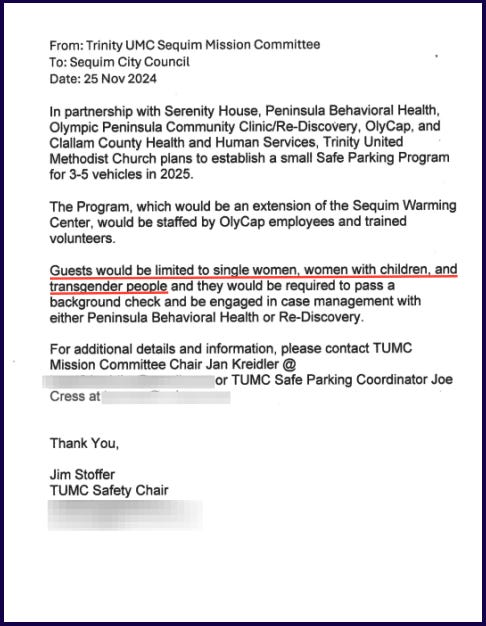
Commissioner Mike French sits on the board of Olympic Community Action Programs (OlyCAP). The county awarded roughly $118,000 to a Sequim church for a safe-parking pilot meant to serve three to five vehicles. Public records show a substantial share of that money went to OlyCAP staffing and benefits even while participation lagged. The county could not have openly limited the program to women, children, and transgender women while barring men; a non-governmental organization (NGO) can.
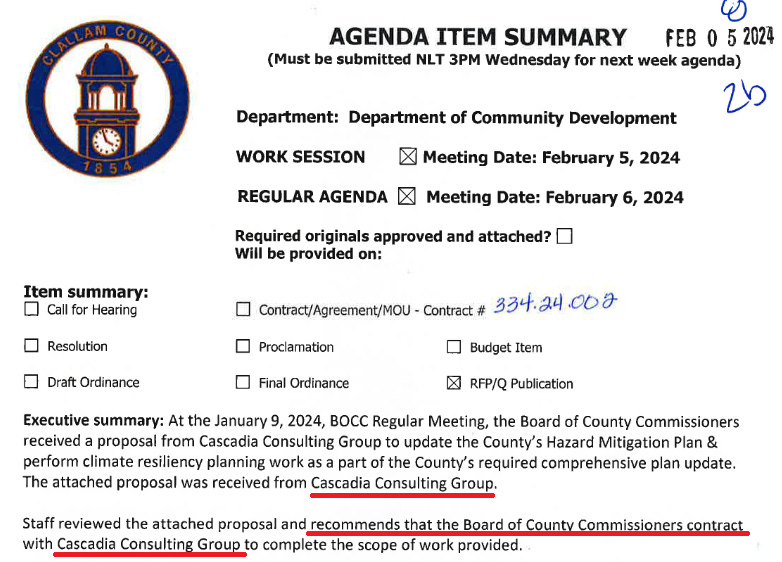
Commissioner Mark Ozias serves on the board of the North Olympic Development Council. The NODC worked with Cascadia Consulting Group on regional planning documents, including work that fed into the county’s comprehensive plan process. The county contracted with Cascadia for approximately $369,000.
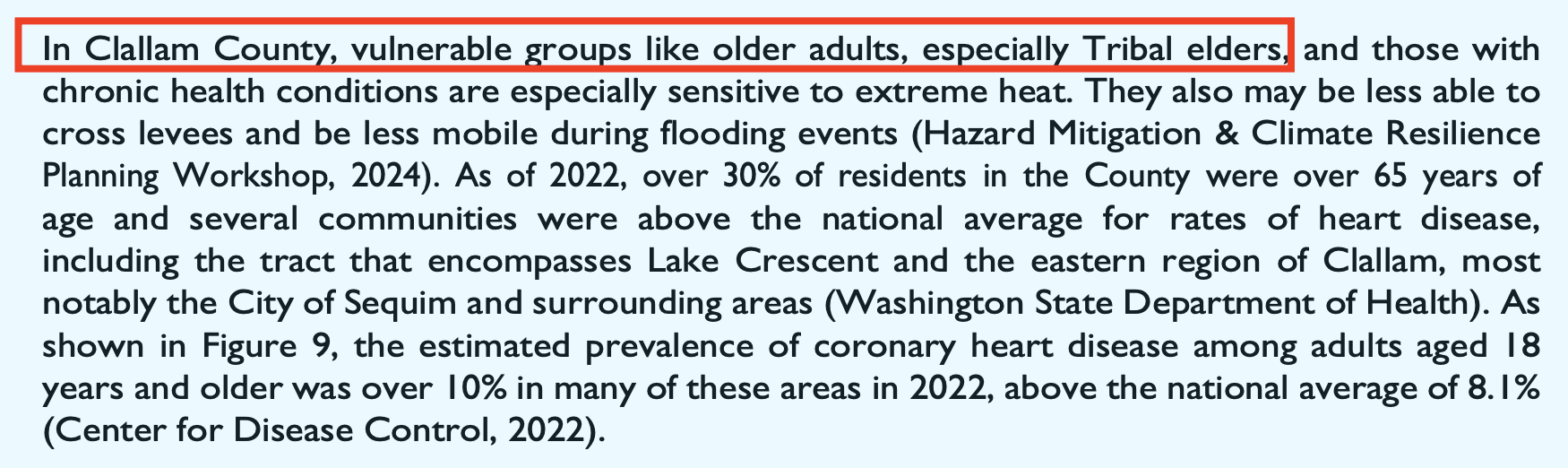
When the draft comprehensive plan returned, it prioritized tribal interests and included language directing special attention to vulnerable populations, “especially tribal elders” during heat waves — a clear favor toward the Jamestown Tribe, Commissioner Ozias’s top campaign donor and a tribe with representation on the NODC board.
The same NODC is positioned to take roughly a million dollars off the top of the federal Recompete grant simply to manage it.
Peninsula Behavioral Health has received millions in county funds for housing projects. Its CEO, Wendy Sisk, earns compensation in the high $200,000s—more than the Vice President of the United States.
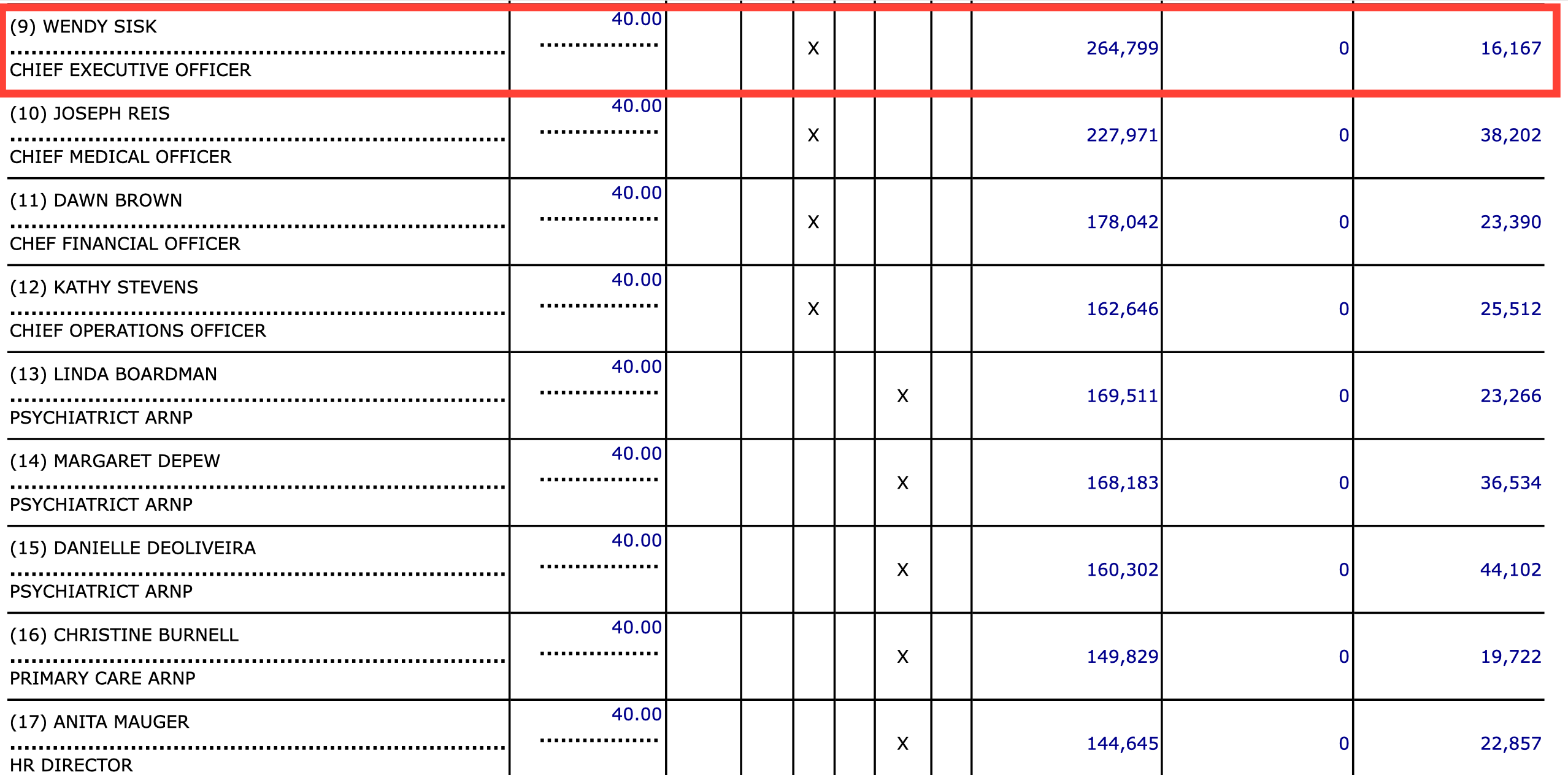
Once the money leaves the county ledger, both the county and PBH have declined to provide detailed answers about how it is spent. Low-barrier housing that prioritizes active addicts and criminals is an agenda the county itself would struggle to defend in open debate. An NGO can execute that plan with less scrutiny.

NGOs have become a practical way for government to advance priorities that would face stronger resistance if pursued directly. The county hands over the money, the NGO implements the policy, and the public is left with limited visibility and little recourse. Federal grants are already tightening. Washington State is beginning to prioritize. Clallam County, so far, has largely chosen to raise taxes so the same projects and the same partners continue.
The Seattle example shows what can happen when the money stops, and the questions start. If it can happen there, it can happen here — the conditions in Clallam County are almost begging for the same outcome:
Large sums of taxpayer money moving through NGOs tied to heartstring-pulling causes.
Limited transparency once the checks leave the county.
Overlapping roles between commissioners and the organizations receiving the funds.
Little incentive to answer detailed questions.
Here, the money is still flowing. The opportunity for real oversight passed when Mike French was reelected. That leaves residents as the remaining check. Keep asking where the dollars go, who benefits, and what outcomes are actually delivered. No one at the county level is doing it for you.
Good investigation and coverage. NGO’s need to be turned over to expose the interconnected corruption. Money has been diverted into the pockets of the shrewd. The virtue signalers see dollar signs. They feel entitled to a big commission for their “good work.”
This would be good for a charter review commission to address, how our tax dollars given to NGOs require the same transparency to the citizens our government complies with.
Oh wait, it was addressed, but couldn't get traction. I wonder why that is/was?
How is it those who enjoy the same sunshine law benefits when they want to know what the government is up to don't want them in these situations?