

This week’s Social Media Saturday captures a pattern that’s getting harder to ignore: residents organizing, donating, and speaking out—while confidence in local decision-making continues to erode. From a major win on the Sol Duc mirrored cabins to volunteers effectively subsidizing public services, Clallam County’s digital town square is asking a simple question: who’s responsible for the basics anymore?
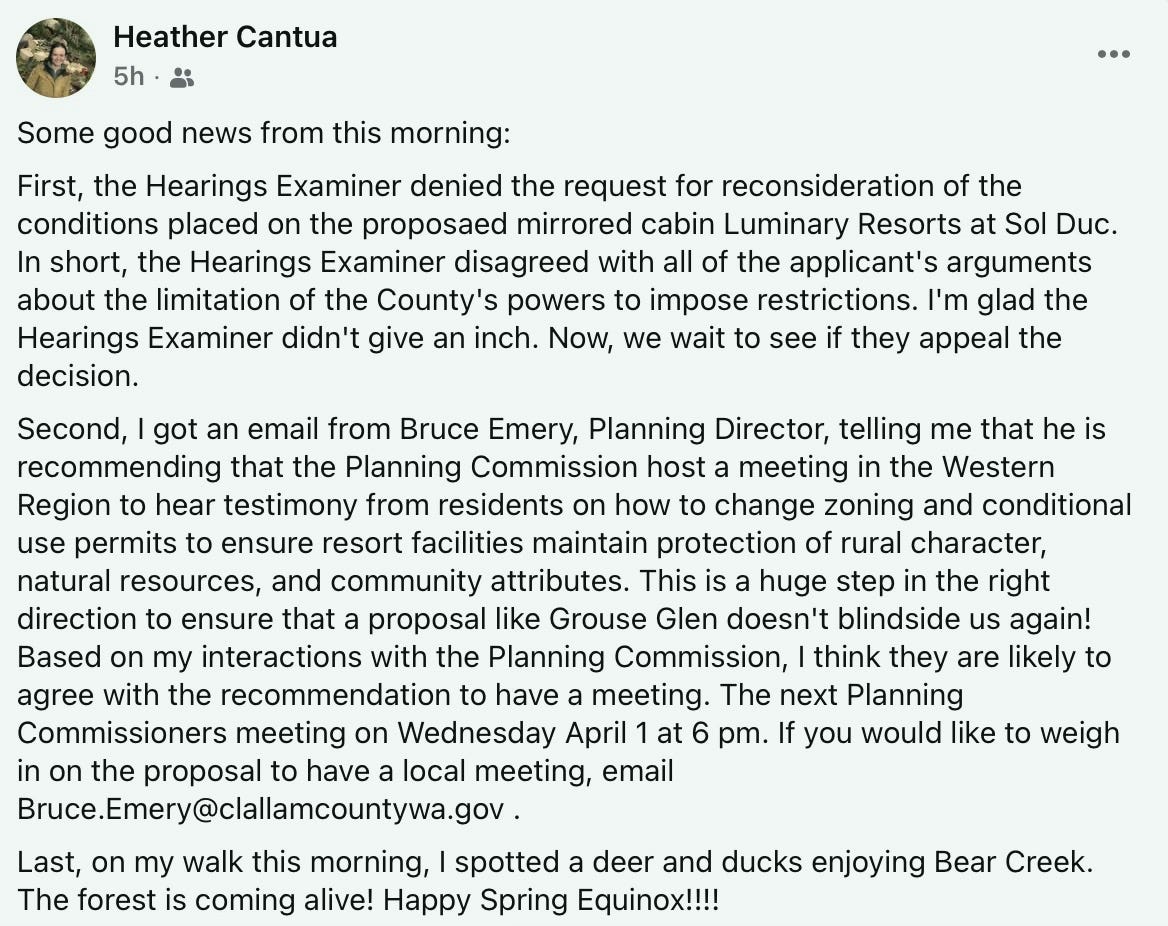
On Facebook, local resident Heather Cantua shared a substantive update on the controversial mirrored cabin proposal near Sol Duc—and for once, it came with encouraging news. The Hearings Examiner denied the developer’s request to reconsider restrictions, rejecting arguments that the County overstepped its authority. In practical terms, the conditions stand. Now the question becomes whether the applicant will appeal.
Even more notable, Planning Director Bruce Emery is recommending the Planning Commission hold a meeting in the Western Region to gather direct input from residents on zoning and conditional use policies. For many who felt blindsided by proposals like Grouse Glen, this signals a shift toward transparency and local engagement—something residents have been asking for all along.
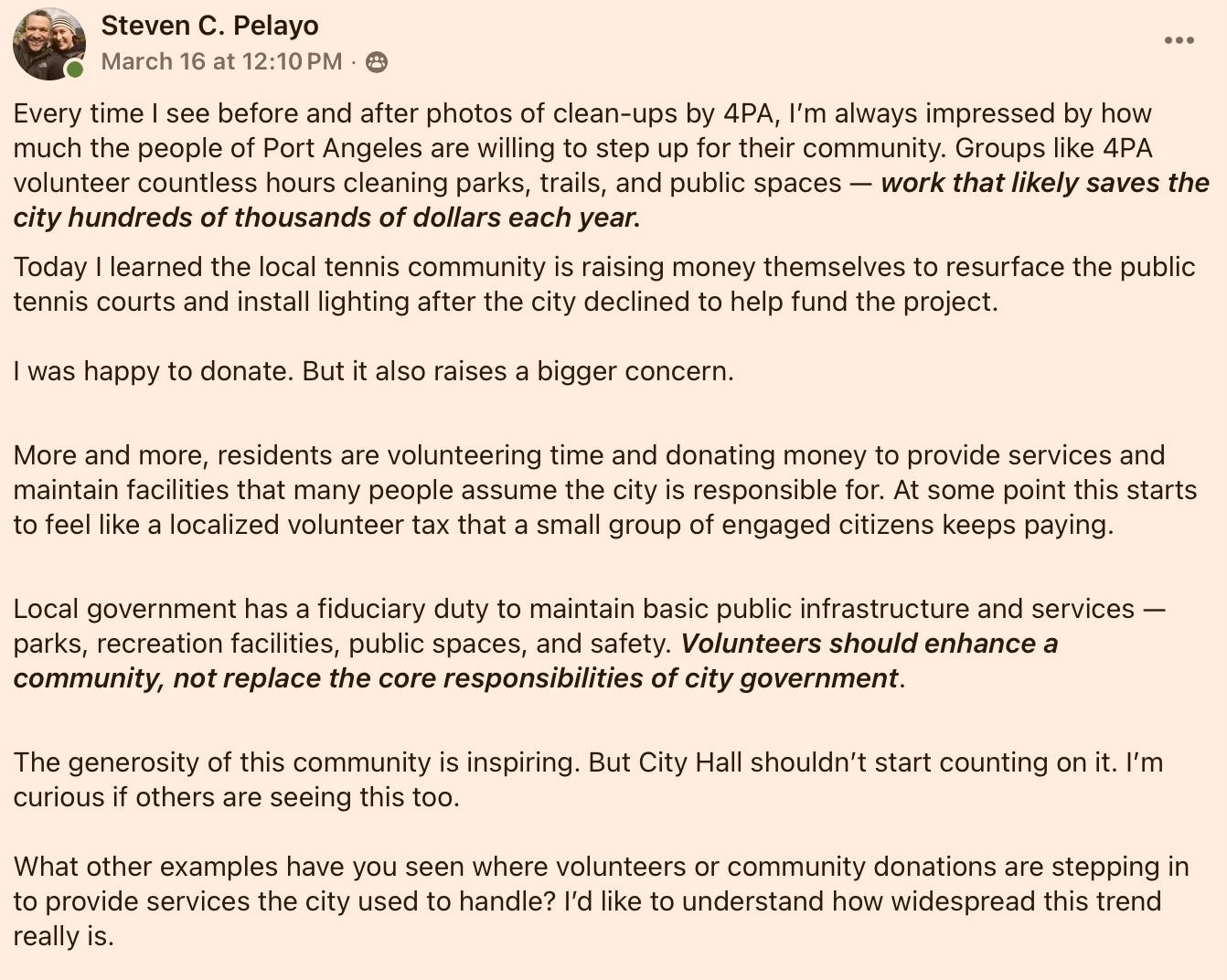
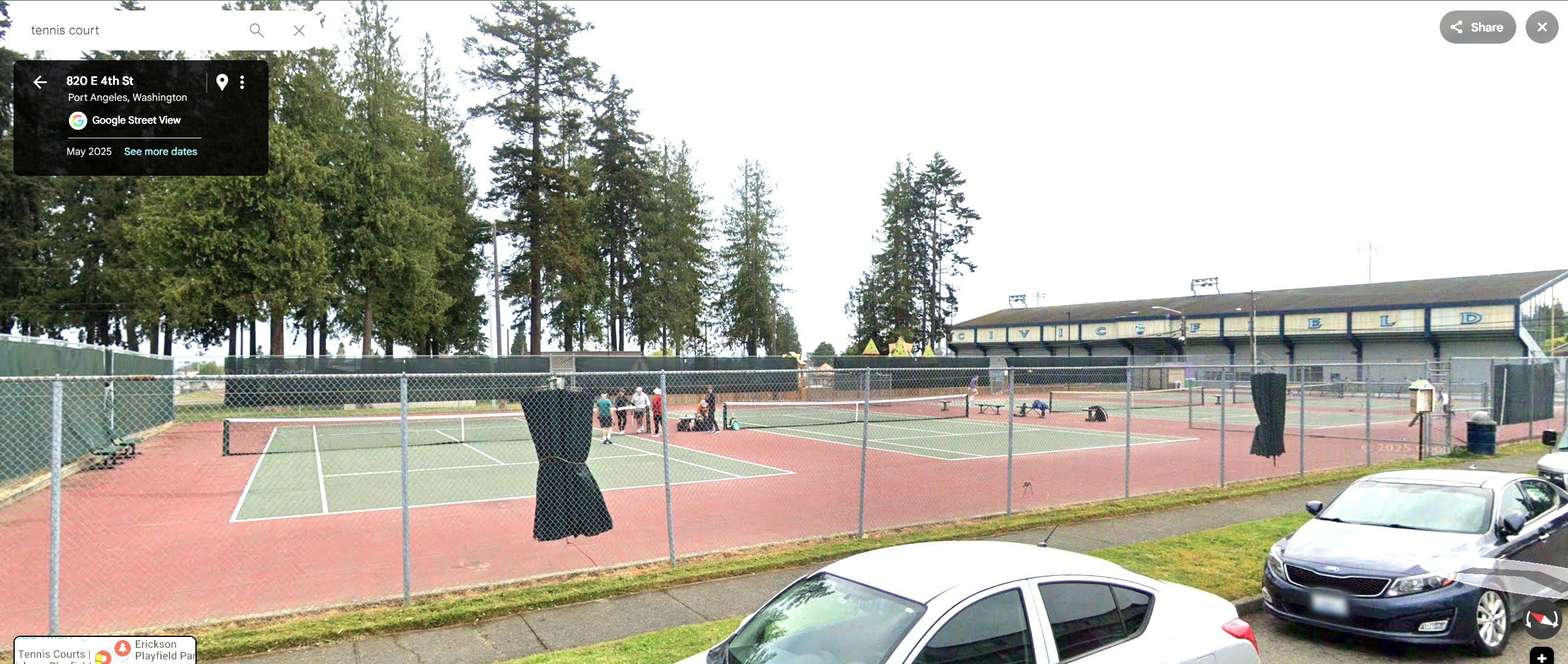
Elsewhere on Facebook, another resident highlighted a different trend: community members increasingly stepping in to do what many assume government should handle. Volunteer group 4PA continues to remove massive amounts of trash from public spaces, while local tennis advocates are now fundraising privately to resurface courts and install lighting after the city declined funding.
The takeaway wasn’t criticism of volunteers—it was admiration. But it came with a warning: when residents consistently donate time and money to maintain basic infrastructure, it begins to resemble a “volunteer tax.” At what point does generosity become a substitute for governance?
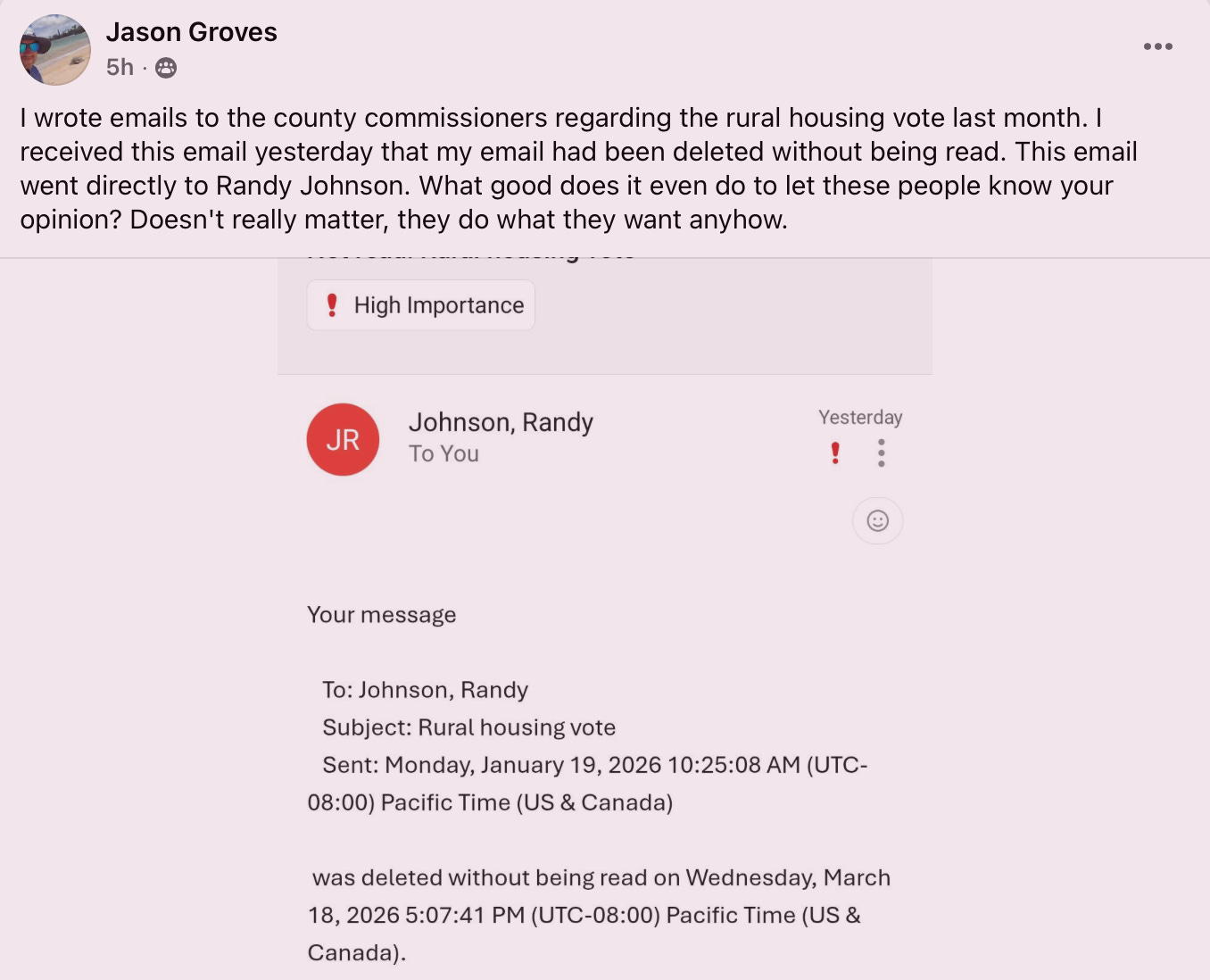
In another post, frustration with elected officials surfaced more directly. One resident reported receiving a notification that their email to County Commissioner Randy Johnson had been “deleted without being read.” Whether isolated or not, the perception matters. It raises an uncomfortable question: are everyday constituents being filtered out while institutional voices—NGOs, agencies, and political stakeholders—still get through?
For residents already skeptical about whether their input carries weight, moments like this reinforce a growing disconnect.
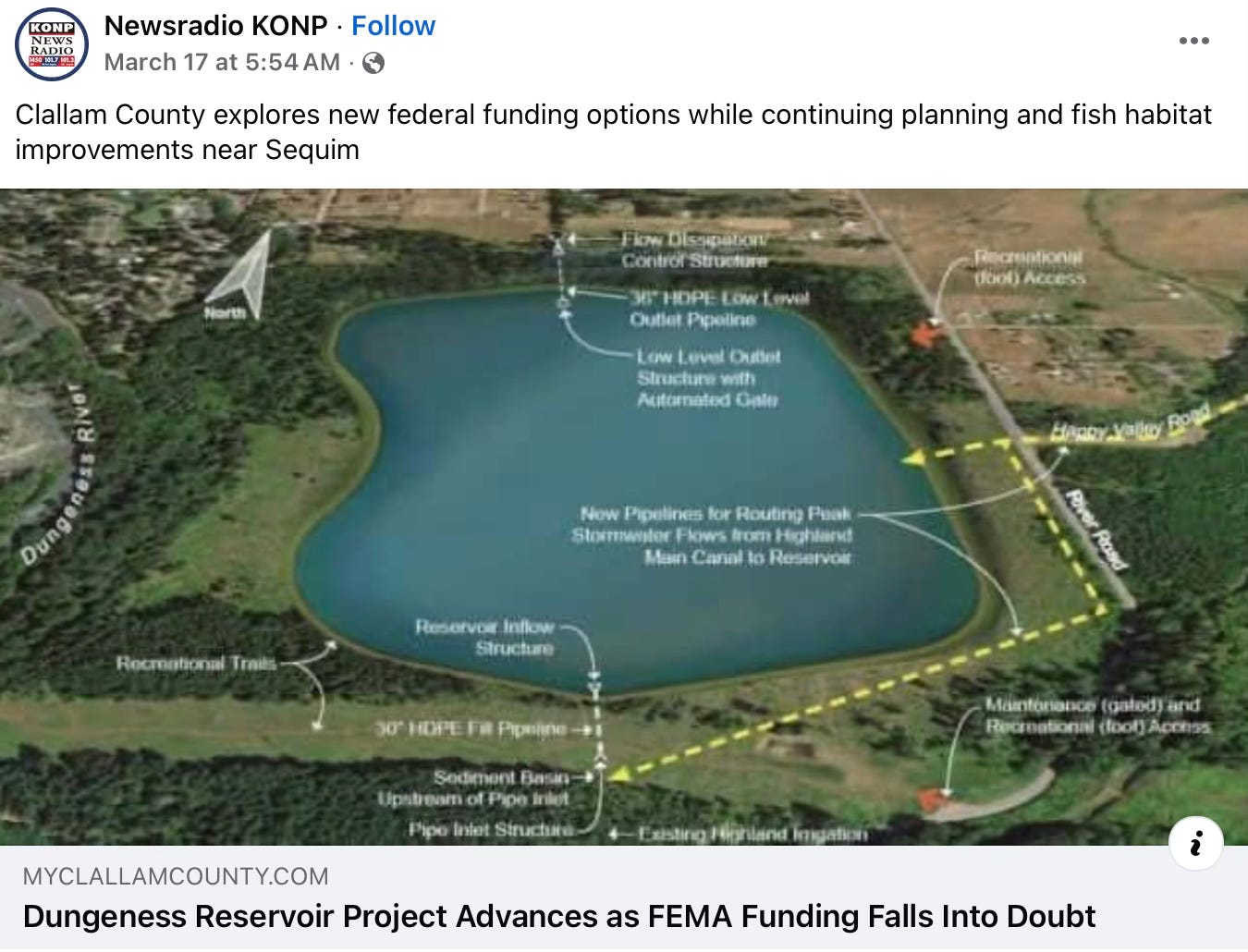
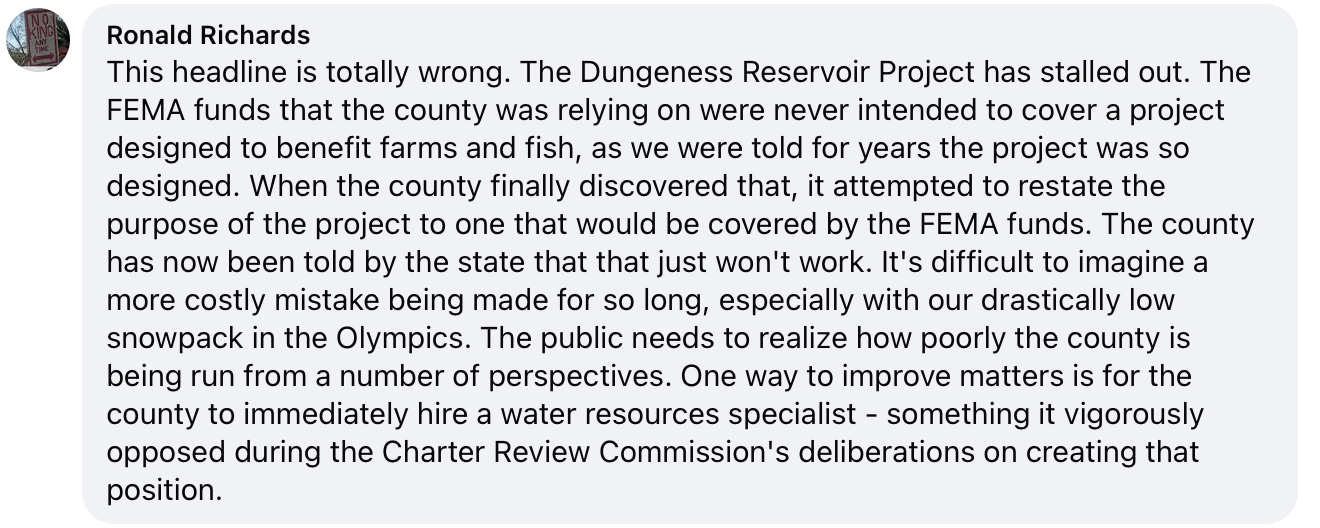
Following a KONP story on the proposed Dungeness River off-channel reservoir, one commenter offered a sharp critique: the project, once framed as a benefit for farms and fish, appears to have stalled after it became clear FEMA funding was never aligned with its true purpose. Attempts to reframe the project reportedly failed at the state level.
The broader concern? Years of planning, significant expense, and little to show for it.
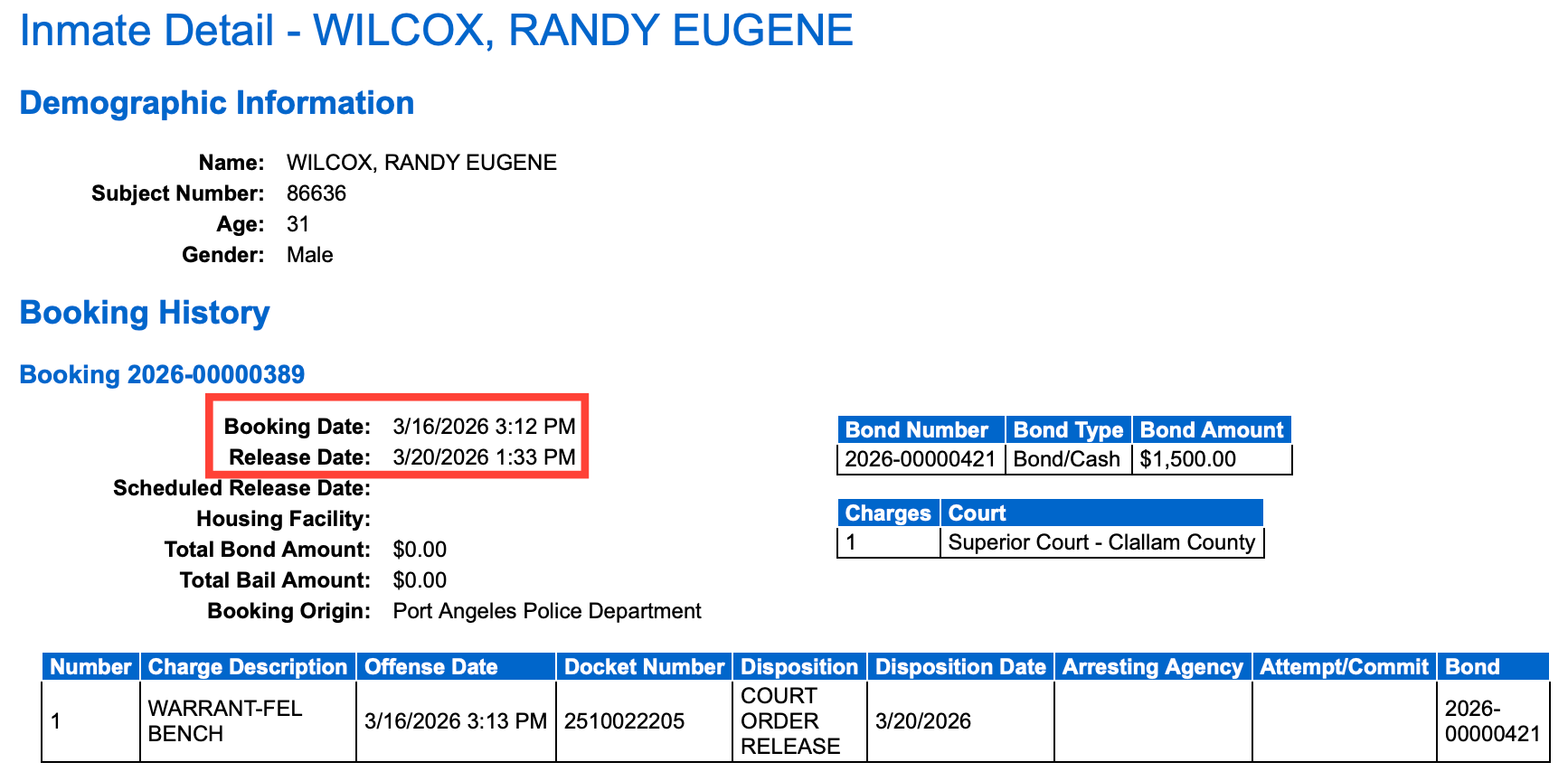
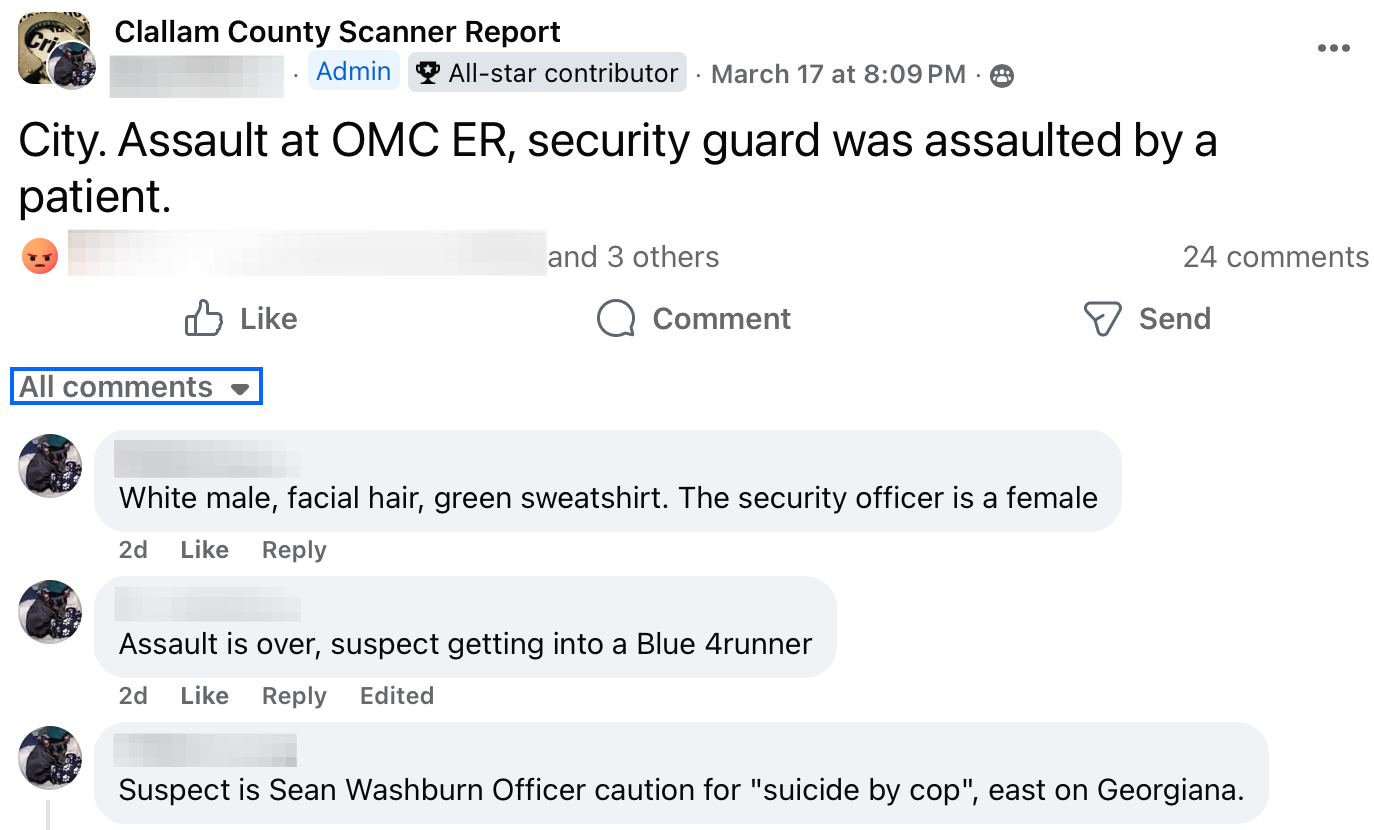
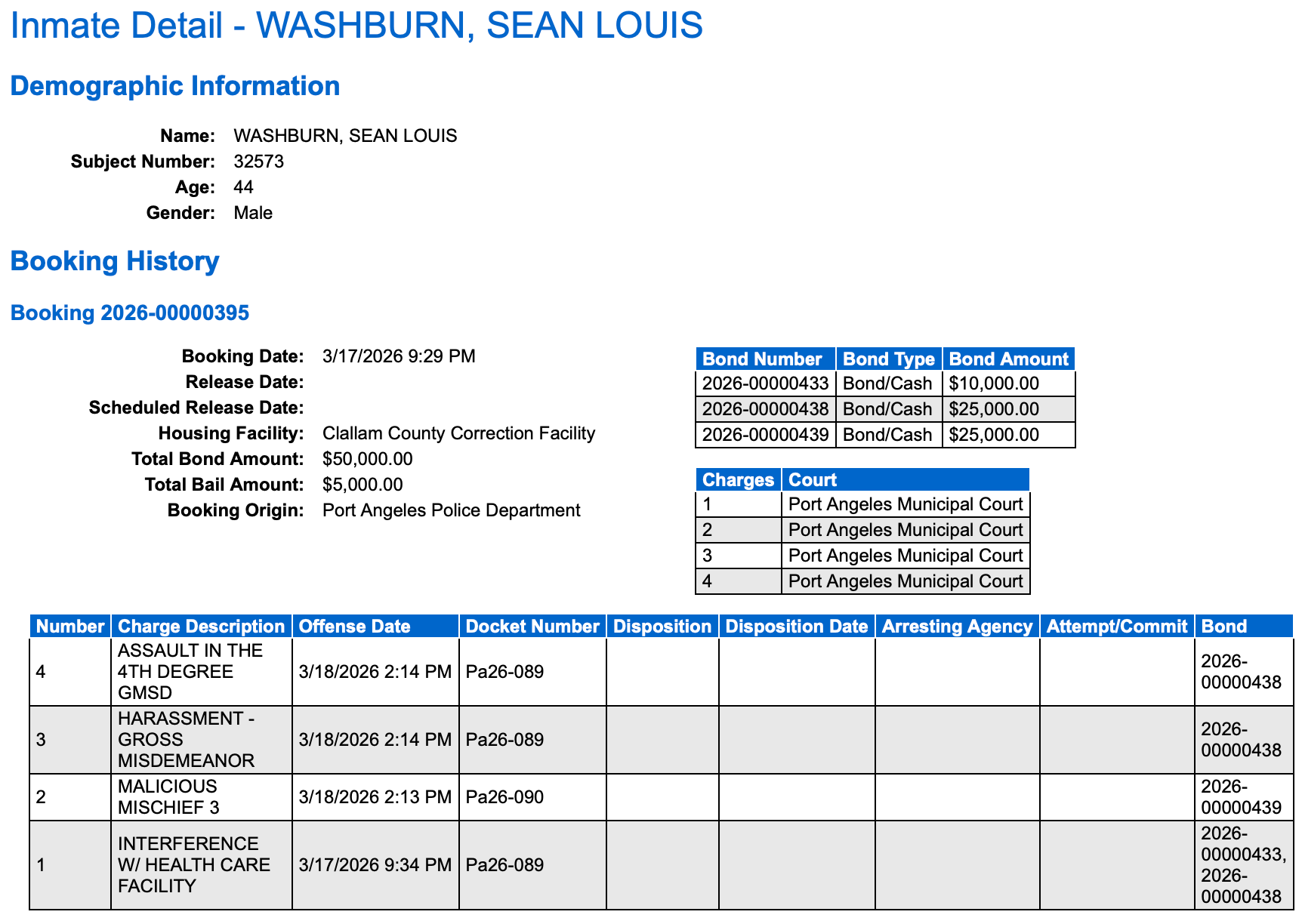
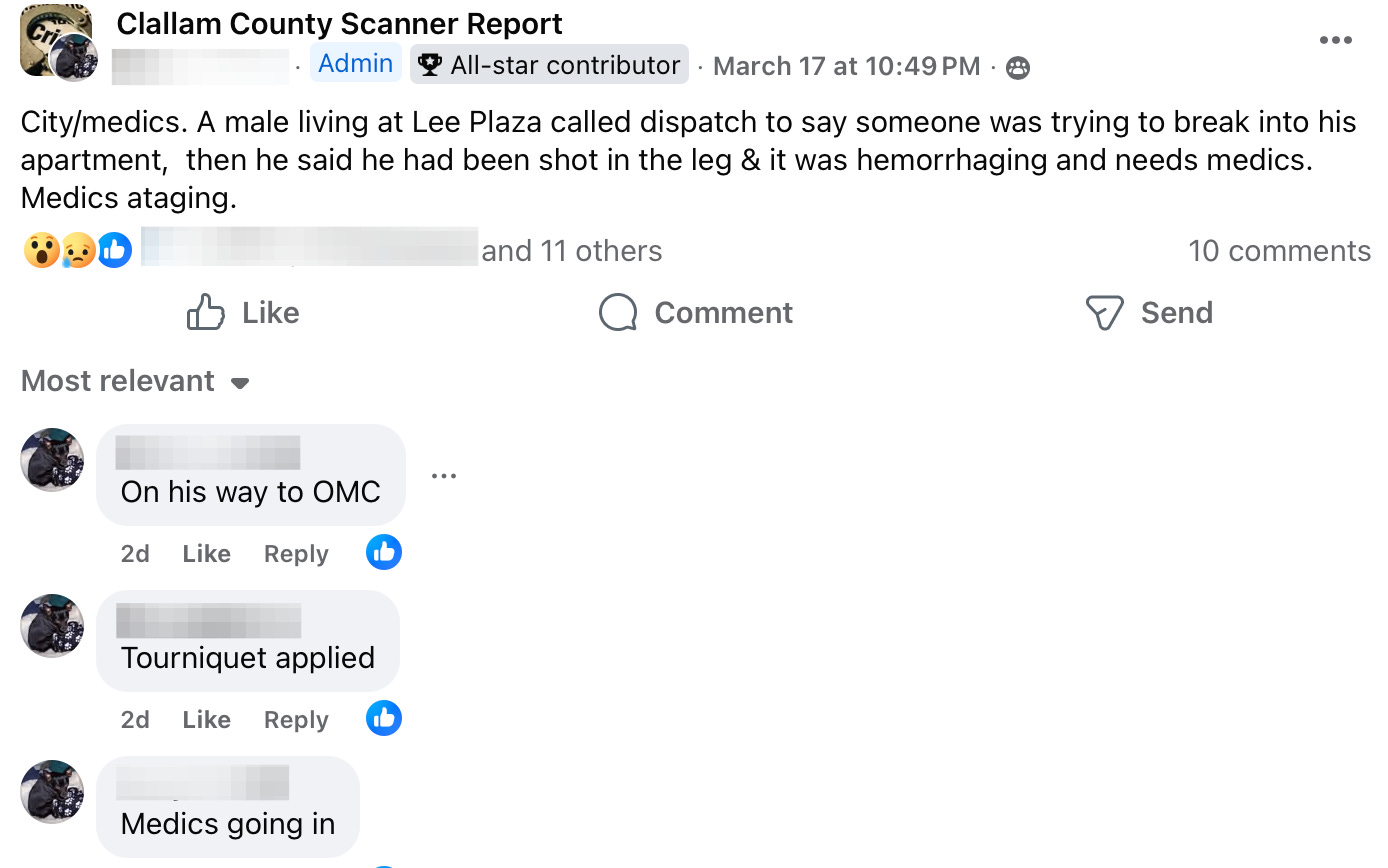
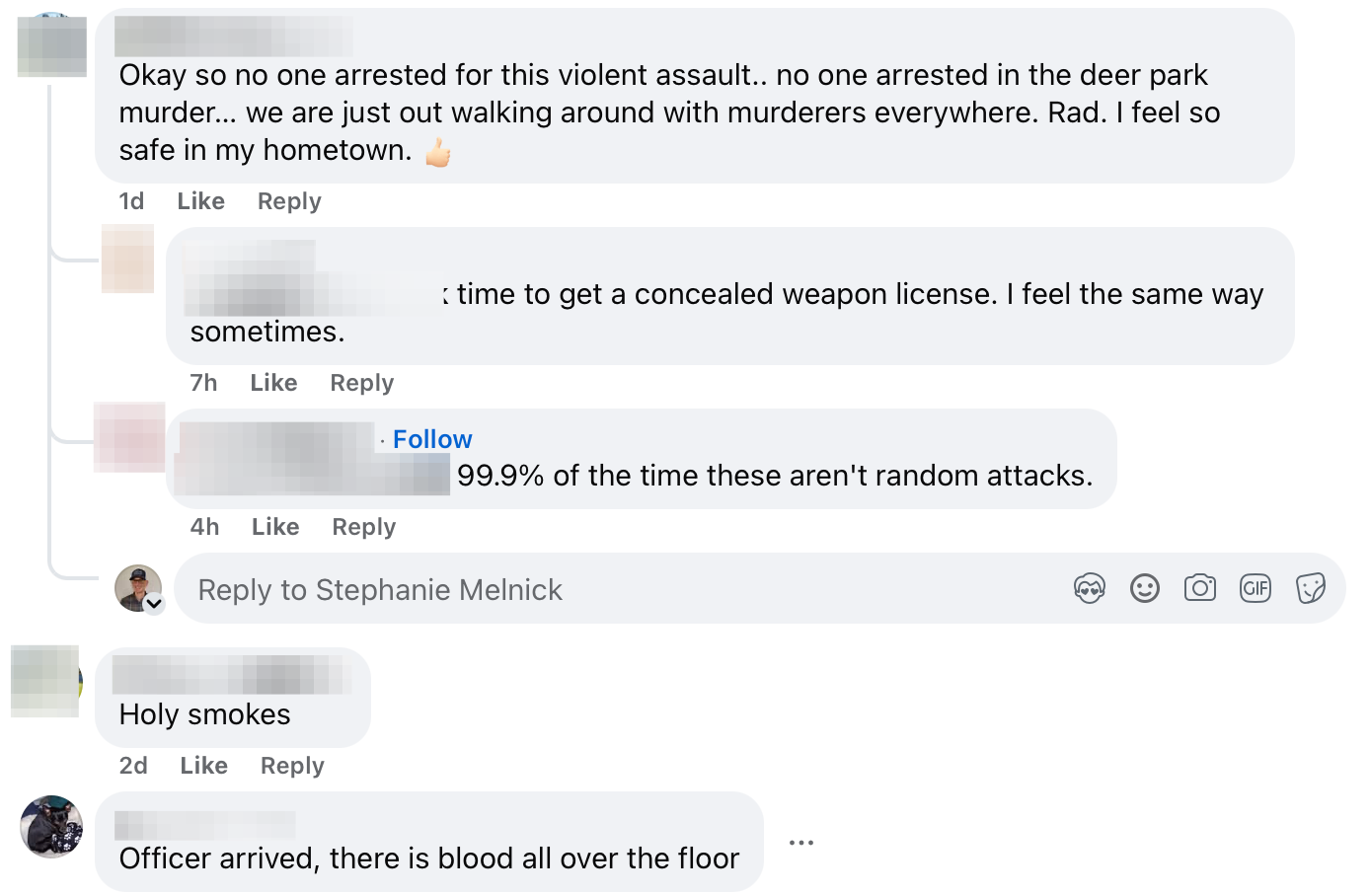
Meanwhile, the weekly scanner reports painted a familiar picture: out-of-town offenders, violent altercations, assaults, and a shooting tied to a break-in. It’s the kind of activity that residents are seeing in real time—but often feel isn’t fully reflected in traditional coverage. The gap between lived experience and reported narrative continues to widen.




And finally, one widely shared image—originally from Seattle—imagines what a modern-day Norman Rockwell painting might look like. It’s less nostalgic Americana and more a snapshot of disorder, detachment, and uneasy normalization.
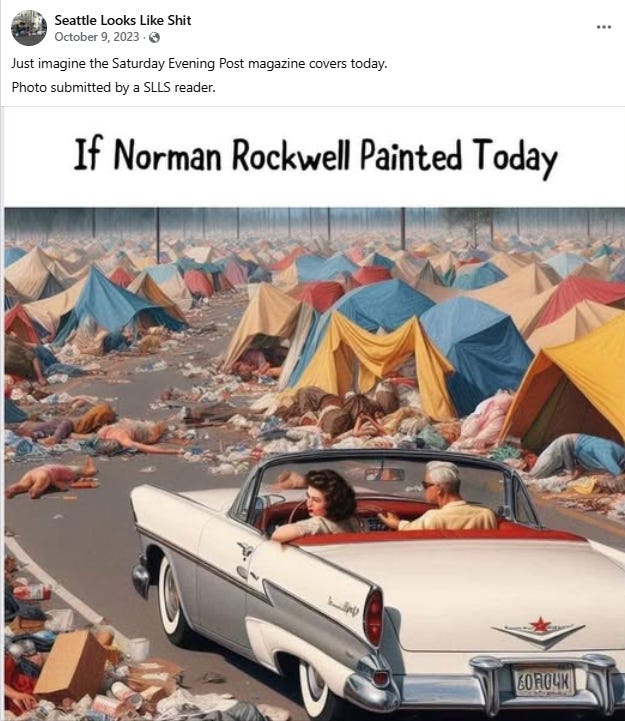
For many in Clallam County, it doesn’t feel like satire anymore. It feels like a preview.
Good Governance Daily Proverb:
Volunteerism strengthens a community; it should not have to substitute for a government doing the basics well.
Hats off to you, Jeff! Without this forum many or most of us would not know that we share many of the same concerns and had no idea how to address them or what to do. I have learned so much from your daily posts, connected with others and we move forward with questions and attempt to hold those responsible for decision making in this county accountable. This forum has prompted me from just a reader to a more active member of this county! We have much to do, and more and more people are reading CCWD! Thank you Jeff!!