

A $22 million rural broadband project, sold as essential for more than 1,500 homes, has connected only about 101 customers so far (plus 40 pending). That works out to more than $156,000 per subscriber—yet Astound is asking for nearly $500,000 more in contingency money, and the commissioners appear ready to consider it. Tomorrow’s 9 a.m. work session will continue the discussion.
The Contract Astound Already Signed
Clallam County’s March 5, 2024 Dark Fiber Construction and Indefeasible Right of Use (IRU) Agreement with WaveDivision Holdings, LLC (doing business as Astound Broadband) put the company in charge of engineering, permitting, constructing, and then operating the network. Funding came from $16,074,985 in Washington State Broadband Office grants, $4,525,174 from the Public Works Board, and a $1,786,109 county match drawn from federal ARPA funds—roughly $22.4 million total.

The project covers the corridor from Lairds Corner (US 101 and SR 112) west of Joyce.
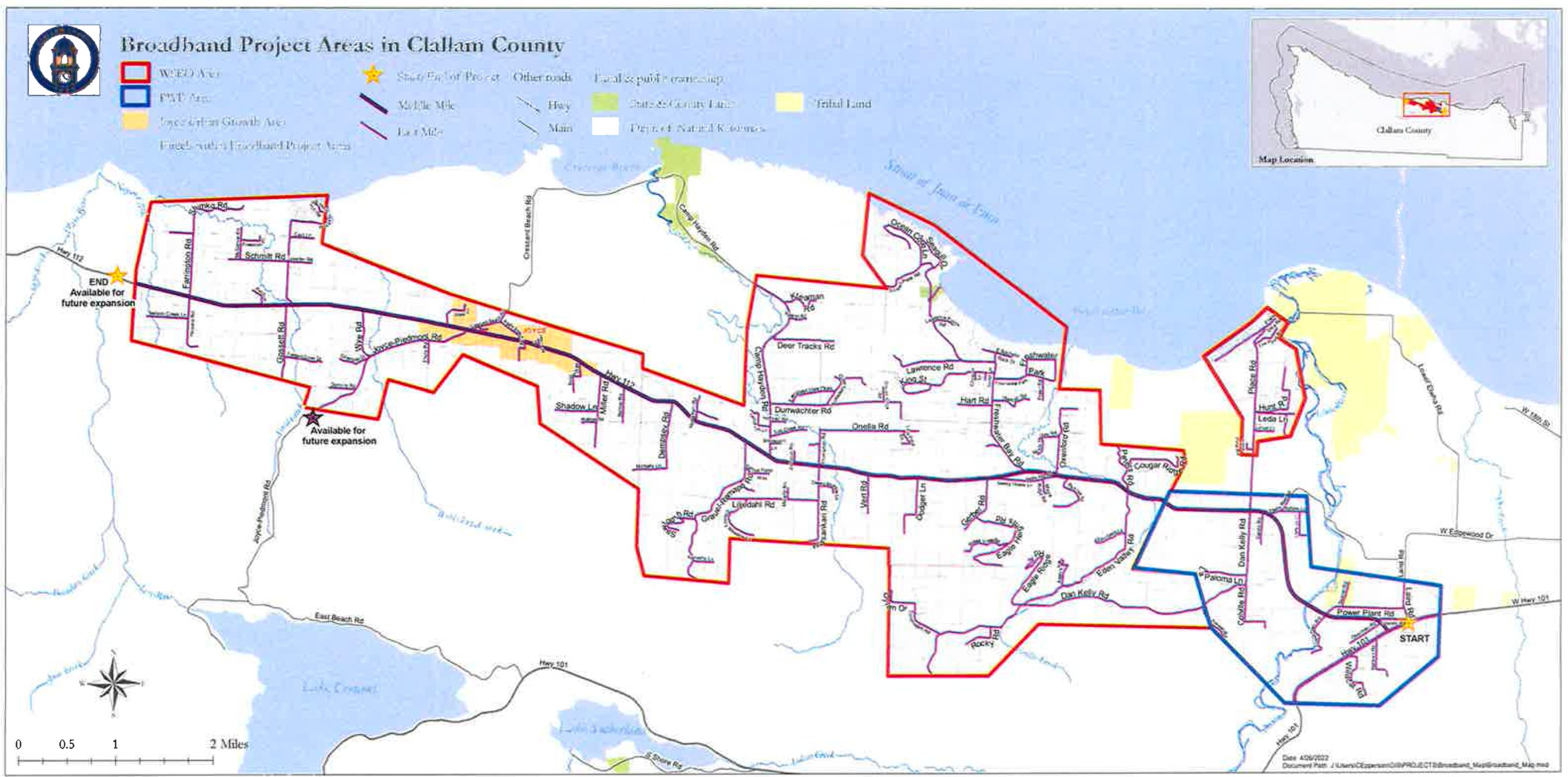
Astound is a New Jersey-based company. Every dollar sent to cover overruns or extra contingency is tax money leaving Clallam County.
Under Schedule 4, Section 12(e) of the IRU, the parties set contingency allowances, and Astound agreed that it would be responsible for costs above those amounts.

Construction is finished. Final invoices are pending. Astound now wants those contingencies raised:
WSBO project area: from $1,057,403.08 to $1,504,594.94 ($447,191.86 increase)
PWB project area: from $166,138.74 to $196,559.76 ($30,421.02 increase)

That is nearly $478,000 more, attributed to higher-than-expected engineering and make-ready pole costs. Public Works says remaining grant funds can cover it, but the Board must still approve the contract amendment and later a budget change for supplemental appropriation.
Jake Seegers Runs the Numbers
Jake Seegers’ letter to the commissioners cuts through the bureaucratic language with the numbers that matter:
Commissioners,
I oppose Astound’s request for nearly $500,000 in additional compensation outside of its current contract.
This broadband project has been an astounding waste of taxpayer money. The original projected cost of nearly $15,000 per residential connection was already extraordinarily high. We were told that bringing broadband access to rural residents was crucial. Yet the actual customer sign-ups tell a very different story. As we too often see with government-led projects, the promised results have failed to materialize.
With only 141 customers currently signed up for service, the approximately $22 million project has cost taxpayers more than $156,000 per subscriber. Clallam County’s contribution alone amounts to approximately $12,000 per subscriber.
We should be ashamed of this level of fiscal waste.
Astound entered into a contract to deliver this project. Taxpayers have already invested tens of millions, while actual adoption remains a fraction of original expectations.
So, no. Astound should not receive another dime of taxpayer money outside of its existing contractual obligations.
Sincerely,
Jake Seegers
Seegers is doing what the commissioners haven't: reading the contract, counting actual customers against promised connections, and calculating the real cost per subscriber.
What Last Week’s Budget Meeting Revealed
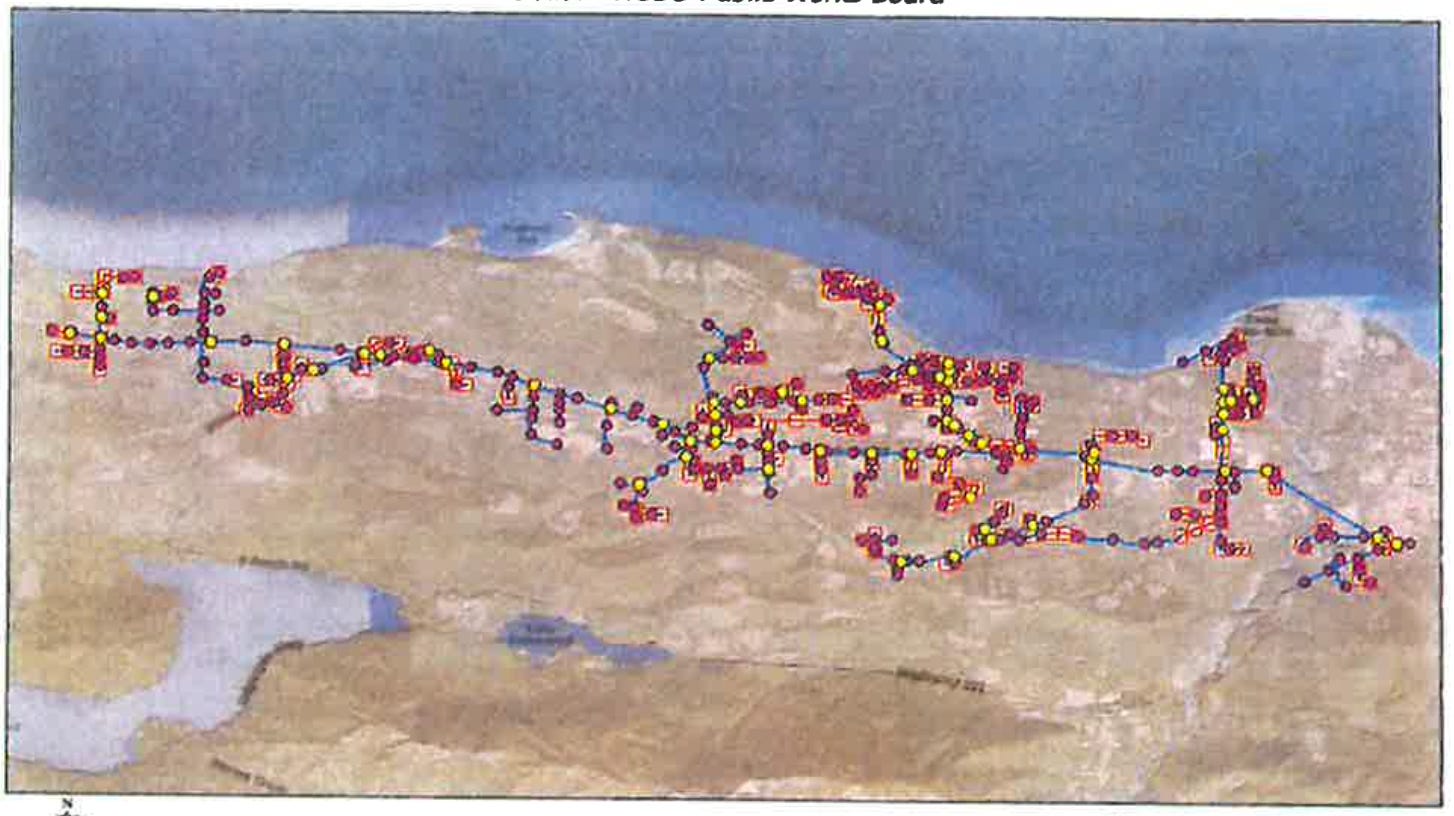
In a budget meeting last week, Public Works Deputy Director Steve Gray updated the Board. Both project areas are complete and waiting on Astound’s final invoices. Gray reported 101 customers connected, with 40 pending (as of the end of the prior month), out of 1,446 potential connections (1,271 in the larger WSBO area and 175 in the PWB area). That is roughly 10% uptake so far. The original applications estimated about 1,600.
Commissioner Randy Johnson pressed on the low numbers. He noted that the entire project depended on people signing up and asked why so few had. He pointed out that even though the money was largely grant-funded, “you have to look at everyone’s money” and ask whether the county got a return on the investment. He said the measure is how many people actually sign up versus what was expected. He also expressed mixed emotions about the contingency request itself: normally, when a contract says costs will be no more than a set amount, that is the limit. He wanted verification of the additional expenses.
Mark Ozias weighed in primarily on process and funding sources—particularly how the team would handle ongoing administrative costs after ARPA funds expire and whether the proposed $5,000 to keep the utility fund alive should come from existing working capital. Mike French did not speak.
Gray confirmed the project has underspent relative to the current agreement (nearly half a million left under the grants) but that Astound is still requesting the extra money beyond the original contingency for make-ready pole work. He has spreadsheets from Astound documenting the costs and plans to check with the PUD and granting agencies before bringing a firm recommendation.
The NODC Connection and Commissioner Ozias
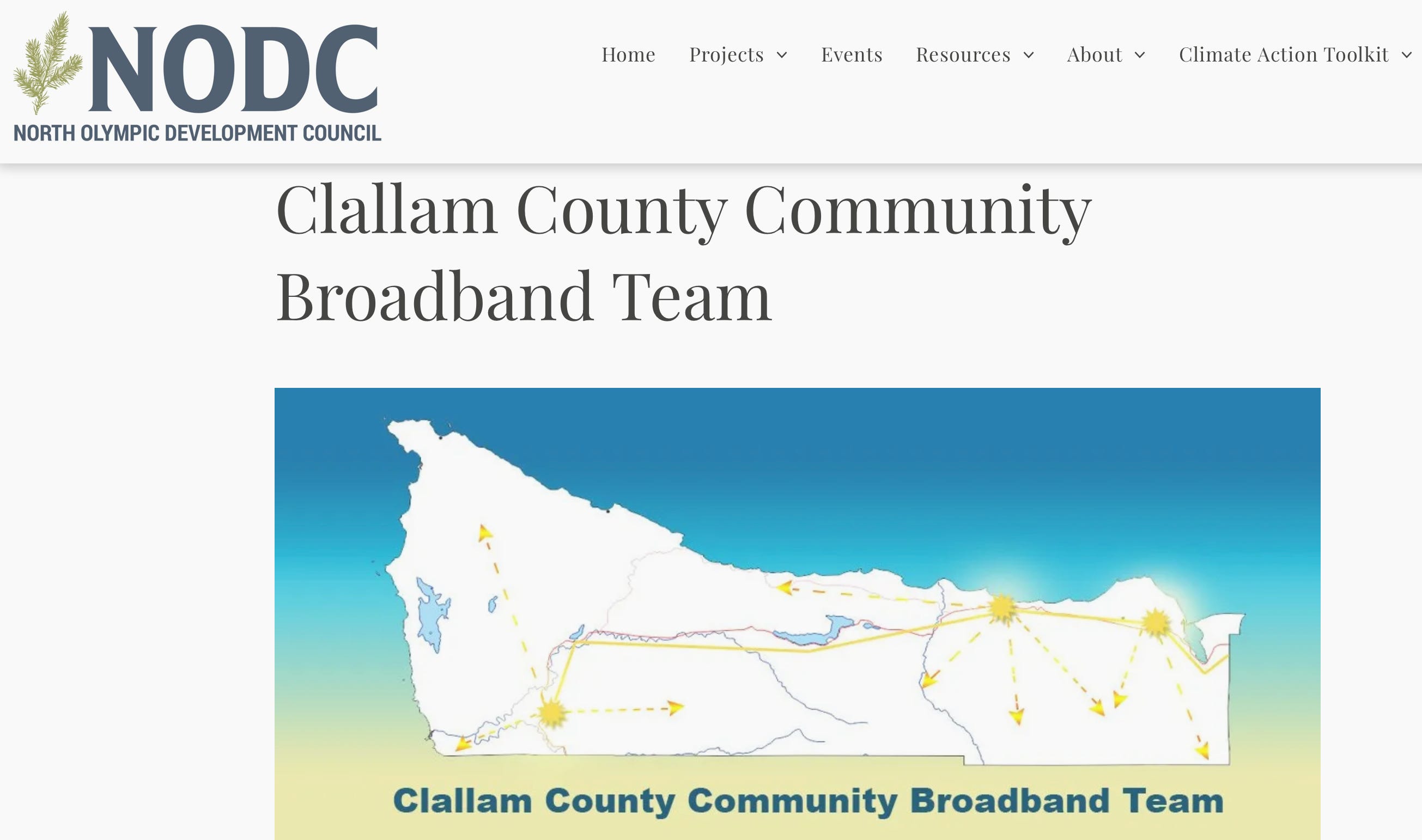
There is also a longer thread. The Clallam County Broadband Team, which helped drive these efforts, was established through the North Olympic Development Council (NODC) after NODC’s 2019 Regional Broadband Symposium.
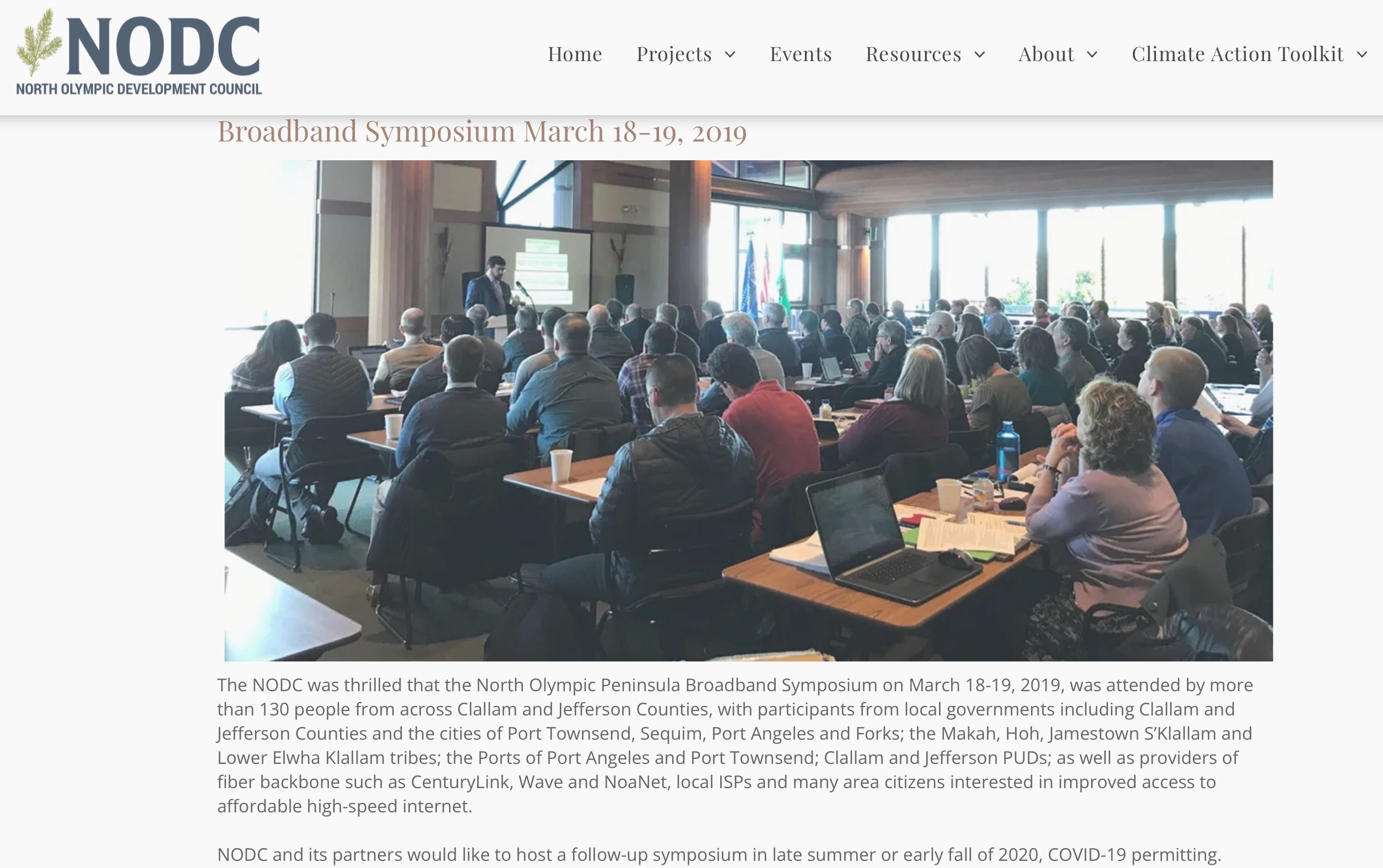
NODC coordinated the feasibility study and continues to list broadband coordination and expansion among its core work. Commissioner Mark Ozias sits on the NODC Executive Board (currently as Vice President; he has previously served as President). The same commissioner who helps set the agenda and vote on county broadband contracts and spending also leads the NGO that helped launch the planning process and receives county support. That dual role is a standing conflict of interest whenever the Board acts on projects that originated in, or remain connected to, NODC’s priorities.
Tomorrow’s Work Session
The amendment is on the agenda for the Board of County Commissioners’ work session tomorrow, October 19, at 9:00 a.m.
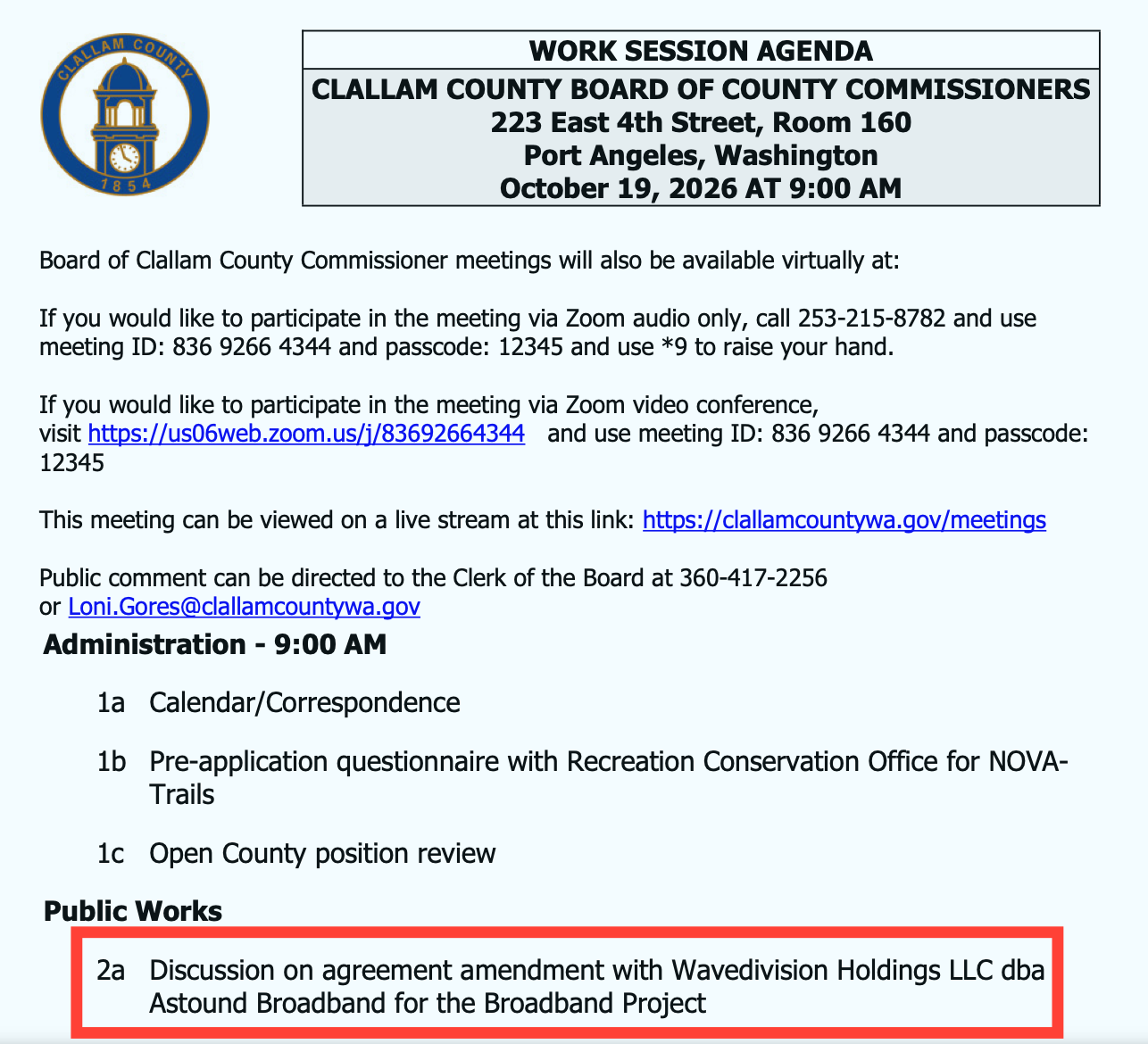
The amendment will be discussed at the Board of County Commissioners’ work session tomorrow, October 19, at 9:00 a.m. The item is scheduled for final action at the regular agenda meeting on October 27.
Residents who believe another half-million dollars for a project already costing more than $156,000 per actual subscriber does not represent responsible stewardship of public funds can attend either meeting, submit public comment, or contact the commissioners by emailing the Clerk of the Board at loni.gores@clallamcountywa.gov.
Astound agreed to a budget and a contingency cap. So far, the results don't match the sales pitch. Jake Seegers and at least one commissioner are looking at the numbers. The question tomorrow is whether the rest of the Board will do the same.
$55/month for Starlink. No buried infrastructure.
Budgets are tight. People aren't buying what they don't need. Many don't need Astound prices when they can access Starlink.
I see Astound would like another half-million dollars in contingency money for a project that has already cost taxpayers roughly $22 million and currently serves about 141 people.
At that price, we could have given every one of those households a Starlink dish, paid their unlimited service for the next 150–200 years, and still had enough left over to buy the entire Board of Commissioners a nice boat and a lifetime supply of coffee. Or, if we wanted to be thrifty, we could have done it on the $55 plan and covered them until roughly the year 2260.
Instead we built a fiber network that was supposed to serve 1,500 homes and has so far attracted roughly 10% of that number, at a cost exceeding $156,000 per actual customer. Astound signed a contract that included contingency limits. Now that construction is finished and the invoices are in, they’d like those limits raised because pole work and engineering came in higher than expected. Public Works says there’s still grant money left, so it’s not *new* money, just more of the same money that was already earmarked for a project whose actual adoption is a fraction of what was sold to the public.
Jake Seegers did the math. Commissioner Johnson has already asked why so few people signed up. The rest of the Board appears prepared to treat this as a routine contract amendment rather than a moment to ask whether another half-million dollars is a reasonable response to a project that has delivered service to roughly one in ten of the homes it was built for.
Starlink is not perfect. It has higher latency and can slow down when the cell is busy. But it also does not require $22 million in public capital to serve 141 households, nor does it come back asking for another $500,000 once the work is done. It simply works, or it doesn’t, and the customer decides whether to keep paying $55–$130 a month.
We were told this was essential infrastructure. What we got is a very expensive fiber network with very few customers and a contractor that would like the contingency caps raised after the fact. That is not stewardship. That is a sunk-cost argument dressed up as an agenda item.
If the Board is going to approve another half-million, the least it can do is explain, in plain language, why 141 households required $22.5 million when a satellite service that already exists could have covered them for the next century and a half.
Respectfully,
A Taxpayer Who Can Still Do Division